
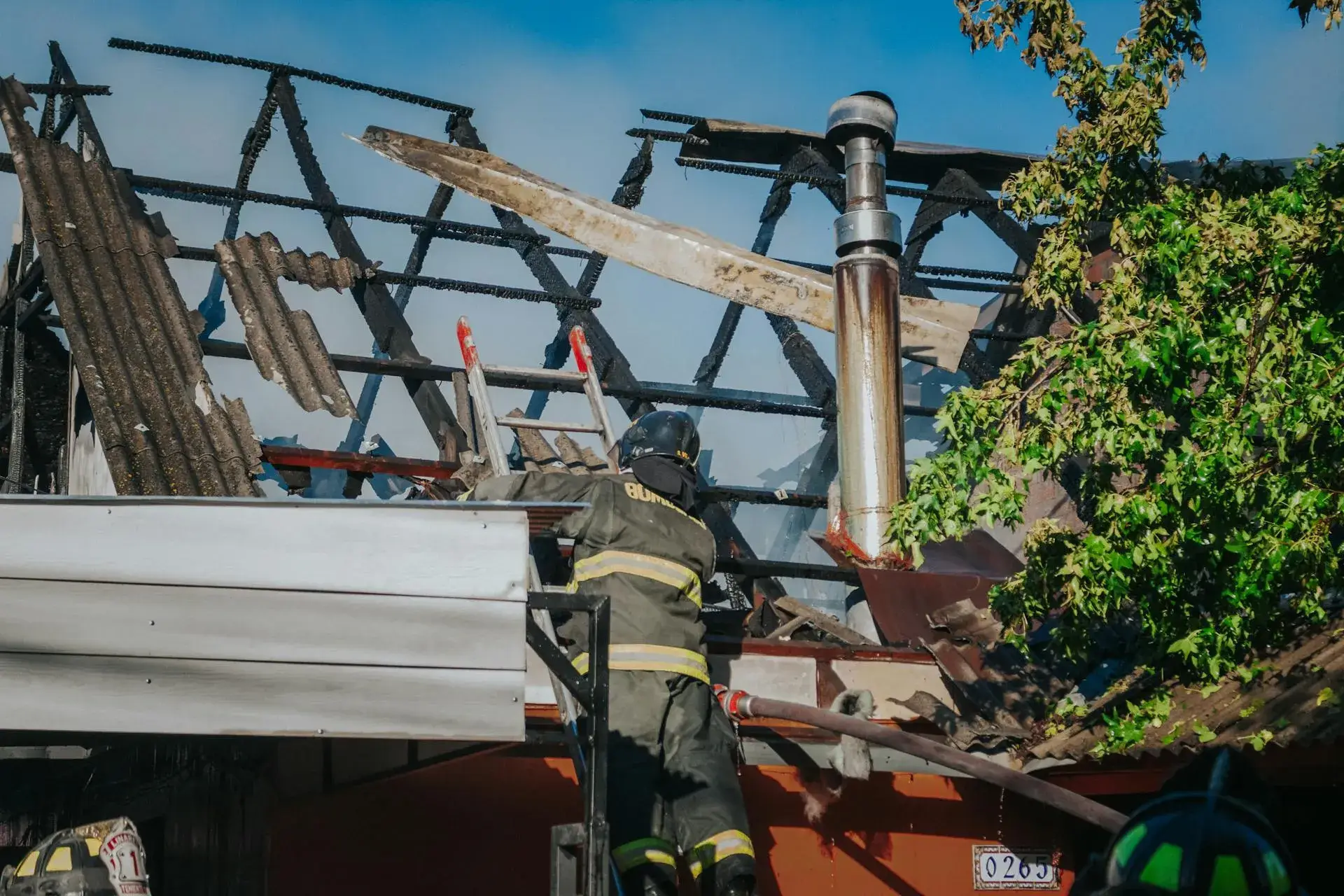
Fire Damage Restoration in Aurora, IL
Fire damage worsens every hour as soot corrodes surfaces and smoke residue penetrates deeper into materials. Our local team responds to Aurora emergencies within 60 minutes.
What Happens When You Call
A real person answers, not a call center. We assess your situation, ask the right questions, and begin coordinating your response immediately.
Your dedicated restoration team is dispatched from our local base serving Aurora and the surrounding Fox River Valley communities.
Team arrives with board-up materials, structural assessment tools, and soot containment equipment. Emergency stabilization begins immediately.
Property secured, damage documented, restoration plan developed. You know exactly what comes next and what the timeline looks like.
Your home just experienced a fire. The flames may be out, but the damage is still advancing. Soot is acidic and corrosive, smoke residue is migrating through your HVAC system into rooms the fire never touched, and water from suppression is pooling in structural cavities. X Response exists for exactly this moment. When you reach out, your restoration team is mobilized within minutes. From that point forward, one team manages everything: stabilization, cleaning, odor elimination, reconstruction, and insurance documentation. Call now. Your team is standing by.
Why Aurora Homes Are Vulnerable to Fire Damage
Aurora is the second-largest city in Illinois with a 2020 Census population of 180,542, spanning both banks of the Fox River across portions of Kane, DuPage, Kendall, and Will counties. The Aurora Fire Department operates out of multiple stations across this geographically expansive city, responding to a volume of calls that reflects both the population density and the diversity of the building stock. The department maintains specialty teams including fire investigation, hazardous materials response, technical rescue, and juvenile fire intervention. On the weekend of June 7-8, 2026, the department responded to three separate second-alarm structure fires within approximately 24 hours. The first fire broke out Saturday afternoon in the 2200 block of Greenlake Drive on the city's far east side. The second ignited Saturday evening in the 400 block of South Fourth Street near downtown. The third occurred early Sunday morning in the 200 block of Zengele Avenue on the west side. Across these three fires, 16 residents were displaced, one civilian was hospitalized for smoke inhalation, one firefighter sustained an injury, and two of the three homes were declared uninhabitable. All three fires required second-alarm response, meaning initial crews called for additional engine companies, truck companies, and chief officers to manage conditions that exceeded single-alarm capacity.
The June 2026 weekend is not an outlier in Aurora's fire experience. The city's fire department has documented a pattern of multi-alarm residential fires reflecting the challenges of protecting a building stock that ranges from 1850s wood-frame construction near downtown to modern subdivisions on the city's expanding edges. In May 2026, two separate second-alarm house fires occurred within three days, damaging homes on the city's west and south sides. In late November 2025, the department battled two separate structure fires in a single evening, including a blaze on Karen Court that required 26 personnel and one on Fallen Oak Trail where a resident was hospitalized. In July 2024, crews responded to five fires and a water rescue over the Fourth of July weekend alone, including two structure fires within minutes of each other. The Aurora Fire Department also reported investigating a string of suspected arson fires near apartment complexes in 2026, underscoring a persistent threat beyond accidental ignition. For Aurora homeowners, the statistical reality is that the city's size and building diversity generate a consistent volume of residential structure fires throughout the year.
The June 2026 Weekend and Aurora's Multi-Alarm Pattern
The weekend of June 7-8, 2026 compressed three major fires into a single 24-hour period, stretching Aurora Fire Department resources across the city's 46 square miles. The Greenlake Drive fire on the far east side (DuPage County portion) required crews to battle active flames in a residential structure while simultaneously evacuating neighboring homes. The South Fourth Street fire near downtown involved a property in Aurora's older core where narrow lots and shared walls between structures create exposure risks to adjacent buildings. The Zengele Avenue fire on the west side produced heavy fire conditions on the front of the home, requiring multiple hose lines, search operations, ventilation, and extensive overhaul. In each case, the 'second alarm' designation meant the initial response was insufficient and additional companies were summoned, ultimately involving dozens of firefighters per incident. For the 16 displaced residents across these three fires, the aftermath meant not just losing access to their homes but beginning the complex process of fire damage restoration while managing temporary housing, insurance claims, and the emotional weight of sudden displacement.
Multi-Era Building Stock and Fire Behavior
Aurora's building stock creates distinctly different fire damage patterns depending on when and how a structure was built. The oldest neighborhoods near downtown, including the McCarty-Burlington area and the West Side Historic District, contain wood-frame homes built in the 1850s through 1890s with balloon-frame construction. In balloon framing, wall studs run continuously from the foundation to the roof with no horizontal fire stops between floors, creating vertical channels that allow fire to travel rapidly from the basement to the attic without ever being visible in living spaces. These homes also feature original wood lath and plaster, which conceal fire travel until it breaks through. Mid-century ranch homes in neighborhoods developed in the 1950s and 1960s use platform framing with inherent fire stops at each floor level, but their open floor plans allow rapid horizontal fire spread. Modern construction on Aurora's far east and south sides incorporates code-required fire stops, hard-wired smoke detection, and fire-rated drywall, but uses engineered lumber (trusses, I-joists, OSB) that fails catastrophically under fire load, often within 10 to 15 minutes of ignition compared to the 30-plus minutes that dimensional lumber maintains structural capacity.
The Fox River Divide and Response Logistics
The Fox River bisects Aurora north to south, creating east and west halves connected by a limited number of bridge crossings. During simultaneous fire events like the June 2026 weekend, crews responding from stations on one side of the river to fires on the other must route through available crossings, which affects response time and mutual aid coordination. The city's geographic spread across approximately 46 square miles means that second-alarm fires on the far east side (DuPage County portions) and simultaneous calls on the west side (Kane County core) can strain department coverage. This geography also affects restoration response. A fire on Greenlake Drive near the DuPage County border and another on Zengele Avenue west of the Fox River represent different neighborhoods with different housing types, different insurance requirements (some east-side properties carry DuPage County tax rates and school district assignments), and different access logistics for restoration crews bringing equipment and materials to the site.
Heating Season Fires and Cold-Weather Complications
Northern Illinois winters drive a pronounced heating-season fire pattern in Aurora. The November 2025 fires on Karen Court and Fallen Oak Trail occurred during cold weather when heating systems run continuously. Space heaters, overloaded electrical circuits in older homes, chimney fires in homes with wood-burning fireplaces, and furnace malfunctions all contribute to elevated fire risk between November and March. When fires occur during freezing temperatures, the water used for suppression creates an additional damage layer. Thousands of gallons of water sprayed during firefighting operations soak structural cavities, insulation, and building materials, then freeze in sub-zero conditions before restoration can begin. The freeze-thaw cycle cracks plaster, splits wood framing, bursts concealed plumbing lines, and pushes masonry joints apart in Aurora's older brick and stone structures. Restoration teams working in winter must manage active thawing, ice removal, and ongoing freeze risk simultaneously with structural stabilization and smoke damage mitigation.
Multi-Family Housing and Displacement Scale
Aurora contains significant multi-family housing inventory including apartment complexes, condominium buildings, and converted historic structures that now house multiple tenants. When fire strikes multi-family buildings, the displacement scale multiplies. A July 2024 structure fire displaced residents from a multi-unit building. Apartment complexes along Aurora's major corridors house dozens of families per building, meaning a single fire event can displace 20, 30, or 50 households simultaneously. The building code requirements for multi-family structures include fire-rated separation walls between units, sprinkler systems in newer construction, and multiple means of egress, but fires that start in one unit and breach the separation (often through ceiling plenums, shared utility chases, or attic spaces above the fire-rated walls) can affect every unit in the structure. For individual unit owners in condo buildings, fire damage restoration involves navigating both personal property coverage and HOA master-policy claims for structural elements, a process that adds complexity and delays compared to single-family home restoration.
Aurora's fire damage profile reflects a city where population density, geographic scale, building-stock diversity, and seasonal climate all contribute to a consistent volume of structure fires. The June 2026 weekend, with three second-alarm fires displacing 16 people in 24 hours, demonstrated what every Aurora homeowner should understand: fire can strike without warning, and the aftermath demands immediate professional response to prevent secondary damage from advancing unchecked. The same soot that looks like surface discoloration is actually an acidic compound actively corroding metals, discoloring plastics, and permanently staining porous surfaces with every hour it remains untreated.
What Happens to Your Home While You Wait
Within 1 Hour
Soot settles on every exposed surface throughout the structure, including rooms the fire never reached. Acidic soot compounds begin reacting with metals, causing tarnishing and corrosion on fixtures, appliances, and hardware. Smoke odor penetrates soft furnishings, carpet fibers, and clothing. In Aurora's older homes with plaster walls and original wood trim, soot works into the porous surface texture immediately. Water from fire suppression pools in structural cavities, behind walls, and beneath flooring. The structure is open to weather through fire-damaged roof, windows, or walls, and in northern Illinois, exposure to rain or freezing temperatures compounds the damage with every hour the building remains unsecured.
1–24 Hours
Soot causes permanent yellow staining on plastics, fixtures, and light-colored surfaces that was avoidable with immediate cleaning. Metal surfaces including chrome, brass, and steel begin pitting from acidic soot contact. Smoke residue migrates deeper into wall cavities through convection currents still active in the cooling structure. Suppression water wicks into drywall, subfloor, and insulation, beginning secondary water damage. In Aurora's balloon-frame historic homes, water runs down through continuous wall cavities from upper floors to the basement, distributing moisture throughout the entire structure. HVAC ductwork that carried smoke during the fire now holds residue that will redistribute soot every time the system runs.
24–72 Hours
Corrosion damage to metals becomes increasingly difficult to reverse. Grout, natural stone, and fiberglass develop permanent discoloration from soot absorption. Smoke odor molecules bond chemically with porous materials, requiring thermal fogging or ozone treatment rather than surface cleaning to remove. Water from suppression efforts that has pooled in concealed cavities begins promoting mold growth in the same 24-to-48-hour window that applies to any water intrusion event. The structure is now experiencing two damage mechanisms simultaneously: fire/smoke degradation from above and water damage from below. Without intervention, the restoration scope expands significantly as materials that could have been cleaned now require replacement.
One Week and Beyond
Extensive corrosion on unprotected metals. Permanent staining throughout soft furnishings, carpet, and porous building materials that were salvageable during the first 24 hours. Mold colonization in water-damaged structural cavities, particularly in basement and first-floor spaces where suppression water accumulated. Smoke odor becomes deeply embedded in the structure itself, requiring aggressive treatment methods. In Aurora's winter months, freeze-thaw cycling in water-soaked structural cavities begins cracking plaster, splitting wood, and pushing masonry apart. The scope shifts from restoration to extensive demolition and rebuild, and insurance disputes increase as carriers question whether timely mitigation could have preserved materials that now require replacement.
Soot is corrosive and it does not stop reacting because the flames are out. Every hour without professional cleaning allows permanent damage to accumulate on surfaces that could have been saved. Contact X Response now. Our Aurora team responds within 60 minutes.
How We Restore Fire-Damaged Aurora Homes
From the moment our team arrives, every step is documented, measured, and verified. Here is exactly what the fire damage restoration process involves for Aurora properties.
Emergency Stabilization and Security
Our team arrives to secure the structure before secondary damage compounds the fire loss. In Aurora, that means boarding up fire-damaged openings to prevent weather exposure (critical during northern Illinois winters and storm seasons), tarping compromised rooflines, and assessing structural integrity to determine safe working conditions. For homes in Aurora's older neighborhoods where balloon-frame construction or weakened masonry may create collapse risks, we coordinate with structural engineers before entering compromised areas. We establish containment barriers to prevent soot migration from fire-damaged areas into spaces that can still be saved, and we begin the documentation that will support your insurance claim from the first hour.
Damage Assessment and Scope Development
Once the structure is secured, we conduct a comprehensive assessment of fire, smoke, soot, and water damage throughout the entire property. In Aurora homes, the assessment accounts for construction type. In balloon-frame historic homes near downtown, we inspect every floor and the attic for hidden fire extension through continuous wall cavities. In mid-century ranch homes, we trace horizontal smoke migration through open floor plans and HVAC distribution. In modern construction, we assess engineered lumber for structural compromise that may not be visible on the surface. Thermal imaging identifies hot spots in walls and concealed spaces where fire may still be smoldering. The assessment produces a detailed scope of work with room-by-room documentation, material inventories, and a restoration timeline that you and your insurance adjuster can review together.
Soot and Smoke Residue Removal
Professional soot removal begins with dry methods (HEPA vacuuming, dry chemical sponges) before any wet cleaning, because moisture applied to soot creates permanent staining rather than removing it. Our technicians identify the type of soot present, which varies based on what burned. Protein-based soot from kitchen fires is nearly invisible but produces intense odor. Synthetic soot from burning plastics and furnishings is thick, black, and highly corrosive. Wood-smoke soot from structure fires is powdery and penetrates porous surfaces deeply. Each type requires specific cleaning chemistry and technique. In Aurora's historic homes with original plaster, wood trim, and decorative elements, we use targeted approaches that remove soot without damaging irreplaceable architectural details.
Odor Elimination
Smoke odor cannot be masked or covered. The molecules must be neutralized or the smell returns when temperature and humidity change. We use thermal fogging to reach smoke molecules in concealed spaces that cannot be physically accessed for surface cleaning. Hydroxyl generators or ozone treatment (in unoccupied structures) break down odor molecules at a chemical level. For Aurora homes where smoke traveled through HVAC ductwork, we clean the entire distribution system and replace filters before the system is operated again. The process is verified with post-treatment air quality assessment. If odor persists in any area, we identify the source material still holding smoke compounds and either treat it again or remove it.
Water Damage Mitigation and Structural Drying
Every structure fire involves water damage from suppression efforts. Thousands of gallons applied during firefighting saturate structural cavities, insulation, subfloor systems, and wall assemblies. In Aurora, this secondary water damage carries the same urgency as any water intrusion event: mold colonization begins within 24 to 48 hours in the humid conditions inside a fire-damaged structure with compromised exterior envelope. We deploy the same commercial extraction and dehumidification equipment used in dedicated water damage projects, targeting suppression water in concealed cavities before it triggers a mold problem on top of the fire damage. During winter fire events in northern Illinois, we manage active thawing of frozen suppression water that may have turned to ice in wall cavities and attic spaces before drying can begin.
Reconstruction and Completion
Once cleaning, decontamination, and drying are complete, we rebuild what the fire destroyed. From drywall and framing to electrical, plumbing, flooring, and finish carpentry, one team manages the entire reconstruction rather than handing you off to a separate contractor. For homes in Aurora's historic districts where original architectural elements must be preserved or replicated, we work with materials and methods appropriate to the home's period. For modern homes, we rebuild to current code requirements, which may include upgraded fire-rated assemblies, additional smoke detection, and improved HVAC isolation. The project is not complete until final inspection confirms everything meets both code requirements and our quality standard.
The X Response Difference
Fire damage restoration is a complex, multi-phase project that demands coordination across structural, mechanical, and finishing trades. When you contact X Response, you get one team managing every phase under one scope of work, from the moment the fire trucks leave until you move back in.
Insurance Claim Guidance for Aurora Homeowners
Fire damage insurance claims in Illinois are generally more straightforward than water damage claims because standard homeowner's policies cover fire as a named peril without requiring special endorsements. However, the complexity lies in the scope. A significant fire affects structure, contents, temporary housing, and potentially neighboring properties. Your policy has separate coverage limits for dwelling, personal property, loss of use (additional living expenses while displaced), and other structures. The June 2026 fires that displaced 16 Aurora residents across three homes meant 16 people simultaneously navigating temporary housing costs, personal property inventories, and structural damage claims. In multi-family buildings, individual unit owners must coordinate between their personal condo/renter's policy and the building's master policy for structural elements. The distinction between what your personal policy covers and what the HOA's master policy covers varies by building and by what exactly was damaged.
How X Response Helps
- Document all damage comprehensively from day one with professional photos and detailed room-by-room scope of work
- Inventory damaged personal property with descriptions, approximate values, and photos to support your contents claim
- Track all additional living expenses (hotel, meals, transportation) from the first day of displacement for your loss-of-use claim
- Align restoration scope with standard insurance coverage categories so your adjuster can process the structural claim efficiently
- Coordinate documentation between dwelling coverage and contents coverage to ensure nothing falls between the two
X Response does not file claims on your behalf, adjust claims, or make coverage determinations. We provide documentation and guidance to help you make informed decisions about your property and your policy. Coverage decisions are made solely by your insurance carrier.
Certified Restoration Specialists Serving Aurora
When you contact X Response for fire damage restoration in Aurora, your team is drawn from certified professionals who understand the specific challenges of restoring properties across Illinois's second-largest city. They know how balloon-frame construction in the historic districts near downtown allows hidden fire extension between floors, how mid-century ranch homes sustain horizontal smoke migration through open floor plans, how modern engineered lumber in newer subdivisions fails differently under fire load than the dimensional lumber in older homes, and how northern Illinois weather complicates every fire scene with freeze-thaw risk in suppression-soaked structural cavities. They have restored homes after kitchen fires in DuPage County subdivisions, after heating-system fires in the older Kane County neighborhoods, after multi-alarm events that left structures open to weather, and after the complex fires that affect Aurora's multi-family buildings. This is not a crew dispatched from hours away with no context. It is a local team that understands Aurora's building stock, climate, and restoration requirements.
Every technician on your team holds current IICRC certification in fire and smoke restoration (FSRT) and carries the appropriate Illinois state licensing for the work being performed. Equipment includes HEPA filtration systems, thermal foggers, hydroxyl generators, ozone treatment units, commercial dehumidifiers for secondary water damage, and the full range of reconstruction tools and materials needed to rebuild what the fire destroyed. When your team arrives, they bring the capability to handle every phase of restoration without waiting for subcontractors, separate scheduling, or additional mobilization delays.
In Aurora, X Response works with Scene Cleaners, an independent local restoration partner serving Kane County.
Fire Damage Restoration FAQ for Aurora Homeowners
Other Emergency Services in Aurora
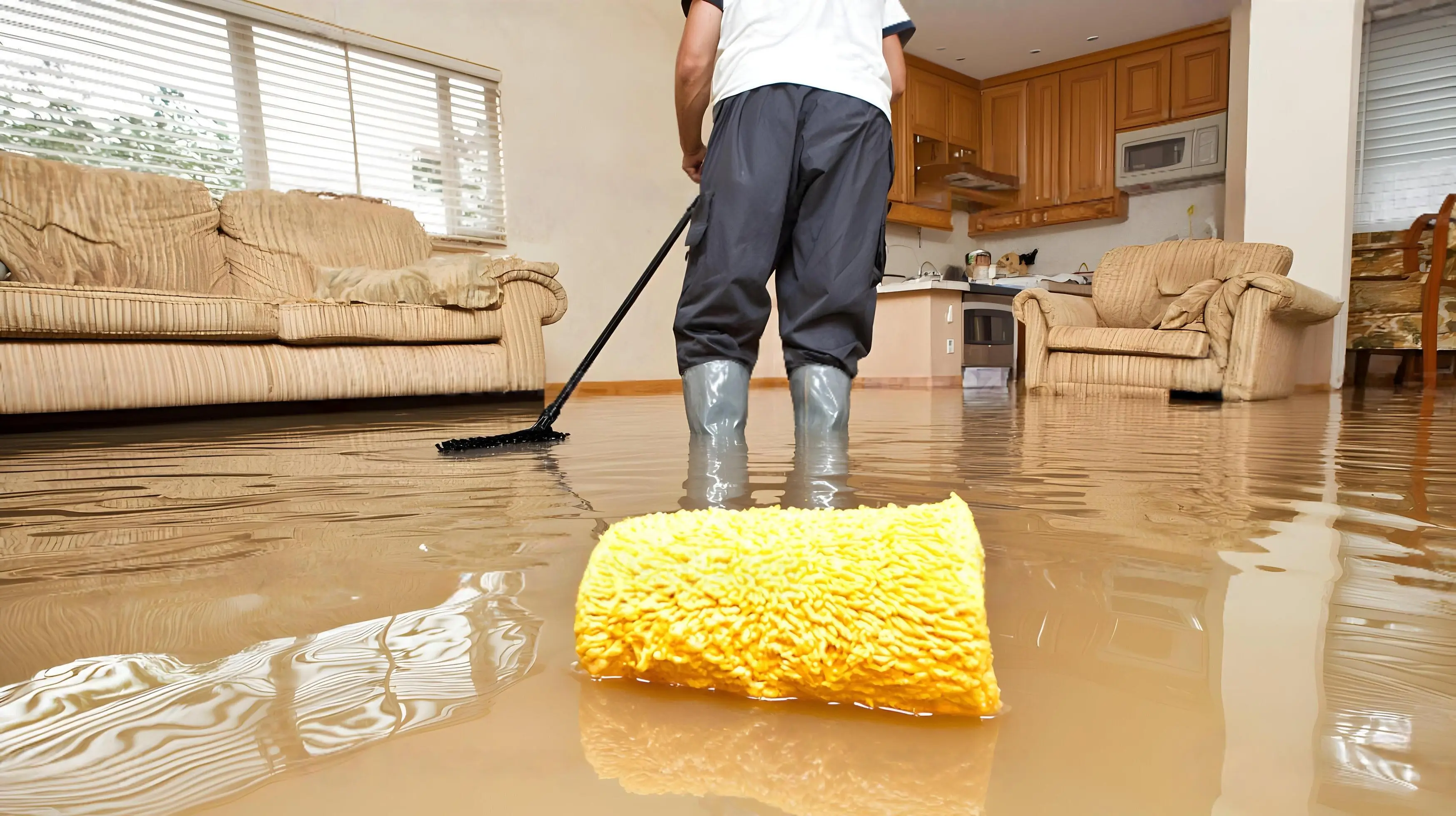
Water Damage Restoration
Burst pipes, storm flooding, standing water. We extract, dry, and restore before mold sets in.
Learn more
Smoke Damage Restoration
Soot residue, chemical odors, HVAC contamination. We decontaminate surfaces, eliminate odors, and restore air quality.
Learn more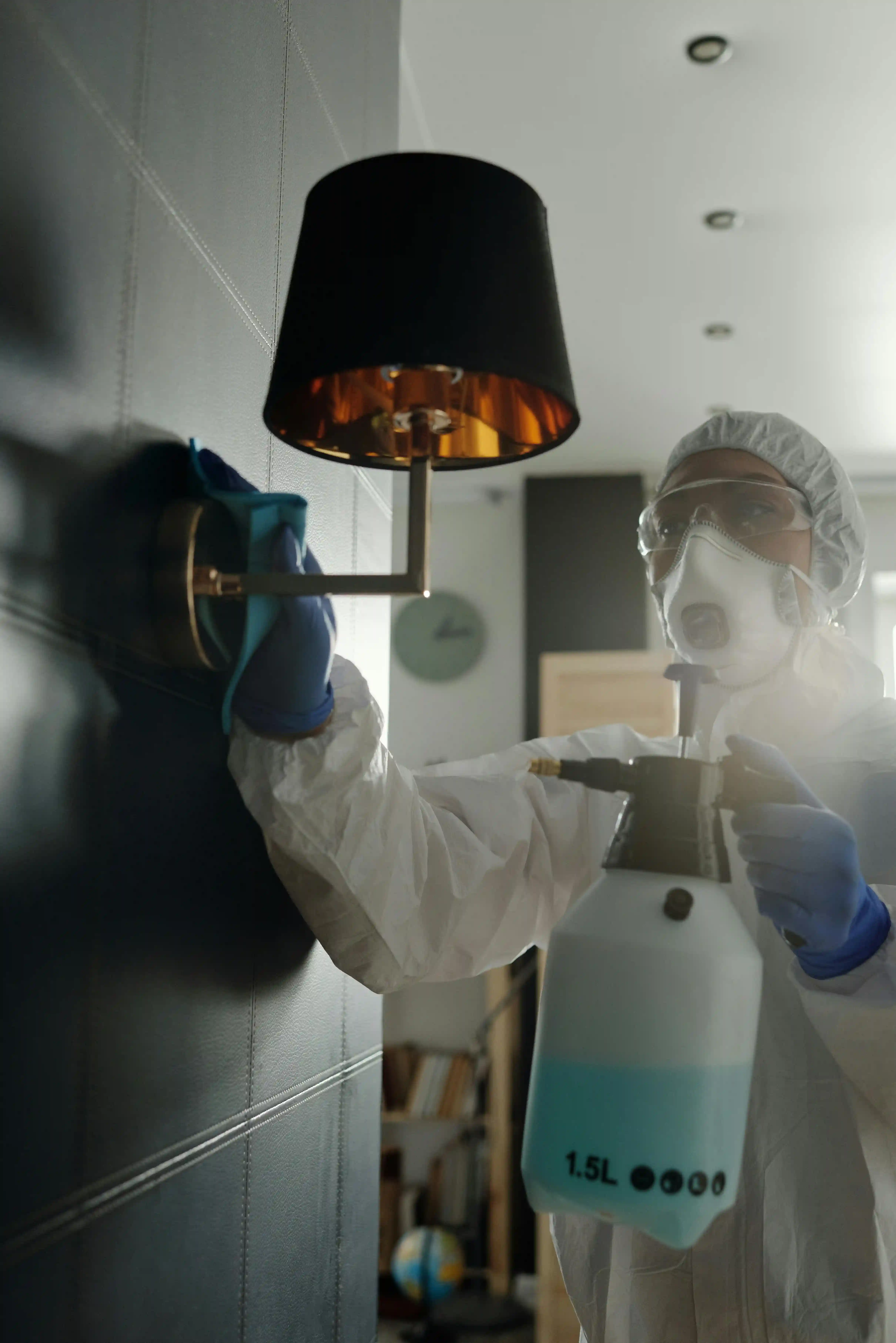
Mold Remediation
Testing, containment, removal, prevention. We find the source, eliminate the growth, and stop it from returning.
Learn more
Sewage Cleanup
Sewer backups, contaminated water, biohazard. We extract, sanitize, and restore safely.
Learn more