
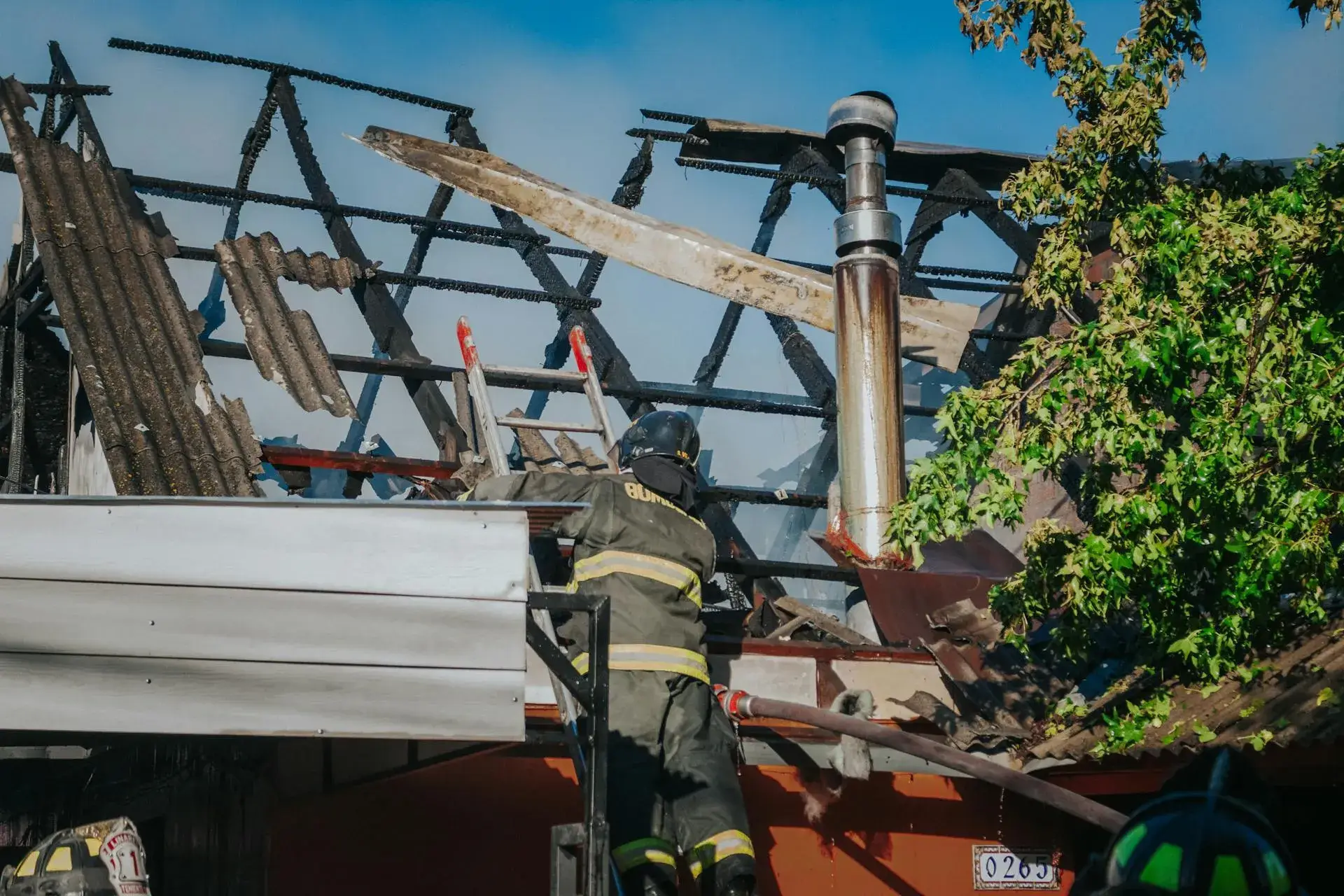
Fire Damage Restoration in Prospect Heights, IL
Fire damage spreads through smoke, soot, and moisture long after flames are out. Our local team responds to Prospect Heights emergencies within 60 minutes to stop secondary damage before it compounds.
What Happens When You Call
A real person answers, not a call center. We assess your situation, ask the right questions, and begin coordinating your response immediately.
Your dedicated restoration team is dispatched from our local base serving Prospect Heights and the surrounding northwest suburban communities.
Team arrives with board-up materials, air scrubbers, and assessment equipment. Emergency stabilization begins immediately to prevent further damage from weather, trespass, or structural failure.
Property secured, initial soot and smoke assessment documented, restoration plan outlined. You know exactly what comes next.
The fire is out, but the damage is still moving. Smoke residue, acidic soot, and the water used to fight the fire are all actively degrading your home right now. Every hour you wait, restoration becomes more complex and more expensive. X Response exists for exactly this moment. When you reach out, your restoration team is mobilized within minutes and on site within the hour. From that point forward, one team manages everything: stabilization, cleaning, structural assessment, and insurance documentation. Call now. Your team is standing by.
Why Prospect Heights Homes Are Vulnerable to Fire Damage
Prospect Heights is a city of 16,058 residents in Wheeling Township, Cook County, Illinois, characterized by a housing stock that combines single-family ranch homes on large lots with a high concentration of multi-family condominium and apartment buildings constructed primarily during the 1960s and 1970s. The Prospect Heights Fire Protection District serves the city and unincorporated areas of Wheeling Township from two fire stations (10 E. Camp McDonald Road and 1275 N. Wolf Road) with a staff of 20 full-time and 18 part-time firefighter/paramedics. The district is currently demolishing and rebuilding its Camp McDonald station, operating all apparatus from the Wolf Road location until spring 2027. The city adopted the 2024 International Code Council building codes, but the majority of its existing structures predate modern fire safety requirements including residential sprinkler systems, firewalls between attached units, and fire-rated corridor construction. This gap between current code requirements and the actual construction of existing buildings defines the fire risk in Prospect Heights: the buildings where most residents live were built under standards that did not require the fire containment features that would limit fire spread in modern construction.
On July 18, 2018, a five-alarm fire at the River Trails Condominiums in Prospect Heights broke out in the 800 block of McIntosh Court. The fire began around 1:30 p.m. in one of four connected three-story buildings and spread rapidly through the shared attic space that ran continuously across the connected structures without firewalls or fire-rated separations between them. The complex was built before sprinkler systems or firewalls between attached buildings were required by code. The fire ultimately destroyed three of the four connected buildings, damaging all 96 units and displacing approximately 300 to 500 residents. The Prospect Heights Fire Department report documented $4 million in structural damage and $6 million in damage to building contents, for a total of approximately $10 million. Investigators determined the fire was accidental in origin. The three destroyed buildings were subsequently demolished in October 2018. The River Trails fire demonstrated exactly what happens when fire reaches a shared attic in pre-code multi-family construction: without firewalls to stop horizontal spread, a fire that begins in a single unit can consume an entire building complex within hours.
Pre-Code Multi-Family Construction and Fire Spread
A defining characteristic of Prospect Heights' fire risk is the concentration of multi-family buildings constructed in the 1960s and 1970s before modern fire codes required residential sprinklers, firewalls between attached units, and fire-rated corridor assemblies. Complexes like River Trails, Old Willow Falls, Willow Woods, and Lake Run Condos were built under standards that permitted continuous attic spaces running across multiple connected buildings, wood-frame party walls without fire rating between units, and corridors without fire-rated separation from living spaces. In modern construction, a residential fire is typically contained to the unit of origin by sprinklers, fire-rated gypsum assemblies, and compartmentalization. In Prospect Heights' 1960s-era condominiums, a fire that penetrates the ceiling and reaches the attic has access to the entire connected structure. The River Trails fire proved this decisively: a fire in one unit spread through the continuous attic and destroyed 96 units across three connected buildings. For homeowners in these older complexes, the risk is not limited to your own unit's fire safety practices. A fire originating in any unit connected to yours through a shared attic or party wall without fire-rated separation can reach your unit regardless of your own precautions.
The August 2022 Willow Heights Fire and Displacement Patterns
On August 25, 2022, a fire broke out in a second-floor bathroom at 818 E. Old Willow Road (Willow Heights Condo Association), a two-story condominium building. The fire traveled from the bathroom into the attic space, with heavy smoke visible from the roof peak when firefighters arrived. Approximately 50 firefighters from a dozen departments responded through the MABAS mutual aid system. The fire was extinguished within 20 minutes of arrival, but the damage was extensive: all residents of the 32-unit building were displaced, with significant smoke and water damage throughout. Eleven months later, in July 2023, ABC 7 Chicago reported that 16 units remained uninhabitable and many displaced families had still not returned home. This event illustrated a pattern specific to Prospect Heights' condominium stock: even a quickly controlled fire produces displacement measured in months rather than days because the shared-building construction means smoke, water, and utility damage extends far beyond the fire's physical footprint. The combination of lost utilities (electrical, gas, water service) for the entire building, smoke infiltration through shared systems, and water damage from suppression flowing downward makes the entire structure uninhabitable even when only a small area actually burned.
The November 2021 Lake Run Condos Fatal Fire
On November 5, 2021, firefighters responded at 6:45 a.m. to a fire at Lake Run Condos, a five-story, 349-unit condominium building at 16 E. Old Willow Road. The fire started in a second-floor unit, and crews evacuated the entire building while working to extinguish the blaze. A 65-year-old resident, Elzbieta Kasprzycka, died from injuries sustained in the fire. The Cook County Medical Examiner identified her that evening. Investigators noted the fire was possibly related to cigarette smoking. Lake Run Condos is a 1967-era high-rise with 349 units housing hundreds of residents in a single structure. A fire in this type of building creates immediate life-safety challenges: evacuation of elderly and mobility-impaired residents from upper floors, smoke filling corridors and stairwells that serve as the only egress path, and the potential for fire to spread through utility penetrations and trash chutes that run the height of the building. The fatal outcome underscored that fires in these older high-density buildings carry risks beyond property damage, particularly for elderly residents who may be unable to self-evacuate before smoke conditions become untenable.
Fire Department Capacity During Station Reconstruction
The Prospect Heights Fire Protection District is currently demolishing and rebuilding its Camp McDonald Road fire station, with all apparatus and personnel operating from the Wolf Road station until the project completes in spring 2027. During this period, response times to the southern and western portions of the city may be slightly longer than when both stations were active. The district's 20 full-time and 18 part-time members cover not only the City of Prospect Heights but also unincorporated areas within Wheeling Township, meaning mutual aid from neighboring departments (Arlington Heights, Mount Prospect, Wheeling, Glenview) is a standard component of any working fire response. The July 2018 River Trails fire required assistance from more than a dozen mutual aid departments. For homeowners, this means that a fire in Prospect Heights during the station reconstruction period may see initial response from a single direction, with mutual aid providing the additional resources needed for larger incidents. The practical impact on property damage is the difference between a fire contained to one room versus a fire that extends to adjacent spaces during the additional minutes before full suppression resources arrive.
Electrical Systems in Aging Multi-Family Buildings
Prospect Heights' condominium buildings from the 1960s and 1970s were designed with electrical systems sized for the appliance loads of that era. Over 50 to 60 years, the electrical demands have increased dramatically as residents added air conditioners, modern kitchen appliances, computers, and electric vehicle chargers to circuits originally designed for basic lighting and a refrigerator. Many units have had partial electrical upgrades where individual circuits were added without upgrading the main panel or building distribution system. This patchwork of original and added wiring creates failure points where overloaded circuits heat connections, deteriorated insulation exposes conductors, and aluminum wiring (common in 1970s construction) develops oxidation at connection points that increases resistance and heat. Electrical fires in these buildings often start inside wall cavities at junction boxes or panel connections, smoldering for extended periods before producing visible flames. The smoke and heat from an electrical fire inside a wall cavity can damage materials on both sides of the wall, affecting the adjacent unit without the fire ever becoming visible in the unit of origin.
Fire restoration in Prospect Heights is shaped by the city's concentration of multi-family buildings constructed before modern fire codes required the containment features that limit fire spread in new construction. The River Trails catastrophe, the Willow Heights displacement, and the Lake Run fatality all occurred in buildings from the same era with the same fundamental deficiency: fire could spread beyond the unit of origin through shared attics, unrated party walls, and utility penetrations because the buildings were not designed to contain it. Effective fire restoration in these buildings must account for damage patterns that extend far beyond the visible burn area, smoke that travels through every connected space, and water damage from suppression that cascades downward through multiple floors. The restoration scope in a Prospect Heights condo fire is almost always larger than initial appearances suggest because of how these interconnected structures allow fire, smoke, and water to travel.
What Happens to Your Home While You Wait
Within 1 Hour
Soot particles settle on every horizontal surface and begin bonding to finishes. Acidic smoke residue starts etching metal fixtures, appliance surfaces, and glass. Suppression water pools on floors and begins wicking into wall cavities, through floor penetrations, and into units below the fire origin. In Prospect Heights' multi-story condo buildings, water from upper-floor suppression travels down through light fixtures, pipe chases, and floor joints to damage lower units that the fire never reached. Emergency board-up prevents weather intrusion through broken windows and compromised roof sections.
1–24 Hours
Soot bonds permanently to porous surfaces like drywall, unfinished wood, and fabric. Acidic residues corrode chrome, copper, and brass fixtures throughout the building. Smoke odor penetrates deeply into soft furnishings, clothing, and porous building materials in every unit connected to the fire unit through shared HVAC, corridors, or wall assemblies. In Prospect Heights' condo complexes without fire-rated separations, smoke migrates into units that show no visible damage through gaps around pipes, electrical boxes, and HVAC penetrations in party walls. Suppression water in lower units begins causing secondary damage: drywall softens, carpet padding traps moisture, and ceiling materials sag.
24–48 Hours
Permanent staining sets into countertops, porcelain, and light-colored finishes. Smoke-contaminated HVAC systems continue distributing odor particles through the building with every fan cycle. Mold begins colonizing in areas where suppression water sits without airflow, particularly behind walls and beneath flooring in lower-level units. The scope of restorable versus demolished materials shifts significantly during this window. Metal surfaces develop visible corrosion pitting that cannot be polished out.
48–72 Hours
Soot and smoke residues cause irreversible yellowing of walls, ceilings, and painted surfaces. Suppression water trapped in wall and ceiling cavities produces active mold growth. In multi-unit buildings, disputes over access and responsibility slow the restoration process as unit owners, associations, and multiple insurance carriers coordinate responses. The combination of fire, smoke, and water damage in these interconnected structures creates a compound remediation scope that grows daily.
One Week and Beyond
Extensive secondary damage from neglected suppression water. Smoke odor embeds in structural materials requiring thermal fogging, ozone treatment, or demolition. Corrosion damage to mechanical and electrical systems may require complete replacement. In multi-family buildings where displacement lasts months (as documented at Willow Heights, where 16 units remained uninhabitable 11 months after the fire), unheated and unventilated units develop severe mold growth during the waiting period, compounding the original fire damage with biological contamination that was entirely preventable with timely intervention.
undefined
How We Restore Fire-Damaged Prospect Heights Homes
From the moment our team arrives, every step is documented, measured, and verified. Here is exactly what the fire damage restoration process involves for Prospect Heights properties.
Emergency Stabilization and Board-Up
Our first priority is securing your property against further damage. We board up broken windows, tarp compromised roof sections, and secure any openings that allow weather, animals, or unauthorized access. In Prospect Heights' multi-family buildings where fire has compromised shared corridors or stairwells, we coordinate with the fire department and building officials to establish which areas are structurally safe for entry and which require shoring before restoration work can begin. For adjacent units damaged by smoke or water but not fire, we secure these spaces against further degradation while the primary fire unit is being assessed. This work begins immediately upon arrival so no additional damage accumulates.
Damage Assessment and Scope Documentation
Once the property is secured, we conduct a comprehensive assessment of all fire, smoke, and water damage. In Prospect Heights' condo buildings, this means assessing not just the fire unit but every connected unit that may have received smoke through shared attic spaces, HVAC systems, or wall penetrations, and every unit below that may have received suppression water through the floor assembly. We use thermal imaging to identify hot spots and hidden fire extension inside walls and ceiling cavities. Moisture meters map suppression water migration. Air quality monitoring determines smoke particulate levels in units that show no visible soot. Every finding is documented photographically with measurements and written scope, establishing the basis for insurance claims that may involve multiple unit owners and carriers.
Smoke and Soot Removal
Professional smoke and soot removal uses methods matched to the surface type and soot chemistry. We use dry sponging on delicate surfaces, wet cleaning with appropriate degreasers on hard surfaces, and HEPA vacuuming with specialized attachments for textured ceilings and complex trim. HVAC systems are professionally cleaned, including all ductwork, registers, and air handler components, before being returned to service. In units where soot has penetrated wall cavities through electrical outlets and plumbing penetrations, we access the cavity space, clean or remove contaminated insulation, and seal the penetrations to prevent future odor migration. Contents are inventoried, with salvageable items sent for professional cleaning and unsalvageable items documented for insurance purposes.
Water Damage From Suppression
Nearly every structure fire produces secondary water damage from the suppression effort. Fire hoses deliver hundreds of gallons per minute, and in multi-story buildings that water cascades downward through every available path. We treat suppression water under the same extraction and drying protocols used for any water intrusion event, with the added complexity that the water is contaminated with dissolved soot, ash, and fire debris. In Prospect Heights' condo buildings where suppression water has traveled through multiple floors, we set up drying on every affected level simultaneously, coordinating across unit boundaries to prevent moisture from migrating laterally into adjacent dry units. This phase runs concurrently with smoke cleaning so that mold growth from trapped moisture does not compound the fire and smoke damage.
Structural Repair and Rebuild
Once all damaged materials are removed, cleaned, or verified dry, structural rebuilding begins. We replace fire-damaged framing, install new drywall, flooring, trim, and fixtures, and restore the property to its pre-loss condition. In Prospect Heights' condo buildings, this work must comply with the 2024 International Code Council standards adopted by the city. Where fire has destroyed shared elements (roofing, attic framing, party walls), we coordinate with the condo association's engineer and insurance carrier to ensure structural repairs address both the immediate damage and any code-upgrade requirements triggered by the scope of work. The result is a property that meets current safety standards, not just a patch of the pre-existing deficiencies that allowed the fire to spread in the first place.
The X Response Difference
When you contact X Response after a fire, you get a single team that handles everything from emergency stabilization through complete restoration. One team, one point of contact, one standard of work from board-up to move-in.
Insurance Claim Guidance for Prospect Heights Homeowners
Fire damage insurance claims in Illinois are typically covered under standard homeowner's policies as a named peril, meaning the fire itself and the resulting smoke and water damage are covered regardless of cause (except arson by the insured). However, the claims process after a significant fire is more complex than most other property damage events. Your policy likely covers the structure, personal property (contents), additional living expenses while displaced, and debris removal, but each category has sublimits, depreciation schedules, and documentation requirements that affect your actual recovery. In Prospect Heights' multi-family condo buildings, the claims process is further complicated by the split between unit-owner policies (HO-6) and the association's master policy, with responsibility for shared elements like roofing, attic framing, and fire-suppression systems falling to the master policy while interior finishes and contents fall to individual unit owners. The July 2018 River Trails fire, which displaced approximately 500 residents and caused $10 million in damage, demonstrated how multi-party insurance coordination extends displacement far beyond what the physical restoration timeline would require.
How X Response Helps
- Document all damage with professional photos, room-by-room inventory, and a detailed scope of work before any cleanup begins
- Separate fire damage, smoke damage, water damage from suppression, and structural damage into distinct categories that align with your policy's coverage sections
- Create a comprehensive contents inventory with descriptions, estimated values, and condition documentation for personal property claims
- Provide scope and timeline documentation that supports your additional living expense claim for the full duration of displacement
- Explain your policy's coverage structure before you file, so you understand replacement cost versus actual cash value, sublimits, and deductible application
X Response does not file claims on your behalf, adjust claims, or make coverage determinations. We provide documentation and guidance to help you make informed decisions about your property and your policy. Coverage decisions are made solely by your insurance carrier.
Certified Restoration Specialists Serving Prospect Heights
When you contact X Response after a fire in Prospect Heights, your restoration team is drawn from certified professionals who work across Cook County's northwest suburbs and understand the specific challenges of restoring fire-damaged properties in this community. They know how 1960s and 1970s multi-family construction without firewalls allows fire to spread through continuous attic spaces, how pre-sprinkler condo buildings require building-wide assessment even when the fire was contained to a single unit, how shared HVAC systems distribute smoke contamination to units far from the fire origin, and how suppression water cascades through multi-story structures damaging units below. They have worked through multi-unit condo fires with complex insurance coordination, single-family fires in the city's ranch-style homes, and the extended displacement scenarios that follow building-wide events. This is not a crew dispatched from hours away with no local context. It is a local team with local expertise, operating under national quality standards.
Every technician on your team holds current IICRC certification in fire and smoke damage restoration and carries the appropriate Illinois state licensing for the work being performed. Equipment is commercial-grade and maintained to manufacturer specifications. When your team arrives, they bring everything needed to begin stabilization immediately, including board-up materials for securing openings, HEPA air scrubbers for particulate control, thermal imaging equipment for identifying hidden hot spots and moisture, professional soot-removal tools matched to every surface type, and structural assessment capabilities to determine which elements are safe and which require replacement.
In Prospect Heights, X Response works with Scene Cleaners, an independent local restoration partner serving Cook County.
Fire Damage Restoration FAQ for Prospect Heights Homeowners
Other Emergency Services in Prospect Heights
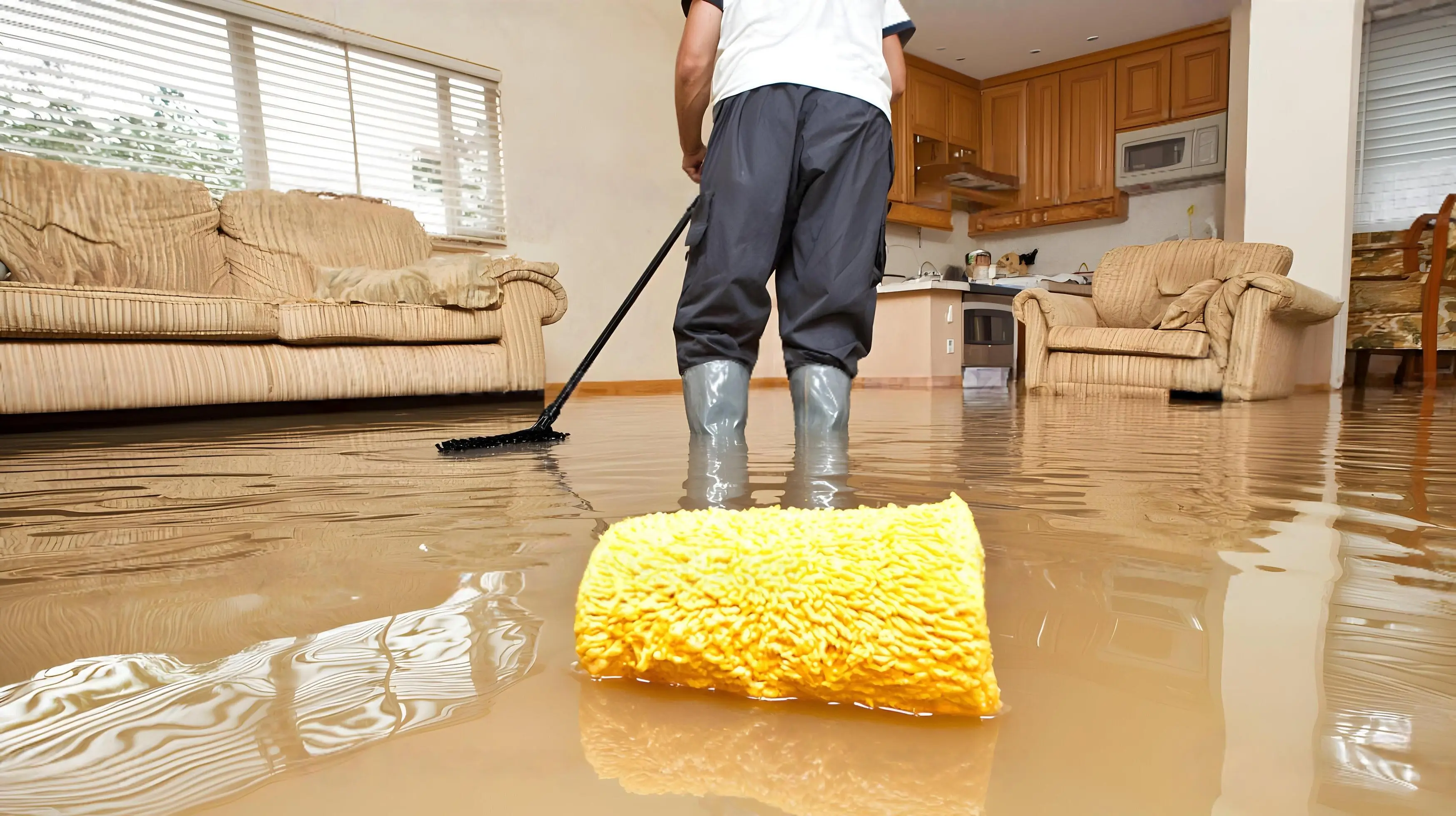
Water Damage Restoration
Burst pipes, storm flooding, standing water. We extract, dry, and restore before mold sets in.
Learn more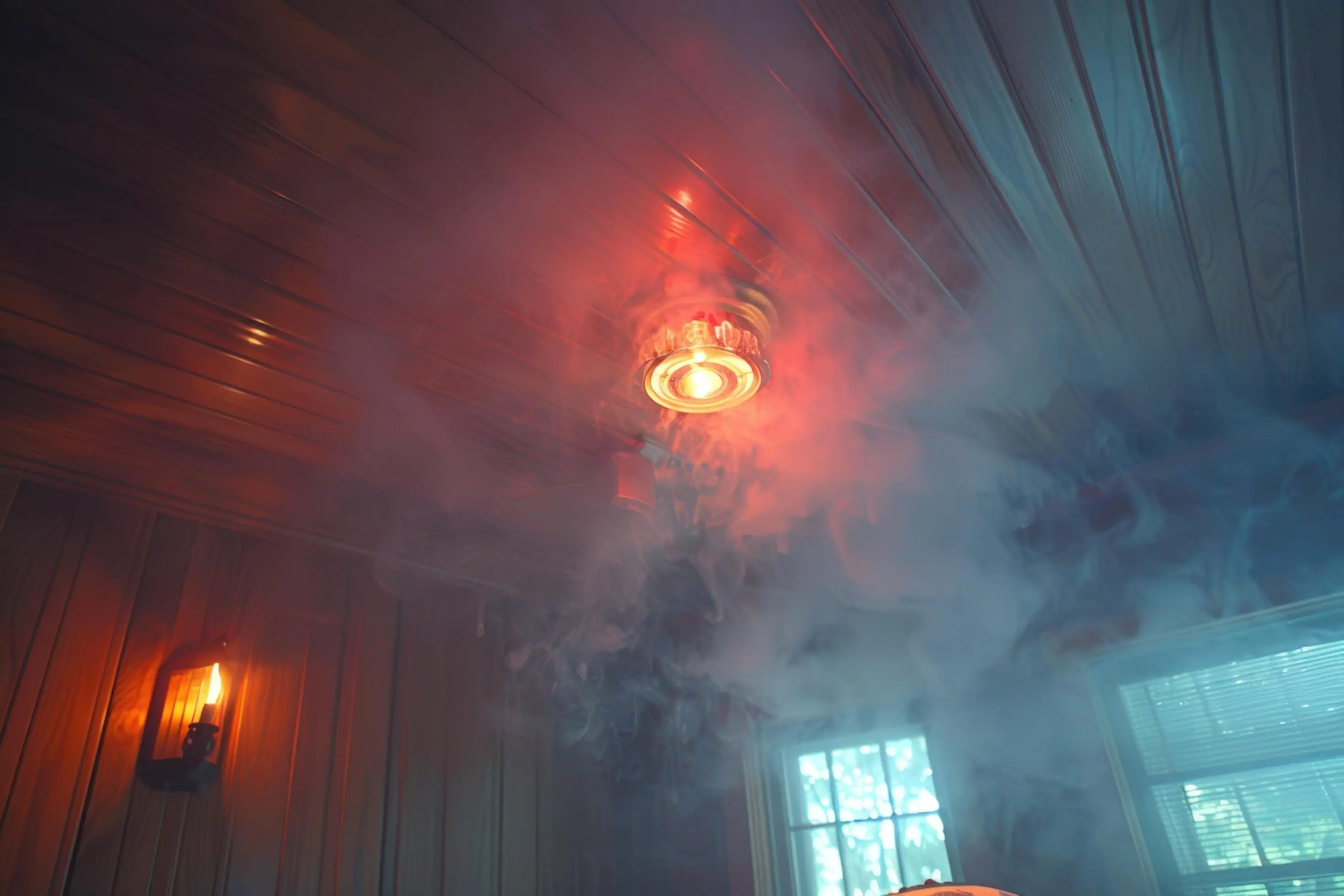
Smoke Damage Restoration
Soot residue, chemical odors, HVAC contamination. We decontaminate surfaces, eliminate odors, and restore air quality.
Learn more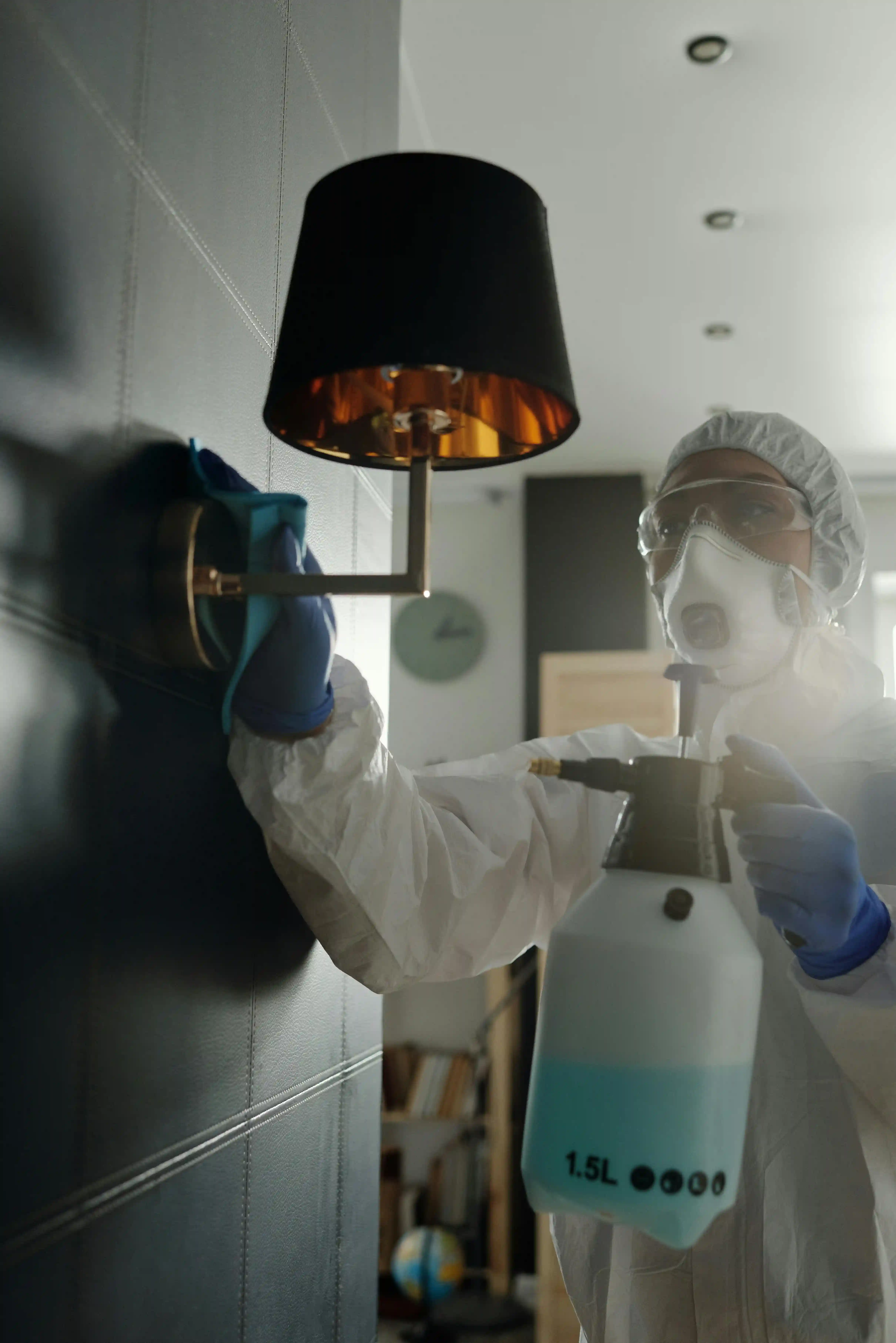
Mold Remediation
Testing, containment, removal, prevention. We find the source, eliminate the growth, and stop it from returning.
Learn more
Sewage Cleanup
Sewer backups, contaminated water, biohazard. We extract, sanitize, and restore safely.
Learn more