
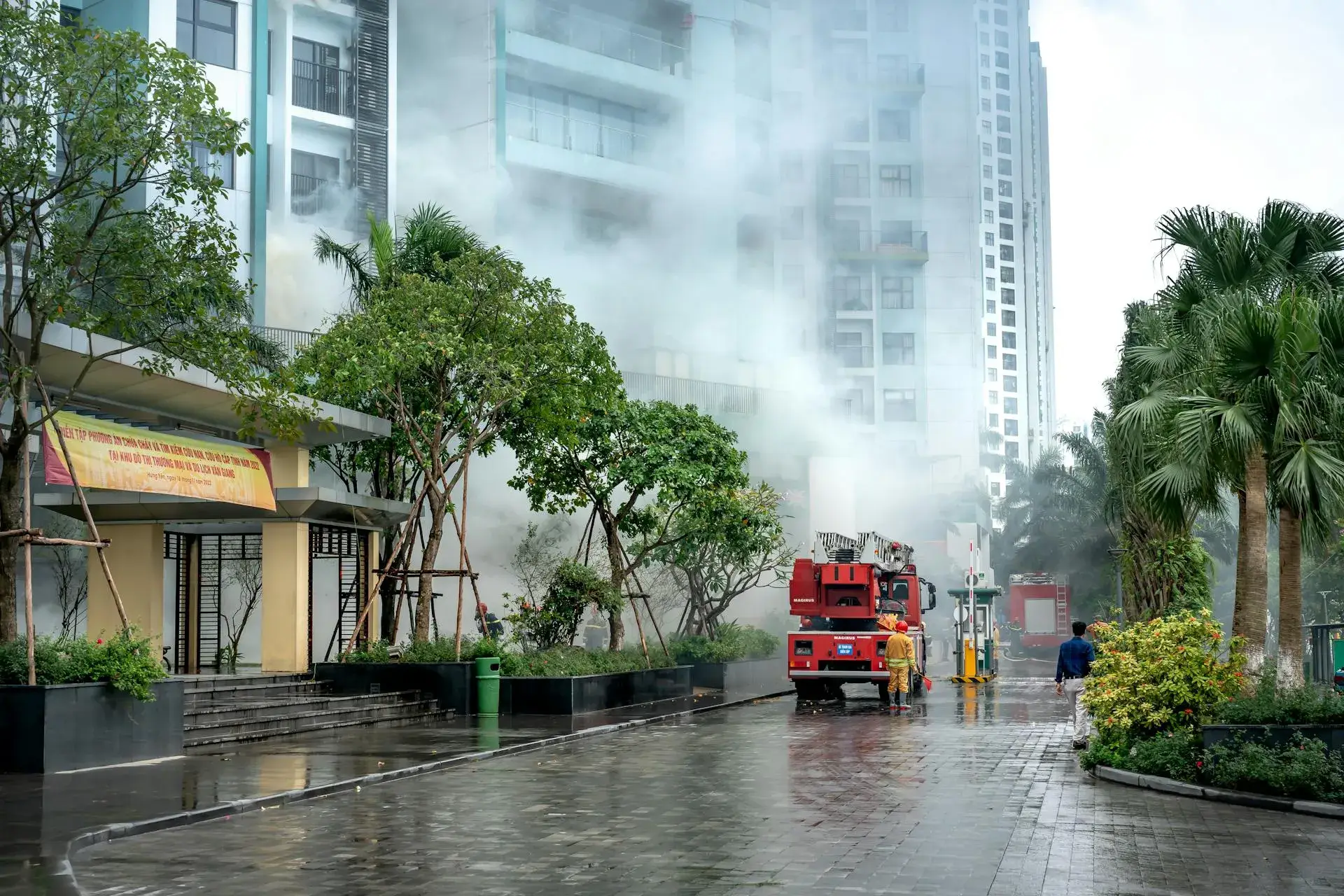
Smoke Damage Restoration in Prospect Heights, IL
Smoke damage is invisible at first but bonds permanently to surfaces within hours. Our local team responds to Prospect Heights emergencies within 60 minutes to stop residue from setting.
What Happens When You Call
A real person answers, not a call center. We assess your situation, identify the smoke source, and begin coordinating your response immediately.
Your dedicated restoration team is dispatched from our local base serving Prospect Heights and the surrounding northwest suburban communities.
Team arrives with air scrubbers, soot removal equipment, and assessment tools. Initial evaluation determines the type of smoke residue and the extent of infiltration.
Assessment complete, cleaning approach matched to your specific residue type, restoration plan documented. You know exactly what comes next.
Smoke does not announce itself the way fire does. It arrives silently, bonds to surfaces invisibly, and embeds in materials permanently if not addressed within the first critical hours. Whether from a neighbor's fire in your building, a furnace puffback in your own unit, or wildfire smoke that infiltrated through your HVAC system, the restoration window is the same: act now or accept permanent damage. X Response exists for exactly this moment. When you reach out, your restoration team is mobilized within minutes and on site within the hour. From that point forward, one team manages everything: assessment, cleaning, odor elimination, and content restoration. Call now. Your team is standing by.
Why Prospect Heights Homes Are Vulnerable to Smoke Damage
Prospect Heights is a city of 16,058 residents in Wheeling Township, Cook County, Illinois, with a housing stock dominated by multi-family condominium and apartment buildings from the 1960s and 1970s alongside single-family ranch homes on larger lots. The city's density of shared-wall, shared-attic, and shared-HVAC residential buildings creates a community where smoke damage from a neighbor's fire, a furnace malfunction, or an external environmental event can affect dozens of units simultaneously through interconnected building systems. The Prospect Heights Fire Protection District responded to an average of more than 600 fire calls annually between 2012 and 2020, a category that includes not only structure fires but furnace malfunctions, cooking incidents, and appliance failures that produce smoke without progressing to open flame. In a community where hundreds of families share walls, ceilings, and mechanical systems with their neighbors, smoke from any of these events can travel through party walls, pipe chases, electrical penetrations, and shared ductwork to contaminate units far removed from the source.
On June 27 and 28, 2023, smoke from unprecedented Canadian wildfires drifted across the Great Lakes region and blanketed the entire Chicago metropolitan area in a dense, visible haze. The Air Quality Index across Cook County, including Prospect Heights, exceeded 200, reaching the Very Unhealthy category. On June 27, Chicago recorded the worst air quality of any major city in the world according to IQAir's global monitoring network. The Illinois EPA issued a statewide air quality alert, and health officials advised all residents to avoid outdoor activity. For Prospect Heights residents, this event demonstrated how external smoke infiltrates indoor spaces through building envelopes designed for ventilation rather than air sealing. The city's 1960s and 1970s era buildings were constructed without the continuous air barriers and high-performance filtration systems found in modern construction. Fresh air intakes, window seals, door weatherstripping, and HVAC returns all drew wildfire smoke particulates into living spaces where they deposited on surfaces, infiltrated HVAC ductwork, and embedded in soft furnishings. Residents who ran their HVAC systems during the event actively pulled outdoor smoke through return air paths and distributed it throughout their homes.
Multi-Family Smoke Migration Through Shared Building Systems
Prospect Heights' concentration of 1960s and 1970s condominium complexes creates a specific smoke damage dynamic that single-family communities do not experience at the same scale. When a fire or smoke event occurs in one unit of a multi-family building, the smoke does not stay in that unit. It travels through every available pathway: continuous attic spaces above connected units (as demonstrated in the 2018 River Trails fire), shared HVAC ductwork that serves multiple units from a central air handler, pipe chases that run vertically through multi-story buildings, electrical conduit paths between units, gaps around plumbing penetrations in party walls, and corridor spaces that connect to every unit through door undercuts and frame gaps. In buildings where a centralized exhaust system serves bathroom or kitchen vents from multiple units, smoke can travel in reverse through this system, entering units through their exhaust fans. The August 2022 Willow Heights fire was extinguished within 20 minutes, yet 32 units sustained smoke and water damage sufficient to displace all residents. That ratio of a brief fire to widespread smoke contamination reflects the reality of shared-system buildings: smoke needs minutes, not hours, to contaminate every connected space.
The June 2023 Canadian Wildfire Smoke Event
The June 2023 wildfire smoke event was unprecedented in scale for the Chicago region. Smoke from hundreds of fires burning simultaneously across Quebec and Ontario drifted south across the Great Lakes and settled over the metro area for multiple days. On June 27, the AQI in Cook County exceeded 200, a level classified as Very Unhealthy where all individuals, not just sensitive groups, face health risks from outdoor exposure. The visible haze reduced visibility and gave the sun an orange tint visible across Prospect Heights and all surrounding communities. For building interiors, the event's duration was as significant as its intensity. A brief smoke event (a neighbor grilling, a passing truck) dissipates quickly. But the Canadian wildfire smoke persisted for approximately 48 hours at elevated concentrations, providing continuous exposure time for particulates to infiltrate building envelopes and accumulate on interior surfaces. Residents who left windows open, operated window units, or ran HVAC systems with standard residential filters (MERV 8 or below) effectively pumped outdoor smoke into their homes for two days. The resulting fine particulate deposition on surfaces, in ductwork, and in soft furnishings was subtle enough to miss visually but significant enough to affect air quality measurements and produce lingering odors weeks after the event passed.
Furnace Puffbacks in Aging Heating Systems
A furnace puffback occurs when unburned fuel accumulates in the combustion chamber and ignites explosively when the burner fires, sending a burst of soot and smoke backward through the heat exchanger and into the supply ductwork. The soot then distributes throughout every room with a supply register, coating surfaces with a fine, oily black residue. Puffbacks are most common in oil-fired furnaces, but can also occur in older gas furnaces with failing ignition components. Prospect Heights' housing stock includes thousands of heating systems installed during original construction in the 1960s and 1970s that have been maintained, retrofitted, or replaced at varying intervals. Units that retain original or aging furnaces are at elevated risk for puffback events, particularly at the start of the heating season when the burner fires for the first time after months of dormancy. In a single-family home, a puffback contaminates every room. In a multi-family building where heating systems share ductwork or serve multiple units from a central plant, a single puffback can distribute soot across numerous residences simultaneously. The oily nature of puffback soot differentiates it from fire soot: it adheres more aggressively to surfaces and requires solvent-based cleaning approaches rather than the dry methods used for dry fire residue.
Building Envelope Deficiencies and Smoke Infiltration
Modern construction uses continuous air barriers, sealed penetrations, and high-MERV filtration to control what enters a building from outside. Prospect Heights' 1960s and 1970s buildings were designed for a different philosophy: natural ventilation and air exchange were considered desirable, and the concept of a sealed building envelope with controlled mechanical ventilation did not exist in residential construction. The result is buildings with numerous uncontrolled air pathways: unsealed penetrations around pipes and wires, original single-pane or early double-pane windows with deteriorated weatherstripping, door frames without smoke seals, ventilation louvers that connect directly to outdoor air, and HVAC fresh air intakes without filtration capable of stopping fine particulates. During any external smoke event (wildfire, neighbor's outdoor grill fire, vehicle fire on an adjacent road, a fire in another building in the complex), smoke enters through these pathways by pressure differential, wind action, and stack effect. In multi-story buildings, the stack effect is particularly powerful: warm interior air rising through stairwells and elevator shafts creates negative pressure at ground level that actively pulls outdoor air (and any smoke it contains) into the building at lower floors.
Smoke Damage From Cooking and Appliance Events
Not every smoke damage event in Prospect Heights involves a structure fire or an environmental catastrophe. The most common smoke events are small-scale: a kitchen fire that is quickly extinguished but produces enough smoke to affect the entire unit and adjacent spaces; a toaster or microwave that overheats and fills the kitchen with acrid smoke from burning plastic and food residue; an overloaded electrical outlet that melts and produces thick, toxic smoke from burning wire insulation. In Prospect Heights' multi-family buildings, these minor events produce disproportionate damage because the smoke migrates through the shared building systems described above. A cooking fire confined to a single pan in one unit's kitchen can produce enough smoke to trigger detectors in adjacent units, deposit visible soot in the corridor, and leave an odor detectable in units on the same floor for weeks. The restoration need in these cases is real but often underestimated: residents assume the damage was minor because there was no visible fire, but the smoke residue on surfaces, in soft furnishings, and especially within HVAC ductwork will produce persistent odor and potential health effects until professionally addressed.
Smoke damage restoration in Prospect Heights is shaped by two defining characteristics of the community: its high density of multi-family buildings with shared systems that distribute smoke far beyond its source, and its 1960s-era building envelopes that cannot exclude external smoke the way modern sealed construction can. Whether the smoke source is a neighbor's fire traveling through shared attics and ductwork, a furnace puffback distributing soot through every register, or wildfire smoke infiltrating through an unsealed building envelope over 48 hours, the restoration approach must account for contamination pathways that are invisible from inside the living space. Effective smoke restoration here requires tracing every migration path, cleaning every affected surface and system, and eliminating odor at its embedded source rather than masking it at the surface.
What Happens to Your Home While You Wait
Within 1 Hour
Soot particles settle on horizontal surfaces and begin adhering to finishes through electrostatic attraction and surface tension. Acidic smoke residues from synthetic materials (plastics, nylon carpet, polyester fabric) begin chemical reactions with metal fixtures, appliance panels, and glass surfaces. In Prospect Heights' multi-family buildings, smoke continues migrating through shared systems even after the source is eliminated, depositing fresh residue in units not yet visibly affected. Air scrubbers and source containment during this window can prevent contamination from spreading to additional areas.
1–24 Hours
Soot begins bonding permanently to porous surfaces through absorption and chemical reaction. Light-colored walls, ceilings, and fabrics develop visible yellowing or graying. Acidic residues etch chrome, brass, and copper fixtures, creating pitting that cannot be polished away. Smoke odor molecules penetrate deeply into upholstery, carpet fibers, clothing, and drapes. In condo buildings where the HVAC system was running during the event, every supply register continues depositing trace soot with each fan cycle. The window for simple surface cleaning begins closing as residue transitions from sitting on surfaces to chemically bonding with them.
24–48 Hours
Permanent staining sets into porous materials. Countertops, grout, and unsealed natural stone absorb residue that no cleaning method can fully remove. Smoke odor embeds in drywall paper facing, carpet backing, and the insulation inside wall cavities. Metal surfaces develop visible corrosion spots. In multi-unit buildings where affected units remain unoccupied and unventilated after a fire event, humidity from summer conditions combines with smoke residue to accelerate corrosion and material degradation. The scope of what can be cleaned versus what must be replaced shifts significantly during this window.
48–72 Hours
Irreversible yellowing across walls and ceilings throughout affected spaces. Smoke odor becomes structurally embedded, meaning it cannot be removed by surface cleaning alone and requires thermal fogging, hydroxyl generation, or ozone treatment to neutralize odor molecules trapped within material pores. HVAC ductwork that was not sealed or cleaned continues redistributing residue. In multi-family buildings, ongoing smoke migration through unsealed penetrations contaminates additional units that were initially unaffected.
One Week and Beyond
Complete permanent bonding of smoke residue to all exposed surfaces. Odor embedded at structural level requires material removal or aggressive chemical treatment. Electronics exposed to acidic smoke residue begin failing as corrosion damages circuit boards and connections. Soft furnishings, clothing, and upholstered furniture that were not promptly removed from the environment may be unsalvageable regardless of professional cleaning attempts. In displaced condo units left unattended after a building fire, the combination of smoke residue and summer humidity produces secondary mold growth that compounds the original smoke damage with biological contamination.
undefined
How We Restore Smoke-Damaged Prospect Heights Homes
From the moment our team arrives, every step is documented, measured, and verified. Here is exactly what the smoke damage restoration process involves for Prospect Heights properties.
Source Identification and Containment
Before any cleaning begins, we identify the smoke source and ensure it is eliminated. For structure fire smoke in multi-family buildings, we determine whether the fire unit is fully secured and whether smoke is still migrating through shared systems. For furnace puffbacks, we confirm the heating system is shut down and cannot re-ignite. For environmental smoke (wildfire), we seal the building envelope as much as possible and establish positive pressure with filtered air to prevent continued infiltration. We then assess which systems are actively distributing smoke (running HVAC, open returns, exhaust fans pulling from contaminated corridors) and shut them down. This containment step prevents the scope from growing while restoration is underway.
Residue Type Assessment and Method Selection
Different smoke sources produce different residue types that require different cleaning approaches. Protein-based residue from kitchen fires is nearly invisible but produces intense odor and requires enzyme-based cleaning. Synthetic residue from burning plastics is sticky, smearing, and acidic, requiring solvent-based approaches. Natural material smoke (wood, paper, fabric) produces dry, powdery residue that responds to dry sponging and HEPA vacuuming. Furnace puffback soot is oily and requires degreasing. Wildfire smoke deposits ultra-fine particulates that penetrate deep into porous materials. We test surfaces in your Prospect Heights property to identify the specific residue chemistry and select the cleaning method that removes it without driving it deeper into the material or spreading it to adjacent surfaces.
Surface and Content Cleaning
Professional smoke cleaning works systematically from ceiling to floor, from cleanest areas toward the most contaminated, using methods matched to each surface type. We dry-sponge textured ceilings and delicate finishes, wet-clean hard surfaces with appropriate chemistry, HEPA-vacuum upholstery and carpet, and use specialized detail cleaning on trim, fixtures, and millwork. In Prospect Heights' condo units where smoke has penetrated through wall penetrations, we access cavity spaces, remove contaminated insulation, and seal the penetrations to prevent continued odor migration. Contents (clothing, documents, electronics, artwork) are inventoried and either cleaned on-site or packed out to our facility for specialized treatment.
HVAC System Cleaning
In every smoke damage event, the HVAC system requires professional attention. Supply and return ductwork, the air handler coil, the blower assembly, and all registers accumulate smoke residue that will be redistributed every time the system operates. In Prospect Heights' multi-family buildings with shared mechanical systems, HVAC cleaning must extend beyond the individual unit to include any shared ductwork, air handlers, or plenums that serve multiple units. We use source-removal techniques (mechanical agitation combined with negative-pressure collection) to clean ductwork rather than chemical treatments that leave residue. The air handler coil, blower wheel, and cabinet interior are cleaned individually. New filters rated MERV 13 or higher are installed. The system is not returned to service until air quality monitoring confirms clean output.
Odor Elimination
Smoke odor persists because odor molecules are trapped within the pore structure of building materials and furnishings, not because residue remains on surfaces. Surface cleaning removes visible soot but does not reach odor embedded in drywall, wood, concrete, or fabric at a molecular level. We use thermal fogging (heated solvent that penetrates material pores and neutralizes odor molecules in place), hydroxyl generators (which break down volatile organic compounds without damaging materials), or ozone treatment (in unoccupied spaces) depending on the material types and residue chemistry present. For severe cases where odor has penetrated structural materials, sealing with specialty primers provides a barrier between the embedded odor and the living space. Verification monitoring confirms that odor levels are at or below detection thresholds before the property is returned to occupants.
The X Response Difference
When you contact X Response for smoke damage in Prospect Heights, you get a team that treats the entire home as a system, from HVAC ductwork through structural cavities to every surface in between. One team, one comprehensive approach, verified results.
Insurance Claim Guidance for Prospect Heights Homeowners
Smoke damage insurance coverage in Illinois depends on the source of the smoke. Smoke from a fire at your own property is covered as part of the fire damage claim under your standard homeowner's policy. Smoke from a neighbor's fire that damages your property is also typically covered as fire damage, even though the fire occurred at another address, because the policy covers damage from fire regardless of where the fire originated. Furnace puffback damage is generally covered as sudden and accidental mechanical failure. However, wildfire smoke infiltration during a regional air quality event may not be covered under a standard policy because no fire occurred at or near the insured property, and the damage is widespread rather than sudden and localized. The June 2023 Canadian wildfire smoke event that pushed the AQI above 200 across the entire Chicago metro area created coverage questions for many Cook County homeowners who discovered interior damage. In Prospect Heights' multi-family buildings, smoke from a neighbor's unit fire traveling through shared attics and HVAC systems is covered under your HO-6 policy as damage from fire, even though the fire never entered your unit.
How X Response Helps
- Document the smoke source clearly, as neighbor fire, own-property fire, furnace puffback, and wildfire infiltration trigger different coverage pathways
- Map and photograph all affected areas with detailed room-by-room documentation before any cleaning begins
- Record air quality measurements and soot-deposition evidence to establish the extent of contamination objectively
- Provide a detailed scope of work that separates cleaning, HVAC decontamination, deodorization, and material replacement into distinct line items
- Explain your policy's likely coverage before you file, so you understand what is covered and what may require negotiation or additional documentation
X Response does not file claims on your behalf, adjust claims, or make coverage determinations. We provide documentation and guidance to help you make informed decisions about your property and your policy. Coverage decisions are made solely by your insurance carrier.
Certified Restoration Specialists Serving Prospect Heights
When you contact X Response for smoke damage in Prospect Heights, your restoration team is drawn from certified professionals who work across Cook County's northwest suburbs and understand the specific challenges of remediating smoke in this community's housing stock. They know how 1960s and 1970s multi-family construction with shared attics and interconnected HVAC systems distributes smoke far beyond the fire origin, how the dense condo development creates cross-unit contamination during neighbor fires, how furnace puffbacks in aging heating systems coat entire units in oily residue, and how regional wildfire smoke events infiltrate through HVAC intakes and building envelope gaps in older construction. They have restored homes and condo units affected by every type of smoke source common to Prospect Heights: structure fires in adjacent units, cooking fires that spread through shared ductwork, furnace malfunctions, and the 2023 Canadian wildfire smoke event. This is not a crew dispatched from hours away with no local context. It is a local team with local expertise, operating under national quality standards.
Every technician on your team holds current IICRC certification in fire and smoke damage restoration and carries the appropriate Illinois state licensing for the work being performed. Equipment includes HEPA air scrubbers sized for Prospect Heights' typical home and condo volumes, thermal fogging systems for embedded odor treatment, ozone generators for sealed-space deodorization, professional soot-removal tools matched to every surface type, air quality monitoring equipment for verification, and robotic duct cleaning systems for HVAC decontamination. When your team arrives, they bring everything needed to begin assessment and treatment immediately.
In Prospect Heights, X Response works with Scene Cleaners, an independent local restoration partner serving Cook County.
Smoke Damage Restoration FAQ for Prospect Heights Homeowners
Other Emergency Services in Prospect Heights
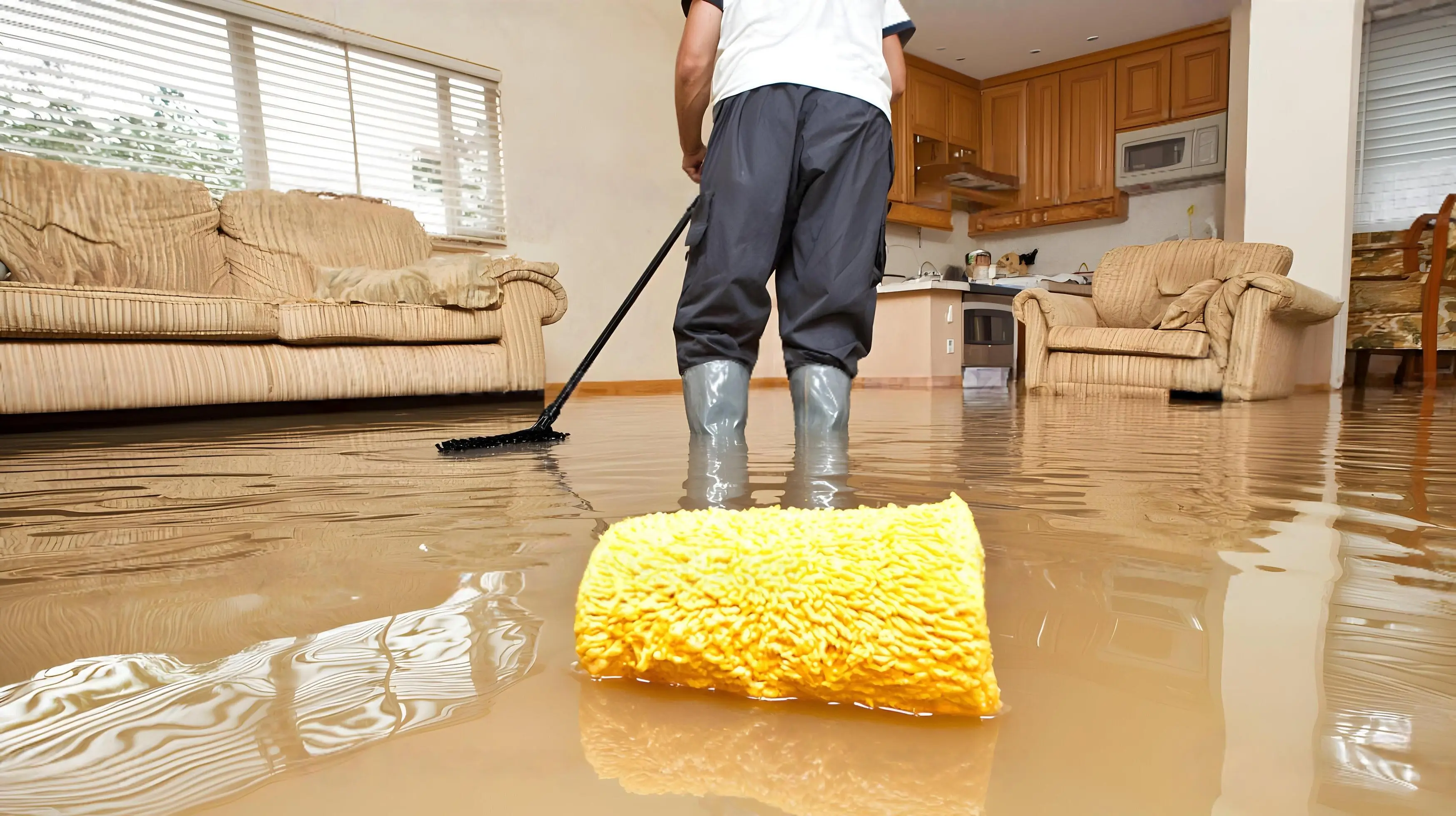
Water Damage Restoration
Burst pipes, storm flooding, standing water. We extract, dry, and restore before mold sets in.
Learn more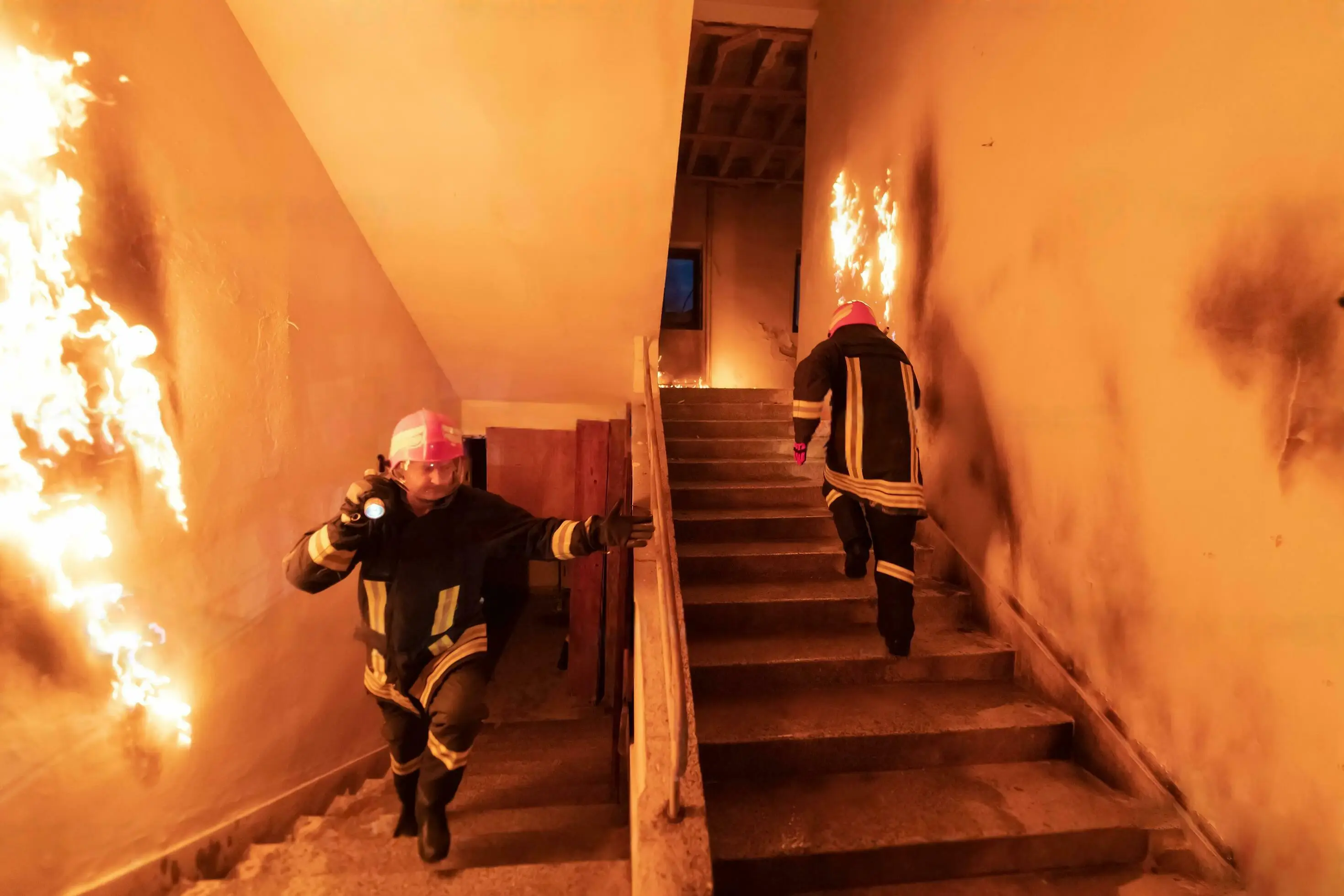
Fire Damage Restoration
Structural damage, soot, debris. We stabilize, clean, and rebuild what fire destroyed.
Learn more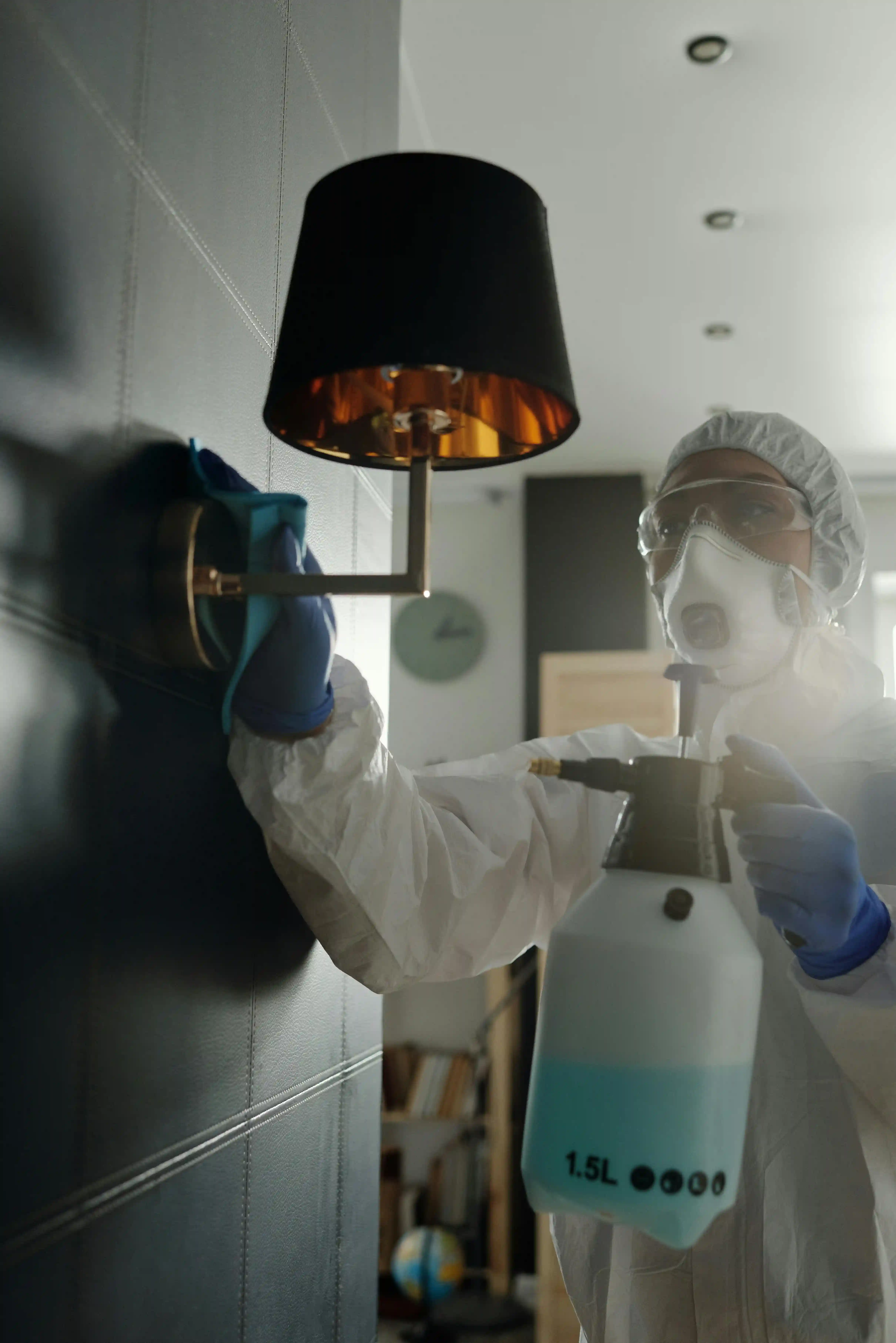
Mold Remediation
Testing, containment, removal, prevention. We find the source, eliminate the growth, and stop it from returning.
Learn more
Sewage Cleanup
Sewer backups, contaminated water, biohazard. We extract, sanitize, and restore safely.
Learn more