
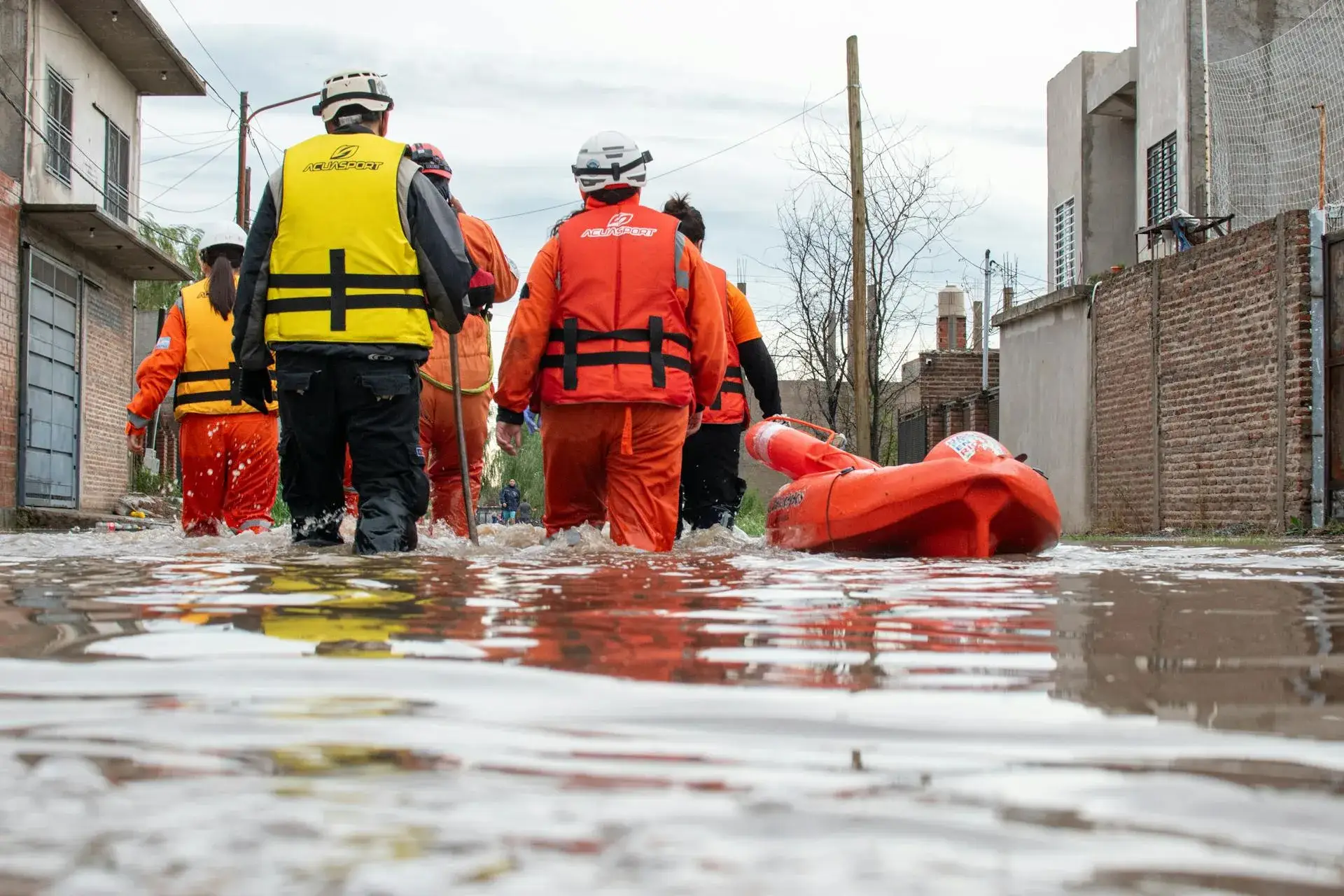
Water Damage Restoration in Prospect Heights, IL
Every hour of standing water deepens structural damage and mold risk. Our local team responds to Prospect Heights emergencies within 60 minutes.
What Happens When You Call
A real person answers, not a call center. We assess your situation, ask the right questions, and begin coordinating your response immediately.
Your dedicated restoration team is dispatched from our local base serving Prospect Heights and the surrounding northwest suburban communities.
Team arrives with industrial extractors, commercial dehumidifiers, and moisture detection equipment. Emergency mitigation begins immediately.
Water extracted, drying equipment placed and calibrated, restoration plan documented. You know exactly what comes next.
Water is moving through your home and you need it stopped now. Not after a callback queue, not tomorrow morning. X Response exists for exactly this moment. When you reach out, your restoration team is mobilized within minutes and on site within the hour. From that point forward, one team manages everything: extraction, drying, documentation, and insurance guidance. You are never left guessing about the next step. Call now. Your team is standing by.
Why Prospect Heights Homes Are Vulnerable to Water Damage
Prospect Heights is a city of 16,058 residents in Wheeling Township, Cook County, Illinois, situated approximately 22 miles northwest of downtown Chicago. The city spans 4.29 square miles bordered by Arlington Heights to the south, Mount Prospect to the southeast, Wheeling to the north and east, and Glenview to the south and southwest. Incorporated on January 31, 1976, Prospect Heights was the last municipality established in Cook County, formed when residents of what had been an unincorporated community of half-acre lots and volunteer governance incorporated to prevent annexation by surrounding towns. The city sits within the McDonald Creek and Des Plaines River watersheds, with McDonald Creek and its tributaries flowing through the central and eastern portions of the community before joining the Des Plaines River along the city's western boundary. The USGS maintains gauge station 05529500 on McDonald Creek near this confluence, recording streamflow data that documents the creek's history of rapid rise during intense rainfall events. The Des Plaines River itself forms the western edge of the community, and prior to 2015 it regularly overflowed its banks during spring and summer storms, flooding homes and businesses along River Road on the city's west side.
In June 2022, the City of Prospect Heights broke ground on a $4 million stormwater drainage improvement project along Willow Road at McDonald Creek Tributary A, addressing what city officials called the worst recurring flood zone in the community. The project was enabled by $2.4 million in combined federal and state funding. The Willow Road corridor at Hillcrest Lake had experienced repeated flooding that forced road closures, inundated homes and vehicles, and caused property damage with increasing frequency. On June 9, 2018, overnight thunderstorms dropped an estimated 4.3 inches of rain on the area in approximately one hour between 4:30 and 5:30 a.m., flooding Elmhurst Road between Camp McDonald and Willow, closing Willow Road at Hillside Avenue, and overwhelming drainage across low-lying sections of the city. This single event demonstrated the consequences of undersized stormwater infrastructure in a community built largely in the 1960s and 1970s when development standards did not account for the rainfall intensity now common in the region. The $4 million project expanded drainage capacity at the Willow Road chokepoint, but in January 2024, the MWRD approved an additional $1.8 million in funding for continued flood control work at the same McDonald Creek Tributary A location, indicating the scope of the problem exceeds what the initial project could resolve.
McDonald Creek Watershed and Flash Flood Dynamics
McDonald Creek and its tributaries drain the central and eastern portions of Prospect Heights, collecting runoff from residential neighborhoods, commercial corridors, and the impervious surfaces of parking lots and roadways built during the city's development boom of the 1960s and 1970s. The USGS gauge station 05529500, located on McDonald Creek near its confluence with the Des Plaines River, has recorded a maximum discharge of 806 cubic feet per second (August 14, 1987), documenting the creek's capacity to carry enormous volumes during intense storms. The creek's tributaries, particularly Tributary A along Willow Road, have undersized culverts and channel capacity relative to the runoff generated by the fully developed watershed upstream. During heavy rainfall, water backs up behind these constrictions and floods adjacent streets, yards, and ground-floor living spaces. The city's flat terrain compounds the problem: without significant elevation change to move water downstream quickly, flooded areas remain inundated until the creek can process the volume through its constrained channel. For homeowners near the Willow Road corridor, Camp McDonald Road, and the McDonald Creek floodplain, flash flooding arrives with minimal warning during overnight or early-morning thunderstorms when residents are asleep and unable to take protective action.
Levee 37 and Des Plaines River Flood Protection
The western edge of Prospect Heights borders the Des Plaines River, and for decades homes and businesses along River Road experienced repeated flooding when the river overtopped its banks during spring snowmelt and summer storms. In September 2015, the U.S. Army Corps of Engineers, MWRD, and local partners completed Levee 37, a $36 million flood control project officially known as the Mount Prospect/Prospect Heights Levee. The earthen levee and floodwall system extends from Palatine Road south to Euclid Avenue along the west side of the river, protecting more than 600 homes and dozens of businesses in both communities. Officials estimated annual avoided flood damage at more than $3 million. Levee 37 includes a pump station designed to manage interior drainage, collecting stormwater that falls inside the levee and pumping it over the barrier when the river level prevents gravity outflow. This interior drainage system is critical: without it, rain falling inside the protected area would have no outlet during river flood events and would simply pool behind the levee. However, the pump station has finite capacity. During extreme storms where heavy local rainfall coincides with elevated river levels, the interior drainage system can be overwhelmed, and localized flooding occurs inside the levee in low-lying pockets. The levee protects against river overflow but does not eliminate flood risk from local stormwater within the protected area.
The 2018 Flash Flood and Infrastructure Limitations
The June 9, 2018 storm event exposed the full extent of Prospect Heights' stormwater infrastructure deficit. An estimated 4.3 inches of rain fell in approximately one hour during the predawn hours, generating runoff volumes that no suburban storm sewer system is designed to handle. Willow Road at Hillcrest Lake flooded to the point of road closure. Elmhurst Road between Camp McDonald and Willow was impassable. Homes in low-lying areas along McDonald Creek and its tributaries took on water through ground-level entries, window wells, and foundation penetrations. The storm occurred on a Saturday morning, catching many residents unprepared and unable to reach emergency services as roads became impassable. This event was not an anomaly; Willow Road flooded again during storms in May 2019, forcing another road closure. The pattern of repeated flooding at the same locations demonstrated that the drainage infrastructure installed when the area was developed in the 1960s and 1970s is fundamentally undersized for the rainfall patterns now occurring in the region. Climate data shows that the frequency of storms delivering more than 3 inches in under two hours has increased across the Chicago metro area since the systems were designed, meaning the gap between infrastructure capacity and actual storm intensity will continue to grow without intervention.
1960s and 1970s Construction and Water Vulnerability
Prospect Heights developed primarily between 1955 and 1980, with the majority of its housing stock built during the 1960s and early 1970s. This era's construction includes single-family ranch homes on half-acre lots, garden-style condominium complexes, and mid-rise apartment buildings. The construction methods and materials of this period create specific water damage vulnerabilities that differ from both older and newer communities. Foundations are typically poured concrete or concrete block with exterior waterproofing that has degraded over 50 to 60 years. Many homes have below-grade living spaces (finished basements, garden-level condo units) that sit at or near the water table during wet periods. The flat-roof construction common in the city's numerous condo and apartment buildings presents maintenance challenges: ponding water on flat roofs degrades roofing membranes over decades, and leaks often go undetected until water has penetrated multiple floors. The condominium complexes built during this period, including Lake Run Condos (1967, 349 units, five stories), Old Willow Falls (1970, 162 units), and Willow Woods (early 1970s), house a large percentage of the city's population in multi-family buildings where a single water event can affect dozens of units simultaneously and where responsibility for maintenance falls across multiple owners and association boards.
Interior Drainage Behind Levee 37
While Levee 37 eliminated the Des Plaines River overflow threat, it created a secondary flood dynamic that residents in the protected area must understand. When the river is running high, the levee's gates close and the pump station activates to discharge interior stormwater over the barrier. But the pump station was designed with a specific capacity rating based on expected interior runoff during a coincident storm event. If local rainfall exceeds that design assumption while the river is simultaneously high, the pump station cannot discharge interior water fast enough and localized ponding occurs within the levee footprint. This is distinct from a levee failure; it is a capacity limitation of the interior drainage system during compound events. Homes in the River Road corridor that are inside Levee 37's protection zone may still experience localized flooding from this interior drainage constraint, particularly during storms where 2 to 3 inches of rain falls locally while the Des Plaines River is elevated from upstream contributions. The MWRD's subsequent investment in Aspen Trails Park stormwater detention (adding 17 acre-feet of underground storage and 5.5 million gallons of capacity in the adjacent Mount Prospect portion of the Levee 37 interior area) reflects ongoing efforts to address this interior drainage limitation.
These factors create a community where water damage arrives from multiple directions depending on location within the city. Residents near Willow Road and McDonald Creek Tributary A face flash flooding when intense rainfall exceeds the drainage system's capacity. Residents along the Des Plaines River corridor are protected from river overflow by Levee 37 but vulnerable to interior drainage backup during compound events. And residents throughout the city live in 50 to 60 year old structures where foundations have lost their original waterproofing, flat roofs on multi-family buildings develop slow leaks, and below-grade living spaces sit close to the water table during wet seasons. Effective restoration in Prospect Heights requires identifying whether the source is overland stormwater flooding, groundwater intrusion through aging foundations, a supply-line failure in a multi-family building affecting multiple units, or interior drainage backup behind the levee, because each source demands a different contamination assessment and drying approach.
What Happens to Your Home While You Wait
Within 1 Hour
Water spreads across floors and wicks into the base of drywall, carpet padding, and wood trim. In Prospect Heights' 1960s-era homes with finished basements, water pools at the lowest point of poured-concrete floors and presses against block foundation walls at joints where waterproofing has long since failed. In the city's multi-story condo buildings, water from an upper-floor event travels downward through floor penetrations, light fixtures, and pipe chases, reaching units below the origin before those residents are even aware of a problem. Carpet padding absorbs water and traps it against the subfloor where it is invisible from above. During stormwater flooding events in the Willow Road corridor, the water entering homes may carry sediment, lawn chemicals, and road contaminants that complicate the cleaning process beyond what a simple supply-line break would require.
1–24 Hours
Drywall wicks moisture upward from the floor line, softening and losing structural integrity as it climbs. Particle-board subflooring, common in 1960s and 1970s construction, swells permanently when saturated, unlike dimensional lumber or plywood. Laminate and vinyl flooring installed over particle board traps moisture between layers. Metal framing components in the city's condo buildings corrode at connection points. Musty odors develop as bacteria multiply in warm, damp cavities. In multi-family buildings where water traveled between floors, the damage path includes ceiling drywall, insulation, electrical junction boxes, and mechanical systems that serve multiple units.
24–48 Hours
Mold colonization begins in hidden spaces: behind baseboards, beneath flooring materials, inside wall cavities where moisture is trapped against cool surfaces. Cook County's summer humidity slows natural evaporation and accelerates biological growth. Particle-board cabinetry and shelving units swell irreversibly. Drywall that has wicked moisture more than 12 to 18 inches above the water line typically cannot be saved and requires demolition. In the garden-level condo units common throughout Prospect Heights, where below-grade walls are partially underground, moisture moves laterally through foundation walls even after standing water is removed, maintaining conditions favorable to mold growth.
48–72 Hours
Mold spreads into HVAC ductwork and distributes spores throughout the building through forced-air systems. In Prospect Heights' multi-family buildings where HVAC systems serve common areas or share air-handler equipment, contamination can spread from one affected unit to adjacent units through shared supply and return plenums. The scope of affected materials expands well beyond the original wet footprint. Carpet, pad, and particle-board subfloor that might have been saved with immediate extraction now require complete removal. Restoration costs climb sharply as more materials cross the line from salvageable to demolished.
One Week and Beyond
Extensive mold growth through wall cavities, beneath flooring systems, and throughout HVAC distribution. Structural components at connection points show early signs of decay. In the condo complexes, disputes between unit owners, associations, and insurance carriers over responsibility for shared-system damage begin complicating the restoration process. The scope shifts from targeted restoration to significant demolition and rebuild of affected areas. Insurance claims grow more complex and contested at this stage as carriers question whether timely mitigation could have limited the damage.
undefined
How We Restore Water-Damaged Prospect Heights Homes
From the moment our team arrives, every step is documented, measured, and verified. Here is exactly what the water damage restoration process involves for Prospect Heights properties.
Emergency Water Extraction
Our first priority is removing standing water from your property as fast as physically possible. We deploy truck-mounted and portable extractors capable of removing thousands of gallons per hour. In Prospect Heights' multi-family buildings where water has traveled between floors, extraction happens simultaneously on every affected level to prevent continued migration. For below-grade spaces, including the garden-level condo units common throughout the city, we extract water even as it continues seeping in through foundation walls during active storm events, maintaining pace with the inflow until the external water table recedes. We remove saturated carpet padding, which holds water like a sponge and prevents the subfloor beneath from drying. Every extracted area is documented with photos and measurements for your insurance claim.
Moisture Detection and Damage Mapping
Once standing water is removed, we map the full extent of moisture migration using thermal imaging cameras, penetrating moisture meters, and non-invasive hygrometers. Water follows gravity and capillary action through materials in ways that are invisible from the surface. In Prospect Heights' slab-on-grade and poured-concrete-floor construction, moisture migrates laterally beneath flooring materials and can wet areas 10 to 15 feet from the visible water line. We check wall cavities at multiple heights, probe behind baseboards, and assess ceiling cavities in lower-level units where upper-floor water may have pooled. The resulting moisture map defines exactly which materials are affected and which are dry, establishing the restoration scope and documenting it for insurance purposes before drying begins.
Structural Drying and Dehumidification
We install commercial air movers and industrial dehumidifiers in a calculated pattern designed to dry your specific structure. The equipment placement accounts for the construction materials present: concrete block walls dry differently than framed drywall walls, particle-board subfloors require different airflow than plywood, and garden-level units with below-grade walls need dehumidification approaches that address continued moisture vapor transmission through the foundation. We monitor drying progress daily with moisture readings at documented locations, adjusting equipment placement as materials reach target moisture content. In multi-unit buildings, we coordinate drying across affected units to prevent driving moisture from one space into another. The goal is reaching verified dry conditions throughout the structure, not just the surface appearance of dryness.
Contamination Assessment and Material Decisions
Not all water damage is equal. A supply-line break delivers clean water (Category 1) that permits drying materials in place when addressed quickly. Stormwater flooding from McDonald Creek carries sediment and contaminants (Category 2 or 3) that require removal of porous materials regardless of how quickly extraction begins. We assess the water source, test for contamination where the source is uncertain, and make material-by-material decisions about what can be dried in place versus what must be removed. In Prospect Heights' Willow Road flood zone, stormwater events typically carry enough contamination to classify affected materials as requiring removal below the flood line. This assessment protects your health and ensures your insurance claim reflects the actual contamination level present.
Restoration and Rebuild
Once the structure is verified dry and any contaminated materials have been removed, we rebuild what was lost. This includes drywall, flooring, trim, cabinetry, and any other materials that were demolished during the drying process. In Prospect Heights' condo buildings, restoration work must comply with the association's architectural guidelines and the city's adopted 2024 International Code Council building codes. We coordinate with your insurance adjuster throughout the process, providing documentation that supports your claim and advocating for complete restoration. For multi-unit events where water affected common elements (hallways, mechanical rooms, shared HVAC), we work with both individual unit owners and the association to ensure complete remediation across all affected spaces.
The X Response Difference
When you contact X Response, you get a dedicated restoration team that manages everything, from emergency mitigation through insurance documentation to final quality verification. One team, one point of contact, one standard of work from start to finish.
Insurance Claim Guidance for Prospect Heights Homeowners
Water damage insurance claims in Illinois depend almost entirely on the source of the water and whether you carry the right endorsements. Standard homeowner's policies cover sudden and accidental events like burst pipes, failed water heaters, and appliance line failures. Flood damage from rising surface water, including overland flooding from McDonald Creek or interior drainage backup behind Levee 37, is not covered under a standard policy and requires separate flood insurance through the National Flood Insurance Program or a private carrier. Sewer and drain backup, a risk in Prospect Heights where the aging separate sanitary sewer system can surcharge during heavy rain due to infiltration and inflow, typically requires its own endorsement that many homeowners do not carry until they experience their first backup event. The city's ongoing $4 million stormwater drainage project reduces overland flood frequency along Willow Road, but it does not eliminate water damage risk from other sources: supply-line failures, appliance malfunctions, and groundwater intrusion through 50 to 60 year old foundations remain exposures that require timely mitigation regardless of external infrastructure improvements.
How X Response Helps
- Document all damage with professional photos, moisture readings, and a detailed scope of work from day one
- Identify the water source clearly, as stormwater flooding, sanitary sewer backup, groundwater intrusion, and interior plumbing failure each trigger different coverage under Illinois policies
- Prepare documentation that meets City of Prospect Heights and Cook County requirements so your claim is complete
- Align our restoration scope with standard insurance coverage categories so your adjuster can process the claim efficiently
- Explain your policy's likely coverage before you file, so you understand your options and potential out-of-pocket exposure
X Response does not file claims on your behalf, adjust claims, or make coverage determinations. We provide documentation and guidance to help you make informed decisions about your property and your policy. Coverage decisions are made solely by your insurance carrier.
Certified Restoration Specialists Serving Prospect Heights
When you contact X Response for a water damage emergency in Prospect Heights, your restoration team is drawn from certified professionals who work across Cook County's northwest suburbs and understand the specific challenges of restoring properties in this community. They know how the McDonald Creek watershed and its tributaries respond to intense rainfall, how Levee 37's interior drainage system behaves during compound events, how the 1960s and 1970s housing stock with garden-level condo units and aging foundations presents different drying challenges than newer construction, and how multi-family buildings require coordinated restoration across multiple units and insurance carriers. They have worked through flash flooding in the Willow Road corridor, groundwater intrusion through deteriorating foundations, supply-line failures in multi-story condo buildings where water travels between floors, and overland stormwater events that overwhelm the drainage infrastructure. This is not a crew dispatched from hours away with no local context. It is a local team with local expertise, operating under national quality standards.
Every technician on your team holds current IICRC certification in water damage restoration and carries the appropriate Illinois state licensing for the work being performed. Equipment is commercial-grade and maintained to manufacturer specifications. When your team arrives, they bring everything needed to begin mitigation immediately, including submersible pumps for deep basement water, weighted extractors for carpet systems, commercial dehumidifiers sized for the volume and humidity conditions typical of Cook County properties, thermal imaging equipment to map hidden moisture behind walls and beneath floors, and Category 3 contamination response equipment for sewer-related backup events.
In Prospect Heights, X Response works with Scene Cleaners, an independent local restoration partner serving Cook County.
Water Damage Restoration FAQ for Prospect Heights Homeowners
Other Emergency Services in Prospect Heights

Fire Damage Restoration
Structural damage, soot, debris. We stabilize, clean, and rebuild what fire destroyed.
Learn more
Smoke Damage Restoration
Soot residue, chemical odors, HVAC contamination. We decontaminate surfaces, eliminate odors, and restore air quality.
Learn more
Mold Remediation
Testing, containment, removal, prevention. We find the source, eliminate the growth, and stop it from returning.
Learn more
Sewage Cleanup
Sewer backups, contaminated water, biohazard. We extract, sanitize, and restore safely.
Learn more