
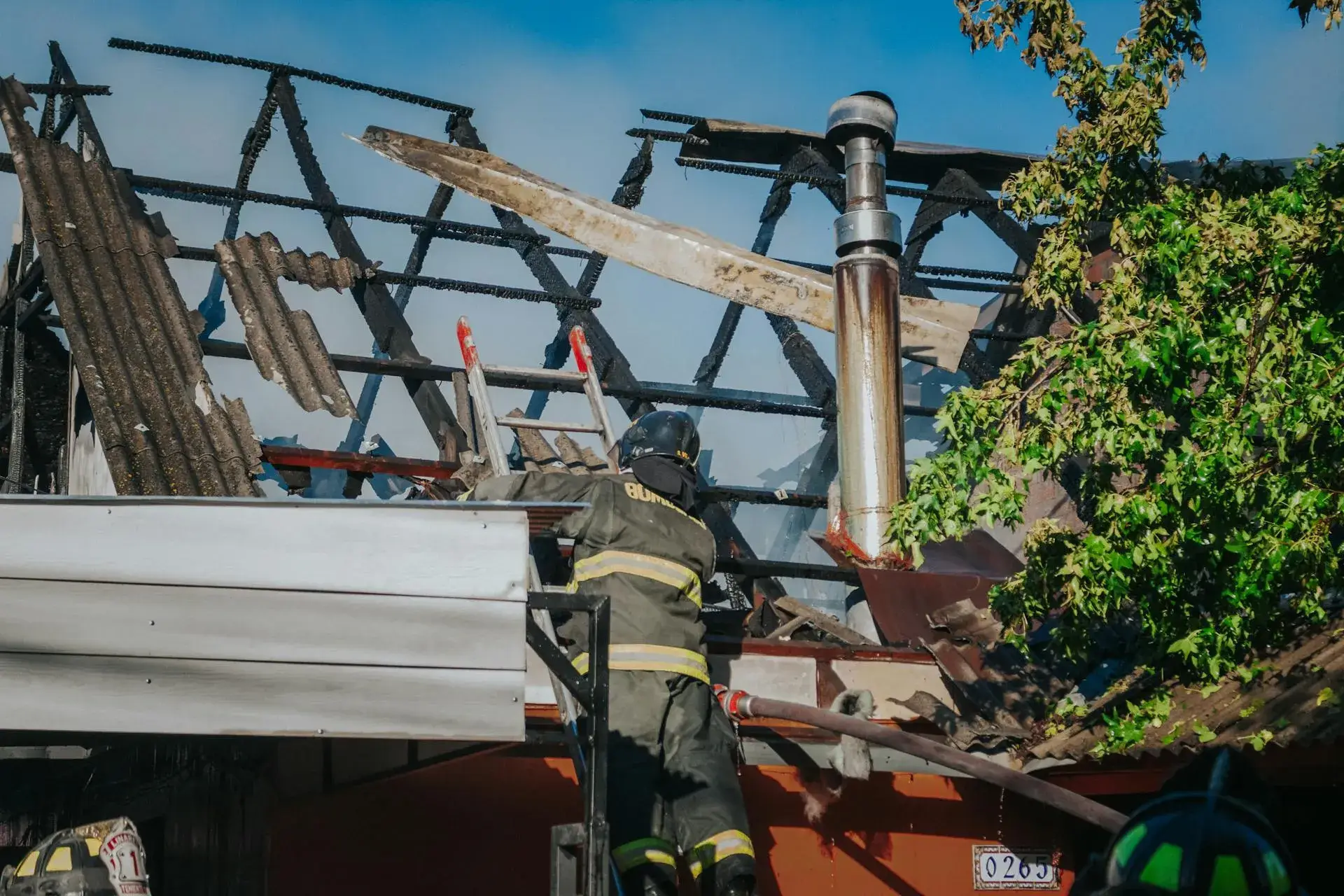
Fire Damage Restoration in Galveston, TX
Acidic soot and extinguishing water combine with Galveston's coastal humidity to rapidly corrode metal and etch historic masonry. Our certified restoration team responds within 60 minutes.
What Happens When You Call
Your emergency call initiates immediate dispatch of our certified fire and smoke restoration supervisors.
Our response team arrives on site to perform immediate structural safety assessments, emergency board-up, and weather-proof roof tarping.
Technicians extract standing firefighting water and deploy desiccant dehumidifiers to prevent mold growth and wood rot.
Precision soot removal, chemical sponge decontamination, and deep thermal odor neutralization protocols begin.
A structural fire on Galveston Island causes immediate and traumatic destruction, leaving properties vulnerable to severe structural compromise, toxic smoke residues, and extensive firefighting water damage. X Response delivers 24/7 emergency fire damage restoration across Galveston, from historic Victorian estates in the East End to modern elevated beach houses on the West End. Our certified crews arrive promptly with heavy-duty thermal foggers, HEPA air scrubbers, structural shoring gear, and industrial extraction equipment to secure your property, decontaminate building assemblies, and begin complete structural restoration. Call our 24/7 emergency fire response desk now.
Why Galveston Homes Are Vulnerable to Fire Damage
Galveston is a historic coastal community of approximately 53,700 residents located on Galveston Island in Galveston County, bordered by the Gulf of Mexico and Galveston Bay. The city's residential and commercial landscape is defined by its remarkable architectural heritage, which includes one of the largest concentrations of 19th-century Victorian structures in the nation across neighborhoods like the East End Historic District, Silk Stocking, and Lost Bayou, alongside dense commercial blocks in the Strand Historic District. On the island's West End, single-family homes in communities like Sea Isle and Jamaica Beach are elevated on tall wood pilings exposed to constant coastal winds. The high density of historic wood-frame construction, combined with persistent marine breezes that accelerate flame spread, creates unique fire safety and structural restoration challenges across the island.
The Great Fire of November 13, 1885 broke out at the Vulcan Iron Works Foundry on the Strand and burned across 42 city blocks to the Gulf of Mexico, destroying 568 structures and prompting Galveston to establish Texas's first professional paid fire department and adopt strict masonry building standards. In modern Galveston, structural fires frequently stem from coastal electrical line corrosion, lightning strikes from intense Gulf thunderstorms, kitchen flare-ups in short-term vacation rental properties, and space heater malfunctions during winter freezes. Firefighting operations on the island often introduce thousands of gallons of water into multi-story wood structures, requiring immediate combined water extraction and fire remediation to prevent secondary collapse and microbial outbreaks in Galveston's high relative humidity.
Historic Balloon Framing and Cavity Flame Propagation
undefined
undefined
Many 19th-century Victorian homes in Galveston's historic districts were constructed using traditional balloon framing, where wall studs run continuously from foundation sill to roofline without modern horizontal fire blocking. When a fire ignites, these open vertical wall cavities act as natural chimneys, drawing flames, hot gases, and dense soot rapidly into upper stories and attic assemblies before smoke alarms trigger in living areas.
Persistent Gulf Breezes and Accelerated Flame Spread
undefined
undefined
Galveston Island experiences continuous maritime winds blowing off the Gulf of Mexico and Galveston Bay, averaging 10 to 20 miles per hour daily. In elevated West End stilt homes and closely spaced historic neighborhoods, strong coastal winds force oxygen directly into burning structures, causing rapid flashover, exterior soffit ignition, and swift thermal spread across adjacent eaves and decks.
Firefighting Water Trapped in Pier-and-Beam Crawl Spaces
undefined
undefined
Extinguishing a residential blaze requires high-volume hose streams that saturate plaster walls, heart pine floors, and crawl space subfloors. In Galveston's low-elevation pier-and-beam homes, firefighting runoff pools beneath foundations in dense coastal clay and sandy alluvium. If not extracted immediately, this water causes foundation timber settling and triggers aggressive mold colonization within 24 hours.
High-Salinity Marine Air and Accelerated Chemical Corrosion
undefined
undefined
When synthetic materials, plastics, and household furnishings burn, they release highly acidic soot residues containing hydrogen chloride and sulfur compounds. When these acidic particles mix with Galveston's humid, salt-laden marine air, the resulting chemical reaction rapidly corrodes brass fixtures, aluminum window frames, electrical circuitry, and historic ironwork within hours.
Complex Preservation Protocols in Designated Historic Districts
undefined
undefined
Properties located in the East End, Silk Stocking, and Strand Historic Districts are subject to historic landmark guidelines enforced by the Galveston Landmark Commission. Fire restoration in these zones requires specialized preservation techniques, such as dry ice blasting to clean historic charred timber and gentle chemical poultices to remove soot from soft hand-pressed masonry without damaging original surfaces.
Restoring fire-damaged property in Galveston demands advanced structural stabilization, precise chemical decontamination, and a deep understanding of coastal building methods. X Response provides the certified expertise and dedicated equipment necessary to guide property owners from emergency response to complete rebuild.
What Happens to Your Home While You Wait
Within Minutes
Acidic soot and volatile smoke particles settle across all surfaces. Porous materials like drywall, wallpaper, and unfinished timber absorb soot chemicals, causing immediate yellowing and staining. Highly acidic soot begins etching polished marble, glass, and tile glazing.
1–24 Hours
Soot residues react with Galveston's high ambient humidity, forming corrosive acids that attack brass fixtures, chrome fittings, and copper electrical wires. Firefighting water pools in crawl spaces and saturates subfloors, causing wood flooring to cup and swell.
24–48 Hours
Unprotected metal components develop permanent pitting and rust. Unpainted wood surfaces absorb smoke oils deeply into grain structures. Extinguishing water in unconditioned spaces reaches peak bacterial amplification, and fungal spores begin germinating.
48–72 Hours
Soot penetration becomes permanent on vinyl window frames, laminate countertops, and historic plaster finishes. Historic lath and plaster assemblies lose structural adhesion due to trapped water. Corrosive soot causes permanent etching on appliances and circuit panels.
One Week and Beyond
Prolonged exposure to soot acids and moisture causes irreversible structural wood rot, deep odor saturation in wall framing, and severe mold contamination. Restoration costs increase substantially as full structural demolition replaces salvageable restoration.
Immediate intervention within the first 24 hours stops corrosive soot damage and prevents catastrophic secondary losses. Call X Response immediately for 24/7 emergency fire restoration in Galveston.
How We Restore Fire-Damaged Galveston Homes
Our comprehensive fire restoration process follows rigorous IICRC FSRT (Fire & Smoke Restoration Technician) standards, tailored specifically to the structural demands of Galveston's coastal and historic architecture.
1. Emergency Site Security, Board-Up, and Roof Tarping
We arrive immediately to secure the structure against coastal elements, intrusion, and weather damage. Our team installs heavy-duty plywood covers over blown windows and doors and fastens commercial-grade roof tarps to prevent rain intrusion from sudden Gulf squalls.
2. Comprehensive Structural Engineering and Safety Assessment
Our certified project supervisors conduct an in-depth safety inspection to evaluate load-bearing walls, ceiling joists, stilt pilings, and subflooring. We install temporary structural shoring and bracing where framing integrity has been compromised by flame burn-through.
3. Rapid Water Extraction and Psychrometric Dehumidification
To mitigate thousands of gallons of firefighting water, we deploy truck-mounted extractors and sub-surface pumps. We place commercial LGR and desiccant dehumidifiers throughout living spaces and crawl spaces, pulling trapped water out of framing before mold can establish.
4. Soot and Residue Removal via Specialized Chemical Cleaning
Technicians classify soot types (wet smoke, dry smoke, or protein residue) and execute tailored cleaning protocols. We utilize chemical dry sponges, ultrasonic wash tanks, and HEPA vacuuming to remove soot from walls, ceilings, and salvageable contents without smearing oily deposits.
5. Deep Molecular Odor Neutralization and Air Scrubbing
We deploy commercial HEPA air scrubbers equipped with multi-stage activated carbon and potassium permanganate filters to capture airborne particulates. We then apply hydroxyl generators and thermal fogging systems that break down microscopic smoke compounds trapped in structural framing.
6. Demolition of Unsalvageable Materials and Reconstruction Prep
Charred drywall, non-salvageable framing, and melted insulation are carefully stripped down to sound structural lumber. Exposed wood framing is treated with EPA-registered antimicrobial sealants and odor-encapsulating primers, preparing the property for seamless reconstruction.
The X Response Difference
X Response delivers the equipment, coastal experience, and technical precision necessary to restore your Galveston property following a fire.
Insurance Claim Guidance for Galveston Homeowners
Managing a fire damage insurance claim on Galveston Island requires detailed knowledge of Texas property insurance regulations and local rebuilding codes. Standard Texas homeowner and commercial property policies cover direct physical losses caused by fire, smoke, and firefighting water damage. In Galveston, claims often involve coordinating with primary insurance carriers, the Texas Windstorm Insurance Association (TWIA) for storm-related electrical fire events, and local municipal historic preservation boards.
How X Response Helps
- Immediate emergency photographic and video documentation of all fire-affected structures and personal property before cleanup
- Comprehensive non-salvageable contents inventory lists with replacement cost values, brand names, and serial numbers
- Detailed engineering and structural scope documentation identifying load-bearing damage, electrical replacement needs, and plumbing repairs
- Direct coordination with field adjusters representing major Texas insurers including State Farm, Allstate, USAA, and Travelers
- Industry-standard Xactimate line-item estimates reflecting current Galveston County construction labor rates and historic material requirements
X Response operates as an independent professional restoration contractor. We collaborate with your insurance company to provide verified documentation and scope assessments, while final claim authorization and coverage determinations remain solely with your insurance provider.
Certified Restoration Specialists Serving Galveston
Our Galveston fire restoration team is comprised of seasoned disaster recovery specialists with decades of combined experience across Galveston County. From restoring fire-damaged Victorian residences in the East End and Midtown to rebuilding elevated coastal homes in Jamaica Beach and Pirate's Beach, our technicians bring specialized knowledge of local construction, timber types, and historic preservation.
Every project manager holds advanced certifications from the IICRC, including Fire and Smoke Restoration Technician (FSRT), Odor Control Technician (OCT), and Applied Structural Drying (ASD). We continually update our training on advanced non-destructive soot cleaning and psychrometric drying, ensuring Galveston property owners receive the highest standard of technical care.
In Galveston, X Response works with First Response Restoration, an independent local restoration partner serving Galveston County.
Fire Damage Restoration FAQ for Galveston Homeowners
Other Emergency Services in Galveston
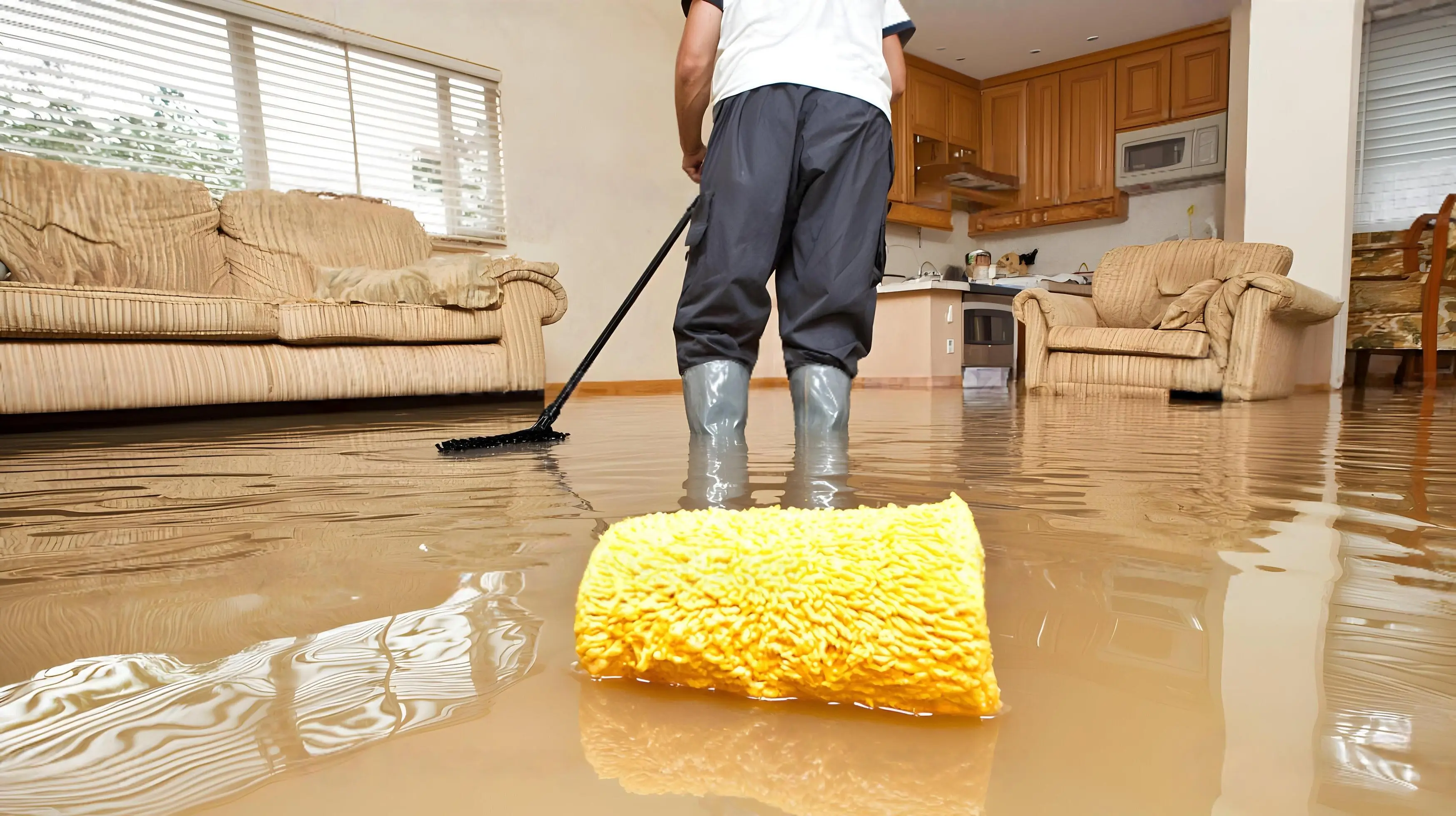
Water Damage Restoration
Burst pipes, storm flooding, standing water. We extract, dry, and restore before mold sets in.
Learn more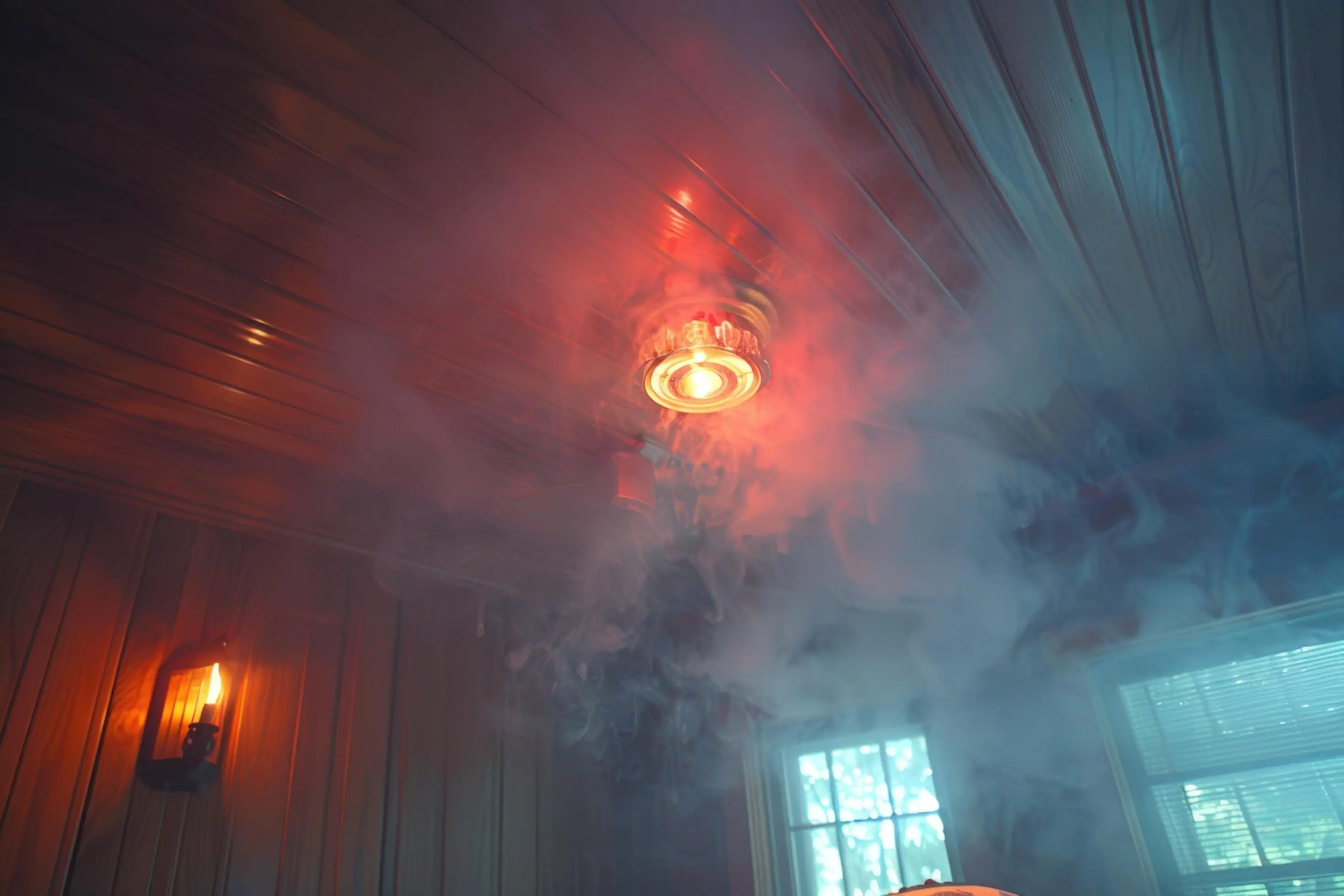
Smoke Damage Restoration
Soot residue, chemical odors, HVAC contamination. We decontaminate surfaces, eliminate odors, and restore air quality.
Learn more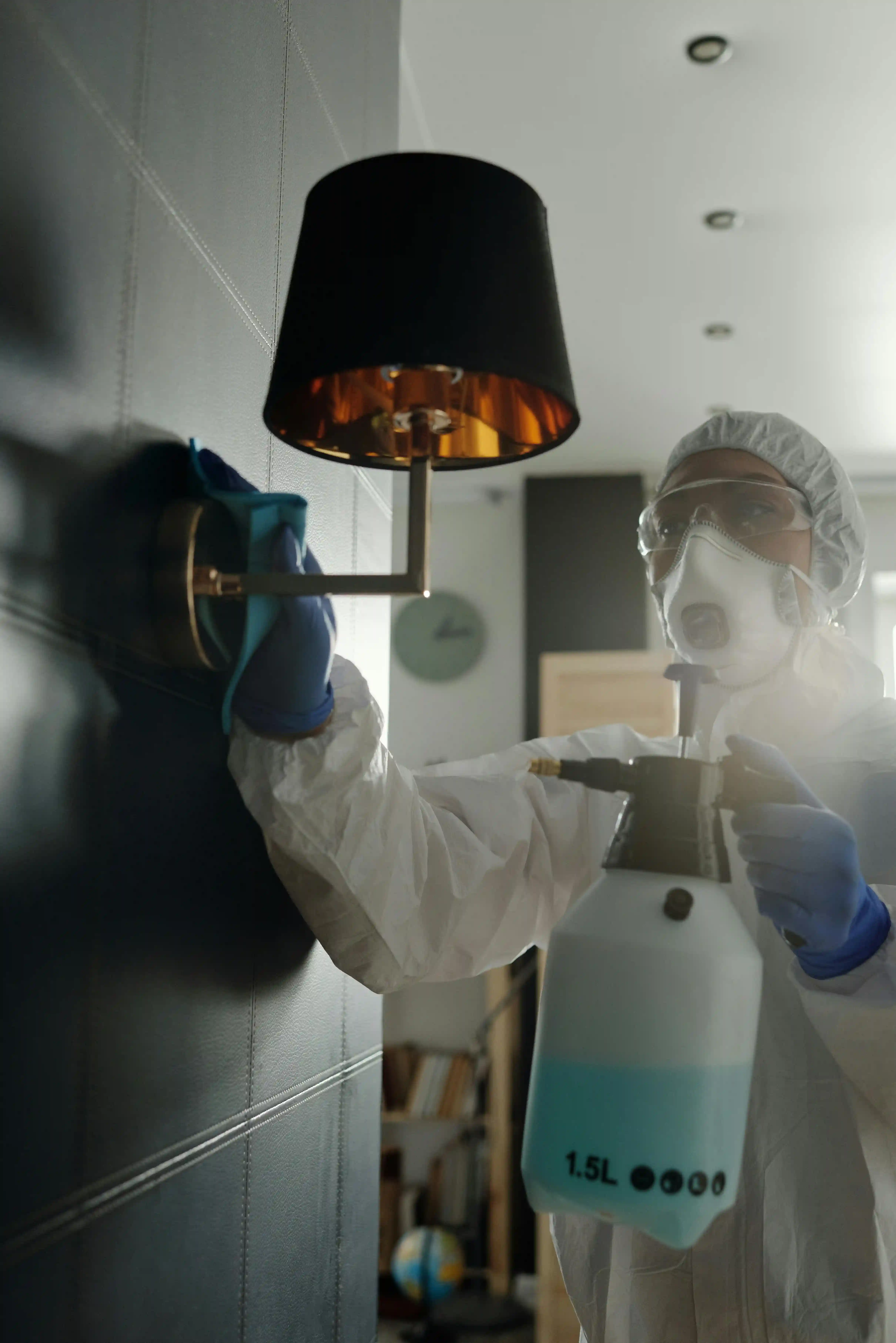
Mold Remediation
Testing, containment, removal, prevention. We find the source, eliminate the growth, and stop it from returning.
Learn more
Sewage Cleanup
Sewer backups, contaminated water, biohazard. We extract, sanitize, and restore safely.
Learn moreNearby Service Areas
Also serving nearby: