
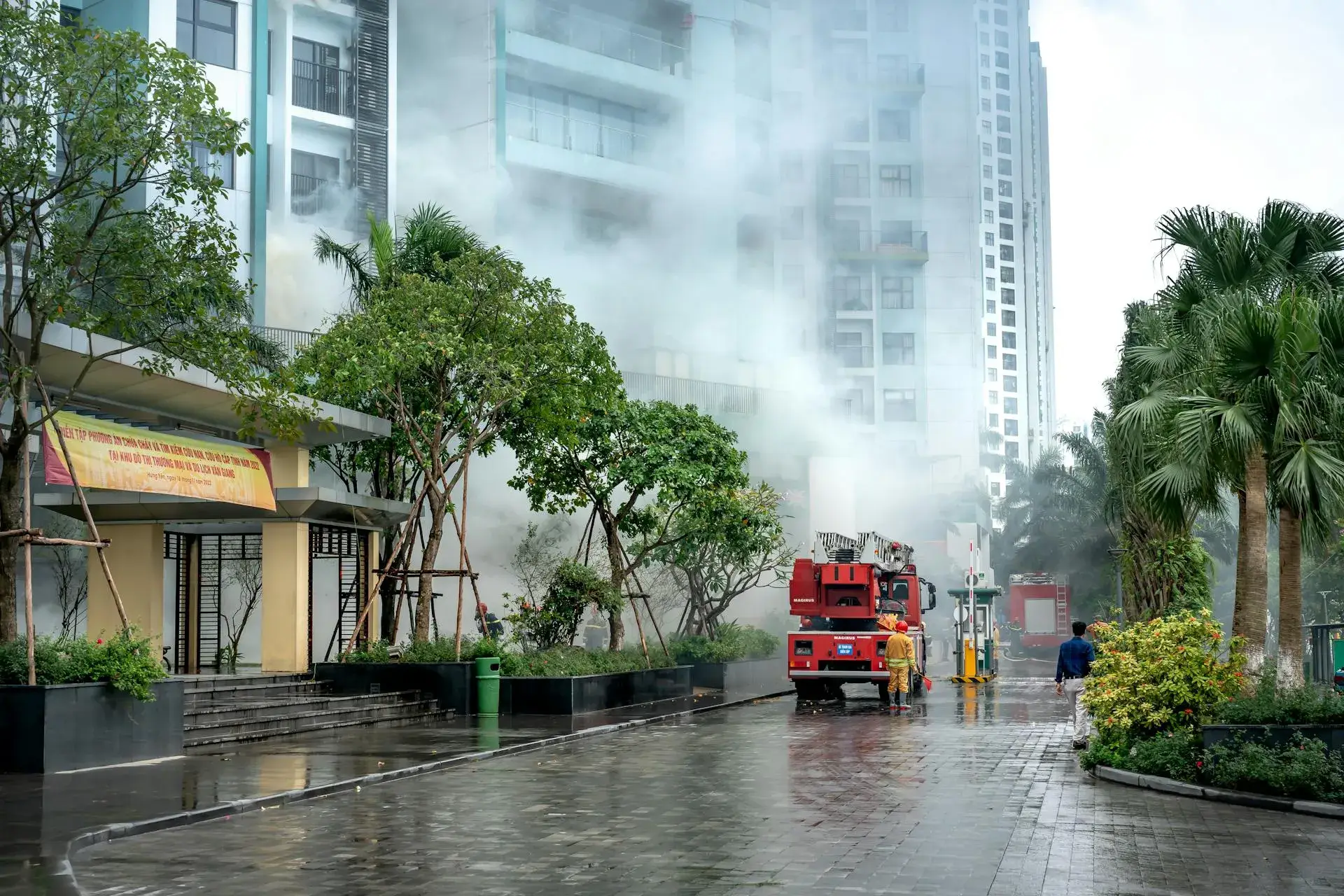
Smoke Damage Restoration in Galveston, TX
Porous Galveston Victorian plaster, wood tongue-and-groove decking, and attic insulation trap pungent smoke oils within hours. Our certified team responds within 60 minutes.
What Happens When You Call
Call our 24/7 emergency dispatch center to initiate rapid local response on Galveston Island.
Our certified smoke restoration specialists arrive to evaluate soot composition, smoke migration boundaries, and air quality index levels.
Commercial HEPA air scrubbers and hydroxyl generators are deployed immediately to capture airborne toxins and neutralize odors.
Comprehensive surface decontamination, chemical sponge soot removal, and HVAC system sanitization are executed.
Following a fire event or electrical malfunction, pervasive smoke particles and toxic combustion gases spread throughout your building, settling into hidden wall cavities, soft furnishings, and HVAC air distribution systems. On Galveston Island, high ambient coastal humidity bonds with acidic soot, creating sticky residues that corrode electrical wiring and stain historic woodwork. X Response provides 24/7 commercial smoke damage mitigation and complete odor removal across Galveston. Our certified technicians utilize multi-stage HEPA filtration, hydroxyl technology, and thermal fogging to permanently eliminate smoke odors and decontaminate structural surfaces. Schedule immediate smoke damage restoration in Galveston today.
Why Galveston Homes Are Vulnerable to Smoke Damage
Galveston is an iconic Gulf Coast barrier island municipality of approximately 53,700 residents in Galveston County, situated 50 miles southeast of Houston. The city is celebrated for its historic 19th-century architectural districts, including the East End Historic District, Silk Stocking, and Lost Bayou, where Victorian mansions and cottages feature high 12-foot ceilings, heart pine flooring, and original lath-and-plaster wall systems. Along the island's West End, elevated coastal beach homes in communities like Pirate's Beach, Jamaica Beach, and Terramar Beach feature open-concept floor plans, exposed wooden rafters, and extensive outdoor decking. The unique atmospheric conditions of Galveston, characterized by steady Gulf breezes, high ambient temperatures, and maritime relative humidity running high, dramatically influence how smoke behaves indoors, forcing microscopic soot particles deep into timber fibers and porous plaster.
The Galveston Fire Department operates six active fire stations across Galveston Island from Station 1 on 25th Street near the historic downtown Strand to Station 6 on San Luis Pass Road serving West End coastal communities. When fires occur across the island, whether from electrical short-circuits caused by salty marine corrosion, kitchen fires in seasonal vacation rentals, or lightning strikes during Gulf storms, the Galveston Fire Department swiftly controls the blaze, but smoke residues spread throughout the structure. Smoke travels via natural thermal convection currents through open wall voids, attic chases, and centralized air conditioning return ducts, depositing greasy soot films onto ceiling surfaces, inside cabinetry, and throughout air handling equipment.
Marine Atmospheric Humidity and Soot Reactivity
undefined
undefined
Galveston's persistent coastal humidity, which routinely runs high during summer and fall months, directly interacts with smoke residues. When acidic soot particles absorb ambient water vapor, they transform into active corrosive acids. These acids quickly pit chrome bathroom fixtures, tarnish historic brass hardware, discolor paint, and corrode copper electrical wiring if not neutralized with specialized chemical agents within 24 to 48 hours.
Porous Historic Lath-and-Plaster Adsorption Dynamics
undefined
undefined
Unlike modern drywall, the lime and gypsum plaster found throughout Galveston's historic Victorian homes is highly porous and breathable. During a fire, hot smoke gases are forced deep into the microscopic matrix of plaster walls and ceiling medallions. Standard surface wiping fails to remove these trapped particles, requiring deep thermal fogging and penetrating hydroxyl treatments to neutralize odor compounds without demolishing irreplaceable historic plaster.
Open Balloon Framing and Whole-House Smoke Migration
undefined
undefined
Historic residences built before the 1930s in Galveston frequently utilize balloon framing without interior horizontal fire blocks. When smoke is generated on lower levels, thermal updrafts pull soot through open stud cavities into attic spaces and upper-story bedrooms, contaminating closed closets and insulation batts even when flames were contained to a single room.
Attic-Mounted HVAC Duct Contamination
undefined
undefined
Nearly all residential properties in Galveston feature air handling systems and flexible ductwork routed through unconditioned attics or drop-down ceilings. When a fire occurs while the HVAC system is running, the blower fan pulls smoke particles into return vents, distributing greasy soot and acrid odors into every supply register across the home.
Synthetic Material Combustion and Oily Soot Deposits
undefined
undefined
Modern furnishings, foam upholstery, electronic housings, and synthetic carpets produce heavy, oily wet smoke when burned at lower temperatures with limited oxygen. On Galveston's West End beach homes, this sticky soot clings tenaciously to exposed wooden joists, ceiling fans, and glass sliders, smearing and staining surfaces if cleaned with conventional household detergents.
Complete smoke damage restoration on Galveston Island requires scientific residue classification, specialized chemical neutralizing agents, and advanced molecular deodorization equipment. X Response delivers the technical expertise and equipment necessary to restore clean, healthy indoor air to your property.
What Happens to Your Home While You Wait
Within Minutes
Hot smoke particles disperse throughout the home, settling onto cool surfaces. Soot deposits cause immediate yellowing on porous materials like painted drywall, unsealed wood, and curtains. Volatile organic compounds (VOCs) create an overwhelming, acrid odor.
1–24 Hours
Acidic soot reacts with Galveston's humid marine air, initiating chemical corrosion on polished brass, aluminum, and chrome finishes. Porous plastics and acrylic fixtures begin permanent yellowing. Soot films bond tightly to wood cabinetry and kitchen countertops.
24–48 Hours
Corrosive etching causes permanent pitting on metal fixtures and glass surfaces. Grout lines in tile bathrooms absorb soot oils, causing permanent staining. Unfinished wood timbers and attic insulation become deeply saturated with smoke odor compounds.
48–72 Hours
Soot bonds chemically with vinyl flooring, laminate surfaces, and wallpaper, making restoration without material replacement impossible. Smoke odor particles penetrate structural framing past surface levels, requiring intensive molecular fogging.
One Week and Beyond
Prolonged contact with corrosive soot residues results in irreversible damage to electronic circuit boards, electrical panels, and metal building fasteners. Restoration costs increase dramatically as full structural encapsulation and material replacement become necessary.
Rapid professional intervention within the first 24 hours prevents permanent acidic etching and deep structural odor absorption. Contact X Response immediately for emergency smoke mitigation in Galveston.
How We Restore Smoke-Damaged Galveston Homes
Our comprehensive smoke restoration process adheres to IICRC FSRT and OCT standards, ensuring complete soot removal and permanent odor elimination across all types of Galveston properties.
1. Air Quality Assessment and Smoke Residue Mapping
Our technicians inspect every room with laser particle counters, surface sampling swabs, and chemical sponge tests to identify soot types (dry, wet, protein, or oil-based) and map the full path of smoke migration through the structure.
2. Immediate Negative-Air Containment and HEPA Air Scrubbing
We establish negative-air pressure zones using industrial HEPA air scrubbers equipped with activated carbon and potassium permanganate filtration. This immediately captures airborne soot particulates, preventing cross-contamination into unaffected living areas.
3. Dry Chemical Sponge Cleaning and Surface Decontamination
Using specialized vulcanized rubber chemical sponges, we gently lift dry soot from historic plaster, ceilings, and delicate wallpaper without using water, which would smear oily residues into porous substrates. Hard surfaces receive targeted alkaline wash treatments to neutralize acidic soot films.
4. Complete HVAC System and Ductwork Decontamination
We clean and sanitize the entire air distribution system, including blower motors, evaporator coils, supply plenums, and duct runs. Specialized rotary brush systems and HEPA vacuums remove accumulated soot, followed by antimicrobial and odor-neutralizing fogging.
5. Deep Molecular Deodorization via Thermal Fogging and Hydroxyls
To eliminate odors trapped deep within structural timbers and insulation, we deploy commercial thermal foggers and atmospheric hydroxyl generators. These systems generate microscopic neutralizing particles that bond with and permanently break down smoke odor molecules.
6. Odor-Barrier Sealing and Final Indoor Air Quality Verification
Where structural timbers have experienced severe smoke exposure, we apply specialized shellac-based, odor-blocking encapsulating primers. Our project managers perform final olfactory and particulate clearance checks before releasing the property.
The X Response Difference
X Response combines elite air purification technology with extensive Galveston restoration experience to return your home to pristine condition.
Insurance Claim Guidance for Galveston Homeowners
Smoke damage claims in Texas involve precise documentation of both visible soot contamination and invisible airborne odor saturation. Under standard Texas homeowner and commercial insurance policies, smoke damage resulting from accidental fire, cooking incidents, or electrical malfunctions is a covered peril. Our team works directly with your insurance adjuster to substantiate the full scope of necessary decontamination, HVAC cleaning, and personal property restoration.
How X Response Helps
- Comprehensive photographic documentation of all soot deposition, smoke mapping boundaries, and air quality readings
- Detailed categorization of personal property items requiring professional off-site dry cleaning or specialized ultrasonic restoration
- Full scope documentation for HVAC duct cleaning, air scrubber deployment, and thermal fogging procedures
- Direct coordination with insurance adjusters representing major Texas carriers including State Farm, Allstate, USAA, and Liberty Mutual
- Standardized Xactimate line-item billing reflecting current Galveston County pricing for specialized soot decontamination
X Response is an independent restoration contractor. We work collaboratively with your insurance company to provide verified technical documentation, while final claim authorization and coverage decisions remain solely with your insurance provider.
Certified Restoration Specialists Serving Galveston
Our Galveston smoke restoration technicians are highly trained environmental restoration specialists with extensive experience throughout Galveston County. Having decontaminated historic properties in the Strand, East End, and Silk Stocking districts, as well as modern beachfront estates across the West End, our crew understands the delicate balance between effective cleaning and historic material preservation.
Every field supervisor holds active IICRC certifications in Fire and Smoke Restoration (FSRT), Odor Control (OCT), and Master Textile Cleaning. We continuously invest in cutting-edge air purification technology and eco-friendly cleaning agents, ensuring exceptional technical results and peace of mind for Galveston property owners.
In Galveston, X Response works with First Response Restoration, an independent local restoration partner serving Galveston County.
Smoke Damage Restoration FAQ for Galveston Homeowners
Other Emergency Services in Galveston
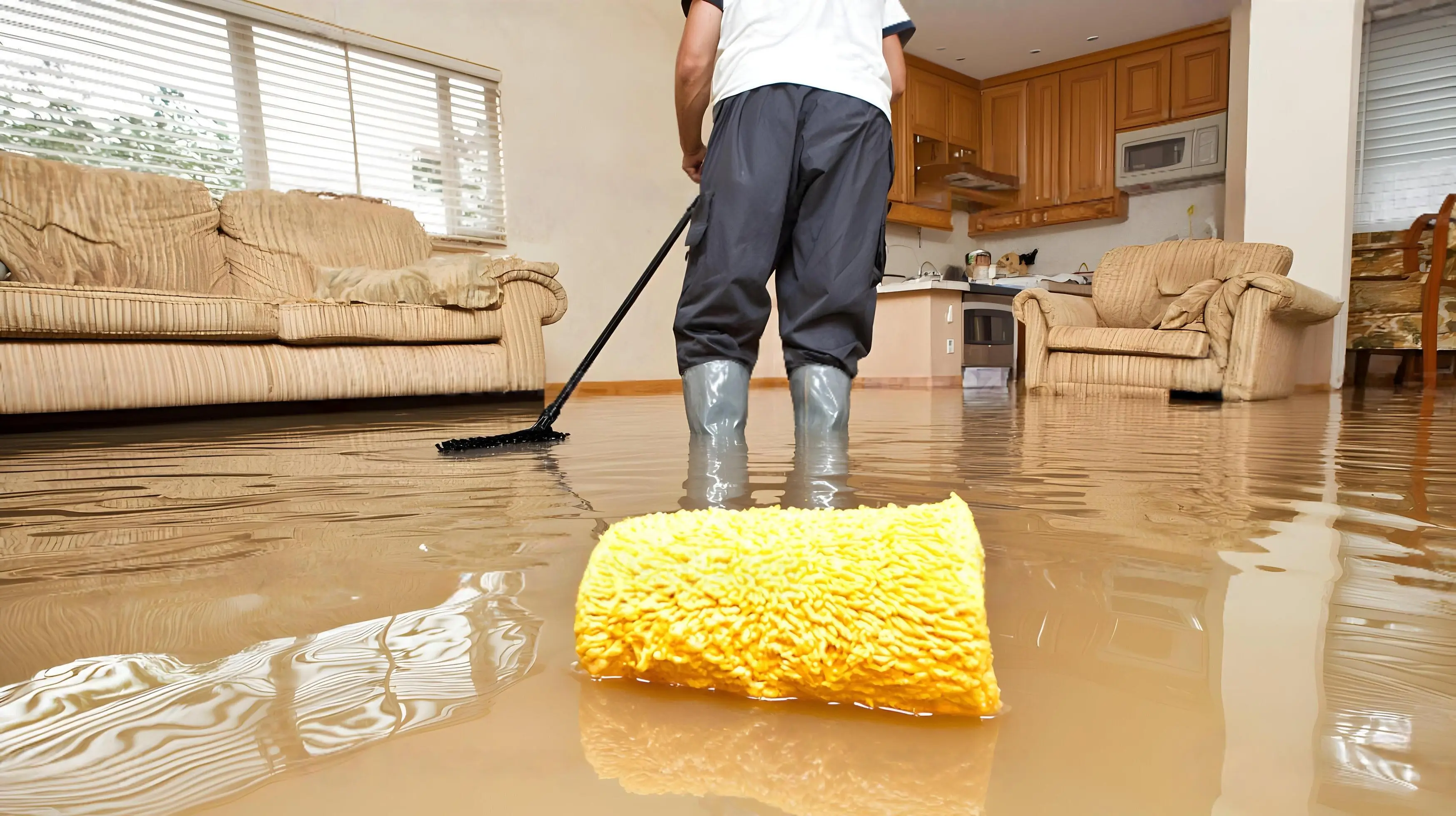
Water Damage Restoration
Burst pipes, storm flooding, standing water. We extract, dry, and restore before mold sets in.
Learn more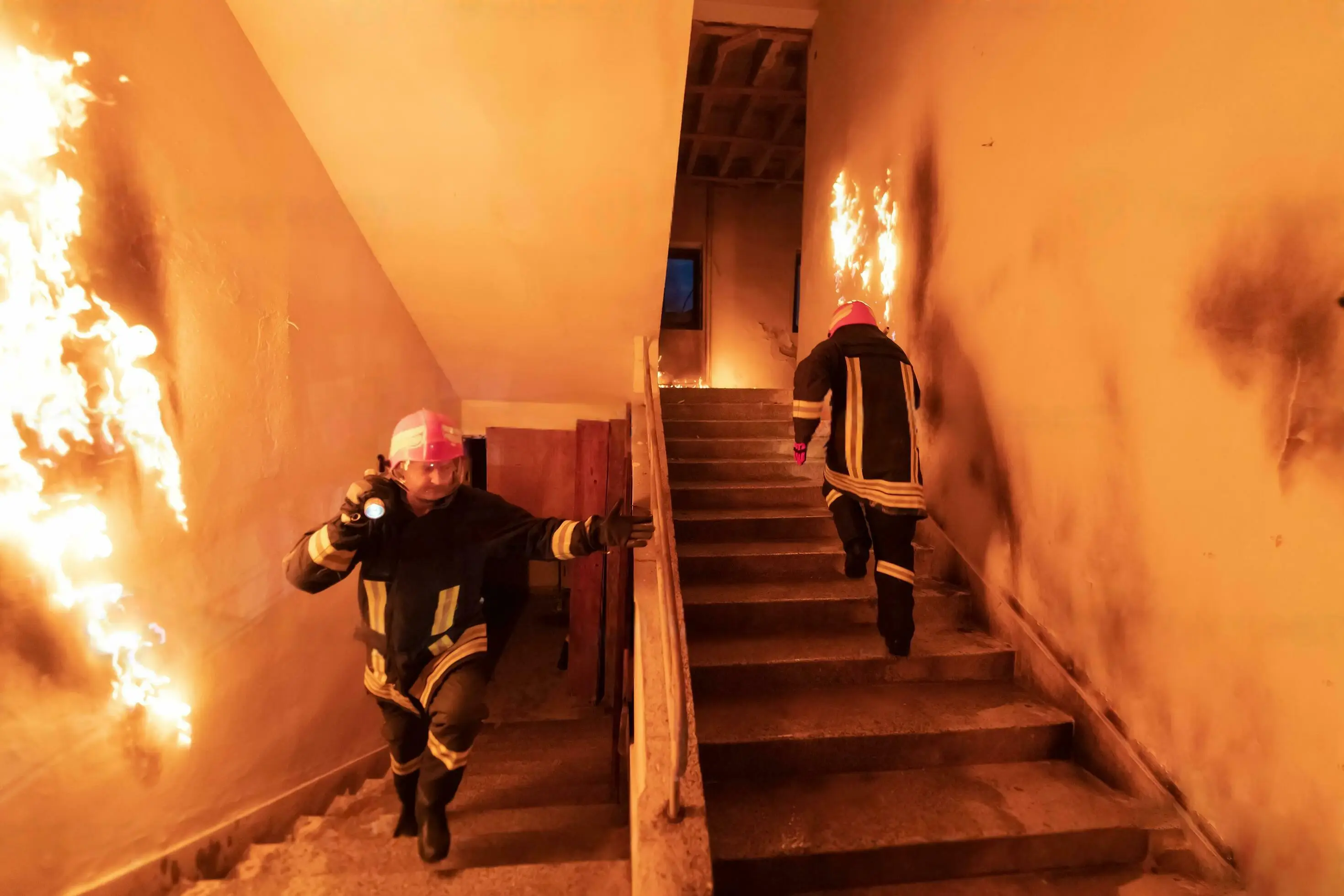
Fire Damage Restoration
Structural damage, soot, debris. We stabilize, clean, and rebuild what fire destroyed.
Learn more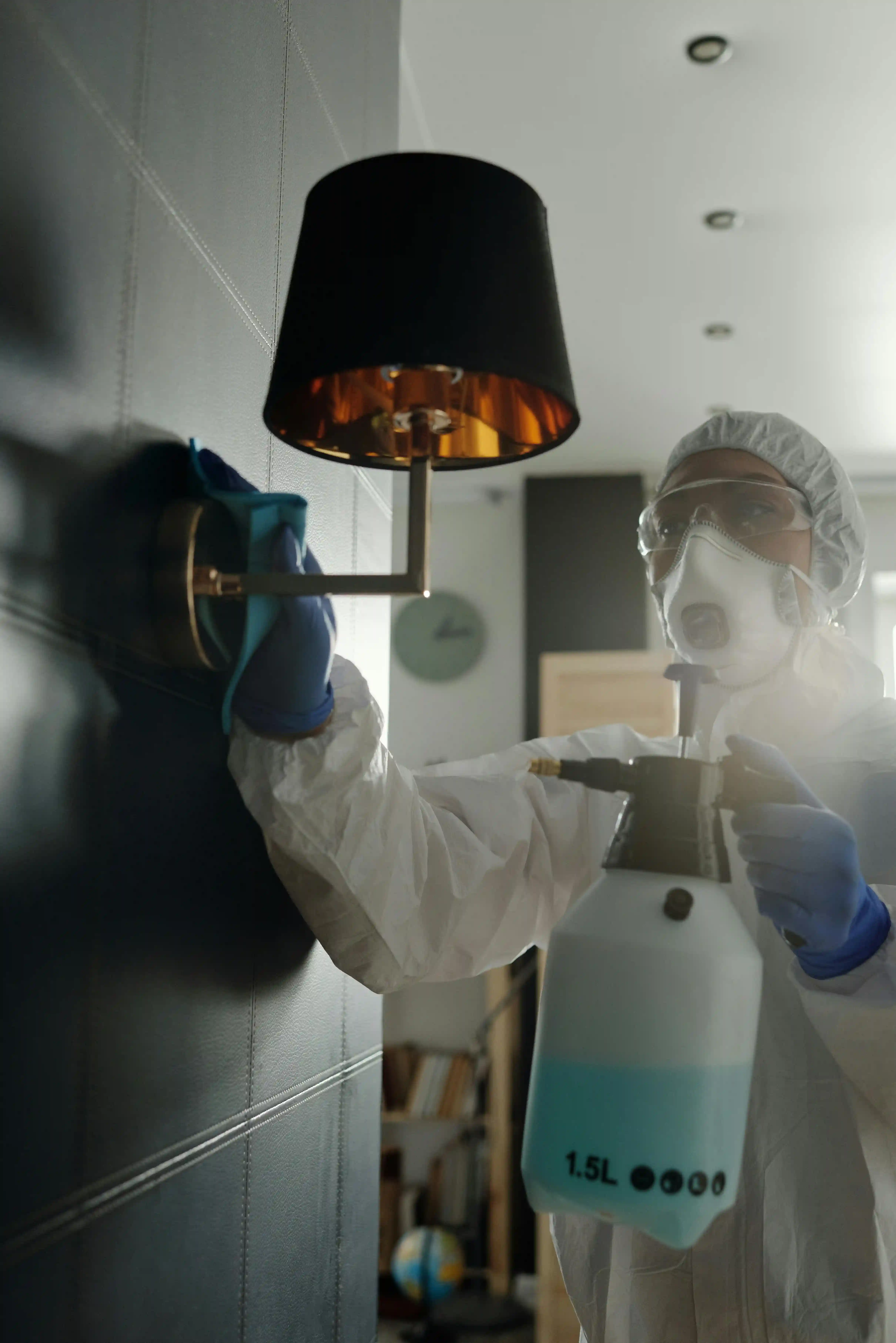
Mold Remediation
Testing, containment, removal, prevention. We find the source, eliminate the growth, and stop it from returning.
Learn more
Sewage Cleanup
Sewer backups, contaminated water, biohazard. We extract, sanitize, and restore safely.
Learn moreNearby Service Areas
Also serving nearby: