
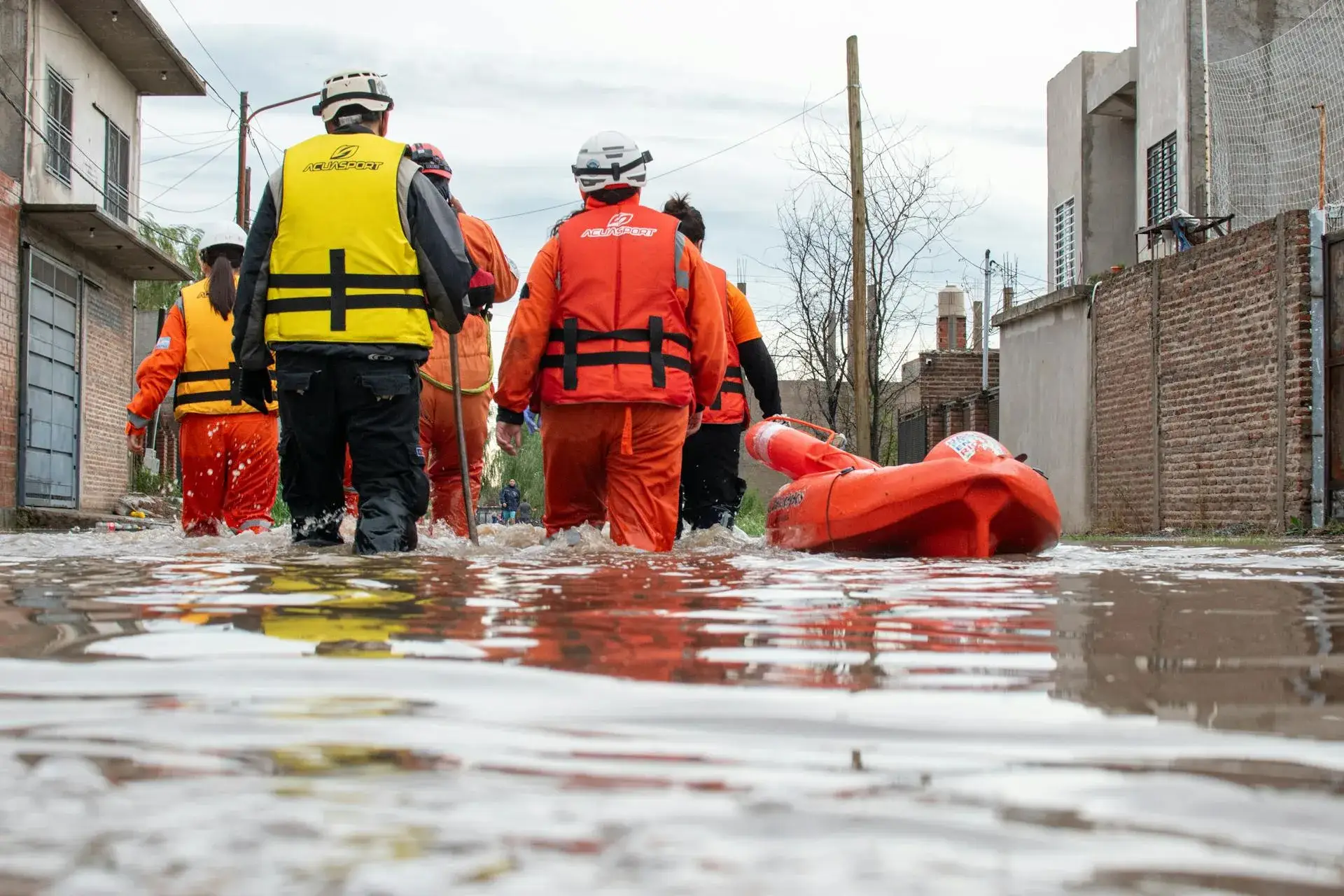
Water Damage Restoration in Galveston, TX
Coastal saltwater and floodwaters rapidly penetrate Galveston stilt home subfloors, concrete slabs, and historic plaster assemblies. Our certified restoration team responds within 60 minutes.
What Happens When You Call
Your emergency call connects directly with an experienced restoration specialist who initiates immediate island-wide dispatch.
Our certified field technicians mobilize with commercial extraction units and calibrated moisture diagnostic meters from our local staging hub.
Technicians arrive at your Galveston residence or business, map hidden water migration paths, and begin immediate bulk water extraction.
Commercial desiccant dehumidifiers and high-velocity air movers are positioned, and itemized insurance documentation logs are initiated.
When Gulf tropical storms drive seawater into coastal neighborhoods or an interior plumbing line fails in an elevated beach home, immediate structural intervention is critical to limit catastrophic loss. X Response delivers 24/7 rapid water mitigation throughout Galveston Island and surrounding coastal communities. Dispatched from our regional response facility, our teams arrive equipped with industrial sub-surface extractors, high-capacity desiccant dehumidifiers, and thermal imaging diagnostics to extract water, dry structural assemblies, and prevent aggressive mold colonization. Call our 24/7 emergency hotline now.
Why Galveston Homes Are Vulnerable to Water Damage
Galveston is a historic barrier island city of approximately 53,700 residents located along the upper Texas Gulf Coast in Galveston County, roughly 50 miles southeast of downtown Houston. Bounded by the open waters of the Gulf of Mexico to the south and Galveston Bay, West Bay, and East Bay to the north, the island occupies low-lying coastal terrain with average ground elevations ranging from sea level to 10 feet. Following the catastrophic 1900 hurricane, engineers constructed the famous 10-mile, 17-foot-high concrete Galveston Seawall and raised the urban grade of the eastern end using dredged marine slurry. Residential architecture across the island is uniquely diverse, spanning historic 19th-century Victorian homes on raised pier-and-beam foundations in the East End Historic District, Silk Stocking, and Lost Bayou neighborhoods, to mid-century slab-on-grade homes in Denver Court, and modern elevated single-family beach houses built on pilings across West End communities like Jamaica Beach, Sea Isle, and Pirate's Beach.
During Hurricane Ike in September 2008, a storm surge of 10 to 13 feet pushed across Galveston Island and Galveston Bay, overtopping sections of the 17-foot Galveston Seawall and inundating thousands of ground-level properties, historic Victorian structures, and beachfront homes. Galveston property owners face continuous exposure to coastal hazards, including tropical cyclones, torrential convective downpours, severe tidal flooding during astronomical high tides, and intense wind-driven rain from storms like Hurricane Beryl in July 2024. Additionally, corrosive marine salt air accelerates plumbing line degradation, while extreme winter cold snaps, such as Winter Storm Uri in February 2021, expose uninsulated pipes beneath elevated beach houses to catastrophic freeze bursts.
Barrier Island Hydrology and Storm Surge Hydrodynamics
undefined
undefined
Galveston Island is entirely surrounded by tidal salt water, leaving low-lying areas vulnerable to dual-direction flooding. While the southern Seawall defends against direct Gulf wave action, storm surge routinely enters through the unprotected bayside along Harborside Drive and the Strand, flooding streets from the rear. High astronomical king tides also push seawater backward through municipal gravity storm outfalls, submerging intersections and trapping water against ground-level grade beams.
West End Elevated Stilt House Construction Dynamics
undefined
undefined
Along Galveston's West End, residential homes are elevated 12 to 20 feet above ground level on treated timber and concrete pilings. While living quarters are elevated above normal surge levels, enclosed ground-level tackle rooms, utility closets, and elevator shafts experience severe saltwater inundation. High coastal wind pressures also drive torrential rain horizontally beneath soffits and around coastal window flashing, saturating elevated subfloor joists and tongue-and-groove decking.
Historic East End Victorian Architecture and Plaster Assemblies
undefined
undefined
In the East End Historic District and Silk Stocking neighborhoods, historic Victorian and Greek Revival homes feature raised cypress and brick pier-and-beam foundations, heart pine flooring, and lath-and-plaster wall systems. When crawl spaces submerge during heavy rainstorms, moisture wicks upward into timber sills and joists. Historic plaster walls hold immense moisture volumes and crumble if dried incorrectly, requiring specialized low-grain desiccant drying rather than aggressive demolition.
Corrosive Marine Atmosphere and Copper Pipe Deterioration
undefined
undefined
The saline marine atmosphere across Galveston Island creates an aggressively corrosive environment for residential plumbing and HVAC infrastructure. Salt air accelerates external galvanic corrosion on copper supply lines, brass shutoff valves, and water heater fittings, resulting in sudden high-pressure pinhole leaks inside enclosed wall cavities that flow undetected for days before staining ceilings or baseboards.
Exposed Under-Floor Plumbing Freeze Vulnerability
undefined
undefined
Unlike mainland homes with slab-protected plumbing, elevated beach homes across Galveston feature extensive runs of water supply lines suspended underneath exposed floor framing. When rare Arctic cold fronts sweep across Texas, sustained sub-freezing temperatures and high coastal winds rapidly freeze exposed PEX and copper pipes, leading to widespread burst lines and massive water discharge into ground-level living areas.
Restoring water damage on Galveston Island requires specialized expertise in coastal saltwater decontamination, historic timber drying, and elevated foundation hydrodynamics. X Response brings the IICRC-certified personnel, industrial drying technology, and Texas insurance knowledge required to safeguard your coastal investment.
What Happens to Your Home While You Wait
Within 1 Hour
Water spreads across flooring surfaces, saturating subfloors, tile underlayments, and carpets. Porous drywall, historic plaster, and wood trim absorb water via capillary action, wicking moisture upward several inches within the first hour.
1–24 Hours
Drywall assemblies wick moisture beyond 12 inches, losing structural rigidity. Heart pine floorboards and subfloor plywood swell, causing edge cupping. Coastal marine high humidity prevents natural evaporation, promoting rapid bacterial activity in standing water.
24–48 Hours
Active fungal spore germination initiates on damp cellulose materials, including drywall paper backing, floor joists, and fiberglass insulation batts. Uncoated metal fasteners, electrical wiring junctions, and plumbing fittings begin surface oxidation.
48–72 Hours
Visible microbial colonies expand behind baseboards and under kitchen cabinetry. Solid wood framing timbers absorb moisture past 25% fiber saturation, initiating dimensional warping. Plaster keys in historic walls soften and detach from wood lath.
One Week and Beyond
Widespread toxic fungal contamination penetrates deep into structural wall cavities, subflooring, and HVAC ductwork. Structural timber decay begins in crawl spaces and joist assemblies, requiring expensive structural rebuilds instead of straightforward drying.
Prompt emergency extraction within 24 to 48 hours is essential to prevent irreversible structural degradation and severe microbial infestation. Contact X Response immediately for emergency water damage mitigation in Galveston.
How We Restore Water-Damaged Galveston Homes
Our IICRC-certified restoration process utilizes scientific psychrometric drying principles engineered specifically for Galveston Island's coastal climate, historic architecture, and elevated foundations.
1. Advanced Moisture Mapping and Thermal Diagnostics
Our technicians inspect every affected area using high-resolution FLIR thermal imaging cameras, non-invasive RF moisture meters, and deep penetrating structural probes. We establish a complete baseline map of moisture migration behind plaster walls, beneath tile floors, and throughout crawl space subflooring.
2. High-Volume Water Extraction and Saltwater Neutralization
Using commercial truck-mounted extraction systems and heavy-duty weighted sub-surface extractors, we rapidly remove standing water from living quarters, ground-floor storage bays, and elevator shafts. When coastal storm surge is involved, we perform specialized freshwater rinsing to neutralize corrosive salt deposits.
3. Targeted Flood Cuts and Controlled Demolition
To accelerate structural airflow without causing unnecessary damage to historic architecture, we perform precision flood cuts two feet above the moisture boundary on affected drywall. Saturated insulation and unsalvageable flooring materials are bagged and disposed of in compliance with Galveston County environmental standards.
4. Industrial Desiccant and LGR Dehumidification
We deploy commercial Low Grain Refrigerant (LGR) and heavy-duty desiccant dehumidifiers paired with high-velocity centrifugal air movers. Our technicians carefully calculate specific humidity targets, drawing deep moisture out of historic heart pine, subfloor joists, and concrete pads even in high outdoor marine humidity.
5. EPA-Registered Botanical Antimicrobial Decontamination
All exposed framing timbers, subfloor decking, and crawl space components receive thorough treatment with EPA-registered botanical antimicrobials. This application halts microbial growth, eliminates musty coastal odors, and creates a protective barrier against fungal colonization during drying.
6. Daily Psychrometric Monitoring and Insurance Clearance
Our project supervisors monitor drying progress daily, taking psychrometric readings and structural moisture measurements until all materials reach verified dry standards. We compile a comprehensive documentation package, including thermal scans and drying logs, directly for your insurance carrier.
The X Response Difference
X Response delivers the equipment, coastal experience, and technical precision needed to restore your Galveston property safely and thoroughly.
Insurance Claim Guidance for Galveston Homeowners
Navigating water damage insurance claims on Galveston Island involves distinct coverage categories and state-specific policy rules. Standard Texas homeowner policies (HO-A and HO-B forms) generally cover sudden and accidental internal water discharges, including ruptured supply lines, water heater failures, or appliance leaks. However, water damage caused by coastal storm surge or rising tidal water from Galveston Bay or the Gulf of Mexico is excluded from standard homeowner policies and requires flood coverage through FEMA's National Flood Insurance Program (NFIP) or private flood carriers. Wind-driven rain damage during tropical storms is frequently handled through the Texas Windstorm Insurance Association (TWIA) or specialized coastal windstorm policies.
How X Response Helps
- Immediate emergency photo and thermal imaging documentation captured before any demolition begins
- Precise water source categorization (Category 1 clean, Category 2 gray, or Category 3 blackwater/saltwater) to justify scope of work
- Daily psychrometric moisture logs and equipment tracking records formatted for insurance adjuster approval
- Direct collaboration with adjusters from major Texas carriers, TWIA, and NFIP flood service providers
- Itemized estimates prepared with industry-standard Xactimate pricing reflecting current Galveston County labor and material costs
X Response is an independent professional restoration contractor. We collaborate closely with your insurance carrier to provide complete technical documentation, while final claim authorization and coverage determinations remain with your insurer.
Certified Restoration Specialists Serving Galveston
Our Galveston restoration specialists are experienced emergency responders with deep roots across Galveston County and the upper Texas Gulf Coast. Having managed property recoveries across the East End Historic District, Midtown, Offatts Bayou, and West End coastal communities through major storms including Carla, Alicia, Ike, Harvey, and Beryl, our technicians understand the unique construction nuances of island architecture.
Every field supervisor holds Master Water Restorer, Applied Structural Drying (ASD), and Commercial Drying Specialist certifications from the IICRC. We continually train our technicians on the latest psychrometric drying science and coastal building preservation techniques, providing prompt, reliable, and professional service to Galveston homeowners and businesses.
In Galveston, X Response works with First Response Restoration, an independent local restoration partner serving Galveston County.
Water Damage Restoration FAQ for Galveston Homeowners
Other Emergency Services in Galveston

Fire Damage Restoration
Structural damage, soot, debris. We stabilize, clean, and rebuild what fire destroyed.
Learn more
Smoke Damage Restoration
Soot residue, chemical odors, HVAC contamination. We decontaminate surfaces, eliminate odors, and restore air quality.
Learn more
Mold Remediation
Testing, containment, removal, prevention. We find the source, eliminate the growth, and stop it from returning.
Learn more
Sewage Cleanup
Sewer backups, contaminated water, biohazard. We extract, sanitize, and restore safely.
Learn moreNearby Service Areas
Also serving nearby: