
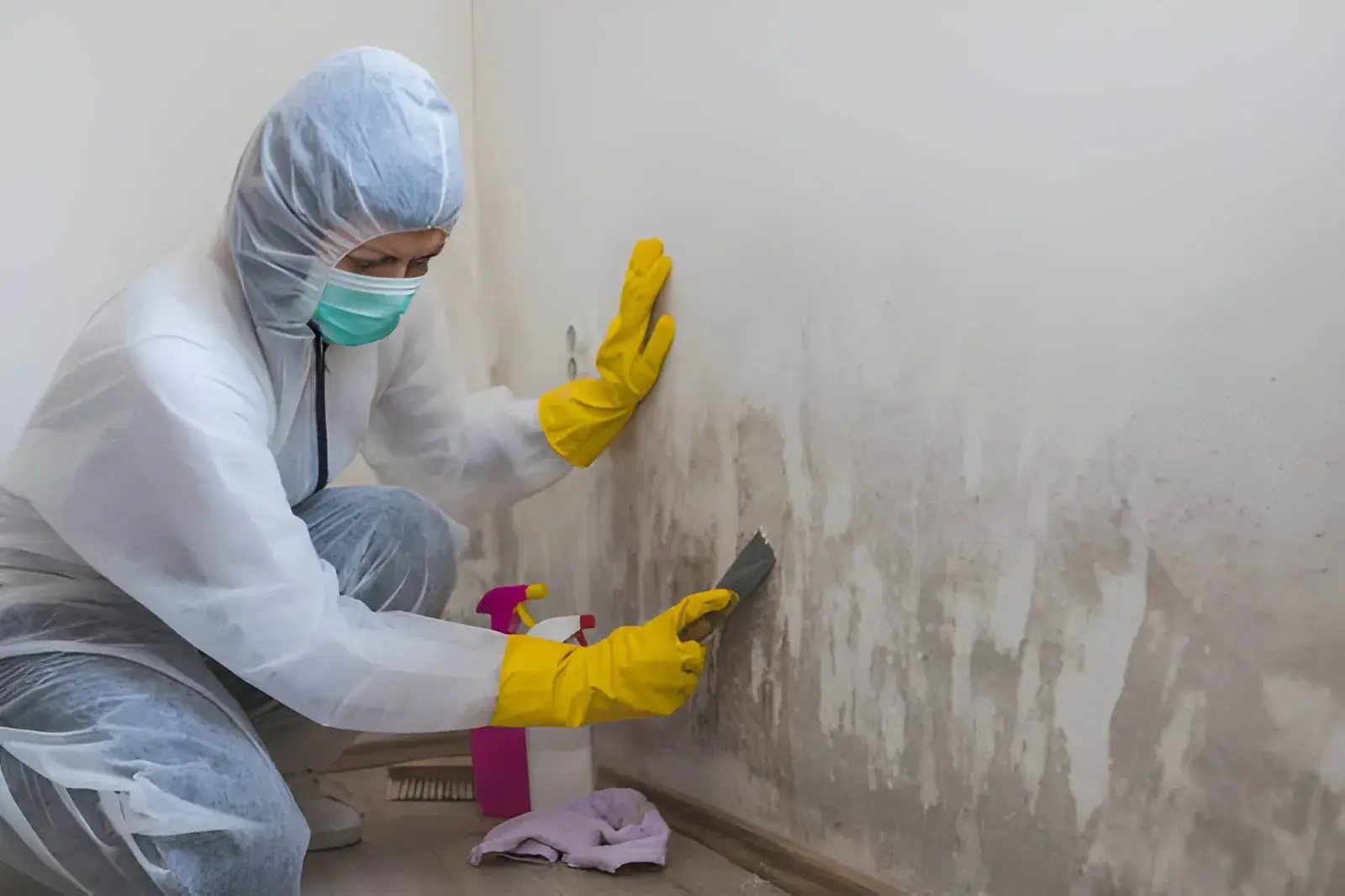
Mold Remediation in Elk Grove Village, IL
Mold doubles its colony size every 24 to 48 hours in favorable conditions. The longer it grows, the more extensive and costly the remediation. Our local team responds to Elk Grove Village mold emergencies within 60 minutes.
What Happens When You Call
A real person answers, not a call center. We assess your situation, ask the right questions about visible mold, moisture history, and any health concerns, and begin coordinating your response immediately.
Your dedicated remediation team is dispatched from our local base serving Elk Grove Village and the surrounding northwest suburban communities in Cook and DuPage Counties.
Team arrives with moisture detection instruments, air quality testing equipment, and containment materials. Assessment begins immediately.
Contamination mapped, moisture source identified, remediation plan documented. You know exactly what comes next.
You have found mold in your home or building, or you suspect it based on a persistent musty odor, unexplained health symptoms, or visible discoloration. The colony you can see is almost certainly not the full extent of the problem. Mold behind walls, beneath flooring, and inside HVAC systems is invisible but actively releasing spores into your living or working space. X Response exists for exactly this moment. When you reach out, your remediation team is mobilized within minutes and on site within the hour. From that point forward, one team manages everything: assessment, containment, removal, moisture correction, and verification. Call now. Your team is standing by.
Why Elk Grove Village Homes Are Vulnerable to Mold
Elk Grove Village is a community of 32,812 residents occupying 11.6 square miles in Cook and DuPage Counties, approximately 22 miles northwest of Chicago. The residential core of the village was built by Centex Corporation between 1957 and 1973 as one of America's first master-planned communities. These ranch and colonial style homes were constructed with full basements, a standard feature of Chicago-area housing that creates the below-grade living and storage space that is most vulnerable to moisture intrusion and mold colonization. The clay-heavy glacial soils throughout Cook County hold moisture against foundation walls for extended periods after rain events, maintaining hydrostatic pressure that drives water through any gap in the aging waterproofing systems. After nearly 50 to 70 years of service, the original coal-tar waterproofing and clay drain tile systems in these homes have long exceeded their intended lifespan, creating chronic moisture conditions in basements that many homeowners treat as normal but that provide ideal conditions for mold growth.
The Village of Elk Grove Village operates a Residential Drainage Improvement Program through its Public Works Department specifically to address localized ponding and drainage deficiency issues in the older subdivisions. The program exists because the original grading and pipe capacity installed when the village was developed no longer match the frequency and intensity of rainfall events the community now experiences. This official acknowledgment of chronic drainage problems in the residential neighborhoods underscores what many homeowners already know from experience: their basements get damp, their yards hold water, and the conditions that promote mold growth are embedded in the built environment rather than being rare anomalies. The flat terrain, engineered drainage dependency, clay soils, and aging infrastructure combine to create a community where mold is not a question of if but when, particularly in below-grade spaces that see repeated or chronic moisture exposure.
Clay Soils, Hydrostatic Pressure, and Foundation Moisture
The glacial deposits underlying Elk Grove Village consist primarily of dense clay that expands when wet, contracts when dry, and holds moisture against foundation walls for weeks after a rain event. Unlike sandy or gravelly soils that allow water to drain past foundation walls relatively quickly, clay maintains hydrostatic pressure against the below-grade portions of the foundation for extended periods. This pressure forces moisture through any crack, gap, or deteriorated joint in the foundation wall, through failed waterproofing coatings, and upward through the basement slab where the water table rises during prolonged wet periods. The moisture entering through these pathways is often invisible in its early stages: it dampens the concrete surface without creating obvious standing water, raises relative humidity in the basement space, and creates surface conditions on concealed materials (behind paneling, beneath carpet, inside wall cavities) where mold colonizes before any visible growth appears on exposed surfaces. By the time homeowners see mold, the colony has often been growing behind finished surfaces for weeks or months.
1957-1973 Basement Construction and Concealed Mold Growth
The Centex-era basements in Elk Grove Village were built with poured concrete or concrete block foundation walls, a concrete slab floor, and exterior waterproofing applied directly to the foundation at the time of construction. Many of these basements were subsequently finished during the 1970s and 1980s with wood-frame walls, fiberglass insulation, drywall, and carpet installed directly over or against the concrete. This finishing created concealed cavities between the foundation wall and the interior drywall surface where moisture from the foundation meets organic building materials (wood framing, paper-faced drywall, fiberglass batt) in an enclosed, dark, humid space with no air circulation. These concealed wall cavities are the primary location for mold growth in Elk Grove Village homes. The mold is invisible because it grows between the foundation and the finished wall surface, but it actively releases spores into the occupied space through gaps around electrical outlets, at the top and bottom of wall sections, and through the drywall paper itself as it colonizes the paper face. Homeowners often report persistent musty odor, allergic reactions, or respiratory irritation without any visible mold, which indicates concealed growth behind the finished walls.
Sump Pump Dependency and Failure-Driven Mold Events
Nearly every home in Elk Grove Village's residential neighborhoods has a sump pump system that manages the groundwater level beneath the basement slab. These systems run frequently during spring and after heavy rainfall events, sometimes cycling every few minutes during saturated conditions. The dependency on sump pumps means that any pump failure, whether from mechanical breakdown, float switch malfunction, clogged discharge line, or power outage during a storm, results in groundwater rising through or above the slab level. Even a short-duration failure during heavy rain can introduce enough moisture into the basement to initiate mold growth on susceptible materials. The mold colonization timeline in Chicago's summer humidity is 24 to 48 hours: a sump pump that fails on Friday evening and is not discovered until Monday morning has already exceeded the window for mold prevention. The chronic dampness that a marginally functioning pump allows (running but not fully controlling the water table) creates elevated basement humidity that promotes slow, persistent mold colonization without any obvious water event to trigger inspection.
Chicago Summer Humidity and the Condensation Problem
The Chicago metropolitan area experiences high average summer relative humidity levels at the surface. In below-grade basement spaces, the cooler concrete surfaces (foundation walls and slabs that stay at ground temperature, typically 55 to 60 degrees year-round) cause warm humid air to condense on contact with these cooler surfaces. This condensation creates a persistent film of moisture on foundation walls, exposed concrete, cold water supply pipes, and any surface that is cooler than the dew point of the ambient basement air. In Elk Grove Village's Centex-era homes, this condensation phenomenon is compounded by the fact that many basements were finished without vapor barriers between the foundation and the interior wall assembly. Warm, humid basement air penetrates the drywall, contacts the cold foundation behind it, and condensates in the wall cavity where the moisture cannot evaporate because both the drywall and the foundation trap it. This summer condensation cycle repeats annually, and over years creates chronic mold conditions that worsen progressively until the finished wall assembly is removed.
Commercial and Industrial Mold in the Business Park
The Elk Grove Village industrial park, North America's largest contiguous business park with over 62 million square feet of space, presents mold scenarios distinct from residential properties. Warehouse buildings with slab-on-grade construction and metal roofing experience condensation when temperature differentials create dew point conditions on the underside of the roof deck or on the concrete slab. Roof leaks in flat-roof commercial structures often go undetected for extended periods because water pools on the roof and enters through seams or penetrations into the ceiling cavity rather than dripping visibly into the occupied space below. The contamination grows in the ceiling insulation and on the roof deck underside, invisible from the warehouse floor, until the colony is large enough to produce visible staining, structural damage to ceiling components, or odor complaints from occupants. For the park's 22 data centers, humidity control is both a cooling requirement and a mold prevention necessity: any failure in the precision HVAC systems that maintain temperature and humidity parameters can produce condensation on surfaces and equipment within hours.
Mold in Elk Grove Village is fundamentally a moisture problem. The clay soils hold water against foundations, the aging Centex-era waterproofing admits it into basements, the finished wall assemblies conceal it from view, and the Chicago humidity prevents it from evaporating once it enters. The village's Residential Drainage Improvement Program exists because the community recognized that its drainage infrastructure cannot prevent all moisture intrusion in the older housing stock. Effective mold remediation must address both the visible colony and the moisture source feeding it, or the mold returns after remediation.
What Happens to Your Home While You Wait
24–48 Hours After Moisture Exposure
Mold spores, which are always present in ambient air, germinate and begin colonizing damp surfaces. Initial growth is microscopic and invisible to the eye. In Elk Grove Village basements where moisture enters through foundation walls into concealed wall cavities, colonization begins on the paper face of drywall, on wood framing, and in fiberglass insulation batts before any visible indication appears on the room-facing surface.
3–7 Days
Visible mold growth appears on surfaces with sustained moisture exposure. Colonies that began microscopically now present as discoloration spots (black, green, gray, or white depending on species) on drywall, wood, or other organic materials. In concealed spaces behind finished walls, the colony may cover several square feet before any sign appears on the exposed room surface. Musty odor becomes detectable in the occupied space.
1–4 Weeks
Established colonies begin producing heavy spore loads that elevate airborne mold counts throughout the home. Spores enter the HVAC system through return air registers and are distributed to every room. Occupants with allergies or respiratory sensitivity begin reporting symptoms: congestion, sneezing, eye irritation, and exacerbation of asthma. The colony extends along the moisture path, following the water source through materials capable of supporting growth.
1–3 Months
Structural damage begins where mold has consumed organic components of building materials. Drywall paper deteriorates and loses integrity. Wood framing in contact with sustained moisture shows decay at connection points. The colony has likely spread beyond its original location, following moisture pathways through wall cavities, along floor joists, and into adjacent rooms. Remediation at this stage requires material removal rather than surface treatment.
Extended Growth (3+ Months)
Extensive colonization throughout the affected wall assembly and potentially into adjacent assemblies. The remediation scope now involves significant demolition of finished materials, treatment of structural components, and reconstruction. Insurance coverage questions become more complex as carriers may distinguish between sudden water damage and long-term maintenance neglect. Property value impact and disclosure obligations emerge if the growth affects structural components.
Every day mold grows unaddressed, it consumes more building material, releases more spores into your air, and expands the scope and cost of remediation. Contact X Response now. Our Elk Grove Village team responds within 60 minutes to begin containment.
How We Restore Mold-Affected Elk Grove Village Homes
Mold remediation is a systematic process that contains the contamination, removes it safely, corrects the moisture source, and verifies successful elimination. Here is exactly what the process involves for Elk Grove Village properties.
Inspection and Moisture Assessment
Our team arrives with moisture meters, thermal imaging cameras, and hygrometers to identify both visible mold and the moisture conditions supporting it. In Elk Grove Village homes, inspection focuses on basement wall assemblies where concealed growth commonly develops between the foundation and finished drywall, on sump pump crock areas where chronic splash dampens surrounding materials, along foundation wall and floor joints where hydrostatic pressure forces moisture inward, and at any location where prior water events may have left residual dampness in concealed spaces. We probe behind finished walls at vulnerable points using minimally invasive moisture meters and thermal imaging that detects temperature differentials indicating hidden moisture. Air quality samples may be collected to establish baseline spore counts before remediation begins.
Containment and Air Filtration
Before any mold-contaminated material is disturbed, we establish containment around the affected area using polyethylene barriers sealed to adjacent surfaces. Negative air pressure within the containment prevents spores from migrating to unaffected areas of the home during removal. HEPA-filtered negative air machines exhaust filtered air to the exterior while maintaining the containment zone under negative pressure relative to the surrounding space. All workers within containment wear appropriate personal protective equipment. For Elk Grove Village homes where mold is behind finished basement walls, the containment often encompasses the entire basement perimeter since the concealed growth may extend the full length of the finished wall system rather than being limited to one visible area.
Mold Removal and Material Disposal
Contaminated materials that cannot be restored are removed and disposed of following OSHA and EPA guidelines. In Elk Grove Village's finished basements, this typically means removing the drywall, insulation, and wood framing that were installed against the foundation wall. The mold on these materials cannot be cleaned because it has penetrated the porous substrate, and the conditions between the foundation and the drywall will support regrowth if the materials are left in place. Non-porous structural elements (the concrete foundation wall itself, metal structural components) are cleaned using HEPA-vacuuming and antimicrobial treatment rather than removed. All removed materials are bagged within the containment zone before transport through the home to prevent spore release in unaffected areas.
Moisture Source Correction
Removing the mold without addressing the moisture source guarantees recurrence. In Elk Grove Village, moisture correction may involve repairing or replacing the sump pump system, installing interior drainage channeling along the foundation perimeter, applying interior waterproofing treatments to the cleaned foundation wall, improving exterior grading to direct surface water away from the foundation, or increasing basement ventilation and dehumidification to manage condensation. For homes where the Centex-era drain tile has failed, the correction may involve installing a modern interior drain tile system that channels foundation seepage to the sump rather than allowing it to dampen the wall assembly. We identify the specific moisture mechanism and recommend the appropriate correction before reconstruction begins.
Post-Remediation Verification and Clearance
After removal and moisture correction, we conduct verification to confirm successful remediation. Air quality samples are collected inside the remediated area and compared to outdoor baseline readings to verify that airborne spore counts have returned to normal ambient levels. Visual inspection confirms no remaining visible growth on structural surfaces. Moisture readings verify that the corrected source is no longer introducing moisture to the remediated area. Only after clearance testing confirms successful remediation do we authorize reconstruction of the removed wall assemblies, this time with appropriate moisture management details such as vapor barriers, treated lumber, and airspace between the foundation and any new finished surface.
The X Response Difference
Mold remediation is not mold cleaning. It is a systematic process of containment, removal, source correction, and verification. Anything less than this full protocol is a temporary cosmetic fix that does not address the underlying problem. X Response follows the complete protocol on every Elk Grove Village project.
Insurance Claim Guidance for Elk Grove Village Homeowners
Mold insurance coverage in Illinois depends on the cause of the moisture that produced the mold. Standard homeowner's policies typically cover mold remediation when the mold results from a covered water damage event such as a burst pipe, appliance failure, or sudden plumbing discharge. However, mold that results from chronic moisture conditions, deferred maintenance, or gradual seepage is frequently excluded as a maintenance issue rather than a covered loss. For Elk Grove Village homeowners with aging Centex-era basements where the moisture source is slow foundation seepage through deteriorated waterproofing, the coverage determination often hinges on whether the insurer classifies the event as sudden or gradual. Some Illinois policies carry specific mold caps (commonly $5,000 to $10,000) that limit coverage regardless of the remediation cost. Understanding your policy's mold provisions before you need them is essential.
How X Response Helps
- Document the moisture source that caused the mold, distinguishing between sudden events (pipe burst, appliance failure) and gradual conditions (chronic seepage, condensation)
- Photograph all visible mold growth and water damage with timestamps showing when the condition was discovered
- Maintain records of any prior water damage claims, sump pump installations, or drainage improvements that establish the property's moisture history
- Request your policy's specific mold coverage provisions including any sub-limits or caps that may apply regardless of the total remediation cost
- Begin remediation promptly after discovery, as delays that allow mold to spread may be classified as failure to mitigate and reduce coverage
X Response does not file claims on your behalf, adjust claims, or make coverage determinations. We provide documentation and guidance to help you make informed decisions about your property and your policy. Coverage decisions are made solely by your insurance carrier.
Certified Restoration Specialists Serving Elk Grove Village
When you contact X Response for mold remediation in Elk Grove Village, your team understands the specific mold environment this community presents. They know how the 1957-1973 Centex construction creates concealed wall cavities that trap moisture between the foundation and finished surfaces. They know the clay soils and hydrostatic pressure patterns that drive chronic foundation moisture in Cook County. They understand that the village's Residential Drainage Improvement Program exists because localized drainage deficiency is an acknowledged community-wide issue rather than an isolated property problem. And they have the experience to distinguish between mold that resulted from a sudden covered event and mold that developed from chronic conditions, documenting the project accordingly for insurance purposes.
Every technician on your team holds current IICRC certification in mold remediation and carries the appropriate Illinois state licensing for the work being performed. Equipment includes professional moisture meters, thermal imaging cameras, HEPA-filtered negative air machines, containment materials, and air sampling equipment for pre- and post-remediation clearance testing. When your team arrives at an Elk Grove Village property, they bring the diagnostic tools to determine the full scope and the remediation equipment to address it in a single mobilization.
In Elk Grove Village, X Response works with Scene Cleaners, an independent local restoration partner serving Cook County.
Mold Remediation FAQ for Elk Grove Village Homeowners
Other Emergency Services in Elk Grove Village
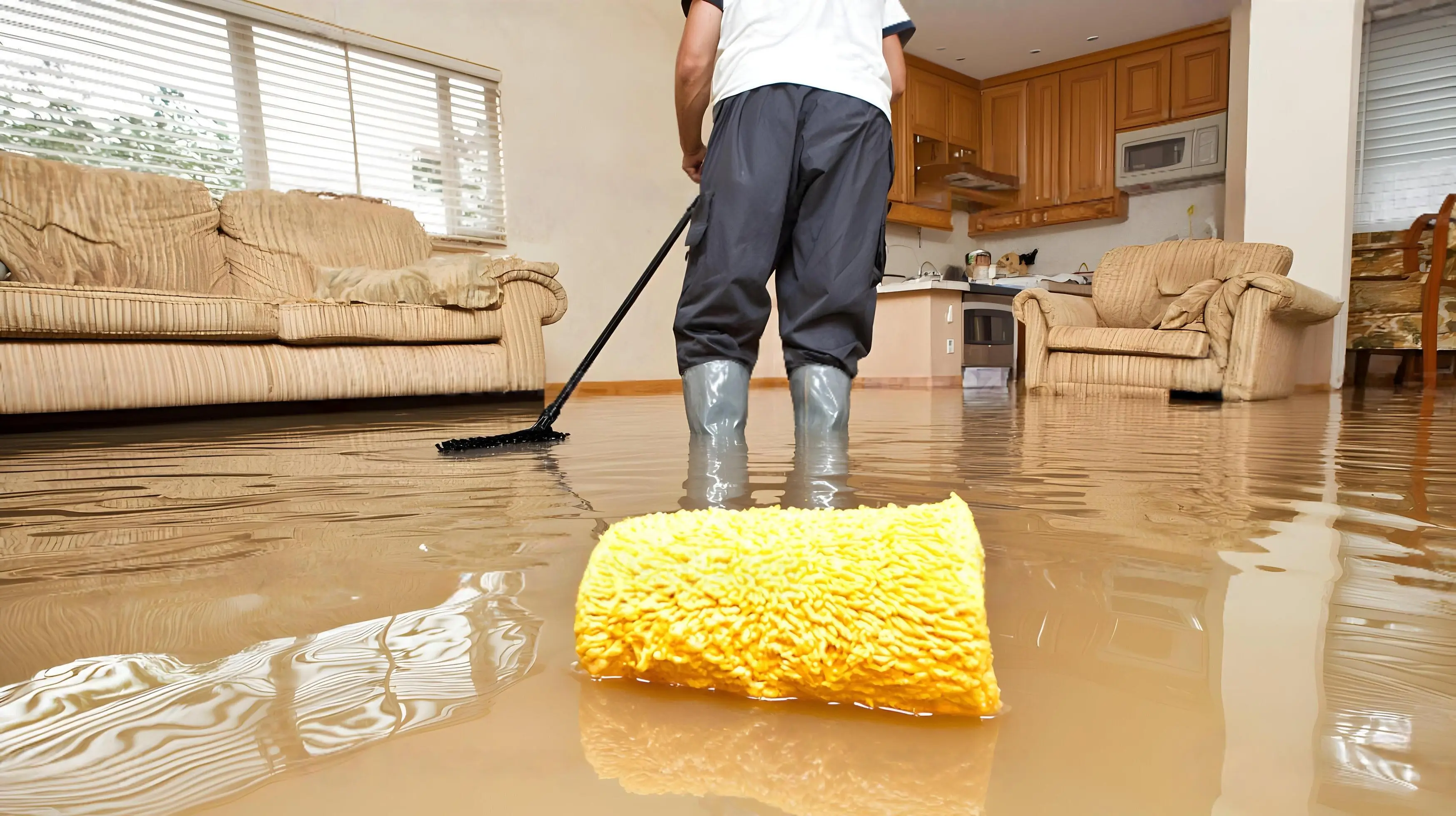
Water Damage Restoration
Burst pipes, storm flooding, standing water. We extract, dry, and restore before mold sets in.
Learn more
Fire Damage Restoration
Structural damage, soot, debris. We stabilize, clean, and rebuild what fire destroyed.
Learn more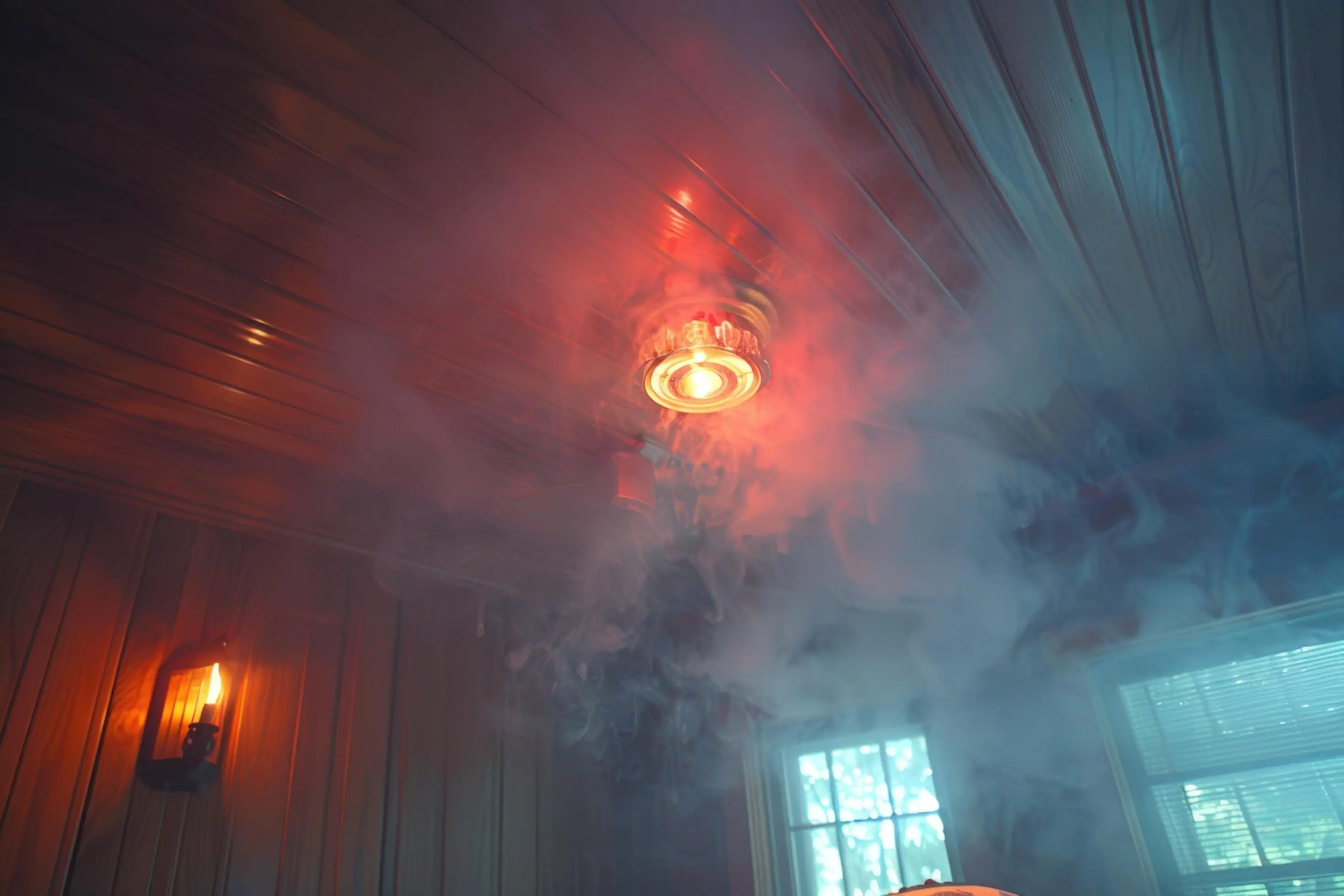
Smoke Damage Restoration
Soot residue, chemical odors, HVAC contamination. We decontaminate surfaces, eliminate odors, and restore air quality.
Learn more
Sewage Cleanup
Sewer backups, contaminated water, biohazard. We extract, sanitize, and restore safely.
Learn moreNearby Service Areas
Also serving nearby: