
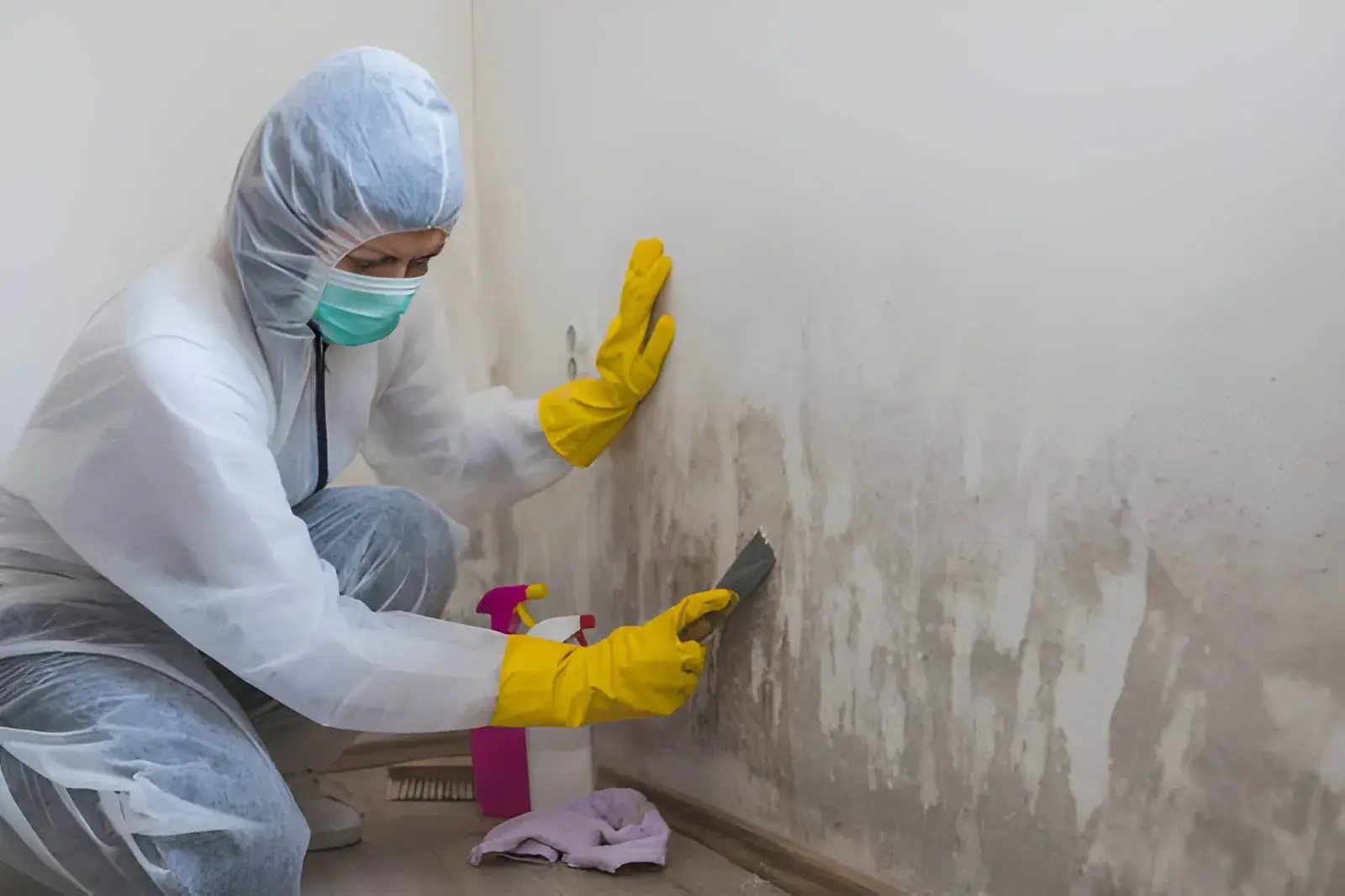
Mold Remediation in Monroeville, PA
Airborne mold spores spread through forced-air ducts and colonize damp wall cavities within 24 to 48 hours of moisture intrusion. Our certified Monroeville mold specialists arrive in 60 minutes to establish negative-pressure containment and eradicate fungal growth.
What Happens When You Call
Direct emergency dispatch mobilizes an experienced Monroeville remediation specialist within minutes to coordinate immediate moisture assessment and containment.
Our certified technician arrives on site within 60 minutes to perform thermal moisture mapping, relative humidity testing, and visual mold inspection.
We isolate contaminated areas using heavy plastic containment barriers and continuous HEPA negative air machines to prevent spore migration.
Technicians remove non-salvageable materials, apply EPA-registered antimicrobials to structural framing, and complete HEPA vacuuming with final air quality verification.
Discovering black mold along basement baseboards, noticing persistent musty odors, or experiencing unexplained respiratory irritation inside your home requires immediate, certified remediation. Household bleach and surface sprays only mask visible fungal staining while moisture continues feeding deep hyphal roots. X Response delivers scientific, permanent mold remediation designed specifically for western Pennsylvania homes. From negative-pressure containment to HEPA filtration and moisture source elimination, we restore clean, healthy living environments. Call now. Your team is standing by.
Why Monroeville Homes Are Vulnerable to Mold
Monroeville, Pennsylvania, located in eastern Allegheny County roughly 10 miles east of Pittsburgh, has a humid continental climate and rolling hillside terrain that create persistent residential mold vulnerabilities. Spanning elevations between 735 and 1,320 feet across the Allegheny Plateau, Monroeville receives approximately 40 inches of precipitation annually, accompanied by summer humidity levels that routinely exceed 70 percent. According to the U.S. Environmental Protection Agency, indoor relative humidity should be maintained below 60 percent, ideally between 30 and 50 percent, and damp materials must be dried within 24 to 48 hours to prevent mold growth. During warm summer months, humid outdoor air easily penetrates unsealed basements and crawl spaces, condensing against cooler concrete slab floors and below-grade foundation walls.
The structural geology of Monroeville significantly compounds these indoor moisture dynamics. The municipality is underlain by dense shale, siltstone, and impermeable clay subsoils that impede natural subsurface drainage. In suburban neighborhoods throughout Garden City, University Park, and along Old William Penn Highway, homes built on rolling hillsides experience intense lateral hydrostatic pressure as groundwater migrates downhill toward foundation walls. In mid-century block basements and split-level subterranean rooms, groundwater slowly seeps through porous mortar joints, hairline foundation settlement cracks, and floor-to-wall cold joints. When homeowners finish basements with standard drywall, fiberglass batts, and wood framing without installing proper vapor barriers, moisture becomes trapped inside dark wall cavities, providing ideal conditions for toxic mold species such as Stachybotrys, Chaetomium, and Aspergillus to flourish undetected.
Hillside Drainage and Hydrostatic Basement Pressure
Monroeville's steep topography forces subsurface groundwater downhill against residential foundations. Saturated clay soils expand and exert continuous hydrostatic pressure against subterranean walls, driving moisture through porous concrete block and hairline cracks into finished basement cavities.
Warm Summer Humidity and Subterranean Condensation
During southwestern Pennsylvania summers, outdoor dew points frequently exceed 65 degrees. When humid air enters cool below-grade living areas and crawl spaces, it condenses on cold concrete slabs, uninsulated water lines, and floor joists, creating a chronic microclimate that sustains fungal growth.
Finished Basement Moisture Trapping Behind Drywall
Many mid-century homes in Monroeville have finished basements where wood studs, fiberglass insulation, and paper-faced drywall were installed directly against foundation walls without vapor barriers. Trapped seepage and condensation remain hidden, allowing extensive mold colonies to mature unseen.
Aging Foundation Perimeter Drains and Weep Tiles
Suburban homes constructed decades ago often rely on clay tile or corrugated plastic exterior footing drains that have collapsed, clogged with silt, or become overrun by tree roots. Defective exterior drainage causes groundwater to back up against the footing, flooding crawl spaces and subfloors.
Monroeville properties require specialized mold remediation that eradicates active fungal contamination while resolving the hillside moisture dynamics fueling it. Our local certified specialists eliminate microbial growth and restore healthy indoor air quality.
What Happens to Your Home While You Wait
24 to 48 Hours
Microscopic mold spores settle onto wet organic substrates like drywall paper, wood framing, or carpet backing, germinating and establishing hyphal root systems within 48 hours of initial moisture intrusion.
3 to 7 Days
Active mold colonies expand across surfaces, becoming visible as discolored black, green, or white patches. Spores begin releasing pungent microbial volatile organic compounds (mVOCs), creating noticeable musty smells throughout basements and crawl spaces.
1 to 2 Weeks
Fungal hyphae penetrate deeply into porous drywall and wood fibers, consuming cellulose materials. Airborne spore counts rise dramatically, contaminating forced-air HVAC ductwork and triggering coughing, sneezing, and respiratory irritation in sensitive occupants.
2 to 4 Weeks
Extensive colonization causes drywall to soften, crumble, and detach from wall studs. Subflooring and structural framing begin exhibiting wood rot, while personal contents stored in basements, including clothing, cardboard, and upholstery, suffer permanent contamination.
One Month and Beyond
Widespread contamination spreads throughout the building envelope. Structural timbers lose load-bearing capacity, requiring extensive demolition and carpentry repairs. Remediating mature infestations requires aggressive physical removal, negative-pressure containment, and extensive clearance testing.
Mold colonies spread rapidly across damp building materials in western Pennsylvania. Contact X Response now for certified inspection and 60-minute emergency arrival.
How We Restore Mold-Affected Monroeville Homes
Our Monroeville mold remediation process adheres strictly to ANSI/IICRC S520 professional standards, ensuring safe containment, complete physical removal, and verified clearance.
Comprehensive Inspection and Moisture Mapping
Our certified remediation technicians arrive in Monroeville equipped with thermal imaging cameras, pin and pinless moisture meters, and digital hygrometers. We map moisture boundaries behind walls, evaluate foundation intrusion points, and identify visible and hidden mold colonies.
Isolation and Negative Air Containment
To prevent mold spores from cross-contaminating unaffected living spaces, we construct sealed containment chambers using 6-mil poly sheeting and zipper doors. Commercial HEPA negative air machines run continuously, venting filtered air outdoors and maintaining negative room pressure.
HEPA Filtration and Controlled Demolition
Industrial HEPA air scrubbers capture airborne spores, particulate matter, and mycotoxins throughout the remediation zone. Heavily contaminated, non-salvageable materials like water-logged drywall, ceiling tiles, and carpet padding are carefully bagged, sealed, and removed.
Structural Surface Decontamination
Exposed structural framing, joists, and concrete foundation walls are cleaned using HEPA vacuuming and specialized antimicrobial agents. For deep colonization on wood timbers, we deploy dry ice or soda blasting to remove embedded fungal roots without compromising structural integrity.
Antimicrobial Treatment and Environmental Verification
All treated structural framing is sealed with an EPA-registered antimicrobial barrier coating that inhibits future mold colonization. A final visual inspection and third-party clearance air testing verify that indoor spore counts have returned to normal, safe baseline levels.
The X Response Difference
Choose X Response for scientifically certified, permanent mold remediation across Allegheny County.
Insurance Claim Guidance for Monroeville Homeowners
Mold remediation insurance claims in Pennsylvania require clear documentation establishing a direct link to a covered peril. Standard homeowner property insurance policies typically exclude coverage for mold resulting from long-term deferred maintenance, chronic seepage, or ambient high humidity. However, if mold growth develops as the direct consequence of a sudden and accidental covered water event, such as a burst frozen plumbing line or storm-damaged roof intrusion, remediation costs are often covered up to policy mold sub-limits. Providing immediate, professional documentation is critical to substantiating your claim.
How X Response Helps
- Obtain professional moisture mapping and photographic logs that connect mold growth directly to a sudden, covered water intrusion.
- Verify policy language regarding specific mold endorsements and sub-limits, which commonly range from $5,000 to $10,000 in Pennsylvania.
- Document all containment, demolition, and antimicrobial treatments using standard Xactimate line items required by insurance carriers.
- Coordinate with an independent third-party environmental professional for pre- and post-remediation air quality testing.
- Submit formal remediation scopes promptly to avoid insurer claims of avoidable secondary property damage.
X Response provides objective technical moisture documentation and certified remediation estimates. We do not act as licensed public adjusters and do not settle insurance claims; final coverage determinations remain solely with your insurance carrier.
Certified Restoration Specialists Serving Monroeville
Our Monroeville mold remediation team holds specialized certifications through the Institute of Inspection, Cleaning and Restoration Certification (IICRC), including Applied Microbial Remediation Technician (AMRT) and Water Damage Restoration (WRT). Serving Monroeville and eastern Allegheny County communities, our technicians possess deep expertise in resolving the moisture and fungal challenges unique to western Pennsylvania hillside homes.
We utilize commercial-grade negative air machines, true HEPA vacuum systems, thermal imaging cameras, and EPA-registered botanical antimicrobials to handle mold problems of any scale. From damp split-level basements near Turtle Creek to modern homes experiencing attic condensation, our team treats your home with uncompromising professionalism.
In Monroeville, X Response works with Restoworks Disaster Restoration, an independent local restoration partner serving Allegheny County.
Mold Remediation FAQ for Monroeville Homeowners
Other Emergency Services in Monroeville
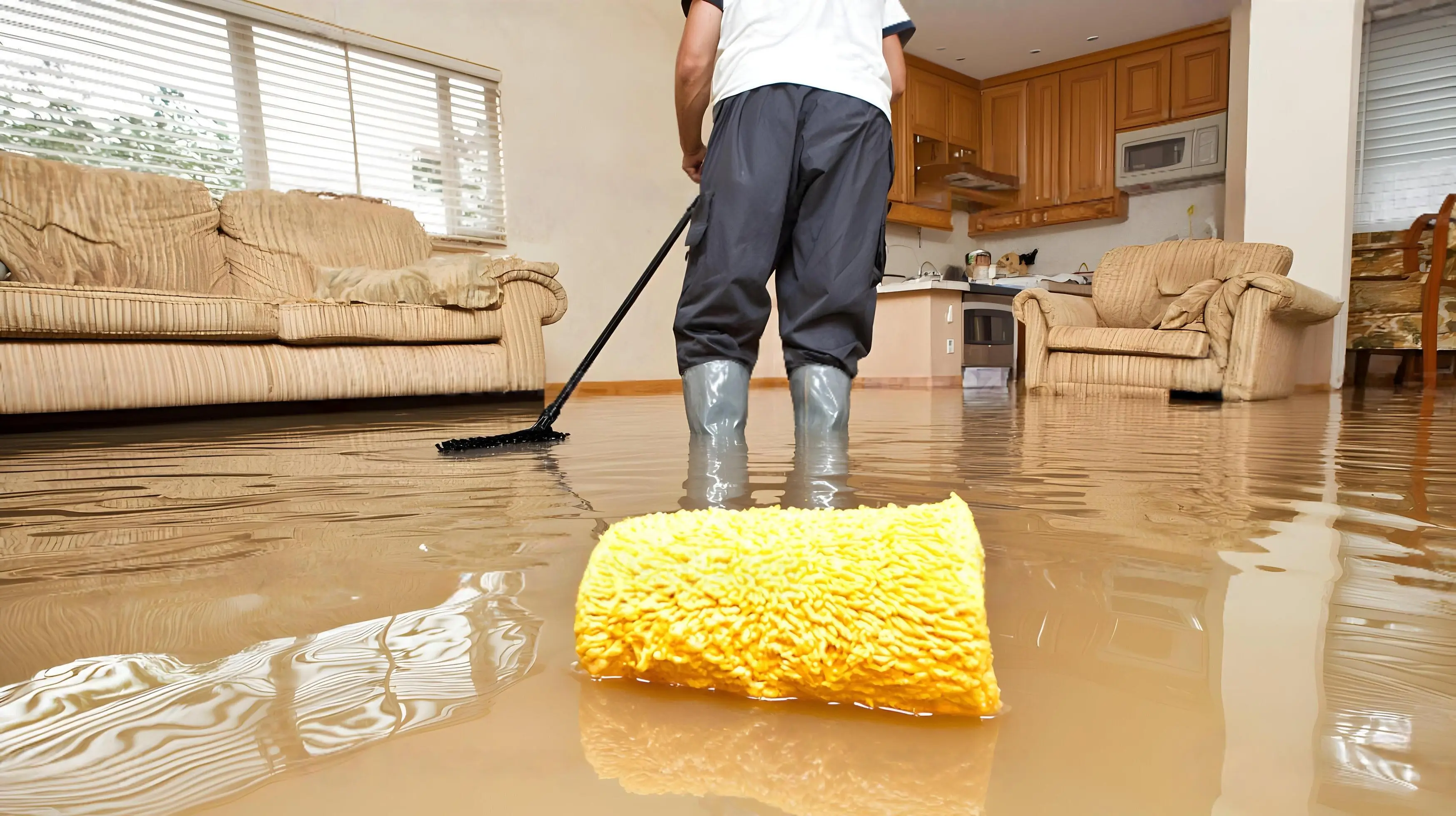
Water Damage Restoration
Burst pipes, storm flooding, standing water. We extract, dry, and restore before mold sets in.
Learn more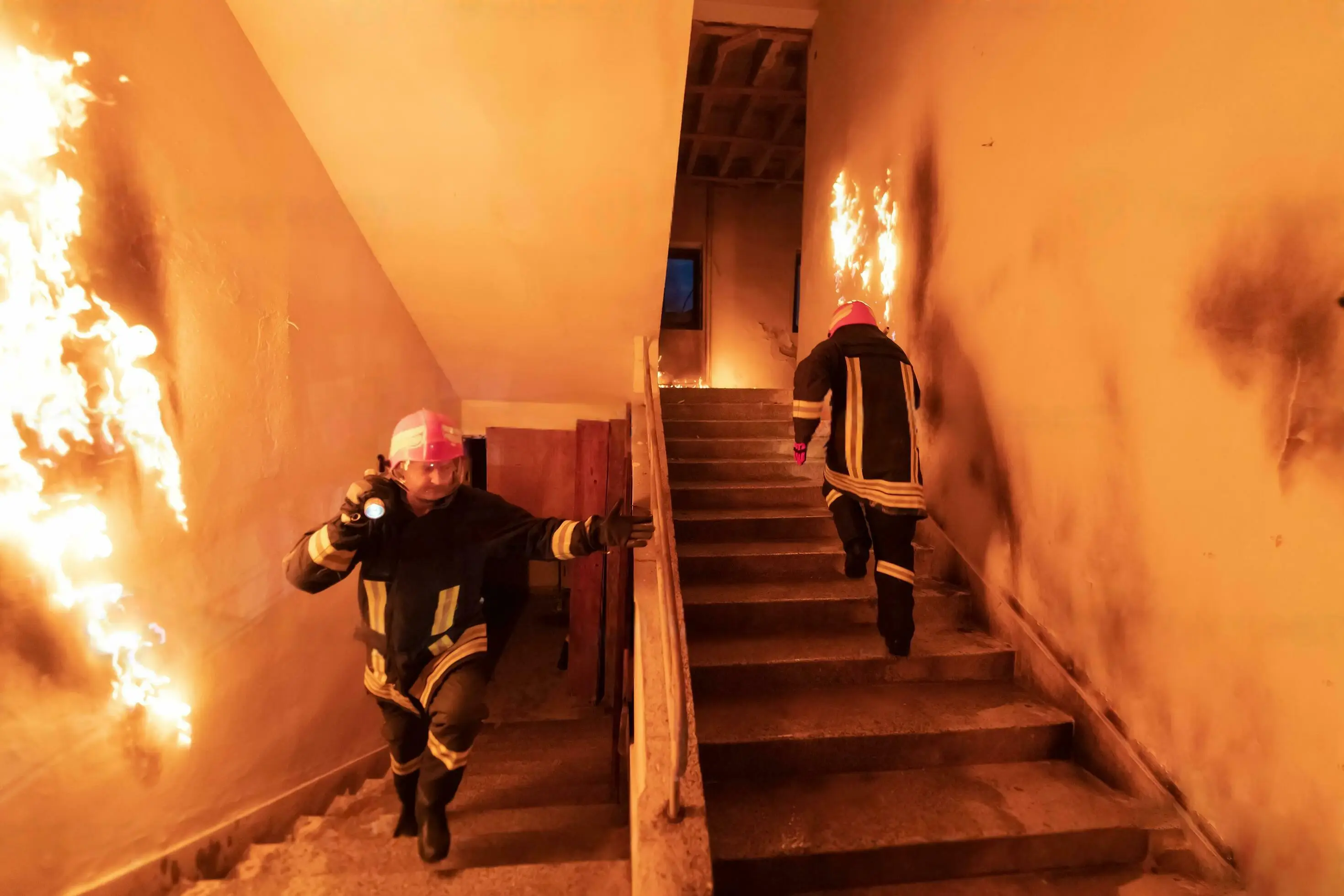
Fire Damage Restoration
Structural damage, soot, debris. We stabilize, clean, and rebuild what fire destroyed.
Learn more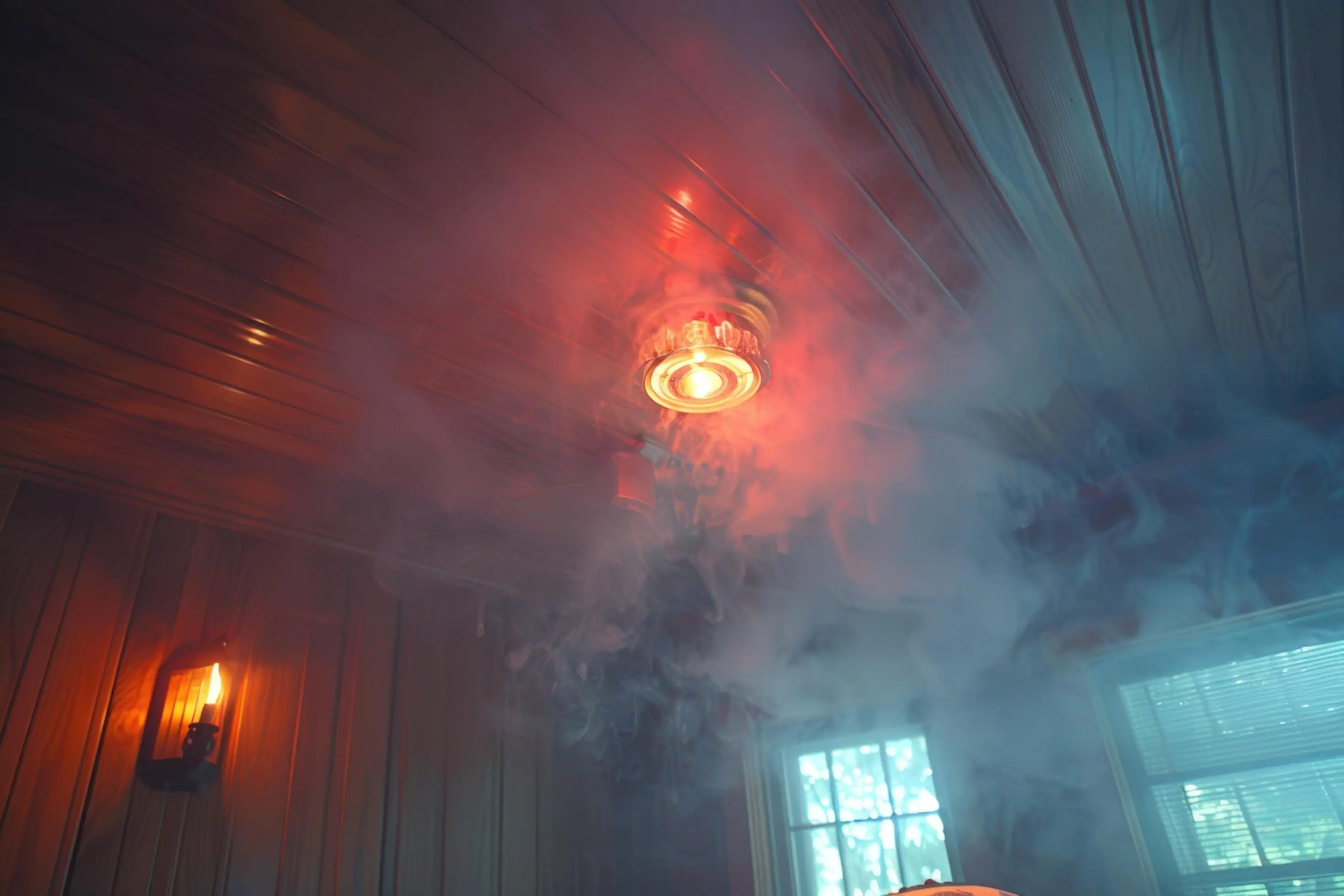
Smoke Damage Restoration
Soot residue, chemical odors, HVAC contamination. We decontaminate surfaces, eliminate odors, and restore air quality.
Learn moreNearby Service Areas
Also serving nearby: