
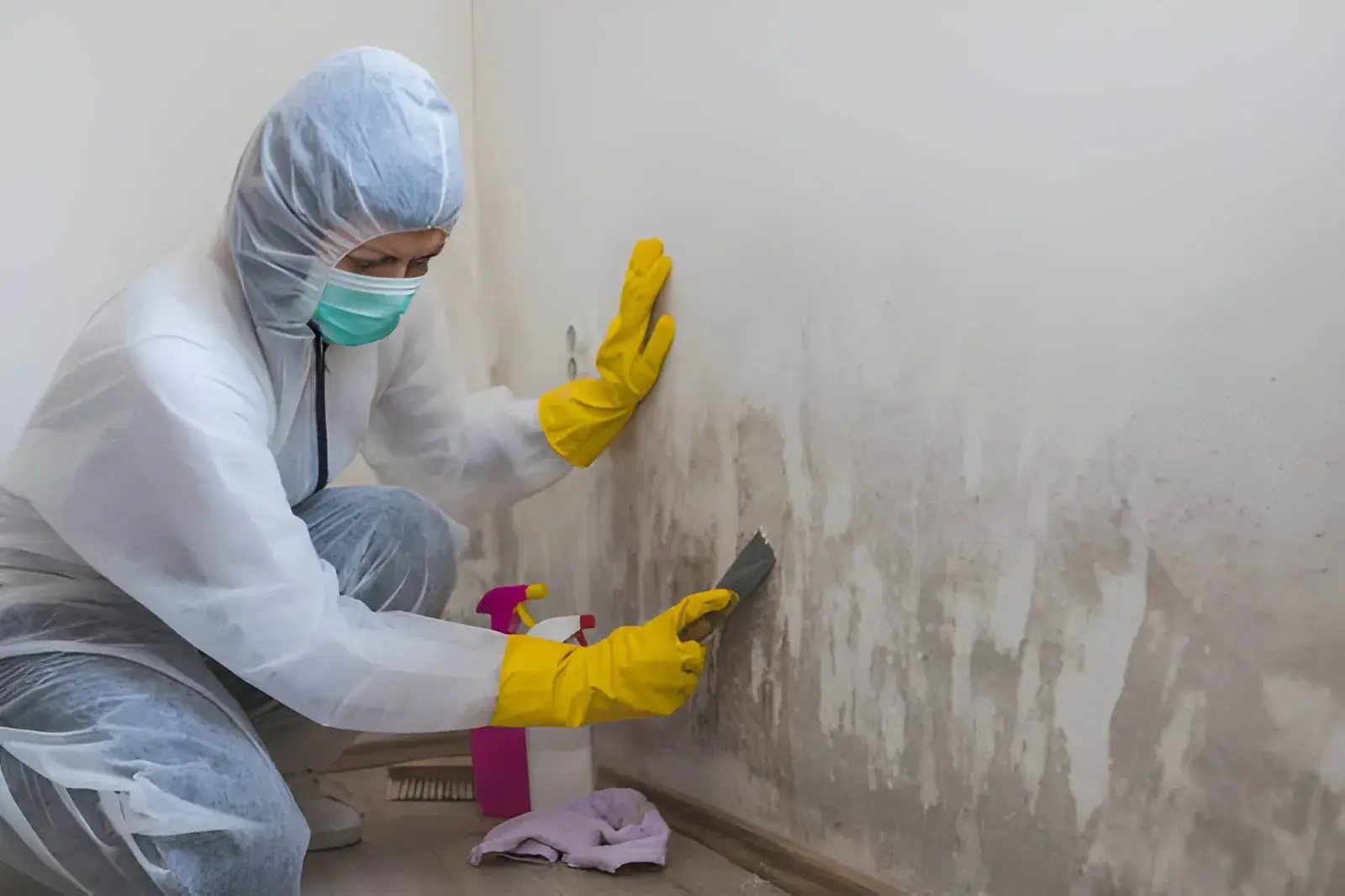
Mold Remediation in Estero, FL
Mold colonizes water-damaged materials within 24 hours in Estero's heat and humidity. Every hour of delay expands the contamination and increases remediation cost. Our Florida-licensed team responds within 60 minutes.
What Happens When You Call
A real person answers, not a call center. We assess your situation, determine urgency, and dispatch your licensed mold remediation team immediately.
Your dedicated team is dispatched from our local base serving Estero and Lee County.
Team arrives with containment materials, HEPA air scrubbers, and air sampling equipment. Contamination is isolated and assessed immediately.
Contamination scope determined, remediation plan documented, and work begins. You know the full scope, timeline, and what your insurance options are from day one.
You found mold, or you suspect it. Maybe there is a musty odor in one room. Maybe visible growth appeared behind furniture or inside a cabinet. In Estero's climate, mold does not wait, and neither should you. X Response deploys a Florida-licensed mold remediation team to your home within 60 minutes. One team assesses, contains, removes, and verifies. No bouncing between a testing company and a removal company. No delays that let contamination spread. Call now. Your team is standing by.
Why Estero Homes Are Vulnerable to Mold
Estero, an incorporated village of nearly 37,000 residents in Lee County, exists in conditions that are nearly optimal for mold growth year-round. The village's humid subtropical climate delivers high average relative humidity, summer temperatures consistently above 85 degrees Fahrenheit, and over 57 inches of annual rainfall concentrated between June and September. These conditions alone would make mold management challenging, but Estero adds a high water table near Estero Bay and the Estero River, slab-on-grade construction that traps ground moisture against living spaces, and year-round air conditioning that creates temperature differentials between cooled interior surfaces and humid outdoor air. When Hurricane Ian struck on September 28, 2022, it flooded approximately 1,369 homes along the West Broadway corridor, and the combination of flood water, warm temperatures, and sustained humidity produced mold colonization in affected homes within 24 to 48 hours of the storm. Many properties that were not professionally dried within that window required extensive mold remediation months later as hidden growth was discovered during reconstruction.
Florida is one of a limited number of states that requires specific licensing for mold work. Florida Statute Chapter 468, Part XVI requires anyone performing mold assessment or mold remediation for compensation to hold a state license issued by the Department of Business and Professional Regulation. This means any company offering mold services in Estero must demonstrate competency, maintain insurance, and operate under state oversight. The licensing requirement exists because Florida's climate makes mold a persistent and serious concern rather than an occasional problem. In Estero specifically, the proximity to Estero Bay and the Estero River keeps the water table high, the Corkscrew Watershed to the east delivers sustained rainfall that saturates the ground, and the village's older communities along West Broadway and US 41 include homes built before modern moisture-management standards. Even newer construction in the gated communities along Three Oaks Parkway and Corkscrew Road is not immune: poorly sealed building envelopes, inadequate attic ventilation, and oversized AC systems that short-cycle without dehumidifying adequately all create conditions for mold growth in homes that are only a few years old.
Year-Round Humidity and Temperature
Mold requires moisture, warmth, and organic material to grow. Estero provides all three continuously. Summer relative humidity regularly runs high and rarely drops below 60% even in winter months. Temperatures remain above 70 degrees Fahrenheit nearly year-round, which is within the ideal growth range for common indoor mold species including Aspergillus, Penicillium, and Stachybotrys. Organic material is everywhere in a home: drywall paper facing, wood framing, carpet backing, dust accumulation, and even the thin film of organic matter that settles on surfaces from normal occupancy. Unlike temperate climates where winter cold and low humidity create a natural mold suppression period, Estero has no off-season for mold growth. Conditions support active colonization every month of the year, which means any moisture intrusion event triggers mold growth faster and sustains it longer than in locations with seasonal climate variation.
High Water Table and Ground Moisture
Estero sits on a coastal plain where the water table is often only a few feet below the surface, particularly in areas near Estero Bay and the Estero River. Slab-on-grade foundations rest directly on this saturated ground, and while vapor barriers are placed beneath the concrete during construction, they degrade over time, develop gaps at seams and penetrations, and allow moisture to migrate upward through the slab via capillary action. This ground moisture enters the living space from below, feeding mold growth on the bottom edges of drywall, behind baseboards, beneath carpet and pad, and in any area where materials contact the slab without adequate air circulation. The problem intensifies during the wet season when sustained rainfall raises the water table further, and in post-storm conditions when the ground remains saturated for weeks. Properties along the Estero River corridor and the West Broadway area sit closest to the water table and experience the most persistent ground moisture intrusion.
Air Conditioning Condensation Dynamics
Estero homes run air conditioning year-round, maintaining interior temperatures between 72 and 76 degrees while outdoor temperatures and humidity remain much higher. This temperature differential creates condensation risk at every point where cooled indoor air meets humid outdoor air: around window frames, at door thresholds, through poorly sealed wall penetrations, and especially within wall cavities where insulation creates a temperature gradient. The AC system itself generates condensation on the evaporator coil, which drains through a condensate line. When that line clogs, overflows, or develops leaks, water enters the air handler closet, drip pan, or ceiling cavity above the unit. Oversized AC systems compound the problem by cooling quickly without running long enough to dehumidify adequately, leaving indoor humidity high even as temperature drops. The result is cool surfaces surrounded by humid air, which is the precise condition that triggers condensation and feeds mold growth on walls, in closets, and behind furniture pushed against exterior walls.
Post-Hurricane Ian Mold Legacy
Hurricane Ian flooded approximately 1,369 homes across Estero's West Broadway corridor in September 2022. Many of these homes experienced saltwater intrusion from Estero Bay surge that rose through the Estero River, combined with freshwater flooding from overwhelmed drainage. In the chaos after the storm, not all homes were dried professionally within the critical 24 to 48 hour window. Mold colonized water-damaged drywall, flooring, and cabinetry in homes where water sat for days or weeks before residents could return. Nearly three years later, hidden mold continues to be discovered in these properties during renovation, behind walls that appeared dry from the surface, inside enclosed cabinet cavities, and in attic spaces where roof damage allowed rain intrusion during the weeks after the storm. The post-Ian mold problem is compounded by the saltwater component: salt residue left in building materials after the water receded attracts atmospheric moisture, creating perpetually damp conditions that sustain mold growth long after the initial flooding event.
Florida Mold Licensing and What It Means for Homeowners
Under Chapter 468, Part XVI of Florida Statutes, mold assessment and mold remediation are regulated activities that require separate licenses. A mold assessor evaluates the extent of contamination and develops a remediation protocol. A mold remediator executes the protocol and performs the physical removal. Florida law requires that the assessor and remediator be different entities to prevent conflicts of interest. This licensing framework means any company performing mold work in Estero must demonstrate competency through examination, maintain professional liability insurance, and operate under DBPR oversight. For homeowners, this provides a layer of protection: unlicensed mold work is illegal, improperly performed remediation that spreads contamination creates liability for the contractor, and the state provides a complaint mechanism if standards are not met. When evaluating mold remediation companies, verify both the assessment license and the remediation license, and confirm they are held by separate entities as Florida law requires.
Mold remediation in Estero operates in a climate that actively works against you. Year-round warmth and humidity mean there is no natural suppression period. A high water table feeds moisture upward through slabs continuously. AC systems create condensation dynamics that sustain growth in wall cavities and concealed spaces. Post-Hurricane Ian salt residue keeps building materials perpetually damp in affected homes. And Florida law rightly requires licensed professionals for the work because the stakes of doing it incorrectly in this environment are significant. Effective remediation means identifying the moisture source, eliminating it, removing contaminated materials under proper containment, and verifying the space is clean before reconstruction begins.
What Happens to Your Home While You Wait
Within 24 Hours
Mold spores begin germinating on water-damaged materials. In Estero's heat and humidity, colonization starts faster than the 48 to 72 hours often cited for temperate climates. Drywall paper, carpet backing, and wood surfaces in contact with moisture develop the first hyphal growth. The contamination is microscopic and not yet visible, but the clock is running.
24–72 Hours
Visible mold growth appears on drywall, behind baseboards, and inside enclosed spaces like cabinets and closets. In Estero's climate, multiple mold species can establish simultaneously. Musty odor becomes detectable. If the moisture source is still active, growth accelerates and spreads to adjacent materials. Spore counts in indoor air begin rising.
3–7 Days
Mold penetrates through drywall paper into the gypsum core and spreads inside wall cavities where it is not visible from the living space. Contamination reaches HVAC ductwork through return air pathways and begins distributing spores throughout the home. Occupants may experience respiratory symptoms, headaches, or allergic reactions. The remediation scope expands significantly beyond the original wet area.
1–4 Weeks
Extensive colonization throughout affected wall cavities, ceiling spaces, and HVAC systems. Stachybotrys (black mold) may establish on materials that have remained continuously wet. Structural wood components begin degrading. The home may become uninhabitable due to air quality. Remediation now requires extensive demolition, HVAC replacement, and air quality verification before the space can be reoccupied.
One Month and Beyond
Chronic mold contamination becomes entrenched in the building structure. Materials that could have been dried and salvaged within the first 24 hours now require demolition to the studs. Structural integrity of wood framing may be compromised. The concrete slab itself may harbor growth on its surface where organic material accumulated. Full remediation at this stage is essentially a rebuild of affected areas, with associated cost escalation and extended displacement.
In Estero's climate, the 24-hour mold colonization window is not theoretical. It is the documented reality of how quickly growth establishes after water intrusion in subtropical conditions. Contact X Response now. Our Florida-licensed team responds within 60 minutes.
How We Restore Mold-Affected Estero Homes
Mold remediation follows a strict protocol designed to remove contamination without spreading it. Here is exactly what the process involves in Estero homes.
Assessment and Air Quality Testing
A Florida-licensed mold assessor evaluates the visible contamination and the conditions causing it. Air samples are collected from affected areas and a control location to establish baseline spore counts. Surface samples may be taken to identify specific mold species when the contamination type affects the remediation approach. Moisture mapping with professional meters and thermal imaging identifies hidden water sources and determines whether the contamination extends beyond visible areas into wall cavities, beneath flooring, or inside HVAC components. The assessment produces a detailed remediation protocol that specifies exactly what must be removed, how containment will be established, and what verification testing will confirm successful completion.
Containment and Air Management
Before any contaminated material is disturbed, the affected area is isolated with physical containment barriers. Polyethylene sheeting sealed to walls, ceiling, and floor creates a contained workspace. Negative air pressure is established using HEPA-filtered air movers that exhaust filtered air outside the containment while drawing clean air in from surrounding spaces. This prevents spores disturbed during removal from migrating to clean areas of the home. HVAC registers within the containment are sealed to prevent the system from distributing disturbed spores. Workers enter through a decontamination chamber. These protocols are not optional in Florida-licensed mold remediation. They are required by industry standards and enforced by state oversight.
Contaminated Material Removal
Materials that cannot be adequately cleaned are removed under containment: drywall with visible or confirmed mold growth, carpet and pad with contamination, affected insulation, and any porous materials where mold has penetrated beyond the surface. In Estero's slab-on-grade homes, this often means removing drywall from the bottom 12 to 24 inches where ground moisture fed the growth, removing baseboards, and exposing the slab surface beneath. Removed materials are sealed in bags within the containment before being carried through the home to prevent cross-contamination. Structural framing that shows surface mold but remains structurally sound is cleaned in place using approved methods rather than replaced.
Cleaning and Antimicrobial Treatment
Remaining surfaces within the containment are cleaned using HEPA vacuuming, wire brushing of wood surfaces, and application of EPA-registered antimicrobial treatments. The concrete slab surface is treated to prevent re-colonization from below. Structural framing is sanded or media-blasted if surface cleaning does not fully remove visible growth. All cleaned surfaces are treated with antimicrobial coating that inhibits future growth. HVAC components within or serving the affected area are cleaned and treated. The goal is not sterilization, which is impossible in an occupied home, but reduction of mold levels to normal background concentrations consistent with outdoor air.
Verification Testing and Clearance
After remediation is complete and before containment is removed, a Florida-licensed mold assessor (separate from the remediation company, as required by state law) conducts clearance testing. Air samples are collected inside the containment and compared to outdoor baseline samples. Clearance criteria require that indoor spore counts and species diversity be consistent with or better than outdoor conditions. If the space fails clearance, additional remediation is performed and retested until it passes. Only after clearance is confirmed does containment come down and reconstruction begin. This independent verification protects you from incomplete remediation and provides documentation that the space was restored to safe conditions.
The X Response Difference
When you contact X Response for mold remediation in Estero, you get a Florida-licensed team that follows state-mandated protocols from assessment through independent clearance verification. Proper containment, proper removal, proper verification. No shortcuts in a climate where shortcuts lead to recurring contamination.
Insurance Claim Guidance for Estero Homeowners
Mold damage insurance coverage in Florida depends on the cause of the moisture that produced the mold. If mold resulted from a covered peril, such as a burst pipe, appliance failure, or storm-driven roof leak, the remediation is typically covered under your homeowner's policy. Mold from long-term maintenance issues, condensation, or humidity without a sudden event is generally excluded or subject to a separate mold coverage cap. Many Florida policies include a mold sublimit, often between $10,000 and $50,000, that caps total mold-related coverage regardless of actual remediation cost. After Hurricane Ian, mold claims from flood damage were covered only if the homeowner held separate flood insurance, because standard policies exclude flood-related damage. Understanding your specific mold coverage before filing is important for setting realistic expectations about what your carrier will pay.
How X Response Helps
- Document the moisture source and its connection to the mold growth with professional assessment and moisture mapping
- Provide air quality testing results that demonstrate contamination levels and affected areas
- Connect the mold to a covered event (pipe burst, storm damage, appliance failure) with clear causation documentation
- Outline the full remediation scope with itemized costs so your adjuster can evaluate coverage against your policy terms
- Identify any mold sublimit or cap in your policy before filing so you understand potential out-of-pocket exposure
X Response does not file claims on your behalf, adjust claims, or make coverage determinations. We provide professional documentation including licensed assessment reports, air quality data, and remediation scope to support your insurance process. Coverage decisions, including mold sublimit application, are made solely by your insurance carrier.
Certified Restoration Specialists Serving Estero
When you contact X Response for mold remediation in Estero, your team includes Florida-licensed mold remediation professionals who understand how this climate creates and sustains mold growth. They know how the high water table near Estero Bay drives moisture through slab foundations, how post-Hurricane Ian salt residue in building materials creates perpetual dampness, and how year-round AC operation generates condensation in wall cavities and around window frames. They have remediated homes along the West Broadway corridor where Ian's storm surge produced extensive hidden mold, newer homes in gated communities where poor envelope sealing created condensation-driven growth, and older properties along US 41 where aging plumbing and inadequate ventilation sustained chronic moisture conditions.
Every technician holds current IICRC certification in mold remediation and the team operates under valid Florida mold remediation licensure as required by Chapter 468, Part XVI. Equipment includes HEPA-filtered negative air machines, containment barrier systems, professional moisture meters and thermal imaging cameras, air sampling pumps, and the full range of antimicrobial treatments approved for residential use. Assessment services are provided by a separately licensed Florida mold assessor to maintain the independence required by state law.
In Estero, X Response works with Florida Restoration and Platinum Air Mold Inspection, independent local restoration partners serving Lee County.
Mold Remediation FAQ for Estero Homeowners
Other Emergency Services in Estero
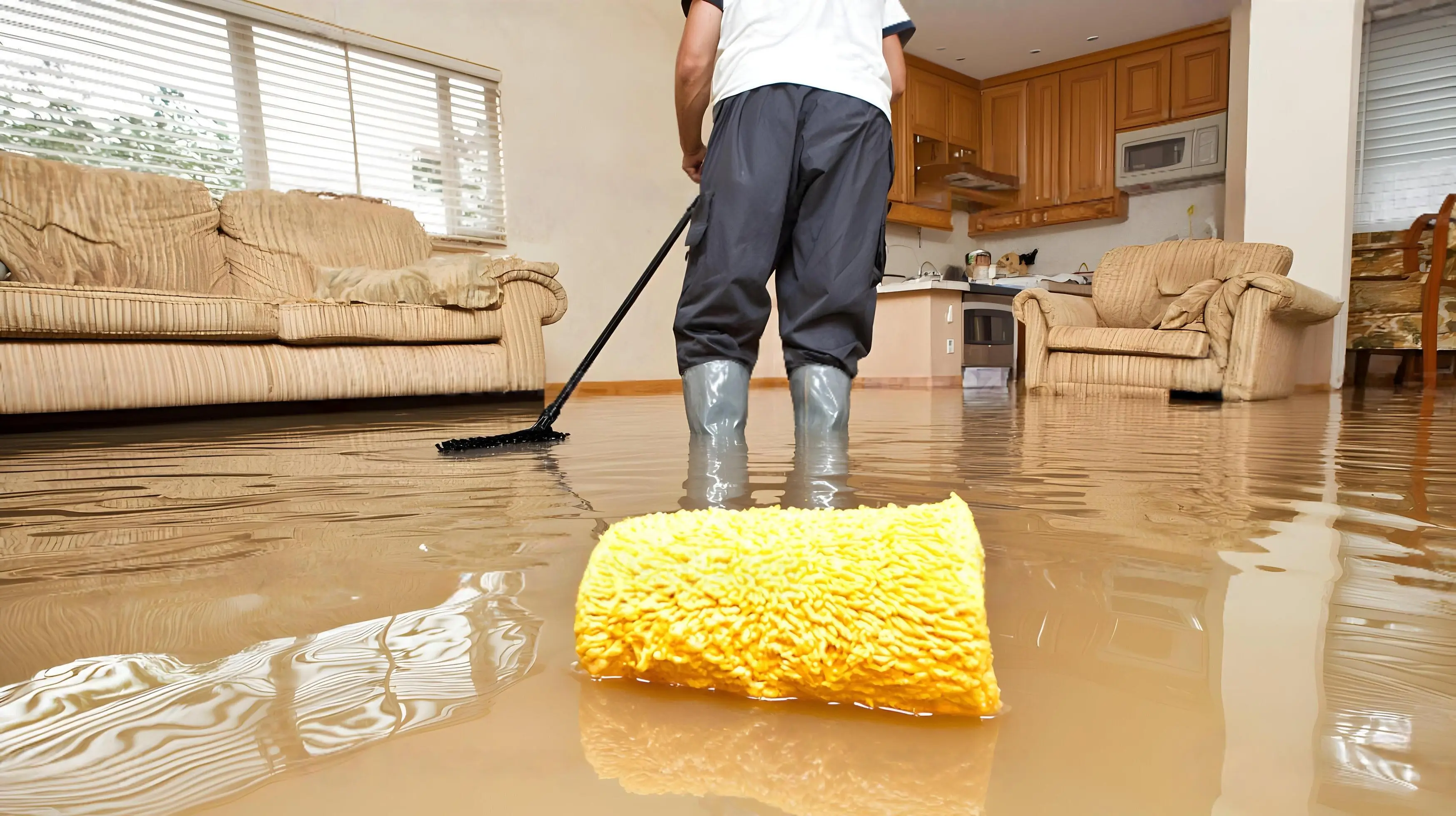
Water Damage Restoration
Burst pipes, storm flooding, standing water. We extract, dry, and restore before mold sets in.
Learn more
Fire Damage Restoration
Structural damage, soot, debris. We stabilize, clean, and rebuild what fire destroyed.
Learn more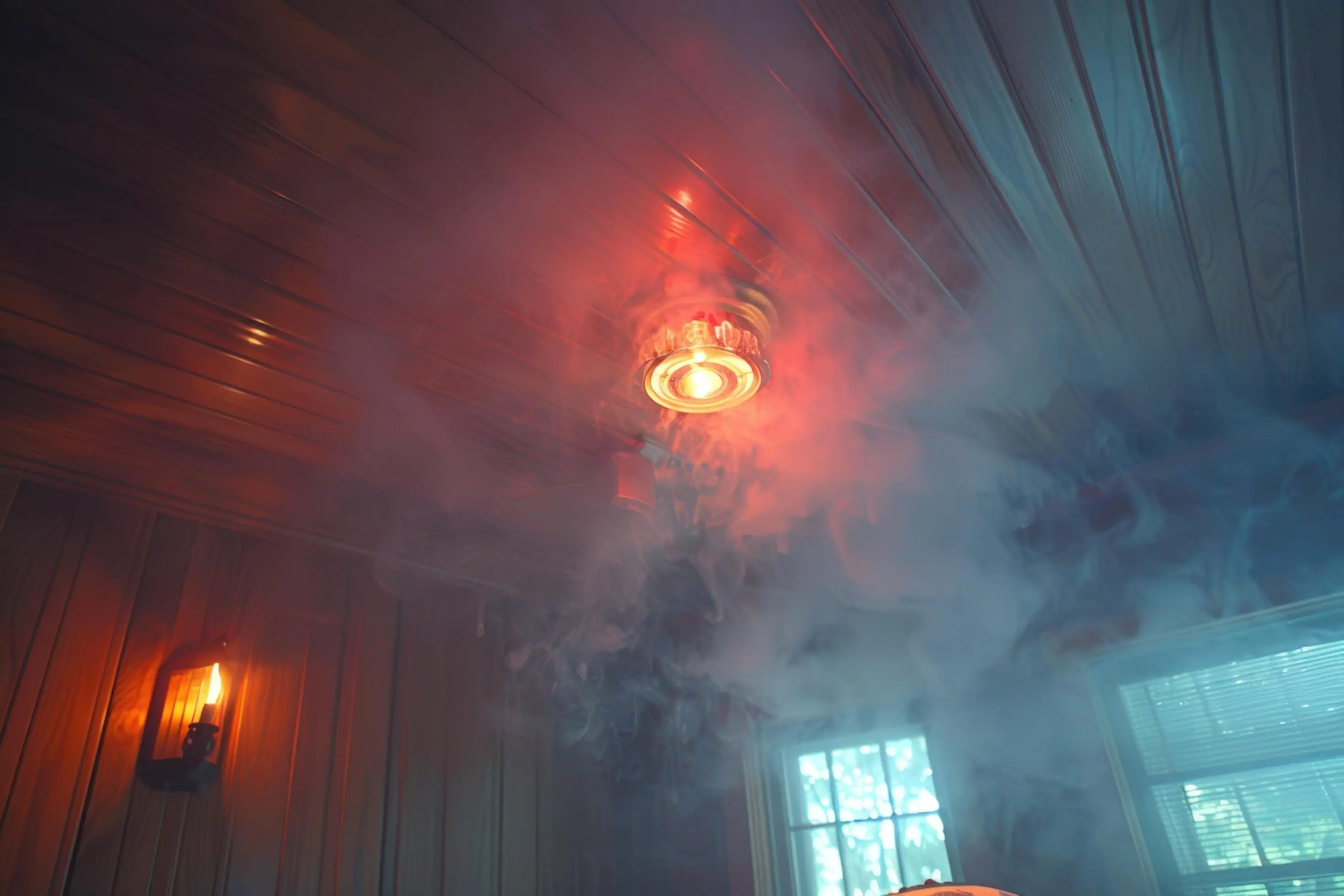
Smoke Damage Restoration
Soot residue, chemical odors, HVAC contamination. We decontaminate surfaces, eliminate odors, and restore air quality.
Learn more
Sewage Cleanup
Sewer backups, contaminated water, biohazard. We extract, sanitize, and restore safely.
Learn moreNearby Service Areas
Also serving nearby: