
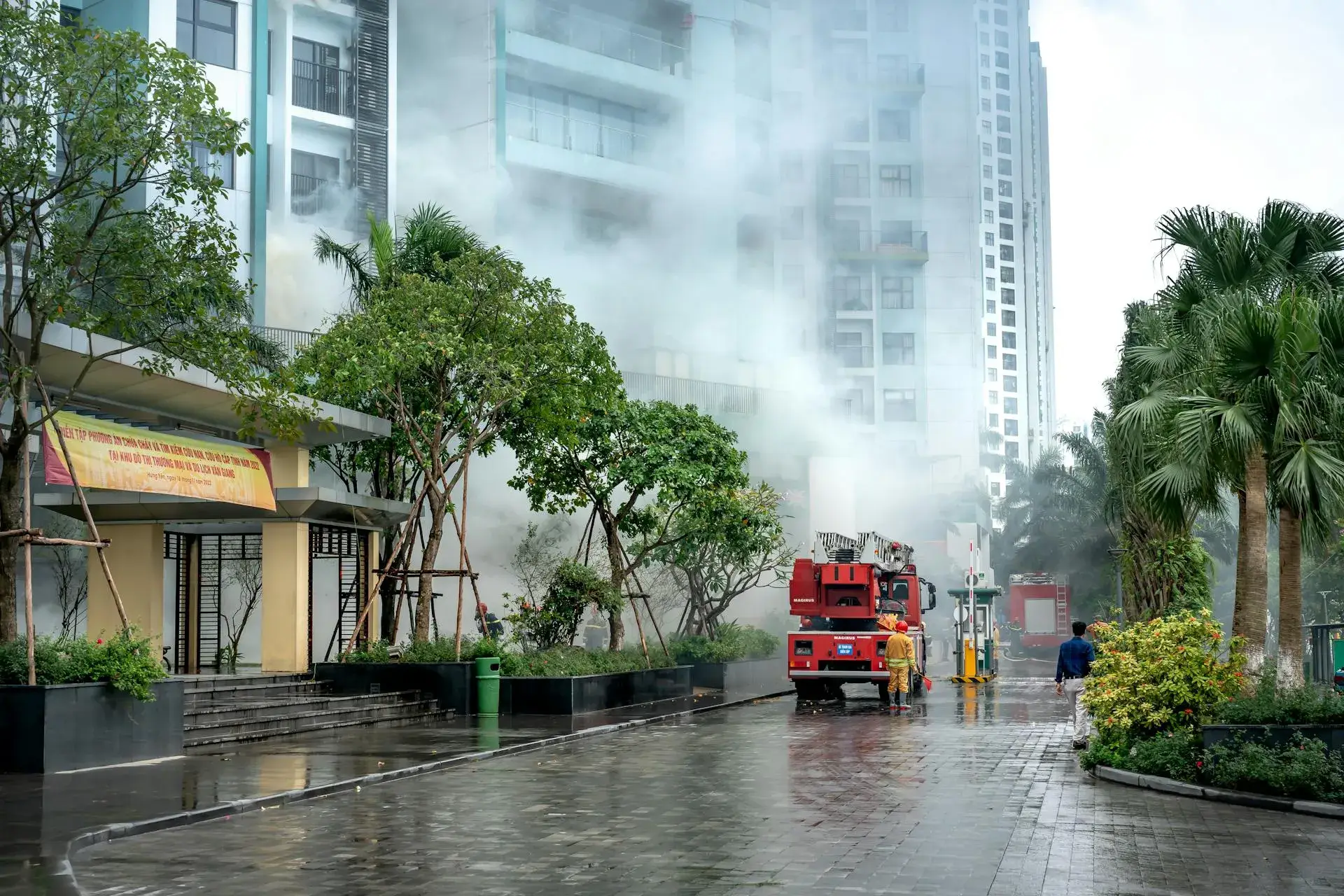
Smoke Damage Restoration in Estero, FL
Smoke residue bonds permanently with surfaces in Estero's humid subtropical air. Every hour of delay makes removal harder and more expensive. Our local team responds within 60 minutes.
What Happens When You Call
A real person answers, not a call center. We assess your situation, determine the smoke source type, and dispatch your team immediately.
Your dedicated restoration team is dispatched from our local base serving Estero and Lee County.
Team arrives with HEPA air scrubbers, soot extraction equipment, and surface testing tools. Immediate containment and air quality management begins.
Contamination mapped, cleaning protocol established, and restoration plan documented. You know the full scope and timeline from day one.
Smoke damage does not announce itself the way fire damage does. It infiltrates through cracks, HVAC returns, soffit vents, and every unsealed opening in the building envelope. By the time you smell it, residue has already settled on surfaces and begun reacting with humidity. You need a team that understands smoke behavior in coastal Southwest Florida and arrives equipped to stop the damage from becoming permanent. Call now. Your team is standing by.
Why Estero Homes Are Vulnerable to Smoke Damage
Estero, an incorporated village of nearly 37,000 residents in Lee County, faces a smoke exposure profile unlike most Florida communities. The village sits at the southwestern edge of the 70,000-acre Corkscrew Watershed. The National Audubon Society and CREW Land and Water Trust conduct prescribed burns across more than 13,000 acres of Corkscrew Swamp Sanctuary and surrounding conservation lands north and east of Estero, with burn management windows typically running from November through May during the dry season. These fire-adapted ecosystems require periodic burning for ecological health. When wind conditions shift during a burn, smoke drifts southwest across the residential communities along Corkscrew Road, Three Oaks Parkway, and the Miromar Lakes corridor. Even well-managed burns produce substantial smoke that can persist for hours or days depending on fuel load and atmospheric conditions. Unplanned wildfires in the same watershed, like the 300-acre Corkscrew Road fire of May 2023 and the 35-acre fire of April 2021, generate heavier, more particulate-laden smoke that blankets nearby neighborhoods.
Beyond the local wildland sources, Estero experienced regional smoke intrusion during June 2023 when Canadian wildfire smoke transported by upper-level winds pushed Air Quality Index readings above 150 across Southwest Florida, triggering health advisories from the Florida Department of Health in Lee County. The smoke persisted for several days and infiltrated homes through HVAC fresh-air intakes, door seals, and garage-to-house connections. Estero's third smoke source is structure fires within the community itself. Kitchen fires, electrical fires from lightning strikes, and neighbor fires in the closely spaced homes of gated communities produce localized but intense smoke that can contaminate adjacent units and shared attic spaces. Regardless of the source, smoke damage in Estero's climate behaves differently than in drier regions because the high year-round humidity causes soot to bond with surfaces faster and more permanently.
Prescribed Burn and Wildfire Smoke Intrusion
The Corkscrew Watershed east and north of Estero is actively managed with prescribed fire. The Audubon Society burns sections of Corkscrew Swamp Sanctuary on a rotating basis, and CREW manages additional burn units across the broader watershed. These burns are necessary to reduce fuel loads, maintain native plant communities, and prevent catastrophic wildfire. However, smoke does not respect property boundaries. During burns, prevailing easterly or northeasterly winds can carry particulate smoke directly over Estero's residential areas. The smoke from prescribed burns is typically lighter than wildfire smoke because fuel moisture is managed, but it still deposits fine soot on exterior surfaces, infiltrates homes through any opening, and triggers HVAC systems to cycle contaminated air through ductwork. Properties along Corkscrew Road, Estero Parkway east of I-75, and the communities bordering conservation lands experience the most frequent exposure. Wildfire smoke from unmanaged ignitions in the same landscape is denser, carries more particulate, and persists longer because it burns under uncontrolled conditions with unpredictable fuel consumption.
Regional Smoke Events and Air Quality
The June 2023 Canadian wildfire smoke event demonstrated how distant fires can affect Estero's indoor air quality. Upper-level winds transported smoke thousands of miles and held it in a persistent layer over Southwest Florida for several days. AQI readings exceeded 150, placing Lee County in the 'Unhealthy' category and triggering advisories for sensitive groups. While outdoor exposure is temporary, the smoke infiltrated buildings through mechanical ventilation, unsealed penetrations, and normal air exchange. Homes running HVAC systems with standard filters (MERV 8 or below) cycled smoky outdoor air through the entire house, depositing fine particulate on every interior surface. Even after outdoor air quality improved, residual contamination remained inside duct systems and on surfaces where it continued off-gassing in the humid environment. Seasonal agricultural burning in the Everglades and rural Lee County also contributes periodic smoke that drifts over residential areas during the dry-season burn window.
Humidity-Accelerated Soot Bonding
Soot is not inert dust. It contains acidic compounds that react with moisture in the air. In Estero's climate, where relative humidity stays high and frequently runs high during summer, soot begins bonding chemically with surfaces within hours of deposition rather than the days or weeks it might take in arid environments. This chemical bonding makes removal progressively more difficult as time passes. On metal surfaces, acidic soot combined with humidity and Estero Bay's salt air creates rapid corrosion that pits chrome, tarnishes brass, and degrades protective coatings. On porous surfaces like drywall, wood trim, and grout, soot particles embed into the material's pores where they become permanent stains that cannot be removed with surface cleaning alone. The faster professional remediation begins after smoke exposure, the more surfaces and materials can be salvaged rather than replaced.
HVAC Distribution of Smoke Contamination
Estero homes run air conditioning year-round, typically cycling 24 hours a day during summer months. When smoke enters a home from any source, the HVAC system captures it through the return air pathway and distributes it through every supply duct to every room. Fine soot deposits inside the air handler, on the evaporator coil, in the ductwork walls, and on supply register surfaces. Even after the smoke source is eliminated, the contaminated HVAC system continues releasing trapped particulate and odor molecules with every cooling cycle. Standard residential air filters (MERV 8 to 10) do not capture the finest smoke particles, which pass through and deposit on interior surfaces throughout the home. Effective smoke remediation in Estero must include complete HVAC decontamination: cleaning the air handler, evaporator coil, blower assembly, and all accessible ductwork, then running the system with HEPA filtration until air quality readings confirm the system is clean.
Smoke Damage to Electronics and Sensitive Materials
Southwest Florida homes increasingly contain electronics, home automation systems, and sensitive equipment that are vulnerable to smoke damage. Fine soot particles carry electrical charge and are attracted to circuit boards, computer components, and display screens. In Estero's humid environment, soot on electronics draws moisture and creates conductive pathways that cause short circuits, data corruption, and component failure, sometimes days or weeks after the initial exposure. Kitchen appliances, entertainment systems, home office equipment, and smart-home controllers are all at risk. Professional smoke restoration includes assessment and specialized cleaning of electronics using appropriate solvents and compressed gas, or documentation of non-salvageable items for insurance replacement. Ignoring smoke-exposed electronics risks delayed failures that fall outside the original insurance claim window.
Smoke damage in Estero operates on a different timeline than in drier climates. The combination of year-round HVAC operation, high ambient humidity, salt-air proximity, and frequent exposure to wildland smoke creates conditions where residue bonds faster, distributes further, and persists longer. Whether the source is a prescribed burn drifting across from Corkscrew Swamp, a wildfire along the Corkscrew Road corridor, regional smoke from distant fires, or a structure fire within the community, effective restoration requires understanding how Estero's specific environment interacts with smoke chemistry.
What Happens to Your Home While You Wait
Within 1 Hour
Soot settles on all exposed surfaces including walls, countertops, fixtures, and electronics. Fine particles enter HVAC returns and begin distributing through ductwork. In Estero's humid air, acidic soot immediately begins reacting with moisture on metal surfaces and bonding with porous materials. The longer residue sits, the deeper it penetrates.
1–24 Hours
Soot bonds chemically with surfaces in the humid environment. Metal fixtures begin corroding. Smoke odor penetrates soft furnishings, drapes, bedding, and clothing. The HVAC system, running continuously in the subtropical heat, cycles contaminated air through every room. Fine particulate coats evaporator coils and deposits inside ductwork where it will continue releasing odor for months if not cleaned.
24–48 Hours
Surface bonding makes soot increasingly difficult to remove without aggressive cleaning methods that may damage underlying materials. Chrome and brass fixtures show visible tarnish. Smoke odor embeds in carpet pad, upholstery foam, and wall insulation. Electronics begin accumulating moisture-bridged soot that creates risk of delayed failure. The restoration scope expands as more materials cross from salvageable to replaceable.
48–72 Hours
Permanent staining develops on grout, natural stone, and porous wood surfaces. Smoke odor becomes embedded in the home's structure: drywall, framing, and insulation absorb and hold odor molecules that release slowly in the humid environment. HVAC contamination is now systemic. Professional odor treatment shifts from surface methods to structural approaches including demolition of affected materials.
One Week and Beyond
Without professional intervention, smoke damage becomes permanent throughout the home. Electronics fail from corrosion. Odor persists despite cleaning attempts because it has penetrated structural materials. In Estero's climate, the combination of embedded soot, humidity, and salt-air exposure continues degrading materials indefinitely. Full restoration now requires significantly more demolition, replacement, and odor treatment than if addressed within the first 24 hours.
In Estero's humid climate, smoke damage that could be cleaned in 24 hours becomes permanent within 72. Contact X Response now. Our team responds within 60 minutes with the equipment and expertise to stop smoke damage before it becomes irreversible.
How We Restore Smoke-Damaged Estero Homes
Smoke damage restoration requires systematic identification, containment, and removal of contamination from every affected surface and system. Here is how we approach it.
Air Quality Assessment and Contamination Mapping
Our team arrives with particulate monitors and surface testing equipment to determine the type and extent of smoke contamination. Different smoke sources produce different residue chemistry: wildfire smoke from the Corkscrew Watershed produces alkaline wood char soot, kitchen fires produce protein-based sticky residue, and electrical fires produce corrosive synthetic soot. Each requires different cleaning chemistry. We map the contamination throughout the home, identify which surfaces are salvageable with cleaning versus those requiring replacement, and test the HVAC system for internal contamination. This assessment determines the full scope of work and gives your insurance company the detailed documentation needed to process the claim.
HVAC Isolation and Air Quality Management
The HVAC system is either isolated to prevent further distribution or, if contamination is already systemic, converted to a filtration tool using HEPA-rated temporary filters. We deploy standalone HEPA air scrubbers in affected spaces to begin reducing airborne particulate immediately. In Estero homes where the AC runs continuously, the HVAC system is often the primary distribution pathway for smoke throughout the house. Isolating or filtering it stops the spread while we address surfaces. Negative air pressure is maintained in heavily contaminated areas to prevent cross-contamination of cleaned spaces during the restoration process.
Surface Decontamination
We clean every affected surface using methods matched to the soot type and material. Dry chemical sponges lift loose soot without smearing. HEPA vacuuming removes particulate from textured surfaces, upholstery, and carpet. Wet cleaning with pH-matched chemistry addresses bonded residue on hard surfaces. In Estero's humid environment, we work methodically because any soot left behind will continue bonding with the surface in the moisture-rich air. Walls, ceilings, trim, cabinets, closet interiors, window frames, light fixtures, and outlet covers are all cleaned individually. Electronics are assessed and cleaned with appropriate solvents or documented for replacement.
HVAC Decontamination
Complete HVAC cleaning includes the air handler cabinet, blower assembly, evaporator coil, condensate pan, and all accessible ductwork. We use rotary brush systems and HEPA-filtered vacuum collection to remove soot deposits from duct interiors. Supply registers and return grilles are removed and cleaned separately. The evaporator coil is treated with approved cleaning solution and rinsed. New filters are installed. The system is then run with portable HEPA filtration on the return side until air quality readings at supply registers confirm the system is delivering clean air. In Estero homes with complex duct systems serving multiple zones, each zone is verified independently.
Odor Elimination and Verification
After surfaces and systems are clean, residual odor is addressed at the molecular level. We use hydroxyl generators for occupied-space treatment and thermal fogging or ozone (in sealed, unoccupied spaces) for deeper penetration into materials that cannot be surface-cleaned. In Estero's humidity, odor molecules bind aggressively to porous materials, and simple ventilation does not remove them. Treatment continues until air quality testing confirms odor compounds have been neutralized. If specific materials, such as carpet pad, insulation, or drywall in enclosed spaces, continue releasing odor after treatment, they are removed and documented for insurance. The job is not complete until the home passes both air quality testing and a subjective odor assessment after being sealed and conditioned for 24 hours.
The X Response Difference
When you contact X Response for smoke damage in Estero, you get a team that understands smoke chemistry in a subtropical coastal environment and addresses every contamination pathway systematically. One team, complete restoration, verified results.
Insurance Claim Guidance for Estero Homeowners
Smoke damage insurance claims can be straightforward or complex depending on the source. Smoke damage from a structure fire on your property is typically covered under your homeowner's fire coverage. Smoke from a neighbor's fire or a community wildfire may fall under different coverage provisions. Smoke intrusion from prescribed burns or agricultural fires creates ambiguity that varies by carrier and policy language. The key to a successful smoke damage claim is comprehensive documentation that demonstrates both the source of the smoke and the full extent of contamination, including areas that are not visually obvious like HVAC systems, wall cavities, and electronics.
How X Response Helps
- Document all smoke damage with professional photos, air quality readings, and surface contamination testing from day one
- Identify and document the smoke source, which determines the applicable coverage section of your policy
- Inventory all affected materials including electronics, soft goods, and HVAC components with condition documentation
- Provide your adjuster with clear scope of work showing the connection between smoke exposure and each item requiring cleaning or replacement
- Document hidden contamination in HVAC systems and wall cavities that is not visible but verifiable through testing
X Response does not file claims on your behalf, adjust claims, or make coverage determinations. We provide thorough documentation and professional assessment to support your insurance process. Coverage decisions are made solely by your insurance carrier.
Certified Restoration Specialists Serving Estero
When you contact X Response for smoke damage in Estero, your team includes professionals certified in fire and smoke restoration who understand the specific challenges of working in Southwest Florida's climate. They know how prescribed burn smoke from Corkscrew Swamp differs from wildfire smoke, how the coastal humidity accelerates soot bonding on every surface type, and how year-round HVAC operation distributes contamination through an entire home within hours. They have restored homes after brush fire smoke intrusion along Corkscrew Road, regional air quality events, kitchen fires in gated communities, and lightning-strike fires in older neighborhoods. This is not a general cleaning crew. It is a smoke chemistry and restoration team with local experience in Estero's specific exposure profile.
Every technician holds current IICRC certification in fire and smoke restoration (FSRT). Equipment includes HEPA air scrubbers, particulate monitors, hydroxyl generators for occupied-space odor treatment, duct-cleaning systems with rotary brushes and HEPA collection, and the full range of chemical cleaning products matched to specific soot types. When your team arrives, they bring everything needed to begin air quality management and contamination containment immediately.
In Estero, X Response works with Florida Restoration and Platinum Air Mold Inspection, independent local restoration partners serving Lee County.
Smoke Damage Restoration FAQ for Estero Homeowners
Other Emergency Services in Estero
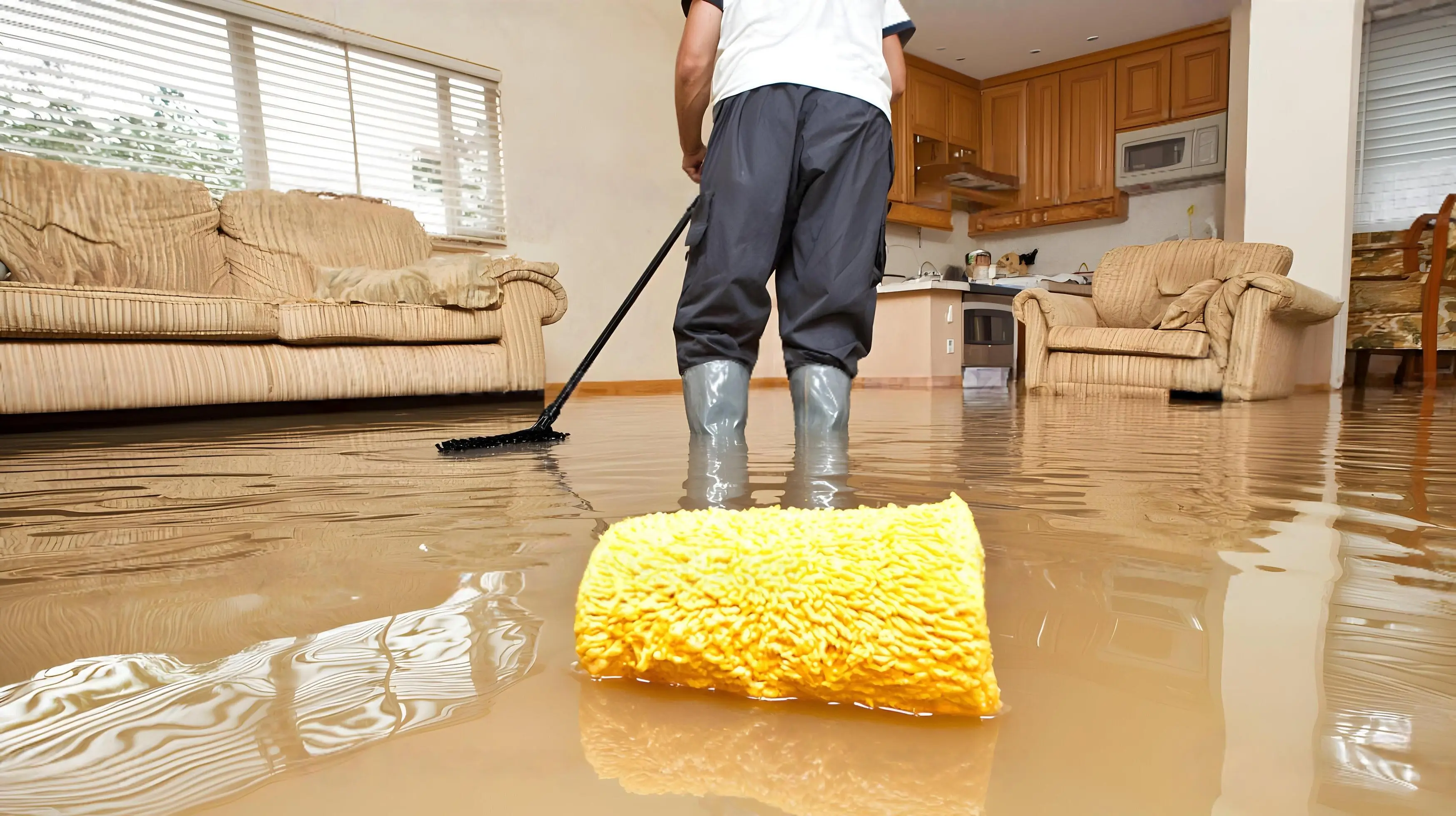
Water Damage Restoration
Burst pipes, storm flooding, standing water. We extract, dry, and restore before mold sets in.
Learn more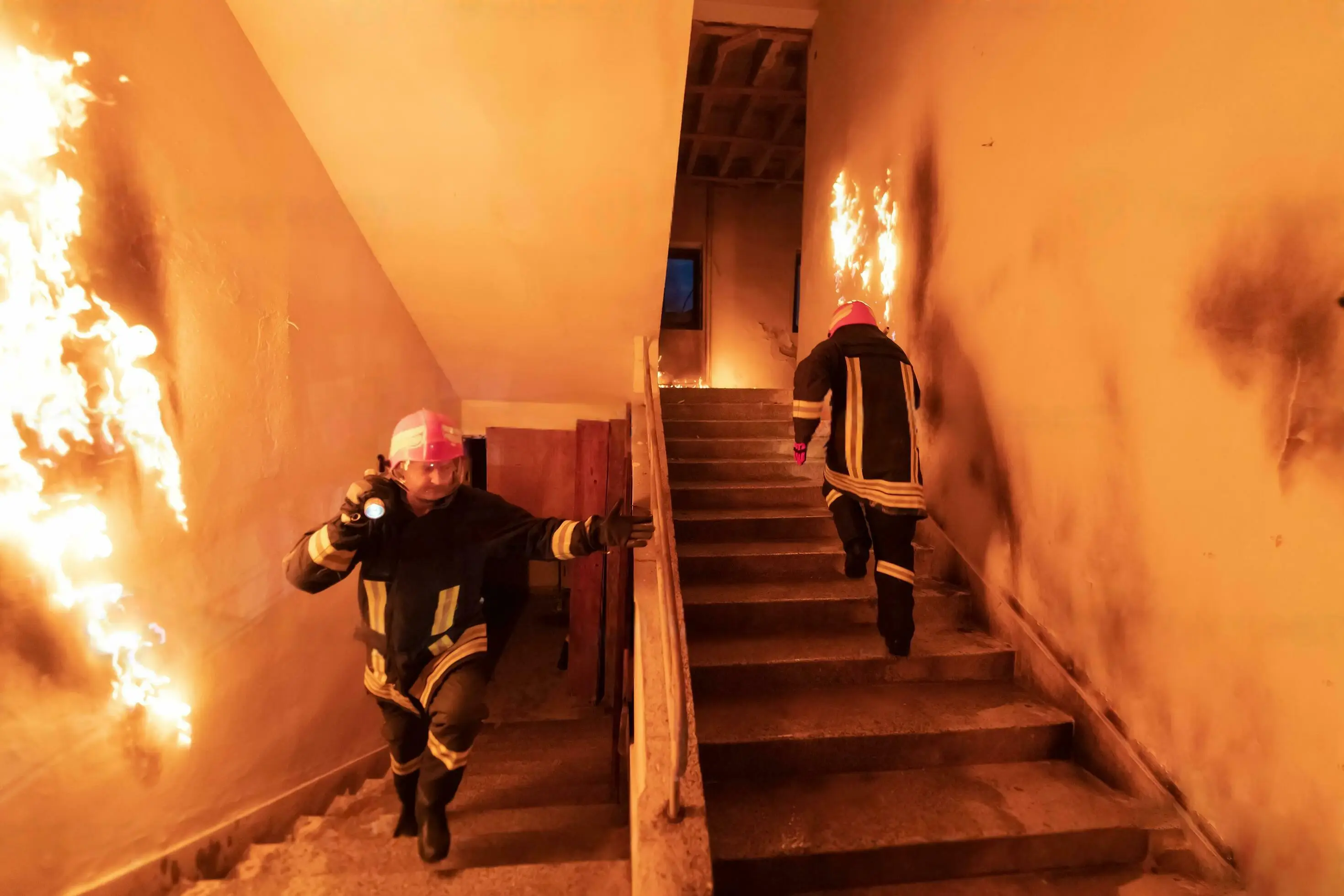
Fire Damage Restoration
Structural damage, soot, debris. We stabilize, clean, and rebuild what fire destroyed.
Learn more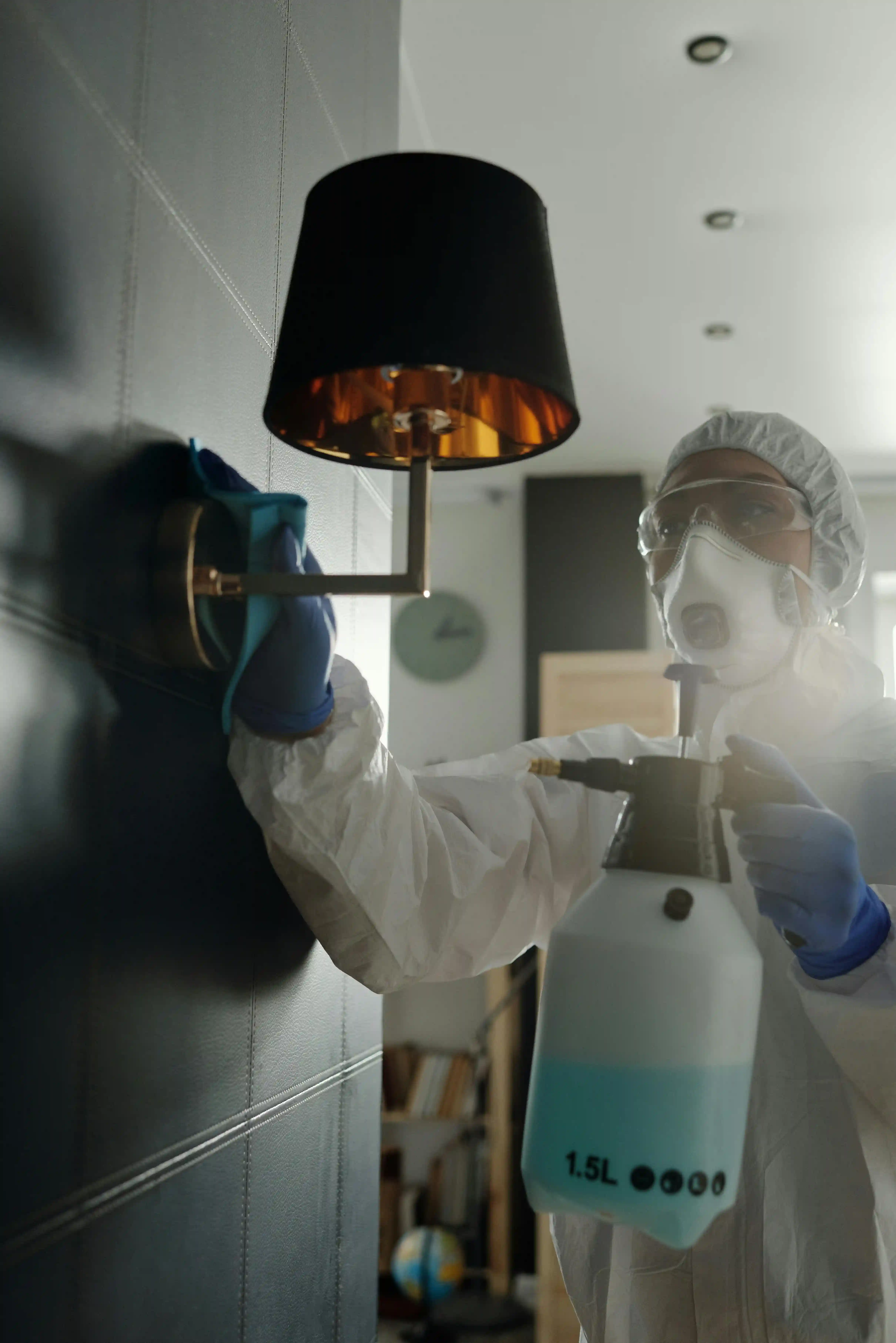
Mold Remediation
Testing, containment, removal, prevention. We find the source, eliminate the growth, and stop it from returning.
Learn more
Sewage Cleanup
Sewer backups, contaminated water, biohazard. We extract, sanitize, and restore safely.
Learn moreNearby Service Areas
Also serving nearby: