
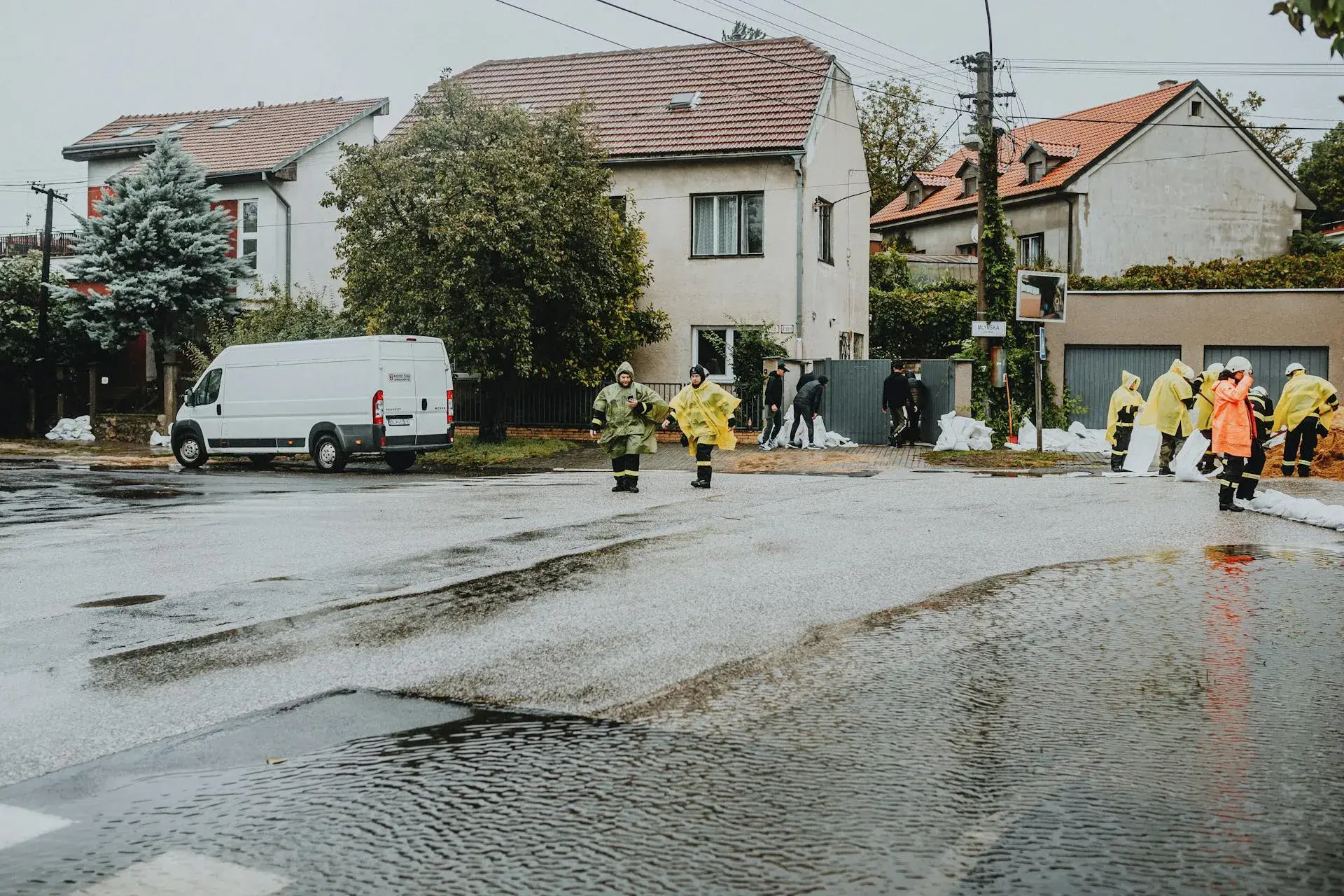
Sewage Cleanup in Palm Harbor, FL
Sewage contains dangerous bacteria, viruses, and parasites that multiply rapidly in Palm Harbor's subtropical coastal climate. Every hour of exposure increases health risk and structural contamination. Our certified team responds within 60 minutes.
What Happens When You Call
A real person answers. We assess your emergency, identify the source, and coordinate your response while advising you on protecting yourself until arrival.
Your dedicated hazardous materials team is dispatched from our Clearwater-area base serving Palm Harbor and northern Pinellas County.
Team arrives in full personal protective equipment with biohazard-rated extraction equipment and commercial disinfectants. Extraction and decontamination begin immediately.
Sewage extracted, materials assessed, antimicrobial treatment applied, drying deployed. You know exactly what was contaminated and what restoration involves.
Sewage is in your home and the situation is both urgent and hazardous. Household products cannot address this safely and waiting until morning compounds the health risk. X Response exists for exactly this situation. When you reach out, your certified hazardous materials team is on site within the hour. One team manages everything: extraction, disinfection, drying, and restoration. Do not approach the contaminated area. Call now. Your team is standing by.
Why Palm Harbor Homes Are Vulnerable to Sewage
Palm Harbor is an unincorporated community of over 61,000 residents in northern Pinellas County, Florida, where sewage contamination enters homes primarily through two mechanisms: inflow and infiltration-driven sewer backups during heavy rainfall when cracked lateral connections allow stormwater into the collection system, and stormwater pump failures during tropical events that create flooding conditions where sewage infrastructure is overwhelmed simultaneously. Pinellas County Utilities launched a Private Sewer Lateral Find and Fix Program to identify and repair damaged private sewer laterals and other sewer infrastructure that contribute to sewage overflows, recognizing that inflow and infiltration from cracked and broken lateral pipes during heavy rain events is a primary driver of sanitary sewer overflows throughout the county. Palm Harbor's development era from the 1970s through the 1990s means that many sewer lateral connections beneath properties were installed in clay tile or early-generation PVC that has cracked, offset at joints, or become infiltrated by tree roots over four to five decades of service. When these laterals deteriorate and allow groundwater and stormwater to enter the collection system during heavy rain events, the increased flow volume overwhelms pump stations and treatment capacity, creating backpressure that reverses through home connections and pushes sewage back through floor drains, bathtubs, and toilets.
The October 2024 hurricane season exposed the intersection between stormwater pump failures and sewage system integrity in Palm Harbor. When Pinellas County stormwater pumps failed during Hurricane Milton, floodwater that entered homes carried contamination from the drainage system mixed with overflow from overwhelmed sewer infrastructure upstream. Any home that received floodwater during that event received water that should be treated as Category 3 biohazardous material regardless of its visual clarity. Palm Harbor's position between St. Joseph Sound to the west and Lake Tarpon to the east also creates natural water quality concerns during flooding events. The sound and the lake both receive runoff from the developed landscape around them and can introduce biological and chemical contaminants into any floodwater that originates from or passes through these water bodies before entering residential properties.
Aging Lateral Connections and I&I-Driven Backups
Pinellas County has identified inflow and infiltration as a primary cause of sanitary sewer overflows throughout the county. The Private Sewer Lateral Find and Fix Program specifically addresses the aging lateral connections that allow stormwater to enter the collection system during heavy rain events. In Palm Harbor, where many lateral connections are 30 to 50 years old, clay tile joints have separated or cracked, root infiltration has created open pathways for groundwater, and early PVC connections have developed stress fractures at fittings. When Palm Harbor receives the heavy summer thunderstorms or tropical rainfall that characterizes west-central Florida's wet season, these compromised laterals allow groundwater and stormwater to enter the collection system simultaneously across many properties. The resulting I&I volume overwhelms pump station capacity, causing system backpressure that reverses through whichever home connections offer the least resistance. Palm Harbor properties with the most deteriorated laterals experience the most severe and earliest backups during these events.
Stormwater and Sewage Overlap During Hurricane Events
Hurricane Milton demonstrated that stormwater flooding and sewage system failures are not independent events in Palm Harbor's infrastructure environment. When Pinellas County stormwater pumps failed simultaneously across the county, the resulting flooding overwhelmed sewer system infrastructure at the same time. Lift stations serving Palm Harbor faced simultaneous challenges from power outages affecting pump operation and from floodwater infiltrating collection system access points. The floodwater that entered homes during these conditions carried contamination from both the stormwater system and from overwhelmed sewage collection points upstream. Palm Harbor properties that flooded during Milton should be evaluated for Category 3 contamination protocol regardless of whether the flooding appeared to come from rainfall alone.
Mobile Home Plumbing Vulnerability
Palm Harbor's manufactured housing communities contain plumbing systems with specific vulnerabilities to sewage backup and contamination. The belly plumbing in mobile homes, which runs beneath the floor assembly through the belly board space, can develop leaks that release wastewater into the enclosed insulation cavity below the floor. These leaks go undetected for extended periods because the contamination is inside a closed space without visible access from the living area. When the belly board space fills with wastewater moisture, it creates a biohazardous condition beneath every room the floor covers. Connection joints between sections of multi-wide units are particularly vulnerable to separation from differential settling of the manufactured home on its support piers, creating slow leaks at the marriage wall plumbing connections that saturate structural materials inside the wall assembly.
Slab-on-Grade Entry and Rapid Contamination Spread
The slab-on-grade construction that dominates Palm Harbor's site-built housing stock means sewage backup enters at floor level and spreads immediately across the living space. The lowest plumbing fixtures, typically a bathtub, shower drain, or floor drain in a laundry area, are the first entry points when system backpressure reverses flow. Once on the slab surface, sewage spreads rapidly to every area the floor serves, wicking into baseboards, beneath cabinetry, and into wall assemblies from the bottom. The concrete slab absorbs contaminated liquid through capillary action, creating subsurface contamination that surface cleaning cannot reach. Palm Harbor's subtropical warmth ensures that pathogenic organisms in sewage multiply at maximum rates from the moment of contact.
Tidal and Groundwater Influence on Sewage Risk
Palm Harbor's waterfront properties along St. Joseph Sound experience tidal influence on groundwater that creates seasonal fluctuations in the water table. During the wet season, when the water table rises, homes in the lower-elevation sections along the sound face increased risk of groundwater infiltration into sewer laterals and of upward pressure on slab surfaces that can force contaminated groundwater into the living space through slab cracks and plumbing penetrations. Storm events that coincide with high tidal stages amplify this risk. The connection between tidal water table and sewage system integrity means that Palm Harbor waterfront property owners may experience sewer-related contamination events during weather conditions that do not produce dramatic visible flooding, with groundwater pressure rather than surface overflow as the delivery mechanism.
These factors create sewage contamination risk in Palm Harbor from I&I-driven collection system backups during heavy rain, stormwater and sewage system overlap during tropical events, mobile home plumbing failures specific to manufactured housing construction, slab-on-grade entry that spreads contamination immediately at floor level, and tidal groundwater influence along the waterfront properties of northern Pinellas County. The subtropical climate ensures pathogenic organisms multiply from the first moment of contact, making professional extraction and disinfection urgent from the point of backup discovery.
What Happens to Your Home While You Wait
Within 1 Hour
Sewage spreads across the slab and wicks into porous materials. Pathogenic bacteria including E. coli, Salmonella, and Hepatitis A virus are active. Bacterial reproduction is at maximum rate in Palm Harbor's subtropical warmth. Contaminated water penetrates beneath cabinetry and into carpet padding. For mobile home belly plumbing failures, contamination progresses inside the floor assembly.
1–24 Hours
Bacterial populations multiply rapidly. Drywall and wood absorb contaminated liquid through their full depth. Sewage odors intensify. The concrete slab absorbs contaminated liquid creating subsurface contamination. Coastal humidity maintains biological activity even on surfaces appearing to dry. For mobile home belly spaces, moisture-trapped insulation sustains contamination development.
24–48 Hours
Mold colonization begins compounding the bacterial hazard. Palm Harbor's subtropical warmth provides ideal combined bacterial and fungal conditions. Structural wood degrades from biological activity. Remediation scope expands as materials cross from cleanable to requiring removal.
48–72 Hours
Sewage contamination penetrates fully into all porous materials. Bacterial biofilms establish on surfaces. Health risk from airborne biological particulate increases. The affected area should not be occupied without respiratory protection.
One Week and Beyond
Extensive biological contamination throughout all affected materials. Mold overlays bacterial contamination. Comprehensive environmental remediation and reconstruction required.
Sewage in a Palm Harbor home is a health emergency. Contact X Response now. Our hazardous materials team responds within 60 minutes.
How We Restore Sewage-Damaged Palm Harbor Homes
Sewage cleanup requires biohazard protocols beyond standard water damage restoration.
Hazard Assessment and Containment
Our team arrives in full PPE and assesses contamination scope, identifies the backup source, and establishes containment. We determine whether the source is a deteriorated lateral connection, an I&I-driven system backup, or storm-related infrastructure failure. For mobile homes, we assess belly plumbing for failures below the floor assembly. We coordinate with Pinellas County Utilities when backup sources involve municipal infrastructure. HVAC shuts down immediately.
Sewage Extraction and Material Removal
Standing sewage is extracted with biohazard-rated equipment. All porous materials contacting sewage are removed: carpet and pad, drywall to 12 inches above the waterline, insulation, and particleboard cabinetry. For mobile homes, belly board insulation is accessed from below and removed. Materials are bagged, sealed, and disposed as biohazardous waste through licensed channels.
Disinfection and Antimicrobial Treatment
Every remaining surface receives EPA-registered antimicrobial treatment for Category 3 contamination. The concrete slab is mechanically scrubbed and treated. Structural framing is cleaned and disinfected. Multiple rounds of treatment over successive days with ATP testing to verify biological reduction. Treatment continues until surfaces pass verification thresholds.
Structural Drying
The structure requires thorough drying before reconstruction. Slab-drying mat systems extract moisture from within the concrete. Wall cavities receive directed airflow and dehumidification. For mobile homes, floor assembly drying requires access from below. Daily moisture readings track progress in Palm Harbor's coastal humidity. Equipment remains until every surface reaches target moisture content.
Verification and Clearance
Final inspection verifies material removal, antimicrobial effectiveness via ATP testing, and moisture at dry standard. Air quality assessment confirms safe airborne conditions. Documentation includes treatment records, verification results, and completion report. Only after verification confirms safety is reconstruction authorized.
The X Response Difference
When you contact X Response for sewage in Palm Harbor, you get a team trained in biohazard protocols that treats the contamination as the health emergency it is.
Insurance Claim Guidance for Palm Harbor Homeowners
Sewage backup coverage in Palm Harbor depends on policy language and source. Standard homeowner's policies often exclude sewer and drain backup unless you purchased a separate endorsement. I&I-driven system backups during heavy rain events may fall under a sewer backup endorsement if you carry one, or may be treated as a storm-related loss depending on policy language. For floodwater contamination during Hurricane Milton involving sewage system overflows, flood insurance is the primary coverage vehicle. Manufactured housing policies differ from standard homeowner's policies in coverage terms, limits, and valuation. Pinellas County's Private Sewer Lateral Program may offer rebates for lateral repairs that address the root cause of recurring backups.
How X Response Helps
- Determine the source to identify which coverage provision applies: sewer backup endorsement, homeowner's main policy, or flood insurance
- Document contamination extent with professional photos, moisture readings, and biological testing
- Provide detailed scope separating extraction, material removal, antimicrobial treatment, drying, and reconstruction
- For manufactured housing, confirm coverage terms specific to your mobile home policy
- For Pinellas County infrastructure-related backups, inquire about the county's lateral rebate program for repair cost assistance
X Response does not file claims on your behalf, adjust claims, or make coverage determinations. Coverage decisions are made solely by your insurance carrier.
Certified Restoration Specialists Serving Palm Harbor
When you contact X Response for sewage in Palm Harbor, your team arrives trained for biohazardous conditions. They have worked through I&I-driven sewer backups in northern Pinellas County's older neighborhoods during heavy rain events, storm-related contaminated flooding during the 2024 hurricane season, and the manufactured housing belly plumbing failures specific to the mobile home communities of unincorporated Pinellas. They coordinate with Pinellas County Utilities and understand the Private Sewer Lateral program that may provide assistance with underlying lateral issues.
Every technician holds current IICRC certification and specialized biohazard training. Equipment includes sewage-rated extraction with self-contained collection, EPA-registered antimicrobials for Category 3 water, ATP testing instruments, commercial dehumidifiers, belly board access equipment for manufactured housing, and full PPE meeting OSHA standards. From extraction through verified clearance, one team manages every phase.
In Palm Harbor, X Response works with Dry Out Daddy Restoration, an independent local restoration partner serving Pinellas County.
Sewage Cleanup FAQ for Palm Harbor Homeowners
Other Emergency Services in Palm Harbor

Water Damage Restoration
Burst pipes, storm flooding, standing water. We extract, dry, and restore before mold sets in.
Learn more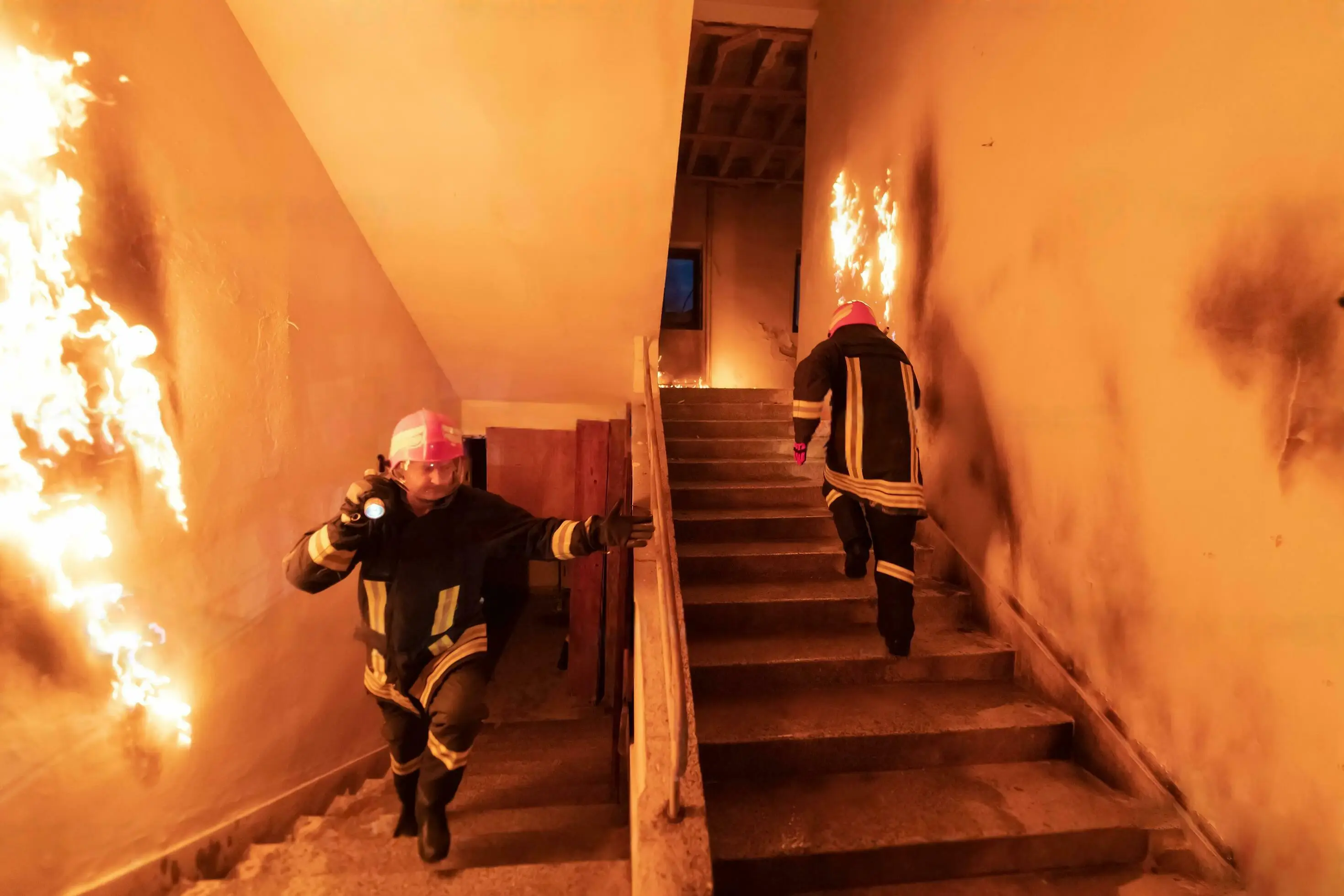
Fire Damage Restoration
Structural damage, soot, debris. We stabilize, clean, and rebuild what fire destroyed.
Learn more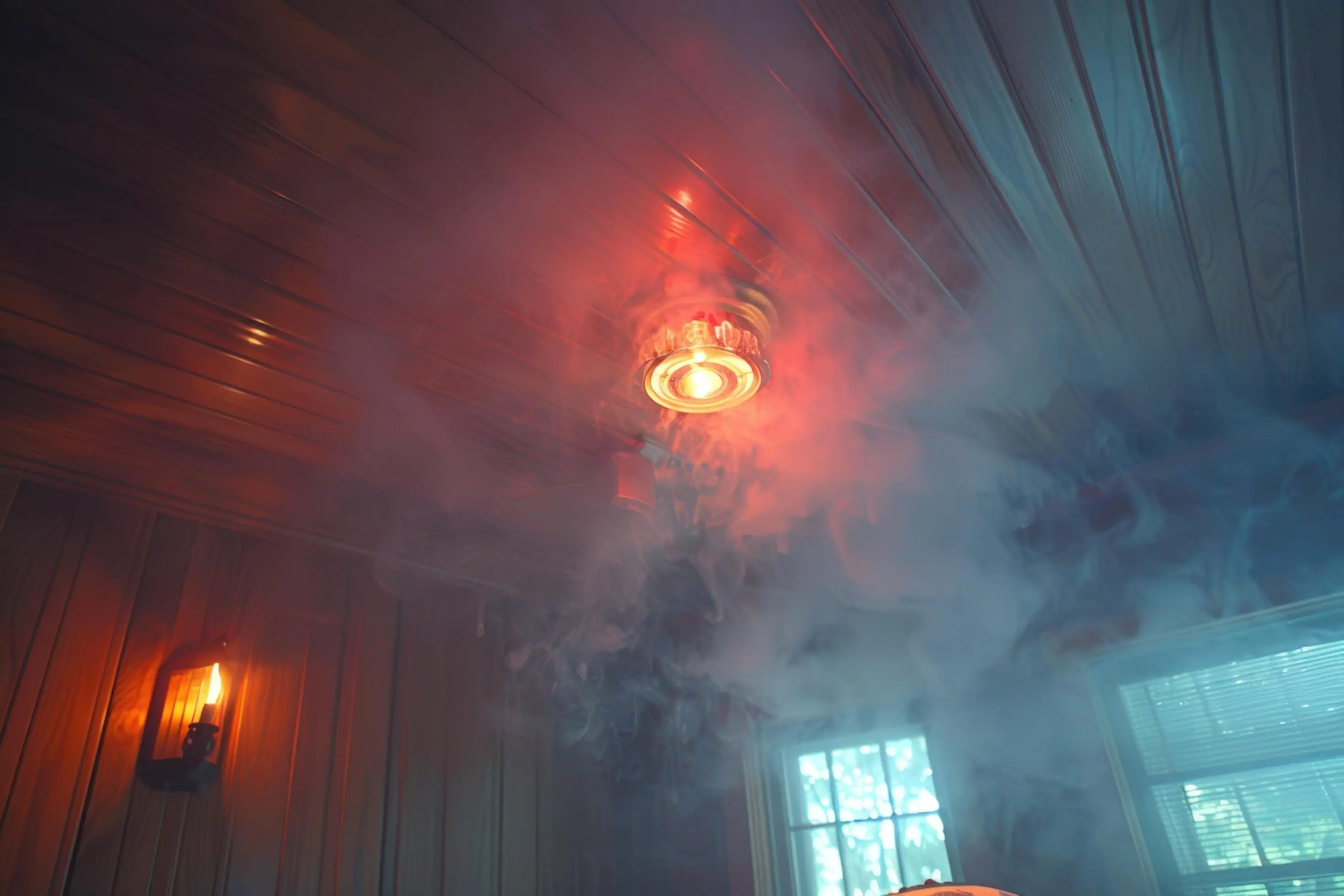
Smoke Damage Restoration
Soot residue, chemical odors, HVAC contamination. We decontaminate surfaces, eliminate odors, and restore air quality.
Learn more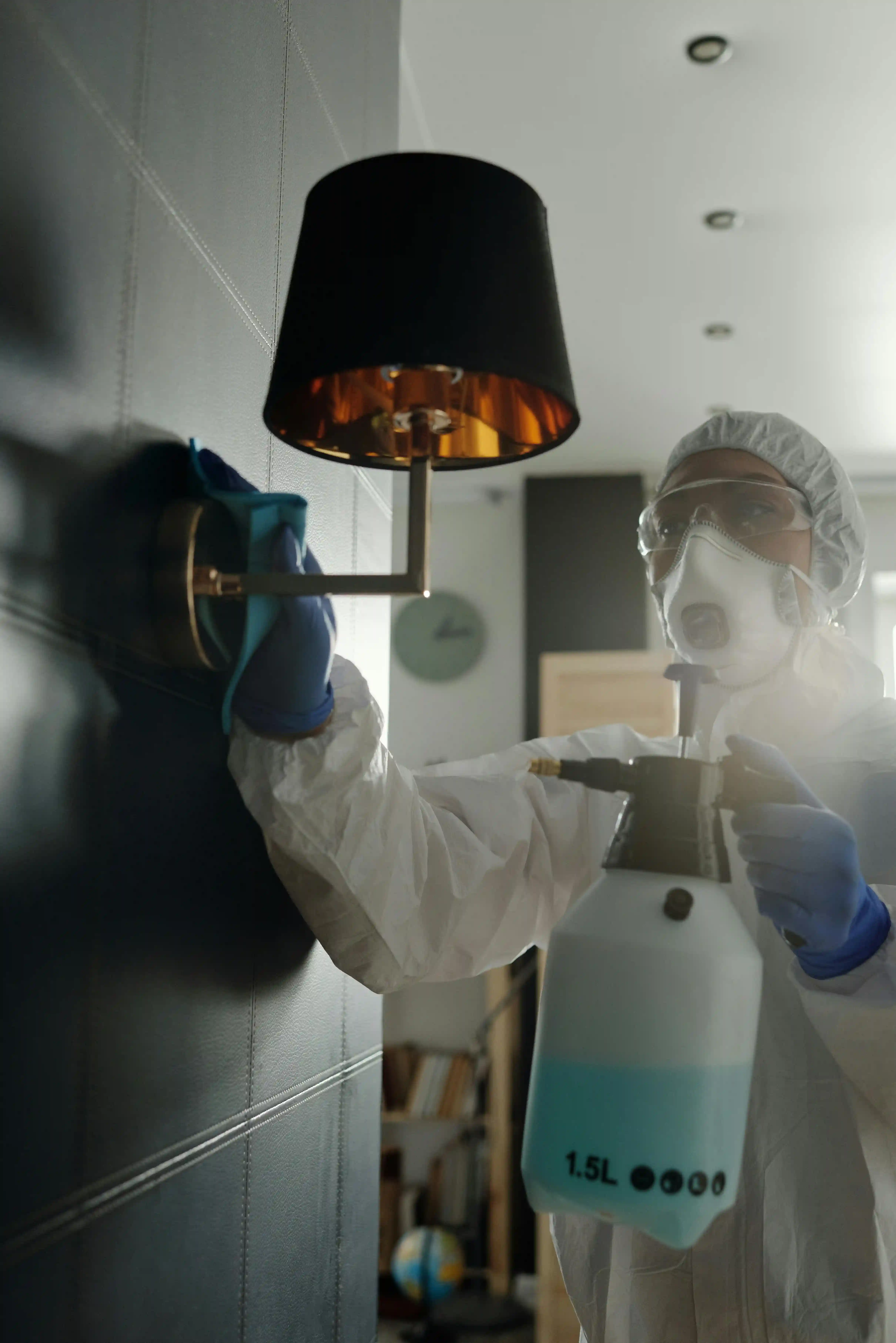
Mold Remediation
Testing, containment, removal, prevention. We find the source, eliminate the growth, and stop it from returning.
Learn more