
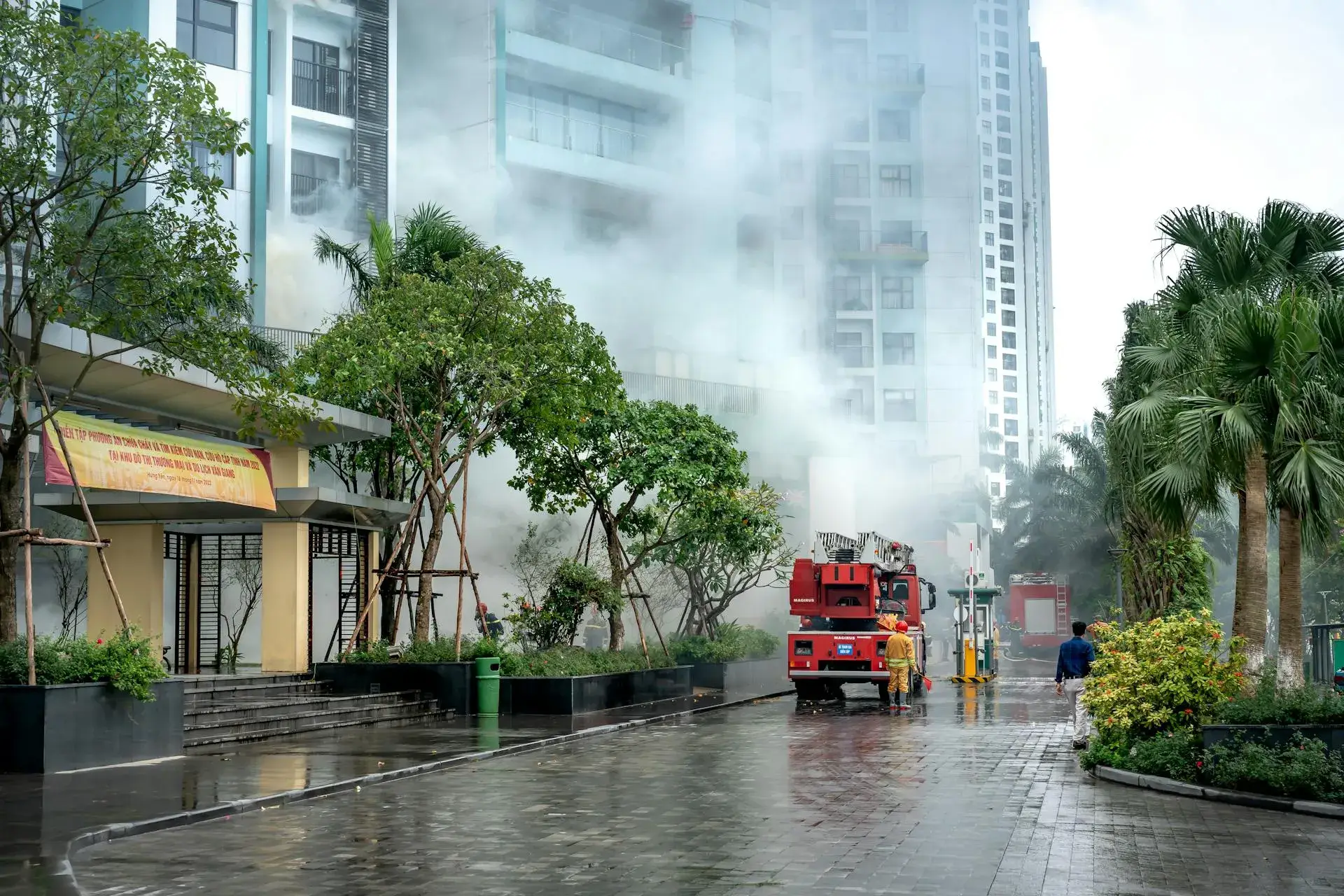
Smoke Damage Restoration in Woodstock, GA
Smoke residue acidifies and bonds permanently to surfaces within hours. Our local team responds to Woodstock emergencies within 60 minutes to begin professional cleaning before damage becomes irreversible.
What Happens When You Call
A real person answers, not a call center. We assess your smoke situation, ask the right questions, and begin coordinating your response immediately.
Your dedicated restoration team is dispatched from our local base serving Woodstock and the surrounding Cherokee County communities.
Team arrives with HEPA air scrubbers, chemical sponges, thermal foggers, and surface testing equipment. Assessment and mitigation begin immediately.
Smoke sources identified, HVAC isolated, initial soot removal underway, air scrubbers running. You know exactly what comes next.
Smoke has infiltrated your property and you can see it on surfaces, smell it in every room, and feel it in your lungs. Whether it came from a structure fire next door, a wildfire smoke event blanketing the metro, or a furnace malfunction in your own home, the residue is bonding to your materials right now. X Response exists for this moment. When you reach out, your restoration team is mobilized within minutes and on site within the hour. From that point forward, one team manages everything: assessment, soot removal, odor elimination, air quality verification, and insurance documentation. Call now. Your team is standing by.
Why Woodstock Homes Are Vulnerable to Smoke Damage
Woodstock sits in southern Cherokee County at the northern edge of the Atlanta metropolitan area, where the foothills of the North Georgia mountains meet the Piedmont plateau. This geography places the city in the path of smoke from multiple directions: wildfire smoke drifting south from the Appalachian ridge and the Chattahoochee National Forest, long-range transport from Canadian wildfires carried by upper-level winds, and localized smoke from structure fires in the dense residential and commercial development along the Highway 92 and Interstate 575 corridors. Cherokee County's population of over 250,000, concentrated in communities like Woodstock, Canton, and Holly Springs, means that structure fires producing neighborhood-level smoke events occur with regularity throughout the year.
In June 2023, smoke from catastrophic Canadian wildfires drifted thousands of miles southward and settled over the southeastern United States. Georgia Tech's School of Earth and Atmospheric Sciences documented that fine particulate matter (PM2.5) levels exceeded 55 micrograms per cubic meter south of Atlanta, well into the Code Orange range that signals health risk for sensitive groups. Fox 5 Atlanta reported that parts of north Georgia were already feeling effects from the smoke that had turned New York City's sky orange, and the Georgia Environmental Protection Division issued a Code Orange Air Quality Alert for the entire metro Atlanta region. Cherokee County, positioned at the northern edge of metro Atlanta where terrain channels and traps descending smoke layers, experienced some of the highest concentrations. The event persisted for multiple days, infiltrating homes through HVAC systems, open windows, and building envelope gaps, and depositing fine particulate residue on surfaces throughout affected structures.
Canadian Wildfire Smoke Transport
The June 2023 event was not an anomaly but part of a pattern. Upper-level wind patterns can carry wildfire smoke from Canada's boreal forests across thousands of miles and deposit it over the southeastern United States for days at a time. When this happens, Cherokee County experiences sustained outdoor air quality in the Unhealthy for Sensitive Groups or worse range, and the smoke infiltrates buildings through every gap in the envelope. Unlike a nearby fire where smoke exposure is intense but brief, wildfire transport events last 3 to 7 days and saturate indoor materials gradually. Residents often do not realize the extent of indoor contamination until after the visible haze clears and the residue remains on surfaces, in ductwork, and embedded in soft furnishings.
North Georgia Mountain Wildfire Proximity
Cherokee County borders the foothills where the Georgia Piedmont transitions into the Blue Ridge Mountains. Wildfires in the Chattahoochee National Forest and the North Georgia mountains produce smoke that travels directly downslope into the Cherokee County valleys. In November 2016, drought-fueled wildfires burning across North Georgia and southeast Tennessee pushed smoke over the metro Atlanta area for weeks, and the Appalachian terrain channeled that smoke through the valleys that feed into Cherokee County before it dispersed across the broader metro. These regional events are shorter-range than Canadian transport but produce heavier smoke concentrations and coarser particulate that deposits more aggressively on exterior and interior surfaces.
Structure Fire Smoke in Dense Developments
Woodstock's apartment complexes, townhome communities, and closely spaced subdivisions create conditions where a single structure fire produces smoke damage across multiple neighboring properties. The April 2024 Brooke Mill Apartments fire demonstrated this: smoke from the three-alarm blaze infiltrated every unit in the building through shared HVAC systems and structural cavities, and drifted into adjacent buildings and homes downwind. Even properties with no fire damage received smoke residue on exterior surfaces, in garages, and through air intakes. A neighbor's fire can contaminate your home without a single flame ever reaching your property.
HVAC Systems as Smoke Distribution Networks
Modern forced-air HVAC systems circulate air continuously through ductwork that reaches every room in a home or building. During a smoke event, whether from a wildfire, a neighbor's fire, or an internal malfunction, the HVAC system actively pulls contaminated air through the return, distributes it through supply ducts, and deposits soot and particulate on every interior surface. Standard residential HVAC filters are rated MERV 8 to 11, which captures only a fraction of the fine particulate in smoke. The result is uniform contamination of surfaces, contents, and ductwork throughout the entire structure, not just the rooms nearest the smoke source. Effective restoration must address the HVAC system itself, including the blower assembly, evaporator coil, and every linear foot of ductwork.
Furnace Puffbacks and Internal Smoke Events
Oil-fired and gas-fired furnaces can produce sudden smoke events called puffbacks, where unburned fuel ignites in the combustion chamber or flue and forces soot backward through the furnace housing and into the duct system. Woodstock homes, particularly those in older neighborhoods near downtown where oil heat was once common or where aging gas furnaces have not been maintained, experience puffbacks during heating season startup and during the transition months when systems cycle on and off irregularly. A puffback distributes an oily, adhesive soot through the entire duct system in seconds, coating every surface in the home with a fine black residue that is extremely difficult to clean without professional equipment and techniques.
These factors create a community where smoke damage can arrive from multiple sources at any time of year. Canadian wildfire transport events and North Georgia mountain fires blanket the region for days. Structure fires in dense developments spread contamination across neighboring properties. HVAC systems distribute smoke particles throughout entire buildings. Furnace puffbacks coat interiors with adhesive soot in seconds. Effective smoke damage restoration in Woodstock requires expertise across all of these scenarios, because the cleaning protocols, the odor elimination techniques, and the health protections differ significantly between wildfire particulate, structure fire soot, and furnace puffback residue.
What Happens to Your Home While You Wait
Within 1 Hour
Soot particles settle on surfaces and begin bonding through electrostatic attraction and chemical reaction. Acidic residues from burned synthetics start etching metal fixtures, glass, and polished surfaces. Smoke odor penetrates porous materials including fabric, carpet, upholstery, and unsealed wood. HVAC systems that ran during the event have already distributed particulate throughout the ductwork and every room served by the system. The contamination is building with each passing minute.
1–24 Hours
Soot residue permanently discolors light-colored paint, fabrics, and ceiling materials if not cleaned. Chrome and stainless steel fixtures begin pitting from acid contact. Smoke molecules penetrate deeper into porous materials, making eventual odor elimination more difficult and invasive. In Cherokee County's humid climate, moisture in the air accelerates the bonding and acidification of soot residue compared to drier environments. Surfaces that could be cleaned and saved in the first hours begin crossing into replacement territory.
24–72 Hours
Metal corrosion becomes visible on untreated chrome, brass, and nickel surfaces. Smoke odor bonds into structural materials including framing, subfloor, and insulation, migrating beyond surface treatments into the building assembly itself. Yellow-brown discoloration appears on walls and ceilings as nicotine and tar compounds in soot react with paint chemistry. Professional cleaning becomes more aggressive and time-consuming with each passing day, and some materials cross the threshold from salvageable to replacement.
One Week and Beyond
Permanent etching on metal and glass surfaces that no amount of professional cleaning can reverse. Smoke odor embedded so deeply in structural materials that surface treatments no longer reach it, requiring demolition of affected assemblies to eliminate the source. HVAC ductwork thoroughly contaminated with particulate that re-releases into the air with each heating or cooling cycle. Contents that could have been professionally cleaned now require disposal. What started as a cleaning project has become partial demolition and rebuild.
Smoke damage is a race against chemistry. Every hour that soot remains on surfaces, it bonds more permanently. Every day that odor sits in materials, it penetrates deeper. Contact X Response now. Our Woodstock team responds within 60 minutes to begin professional restoration before the damage becomes irreversible.
How We Restore Smoke-Damaged Woodstock Homes
Smoke damage restoration requires precision. The protocols differ based on the smoke source, the soot type, the affected materials, and the duration of exposure. Here is how we approach it for Woodstock properties.
Source Identification and Contamination Mapping
We identify the smoke source and characterize the soot type, because the restoration protocol depends entirely on what burned and how it reached your property. Wildfire smoke carries fine mineral and organic particulate that requires different treatment than the synthetic soot from a structure fire or the oily residue from a furnace puffback. We map contamination extent using visual inspection, wipe testing on surfaces, and thermal imaging to identify hidden deposits in wall cavities and above ceiling tiles. HVAC systems are inspected to determine whether they distributed contamination throughout the structure. This assessment drives every subsequent decision.
HVAC Isolation and Air Scrubbing
The HVAC system is isolated immediately to prevent further distribution of contaminated air. HEPA air scrubbers rated for fine particulate are deployed throughout affected areas to begin clearing airborne contaminants and reducing exposure risk for restoration workers and any remaining occupants. Air scrubbers run continuously throughout the project, cycling the indoor air volume multiple times per hour and capturing particles as small as 0.3 microns. For wildfire smoke events where the outdoor air remains contaminated, we seal building envelope gaps and pressurize interior spaces with filtered air to prevent continued infiltration.
Surface Cleaning and Soot Removal
Soot removal follows protocols matched to the soot type and the surface beneath it. Dry soot from wood and paper fires is removed with HEPA vacuuming and chemical sponges before any wet cleaning, because applying moisture to dry soot drives it deeper into porous materials. Wet or oily soot from structure fires and puffbacks requires solvent-based cleaning followed by detergent treatment. Protein soot from kitchen fires demands enzymatic cleaners. Each room, each surface, each material type receives the appropriate treatment. We work from ceilings down and from clean areas toward contaminated zones to prevent cross-contamination during cleaning.
HVAC Decontamination
The HVAC system is cleaned component by component: supply ducts, return ducts, blower assembly, evaporator coil, heat exchanger, and the air handler cabinet. Standard duct cleaning that simply agitates deposits is insufficient for smoke contamination; we use negative-pressure techniques with HEPA collection to ensure that dislodged soot is captured rather than redistributed. Filters are replaced. If the system circulated during a major smoke event, the coil and blower fins may require chemical treatment to remove bonded residue that brush cleaning alone cannot address.
Odor Elimination
Smoke odor is eliminated through a combination of techniques selected based on the severity and depth of penetration. Thermal fogging drives deodorizing agents into the same microscopic spaces that smoke molecules reached. Hydroxyl generators produce reactive molecules that chemically neutralize odor compounds in the air and on surfaces without the toxicity concerns of ozone. For severe contamination where odor has penetrated structural framing, we may employ ozone treatment in unoccupied, sealed zones. We do not mask odors with fragrances; we chemically destroy the molecules causing them. Final air quality testing confirms that odor and particulate levels meet clearance standards before the space is released for occupancy.
Verification and Documentation
Final inspection confirms that all surfaces have been cleaned to standard, HVAC decontamination is complete, and air quality meets clearance thresholds for both particulate and odor. We provide complete documentation including contamination mapping, cleaning protocols used, air quality test results, and before-and-after photo records. This package supports insurance claims and provides a clear record of what was done to restore your property.
The X Response Difference
Insurance Claim Guidance for Woodstock Homeowners
Smoke damage insurance claims in Georgia depend heavily on the source. If smoke entered your property from a covered fire event, whether your own structure fire or a neighbor's, your standard homeowner's, renter's, or commercial property policy typically covers the cleaning, content restoration, and structural treatment needed to eliminate the damage. Wildfire smoke infiltration during regional events like the June 2023 Canadian smoke episode is less straightforward: some policies cover smoke damage from wildfires as a covered peril, others exclude gradual infiltration that occurs over multiple days. Furnace puffbacks are typically covered as sudden and accidental mechanical failures. The critical factor in all smoke claims is documenting the source, the distribution path, and the full extent of damage, including concealed areas, because carriers often underestimate smoke travel and want to pay for surface cleaning when full-system decontamination is required.
How X Response Helps
- Identify and document the smoke source, which determines coverage eligibility under your policy
- Map the full distribution path including HVAC, concealed spaces, and adjacent units so no damage is missed
- Document soot type and density with surface samples and photos that justify the cleaning methods required
- Distinguish between items that can be professionally restored and items that require replacement, with evidence supporting each
- Provide air quality readings before and after treatment to demonstrate the scope of contamination and verify successful remediation
X Response does not file claims on your behalf, adjust claims, or make coverage determinations. We provide documentation and guidance to help you make informed decisions about your property and your policy. Coverage decisions are made solely by your insurance carrier.
Certified Restoration Specialists Serving Woodstock
When you contact X Response for smoke damage in Woodstock, your restoration team is drawn from certified professionals who work across Cherokee County and understand how smoke behaves in the building types found here. They know how smoke distributes through the shared HVAC systems and attic spaces of apartment and townhome communities along Highway 92, how wildfire particulate infiltrates older homes through ventilation gaps, and how a fire in one unit at a complex like Brooke Mill can leave dozens of neighbors with smoke damage and no burn marks. They have cleaned synthetic soot from electrical fires, protein residue from kitchen fires, and fine wildfire particulate from regional smoke events. This is a team that matches technique to residue type because they understand that the wrong cleaning method on the wrong soot causes permanent damage rather than restoration.
Every technician on your team holds current IICRC certification in fire and smoke damage restoration and carries the appropriate Georgia state licensing for the work being performed. Equipment includes thermal foggers, hydroxyl generators, HEPA air scrubbers with activated carbon, chemical sponging systems, media blasters, and air quality monitoring instruments. When your team arrives, they bring the full complement of tools needed to assess, clean, deodorize, and verify, so no separate mobilization is required for any phase of the work.
In Woodstock, X Response works with Atlanta's Best Restoration, an independent local restoration partner serving Cherokee County.
Smoke Damage Restoration FAQ for Woodstock Homeowners
Other Emergency Services in Woodstock
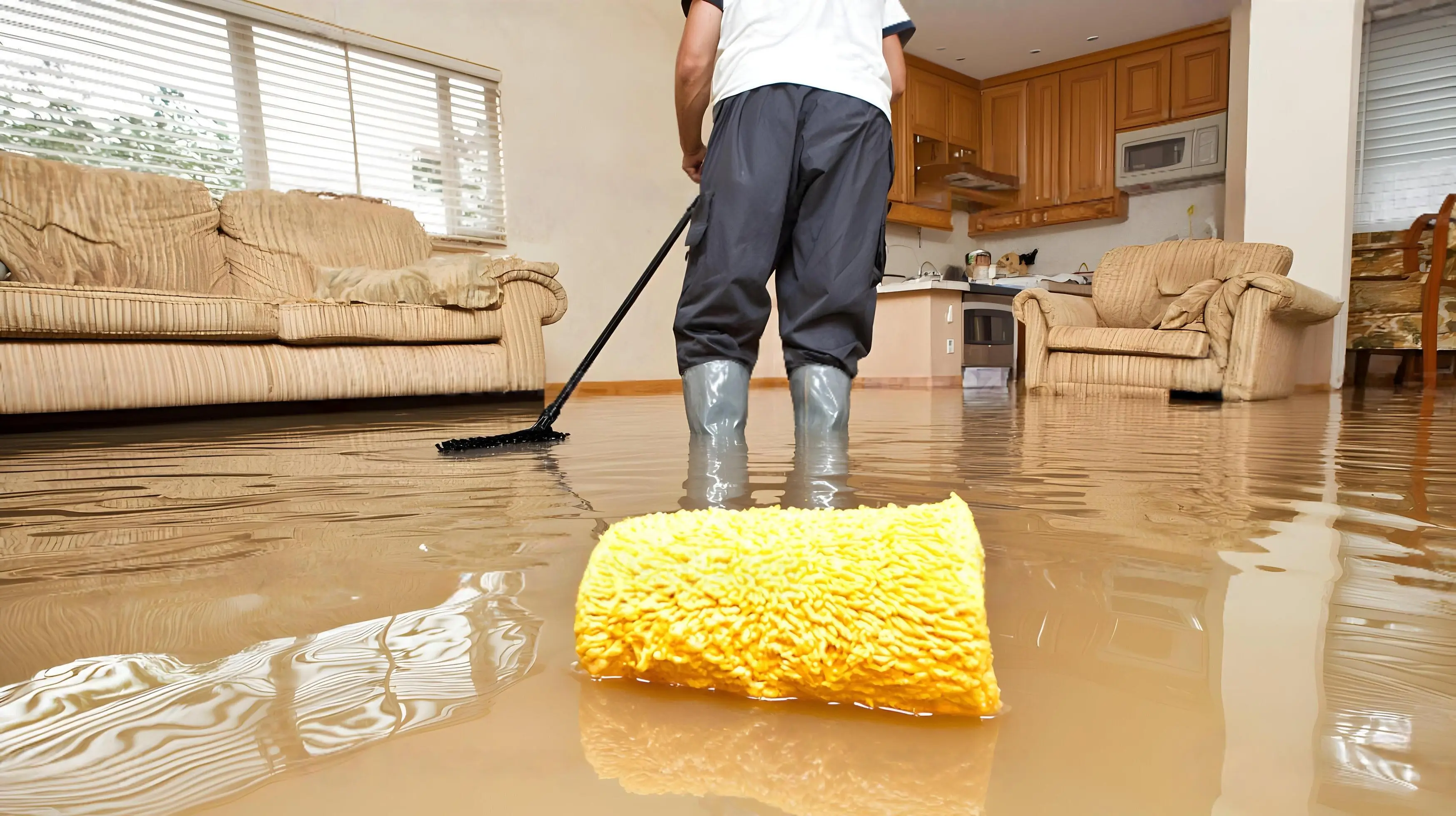
Water Damage Restoration
Burst pipes, storm flooding, standing water. We extract, dry, and restore before mold sets in.
Learn more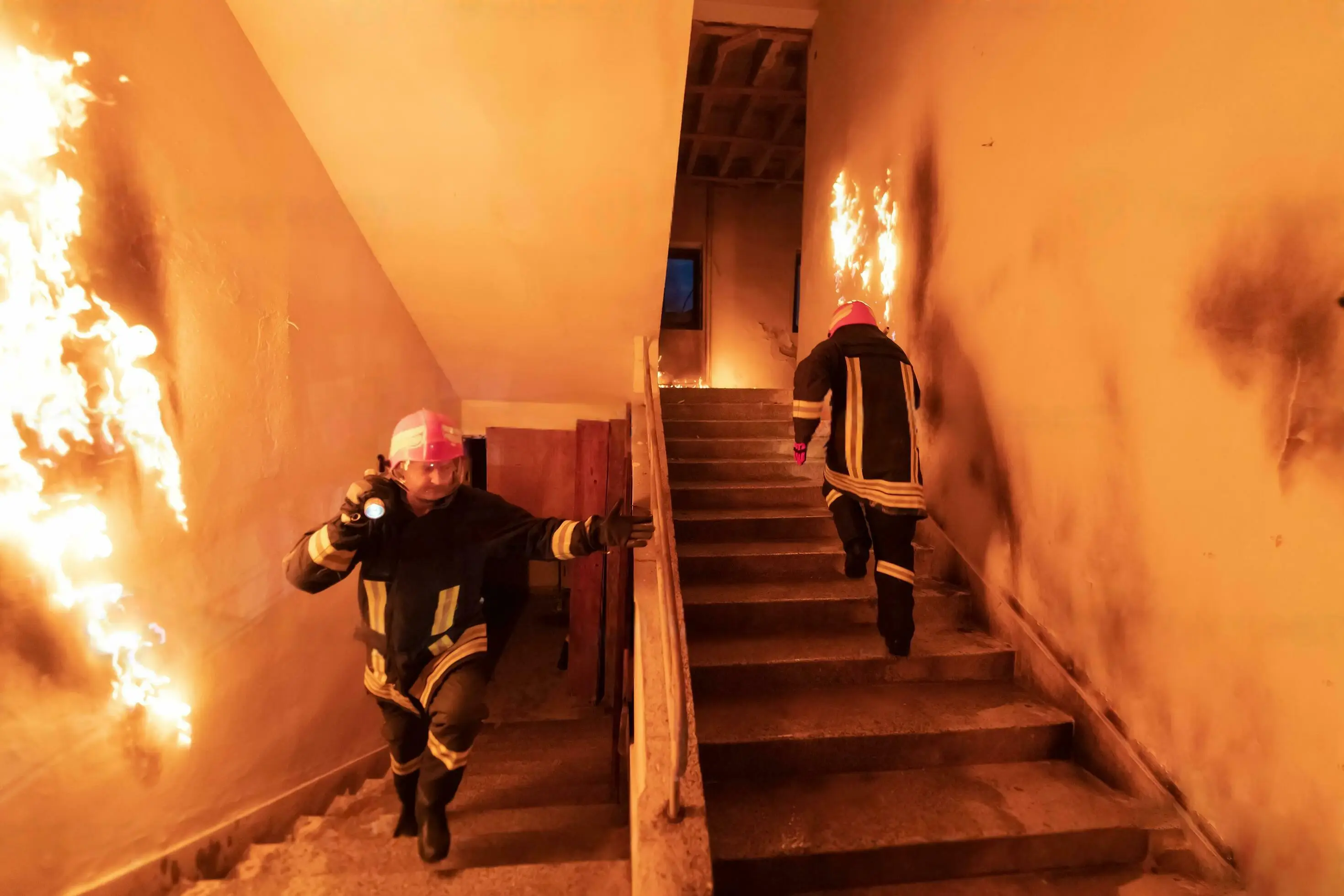
Fire Damage Restoration
Structural damage, soot, debris. We stabilize, clean, and rebuild what fire destroyed.
Learn more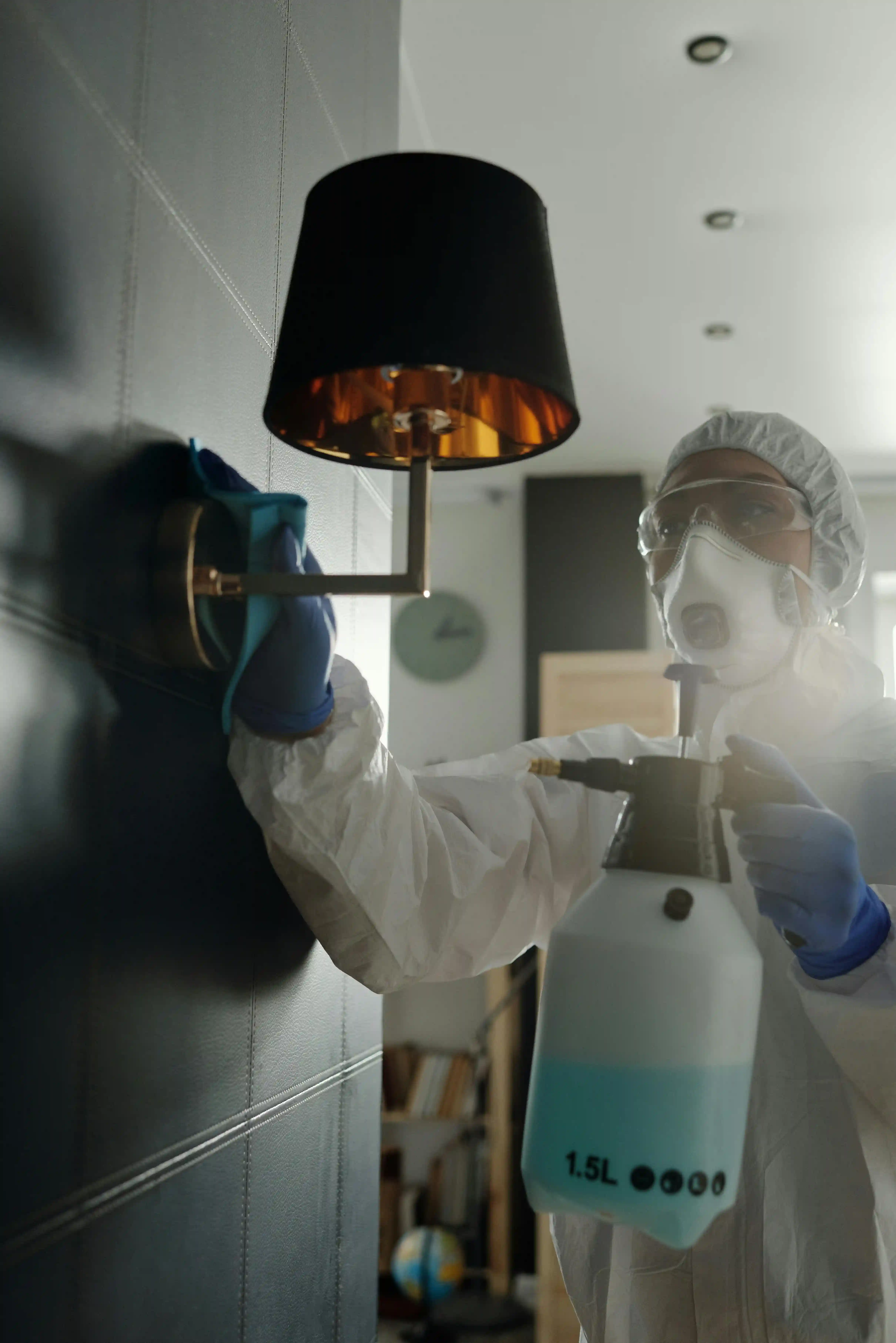
Mold Remediation
Testing, containment, removal, prevention. We find the source, eliminate the growth, and stop it from returning.
Learn more
Sewage Cleanup
Sewer backups, contaminated water, biohazard. We extract, sanitize, and restore safely.
Learn more