
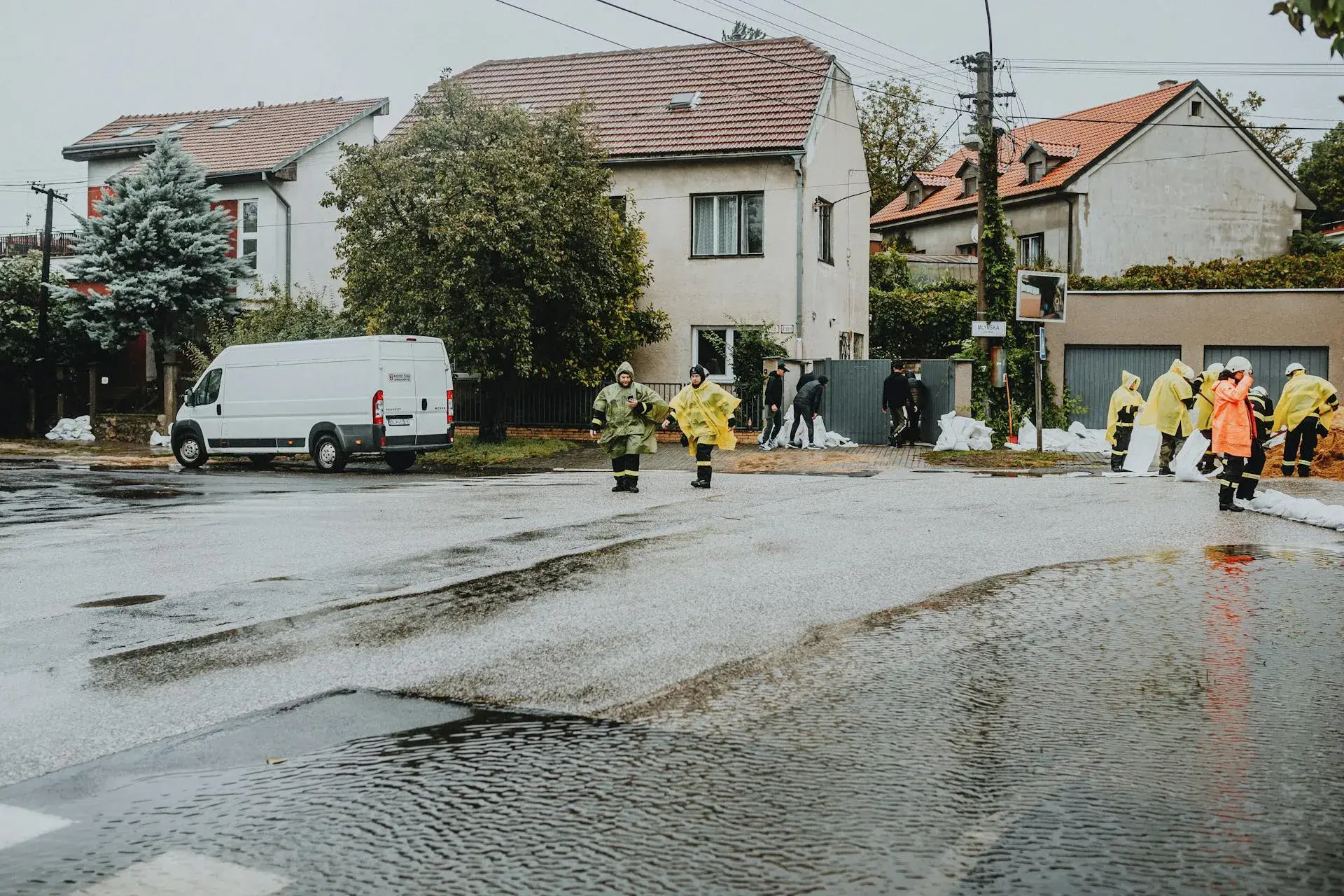
Sewage Cleanup in Wheaton, IL
Sewage contains dangerous bacteria, viruses, and parasites that pose immediate health risks. Every hour of exposure increases contamination spread and structural damage. Our local team responds to Wheaton emergencies within 60 minutes.
What Happens When You Call
A real person answers, not a call center. We assess your situation, ask the right questions, and begin coordinating your response immediately.
Your dedicated restoration team is dispatched from our local base serving Wheaton and the surrounding DuPage County communities.
Team arrives with extraction equipment, PPE, antimicrobial treatments, and commercial dehumidifiers. Emergency mitigation begins immediately.
Sewage extracted, contaminated materials removed, decontamination underway. You know exactly what comes next.
Sewage is backing up into your home and you need it handled immediately. This is not a situation that can wait for a callback queue or a next-day appointment. Sewage contamination is a health emergency that requires professional extraction, decontamination, and antimicrobial treatment before your home is safe to occupy. X Response exists for exactly this moment. When you reach out, your restoration team is mobilized within minutes and on site within the hour. From that point forward, one team manages everything: extraction, decontamination, structural drying, and insurance documentation. Call now. Your team is standing by.
Why Wheaton Homes Are Vulnerable to Sewage
Wheaton is a city of 53,970 residents and the county seat of DuPage County, Illinois, located approximately 25 miles west of downtown Chicago. The Wheaton Sanitary District (WSD), a separate government agency from the City of Wheaton, manages the wastewater collection and treatment infrastructure serving approximately 75,000 residents across Wheaton and portions of Carol Stream and Glen Ellyn. The Wheaton Sanitary District manages a network of 67 miles of sewer lines, 1,600 manholes, and 2 lift stations that collect wastewater from homes and businesses and transport it to the district's treatment plant. Nearly two-thirds of the City of Wheaton's sanitary sewer system connects to the WSD's system and treatment plant, creating a complex infrastructure where city-owned lateral and collector lines feed into district-owned interceptors and trunk lines. This dual-authority structure means that sewage backup events in Wheaton homes can originate from failures or overloads at either the city or district level, depending on where the capacity problem occurs in the system.
The City of Wheaton and the Wheaton Sanitary District jointly developed a sewer system master plan after documenting that inflow and infiltration (I/I) in the sanitary sewer system caused basement backups and sanitary sewer overflows after even small rain events. Stormwater entering the sanitary system through cracked pipes, deteriorated joints, illegal connections, and sump pump discharges routed to sanitary lines overwhelms the system's capacity during wet weather, forcing sewage to back up through the lowest available outlet, which in most homes is the basement floor drain or a below-grade fixture. The city agreed to reduce excess flows in Basin 4 by 40 percent and in Basin 3 by 60 percent through a multi-year rehabilitation program beginning in 2011, and approximately 80 percent of the city's sewer mains have been lined as part of this effort. Despite this extensive rehabilitation, the city recommends overhead sewer conversion for homes that have experienced basement backups during large rain events, acknowledging that infrastructure improvements alone cannot fully eliminate the backflow risk for all properties in affected basins.
Inflow and Infiltration: Why Wheaton Sewers Overflow During Rain
Wheaton's sanitary sewer system, like many in the older Chicago suburbs, was designed to carry only wastewater from homes and businesses. It is a separate system from the storm drains that handle rainwater. However, over 50 to 60 years of service, the pipes, joints, manholes, and lateral connections have developed pathways for stormwater to enter the sanitary system. Cracks in aging clay and concrete pipes allow groundwater to seep in continuously (infiltration), while direct connections from sump pumps, downspouts, foundation drains, and area drains routed to sanitary lines introduce large volumes of stormwater during rain events (inflow). When these unauthorized flows combine during a storm, the sanitary sewer fills beyond its designed capacity. Because the system operates by gravity and the lowest points in most homes are basement floor drains and below-grade fixtures connected to the sanitary lateral, the excess pressure forces sewage upward through these openings into finished basements. The joint city-WSD rehabilitation program documented that this problem persisted even after 80 percent of mains were lined, because inflow sources on private property laterals and illegal connections continue feeding stormwater into the system from thousands of individual properties.
The Overhead Sewer Recommendation and What It Means for Homeowners
The City of Wheaton officially recommends overhead sewer conversion for homes that have experienced basement backups during large rain events. An overhead sewer conversion reroutes basement plumbing so that all wastewater from below-grade fixtures exits the home above the level of the main sewer line before dropping into the lateral. This creates a physical break that prevents pressurized sewage in the street main from pushing backward through the lateral and up through basement drains. The fact that the city recommends this individual-property solution, rather than promising that infrastructure rehabilitation will solve the problem, tells homeowners something important: the sewage backup risk in certain Wheaton neighborhoods is structural and permanent given current infrastructure. Homes in Basin 3 and Basin 4, particularly the area south and east of Wheaton College, face the highest risk because these basins were identified in the master plan as having the most severe excess-flow problems. For homeowners who have not yet converted to overhead sewers, every significant rain event carries the risk of sewage entering the basement through floor drains, shower stalls, and laundry connections, requiring emergency professional cleanup and decontamination.
The Wheaton Sanitary District Interceptor and Capacity Constraints
The WSD's interceptor sewer, the large-diameter trunk line that collects flow from the city's collector system and transports it to the treatment plant, runs along defined corridors through the city. When the interceptor reaches capacity during peak wet-weather flow, backpressure propagates upstream through the collector system and into residential laterals. The Chicago Tribune reported as early as 1987 that basement backup problems in certain Wheaton neighborhoods were caused by backups in the WSD interceptor sewer running along Merrill Drive. The 2010 installation of a new interceptor pipeline was planned for more than five years specifically to address capacity constraints in the trunk system serving much of Wheaton and parts of Carol Stream and Glen Ellyn. The new pipeline increased capacity, but during extreme wet-weather events when inflow and infiltration across the entire 75,000-person service area peak simultaneously, the system still faces hydraulic constraints that manifest as backpressure in the neighborhoods closest to capacity-limited segments. Homes at lower elevations relative to the interceptor, or on collector lines with the longest runs before reaching trunk capacity, experience backups first and most frequently.
Contamination Classification: Why Sewage Backup Demands Professional Response
Sewage that backs up into a home is classified as Category 3 (black water) under the IICRC S500 Standard for Professional Water Damage Restoration, the most serious contamination category. Category 3 water contains fecal matter, bacteria including E. coli and Salmonella, viruses including hepatitis A and norovirus, parasites, chemical waste from household cleaning products that other homes discharged into the system, and dissolved organic matter that supports rapid bacterial growth on any surface it contacts. This classification means that all porous materials contacted by the sewage, including carpet, pad, drywall below the flood line, insulation, particleboard, unsealed wood, upholstered furniture, and stored paper goods, are considered non-salvageable and must be removed regardless of how quickly cleanup begins. Non-porous surfaces like concrete floors, sealed wood, metal, and hard plastics can be decontaminated with professional antimicrobial treatment but require thorough cleaning and verification. The Category 3 classification also requires that restoration technicians wear appropriate PPE including Tyvek suits, rubber boots, nitrile gloves, and respiratory protection to prevent exposure to pathogens present in the waste material.
Aging Housing Stock and Below-Grade Plumbing Vulnerability
Wheaton's housing stock, with a median construction year of approximately 1975, was built during an era when below-grade plumbing was standard practice for basement bathrooms, laundry rooms, and utility areas. Floor drains, shower stalls, laundry standpipes, and toilet fixtures installed below the elevation of the street sewer main rely on gravity flow during normal conditions but become potential entry points for sewage backup during any event that pressurizes the main above the basement floor elevation. Homes built before overhead sewer requirements were understood typically have direct-gravity connections from basement fixtures to the lateral without any backflow prevention device. Even homes with backwater valves installed on the lateral are vulnerable if the valve fails, becomes stuck open by debris, or is overwhelmed by extreme backpressure. In Wheaton neighborhoods where homes are 40 to 50 years old and have finished basements with carpet, drywall, and built-in cabinetry below grade, a single sewage backup event during a heavy storm can contaminate thousands of dollars of finished living space that must be removed entirely due to the Category 3 classification of the water that contacted it.
These factors create a city where sewage backup is a documented, recurring risk driven by aging infrastructure, inflow and infiltration that overwhelms sewer capacity during wet weather, interceptor capacity constraints that create backpressure into residential collectors, and a housing stock with below-grade plumbing vulnerable to backflow events. The city's own recommendation of overhead sewer conversion acknowledges that infrastructure rehabilitation alone cannot eliminate the risk for all properties. Effective sewage cleanup in Wheaton requires immediate professional response with Category 3 protocols: full PPE, removal of all contaminated porous materials, antimicrobial decontamination of non-porous surfaces, structural drying, and post-cleanup verification, because sewage contamination cannot be cleaned with consumer-grade products and presents immediate health risks to occupants until professionally resolved.
What Happens to Your Home While You Wait
Within 1 Hour
Sewage spreads across basement floors, wicking into carpet pad, the base of drywall, stored belongings, and any porous material it contacts. In Wheaton homes with finished basements, the contaminated water migrates behind baseboards, beneath floating floors, and into wall cavities through gaps at the floor line. Every surface contacted by the sewage is now contaminated with Category 3 pathogens that render porous materials non-salvageable regardless of subsequent cleaning attempts. The odor is immediately obvious and intensely unpleasant, but the health hazard from bacterial and viral contamination is the primary concern, not the smell. Occupants should evacuate the affected area immediately and avoid contact with the contaminated water.
1–24 Hours
Bacteria in the sewage multiply rapidly in the warm, nutrient-rich environment of a flooded basement. Organic matter in the sewage begins decomposing, intensifying odor and releasing additional harmful gases including hydrogen sulfide and methane. Drywall wicks contaminated moisture upward above the visible waterline, expanding the zone of non-salvageable material with every hour. Carpet padding saturated with sewage becomes a bacterial reservoir that cannot be decontaminated and must be removed entirely. In Wheaton homes where the HVAC system draws return air from the basement, aerosolized bacteria and sewage gases can be distributed to upper floors through the ductwork, creating health risks throughout the home even for occupants who avoided direct contact with the floodwater.
24–48 Hours
Secondary contamination sets in as bacteria colonize surfaces beyond the original flood line. Mold growth begins on any organic material that absorbed moisture from the sewage, with colonization accelerated by the nutrient content of the waste material providing food for mold organisms. The contamination zone expands both vertically through wicking and horizontally through air movement. Structural materials including wood framing, subfloor sheathing, and sill plates begin absorbing the contaminated moisture. At this stage, the scope of necessary demolition has expanded significantly beyond what immediate response would have required, because materials that could have been decontaminated in the first hours have now absorbed contamination through their full thickness.
48–72 Hours
Extensive bacterial and mold growth throughout the affected area. Sewage-soaked materials that were not removed have become active biohazard reservoirs generating airborne contamination continuously. The home may be uninhabitable due to air quality concerns even in areas that were not directly flooded. Structural wood at foundation contact points begins showing staining and early deterioration from sustained contamination. The restoration scope has crossed from targeted cleanup into comprehensive demolition of the entire affected basement level. Health risk to occupants increases significantly if anyone is still present in the home without appropriate respiratory protection.
One Week and Beyond
Without professional intervention, a sewage-contaminated basement becomes a severe biohazard requiring hazardous materials protocols for entry. Bacterial colonies have established throughout porous materials, structural wood shows active decay at moisture contact points, mold growth is extensive and potentially includes toxic species that thrive on the high-nutrient substrate sewage provides, and the HVAC system is contaminated throughout its distribution network. The restoration project at this stage involves complete demolition of all finished materials in the affected area, structural assessment and possible replacement of contaminated wood members, full HVAC system cleaning or replacement, antimicrobial treatment of all remaining structural surfaces, and extended monitoring before the space is declared safe for reoccupancy.
Sewage contamination is a health emergency that worsens with every hour of delay. Contact X Response now. Our Wheaton team responds within 60 minutes with full Category 3 protocols to protect your family's health and limit the damage to your property.
How We Restore Sewage-Damaged Wheaton Homes
From the moment our team arrives, every step follows IICRC S500 Category 3 protocols. Here is exactly what the sewage cleanup process involves for Wheaton properties.
Safety Assessment and Source Control
Our team arrives in full PPE and immediately assesses the situation. The first priority is stopping the sewage flow if it is ongoing: if the backup is caused by a blockage in the lateral, we coordinate with a licensed plumber or the Wheaton Sanitary District to clear the line. If the backup is caused by system-wide wet-weather overload in the WSD interceptor, the flow typically stops when rainfall subsides and system pressure drops, but we establish containment to prevent contamination from spreading to unaffected areas while we wait. We assess which areas of the basement are contaminated, identify all materials that contacted sewage, document the flood line and extent of contamination, and determine whether the HVAC system has been compromised. Electrical safety is verified before any extraction equipment is deployed in standing water.
Sewage Extraction and Material Removal
Standing sewage is extracted using submersible pumps and truck-mounted extraction units with contaminated water routed to approved disposal. Unlike clean-water extraction where the goal is speed, sewage extraction requires careful handling to prevent splashing and aerosolization of contaminated material. Once standing liquid is removed, all porous materials that contacted the sewage are cut out and removed: carpet, pad, drywall to at least 12 inches above the visible flood line (higher if moisture meter readings indicate wicking above the visible line), insulation, particleboard shelving, any wood products that absorbed the contaminated water, and all stored items that cannot be professionally decontaminated. Materials are double-bagged in heavy polyethylene and removed for disposal. This demolition phase is the most labor-intensive portion of the project, but it is non-negotiable under Category 3 protocols: porous materials contacted by sewage cannot be decontaminated and must be removed entirely.
Decontamination and Antimicrobial Treatment
With contaminated materials removed, all remaining hard surfaces, including the concrete floor, exposed foundation walls, remaining framing, metal ductwork, and any non-porous items that contacted sewage, are cleaned with professional-grade antimicrobial solutions. The cleaning involves physical removal of all visible contamination through scrubbing and pressure washing where appropriate, followed by application of EPA-registered antimicrobial products that kill remaining bacteria, viruses, and mold spores on contact. Surfaces are treated twice with drying time between applications to ensure full coverage and pathogen elimination. HEPA air scrubbers run throughout the decontamination process to capture airborne particulates and biological material dislodged during cleaning. If the HVAC system operated during or after the backup event, ductwork and system components are cleaned and treated to prevent ongoing distribution of contaminants through the air handling system.
Structural Drying
After decontamination, the remaining structural components, primarily concrete, framing, and subfloor sheathing above the demolition line, must be thoroughly dried before any new materials are installed. Commercial dehumidifiers and air movers are positioned to drive moisture out of concrete walls, the slab, remaining wood framing, and structural sheathing. In Wheaton, where DuPage County's clay soils maintain moisture against exterior foundations even after interior contamination is resolved, the drying phase must account for ongoing moisture migration through concrete from the exterior soil. Daily moisture readings track progress until all structural materials reach their dry standard. This phase typically takes three to five days but extends if soil moisture maintains elevated readings at the foundation interface. Rushing the drying phase by enclosing the space prematurely creates conditions for mold growth on new materials installed over still-damp structural components.
Verification and Completion
Before the project is considered complete, final inspection verifies that all contaminated materials have been removed, all remaining surfaces have been decontaminated and dried, moisture readings have returned to acceptable levels throughout the affected area, and no residual odor persists. For projects where air quality testing was performed during the initial assessment, post-cleanup testing confirms that bacterial counts and airborne contamination levels have returned to normal residential levels. You receive completion documentation including before-and-after photos, contamination zone mapping, material disposal records, antimicrobial treatment verification, final moisture readings, and any air quality test results. This documentation package supports your insurance claim and provides a clear record demonstrating that professional Category 3 protocols were followed throughout the restoration.
The X Response Difference
When you contact X Response for sewage cleanup in Wheaton, you get a team trained in biohazard response following established Category 3 protocols. Complete extraction, material removal, decontamination, drying, and verification, documented and verifiable.
Insurance Claim Guidance for Wheaton Homeowners
Sewage backup insurance coverage in Illinois typically requires a specific endorsement on your homeowner's policy. Standard policies do not cover sewer or drain backup damage unless you purchased a water backup or sewer backup endorsement, which is available from most carriers for an additional premium. In Wheaton, where the city's own documentation acknowledges that basement backups occur during wet weather due to inflow and infiltration in the sanitary sewer system, this endorsement is essential for any homeowner with a below-grade basement that has not been converted to an overhead sewer. Coverage limits on sewer backup endorsements vary by carrier and policy, typically ranging from $5,000 to $25,000, which may not cover the full cost of restoration for a finished basement contaminated by sewage. If your sewage backup resulted from a specific equipment failure on your property rather than a system-wide overload, such as a broken backwater valve or a lateral blockage from root intrusion, the claim structure may differ. The distinction between a system-wide event affecting multiple homes and a property-specific failure matters for both coverage and any potential municipal liability.
How X Response Helps
- Document the sewage backup event immediately with photos, timestamps, and the extent of contamination before any cleanup begins
- Identify whether the backup resulted from a system-wide wet-weather event or a property-specific failure, as this affects both insurance coverage and potential municipal liability
- Provide professional scope documentation demonstrating that Category 3 protocols were required and followed, justifying the cost of professional restoration
- Create detailed inventories of all materials removed and contents destroyed with replacement values for insurance purposes
- Review your policy's sewer backup endorsement limit before filing so you understand potential out-of-pocket exposure if the limit is insufficient for full restoration
X Response does not file claims on your behalf, adjust claims, or make coverage determinations. We provide documentation and guidance to help you make informed decisions about your property and your policy. Coverage decisions are made solely by your insurance carrier.
Certified Restoration Specialists Serving Wheaton
When you contact X Response for sewage cleanup in Wheaton, your team is drawn from certified professionals trained in biohazard response who work across DuPage County and understand the specific sewage backup conditions in this community. They know how Wheaton's dual city-WSD sewer infrastructure creates wet-weather backup risk in specific basins, how the aging housing stock with below-grade plumbing is vulnerable to backpressure events during storms, which neighborhoods face the highest frequency of backup based on their position relative to the WSD interceptor system, and how finished basements with decades of accumulated improvements amplify the damage and cost when sewage contamination occurs. They have responded to system-wide backup events during major storms, lateral blockages from root intrusion, lift station failures, and backwater valve malfunctions throughout Wheaton's varied neighborhoods.
Every technician on your team holds current IICRC certification in water damage restoration with specific training in Category 3 biohazard protocols and carries the appropriate Illinois state licensing for the work being performed. Equipment includes submersible extraction pumps rated for contaminated water, truck-mounted extraction units with dedicated waste tanks, full PPE kits for each crew member, EPA-registered antimicrobial solutions proven effective against sewage-borne pathogens, commercial dehumidifiers and air movers for structural drying, and HEPA air scrubbers that capture airborne biological contaminants during the cleanup process. When your team arrives, they bring everything needed to begin safe extraction and decontamination immediately.
In Wheaton, X Response works with Scene Cleaners, an independent local restoration partner serving DuPage County.
Sewage Cleanup FAQ for Wheaton Homeowners
Other Emergency Services in Wheaton
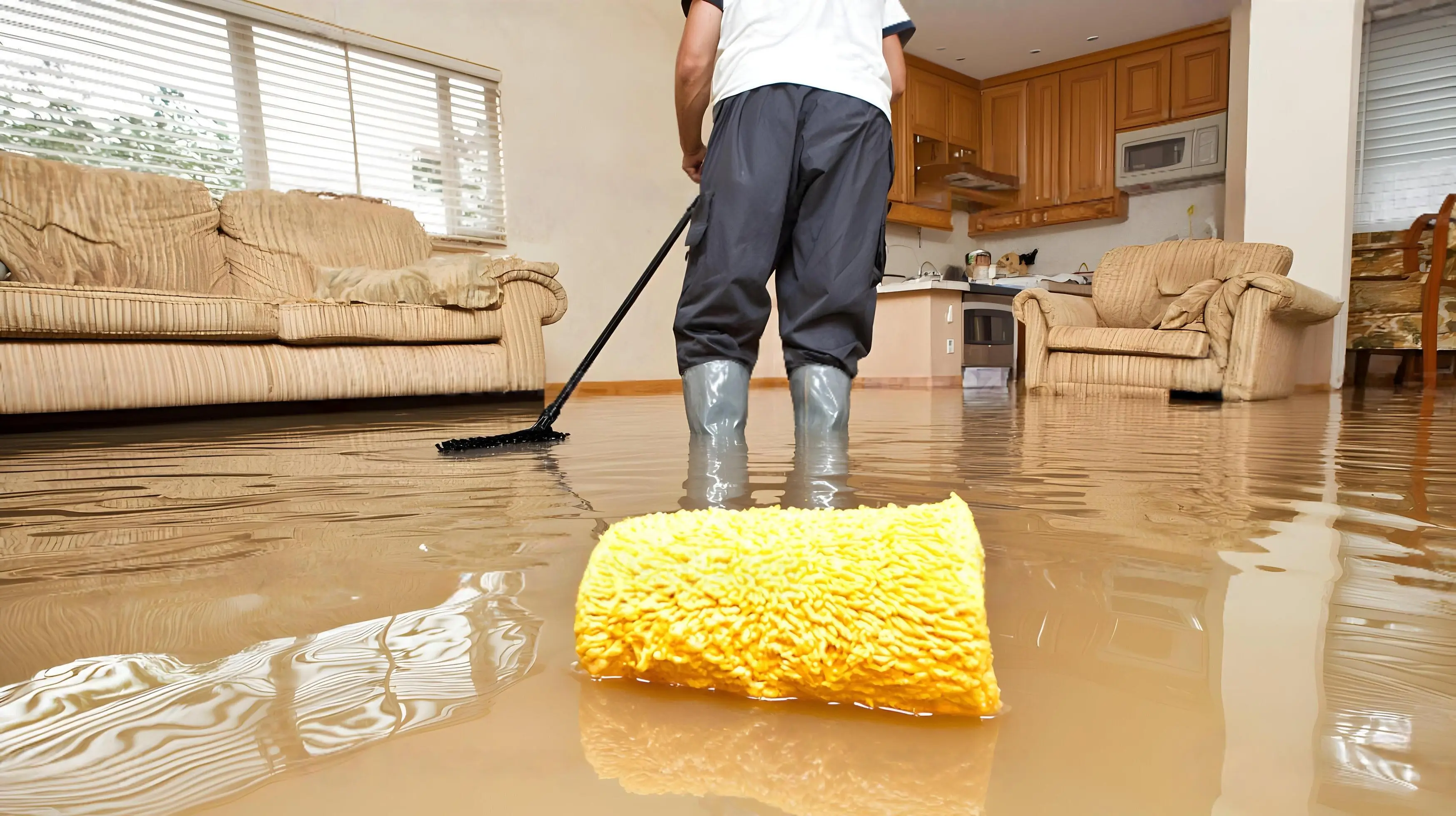
Water Damage Restoration
Burst pipes, storm flooding, standing water. We extract, dry, and restore before mold sets in.
Learn more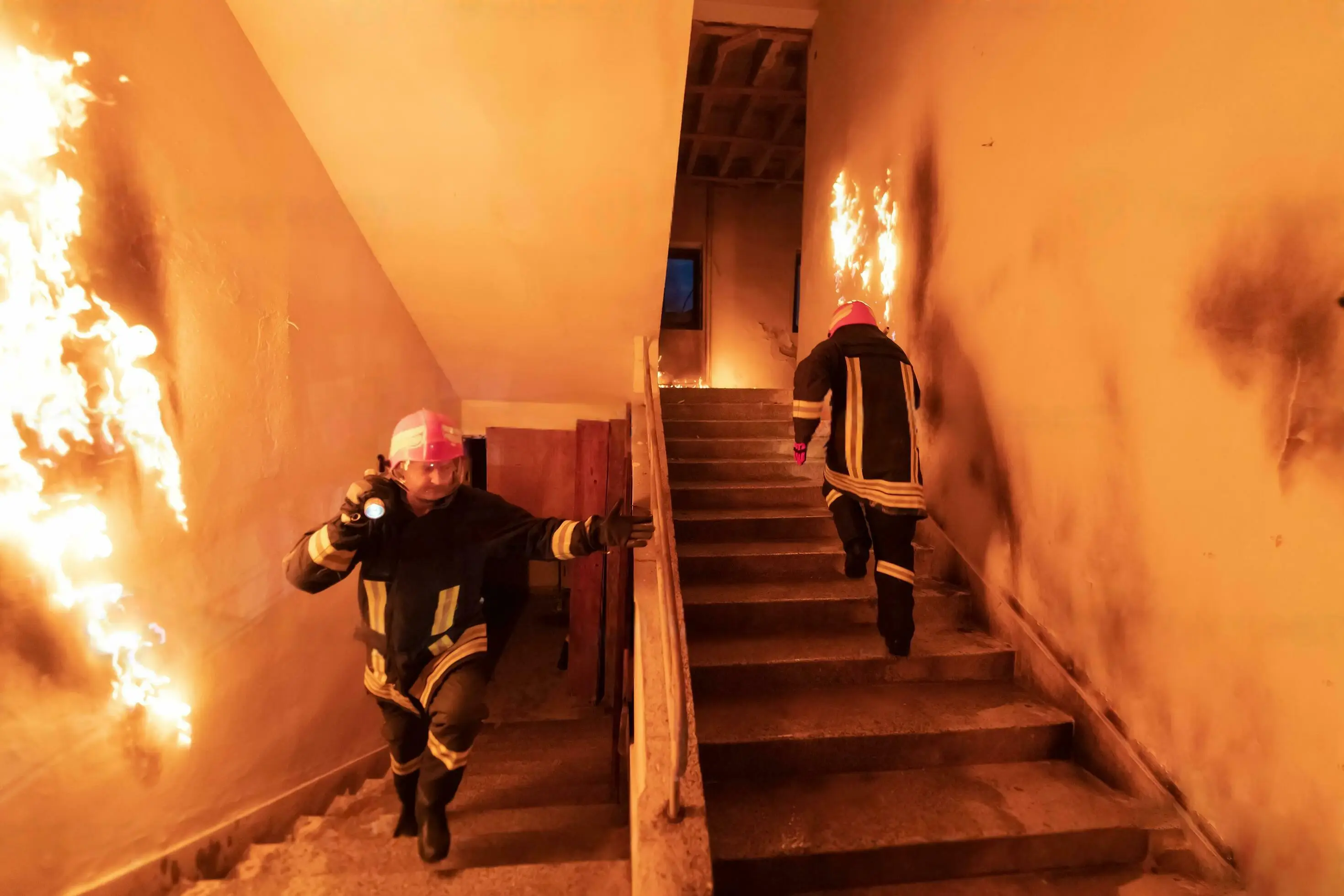
Fire Damage Restoration
Structural damage, soot, debris. We stabilize, clean, and rebuild what fire destroyed.
Learn more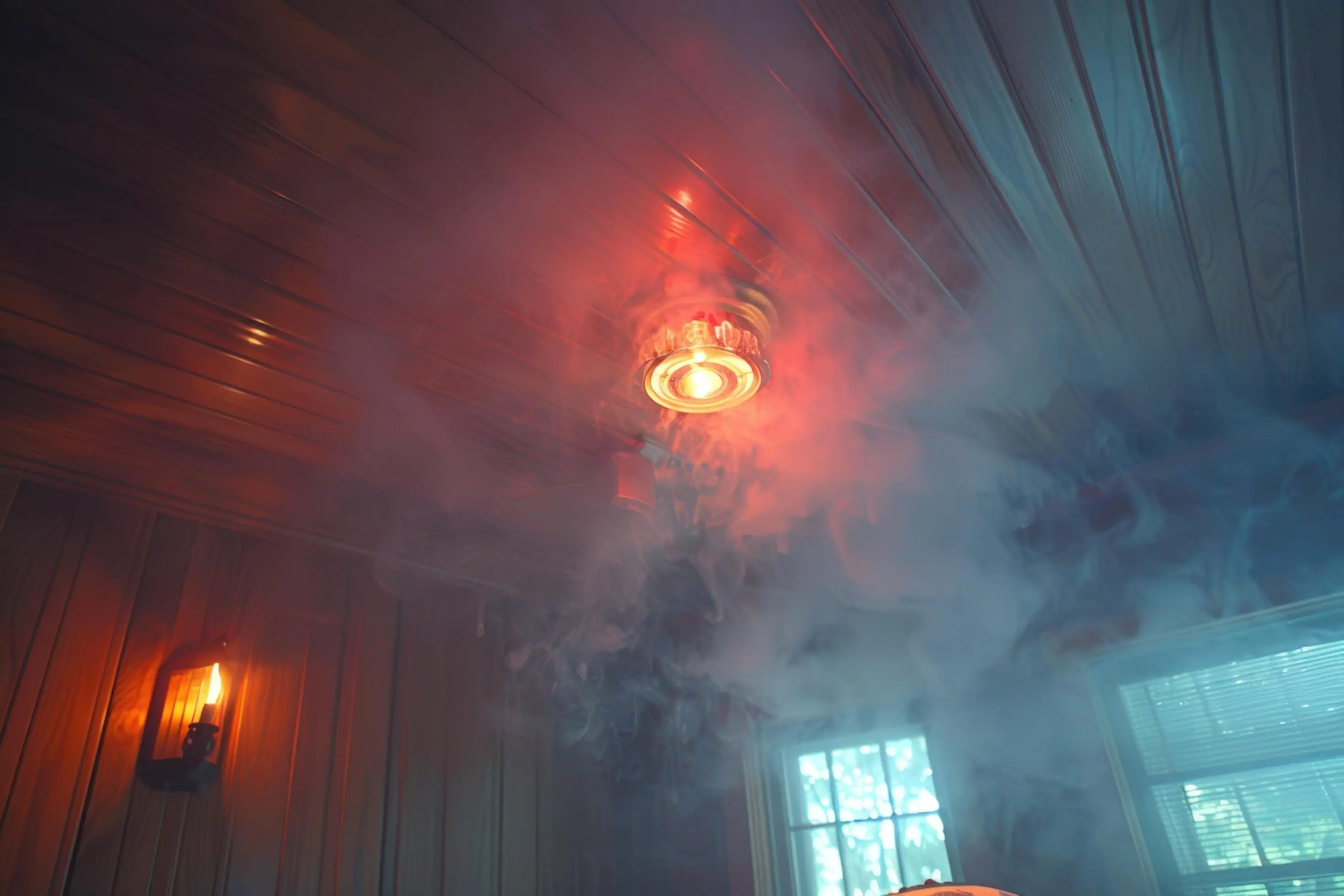
Smoke Damage Restoration
Soot residue, chemical odors, HVAC contamination. We decontaminate surfaces, eliminate odors, and restore air quality.
Learn more
Mold Remediation
Testing, containment, removal, prevention. We find the source, eliminate the growth, and stop it from returning.
Learn more