
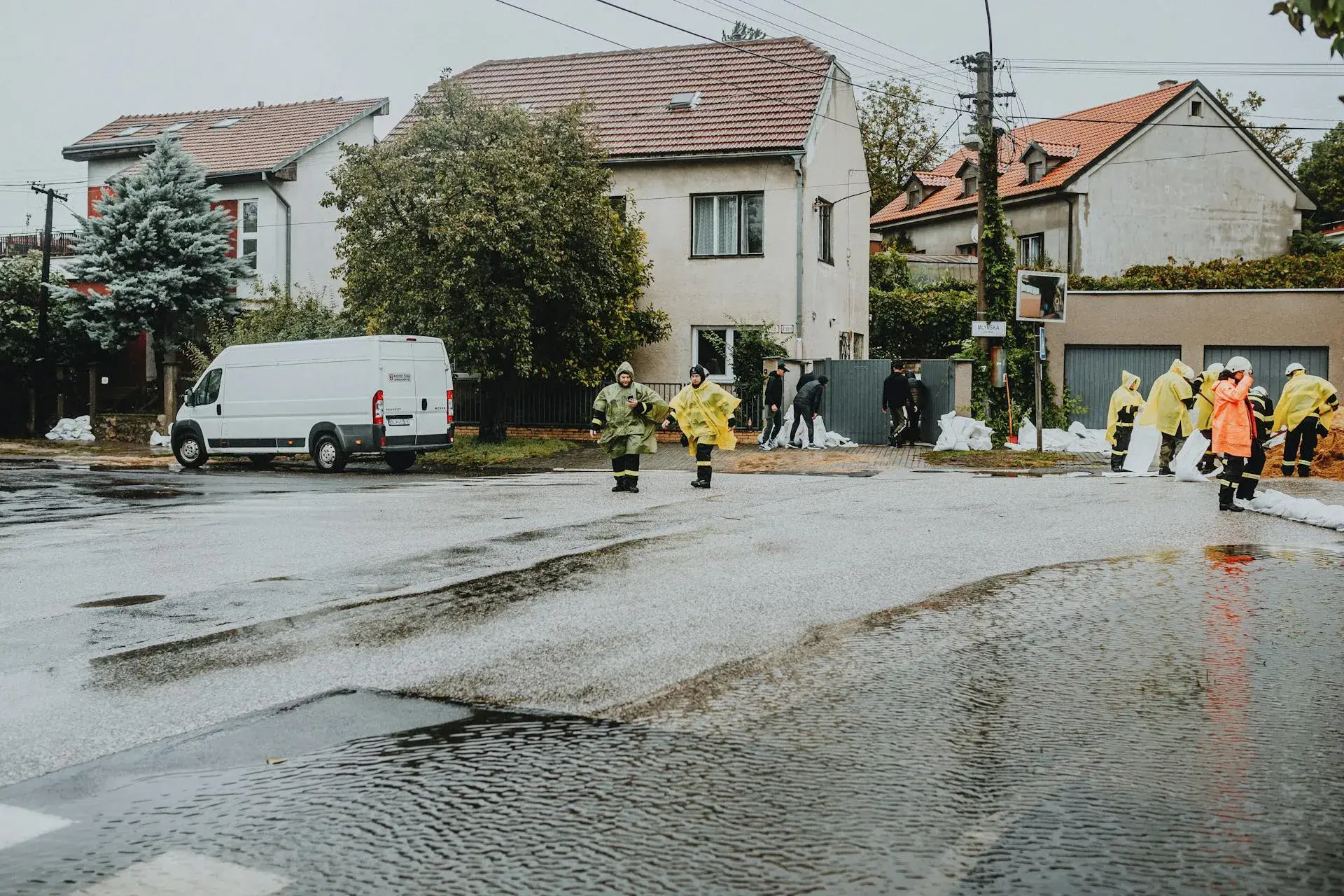
Sewage Cleanup in Aurora, IL
Sewage contamination creates immediate biohazard conditions. Every hour of delay allows bacteria, viruses, and pathogens to spread deeper into structural materials. Our local team responds to Aurora emergencies within 60 minutes.
What Happens When You Call
A real person answers, not a call center. We assess your situation, determine the contamination scope, and begin coordinating your emergency response immediately.
Your dedicated biohazard remediation team is dispatched from our local base serving Aurora and the surrounding Fox River Valley communities.
Team arrives in full PPE with extraction equipment, containment materials, and antimicrobial supplies. Emergency mitigation begins immediately under Category 3 protocols.
Sewage extracted, contaminated materials removed, decontamination applied, structural drying initiated. You know exactly what the timeline looks like from this point forward.
Sewage is in your home. Whether it backed up through floor drains during a storm, overflowed from a failed lateral line, or entered through a compromised sewer connection, the situation is an immediate health hazard. Raw sewage contains bacteria, viruses, parasites, and chemical contaminants that make every surface it contacts a biohazard requiring professional decontamination. X Response exists for exactly this moment. When you reach out, your biohazard remediation team is mobilized within minutes and on site within the hour. From that point forward, one team manages everything: extraction, contaminated material removal, decontamination, drying, and documentation. Call now. Your team is standing by.
Why Aurora Homes Are Vulnerable to Sewage
Aurora is the second-largest city in Illinois with a 2020 Census population of 180,542, located along the Fox River in Kane County. The city's older neighborhoods on both the east and west sides of the Fox River near downtown are served by a combined sewer system that carries both sanitary sewage and stormwater in shared pipes. The City of Aurora states directly on its official stormwater page that during heavy rainstorms, too much water floods the sewers and when that happens, untreated sewage either overflows into the Fox River or backs up into basements. This is not a disputed infrastructure condition or a theoretical risk. It is the documented, acknowledged reality of living in Aurora's combined sewer districts. The city and Fox Metro Water Reclamation District have invested more than $250 million over three decades to address the problem, separating combined pipes into dedicated storm and sanitary lines. Despite that massive investment, Aurora's combined sewer system produced approximately 198 overflow events in 2010, and the city's official stormwater page confirms that during heavy rainstorms untreated sewage either overflows into the Fox River or backs up into residential basements through floor drains. Fox Metro submitted a Long Term Control Plan to the Illinois EPA in 2010, targeting a reduction to no more than four CSO events per year through continued infrastructure improvements. Progress has been substantial but the system has not yet reached that target across all discharge points.
For residents in Aurora's combined sewer districts, the practical consequence is clear: during heavy rainfall events, there is a measurable probability that sewage will enter their basement through floor drains, plumbing fixtures, or other low-point connections to the combined system. The July 1996 record storm that dropped 16.94 inches of rain on Aurora overwhelmed the entire system catastrophically, but even routine heavy thunderstorms can produce localized surcharge in specific segments of the combined network. Each surcharge event pushes a mixture of raw sewage, stormwater, street runoff, and accumulated pipe sediment into the lowest openings in the system. In older Aurora homes where basement floor drains connect directly to the combined sewer at or below the elevation of the street main (standard practice when these homes were built in the early-to-mid 20th century), there is no physical barrier preventing backflow when the system pressurizes. The city's rain garden program and ongoing sewer separation work are reducing the frequency of these events, but properties without backflow prevention devices remain exposed to sewage intrusion during any storm that exceeds local pipe capacity.
The Combined Sewer System and Basement Sewage Backups
Aurora's combined sewer system is the primary driver of residential sewage exposure in the city. Unlike a separated system where sanitary sewage flows through dedicated pipes to the treatment plant and stormwater flows independently to waterways, a combined system routes everything through the same infrastructure. When stormwater from heavy rain overwhelms the system's capacity, the mixed flow pressurizes and seeks relief through the lowest available openings. In residential areas, those openings are basement floor drains, laundry tub drains, toilet connections, and shower bases on the lowest level of the home. The City of Aurora acknowledges this mechanism explicitly and has pursued multiple strategies to reduce its frequency, including sewer separation projects, rain garden installations on the near East Side and West Side, retention basins, and public education about reducing stormwater entering the combined system. Fox Metro Water Reclamation District's 2010 Long Term Control Plan committed to phased reductions in CSO frequency, with the ultimate goal of no more than four overflow events per year. The more than $250 million invested since the 1980s reduced events from approximately 1,100 annually to 198, a substantial improvement that still leaves nearly 200 events per year in which the system exceeded capacity and discharged combined sewage somewhere in the service area.
Sewer Lateral Failures in Multi-Era Housing
Beyond the combined sewer system's surcharge events, individual sewer lateral failures represent a second major pathway for sewage intrusion into Aurora homes. The sewer lateral is the pipe connecting a home's internal plumbing to the public sewer main, and in Aurora's older neighborhoods, these laterals range from original clay tile installed in the 1870s through cast iron from the mid-20th century to modern PVC in newer construction. Clay tile laterals are susceptible to root intrusion at joints, soil-settlement-induced bellying that traps waste and creates blockages, and complete joint separation that allows both sewage escape into surrounding soil and groundwater infiltration into the sewer system. Cast iron laterals in homes from the 1940s through 1970s develop internal corrosion and scale that restricts flow capacity, eventually leading to blockages and backups into the home. When a lateral fails, sewage backs up through the home's lowest plumbing fixture regardless of whether the public system is surcharged. The distinction matters for both insurance coverage and responsibility: a public-side CSO event is the municipality's infrastructure failing, while a private-lateral blockage is the homeowner's infrastructure failing. In both cases, the contamination is identical and the remediation requirements are the same.
Fox River Flooding and Sewage Infrastructure Interaction
When the Fox River rises to flood stage, it creates a secondary sewage risk beyond direct river flooding. Storm outfalls that discharge the combined sewer system's overflow into the Fox River become submerged by the elevated river level, eliminating the system's relief pathway. With the river blocking outfall discharge, the combined system has no outlet for overflow volume and the entire pressure builds within the pipe network, increasing the intensity and duration of basement backups across the service area. The July 1996 event combined record rainfall (16.94 inches) with massive Fox River flooding, creating simultaneous overland flooding from the river and sewage backup from the surcharged combined system. Many Aurora homes received water from both sources simultaneously: river water entering through foundation walls and windows from outside, and sewage entering through floor drains from below. The contamination in such compound events is uniformly Category 3 regardless of entry path, because the river water during flood events also carries sewage from overwhelmed systems upstream, agricultural runoff, and accumulated pollutants from flooded industrial and commercial properties.
Category 3 Water and Immediate Biohazard Classification
All sewage intrusion events, whether from combined sewer surcharge, lateral failure, or flood-contaminated water, are classified as Category 3 (grossly contaminated) under IICRC S500 water damage restoration standards. Category 3 water contains pathogenic organisms including bacteria (E. coli, Salmonella, Shigella), viruses (hepatitis A, norovirus), parasites (Giardia, Cryptosporidium), and chemical contaminants from industrial discharge, household chemicals, and decomposing organic matter. The restoration protocol for Category 3 is fundamentally different from clean water events. All porous materials that contacted the sewage must be removed and disposed of rather than dried in place. This includes drywall (to at least 12 inches above the visible waterline), carpet, carpet pad, insulation, particleboard, and any organic material that absorbed the contaminated water. Non-porous surfaces (concrete, metal, glass) can be decontaminated with EPA-registered antimicrobial treatments but must be treated before the space is considered safe for occupancy. In Aurora basements where finished spaces include drywall on framed walls, carpet over concrete, and stored personal belongings, a sewage backup that reaches even a few inches of depth triggers extensive material removal.
Health Risks and Occupancy Restrictions
Sewage-contaminated spaces present immediate health risks that require occupancy restrictions until decontamination is complete. Exposure to raw sewage, even through indirect contact with contaminated surfaces, can cause gastroenteritis, hepatitis, skin infections, respiratory illness from aerosolized bacteria, and parasitic infections. Children, elderly residents, immunocompromised individuals, and people with open wounds face elevated risk. In Aurora homes where sewage backup has occurred, the affected area must be considered a restricted zone until professional decontamination is verified. Pets should also be excluded from contaminated areas, as they can track sewage-contaminated material to other parts of the home and are susceptible to many of the same pathogens. The HVAC system must be isolated immediately if the air handler is located in a contaminated basement or if return air registers are in the affected zone, as the system will distribute aerosolized contaminants throughout the home if it continues to operate. These restrictions apply from the moment sewage enters the home until post-remediation verification confirms the space meets health-based clearance standards.
Aurora's sewage exposure risk is documented, acknowledged, and ongoing. The combined sewer system in older neighborhoods backs sewage into basements during heavy rain. Aging sewer laterals fail and block, pushing sewage through the home's lowest fixtures. Fox River flooding eliminates the system's overflow relief pathway and compounds contamination from multiple sources simultaneously. Every sewage event, regardless of cause, creates immediate Category 3 biohazard conditions that demand professional response with contaminated material removal, antimicrobial decontamination, and verified clearance. This is not a situation where consumer-grade cleanup is adequate. The contamination is invisible after the water recedes, embedded in materials and surfaces where it remains a health hazard until professionally treated.
What Happens to Your Home While You Wait
Within 1 Hour
Sewage spreads across basement floors and immediately begins absorbing into every porous material it contacts: carpet, carpet pad, drywall base, wood trim, cardboard storage, and concrete surfaces. In Aurora homes with finished basements, the contaminated water wicks into framed wall cavities through the gap between the bottom plate and the slab. Every surface the sewage touches is now a biohazard. Bacteria begin multiplying in the warm, nutrient-rich environment. If the HVAC system continues operating with return registers in the affected area, aerosolized contaminants enter the duct system and distribute throughout the home within minutes.
1–24 Hours
Bacterial concentration in contaminated materials increases exponentially in warm conditions. Drywall and wood materials absorb sewage further, with moisture wicking upward and outward from the contact area. Odor intensifies as organic matter in the sewage begins decomposing. Pathogens establish in the porous material structure where they will persist even after surface water evaporates. In Kane County's summer heat, bacterial growth accelerates. The contamination is now embedded in material fibers rather than just coating surfaces, meaning surface wiping or mopping will not achieve decontamination. Every hour of delay increases the volume of material that must be physically removed and disposed of rather than cleaned in place.
24–48 Hours
Mold colonization begins on top of the bacterial contamination, compounding the biohazard with fungal growth. The organic nutrients in sewage-contaminated materials accelerate mold germination beyond the standard 24-to-48-hour window for clean water events. In Aurora's summer humidity, mold growth is rapid and aggressive on sewage-saturated materials. The contamination zone is now producing two categories of hazard simultaneously: pathogenic bacteria from the sewage and allergenic/toxic mold from the secondary colonization. Wood structural members (sill plates, bottom plates, subfloor) that have absorbed sewage-contaminated moisture begin developing conditions that affect both their structural integrity and their ability to be decontaminated without removal.
48–72 Hours
Extensive mold growth on all sewage-affected porous materials. Bacterial contamination is deeply embedded in structural wood, concrete pores, and any remaining porous material. The contamination boundary has expanded beyond the original sewage-contact area through moisture migration, airborne spore dispersal, and HVAC distribution. Odor permeates the structure. The scope of demolition and material removal required for safe decontamination has expanded substantially compared to what would have been needed with prompt 24-hour response. Health risk to occupants increases with each day of exposure, particularly from aerosolized contaminants distributed through the HVAC system.
One Week and Beyond
Severe biological contamination throughout affected areas and potentially throughout the home via HVAC distribution. Structural wood at moisture-contact points shows decay initiation. Concrete surfaces have absorbed contaminants to a depth that requires aggressive treatment. The entire affected area requires gut demolition to the structure with comprehensive antimicrobial treatment of all remaining structural elements. Restoration costs have multiplied compared to prompt response. The project timeline extends from days to weeks. Insurance claims become more complex as carriers may dispute costs attributable to delayed response versus the original event.
Sewage contamination does not improve with time. Every hour allows pathogens to embed deeper, mold to colonize, and the demolition scope to expand. Contact X Response now. Our Aurora biohazard team responds within 60 minutes.
How We Restore Sewage-Damaged Aurora Homes
From the moment our team arrives, every step follows Category 3 biohazard protocols. Here is exactly what the sewage cleanup process involves for Aurora properties.
Emergency Assessment and Safety Protocols
Our team arrives in full personal protective equipment including Tyvek suits, respirators, eye protection, and chemical-resistant gloves. Before entering the contaminated area, we isolate the HVAC system if it has not already been shut down, identify electrical hazards (standing water near outlets, submerged appliances), and establish a contamination boundary. In Aurora homes where the sewage source is a combined sewer backup, we determine whether the system is still actively surcharged and likely to introduce additional volume before beginning extraction. We document the contamination extent, depth, and affected materials with photos and measurements that will support your insurance claim.
Sewage Extraction and Contaminated Material Removal
Standing sewage is extracted using submersible pumps and truck-mounted extraction units. All porous materials that contacted the sewage are removed and double-bagged for disposal: carpet, carpet pad, drywall (cut to at least 12 inches above the visible waterline to account for wicking), insulation, particleboard, cardboard, fabric items, and any absorbent material. In Aurora's finished basements where framed walls with drywall sit on the concrete slab, we remove drywall to the appropriate height and pull insulation from wall cavities to expose structural framing for treatment. Personal belongings stored in affected areas are assessed: non-porous items can be decontaminated, but porous items that absorbed sewage (clothing in standing water, books, papers, upholstered items) are typically not salvageable. All removed materials are transported for proper disposal in accordance with local waste regulations.
Structural Decontamination
After contaminated porous materials are removed, all remaining structural surfaces receive thorough decontamination. Concrete slabs, framing lumber, metal components, and any non-porous surface that contacted sewage is HEPA vacuumed to remove residual solids, then treated with EPA-registered antimicrobial solutions at concentrations rated for Category 3 contamination. In Aurora's older homes with masonry or stone foundations, decontamination addresses the porous surface of the foundation material itself, which absorbs contaminants differently than smooth concrete. Treatment is applied to all surfaces within the contamination boundary, including areas above the waterline that may have received splash contamination or aerosol exposure. The antimicrobial application is documented with product name, EPA registration number, concentration, contact time, and coverage area for your claim documentation.
Structural Drying
Once decontamination is complete, structural drying begins using the same commercial equipment deployed for any water damage event: dehumidifiers, air movers, and daily moisture monitoring. The critical difference in sewage events is that only non-porous structural elements remain to be dried, as all porous materials have been removed during the previous phase. Concrete slabs, wood framing, and masonry walls must be dried to acceptable moisture levels before new materials can be installed. In Aurora homes near the Fox River where clay soils hold moisture against foundation walls, we monitor for ongoing moisture intrusion from exterior sources and address it before declaring the structure dry. Kane County's summer humidity makes mechanical dehumidification essential rather than optional. Drying typically requires three to five days of monitored equipment operation with daily moisture readings.
Verification and Clearance
Before the project is considered complete, we verify that all contamination has been effectively addressed. Visual inspection confirms no remaining contaminated material within the work area. Moisture readings confirm structural elements have returned to acceptable levels. ATP (adenosine triphosphate) testing or comparable surface-contamination testing can be performed to verify that antimicrobial treatment achieved effective kill rates on remaining structural surfaces. Documentation includes before-and-after photographs, a complete list of materials removed, antimicrobial treatment records, final moisture readings, and the scope-of-work summary your insurance company needs. Only after verification confirms successful decontamination do we release the space for reconstruction.
The X Response Difference
Sewage cleanup is not mopping. It is biohazard remediation that requires proper protocols, proper equipment, proper disposal, and verified decontamination. When you contact X Response, you get a team trained and equipped for Category 3 contamination events.
Insurance Claim Guidance for Aurora Homeowners
Sewage backup insurance coverage in Illinois depends on the source of the sewage and which endorsement you carry. Standard homeowner's policies do not cover sewer and drain backup without a specific endorsement, typically called 'sewer backup' or 'water backup' coverage. This endorsement is optional and carries its own sublimit, often $5,000 to $25,000, which may be inadequate for a significant basement sewage event requiring full material removal and decontamination. In Aurora, where the combined sewer system's backup into basements is an acknowledged and documented infrastructure condition, this endorsement is critical for homeowners in the combined sewer districts. A separate consideration applies when sewage backup occurs simultaneously with river flooding during events like the 1996 record storm: if the primary cause was rising floodwater rather than sewer surcharge, the claim may fall under flood insurance rather than the sewer backup endorsement, and the two policies have different coverage limits, deductibles, and claims processes.
How X Response Helps
- Document all contamination with professional photos, affected-area measurements, and a detailed scope of work from day one
- Identify the sewage source clearly, as combined sewer surcharge, private lateral failure, and flood-driven contamination trigger different coverage under Illinois policies
- Inventory all materials removed and disposed of, with photos and measurements, to support the material-replacement portion of your claim
- Align remediation scope with your sewer backup endorsement limits so you understand coverage versus out-of-pocket costs before work progresses
- Explain your policy's sewer backup coverage position and sublimits before you file, so you can make informed decisions
X Response does not file claims on your behalf, adjust claims, or make coverage determinations. We provide documentation and guidance to help you make informed decisions about your property and your policy. Coverage decisions are made solely by your insurance carrier.
Certified Restoration Specialists Serving Aurora
When you contact X Response for sewage cleanup in Aurora, your team is drawn from certified professionals trained in Category 3 biohazard remediation who understand the specific sewage exposure conditions across Illinois's second-largest city. They know how the combined sewer system responds during heavy rain, which neighborhoods are served by combined versus separated infrastructure, how different construction eras create different material-removal requirements, and how Kane County's clay soils and the Fox River's influence maintain moisture conditions that complicate structural drying after contaminated material is removed. They have responded to combined sewer surcharge events in the older east and west side neighborhoods, lateral failures in mid-century homes with aging clay-tile connections, and compound flood-plus-sewage events when the Fox River rises and eliminates the system's overflow relief pathway. This is not a crew dispatched from hours away with no biohazard training. It is a local team with Category 3 experience, proper equipment, and proper protocols.
Every technician on your team holds current IICRC certification in water damage restoration with specific training in Category 3 contamination response. Equipment includes submersible pumps rated for sewage extraction, full PPE kits, containment materials, EPA-registered antimicrobial products rated for pathogenic organisms, HEPA air scrubbers, commercial dehumidifiers, and proper waste containment and transport materials for contaminated debris disposal. When your team arrives, they bring everything needed to begin biohazard remediation immediately without waiting for additional equipment or specialist mobilization.
In Aurora, X Response works with Scene Cleaners, an independent local restoration partner serving Kane County.
Sewage Cleanup FAQ for Aurora Homeowners
Other Emergency Services in Aurora
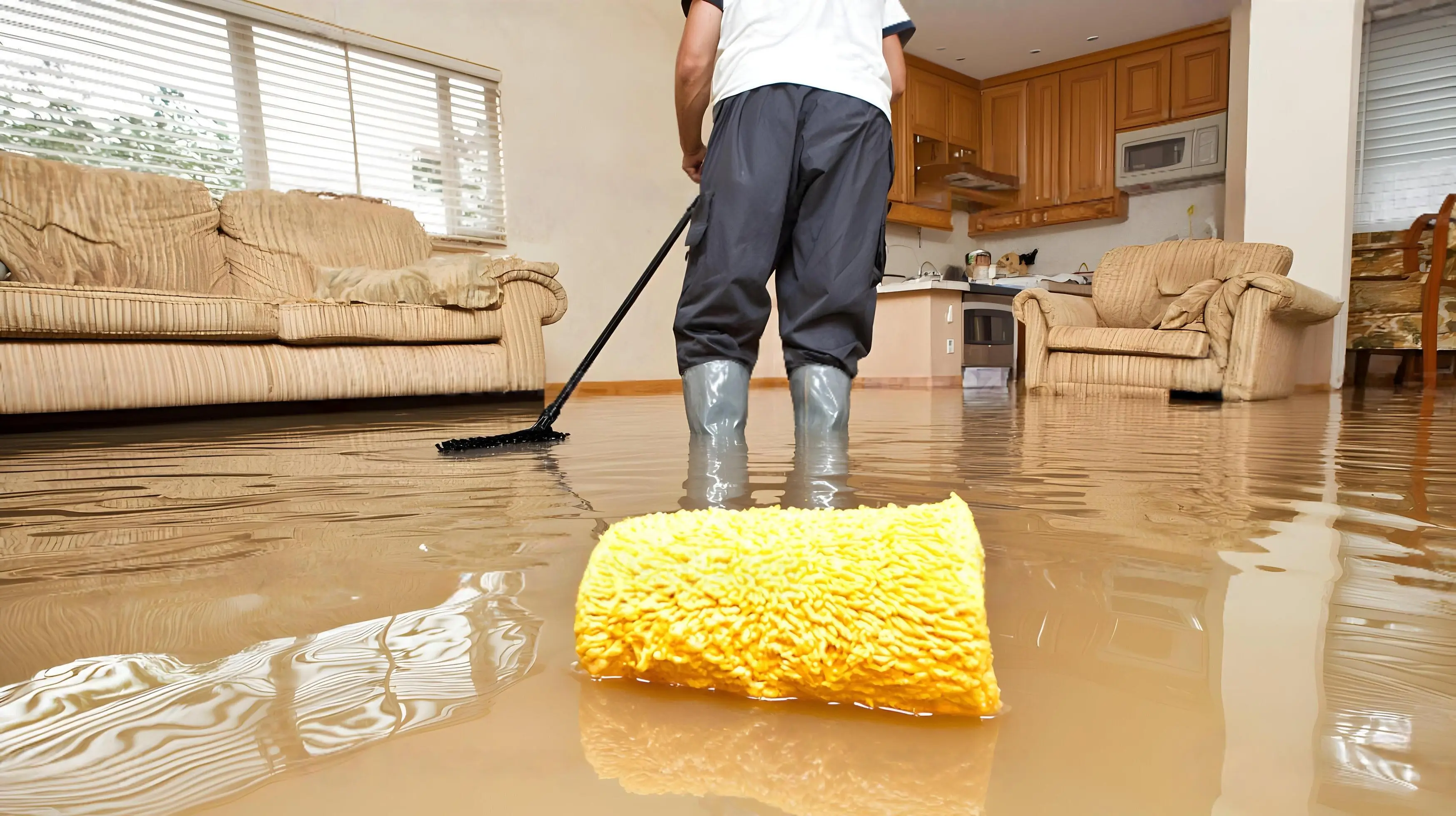
Water Damage Restoration
Burst pipes, storm flooding, standing water. We extract, dry, and restore before mold sets in.
Learn more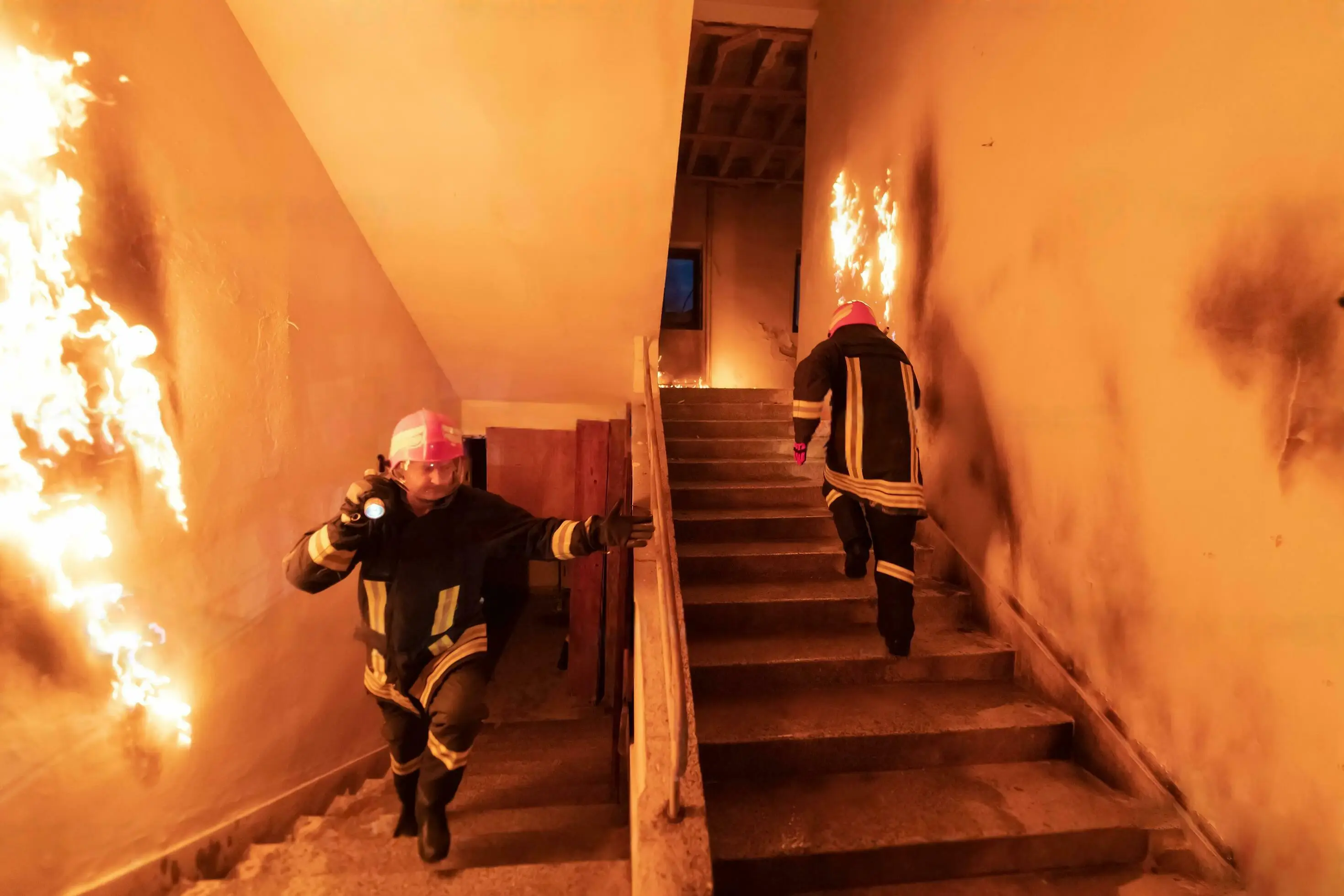
Fire Damage Restoration
Structural damage, soot, debris. We stabilize, clean, and rebuild what fire destroyed.
Learn more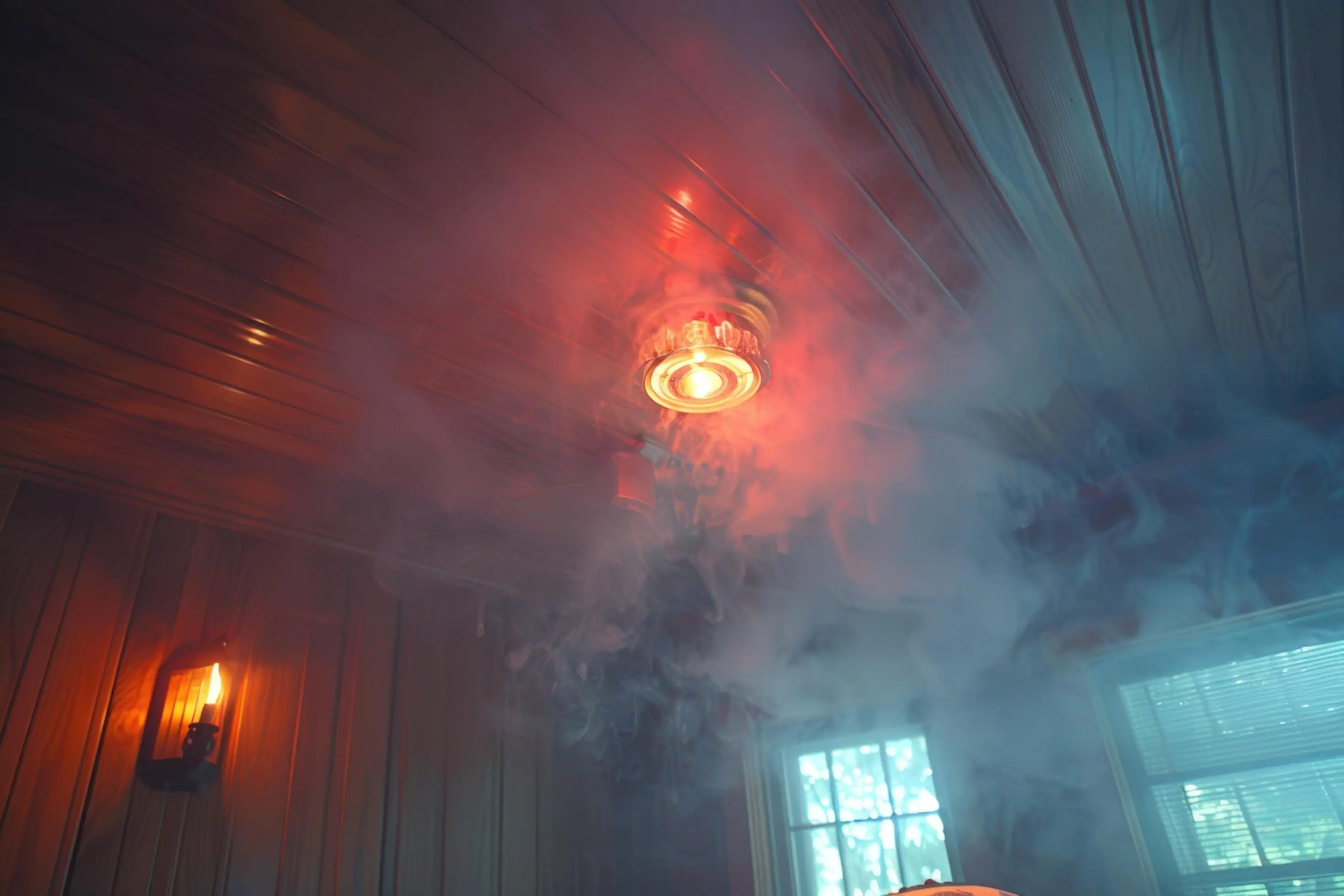
Smoke Damage Restoration
Soot residue, chemical odors, HVAC contamination. We decontaminate surfaces, eliminate odors, and restore air quality.
Learn more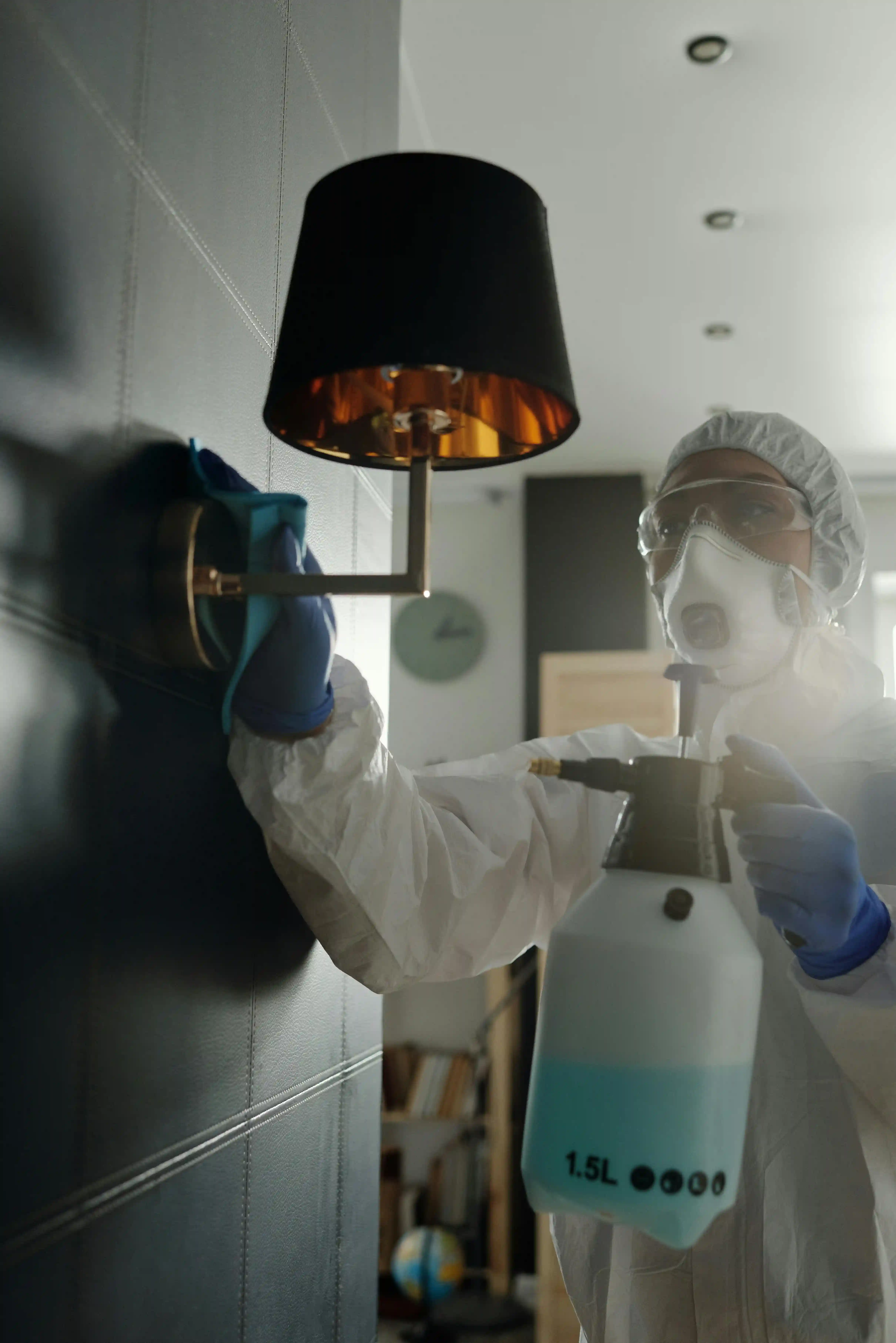
Mold Remediation
Testing, containment, removal, prevention. We find the source, eliminate the growth, and stop it from returning.
Learn more