
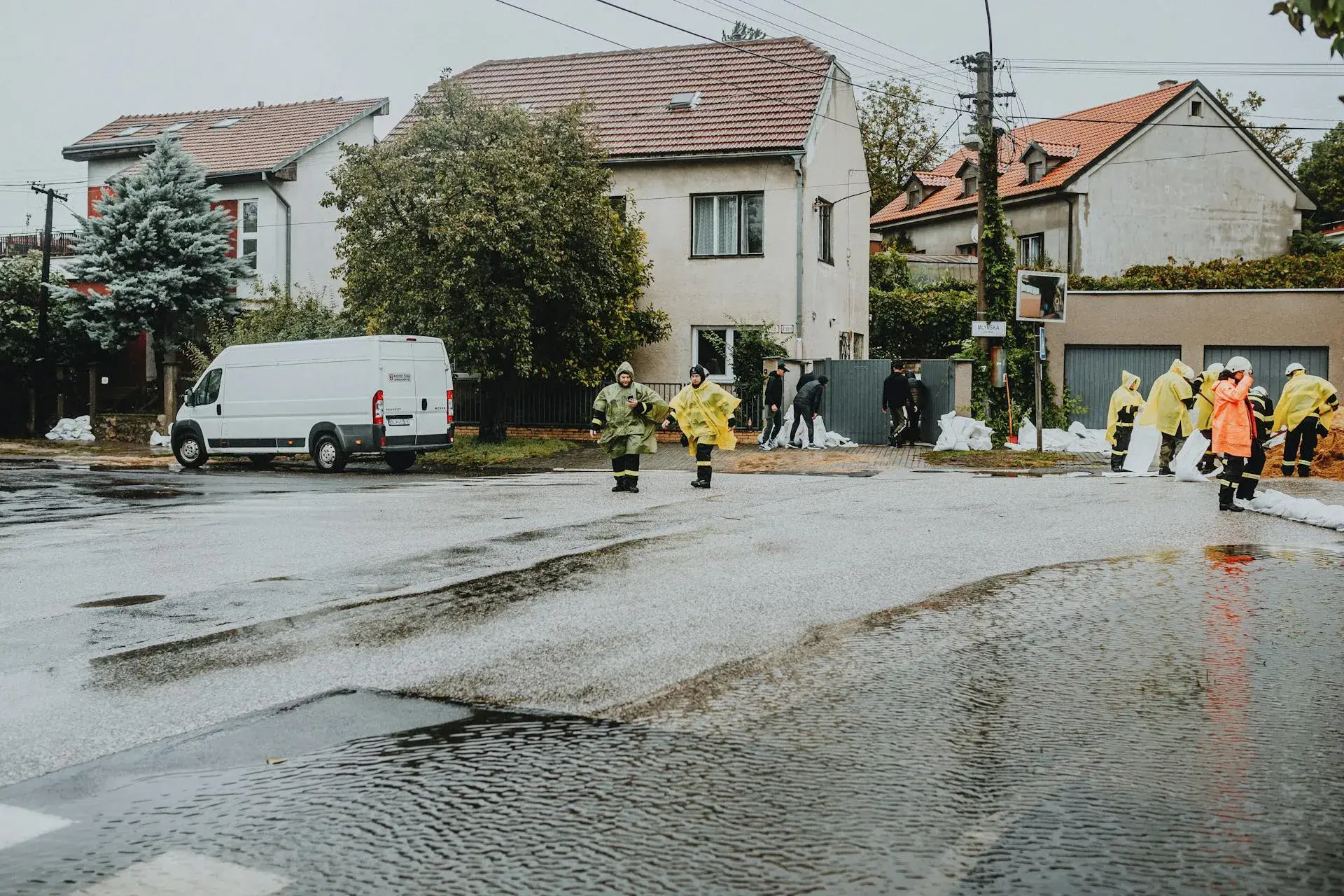
Sewage Cleanup in Prairie Village, KS
Raw sewage carries pathogenic bacteria, viruses, and toxic gases into living areas. Our Prairie Village biohazard response team is on site within 60 minutes.
What Happens When You Call
Your emergency call connects directly to our biohazard response coordinator who dispatches an emergency crew to your Prairie Village address.
Certified technicians arrive within the hour equipped with commercial vacuum extraction units, antimicrobial sanitizers, and containment barriers.
We isolate the backup area from living spaces, establish negative air pressure containment, and extract gross sewage liquids and solid matter.
Contaminated porous materials are safely removed, structural masonry is treated with hospital-grade disinfectants, and drying equipment is activated.
A sanitary sewer backup into your Prairie Village home is an acute biological emergency. Raw sewage is classified as Category 3 black water, containing dangerous viral pathogens, coliform bacteria, parasites, and toxic sewer gases that pose immediate health risks to occupants. X Response provides certified biohazard remediation around the clock. Our technicians arrive in full personal protective equipment (PPE), isolate contaminated zones, extract gross sewage solids, and chemically sanitize affected structural materials to IICRC and OSHA safety standards. Call our Prairie Village sewage emergency response team now.
Why Prairie Village Homes Are Vulnerable to Sewage
Prairie Village's residential neighborhoods were primarily developed during the 1940s and 1950s, with residential properties connected to municipal sewer infrastructure via original vitrified clay or cast iron private service laterals. Most residences feature full basements equipped with floor drains, utility sinks, laundry standpipes, and basement half-baths situated below the street sewer main elevation. In northeast Johnson County, wastewater collection relies on gravity-fed lines and regional pumping stations that convey municipal sewage to regional treatment plants. Because Prairie Village's sewer mains parallel natural drainage basins like Brush Creek, the sanitary collection system is highly vulnerable to stormwater inflow and infiltration during heavy downpours.
Johnson County Wastewater operates the regional collection network serving Prairie Village, directing municipal wastewater to the Nelson facility while offering a voluntary Backup Prevention Program for properties vulnerable to sanitary sewer surcharges. During severe summer thunderstorm clusters, saturated soils and overflowing drainage channels force massive volumes of rainwater into municipal sewer mains through cracked clay pipes, unsealed manholes, and unpermitted private foundation drain ties. When sewer main capacity is exceeded, pressurized wastewater backs up through residential service laterals, discharging raw sewage into Prairie Village basements through floor drains and basement plumbing fixtures. This hazardous black water carries dangerous pathogens, including Escherichia coli, Salmonella, norovirus, and parasitic protozoa, requiring immediate biohazard containment and hospital-grade decontamination.
Inflow and Infiltration (I&I) Along the Brush Creek Basin
The older sanitary sewer collection lines in Prairie Village run parallel to Brush Creek and its secondary drainage swales. During major rainfall events, stormwater rapidly infiltrates aging clay collection pipes through failing joints, root intrusions, and foundation connections. This sudden surge of inflow and infiltration overwhelms municipal conveyance capacity, pressurizing the main lines. Surcharged sewer water seeks the path of least resistance, which is frequently the lowest floor drain or utility sink in an adjacent residential basement.
Vitrified Clay Laterals and Mature Tree Root Blockages
Prairie Village is celebrated for its lush urban canopy of mature pin oaks, elms, and silver maples. However, tree roots aggressively seek subterranean moisture during dry Kansas summer months, infiltrating the unsealed mortar joints of original 1950s vitrified clay service laterals. As roots expand, they catch toilet paper, kitchen grease, and solid waste, creating severe localized obstructions. When high sewage volume passes through the lateral, wastewater reverses direction and floods the basement.
Absence of Backwater Valves in Mid-Century Plumbing
Building codes during the mid-century development of Prairie Village did not mandate the installation of backwater check valves on residential sewer laterals. In an older home without a functioning backwater valve, the basement floor drain serves as an open pressure-relief portal for the municipal sewer system. When the city main fills with surcharged wastewater, nothing prevents black water from rising directly onto finished basement carpets and hardwood floors.
Category 3 Pathogenic Biohazards in Living Spaces
Unlike clean pipe bursts, sewage backups constitute Category 3 black water, which is heavily contaminated with gross bio-contaminants, human waste, industrial chemicals, and medical residues. Pathogens such as Hepatitis A, Clostridium difficile, and Giardia lamblia thrive in organic sewage slurry. Exposure through direct skin contact or inhalation of aerosolized droplet mist can cause severe gastrointestinal and respiratory illnesses, making certified professional PPE and specialized biocides mandatory.
Porous Concrete Foundation Slabs and Capillary Absorption
Poured concrete basement slabs and masonry foundation blocks are naturally porous materials riddled with microscopic capillaries. When raw sewage pools on an unfinished or finished basement floor, bio-contaminants seep deep into the concrete matrix. Simply mopping the surface leaves harmful bacteria and pungent sulfur gas compounds trapped inside the slab, which will continuously off-gas into upper living spaces unless deep-flushed and neutralized with penetrating enzymatic disinfectants.
Managing a sewage backup in Prairie Village requires strict biohazard safety protocols, specialized high-volume extraction, and thorough environmental disinfection. Our IICRC-certified crews stabilize your home, eliminate biohazard threats, and restore safe indoor air quality.
What Happens to Your Home While You Wait
Within 1 Hour
Raw sewage surges from basement floor drains, covering flooring with contaminated black water, fecal matter, and grease. Highly hazardous sewer gases, including hydrogen sulfide and methane, accumulate rapidly in basement spaces, creating toxic inhalation hazards and noxious odors.
1–24 Hours
Bacterial and viral pathogens multiply rapidly in warm basement environments. Porous materials like carpet, pad, baseboards, and lower drywall absorb sewage liquids through capillary action, becoming unsalvageable biohazards. Wood framing absorbs contaminated water, initiating fiber degradation.
24–48 Hours
Fungal spores and dangerous mold colonies germinate on sewage-soaked surfaces. Enteric bacteria penetrate deep into concrete slab pores and subflooring. Toxic aerosolization increases as heating and cooling equipment draws contaminated sewer air into return ductwork.
48–72 Hours
Bacterial colonization reaches peak saturation. Drywall softens and collapses under biological decay. Porous building components that are not removed begin rotting, and strong ammonia and sulfur odors permeate the entire structure, making the home uninhabitable.
One Week and Beyond
Severe structural contamination and biological rot compromise the building's integrity. Subfloors, wall studs, and insulation must undergo hazardous material demolition down to bare masonry. Extensive chemical sanitization, concrete sealing, and total interior rebuild become necessary.
Immediate biohazard extraction stops pathogen spread and protects your family's health. Contact X Response now for 24/7 Prairie Village sewage remediation.
How We Restore Sewage-Damaged Prairie Village Homes
Our biohazard sewage cleanup process follows strict IICRC S500 and OSHA safety protocols to safely eliminate contaminants and restore healthy living conditions.
Biohazard Safety Containment and Hazard Assessment
Our technicians arrive equipped with full OSHA-compliant personal protective equipment, including respirators, biohazard suits, and nitrile gloves. We establish negative air pressure containment around the affected basement area using heavy plastic sheeting and HEPA air scrubbers to prevent airborne bacteria and odors from migrating into clean living quarters.
Gross Sewage Extraction and Contaminant Removal
Using commercial truck-mounted vacuum extraction systems, we rapidly extract liquid black water, raw sewage, and solid organic debris from basement floors. Saturated, unsalvageable porous items, such as carpeting, carpet padding, tack strips, and contaminated drywall, are carefully removed, sealed into heavy biohazard containment bags, and properly transported for disposal.
Deep Cleaning and Structural Pressure Washing
We apply EPA-registered broad-spectrum disinfectants and enzymatic detergents to all affected surfaces. Concrete foundation floors, walls, and structural framing are scrubbed and hot-water pressure washed under controlled containment to flush deeply embedded bio-contaminants from concrete pores and masonry crevices.
Hospital-Grade Antimicrobial Sanitization
Our technicians apply hospital-grade biocides with proven efficacy against E. coli, Salmonella, MRSA, and norovirus. We utilize ultra-low-volume (ULV) cold fogging and electrostatic sprayers to ensure complete antimicrobial coverage in corners, framing voids, and floor-to-wall joints that cannot be reached by hand.
Dehumidification, Odor Neutralization, and Clearance
Commercial low-grain refrigerant (LGR) dehumidifiers and high-velocity air movers are placed to thoroughly dry structural framing and concrete slabs to verified moisture baselines. We deploy thermal foggers and hydroxyl generators to eliminate lingering sewer gas odors, conducting ATP bioluminescence surface testing to certify that all surfaces are biologically sterile.
The X Response Difference
Never risk your family's health with amateur sewage cleanup. X Response delivers certified, safe biohazard restoration.
Insurance Claim Guidance for Prairie Village Homeowners
Sewage backup claims in Kansas are subject to specific insurance policy requirements that differ significantly from standard water damage claims. Basic homeowner insurance policies typically exclude sewer and drain backups unless the homeowner has purchased a dedicated 'Water Backup and Sump Discharge or Overflow' endorsement. When this endorsement is present, coverage usually applies up to a specified limit (often between $5,000 and $25,000) for biohazard extraction, sanitization, and structural repair. We help Prairie Village homeowners navigate these complex claims with detailed technical documentation.
How X Response Helps
- Comprehensive photographic and video evidence documenting sewage depth, entry points, and damaged personal property
- Detailed line-item estimates written in Xactimate adhering to standardized insurance biohazard and Category 3 billing codes
- Thorough cause-and-origin documentation distinguishing between municipal main surcharges and private lateral line failures
- Clear itemized contents loss inventories with disposal manifests for unsalvageable personal belongings
- Direct communication with insurance adjusters to verify policy endorsements, coverage caps, and emergency remediation scopes
X Response delivers certified biohazard remediation services and provides technical loss documentation. We do not act as public adjusters or guarantee insurance coverage. Homeowners should consult their insurance agent to verify their specific sewer backup endorsement limits.
Certified Restoration Specialists Serving Prairie Village
Our sewage and biohazard remediation technicians hold advanced certifications from the Institute of Inspection, Cleaning and Restoration Certification (IICRC), including Water Damage Restoration Technician (WRT) and Applied Microbial Remediation Technician (AMRT), alongside comprehensive OSHA biohazard training. Serving Prairie Village and northeast Johnson County, our team handles severe black water disasters with technical precision, safety discipline, and respect for your home.
We maintain a dedicated fleet of mobile biohazard response units equipped with truck-mounted extraction equipment, commercial air scrubbers, ULV chemical foggers, and full OSHA-grade personal protective gear. When a sewage backup threatens your household, our professionals arrive quickly to secure your environment, extract biohazards, and restore total sanitary safety.
In Prairie Village, X Response works with Best Option Restoration, an independent local restoration partner serving Johnson County.
Sewage Cleanup FAQ for Prairie Village Homeowners
Other Emergency Services in Prairie Village

Water Damage Restoration
Burst pipes, storm flooding, standing water. We extract, dry, and restore before mold sets in.
Learn more
Fire Damage Restoration
Structural damage, soot, debris. We stabilize, clean, and rebuild what fire destroyed.
Learn more
Smoke Damage Restoration
Soot residue, chemical odors, HVAC contamination. We decontaminate surfaces, eliminate odors, and restore air quality.
Learn more
Mold Remediation
Testing, containment, removal, prevention. We find the source, eliminate the growth, and stop it from returning.
Learn moreNearby Service Areas
Also serving nearby: