
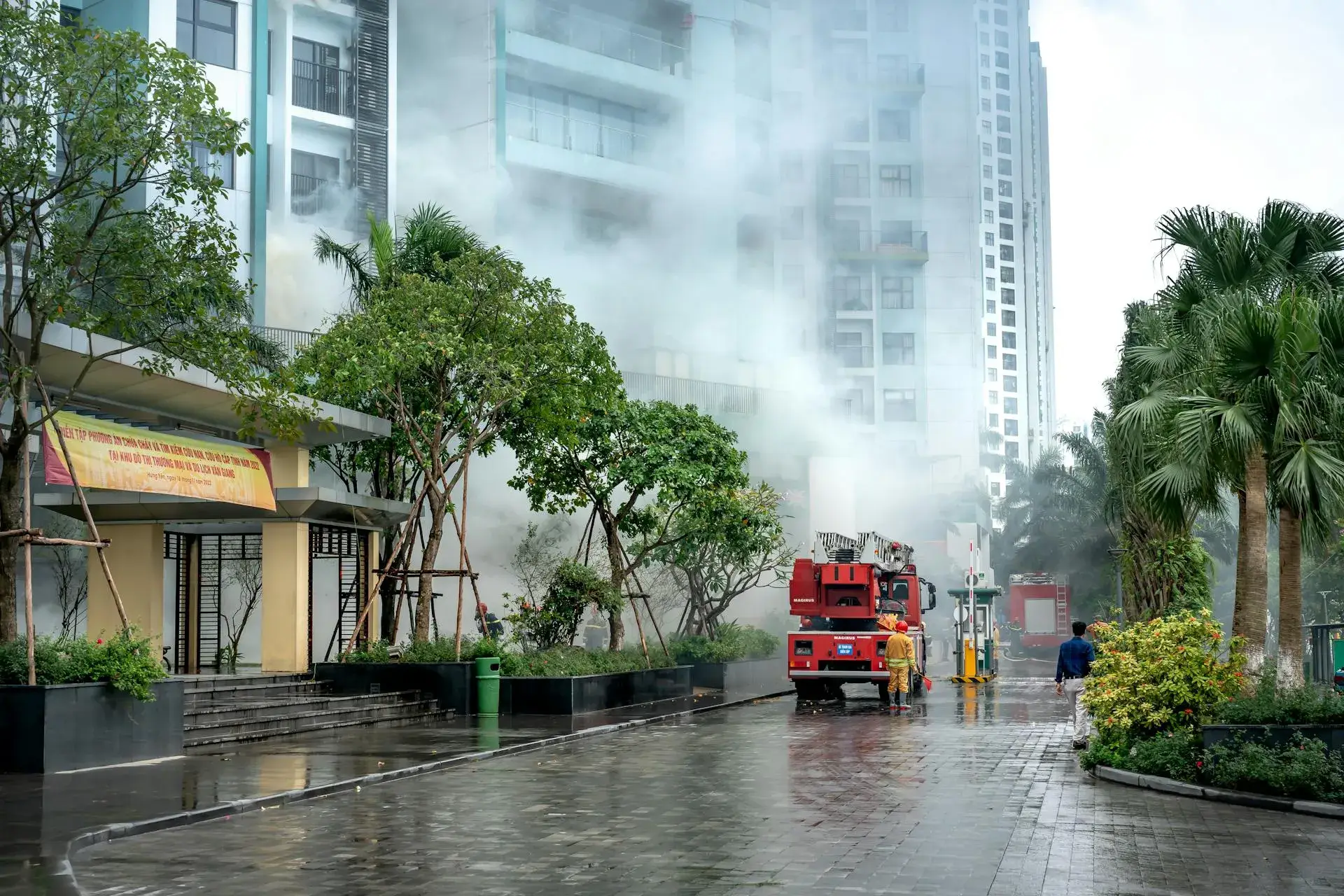
Smoke Damage Restoration in Prairie Village, KS
Smoke particles and toxic combustion gases penetrate drywall and HVAC ducts in hours. Our local Prairie Village team responds within 60 minutes.
What Happens When You Call
Your call connects immediately with our Johnson County emergency response coordinator to evaluate smoke type and dispatch technicians.
Technicians arrive in Prairie Village within the hour to seal off unaffected areas and establish negative air pressure containment.
High-capacity commercial HEPA air scrubbers begin filtering airborne soot particles, microscopic carbon, and volatile organic compounds.
Our team performs comprehensive surface soot cleaning, HVAC duct isolation, and molecular thermal deodorization to eliminate odors permanently.
Smoke damage is deceptive because microscopic soot particles and volatile chemical compounds penetrate deep into building assemblies long after visible flames are extinguished. Even a minor electrical fire or stove incident can push corrosive soot throughout your Prairie Village home, staining walls, corroding electronics, and leaving persistent odors. X Response provides rapid emergency smoke mitigation. We arrive equipped with industrial HEPA air scrubbers, chemical soot removal sponges, and thermal deodorization equipment to arrest chemical degradation and restore healthy indoor air quality. Call our Prairie Village smoke restoration team now.
Why Prairie Village Homes Are Vulnerable to Smoke Damage
Prairie Village consists predominantly of established single-family residential neighborhoods characterized by mid-century ranch and split-level architecture developed during the post-war expansion of northeast Johnson County. A significant majority of these homes utilize centralized forced-air heating and cooling systems with supply and return ductwork routed through basement utility spaces, crawl spaces, and attic chases. When an indoor fire or localized kitchen flare-up occurs, the HVAC blower acts as an unintentional distribution pump, pulling hot combustion gases and airborne carbon soot into the return plenums and forcing microscopic particulates into bedrooms, closets, and finished living areas across the entire home.
The Johnson County Department of Health and Environment monitors regional air quality and issues public health advisories when seasonal prescribed rangeland burns in the Flint Hills elevate fine particulate matter across northeast Kansas communities. While regional agricultural smoke intermittently impacts ambient outdoor air quality throughout Johnson County each spring, indoor structural fire smoke presents an entirely different order of severity. Building fires consume synthetic polymers, petroleum-based carpet fibers, polyurethane foam furniture cushioning, and chemical plastics. This creates dense, acidic soot residues containing toxic polycyclic aromatic hydrocarbons (PAHs) that chemically bond with painted walls, metal finishes, and acoustic ceilings in Prairie Village residences unless neutralized with professional techniques.
Forced-Air HVAC Ductwork Contamination and Circulation
Central heating and air conditioning units in Prairie Village ranch homes circulate thousands of cubic feet of air per minute. If a furnace or air handler cycles during a fire incident, particulate smoke is drawn directly across the evaporator coil, blower wheel, and interior duct lining. Fibrous fiberglass duct wrap and interior acoustic liners absorb chemical smoke compounds like a sponge. Operating the HVAC system after an incident re-contaminates cleaned living areas, making professional duct isolation, negative-pressure vacuuming, and antimicrobial encapsulation mandatory.
Mid-Century Attic Geometry and Open Rafter Penetration
Original J.C. Nichols home designs in Prairie Village feature low-pitch gable and hip roofs with uninterrupted attic spaces stretching above the entire residence. Convective thermal currents drive hot smoke upward through ceiling drywall fixtures, recessed can lights, and attic access hatches. Once inside the attic cavity, smoke spreads horizontally over every ceiling joist, settling deep into blown fiberglass and cellulose insulation. This trapped attic reservoir continually off-gases acrid smoke odors down into living spaces below during warm Johnson County summer afternoons.
Synthetic Resin Combustion and Oily Chemical Soot
Modern home contents differ dramatically from materials burned fifty years ago. Today's furnishings, upholstery, window blinds, and electronic housings consist almost entirely of synthetic chemical compounds. Smoldering synthetic fires burn at lower temperatures, producing wet, oily soot with high resin content. This sticky residue smears and penetrates deeply into porous surfaces when wiped with conventional cleaning products, necessitating specialized chemical sponge dry-cleaning and solvent degreasers.
Thermophoresis Along Exterior Walls and Ceilings
During Kansas winters and cool spring evenings, a steep temperature differential exists between warm interior air and cold exterior wall sheathing in older Prairie Village homes that lack modern exterior insulation. In a phenomenon known as thermophoresis, airborne smoke particulates are naturally repelled by warm air and attracted to cold surfaces. Soot deposits heavily in dark vertical lines along exterior wall framing studs, ceiling corners, and behind picture frames where wall temperatures are coolest.
Porous Drywall and Wood Subfloor Vapor Absorption
Standard gypsum drywall, plaster, and solid wood subflooring found throughout Prairie Village homes possess extensive capillary networks. When smoke pressurizes an interior space, gaseous volatile organic compounds (VOCs) drive into these porous matrices. Standard household primers and paints cannot trap these volatile gases; without molecular thermal fogging and specialized pigmented shellac odor-blocking sealers, smoke odors will persistently leach back into the living environment for months.
Effective smoke restoration in Prairie Village requires moving beyond cosmetic surface cleaning. Our certified technicians address structural soot deposition, ductwork contamination, thermophoretic staining, and deep vapor penetration through a systematic restoration framework.
What Happens to Your Home While You Wait
Within Minutes
Hot smoke rises and spreads into ceiling plenums and HVAC returns. Acidic soot deposits settle on painted drywall, plastic appliance housings, and window frames, initiating chemical yellowing and surface discoloration. Porous fabrics and curtains absorb chemical combustion odors.
1–24 Hours
Acidic residues react chemically with metals, etching polished brass fixtures, tarnishing chrome bathroom fittings, and pitting glass mirrors. Synthetic carpet fibers and upholstery absorb soot oils, making dry vacuuming ineffective. Smoke odors penetrate deeply into porous gypsum drywall and attic insulation.
24–48 Hours
Soot stains become permanent on painted surfaces, laminate countertops, and kitchen cabinetry. Unfinished wood framing inside wall cavities and basements absorbs smoke oils, creating deeply embedded odor reservoirs. Corrosive soot causes irreversible pitting on electronic components.
48–72 Hours
Acidic chemical compounds permanently degrade vinyl window frames, porcelain fixtures, and hardwood finishes. Secondary off-gassing intensifies throughout living areas. Restoration scopes expand from cleaning to replacement of cabinetry, trim, and subflooring.
One Week and Beyond
Embedded smoke odors and corrosive soot cause permanent structural compromise. Gypsum wallboard, attic insulation, and ductwork must be removed and discarded. Total structural encapsulation and extensive material rebuild become mandatory.
Prompt soot neutralization halts chemical etching and saves expensive household finishes. Contact X Response today for 24/7 smoke restoration in Prairie Village.
How We Restore Smoke-Damaged Prairie Village Homes
Our comprehensive smoke remediation protocol follows strict IICRC standards to restore indoor air quality and eliminate structural soot.
Emergency Air Scrubbing and Source Containment
We immediately establish negative air pressure containment zones to prevent soot and combustion odors from migrating into clean areas of your Prairie Village home. High-capacity HEPA air scrubbers equipped with activated carbon filters run continuously to capture airborne particulates and volatile organic compounds.
Detailed Chemical Soot Surface Cleaning
Our technicians identify the exact soot type, whether dry, wet, or protein-based, and select specialized chemical counter-measures. We use vulcanized natural rubber dry chemical sponges to lift dry soot without smearing, followed by targeted alkaline solutions and HEPA vacuuming on walls, ceilings, and woodwork.
Comprehensive HVAC and Air Duct Decontamination
We seal supply and return registers, disconnect furnace blowers, and clean ductwork under continuous negative pressure using high-velocity rotary brushes and HEPA collection systems. Air handling components and coils are chemically sanitized, and duct interiors are treated with antimicrobial odor-neutralizing encapsulants.
Molecular Odor Destruction via Thermal Fogging and Hydroxyls
To eliminate odors trapped deep within structural framing, we deploy commercial thermal fogging units that vaporize solvent-based deodorizers into microscopic droplets matching the exact micron size of original smoke particles. We also run industrial hydroxyl generators that safely break down organic odor molecules in occupied spaces.
Surface Sealing and Final Indoor Air Certification
Where structural framing experienced direct smoke impingement, we apply specialized odor-blocking primers such as pigmented shellac or solvent-based sealers to lock in any remaining traces permanently. We conduct comprehensive particle and air quality testing to verify your Prairie Village home is fully restored and safe.
The X Response Difference
Choose proven technical remediation over cosmetic cover-ups. X Response delivers clean, safe, and permanently deodorized living spaces.
Insurance Claim Guidance for Prairie Village Homeowners
Smoke damage claims require detailed technical documentation demonstrating that microscopic soot has compromised structural and air quality components beyond visible charred areas. Property insurance policies typically cover the cost of professional soot cleaning, structural deodorization, duct sanitization, and contents pack-out. However, adjusters require clear proof of soot distribution and thermal migration patterns. We assist Prairie Village homeowners by providing comprehensive diagnostic documentation that satisfies insurance adjusters.
How X Response Helps
- Digital soot wipe testing and surface particulate documentation proving the presence of combustion residues in unaffected rooms
- Standardized Xactimate line-item estimates itemizing every surface cleaning, deodorization phase, and ductwork remediation step
- Comprehensive photographic evidence capturing thermophoretic staining, attic rafter soot, and HVAC coil contamination
- Detailed contents inventories distinguishing between salvageable hard goods, textile items requiring dry-cleaning, and total loss items
- Direct technical consultations with insurance adjusters during on-site inspections to review required odor elimination scopes
X Response delivers certified mitigation services and prepares comprehensive loss documentation. We do not act as public insurance adjusters or negotiate claim settlements. Property owners should consult their insurance carrier regarding policy limits, deductibles, and covered perils.
Certified Restoration Specialists Serving Prairie Village
Our smoke restoration team holds advanced credentials from the Institute of Inspection, Cleaning and Restoration Certification (IICRC), including Fire and Smoke Restoration Technician (FSRT) and Odor Control Technician (OCT). Serving Prairie Village and northeast Johnson County, our technicians understand the construction nuances of classic mid-century homes and modern infill properties.
We operate specialized mobile remediation trailers stocked with high-output HEPA air filtration equipment, thermal foggers, hydroxyl generators, and industrial surface cleaning products. We treat your property with technical precision and care, restoring a healthy, odor-free living environment for your family.
In Prairie Village, X Response works with Best Option Restoration, an independent local restoration partner serving Johnson County.
Smoke Damage Restoration FAQ for Prairie Village Homeowners
Other Emergency Services in Prairie Village
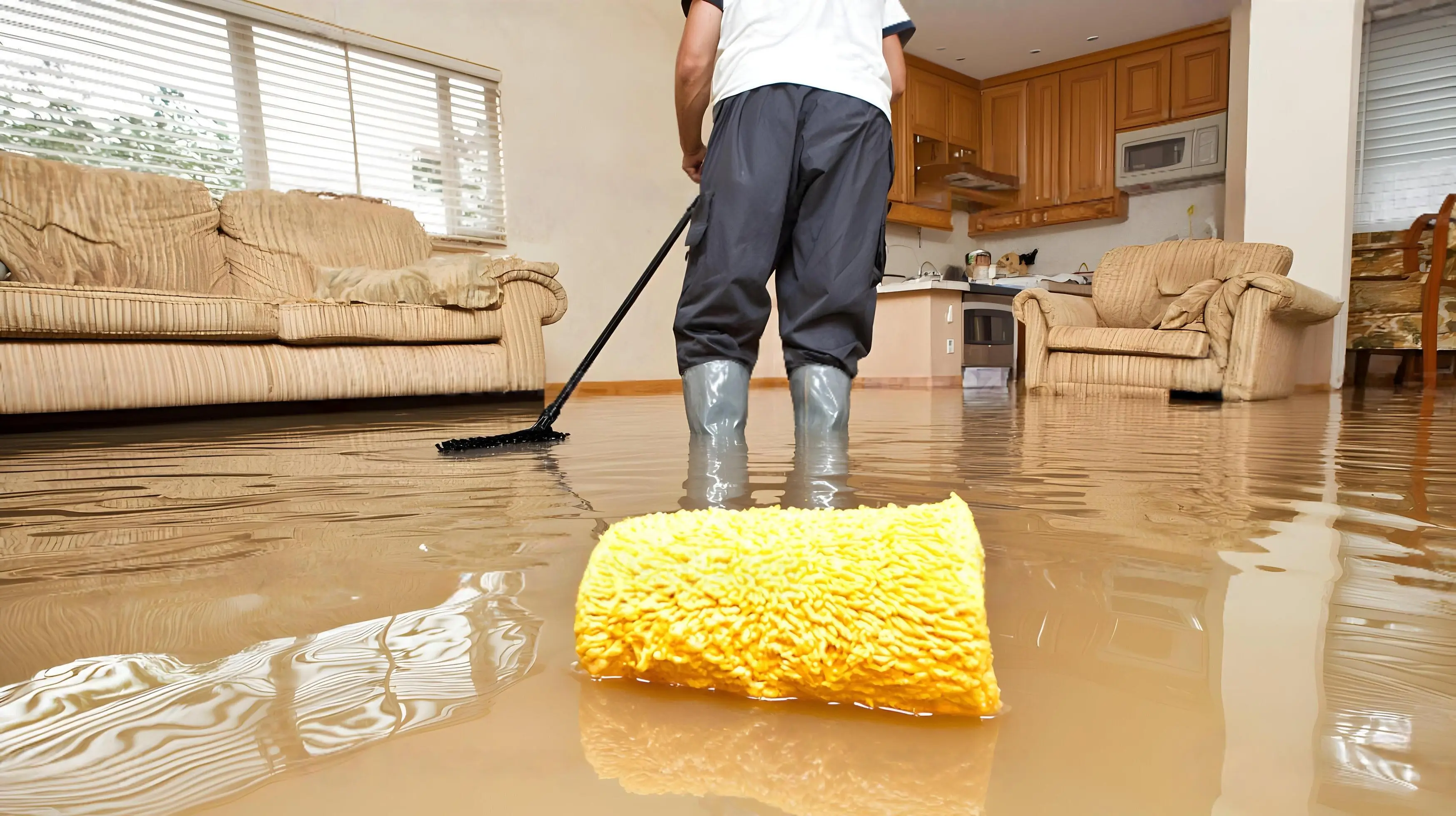
Water Damage Restoration
Burst pipes, storm flooding, standing water. We extract, dry, and restore before mold sets in.
Learn more
Fire Damage Restoration
Structural damage, soot, debris. We stabilize, clean, and rebuild what fire destroyed.
Learn more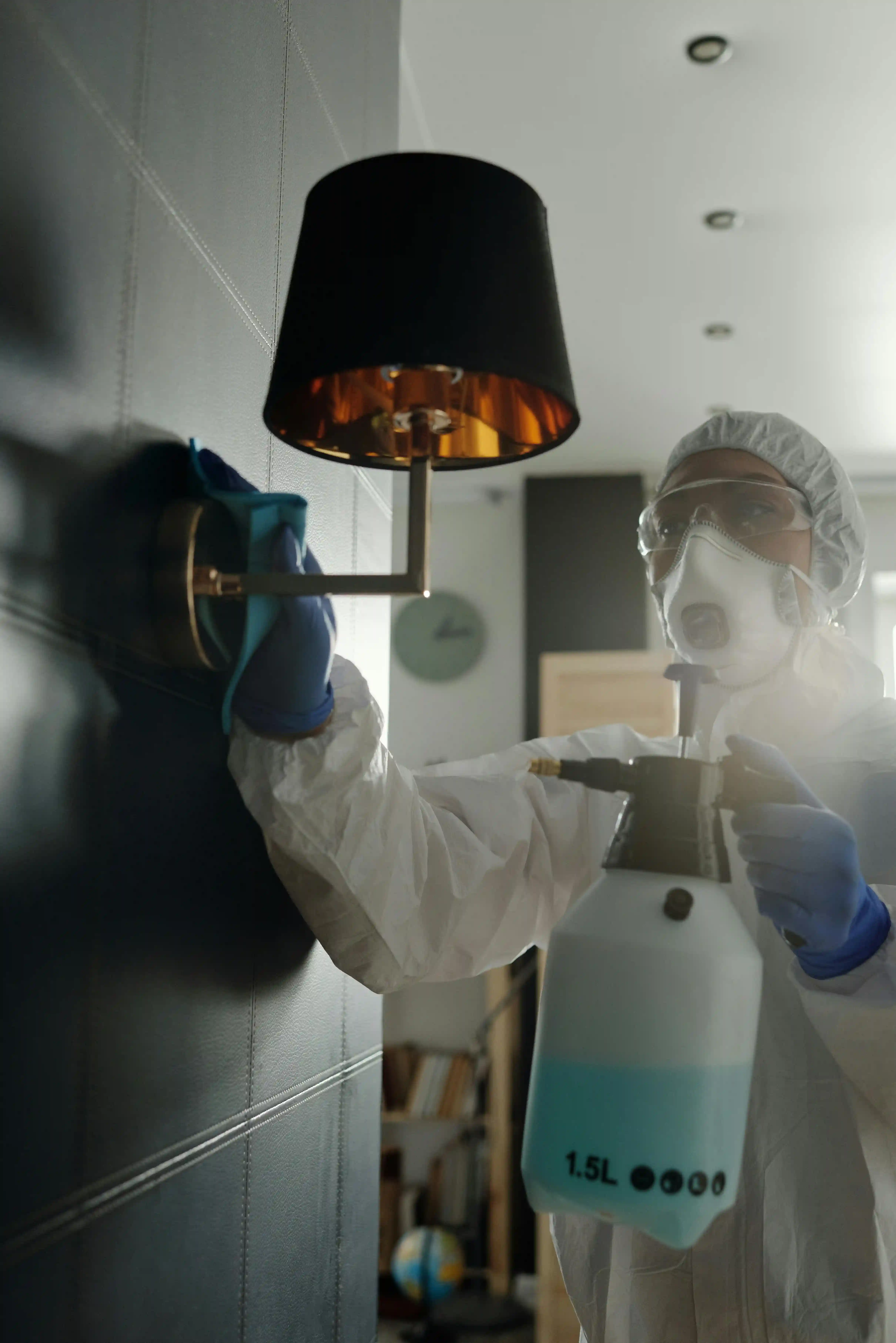
Mold Remediation
Testing, containment, removal, prevention. We find the source, eliminate the growth, and stop it from returning.
Learn more
Sewage Cleanup
Sewer backups, contaminated water, biohazard. We extract, sanitize, and restore safely.
Learn moreNearby Service Areas
Also serving nearby: