
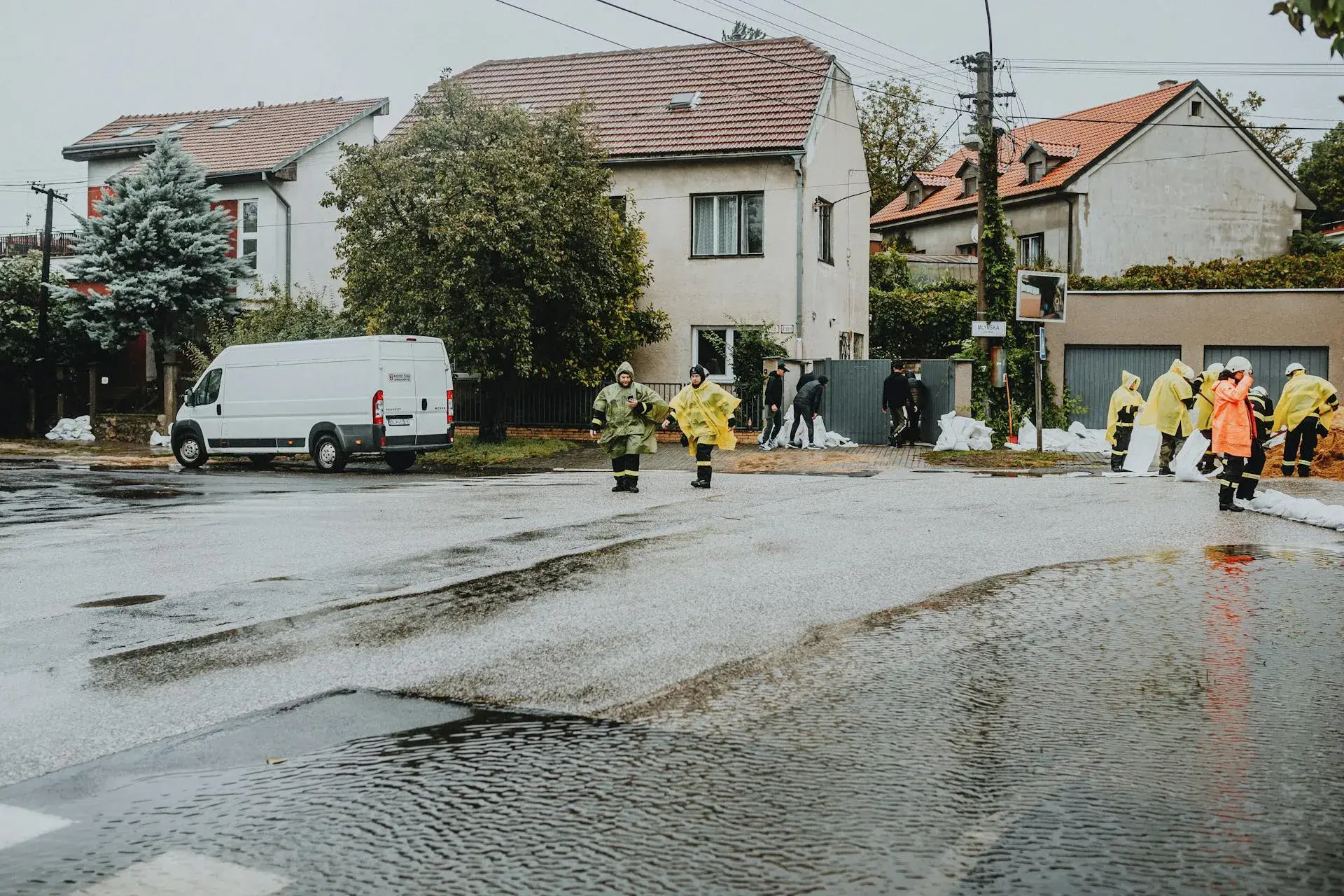
Sewage Cleanup in Madison, TN
Sewage contamination is a biohazard that threatens your family's health every minute it remains in your home. Our local team responds to Madison sewage emergencies within 60 minutes.
What Happens When You Call
A real person answers, not a call center. We assess the sewage source, determine the contamination extent, and begin coordinating your emergency response immediately.
Your dedicated sewage cleanup team is dispatched from our local base serving Madison and northeast Davidson County.
Team arrives with extraction equipment, personal protective equipment, containment materials, and biohazard disposal supplies. Emergency extraction begins immediately.
Sewage extracted, contaminated materials identified for removal, initial sanitization applied, restoration plan documented. You know exactly what comes next.
Raw sewage in your home is not a plumbing inconvenience. It is a Category 3 biohazard containing bacteria, viruses, parasites, and chemical contaminants that pose immediate health risks to anyone in the space. Every minute it sits, it soaks deeper into flooring, baseboards, drywall, and structural materials, expanding the contamination zone and the demolition required to make your home safe again. X Response exists for exactly this moment. When you reach out, your emergency team is mobilized within minutes. Call now. Your team is standing by.
Why Madison Homes Are Vulnerable to Sewage
Madison's sewage exposure is defined by the aging infrastructure of Metro Water Services and the regulatory history that forced its overhaul. Metro Water Services historically discharged more than 200 million gallons of untreated sewage annually into the Cumberland River and its tributaries through sanitary sewer overflows and combined sewer overflows before the Clean Water Nashville consent decree was entered in March 2009. The U.S. Department of Justice, EPA, and Tennessee Department of Environment and Conservation brought enforcement action against the Metropolitan Government of Nashville and Davidson County, resulting in a consent decree that committed the county to between $300 million and $400 million in initial improvements, a figure that has since grown to more than $2 billion in capital investment with a compliance deadline extended to December 2031. That infrastructure work is ongoing, which means portions of Davidson County's sewer system, including aging lines serving Madison, remain in various states of upgrade, rehabilitation, and replacement.
For Madison homeowners, this aging system translates into a specific set of risks. The sanitary sewer lines serving the community include segments that predate the 1963 consolidation of Nashville and Davidson County governments, installed when Madison was an independent community with its own infrastructure standards. These older vitrified clay and cast-iron lines are susceptible to root intrusion, joint separation, bellying and low spots that collect sediment, and structural failure from soil movement and traffic loading. When these lines partially or fully obstruct, sewage backs up through the lowest drain in the home: basement floor drains, first-floor bathtubs, shower stalls, and toilets. During heavy rain, infiltration and inflow overwhelm the already-stressed system, and the backup risk increases across the entire service area simultaneously.
Clean Water Nashville Consent Decree and Ongoing Infrastructure Work
The March 2009 consent decree between the United States, Tennessee, and Metro Nashville committed Davidson County to eliminating unauthorized sanitary sewer overflows and controlling combined sewer overflows through more than $2 billion in system improvements. The decree has been amended and the compliance deadline extended to December 2031, meaning the work is ongoing. Metro Water Services is systematically rehabilitating and replacing aging sewer mains, upgrading pump stations, and separating combined sewers across the county. For Madison residents, this means portions of the local sewer system are still awaiting upgrade. Until the work reaches every aging segment, the same failure modes that caused the original 200-million-gallon annual discharge remain present in unrehabbed pipe: root intrusion, joint failures, structural collapse, and capacity limitations during heavy rain. The consent decree does not protect individual homes from backup; it drives system-level improvements that reduce the frequency of overflows over time.
Aging Sanitary Sewer Lines and Root Intrusion
Madison's sanitary sewer infrastructure includes lines installed in the 1950s and 1960s when the community was developing as a suburb outside Nashville's then-city limits. Many of these original lines are vitrified clay pipe with mortar joints that deteriorate over decades. Tree roots, which seek moisture at pipe joints, penetrate the deteriorating mortar and grow inside the line, creating partial blockages that trap solids and progressively restrict flow. Madison's mature tree canopy, which is one of the community's residential assets, is also one of its sewer liabilities. A partially obstructed main line may function adequately during normal dry-weather flow but cannot handle the additional volume during heavy rain, at which point sewage backs up through service laterals into homes at the lowest elevation on the line. The homeowner's lateral from the house to the main is typically the homeowner's responsibility, but a main-line obstruction causes backup through every lateral connected to it.
Storm-Driven Infiltration and Inflow (I&I)
During heavy rainfall, groundwater and stormwater enter the sanitary sewer system through cracked pipes, deteriorated joints, illegal stormwater connections, and manhole covers that sit below grade in ponding areas. This infiltration and inflow (I&I) can multiply the volume in the sanitary system several times beyond its dry-weather capacity. When the system surcharges, sewage mixed with stormwater backs up through the lowest fixtures in homes along the affected segment. Madison's proximity to the Cumberland River and Neely's Bend means the local water table rises during sustained rain, increasing groundwater infiltration into aging pipes. The May 2010 flood overwhelmed the entire Metro sewer system, and heavy rain events continue to cause localized surcharging in unrehabbed portions of the system. Homes near low points in the sewer network, which often correspond to the low points in the street topography, are most vulnerable to storm-driven backup.
Crawl Space Contamination from Below-Grade Drains
Many Madison homes built in the 1950s and 1960s have below-grade plumbing fixtures that are particularly vulnerable to sewer backup. Floor drains in crawl spaces, utility sinks in basements, and first-floor fixtures that sit at or below the elevation of the sewer main create the path of least resistance when the system surcharges. Sewage enters through these low-point fixtures and spreads across the crawl space, saturating the vapor barrier, pooling against foundation walls, and contacting floor joists and subfloor sheathing from below. Because crawl spaces in these older homes are often not inspected regularly, the backup may go unnoticed until the homeowner smells it or discovers the contamination during a crawl space inspection for another issue. By that point, contaminated materials have been soaking for hours or days, and the remediation scope extends well beyond simple extraction.
Lateral Line Failures and Homeowner Responsibility
The sewer service lateral, the pipe that connects your home's internal plumbing to the Metro Water Services main in the street, is the homeowner's responsibility to maintain and repair in Davidson County. In Madison's older neighborhoods, these laterals are the same age as the main lines: 60 to 70 years old, constructed of clay or cast iron, and subject to the same root intrusion, joint deterioration, and structural failure. When a lateral partially collapses or becomes root-choked, sewage cannot exit the home and backs up through the lowest drain. Unlike a main-line surcharge that affects multiple homes simultaneously, a lateral failure affects only your home, and the repair cost, which can run $5,000 to $15,000 or more for excavation and replacement, falls entirely on the homeowner. Insurance coverage for lateral line failure depends on your specific policy and any optional endorsements you carry.
These factors create a layered sewage risk for Madison homes. The system-level infrastructure is still undergoing the multi-billion-dollar upgrade mandated by the 2009 consent decree. The local lines serving Madison include unrehabbed 1950s and 1960s pipe susceptible to root intrusion and joint failure. Heavy rain drives infiltration that surcharges the system and backs sewage into homes at low-elevation fixtures. Crawl space homes with below-grade drains take the contamination in the most hidden, hardest-to-reach space beneath the home. And the homeowner's own lateral may be the point of failure, carrying no system-level protection at all. Effective sewage cleanup in Madison requires understanding whether the contamination source is a main-line surcharge, a lateral failure, a fixture backup, or storm-driven overflow, because the source determines the health risk category, the contamination extent, the cleanup protocol, and who bears the cost.
What Happens to Your Home While You Wait
Within 1 Hour
Raw sewage spreads across the lowest surfaces: crawl space floors, basement slabs, first-floor bathrooms. It soaks into carpet, padding, baseboards, and any porous material at floor level. Pathogens including E. coli, Salmonella, hepatitis A, and parasites are immediately present in the contaminated water. The air above the sewage begins carrying harmful bacteria and viral particles. The space is a biohazard zone from the moment sewage enters.
1–24 Hours
Sewage wicks into drywall, migrating upward above the waterline. Subfloor and carpet padding absorb contaminated water and become unsalvageable. In Madison's crawl spaces, sewage saturates the vapor barrier, pools against floor joists, and contacts insulation. Bacterial multiplication accelerates in the warm, organic-rich environment. The contamination boundary expands beyond the original wet area as capillary action draws sewage into adjacent materials.
24–48 Hours
All porous materials contacted by sewage are now classified as unsalvageable and must be removed: carpet, pad, drywall to above the wicking line, baseboards, any insulation. Mold colonization begins on organic materials in the humid, nutrient-rich environment that sewage creates. In Davidson County's warm climate, bacterial and fungal growth accelerates compared to cooler, drier regions. The scope of demolition expands with every hour of delay.
48–72 Hours
Mold growth becomes established on structural framing, subfloor sheathing, and any remaining organic materials. The combination of sewage contamination and mold creates a dual remediation requirement. Odor permeates structural materials and becomes extremely difficult to eliminate without aggressive treatment. Structural wood in contact with sewage begins degrading as microbial activity breaks down cellulose. The project has shifted from cleanup to demolition and rebuild.
One Week and Beyond
Extensive microbial contamination of structural materials. Wood rot at connection points. Persistent pathogenic risk in any materials not professionally removed and sanitized. The home is uninhabitable and requires full Category 3 remediation: removal of all affected porous materials, structural sanitization, antimicrobial treatment, and verification testing before reconstruction begins. Costs multiply and the timeline extends to weeks.
Sewage is Category 3 contamination from the moment it enters your home. Every hour of delay expands the demolition zone and health exposure. Contact X Response now. Our Madison team responds within 60 minutes.
How We Restore Sewage-Damaged Madison Homes
Sewage cleanup is not water damage restoration with extra steps. It is biohazard remediation governed by strict safety protocols, contamination categories, and disposal regulations. Here is how we handle sewage emergencies in Madison homes.
Safety Assessment and Source Control
Our team arrives in full personal protective equipment appropriate for Category 3 biohazard exposure. Before extraction begins, we identify the sewage source and determine whether it is still active. If a main-line surcharge is causing ongoing backup, we work with Metro Water Services to report the surcharge and take measures to prevent continued inflow. If the source is a lateral failure or fixture backup, we isolate the affected plumbing. No cleanup proceeds while the source is still actively introducing contamination. We assess the structure for electrical hazards in standing sewage and shut off circuits as needed for safe operation.
Contaminated Water Extraction
Standing sewage is extracted using truck-mounted and portable equipment designed for contaminated water. Unlike clean-water extraction, sewage requires separate collection and disposal through approved facilities rather than discharge to storm drains. For Madison homes with crawl space contamination, we deploy submersible pumps and low-clearance extraction tools that reach beneath floor joists. All extracted material is handled as biohazardous waste. The extraction phase removes the bulk contamination, but the materials it contacted cannot be saved through drying alone. Category 3 water requires material removal.
Contaminated Material Removal
All porous materials contacted by sewage are removed: carpet, pad, drywall to at least 12 inches above the visible waterline (to account for wicking), baseboards, insulation, and any other absorbent materials that took contaminated water. In crawl spaces, the vapor barrier is removed, contaminated insulation between joists is pulled, and any stored items are disposed of. Materials are bagged inside the contaminated zone and disposed of according to Davidson County biohazardous waste regulations. Structural framing, concrete, and other non-porous surfaces remain in place for sanitization. This demolition phase is aggressive by necessity: no porous material that absorbed sewage can be salvaged regardless of how clean it appears after drying.
Structural Sanitization and Antimicrobial Treatment
Once contaminated materials are removed, all remaining structural surfaces are sanitized using EPA-registered antimicrobial agents effective against the pathogen categories present in raw sewage. In crawl spaces, this means treating every accessible joist face, sill plate, subfloor surface, and foundation wall. For living spaces above, it means treating wall studs, sole plates, and subfloor after drywall and flooring removal. HEPA air scrubbers run throughout the process to capture airborne contaminants. The treatment kills residual pathogens on structural surfaces and prepares the space for drying and eventual reconstruction.
Drying, Verification, and Clearance
After sanitization, the structure is dried using commercial dehumidifiers and air movers following the same protocols as clean-water structural drying. Davidson County's humid climate makes mechanical dehumidification essential. Once moisture readings return to acceptable levels, the space is assessed for residual contamination through visual inspection and, when required, microbial surface testing. Clearance confirms the space is safe for reconstruction and occupancy. We provide documentation of the entire process, including extraction volumes, materials removed, antimicrobial products applied, final moisture readings, and clearance results, all formatted for your insurance claim.
The X Response Difference
Sewage cleanup is biohazard remediation. It requires training, protocols, equipment, and verification that go far beyond normal water damage restoration. X Response provides the full scope under one team.
Insurance Claim Guidance for Madison Homeowners
Sewage backup insurance coverage in Tennessee is not included in standard homeowner's policies by default. It typically requires a specific endorsement, often called 'sewer and drain backup' or 'water backup' coverage, added to the base policy. If you have this endorsement, it generally covers cleanup and restoration costs from sewage that backs up through your drains, subject to the endorsement's sublimit which may range from $5,000 to $25,000. If you do not have this endorsement, the full cost of cleanup and restoration falls on you regardless of whether the backup was caused by your own lateral, a main-line surcharge, or a system-wide overflow during heavy rain. Many Madison homeowners do not discover this coverage gap until they have sewage in their home.
How X Response Helps
- Determine immediately whether your policy includes sewer/drain backup or water backup endorsement coverage
- Document the backup source and timing, as coverage may differ between your lateral failing and a Metro main-line surcharge
- Photograph all contaminated areas before any material removal begins, including crawl space conditions
- Track all emergency mitigation costs separately as these may be covered even if the endorsement sublimit is low
- Request a copy of your declarations page showing endorsement limits before authorizing full restoration scope, so you understand your out-of-pocket exposure
X Response does not file claims on your behalf, adjust claims, or make coverage determinations. We provide documentation and guidance to help you make informed decisions about your property and your policy. Coverage decisions are made solely by your insurance carrier.
Certified Restoration Specialists Serving Madison
When you contact X Response for sewage cleanup in Madison, your team is drawn from certified professionals trained in Category 3 biohazard remediation. They understand Metro Water Services' infrastructure in northeast Davidson County, including which segments are aging pre-consent-decree pipe susceptible to surcharging during heavy rain. They have worked through main-line backup events affecting multiple homes simultaneously, individual lateral failures in Madison's 1950s housing, crawl space contamination from below-grade drain backups, and storm-driven combined sewer overflow events. They know that sewage cleanup in this community means accessing crawl spaces beneath older homes, not just extracting from finished living space above.
Every technician is trained in OSHA bloodborne pathogen protocols, EPA hazardous waste handling, and IICRC water damage restoration with specialization in Category 3 contamination. Equipment includes truck-mounted extraction for contaminated water, submersible crawl space pumps, full PPE for biohazard environments, HEPA air scrubbers, commercial dehumidifiers, and antimicrobial application systems. When the team arrives, they are prepared for the full scope of biohazard remediation from entry to clearance.
In Madison, X Response works with Tennessee Water and Fire, an independent local restoration partner serving Davidson County.
Sewage Cleanup FAQ for Madison Homeowners
Other Emergency Services in Madison
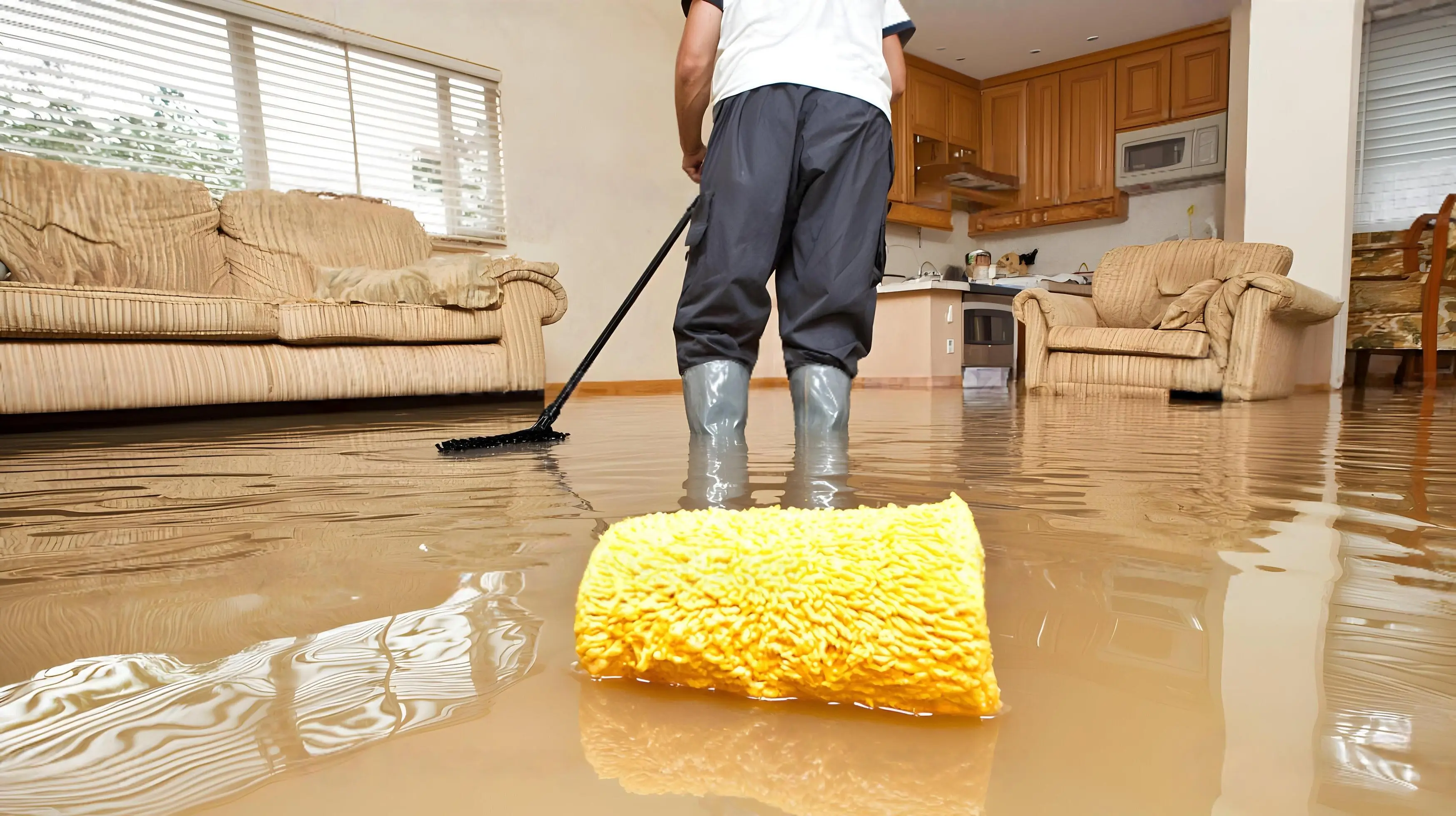
Water Damage Restoration
Burst pipes, storm flooding, standing water. We extract, dry, and restore before mold sets in.
Learn more
Fire Damage Restoration
Structural damage, soot, debris. We stabilize, clean, and rebuild what fire destroyed.
Learn more
Smoke Damage Restoration
Soot residue, chemical odors, HVAC contamination. We decontaminate surfaces, eliminate odors, and restore air quality.
Learn more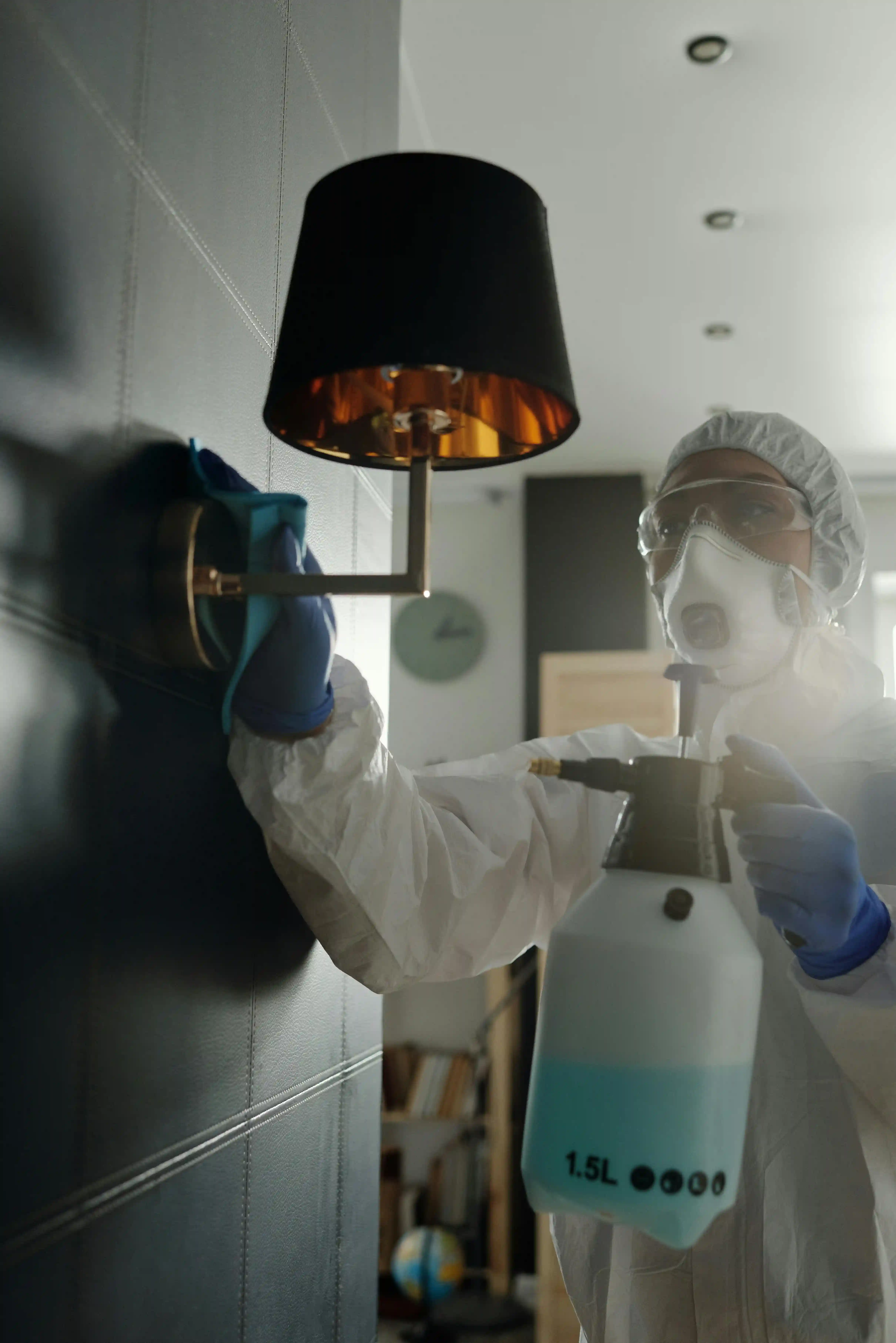
Mold Remediation
Testing, containment, removal, prevention. We find the source, eliminate the growth, and stop it from returning.
Learn moreNearby Service Areas
Also serving nearby: