
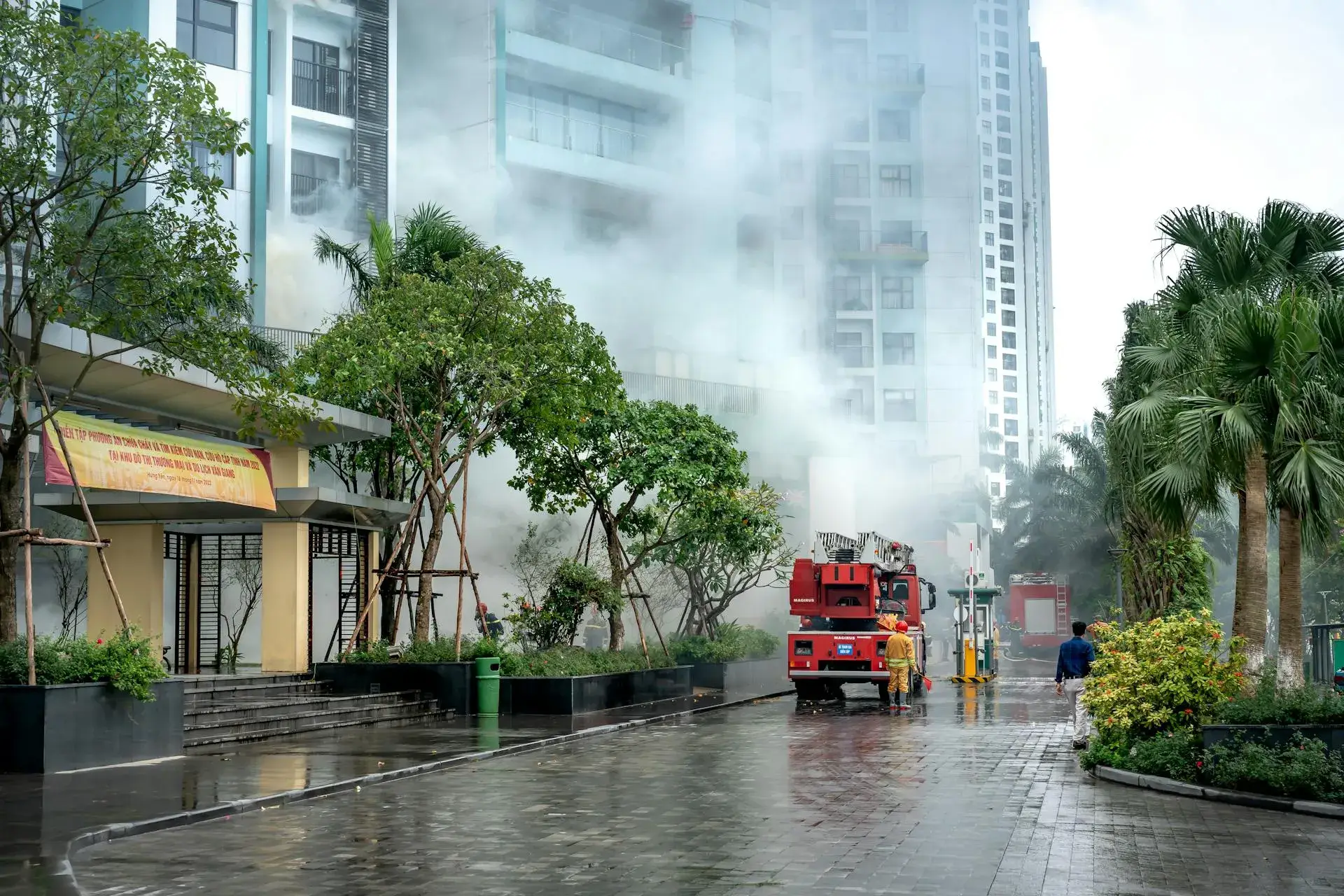
Smoke Damage Restoration in Mableton, GA
Smoke residue acidifies on surfaces within hours, causing permanent staining and corrosion. Odor penetrates deeper into materials with every passing day. Our local team responds to Mableton emergencies within 60 minutes.
What Happens When You Call
A real person answers, not a call center. We assess your situation, identify the smoke source type, and begin coordinating your response immediately.
Your dedicated restoration team is dispatched from our local base serving Mableton and the surrounding south Cobb County communities.
Team arrives with air scrubbers, soot removal equipment, odor treatment systems, and air quality testing tools. Assessment and mitigation begin immediately.
Damage extent mapped, soot stabilized on critical surfaces, air scrubbers running, restoration plan documented. You know exactly what comes next.
Smoke damage does not stop when the visible haze clears. Soot particles are acidifying on your surfaces right now, bonding to finishes, corroding metals, and driving odor molecules deeper into every porous material in the structure. Whether the source is a neighboring house fire, a wildfire smoke event, or a commercial fire along the Mableton Parkway corridor, the damage progression is the same: it gets worse with every hour of inaction. X Response exists for this moment. When you reach out, your restoration team is mobilized within minutes. Call now. Your team is standing by.
Why Mableton Homes Are Vulnerable to Smoke Damage
Mableton's smoke damage exposure comes from two distinct categories: structure fires within the community and regional atmospheric smoke events that affect the entire metro Atlanta area. In June and July 2023, Canadian wildfire smoke drifted south across the eastern United States and triggered multiple Code Orange air quality alerts for metro Atlanta, including Cobb County. The Georgia Environmental Protection Division warned that outdoor air had become unhealthy for sensitive groups as fine particulate matter (PM2.5) exceeded safe thresholds for consecutive days. Georgia Tech's School of Earth and Atmospheric Sciences documented that PM2.5 levels exceeded 55 micrograms per cubic meter south of Atlanta during the event. For Mableton residents, that smoke infiltrated homes through HVAC systems drawing outside air, open windows, gaps around doors and windows, and attic ventilation paths, depositing fine particulate on interior surfaces and embedding odor in soft furnishings, carpet, and ductwork throughout the home.
Structure fires within Mableton create a more concentrated but geographically limited smoke exposure. The March 2024 grease fire at the Upland Townhomes on Mableton Parkway sent heavy smoke through three connected units and deposited particulate across neighboring properties downwind. The July 2024 Registry Oaks Lane house fire produced a smoke plume that affected adjacent homes in the subdivision. Along the Mableton Parkway commercial corridor, a fire at any of the retail, warehouse, or restaurant spaces can send smoke across parking lots and into the HVAC intakes of neighboring businesses and nearby residential streets. Each smoke source, whether wildfire, grease fire, electrical fire, or synthetic-material structure fire, deposits a different soot chemistry that requires a different restoration approach.
The 2023 Canadian Wildfire Smoke Event and Regional Air Quality
The summer of 2023 demonstrated that smoke damage in Mableton does not require a local fire. Canada's record-breaking wildfire season burned more than 40 million acres and sent smoke plumes thousands of miles south into the continental United States. Metro Atlanta, including all of Cobb County, experienced multiple days of degraded air quality between June and July 2023. The Georgia Environmental Protection Division issued Code Orange alerts warning that conditions were unhealthy for sensitive groups, and monitors recorded fine particulate levels well above the EPA's 12-microgram safe threshold. For Mableton homes, the extended smoke exposure meant that fine particulate infiltrated through every pathway available: HVAC fresh air intakes, bathroom and kitchen exhaust backdrafts, window and door gaps, soffit vents that connect to attic spaces, and any penetration in the building envelope. Unlike a brief exposure, the multi-day duration of the 2023 event allowed particulate to accumulate on surfaces, embed in fabrics, and coat HVAC system components including filters, coils, and ductwork. Residents who ran their systems during the event distributed wildfire particulate throughout their entire home.
Structure Fire Smoke Migration in Attached Dwellings
Mableton's concentration of townhouse and apartment communities along the Parkway corridor creates a specific smoke damage pattern: fire in one unit sends smoke through shared structural pathways into adjacent units that fire never physically touched. The March 2024 Upland Townhomes fire demonstrated this when heavy smoke from a grease fire traveled through party wall cavities, shared attic space, and connected mechanical chases into neighboring units. Occupants of those adjacent units may not have seen flames, but their properties absorbed soot deposits, embedded odor, and particulate contamination that requires professional restoration. In these attached structures, smoke follows the path of least resistance through every gap in the fire separation: electrical and plumbing penetrations, gaps at top plates where walls meet the attic, HVAC connections that pass through shared chases, and any deterioration in the party wall assembly. The smoke damage in secondary units is real and measurable even when it is not immediately visible.
Commercial Corridor Smoke Exposure Along Mableton Parkway
Mableton Parkway anchors the community's commercial activity with a dense mix of retail, restaurant, warehouse, and service businesses. When fire occurs at any of these commercial properties, the smoke plume affects a radius that typically includes neighboring businesses and residential streets within a few hundred yards downwind. Commercial fires often burn materials with aggressive soot chemistry: synthetic merchandise, petroleum-based packaging, industrial chemicals, rubber, and plastics that produce acrid, heavily particulate smoke carrying compounds far more corrosive than wood-smoke alone. Properties downwind receive soot deposition on exterior surfaces, and any property with HVAC intakes facing the smoke source draws contaminated air directly into the duct system and distributes it throughout the building. Restaurant kitchen fires along the corridor produce protein-based soot, the most adhesive and difficult-to-clean type, which bonds to surfaces on contact and requires specialized alkaline cleaning chemistry.
HVAC Systems as Smoke Distribution Networks
Modern homes and businesses in Mableton rely on forced-air HVAC systems that cycle air continuously through the building. During any smoke event, whether a local structure fire or a regional wildfire episode, the HVAC system becomes the primary pathway for distributing smoke particulate throughout the entire structure. The system draws air from return registers in every room, passes it through a filter that cannot capture the finest smoke particles (standard residential filters do not stop PM2.5), and redistributes contaminated air through supply ducts to every space in the building. The ductwork itself accumulates soot deposits on interior surfaces, and the evaporator coil's wet surface captures and holds particulate that then grows biological contamination. Even after the smoke source is gone, a contaminated HVAC system continues redistributing embedded particulate and odor every time it cycles, re-contaminating cleaned surfaces and keeping odor active indefinitely.
Thermal Dynamics and Smoke Penetration in Residential Structures
Smoke penetrates buildings by exploiting pressure differentials created by temperature differences between indoor and outdoor air. In Mableton's hot summers, air conditioning creates negative pressure zones around windows, doors, and wall penetrations that draw outdoor smoke inward. During cooler months, the stack effect pulls warm interior air upward and draws outdoor air in at lower levels. These pressure dynamics mean that smoke from any external source, whether a neighbor's house fire or regional wildfire haze, will infiltrate a building through gaps that homeowners may not realize exist: the gap beneath exterior doors, window frame joints, plumbing and electrical penetrations, dryer vents, range hood exhaust dampers that do not seal completely, and the envelope gaps common in older construction. The longer the exposure duration, the more particulate accumulates. Brief exposure from a passing smoke plume may deposit negligible residue, but multi-day events like the 2023 wildfire smoke or extended structure fires produce cumulative loading that requires professional remediation.
These factors create Mableton's smoke damage landscape: regional wildfire events that infiltrate entire neighborhoods through building envelopes and HVAC systems for days at a time, structure fires in attached dwellings that send smoke through shared pathways into adjacent units, commercial fires along the Parkway corridor that deposit aggressive soot chemistry on downwind properties, HVAC systems that distribute and redistribute particulate throughout buildings, and thermal pressure dynamics that pull smoke through every gap in the structure. Effective smoke restoration in Mableton requires identifying the smoke source to determine soot chemistry, tracing every migration pathway to find hidden deposits, and addressing the HVAC system as both a distribution network and a contamination reservoir.
What Happens to Your Home While You Wait
Within 1 Hour
Soot particles settle on surfaces and begin chemical reactions with whatever they contact. Acidic compounds in smoke residue start etching metal finishes, reacting with paint and varnish, and bonding to porous surfaces through electrostatic attraction. The longer particles sit undisturbed, the harder they bond. In Mableton's humid air, moisture on surfaces accelerates the acid reaction between soot and the materials beneath it. Fabrics, upholstery, and carpet absorb smoke odor molecules that embed deeper with each passing hour. Surfaces that are easily cleanable right now become permanently stained within the day.
1–24 Hours
Soot residue acidifies further and begins permanently discoloring porous materials: grout, natural stone, unfinished wood, and light-colored fabrics show staining that surface cleaning cannot fully reverse. Smoke odor migrates into wall cavities, attic insulation, and behind built-in fixtures as temperature differentials pull contaminated air into cooler enclosed spaces. Chrome, nickel, and brass fixtures pit visibly as acid attacks the plating. Electronics exposed to smoke particulate begin malfunctioning as residue bridges circuit connections and corrodes solder joints. HVAC systems that continue running distribute particulate to every supply register in the building.
24–48 Hours
Corrosion on metal surfaces progresses from cleanable tarnish to permanent pitting that requires refinishing or replacement. Soot that was removable with proper technique at 6 hours has now bonded permanently to carpet fibers, upholstery fabric, and porous wall surfaces. Odor molecules have penetrated through drywall into insulation cavities where surface treatments cannot reach them. In Mableton's humid climate, the moisture content of indoor air accelerates every chemical reaction between soot and surfaces. The restoration scope expands significantly as more materials cross the line from professional cleaning to replacement.
48–72 Hours
Smoke odor has permeated the building envelope: insulation, sheathing, framing cavities, and any porous material in the structure now carries embedded odor that surface cleaning cannot address. HVAC ductwork that operated during or after the smoke event has accumulated internal deposits that will continue redistributing odor and particulate for months. Corrosion on appliance components, plumbing fixtures, and electrical connections reaches levels requiring component replacement. The project transitions from cleaning to a combination of cleaning, material removal, and odor treatment of structural cavities.
One Week and Beyond
Permanent staining throughout porous surfaces. Deep odor embedding that requires thermal fogging, hydroxyl treatment, or ozone to reach concealed cavities. Extensive corrosion on metals, electronics, and appliance components. HVAC system requires full professional cleaning or component replacement. What could have been a surface cleaning project in the first 24 hours becomes invasive restoration requiring material removal, cavity treatment, and system replacement. Insurance documentation becomes more complex as the carrier questions whether timely response could have limited the loss.
Smoke damage is progressive and invisible deterioration. The surfaces that look the same today will be permanently stained tomorrow. Contact X Response now. Our Mableton team responds within 60 minutes.
How We Restore Smoke-Damaged Mableton Homes
From the moment our team arrives, every step is documented, measured, and verified. Here is exactly what professional smoke damage restoration involves for Mableton properties.
Source Identification and Damage Assessment
Our team identifies the smoke source because it determines every subsequent decision. Wildfire smoke (wood-based particulate, fine PM2.5) requires different treatment than structure fire soot (may contain synthetic compounds, metals, and aggressive acids), which differs again from kitchen grease fire residue (protein-based, sticky, alkaline-cleaning required). We map the full extent of smoke penetration through the property using visual inspection under varied lighting, particulate testing on surfaces, and HVAC system inspection. For Mableton properties affected by the regional 2023 wildfire smoke event, assessment includes every room the HVAC system served, because the ductwork distributed particulate uniformly. For structure fire exposure from a neighboring property, we trace the migration pathway and identify where smoke entered and how far it traveled. Documentation begins immediately with photos, residue samples, and a written scope.
Air Filtration and Environment Control
Before any cleaning begins, we establish air filtration throughout the affected space using commercial HEPA air scrubbers that capture particulate down to 0.3 microns. This prevents cleaning activity from redistributing soot into the air and onto already-clean surfaces. HVAC systems are shut down and sealed at registers to prevent the duct system from recirculating contaminated air during restoration. In Mableton's humid climate, we also control humidity to prevent moisture from accelerating the acid reactions between soot and surfaces during the cleaning period. The air scrubbers run continuously throughout the project, filtering the indoor environment while each surface is cleaned sequentially.
Soot and Residue Removal
Cleaning proceeds from the least contaminated areas toward the most affected, preventing cross-contamination as we work. Each surface receives treatment matched to both the soot chemistry and the material type. Wildfire particulate on hard surfaces responds to HEPA vacuuming followed by wet-wiping with appropriate solutions. Protein-based soot from grease fires requires alkaline cleaning agents and mechanical agitation. Synthetic soot from structure fires may require solvent-based approaches on non-porous surfaces and removal of porous materials that cannot be cleaned. We test our method on inconspicuous areas first to confirm it removes residue without damaging the underlying finish. Textiles, upholstery, and soft goods are evaluated individually: some respond to professional cleaning, others require replacement based on contamination depth and material porosity.
HVAC Decontamination
The HVAC system receives dedicated attention because it both received and distributed smoke contamination. We inspect the full system: return and supply ductwork, the air handler cabinet, blower assembly, evaporator coil, and filter housing. Ductwork is cleaned using mechanical agitation and HEPA-filtered vacuum to remove deposited particulate from interior surfaces. The evaporator coil is cleaned with appropriate solutions because its wet surface traps and holds particulate that standard duct cleaning misses. The blower wheel and housing accumulate deposits that reduce efficiency and continue releasing particulate into airflow. Once the system is clean, we install high-efficiency filtration and verify that supply air is particle-free before returning the system to operation. For severe contamination, ductwork sections may require replacement rather than cleaning.
Odor Elimination and Verification
Surface cleaning removes visible soot but does not eliminate odor molecules that have penetrated into porous materials and concealed cavities. We deploy odor treatment matched to the specific challenge. Thermal fogging sends heated deodorizing agents into wall cavities, attic spaces, and structural voids by following the same pathways smoke used to enter those spaces. Hydroxyl generators provide continuous occupied-space odor treatment through photocatalytic oxidation that breaks down odor molecules without evacuating the building. For severe cases in sealed unoccupied spaces, ozone treatment provides molecular-level odor destruction. We verify results through post-treatment air quality assessment and occupant confirmation over multiple days, because some odor conditions only manifest under certain temperature and humidity conditions. The job is not complete until odor is eliminated, not masked.
The X Response Difference
When you contact X Response for smoke damage in Mableton, you get a team that understands soot chemistry, smoke migration physics, and the HVAC systems that turn a localized event into a whole-building problem. Complete restoration, not surface treatment.
Insurance Claim Guidance for Mableton Homeowners
Smoke damage insurance coverage depends on the source. Smoke from a covered peril, such as a fire at your property or a neighbor's fire, is generally covered under standard homeowner's policies including cleaning, material replacement, and temporary housing if needed. Wildfire smoke infiltration during a regional air quality event occupies grayer territory: some carriers cover it as wind-driven particulate, others classify it as an air pollution exclusion. The 2023 Canadian wildfire smoke event was unprecedented in Georgia, and carriers are still developing consistent positions on coverage for interior smoke damage from regional atmospheric events. For Mableton properties receiving secondary smoke from a neighbor's structure fire, documentation of the source event and the migration pathway is critical because the claim must demonstrate causation between the covered fire and the damage to your property.
How X Response Helps
- Document the smoke source clearly: structure fire (covered peril), neighbor's fire (covered as secondary damage), or regional wildfire event (coverage varies by carrier)
- Photograph and catalog all soot deposits, staining, and affected materials with before-and-after evidence throughout the restoration
- Document the smoke migration pathway with particulate testing to establish causation between the source event and damage to your property
- Record HVAC contamination with photos of duct interior, coil condition, and filter loading as evidence of infiltration extent
- Track all affected contents with photos and condition documentation for contents claims separate from structural restoration
X Response does not file claims on your behalf, adjust claims, or make coverage determinations. We provide thorough documentation and professional guidance to help you navigate the claims process. Coverage decisions are made solely by your insurance carrier.
Certified Restoration Specialists Serving Mableton
When you contact X Response for smoke damage in Mableton, your restoration team is drawn from certified professionals who work across south Cobb County and understand the specific smoke exposure patterns this community experiences. They have restored properties affected by the 2023 wildfire smoke event, where particulate infiltrated entire neighborhoods through HVAC systems and building envelopes over multiple days. They have cleaned secondary smoke damage in townhouse communities along Mableton Parkway where fire in one unit sent soot through shared structural pathways. They understand the difference between protein soot from a kitchen fire, synthetic soot from a structure fire, and the fine wood-smoke particulate from wildfire events, because each requires different chemistry, different equipment, and different technique.
Every technician on your team holds current IICRC certification in fire and smoke restoration and carries appropriate Georgia state licensing. Equipment includes commercial HEPA air scrubbers, thermal fogging systems, hydroxyl generators, ozone generators for sealed spaces, specialized cleaning chemistry for each soot type, and professional air quality testing instruments. When your team arrives, they bring everything needed to begin assessment and mitigation immediately, because smoke damage compounds with every hour of delay.
In Mableton, X Response works with Atlanta's Best Restoration, an independent local restoration partner serving Cobb County.
Smoke Damage Restoration FAQ for Mableton Homeowners
Other Emergency Services in Mableton
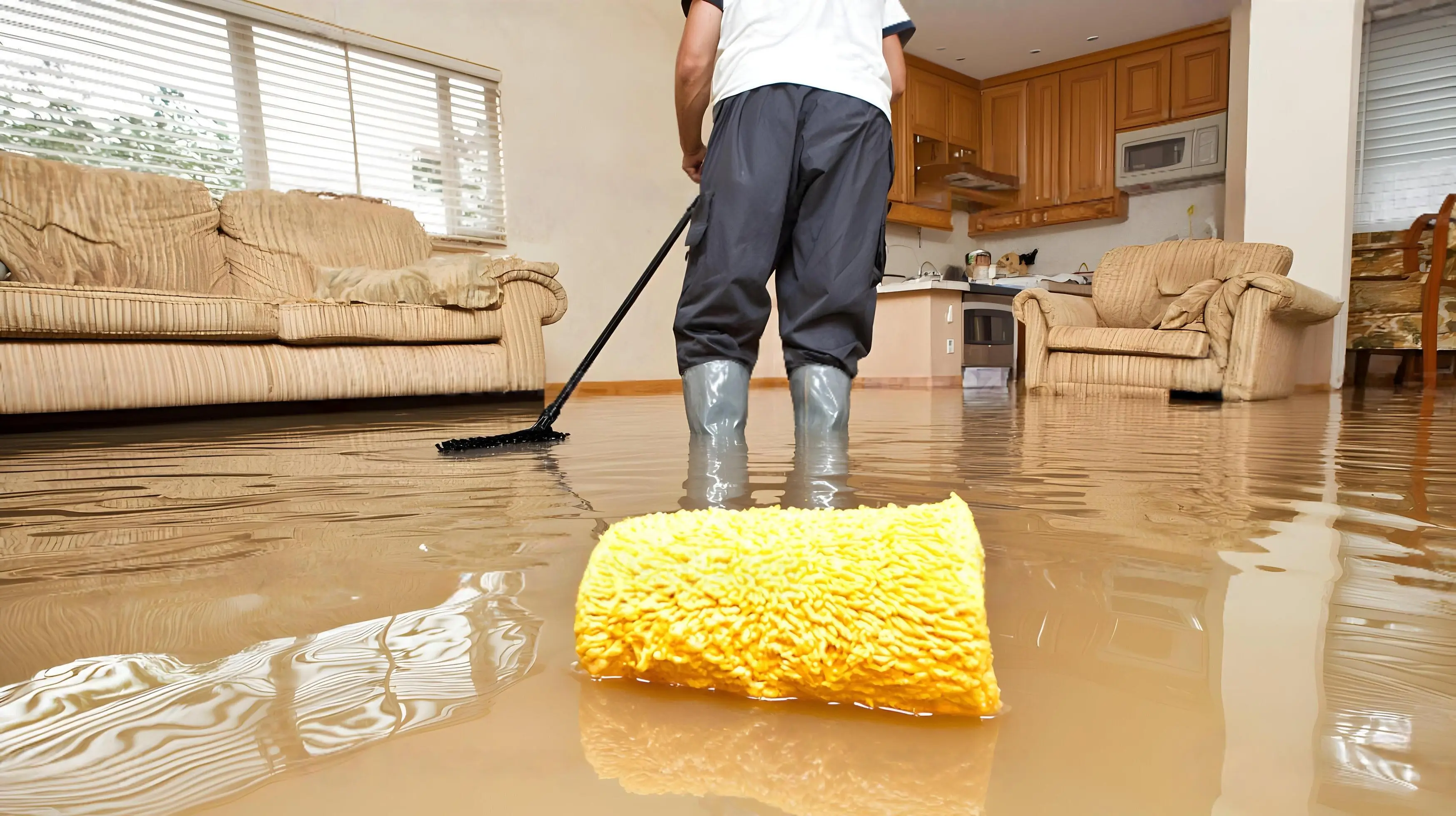
Water Damage Restoration
Burst pipes, storm flooding, standing water. We extract, dry, and restore before mold sets in.
Learn more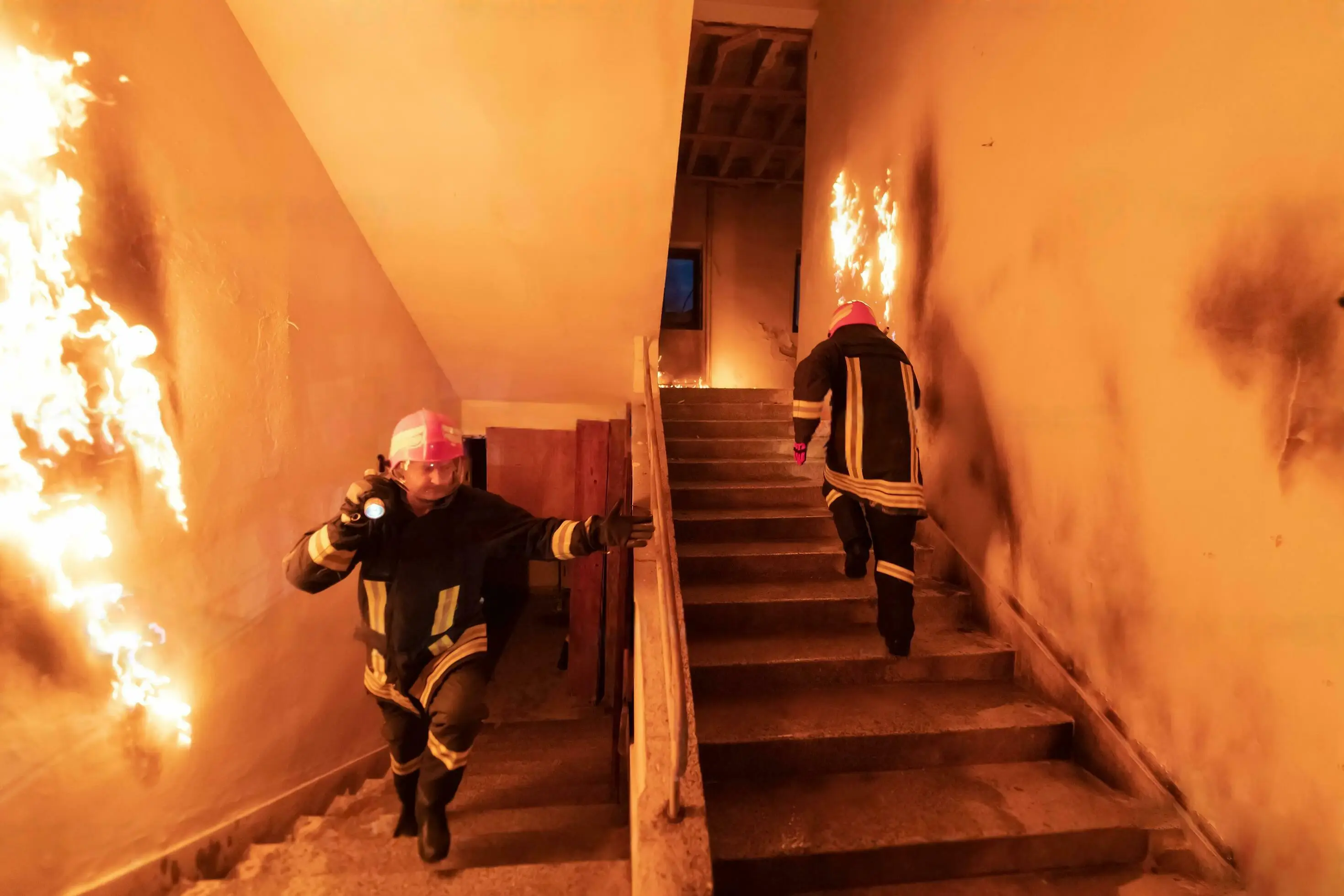
Fire Damage Restoration
Structural damage, soot, debris. We stabilize, clean, and rebuild what fire destroyed.
Learn more
Mold Remediation
Testing, containment, removal, prevention. We find the source, eliminate the growth, and stop it from returning.
Learn more
Sewage Cleanup
Sewer backups, contaminated water, biohazard. We extract, sanitize, and restore safely.
Learn more