
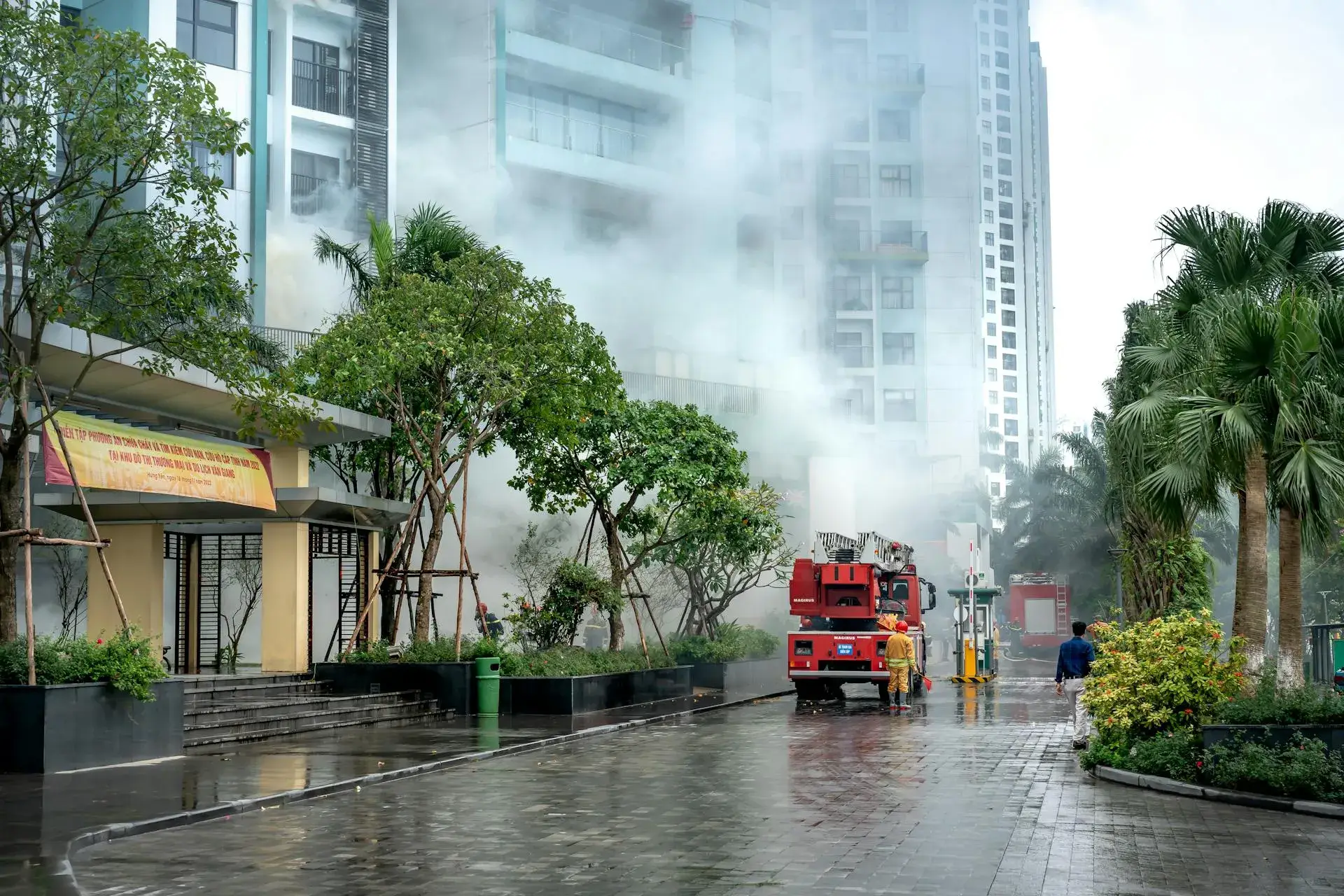
Smoke Damage Restoration in Morton Grove, IL
Smoke residue corrodes surfaces and embeds deeper into your home every hour it remains. Our local team responds to Morton Grove emergencies within 60 minutes.
What Happens When You Call
A real person answers, not a call center. We assess your situation, determine the smoke source and severity, and begin coordinating your response immediately.
Your dedicated restoration team is dispatched from our local base serving Morton Grove and the surrounding Cook County communities.
Team arrives with HEPA filtration, professional soot-removal equipment, thermal fogging systems, and air quality monitoring tools. Assessment and mitigation begin immediately.
Damage mapped, cleaning priorities established, restoration plan documented. You know exactly what comes next.
Smoke has infiltrated your home and every hour it remains, the damage gets worse. Soot corrodes metal, yellows paint, and bonds permanently to surfaces if not addressed quickly. Whether the source is a structure fire next door, a furnace malfunction, or wildfire smoke that penetrated your home during a regional air quality event, the restoration process requires professional equipment and techniques that household cleaning cannot replicate. X Response exists for exactly this moment. Call now. Your team is standing by.
Why Morton Grove Homes Are Vulnerable to Smoke Damage
Morton Grove is a village of 25,297 residents in Niles Township, Cook County, Illinois, covering 5.09 square miles in Chicago's northern suburbs. The village's residential character, established during the 1950s population boom after the Edens Expressway opened, consists primarily of single-story ranch homes, raised ranches, and split-levels on densely packed lots with five-to-eight-foot side setbacks. This dense residential pattern means that a structure fire at any single address generates smoke exposure across multiple neighboring properties. The Morton Grove Fire Department, operating from two stations with 40 sworn firefighters, responds to working structure fires with MABAS Division 3 mutual aid, but even a quickly contained fire generates smoke that travels across property lines, through shared fence lines, and into adjacent homes through open windows, HVAC intakes, and building envelope gaps. Smoke damage from a neighbor's fire is one of the most common and least expected forms of property damage in Morton Grove's tightly built neighborhoods.
On June 27, 2023, smoke from Canadian wildfires pushed the air quality index in the Chicago metropolitan area, including Cook County communities like Morton Grove, above 200 into the 'very unhealthy' range. The event was the worst regional air quality episode in recorded history for northeastern Illinois, driven by more than 450 active fires across Canada whose smoke plume blanketed the entire Great Lakes region. Chicago registered an AQI of 228 at one point during the day, and the haze reduced visibility across Morton Grove and neighboring suburbs to less than a mile. Health officials issued Code Purple advisories recommending that all residents limit outdoor activity. For Morton Grove homeowners, the wildfire smoke event deposited fine particulate matter (PM2.5) on exterior surfaces, infiltrated homes through HVAC systems drawing outdoor air, and left a residual haze on interior surfaces in homes that operated without recirculation-only filtration during the event. The smoke returned in mid-July 2023 when a second wave of Canadian fire emissions reached the Chicago area, compounding the initial deposition.
Neighbor-Fire Smoke Exposure in Dense Residential Blocks
Morton Grove's residential blocks were developed in the 1950s on lots typically 50 to 60 feet wide with structures separated by five to eight feet. At these distances, a working structure fire generates a smoke plume that envelops adjacent properties within minutes of ignition. Smoke particles, driven by wind and thermal convection, enter neighboring homes through any available pathway: open windows, dryer vents, bathroom exhaust openings, fresh-air intakes on HVAC systems, gaps around utility penetrations, and the building envelope itself. In Morton Grove's 1950s construction, building envelopes were not designed or insulated for air-tightness, meaning smoke can infiltrate through wall cavities, soffit openings, and attic vents even when all windows and doors are closed. The result is that a fire at one address frequently creates smoke damage claims at two, three, or more adjacent properties. The April 2023 Crain Street fire, which caused $250,000 in damage to the structure of origin, generated smoke exposure across surrounding homes on the block. Homeowners on adjacent properties discover soot films on surfaces, persistent odor in HVAC systems, and discoloration on light-colored materials days or weeks after the event.
Furnace Puffbacks in Aging Heating Systems
Morton Grove's 1950s housing stock includes homes with original or first-generation replacement forced-air furnaces, many still operating on their second or third heating plant after 70 years of seasonal cycling. A furnace puffback occurs when unburned fuel accumulates in the combustion chamber or heat exchanger and ignites explosively, blowing soot and combustion byproducts backward through the supply ductwork and into every room served by the system. In homes with oil-fired boilers converted to gas, residual oily soot in the flue and heat exchanger creates particularly tenacious deposits when disturbed by a puffback event. The result is a fine, oily soot film deposited on walls, ceilings, furniture, clothing, and stored contents throughout the entire home, often without any visible flame or fire department response. Puffbacks are most common at the start of heating season in October and November when furnaces fire after months of inactivity, and their damage is frequently misidentified by homeowners as general dust or dirt accumulation until the characteristic oily residue and odor become unmistakable.
Canadian Wildfire Smoke and Regional Air Quality Events
The June 2023 Canadian wildfire smoke event demonstrated that Morton Grove and the entire Chicago metropolitan area are vulnerable to long-range smoke transport from fires burning thousands of miles away. During that event, PM2.5 concentrations exceeded EPA thresholds for 'very unhealthy' air for multiple consecutive days, and fine particulate matter infiltrated homes throughout Cook County. For Morton Grove residents who operated HVAC systems during the event without upgrading to high-MERV filtration or switching to recirculation mode, the forced-air system drew wildfire smoke directly into the home and deposited it on every interior surface served by the ductwork. The deposits from wildfire smoke are chemically distinct from structure-fire soot: they consist primarily of ultra-fine carbon particles, volatile organic compounds, and trace metals that create a persistent haze on surfaces and a characteristic burnt-wood odor that standard cleaning cannot fully resolve. NOAA research published in 2024 confirmed that the 2023 Canadian wildfire season generated record-breaking surface ozone levels across the Upper Midwest, compounding the particulate exposure with secondary pollutant formation.
HVAC Distribution as a Smoke Amplifier
Nearly every home in Morton Grove operates a central forced-air heating and cooling system with ductwork that connects every room in the house to a single air handler, typically located in the basement. When smoke enters the system from any source, whether a structure fire, a puffback, a cooking incident, or infiltration of outdoor wildfire smoke, the blower distributes contaminated air to every register in the home within minutes. The ductwork itself then becomes a reservoir of soot and odor-bearing particles that continue contaminating the living spaces each time the system cycles, even after the original smoke source has been eliminated. In Morton Grove's ranch homes with continuous attic spaces above the ductwork, smoke that enters the attic through soffit vents or roof penetrations can settle into supply ducts through joints and seams in the sheet metal, creating a chronic low-level smoke odor that homeowners may attribute to other causes for weeks before identifying the true source. Professional duct cleaning or replacement is essential to eliminate the HVAC system as an ongoing contamination source after any smoke event.
Smoke Odor Penetration in Mid-Century Materials
The construction materials common in Morton Grove's 1950s homes, including softwood framing, plaster-and-lath walls, hardwood flooring with permeable finishes, original fiberglass insulation, and uncoated concrete basement walls, absorb and retain smoke odor more readily than modern materials with sealed surfaces and vapor barriers. Softwood lumber in wall studs, ceiling joists, and attic rafters is porous and absorbs smoke gases that penetrate through gaps in the drywall or plaster. Once embedded in the wood's cellular structure, these odor-bearing compounds release slowly over months, creating a persistent background smell that returns after surface cleaning. Original fiberglass insulation in walls and attics acts as a particulate filter that traps soot and odor compounds, requiring removal and replacement after significant smoke exposure. Concrete basement walls and floors absorb smoke odor through their porous surface and hold it indefinitely unless sealed with an appropriate encapsulant. The cumulative effect of these permeable mid-century materials is that smoke damage in Morton Grove homes penetrates deeper and persists longer than in modern construction with tighter envelopes and less absorptive surfaces.
These factors create a community where smoke damage arrives from multiple directions: neighbor fires that cross property lines through dense residential blocks, furnace puffbacks in aging heating systems, regional wildfire smoke events that infiltrate through HVAC intakes, and the community's own structure-fire incidents. Morton Grove's 1950s construction amplifies the impact because forced-air systems distribute smoke throughout homes rapidly, permeable mid-century materials absorb and retain odor compounds deeply, and the dense lot spacing means that fires at neighboring properties routinely generate smoke exposure on adjacent homes. Effective smoke damage restoration requires identifying the source, tracing the penetration path through the HVAC system and building envelope, and treating every contaminated surface and concealed space rather than cleaning only what is visibly affected.
What Happens to Your Home While You Wait
Within 1 Hour
Soot particles begin bonding to surfaces throughout the home. On metal fixtures, the acidic compounds in soot initiate corrosion immediately on contact. On painted walls and ceilings, soot adheres to the surface film and begins a chemical reaction that progresses from removable surface deposit to permanent discoloration. On plastics and synthetics, soot causes yellowing that deepens with exposure time. In Morton Grove homes where the HVAC system was running during the smoke event, every room served by the ductwork now contains deposits that continue accumulating as the system cycles. The window for easy, non-destructive cleaning narrows with every passing hour.
1–24 Hours
Soot films on painted surfaces begin to set permanently. Chrome and nickel fixtures develop pitting that cannot be polished out. Fabric-covered furniture, drapes, and carpet absorb smoke gases that penetrate beyond the surface fibers into padding and backing materials. Smoke odor compounds migrate into the paper facing of drywall, into the grain of hardwood trim, and into the fibers of attic insulation above. In Morton Grove's ranch homes with continuous attic spaces, soot settling into insulation from above creates a persistent odor source that standard surface cleaning cannot reach. Contents stored in closets and drawers begin absorbing odor through the permeable materials of the storage containers and the furniture itself.
24–48 Hours
Surface staining becomes increasingly permanent. Painted walls that could have been cleaned with dry sponging techniques in the first hours now require aggressive wet cleaning or repainting. Soft goods that could have been professionally laundered now require specialized ozone treatment or replacement. Electronics that could have been cleaned with HEPA vacuuming now have soot deposits on internal circuit boards and heat sinks that impair function. The cost trajectory shifts upward as materials cross the threshold from cleanable to replaceable. In Morton Grove's humid summer climate, the combination of soot and ambient moisture accelerates the corrosion process on metal surfaces and fixtures.
48–72 Hours
Smoke odor compounds fully penetrate structural materials. Framing lumber, subfloor sheathing, and concrete absorb odor-bearing gases to a depth that surface cleaning cannot address. HVAC ductwork that has been circulating smoke-contaminated air for three days has deposited soot throughout its interior surfaces, including in flex-duct connections and at register boots where accumulation is thickest. Restoration now requires thermal fogging, ozone treatment, or hydroxyl generation to neutralize embedded odors, and these treatments take longer and cost more when the penetration depth is greater. Contents left in the smoke environment for this long develop permanent odor that even professional restoration may not fully resolve.
One Week and Beyond
Permanent damage to finishes, fixtures, and contents throughout the home. Metal components in appliances and electronics corrode beyond repair. Painted surfaces require full stripping and refinishing rather than cleaning. Attic insulation, crawl-space insulation, and wall-cavity fiberglass require complete removal and replacement. The scope shifts from cleaning to comprehensive material replacement across multiple rooms. Insurance adjusters reviewing week-old smoke damage will note that much of it could have been prevented with timely professional intervention, potentially complicating the claim. The total cost of restoration at this stage often exceeds twice what it would have been within the first 24 hours.
Smoke damage is progressive and largely invisible in its early stages. By the time you notice discoloration or odor, the underlying corrosion and penetration are already well advanced. Contact X Response now. Our Morton Grove team responds within 60 minutes to begin assessment and prevent permanent damage.
How We Restore Smoke-Damaged Morton Grove Homes
From the moment our team arrives, every step is documented, measured, and verified. Here is exactly what the smoke damage restoration process involves for Morton Grove properties.
Source Identification and Damage Assessment
Our team determines the smoke source, which dictates the chemical composition of the residue and the appropriate cleaning methods. Structure-fire soot, furnace puffback residue, cooking-fire deposits, and wildfire particulates each have different characteristics and require different treatment approaches. We trace the smoke's path through the home using visual inspection, thermal imaging, and air quality monitoring to map every affected area. In Morton Grove's ranch homes, this includes inspecting the continuous attic space, all HVAC ductwork runs, wall cavities accessible through electrical outlets and plumbing penetrations, and concealed spaces beneath floating floors and behind cabinet backs. The assessment produces a room-by-room damage map and a prioritized cleaning plan that addresses the most time-sensitive surfaces first.
HEPA Air Filtration and Containment
Before cleaning begins, we deploy HEPA air scrubbers throughout the home to capture airborne particulates disturbed during the restoration process. In homes where smoke has penetrated the HVAC system, we isolate the air handler and seal supply and return registers in areas not yet being actively cleaned to prevent cross-contamination. This containment strategy ensures that cleaning one area does not redistribute soot to already-cleaned spaces. In Morton Grove homes where the forced-air system distributed smoke throughout the structure, managing air quality during restoration is as critical as the surface cleaning itself.
Surface Cleaning and Soot Removal
We clean every affected surface using techniques matched to the residue type and substrate material. Dry chemical sponges for initial soot lift on painted walls before any wet contact. HEPA vacuuming for textiles, upholstery, and carpet. Alkaline degreasers for protein-based kitchen-fire residue. Solvent-based cleaners for oily furnace puffback deposits on hard surfaces. Every surface in the smoke path receives appropriate treatment, including walls, ceilings, trim, light fixtures, cabinet interiors, closet contents, and stored items. We work methodically from top to bottom, from cleanest areas to most contaminated, ensuring that soot displaced during cleaning does not re-deposit on already-treated surfaces.
HVAC Decontamination
The ductwork system is either professionally cleaned or replaced depending on contamination severity. For moderate smoke exposure, robotic duct cleaning with HEPA collection removes soot from supply and return duct interiors, register boots, and the air handler cabinet. For severe contamination from structure fires or heavy puffbacks, flex-duct sections are replaced entirely rather than cleaned. The evaporator coil, blower wheel, and air handler interior are cleaned and treated with antimicrobial agents. New high-MERV filtration is installed. The system is not operated until decontamination is verified, because running a contaminated HVAC system re-deposits soot throughout the home within a single heating or cooling cycle and undoes hours of surface cleaning work.
Deodorization and Verification
After surface cleaning and HVAC decontamination, embedded odors in structural materials require active deodorization treatment. We deploy thermal fogging, which generates a heated vapor that penetrates the same pathways smoke used to enter materials and neutralizes odor compounds at their source. For severe cases, ozone generation or hydroxyl radical treatment breaks down odor molecules at the chemical level. These treatments are applied in sealed, unoccupied spaces for safety. Air quality monitoring before and after treatment verifies that particulate levels and odor concentrations have returned to pre-loss baselines. We do not consider the job complete until the home smells and tests clean, not just looks clean on the surface.
The X Response Difference
When you contact X Response for smoke damage in Morton Grove, you get a team that treats the entire home as a system, from HVAC ductwork through structural cavities to every surface in between. One team, one comprehensive approach, verified results.
Insurance Claim Guidance for Morton Grove Homeowners
Smoke damage insurance coverage in Illinois depends on the source of the smoke. Smoke from a fire at your own property is covered as part of the fire damage claim under your standard homeowner's policy. Smoke from a neighbor's fire that damages your property is also typically covered as fire damage, even though the fire occurred at another address, because the policy covers damage from fire regardless of where the fire originated. Furnace puffback damage is generally covered as sudden and accidental mechanical failure. However, wildfire smoke infiltration during a regional air quality event may not be covered under a standard policy because no fire occurred at or near the insured property, and the damage is widespread rather than sudden and localized. The June 2023 Canadian wildfire smoke event that affected the entire Chicago metro area created coverage questions for many Cook County homeowners who discovered interior damage from the event. X Response documents your damage source clearly so your insurance company can evaluate coverage based on accurate information about what caused the contamination.
How X Response Helps
- Document the smoke source clearly, as neighbor fire, own-property fire, furnace puffback, and wildfire infiltration trigger different coverage pathways
- Map and photograph all affected areas with detailed room-by-room documentation before any cleaning begins
- Record air quality measurements and soot-deposition evidence to establish the extent of contamination objectively
- Provide a detailed scope of work that separates cleaning, HVAC decontamination, deodorization, and material replacement into distinct line items
- Explain your policy's likely coverage before you file, so you understand what is covered and what may require negotiation or additional documentation
X Response does not file claims on your behalf, adjust claims, or make coverage determinations. We provide documentation and guidance to help you make informed decisions about your property and your policy. Coverage decisions are made solely by your insurance carrier.
Certified Restoration Specialists Serving Morton Grove
When you contact X Response for smoke damage in Morton Grove, your restoration team is drawn from certified professionals who work across Cook County's North Shore suburbs and understand the specific challenges of remediating smoke in this community's housing stock. They know how 1950s ranch construction with continuous attic spaces and forced-air systems distributes smoke throughout a home, how the dense lot spacing creates cross-property smoke exposure during neighbor fires, how furnace puffbacks in aging heating systems coat entire homes in oily residue, and how regional wildfire smoke events infiltrate through HVAC intakes and building envelope gaps. They have restored homes affected by every type of smoke source common to Morton Grove: structure fires next door, kitchen fires that spread through ductwork, furnace malfunctions, and the 2023 Canadian wildfire smoke event. This is not a crew dispatched from hours away with no local context. It is a local team with local expertise, operating under national quality standards.
Every technician on your team holds current IICRC certification in fire and smoke damage restoration and carries the appropriate Illinois state licensing for the work being performed. Equipment includes HEPA air scrubbers sized for Morton Grove's typical home volumes, thermal fogging systems for embedded odor treatment, ozone generators for sealed-space deodorization, professional soot-removal tools matched to every surface type, air quality monitoring equipment for verification, and robotic duct cleaning systems for HVAC decontamination. When your team arrives, they bring everything needed to begin assessment and treatment immediately.
In Morton Grove, X Response works with Scene Cleaners, an independent local restoration partner serving Cook County.
Smoke Damage Restoration FAQ for Morton Grove Homeowners
Other Emergency Services in Morton Grove
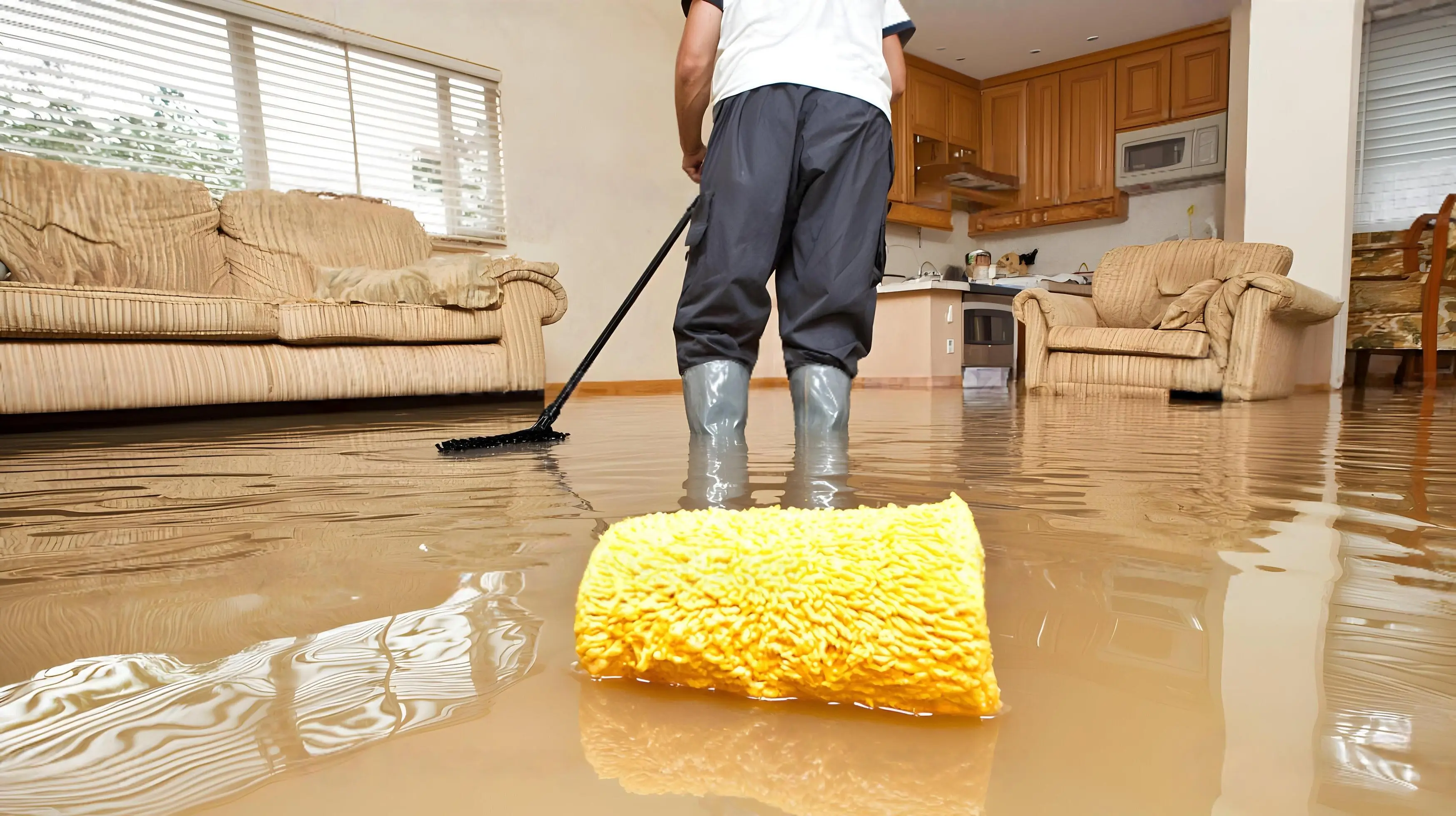
Water Damage Restoration
Burst pipes, storm flooding, standing water. We extract, dry, and restore before mold sets in.
Learn more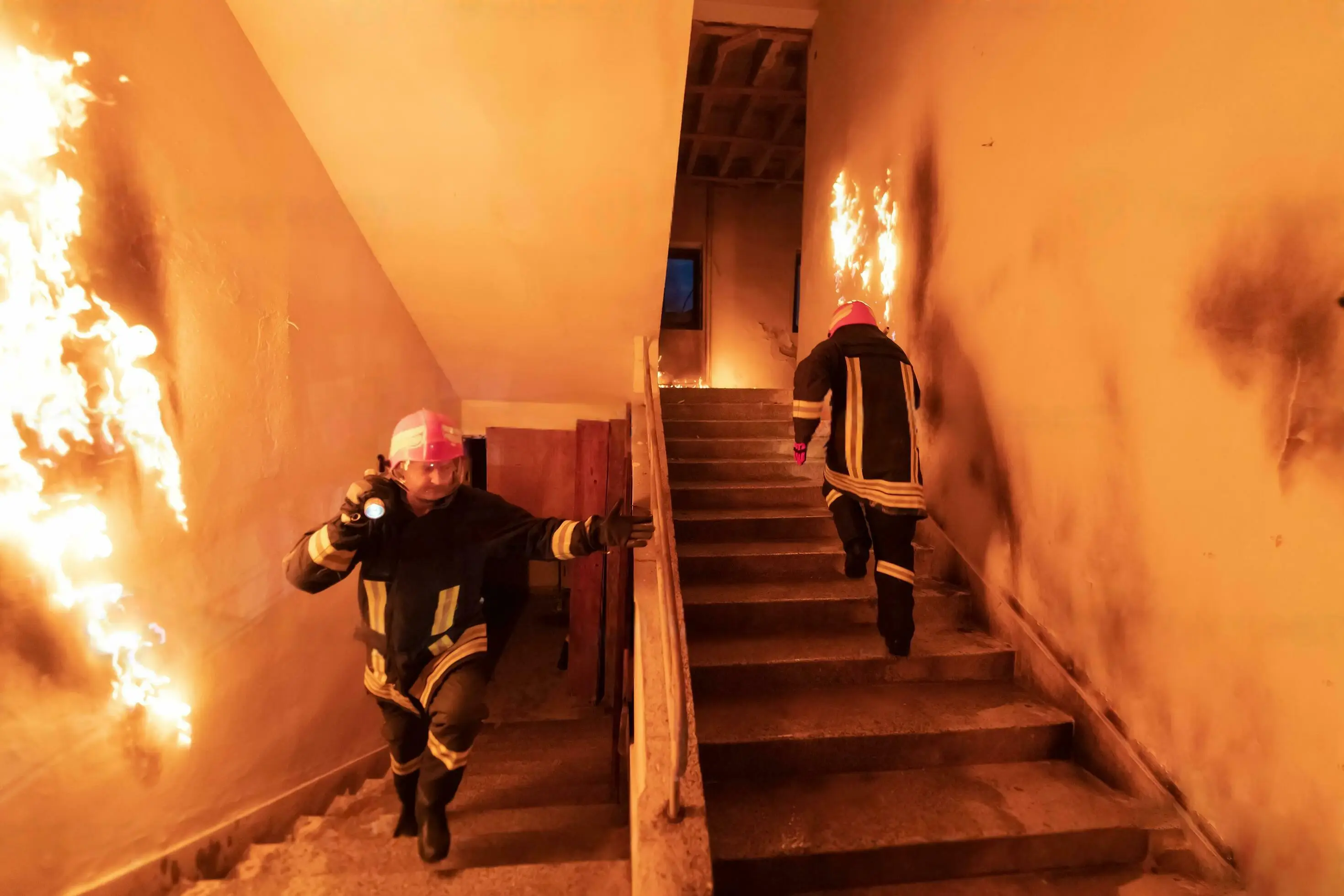
Fire Damage Restoration
Structural damage, soot, debris. We stabilize, clean, and rebuild what fire destroyed.
Learn more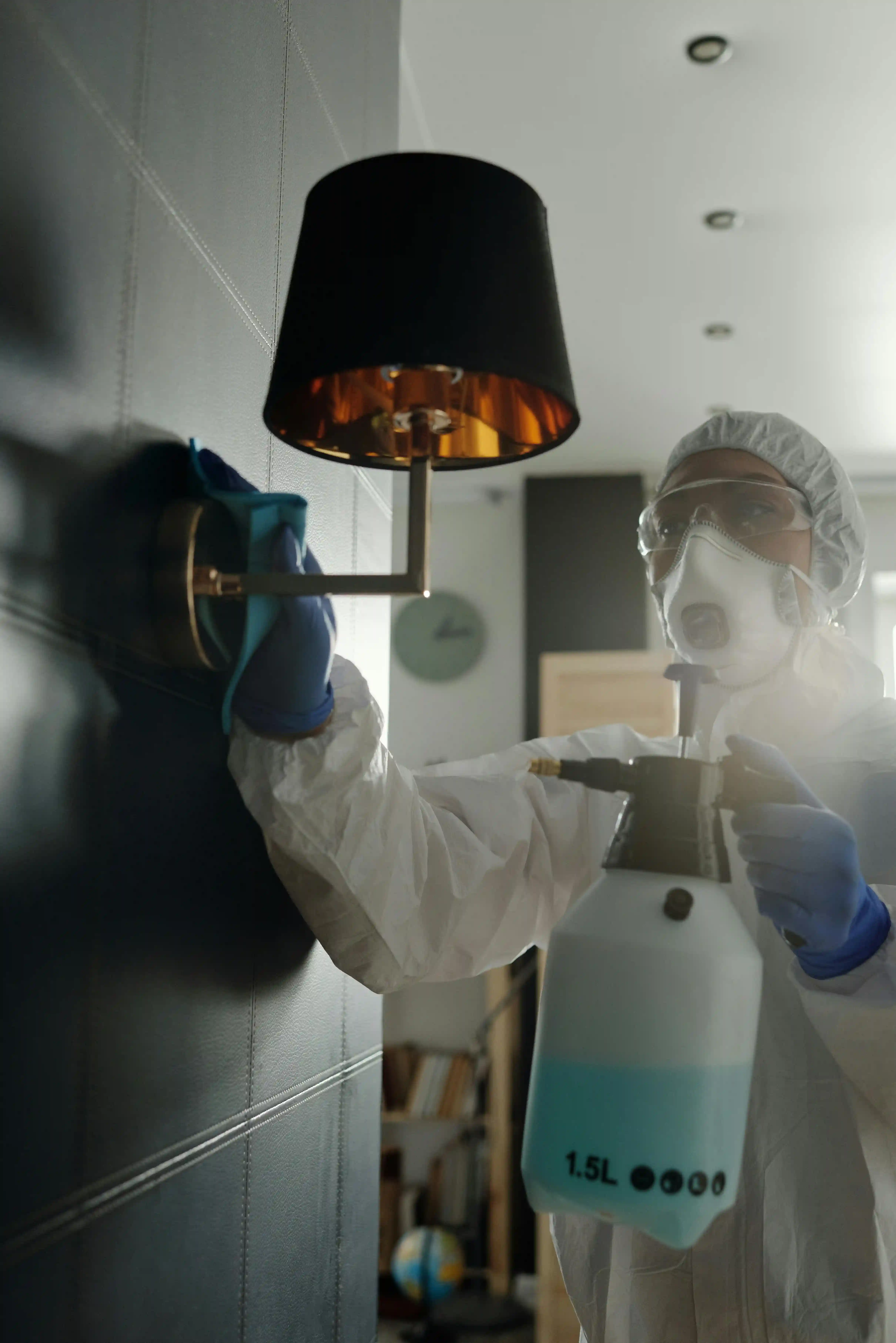
Mold Remediation
Testing, containment, removal, prevention. We find the source, eliminate the growth, and stop it from returning.
Learn more
Sewage Cleanup
Sewer backups, contaminated water, biohazard. We extract, sanitize, and restore safely.
Learn more