
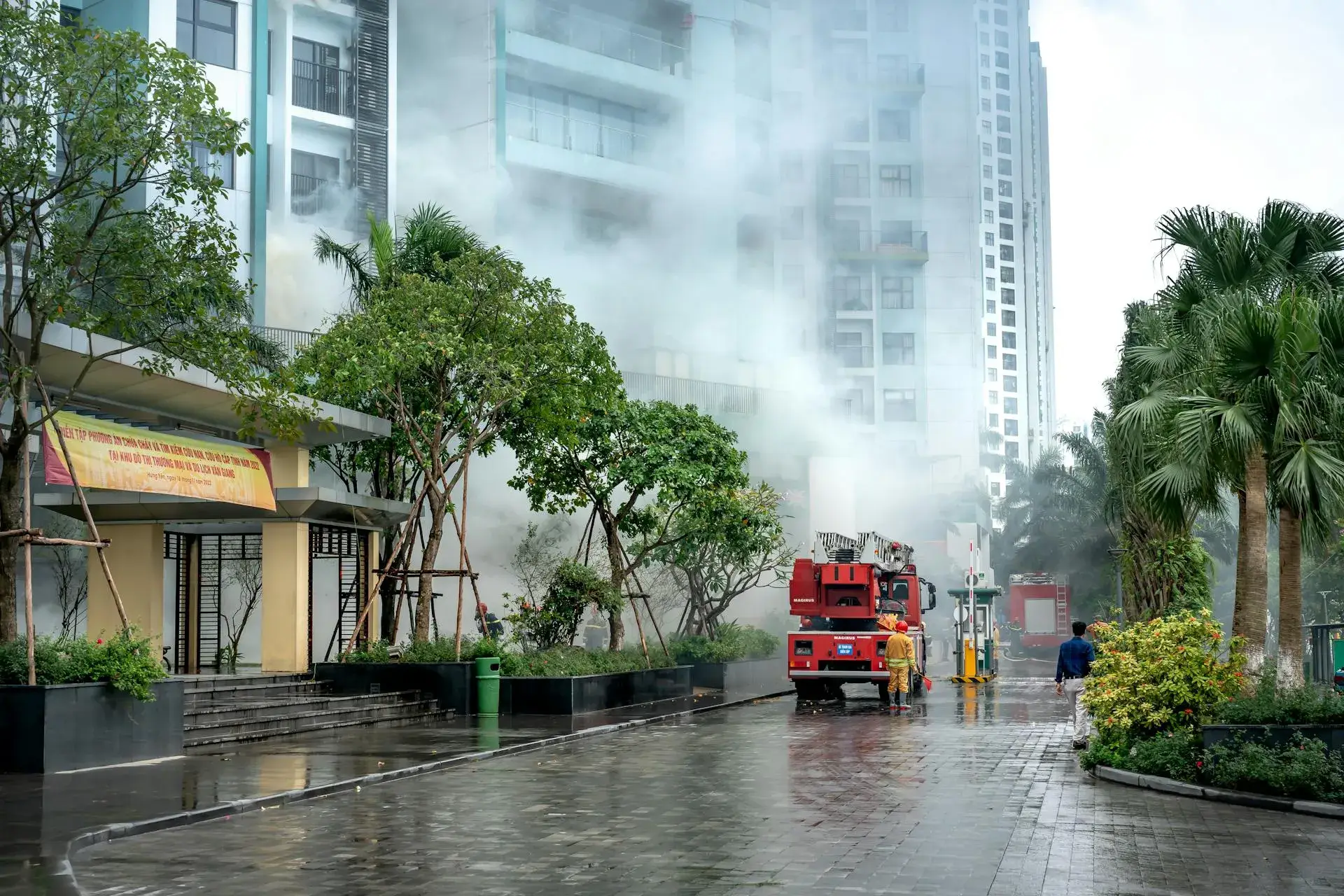
Smoke Damage Restoration in Skokie, IL
Smoke residue bonds permanently to surfaces within 48 to 72 hours. Whether from a structure fire or wildfire infiltration, professional cleaning must begin immediately. Our local team responds within 60 minutes.
What Happens When You Call
A real person answers, not a call center. We assess your situation, ask the right questions, and begin coordinating your response immediately.
Your dedicated restoration team is dispatched from our local base serving Skokie and the surrounding north Cook County communities.
Team arrives with HEPA air scrubbers, professional cleaning equipment, and air quality testing instruments. Assessment and mitigation begin immediately.
Contamination mapped, cleaning plan documented, air quality baseline established. You know exactly what comes next.
Smoke damage does not require flames in your home to be real and costly. Whether a fire occurred in your property, in an adjacent unit in your condo building, or wildfire smoke infiltrated from outside, the contamination follows the same physics: particulates settle on surfaces, acidic residue etches into materials, and odor molecules penetrate deep into structural cavities. X Response exists for exactly this moment. When you reach out, your restoration team is mobilized within minutes and on site within the hour. Call now. Your team is standing by.
Why Skokie Homes Are Vulnerable to Smoke Damage
Skokie is a densely built village of approximately 67,800 residents in north Cook County, situated 15 miles north of downtown Chicago. The village was built primarily during the 1950s and 1960s post-war housing boom, producing a housing stock that includes thousands of single-family homes, multi-story apartment buildings, and condominium complexes with construction characteristics that make them particularly susceptible to smoke infiltration. The forced-air heating and cooling systems in these homes draw air through return ducts and redistribute it throughout the structure, meaning any smoke that enters the system, whether from an interior fire, an adjacent-unit fire in a multi-family building, or external wildfire smoke, is distributed to every room served by the ductwork. On June 27, 2023, wildfire smoke from unprecedented Canadian fires pushed the Chicago area's air quality index to 'very unhealthy' levels, with the region recording the worst air quality of any major city in the world that day. For Skokie's 67,800 residents living in homes with aging building envelopes, older windows, and HVAC systems that draw exterior air, the event deposited fine particulate matter throughout interior spaces that persisted long after outdoor conditions improved.
The June 2023 wildfire smoke event was not a one-day problem. The National Weather Service issued air quality alerts extending through multiple days in late June and again in mid-July 2023 as additional smoke waves from the ongoing Canadian fire season drifted south across the Great Lakes region. Each wave reintroduced fine particulates into homes that had just begun to clear. For Skokie residents in multi-family buildings with shared HVAC systems, common hallways, and centralized air handling, the infiltration was more difficult to control because individual units could not fully isolate themselves from the building's air circulation. Beyond wildfire smoke, Skokie's fire history produces regular smoke damage events at the individual property level. The June 2025 Barcelona condo fire, the December 2019 Old Orchard Road apartment fire that displaced 30 families, and the January 2023 Christmas tree fire all produced smoke contamination in units far from the fire origin, demonstrating how smoke travels through shared building infrastructure.
Wildfire Smoke Infiltration in Aging Building Envelopes
Skokie's housing stock was built predominantly in the 1950s and 1960s, an era when building envelopes were not designed for air-tightness. Single-pane or early double-pane windows, unsealed electrical outlets on exterior walls, gaps around aging weatherstripping, and deteriorated caulking at window and door frames all provide pathways for exterior smoke to enter the home without any door or window being opened. During the June 2023 Canadian wildfire smoke event, these infiltration points allowed fine particulate matter (PM2.5) to accumulate inside Skokie homes even when residents kept everything closed. The forced-air HVAC systems in these homes then distributed the infiltrated smoke throughout the structure via the duct network. Standard HVAC filters rated MERV 8 or below, which are common in residential systems of this era, do not effectively capture the fine particles that wildfire smoke produces. The result is a thin layer of particulate deposition on every interior surface served by the duct system, plus deeper penetration into soft furnishings, carpet fibers, and porous materials.
Multi-Family Building Smoke Migration
Skokie's inventory of multi-family buildings from the 1960s through 1980s presents a unique smoke damage challenge because these structures share air pathways between units. In buildings with centralized HVAC systems, smoke from any source, whether a unit fire, a common-area event, or exterior wildfire infiltration, is distributed to every unit connected to the shared air handling system. Even in buildings where each unit has its own furnace, smoke travels through unsealed penetrations between units: plumbing chases, electrical conduit openings, gaps around shared walls at ceiling and floor intersections, and common hallway connections under entry doors. The Barcelona condo fire in June 2025 demonstrated this at building scale: fire contained to a single third-floor unit produced smoke contamination throughout the four-story structure via shared ceiling plenums and vertical utility chases. For residents of these buildings, smoke damage can arrive from a neighboring unit, a different floor, or the building's own mechanical systems without any fire in their space.
HVAC Distribution of Smoke Particulates
The forced-air heating and cooling systems in Skokie homes serve as both infiltration pathways and distribution mechanisms for smoke contamination. During a fire event, the system's return air grilles pull smoke-laden air from affected areas and push it through the duct network to every room in the home. During wildfire smoke events, fresh-air intakes and envelope leakage introduce exterior particulates into the system for the same distribution effect. Once smoke particulates are inside the duct system, they settle on interior duct surfaces, accumulate in the filter, and deposit on the evaporator coil, blower wheel, and heat exchanger. These components then become secondary sources of contamination, releasing trapped particulates back into the home's air every time the system cycles. In Skokie homes where ductwork has never been cleaned since the original 1950s or 1960s installation, decades of accumulated dust provide a substrate that absorbs smoke odor molecules and releases them slowly over weeks or months, creating persistent odor problems that surface cleaning alone cannot resolve.
Protein and Synthetic Soot from Kitchen and Structural Fires
Smoke damage from fires within or adjacent to a Skokie home produces different contamination types depending on what burned. Kitchen fires, the most common residential fire origin in Illinois, produce protein-based soot that is nearly invisible but extremely pungent and corrosive. The residue is a thin, yellowish film that bonds rapidly to surfaces and produces an intense, persistent odor that standard cleaning products cannot neutralize. Structural fires involving modern furnishings produce synthetic soot from burning plastics, foam, and composite materials. This residue is thick, black, and sticky, visibly coating surfaces and resisting conventional cleaning methods. Wood-based soot from framing and natural materials is dry and powdery but penetrates deeply into porous surfaces. Each type requires a different cleaning chemistry and technique. Using the wrong approach, such as wiping protein soot with a wet cloth, drives the residue deeper into the surface and makes restoration more difficult. Professional assessment of the combustion source determines the correct restoration protocol from the start.
Smoke Odor Penetration into Structural Materials
Smoke odor molecules are far smaller than the visible soot particles they accompany, allowing them to penetrate deep into materials that appear clean on the surface. In Skokie's post-war homes, these molecules embed in structural framing, plaster and drywall, concrete block basement walls, fiberglass insulation, and the decades of accumulated dust within wall cavities and ceiling spaces. The odor is not sitting on the surface; it is inside the material at a molecular level. This is why painting over smoke-damaged walls without proper sealing still results in odor bleed-through weeks later, and why opening windows to 'air out' a smoke-affected home provides only temporary relief before the embedded molecules release back into the living space as temperatures and humidity change. Professional deodorization using thermal fogging, hydroxyl generation, or controlled ozone penetrates these same structural spaces to neutralize odor molecules where they reside rather than simply masking them at the surface level.
These factors combine to make smoke damage in Skokie both more common and more complex than in newer, tighter-built communities. The aging building envelopes allow exterior smoke to infiltrate without any opening. The multi-family buildings distribute smoke between units through shared infrastructure. The forced-air HVAC systems spread contamination to every connected room within minutes. Different fire sources produce different soot types requiring different cleaning approaches. And smoke odor penetrates deep into the structural materials of seven-decade-old homes where it persists until professionally neutralized. Effective smoke damage restoration here means identifying the source, mapping the full contamination footprint through every connected space and duct system, selecting the correct cleaning chemistry for the soot type, and penetrating structural materials with deodorization that matches the depth of odor molecule penetration.
What Happens to Your Home While You Wait
Within 1 Hour
Soot particles settle on horizontal surfaces throughout the affected area. If the HVAC system runs during or after the smoke event, particulates distribute to every room connected to the duct network. Acidic components of the residue begin reacting with metal surfaces: chrome fixtures, copper plumbing, appliance finishes, and electronic circuit boards. Fine particulates from wildfire smoke accumulate on surfaces and begin embedding in soft furnishings and carpet fibers.
1–24 Hours
Acid etching becomes visible on metal surfaces. Smoke odor penetrates soft materials: upholstery, bedding, clothing, carpet, and drapes. On painted walls, soot begins bonding into the paint film and becomes progressively harder to remove without damaging the finish. In multi-family buildings, smoke continues migrating through structural pathways into adjacent units, expanding the contamination zone. Wildfire particulates embed deeper into porous materials as the HVAC system continues circulating them with each operating cycle.
24–72 Hours
Permanent staining develops on porous surfaces: grout, natural stone, unfinished wood, fabric, and textured ceilings. Corrosion progresses on electronics and metal fixtures. Smoke odor molecules penetrate into wall cavities, insulation, and structural framing where surface cleaning cannot reach. What was a professional cleaning job at hour six transitions to a replacement job for affected materials as soot chemistry permanently alters them.
3–7 Days
Corrosion damage to electronics, HVAC components, and metal systems progresses past repairability. Embedded odor in structural materials becomes the primary challenge as surface cleaning alone provides only temporary relief before odor returns when temperature and humidity fluctuate. Restoration scope expands as more materials are identified as permanently affected.
One Week and Beyond
Surfaces that could have been cleaned now require replacement. Odor embedded in structural materials requires intensive deodorization treatments that add time and cost. HVAC ductwork that served as a distribution pathway during the event becomes a reservoir releasing trapped particulates with each system cycle until professionally cleaned. The project transitions from surface restoration to comprehensive treatment of the entire building envelope and mechanical system.
Professional smoke damage restoration becomes more expensive with every hour of delay. Contact X Response now. Our Skokie team responds within 60 minutes.
How We Restore Smoke-Damaged Skokie Homes
From the moment our team arrives, every step is documented, measured, and verified. Here is exactly what the smoke damage restoration process involves for Skokie properties.
Air Quality Assessment and Contamination Mapping
Our team arrives with professional air quality testing equipment and visual inspection tools to map the full extent of smoke contamination. In Skokie homes, that means testing every room for particulate levels, inspecting HVAC ductwork and components for soot accumulation, checking behind return air grilles where contamination concentrates, tracing smoke migration paths through wall cavities and ceiling spaces in multi-family buildings, and establishing a baseline that determines the full scope of treatment required. For wildfire smoke infiltration, we test surfaces in rooms that may appear unaffected to identify the invisible particulate deposition that aging building envelopes allowed inside. Everything is documented with photos, test results, and a written scope of work.
HEPA Air Scrubbing and Containment
Before surface cleaning begins, we deploy HEPA-filtered air scrubbers to capture airborne particulates that will be disturbed during the cleaning process. In multi-room contamination, we establish containment zones to prevent cross-contamination from heavily affected areas to lighter areas during restoration. The air scrubbers run continuously throughout the project, cycling the entire air volume of the affected space multiple times per hour through filters that capture particles down to 0.3 microns. This protects both the restoration crew and the homeowner's health while preventing redeposition of particulates onto already-cleaned surfaces.
Surface Cleaning and Soot Removal
Our technicians identify the soot type present, whether protein-based from a kitchen fire, synthetic from burning plastics and furnishings, wood-based from structural combustion, or fine particulate from wildfire infiltration, and select the appropriate cleaning chemistry and technique for each. We work systematically from ceilings downward, cleaning every surface in the contamination zone. For Skokie's textured ceilings common in 1950s and 1960s homes, we use dry-chemical sponges and HEPA vacuuming rather than wet methods that would damage the texture. For smooth surfaces, appropriate solvents break the acid bond between soot and the material. Electronics, artwork, and specialty items receive individual treatment protocols matched to their materials.
HVAC Decontamination
The forced-air system is treated as a separate scope because it both distributed the contamination during the smoke event and now serves as a reservoir releasing trapped particulates with each operating cycle. We clean supply and return ductwork, replace filtration media, clean the evaporator coil and blower assembly, and treat interior duct surfaces with antimicrobial and deodorizing agents. In Skokie homes where ductwork is original to the 1950s or 1960s construction and has accumulated decades of dust that absorbed smoke odor, cleaning removes both the smoke contamination and the substrate that would otherwise continue releasing odor molecules into the home for months.
Deodorization and Verification
Smoke odor penetrates deep into structural materials where surface cleaning cannot reach. We deploy thermal fogging that generates a deodorizing vapor calibrated to match the penetration characteristics of the smoke, reaching into wall cavities, behind insulation, and through the same structural gaps the smoke used to travel during the event. For severe cases, hydroxyl generators provide continuous molecular-level odor neutralization without requiring occupant evacuation. Final air quality testing and sensory verification confirm that particulate levels have returned to safe standards and no residual odor remains. If any area does not pass verification, we continue treatment until it does.
The X Response Difference
When you contact X Response for smoke damage in Skokie, you get a restoration team that understands particulate science, building systems, and the specific construction characteristics of your home. One team, one standard, complete contamination resolution.
Insurance Claim Guidance for Skokie Homeowners
Smoke damage insurance coverage depends on the source. Smoke from a fire in your home or an adjacent property is covered under standard homeowner's policies as fire damage, even when no flames entered your space. Wildfire smoke infiltration from an outdoor air quality event is less clear-cut and depends on your specific policy language; some carriers cover it as a covered peril (smoke damage), while others exclude it as a pollution or environmental event. For Skokie residents in multi-family buildings, smoke damage from a fire in another unit is typically covered under your individual HO-6 policy, while damage to common elements falls under the building's master policy. The key to a successful claim is documentation that clearly identifies the smoke source, maps the full contamination footprint, and demonstrates that professional restoration was necessary.
How X Response Helps
- Document the smoke source and contamination extent with professional photos, air quality test results, and detailed scope of work
- Distinguish between fire-origin smoke damage (typically covered) and outdoor air quality events (coverage varies by policy)
- For condo and apartment units, separate individual-unit contamination from common-element damage for correct policy alignment
- Inventory all affected contents including soft furnishings, electronics, and clothing that absorbed smoke odor and require professional treatment
- Provide your adjuster with before-and-after air quality data demonstrating the contamination level and successful restoration
X Response does not file claims on your behalf, adjust claims, or make coverage determinations. We provide documentation and guidance to help you make informed decisions about your property and your policy. Coverage decisions are made solely by your insurance carrier.
Certified Restoration Specialists Serving Skokie
When you contact X Response for smoke damage in Skokie, your restoration team is drawn from certified professionals who work across north Cook County and understand the specific challenges of smoke contamination in this community. They know how the 1950s and 1960s building envelopes allow exterior smoke infiltration through gaps that modern construction seals. They understand how the multi-family buildings along Skokie Boulevard and near Old Orchard distribute smoke between units through shared HVAC systems and structural cavities. They have restored homes after the June 2023 wildfire smoke event, condo units contaminated by fires in adjacent spaces, and single-family homes where kitchen fires distributed soot through the entire duct network. This is a local team with local expertise in the building types, construction eras, and contamination patterns specific to Skokie.
Every technician on your team holds current IICRC certification in fire and smoke restoration and carries the appropriate Illinois state licensing for the work being performed. Equipment includes HEPA air scrubbers sized for residential and multi-unit spaces, thermal fogging systems, hydroxyl generators, professional air quality monitoring instruments, and the full range of cleaning chemistry required for every soot type. When your team arrives, they bring everything needed to begin assessment and mitigation immediately.
In Skokie, X Response works with Scene Cleaners, an independent local restoration partner serving Cook County.
Smoke Damage Restoration FAQ for Skokie Homeowners
Other Emergency Services in Skokie
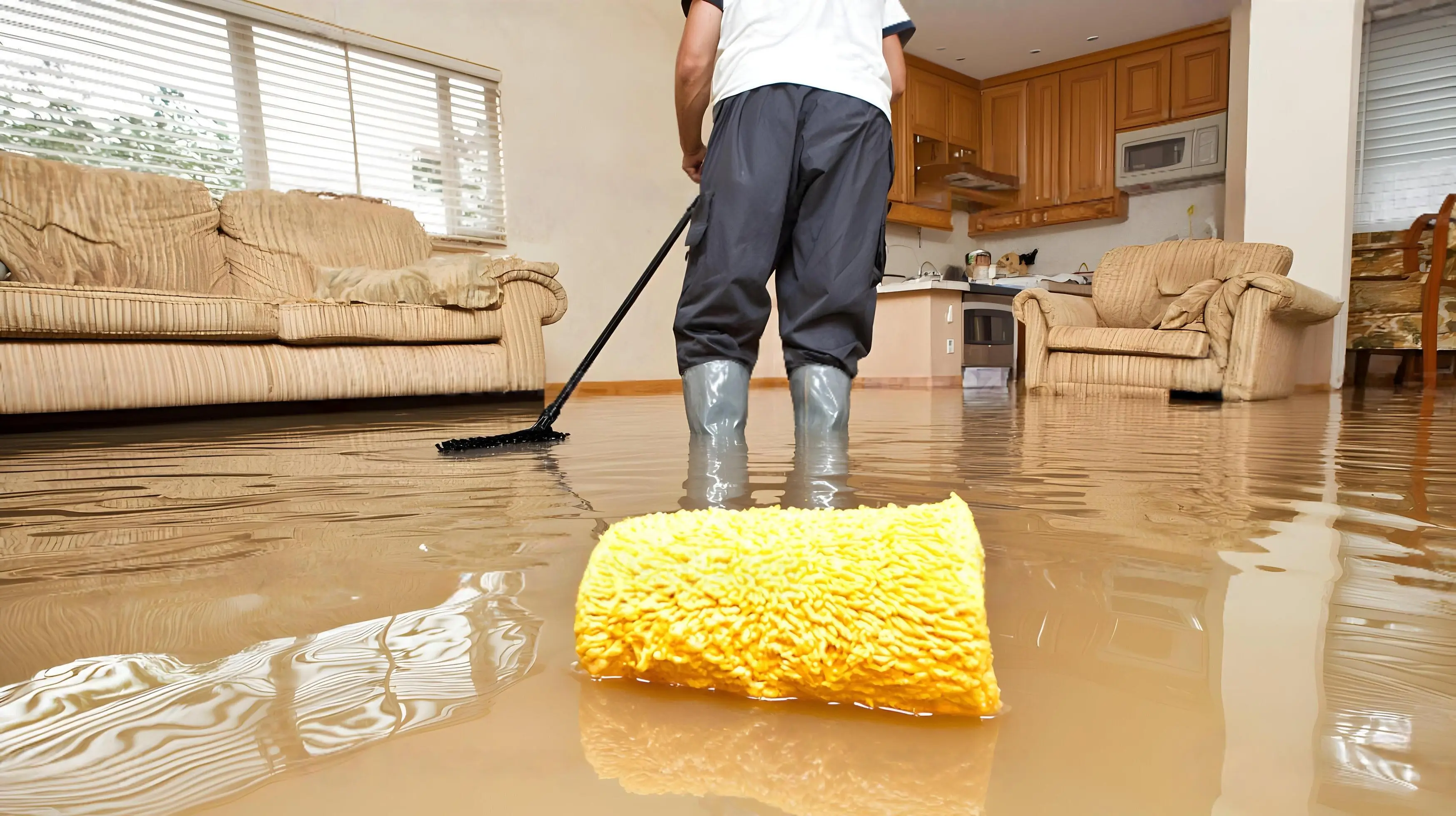
Water Damage Restoration
Burst pipes, storm flooding, standing water. We extract, dry, and restore before mold sets in.
Learn more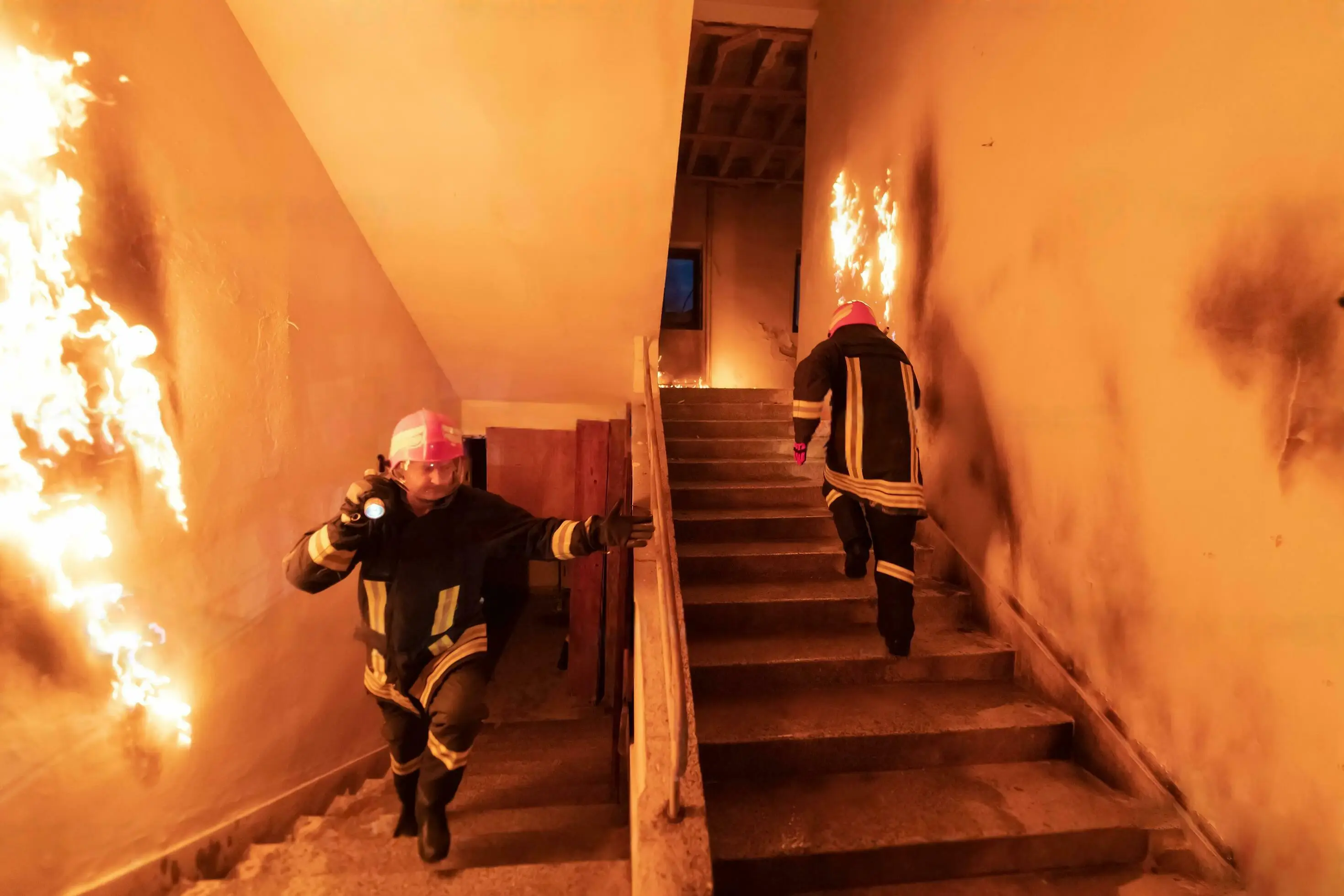
Fire Damage Restoration
Structural damage, soot, debris. We stabilize, clean, and rebuild what fire destroyed.
Learn more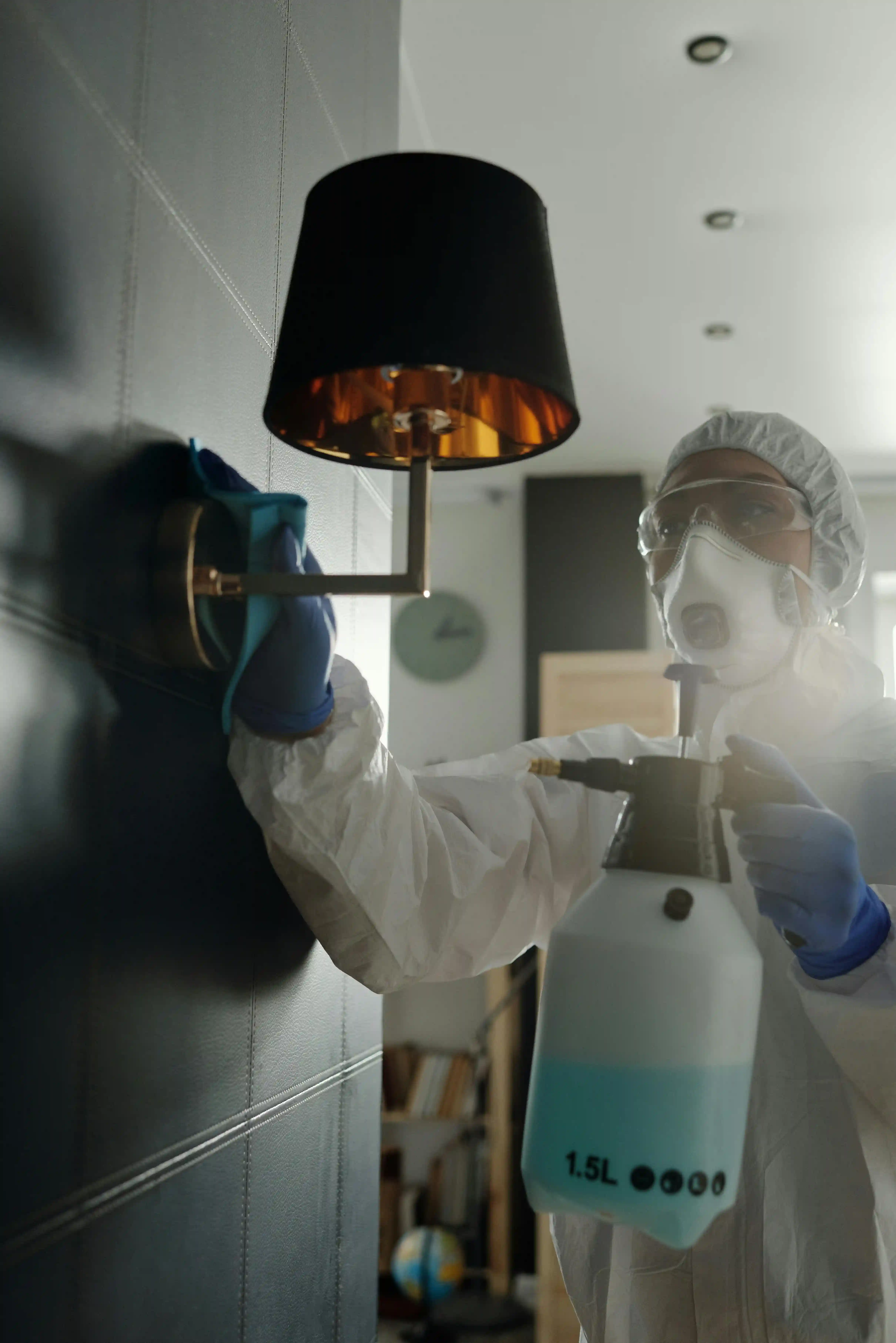
Mold Remediation
Testing, containment, removal, prevention. We find the source, eliminate the growth, and stop it from returning.
Learn more
Sewage Cleanup
Sewer backups, contaminated water, biohazard. We extract, sanitize, and restore safely.
Learn moreNearby Service Areas
Also serving nearby: