
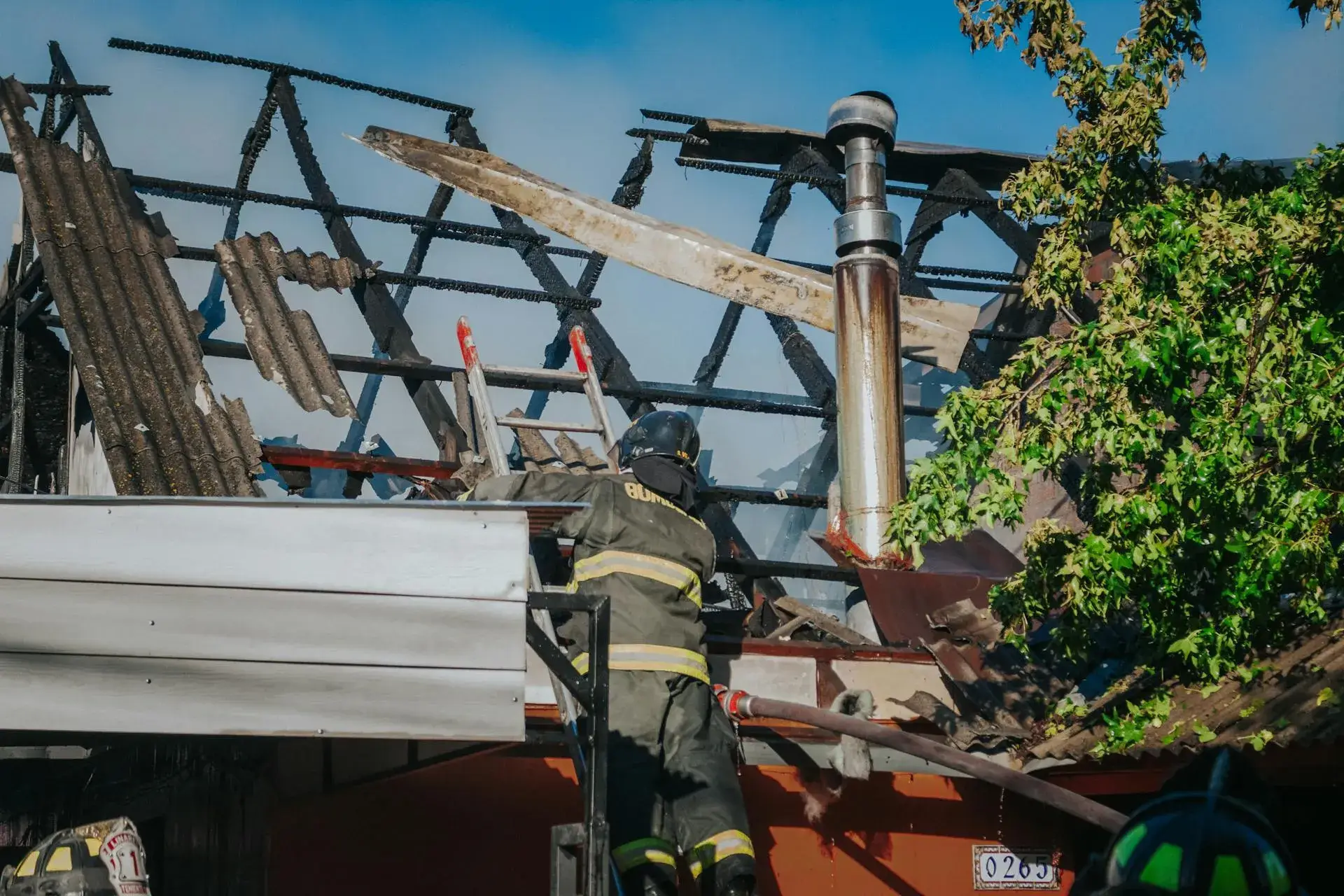
Fire Damage Restoration in Basehor, KS
Soot residue turns acidic within hours, permanently etching glass, stone, and metals. Our Basehor fire restoration team mobilizes immediately.
What Happens When You Call
Your emergency call connects directly with an experienced restoration commander who assesses structural stability, safety factors, and dispatch logistics.
Our specialized fire mitigation unit dispatches from our Kansas City metro facility, arriving in Basehor with structural boarding, generators, and heavy-duty air scrubbers.
Technicians execute emergency board-up of shattered windows, tarp damaged roof decking, and stabilize vulnerable framing to prevent weather intrusion and trespassing.
We evaluate soot chemistry, establish mechanical air filtration, extract firefighting runoff, and develop a comprehensive structural salvage plan.
A structural fire is one of the most traumatic events a homeowner can endure. Once emergency first responders extinguish the active flames, the secondary destruction caused by corrosive soot, caustic water, and structural instability begins immediately. X Response steps in the moment the fire department releases the property. Our certified crew secures the building envelope, halts acidic soot erosion, extracts fire-suppression water, and establishes a clear path toward full recovery. Call now. We are ready to deploy.
Why Basehor Homes Are Vulnerable to Fire Damage
Basehor presents a unique fire-response landscape characterized by a blend of established semi-rural acreage estates, working agricultural properties, and rapidly growing suburban subdivisions across southern Leavenworth County. Fairmount Township Fire Department operates Station 1 at 2624 North 155th Street, providing primary fire suppression and emergency rescue across more than 40 square miles including Basehor. While newer neighborhoods such as Falcon Lakes, Wolf Creek Meadows, and Prairie Gardens are served by modern municipal water mains and pressurized fire hydrants, outer residential developments and unincorporated acreage properties along 155th Street, 158th Street, and Leavenworth Road frequently depend on rural water districts or mutual-aid water tenders. This operational dynamic means structural fires can escalate rapidly before continuous heavy water supplies are fully established, resulting in deeper structural charring and heavy smoke distribution throughout large multi-level homes.
Once Fairmount Township firefighters achieve knockdown, residential structures face immediate secondary chemical attacks. The materials that burn in contemporary Basehor homes, such as polyurethane foam furniture, composite floor underlayment, nylon carpets, and plastics, produce highly acidic soot aerosols. When combined with the high humidity typical of eastern Kansas summers or the enclosed heated air of winter, these microscopic soot particles form caustic chemical compounds that bond with porcelain, etch window glass, pit stainless steel, and tarnish brass fixtures within hours. Additionally, the thousands of gallons of water deployed during structural fire suppression pool in finished basements and subfloors, initiating rapid microbial amplification if not extracted simultaneously with fire cleanup efforts.
Suburban Subdivision Density and Attic Fire Spread
Modern residential developments in Basehor feature closely spaced two-story homes with complex engineered roof trusses and shared lot lines. When a fire originates in an attached garage, outdoor kitchen, or attic utility bay, radiant heat quickly breaches soffits and rooflines. Fire spread through interconnected attic spaces can compromise entire structural roof assemblies before interior smoke detectors alert occupants on lower floors, leaving extensive overhead structural char that requires complete engineered replacement.
Rural and Acreage Water Supply Logistics
Beyond Basehor's core suburban corridors, many residents occupy properties situated on five-to-ten-acre parcels in Fairmount Township. Fire suppression in these areas relies heavily on shuttle operations utilizing water tankers and drafting from agricultural ponds or designated fill sites. The additional time required to establish high-volume water supply lines can allow interior compartment fires to generate extreme localized heat, resulting in severe deep-char damage to dimensional framing lumber and heavy timber floor systems.
Acidic Soot Behavior on Modern Synthetic Materials
Modern home construction and furnishing heavily incorporate synthetic polymers, engineered resins, and treated textiles. Combustion of these petro-chemical materials produces greasy, ionized soot containing hydrochloric and sulfuric acid derivatives. In Basehor homes, this acidic residue drifts into forced-air HVAC ductwork, coating evaporative coils, registers, and subterranean return plenums where it actively corrodes electrical conductors and HVAC heat exchangers.
Winter Heating Appliance and Chimney Hazards
During prolonged Kansas winter cold snaps, when temperatures plunge below zero across Leavenworth County, residential heating systems run under continuous maximum load. Supplemental heat sources, including freestanding wood stoves, pellet inserts, and portable electric space heaters, represent frequent ignition points in older Basehor homes and rural outbuildings. Creosote buildup in unlined chimneys and overloaded branch electrical circuits cause rapid wall-cavity fires that burn silently behind drywall before breaching room interiors.
Compounded Fire-Suppression Water Intrusion
Fire extinguishment requires substantial water volumes, which naturally flow downward to collect in Basehor's standard below-grade basements. Water saturates ceiling drywall, cascades through electrical chases, and saturates subflooring on every level. In the humid eastern Kansas climate, this warm, soot-laden water creates an ideal incubation environment for mold growth, demanding simultaneous structural drying alongside fire and smoke mitigation.
Recovering from a residential fire in Basehor requires much more than simply removing charred debris. Technicians must understand the precise chemical behavior of acidic soot, the structural mechanics of fire-damaged trusses, and the critical importance of immediate moisture extraction. By deploying advanced surface-cleaning agents, thermal fogging deodorization, and comprehensive structural reconstruction services, X Response restores fire-damaged properties to their pre-loss safety and integrity.
What Happens to Your Home While You Wait
Within Minutes
Caustic soot particles settle across every exposed horizontal and vertical surface. Acidic soot begins reacting immediately with porous finishes, yellowing plastic appliances, and discoloring laminate countertops. Porous porous building surfaces absorb pungent combustion odors deep into their molecular structure.
Within 24 Hours
Corrosive chemical residues permanently etch uncoated metal surfaces, including bathroom fixtures, aluminum window frames, and stainless steel kitchen appliances. Painted walls begin yellowing permanently. Extinguishment water pooling in basements begins dissolving drywall cores and soaking into structural wood framing.
24–48 Hours
Soot bonds tenaciously with cabinetry finishes, vinyl flooring, and exposed woodwork, requiring aggressive chemical restoration rather than gentle surface washing. Unprotected metal fixtures pit deeply. Fungal spore germination initiates in damp basement cavities saturated by firefighting efforts.
48–72 Hours
Acidic chemical erosion penetrates deep into home appliances, electronics, and mechanical equipment, rendering them unrepairable. Drywall and plaster surfaces that absorbed moisture and smoke odors crumble, requiring complete structural demolition rather than surface sealing.
One Week and Beyond
Severe combustion odors become permanently embedded within structural wall studs, subfloors, and concrete masonry foundations. Soot deposits solidify into a varnish-like film that resists standard cleaning agents. Restoration costs surge significantly as partial salvage scopes convert into full structural teardowns.
Prompt intervention stops corrosive soot from causing irreversible structural and cosmetic destruction. Contact X Response today. Our Basehor emergency fire unit is on standby 24/7.
How We Restore Fire-Damaged Basehor Homes
Our comprehensive fire restoration protocol follows rigorous IICRC standards, combining structural engineering expertise with specialized chemical mitigation. Here is how we rebuild fire-damaged homes in Basehor.
Emergency Site Security and Structural Stabilization
As soon as local fire officials release the scene, we secure the perimeter. Technicians board up breached windows and doors, install temporary weather-tight roof tarps, and erect structural shoring to support compromised floor joists or ceiling trusses, protecting your home against weather and unauthorized entry.
Firefighting Water Extraction and Drying
Before soot cleanup can proceed safely, all water deployed during fire suppression must be removed. We deploy high-volume extractors to pump out flooded basements and set up commercial LGR dehumidifiers to dry saturated framing, arresting mold growth before it starts.
Chemical Soot and Residue Removal
Our technicians identify the exact soot type, whether wet, dry, or oily, and apply specialized chem-sponges, enzymatic cleaners, and dry-ice blasting to decontaminate framing, masonry, and salvageable contents without driving particulate matter deeper into porous substrates.
Thermal Deodorization and Air Scrubbing
We neutralize stubborn smoke odors using industrial thermal fogging and hydroxyl generators. These systems generate microscopic odor-neutralizing compounds that penetrate wall cavities and wood framing just as smoke did. Heavy-duty HEPA air scrubbers run continuously to filter out toxic particulates.
Full Structural Reconstruction and Handover
Our licensed construction division manages complete structural repairs, from replacing charred rafters and framing studs to installing new drywall, electrical wiring, flooring, and paint. We manage the process from initial cleanup to final move-in inspection, delivering seamless project continuity.
The X Response Difference
With X Response, you have an experienced, compassionate partner dedicated to rebuilding your home and your peace of mind after a devastating structural fire.
Insurance Claim Guidance for Basehor Homeowners
Recovering from a residential fire in Kansas involves navigating complex insurance policy stipulations, including dwelling coverage, personal property schedules, and additional living expense provisions. Standard homeowner policies in Basehor cover damage directly caused by fire, smoke, and the water used during fire suppression. However, ensuring you receive fair compensation requires meticulous documentation of every affected structural element, personal possession, and specialty surface. Homeowners must often provide proof of loss before discarding ruined items or beginning non-emergency repairs. Our team works closely alongside you and your insurance adjuster, delivering detailed architectural damage assessments and itemized inventories that expedite your claim settlement.
How X Response Helps
- Provide immediate emergency stabilization invoices to your insurer under the mitigation requirements of your policy
- Conduct comprehensive room-by-room photographic and digital video inventories of all fire and smoke-damaged property
- Catalog structural damage, framing degradation, and electrical compromises using industry-standard estimating platforms
- Distinguish clearly between salvageable and non-salvageable personal belongings to maximize personal property reimbursement
- Coordinate directly with your carrier's field adjuster during site walkthroughs to ensure all concealed smoke damage is accounted for
X Response is an independent disaster recovery contractor. We do not act as licensed public adjusters, attorneys, or insurance underwriters. We provide professional damage documentation and restoration services to support your claim process.
Certified Restoration Specialists Serving Basehor
Our fire restoration division serving Basehor and Leavenworth County is composed of seasoned restoration veterans who understand the emotional and technical complexities of structural fire recovery. Having worked across eastern Kansas through severe winter chimney fires, lightning-strike attic blazes, and electrical losses, our team brings calm reassurance and technical authority to every project. We treat your family's personal possessions with reverence, working diligently to salvage cherished heirlooms while ensuring that all hazardous combustion residues are completely eliminated from your living space.
Every crew leader maintains rigorous certifications from the IICRC, including Fire and Smoke Damage Restoration Technician (FSRT) and Odor Control Technician (OCT) designations. We operate state-of-the-art decontamination chambers, ultrasonic cleaning stations, and a modern fleet of mobile restoration units. By maintaining the highest technical certifications and investing in cutting-edge restoration equipment, our team guarantees that your Basehor home will be rebuilt to the highest standards of safety, structural integrity, and aesthetic finish.
In Basehor, X Response works with Best Option Restoration, an independent local restoration partner serving Leavenworth County.
Fire Damage Restoration FAQ for Basehor Homeowners
Other Emergency Services in Basehor
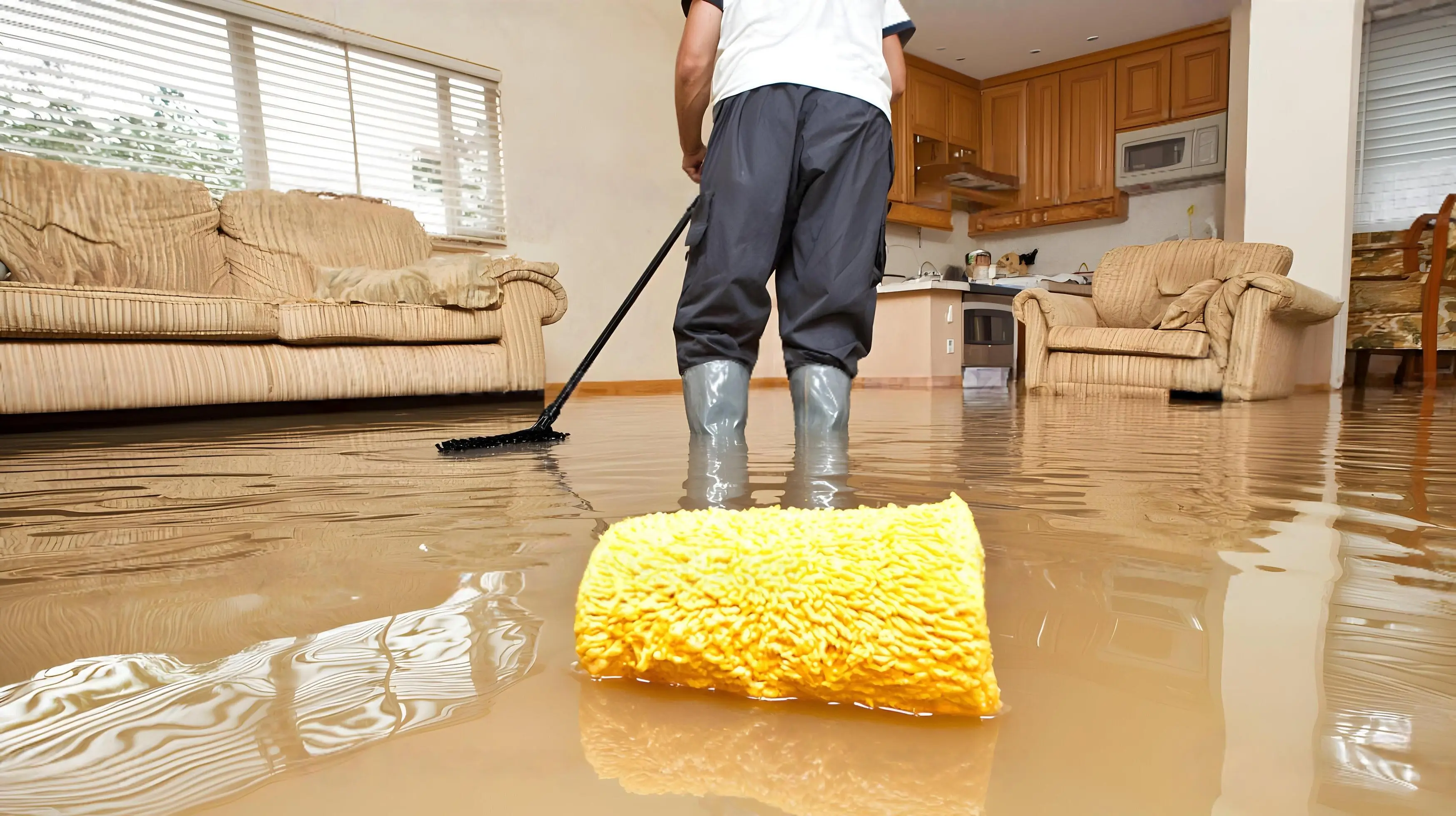
Water Damage Restoration
Burst pipes, storm flooding, standing water. We extract, dry, and restore before mold sets in.
Learn more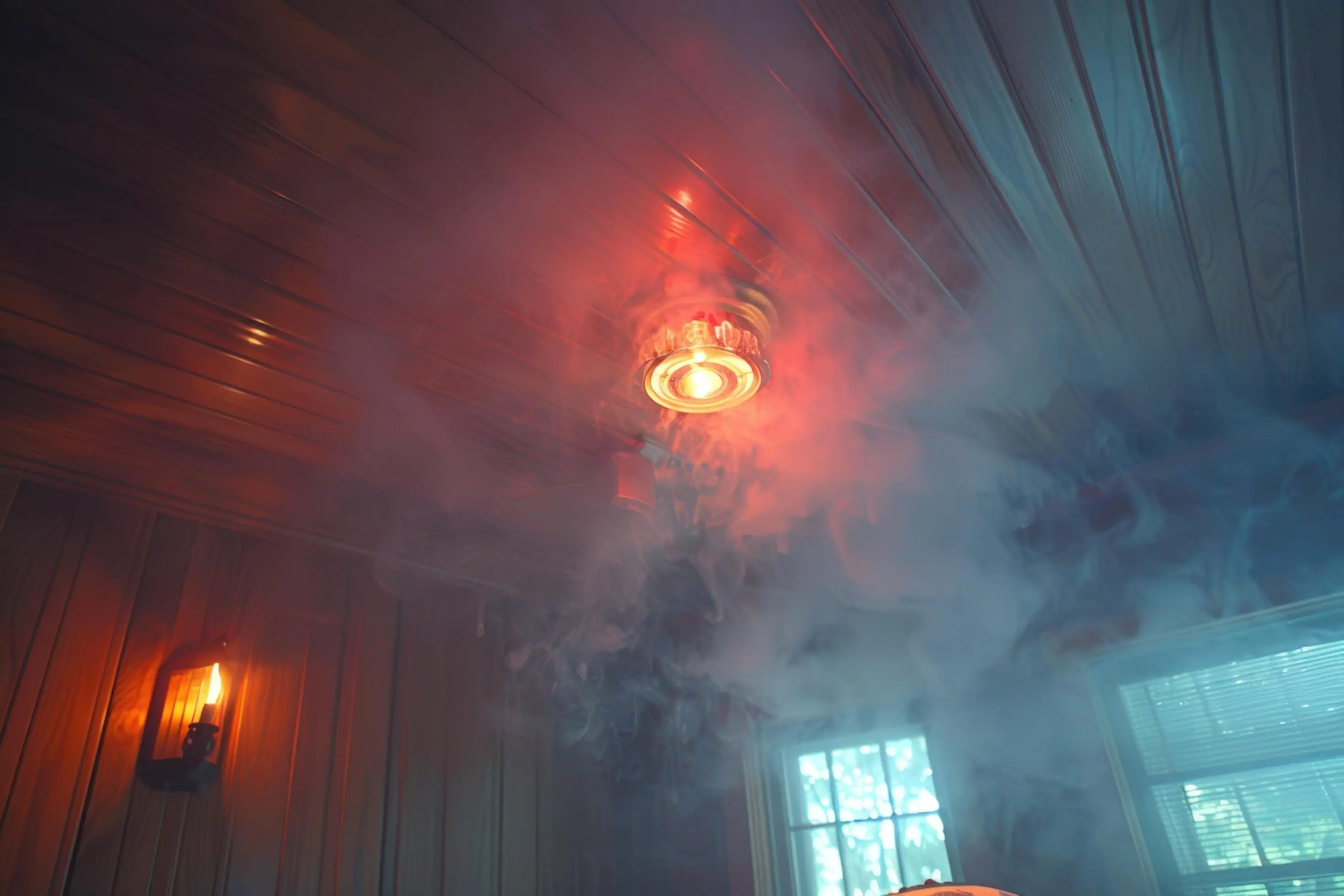
Smoke Damage Restoration
Soot residue, chemical odors, HVAC contamination. We decontaminate surfaces, eliminate odors, and restore air quality.
Learn more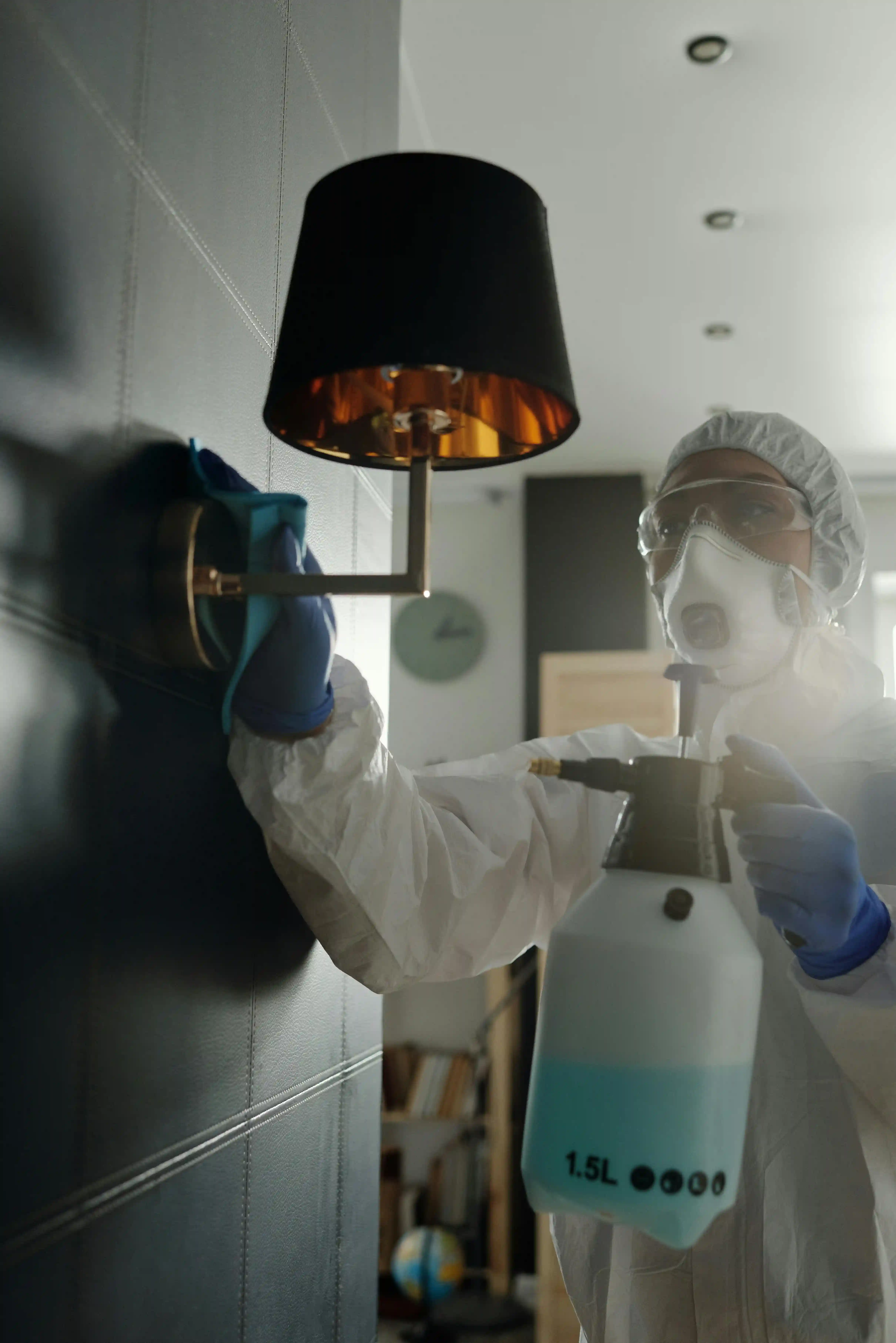
Mold Remediation
Testing, containment, removal, prevention. We find the source, eliminate the growth, and stop it from returning.
Learn more
Sewage Cleanup
Sewer backups, contaminated water, biohazard. We extract, sanitize, and restore safely.
Learn more