
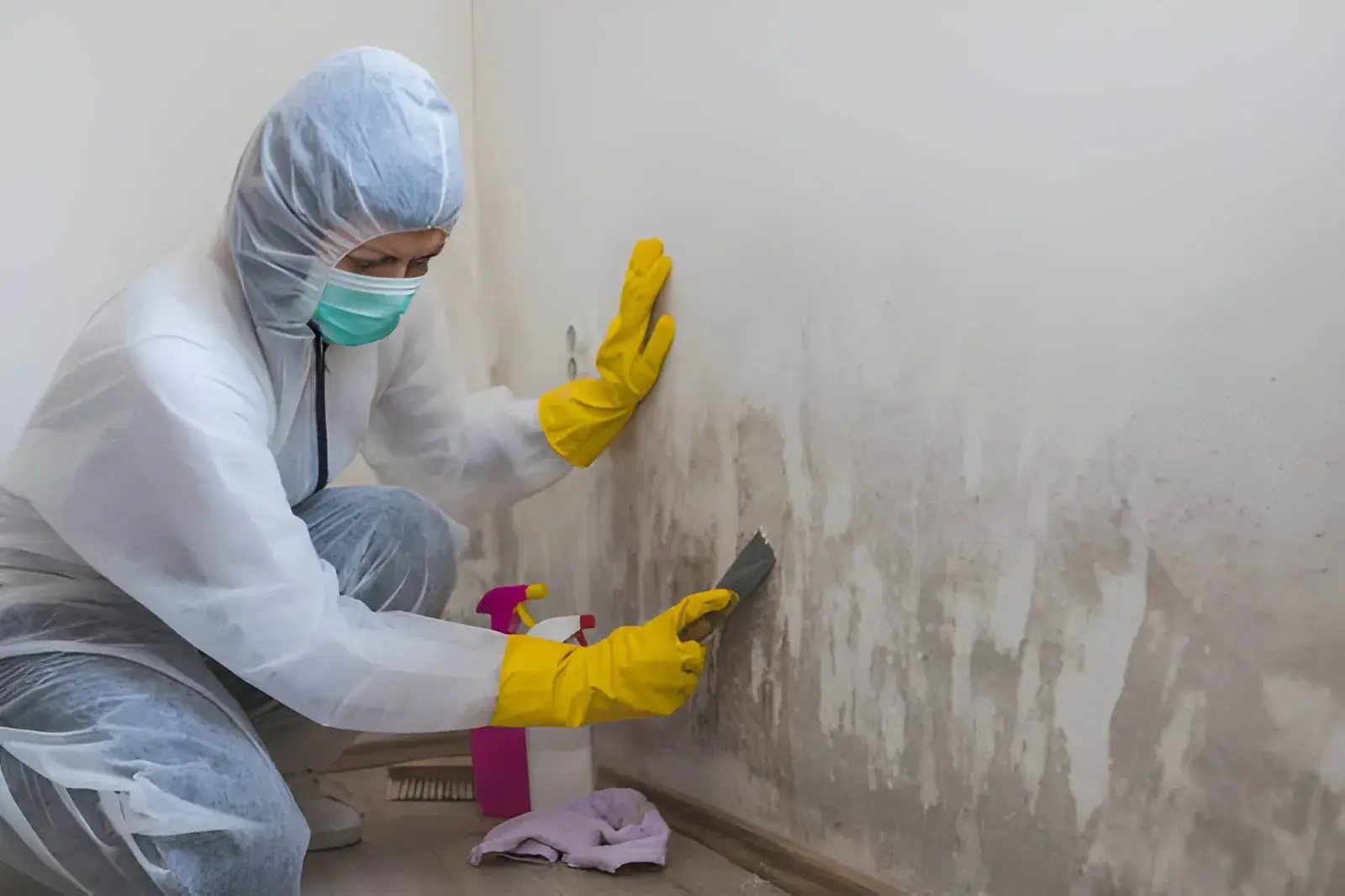
Mold Remediation in Vinings, GA
Mold spreads rapidly in Vinings' humid climate, doubling its colonized area every 24 to 48 hours in favorable conditions. Our local team responds within 60 minutes to contain the growth and protect your family.
What Happens When You Call
A real person answers, not a call center. We assess your situation, ask about visible growth, moisture history, and health symptoms, and begin coordinating your response immediately.
Your dedicated remediation team is dispatched from our local base serving Vinings and the surrounding southeast Cobb County communities.
Team arrives with containment materials, HEPA filtration, moisture detection instruments, and removal equipment. Assessment and containment begin immediately.
Mold contained, affected materials removed or treated, moisture source identified and addressed, remediation plan documented. You know exactly what comes next.
Mold in your home is not a cosmetic issue. It is a biological contamination that spreads through your air, your HVAC system, and your structural materials every hour it remains unaddressed. In Vinings' humid riverfront environment, mold does not stop growing on its own. It requires professional intervention to remove the colonization, eliminate the moisture source, and prevent recurrence. X Response exists for exactly this moment. When you reach out, your remediation team is mobilized within minutes and on site within the hour. Call now. Your team is standing by.
Why Vinings Homes Are Vulnerable to Mold
Vinings sits in a geographic position that concentrates every factor mold requires to thrive: moisture, warmth, organic material, and limited airflow. The community occupies the west bank of the Chattahoochee River in southeast Cobb County, where the terrain descends from a ridge along Paces Ferry Road down to the river's edge. Properties along the lower elevations experience a chronically elevated water table driven by proximity to both the Chattahoochee and Rottenwood Creek. Foundation repair specialists serving Vinings have documented that homes in the area experience persistent crawl space moisture accumulation, noting that moisture most often emanates from the ground in areas with a high water table or low-lying terrain near the river. This rising ground moisture creates conditions that support mold colonization on floor joists, subfloor sheathing, and structural framing year-round, regardless of whether the home has experienced a specific water damage event. The mold growth in these crawl spaces operates as a chronic condition rather than an acute event, sustained by moisture that the ground continuously supplies from the elevated water table below.
Georgia does not require a state-specific license for mold remediation, which means the quality of mold removal work varies dramatically between providers. Without licensing requirements, any contractor can market themselves as a mold remediator regardless of training, certification, or equipment. The industry standard for professional mold remediation is the IICRC S520 Standard for Professional Mold Remediation, which establishes protocols for assessment, containment, removal, cleaning, and post-remediation verification. The AMRT (Applied Microbial Remediation Technician) certification through the IICRC indicates that a technician has completed formal training in these protocols. For Vinings homeowners, the absence of state licensing means that verifying a remediator's IICRC certification and adherence to S520 protocols is the only reliable quality indicator, since the state provides no minimum standard or oversight mechanism.
Chattahoochee River Proximity and Elevated Water Table
The Chattahoochee River defines Vinings' eastern boundary, and its presence creates a permanently elevated water table in the lower-lying areas of the community. Properties between the river and the ridge along Paces Ferry Road sit on terrain where groundwater is close to the surface, held there by the clay Piedmont soils that prevent rapid drainage and by the river itself acting as the regional base level that groundwater flows toward. For homes with crawl spaces in these areas, the elevated water table means that ground moisture continuously rises through the soil and evaporates into the crawl space air, maintaining humidity levels that support mold growth regardless of season. Even during dry periods when surface conditions appear normal, the water table beneath these properties continues supplying moisture from below. This is not a temporary condition that resolves after a rain event passes; it is a permanent feature of the site hydrology that any home in the lower elevations of Vinings must actively manage through vapor barriers, mechanical dehumidification, and drainage systems. Without these controls, the crawl space becomes a year-round mold incubator whose products migrate upward into the living space through the subfloor.
Post-Flood Mold Colonization in the River Corridor
The September 2009 flood demonstrated that the Chattahoochee at Vinings can produce catastrophic flooding that immerses homes in contaminated river water. GEMA documented homes destroyed or seriously damaged in the lower-lying areas. For properties that flooded but were not destroyed, the post-flood mold risk is extreme. River flood water carries organic nutrients that feed mold growth, deposits sediment in wall cavities and beneath flooring that traps moisture against structural materials, and saturates everything it touches from the foundation upward. In Vinings' warm climate, mold colonization begins within 24 to 48 hours of flooding and accelerates rapidly in the weeks that follow, particularly in concealed spaces (inside wall cavities, beneath flooring, behind insulation) where air movement is limited and drying occurs last. The 2009 flood was not an isolated historical event: Hurricane Ivan produced significant flooding in 2004, and the same weather patterns that generated both events recur regularly. Every major flood in Vinings produces a mold remediation demand that follows the water damage by days, as affected properties develop colonization in areas that were wet longest and dried slowest.
Humid Subtropical Climate and Summer Condensation
Vinings experiences a humid subtropical climate where summer relative humidity routinely runs high outdoors, with overnight lows that keep the air moisture-laden even when temperatures drop. This creates a condensation mechanism inside homes that produces mold-favorable conditions without any water intrusion event. When warm, humid outdoor air enters a cooled interior through HVAC fresh air intakes, open windows, or infiltration points, it contacts cold surfaces (supply ducts, cold water pipes, the underside of cooled floor assemblies above crawl spaces) and condenses liquid water onto those surfaces. That condensation accumulates on duct exteriors, drips onto crawl space framing, and wets insulation that then holds moisture against adjacent structural materials. In Vinings' older homes with vented crawl spaces, the traditional approach of ventilating crawl spaces to the exterior actually introduces humid summer air into the cooler below-grade space, causing condensation on floor joists and subfloor sheathing throughout the warm months. The mold growth this produces is persistent and self-sustaining as long as the humid air continues condensing on cooler structural surfaces.
Crawl Space Construction in Older Housing Stock
A significant portion of Vinings' residential stock was built with crawl space foundations, particularly in the older neighborhoods along the river corridor and in the areas developed from the 1960s through 1980s. Crawl spaces in this era were typically built with vented exterior walls and exposed earth floors, sometimes with a polyethylene vapor barrier laid on the ground but often without continuous coverage or sealed seams. Over decades, these vapor barriers deteriorate, shift, or tear, exposing the crawl space to continuous ground moisture evaporation. The vented design that was considered standard practice actually works against the homeowner in Georgia's climate: summer ventilation introduces humidity that condenses on cooler structural surfaces, while winter ventilation allows cold air to cool the floor system and create condensation when interior warm air meets the cold subfloor from above. Foundation repair specialists working in Vinings recommend full encapsulation (sealed liner covering all ground and walls, sealed vents, and mechanical dehumidification) as the only reliable long-term solution to crawl space mold in this environment. Properties that have not undergone encapsulation operate as perpetual moisture reservoirs that sustain mold growth indefinitely.
HVAC Systems as Mold Distribution Networks
Once mold colonizes crawl space framing, wall cavities, or ductwork insulation in a Vinings home, the forced-air HVAC system becomes the distribution mechanism that spreads spores throughout the entire living space. Return air ducts, often located near floor level where spore concentrations are highest, pull mold-laden air from the living space or directly from contaminated crawl spaces through leaky return plenums. The system then distributes those spores to every room it serves. Inside the ductwork itself, the evaporator coil creates a perpetual condensation surface during cooling mode where mold can colonize directly on the coil fins, drip pan, and surrounding insulation. Every time the system cycles, air flowing across a contaminated coil picks up spores and distributes them throughout the supply ductwork. For Vinings homes with chronic crawl space moisture feeding a continuous mold source below, the HVAC system ensures that the contamination is not confined to the crawl space but affects indoor air quality throughout the living areas. Remediation that addresses only the visible mold colony without decontaminating the HVAC system leaves the distribution mechanism intact.
These factors converge in Vinings to create a mold environment sustained by the community's riverfront geography. The elevated water table from Chattahoochee River proximity supplies continuous ground moisture to crawl spaces. Post-flood conditions after major river events produce rapid colonization in concealed structural cavities. The humid subtropical climate creates condensation on cooled surfaces independent of any water intrusion. Older crawl space construction without modern encapsulation operates as a perpetual moisture reservoir. And HVAC systems distribute spores from localized colonies throughout the entire living space. Effective mold remediation in Vinings requires addressing not just the visible growth but the moisture pathway sustaining it, whether that is an elevated water table, post-flood saturation, condensation, or crawl space ventilation design.
What Happens to Your Home While You Wait
Within 24 Hours
After a water intrusion event in Vinings, mold spores already present in the environment (ubiquitous in outdoor air) begin germinating on wet organic materials. The warm temperatures and high humidity typical of the area provide ideal germination conditions. At this stage, growth is microscopic and invisible, but the biological process is underway. This is the critical intervention window: materials dried to below 60 percent moisture content within 24 hours will not support mold colonization. Every hour beyond this point gives the germination process additional advantage.
24–48 Hours
Mold hyphae (root structures) extend into organic materials: drywall paper facing, wood framing, carpet backing, insulation facing. In Vinings' warm, humid environment, growth accelerates faster than in cooler or drier climates. Visible colonies may begin appearing on surfaces with the highest moisture content, particularly in enclosed spaces with limited airflow: inside wall cavities behind baseboards, beneath flooring at the subfloor level, and on crawl space joists directly above standing water. Musty odor becomes detectable in enclosed spaces.
48 Hours–1 Week
Colonies expand across surfaces and produce spores that become airborne. Visible mold growth appears on multiple surfaces in the affected area. In crawl spaces near the Chattahoochee River corridor where moisture is continuous, growth on floor joists and subfloor sheathing becomes visually apparent. The HVAC system begins distributing spores from the affected area to other rooms in the home. Occupants may experience increased allergy symptoms, respiratory irritation, or headaches as indoor spore counts rise. What began as a localized moisture problem is becoming a whole-home air quality issue.
1–4 Weeks
Mold penetrates deeply into porous materials, making surface cleaning ineffective. Drywall, wood framing, and insulation in the affected area require removal rather than treatment. In Vinings homes with chronic crawl space moisture, growth covers large areas of floor joists, sill plates, and subfloor sheathing. Structural wood begins showing signs of decay at the surface where fungal enzymes break down cellulose. Indoor air quality deteriorates measurably, with spore counts in occupied spaces reaching levels associated with health effects in sensitive individuals.
Beyond 1 Month
Extensive colonization through concealed structural cavities, including areas beyond the original moisture zone reached by spore distribution through the HVAC system. Structural integrity of heavily colonized wood members begins to degrade. The musty odor permeates the entire home and embeds in soft goods. Remediation scope at this stage involves extensive demolition of affected materials, structural assessment of compromised members, full HVAC decontamination, and potentially months of treatment to bring indoor air quality back to acceptable levels. The cost and complexity of remediation increase exponentially with time.
The longer mold grows unchecked, the more material must be removed rather than treated. Contact X Response now. Our Vinings team responds within 60 minutes to contain the growth and stop it from spreading further.
How We Restore Mold-Affected Vinings Homes
From the moment our team arrives, every step follows IICRC S520 protocols for professional mold remediation. Here is exactly what the process involves for Vinings properties.
Assessment and Moisture Mapping
Our team arrives with professional moisture meters, thermal imaging cameras, and air sampling equipment to determine the full extent of mold colonization and identify the moisture source sustaining it. In Vinings, where the elevated water table near the Chattahoochee River produces chronic crawl space moisture, we map humidity levels throughout the crawl space, probe structural members for moisture content, and identify whether the source is rising ground moisture, condensation from humid air, post-flood saturation, or a combination. The assessment determines the remediation scope: which materials require removal, which can be treated in place, and what moisture control measures must be implemented to prevent recurrence. Air samples establish baseline spore counts for comparison after remediation.
Containment Setup
Before any mold-contaminated material is disturbed, we establish engineering controls to prevent cross-contamination to unaffected areas of the home. Polyethylene sheeting sealed with tape creates a physical barrier between the work area and clean spaces. Negative air pressure maintained by HEPA-filtered air machines ensures that air flows into the containment zone rather than out of it, so spores disturbed during removal cannot migrate to other rooms. For Vinings crawl space remediation, the access point is sealed with a containment chamber so that work beneath the home does not release spores into the living space above. Workers enter in full PPE including respirators, Tyvek suits, and gloves.
Mold Removal and Material Demolition
Contaminated materials that cannot be effectively treated are removed: drywall with mold penetration beyond the paper facing, insulation with visible growth, carpet and pad with embedded contamination, and structural wood with surface decay. Materials are bagged inside the containment zone and removed through sealed pathways to prevent spore release. For Vinings crawl spaces with mold on floor joists and subfloor sheathing, we assess each member individually. Surface mold on structurally sound wood can be removed through HEPA sanding and antimicrobial treatment. Deep colonization with visible decay may require sistering or replacement of compromised members. The scope matches the contamination level, not a one-size-fits-all demolition approach.
Antimicrobial Treatment and HVAC Decontamination
After contaminated materials are removed, remaining structural surfaces receive EPA-registered antimicrobial treatment to eliminate residual mold and prevent regrowth during the moisture-control phase. In Vinings homes where the HVAC system has been distributing spores from a crawl space or wall cavity colony, the entire forced-air system requires internal decontamination: supply and return ductwork cleaned with rotary brushes under HEPA-filtered vacuum, evaporator coil treated with antimicrobial compounds, blower assembly cleaned, and drain pan sanitized. Without HVAC decontamination, the distribution mechanism that spread the original contamination remains intact and will recontaminate the home from within.
Moisture Control and Post-Remediation Verification
Remediation without addressing the moisture source is temporary. For Vinings crawl spaces with chronic ground moisture from the elevated water table, we recommend full encapsulation: a sealed vapor barrier covering all ground and foundation walls, closed exterior vents, and a commercial dehumidifier maintaining humidity below 60 percent continuously. For post-flood mold, we verify that the water source has been addressed and the structure is fully dry before clearing the remediation. Post-remediation verification includes air sampling to confirm spore counts have returned to normal outdoor background levels, visual inspection of all treated areas, and moisture readings confirming the environment no longer supports regrowth. Independent third-party testing rather than self-verification provides the most defensible clearance for insurance and real estate purposes.
The X Response Difference
When you contact X Response for mold in Vinings, you get a team that follows IICRC S520 protocols from assessment through verified clearance. Containment, targeted removal, antimicrobial treatment, HVAC decontamination, moisture control, and independent verification. No shortcuts, no temporary fixes, no recurring growth.
Insurance Claim Guidance for Vinings Homeowners
Mold insurance coverage in Georgia depends on the moisture source that caused the growth. If mold results from a sudden, covered water damage event (burst pipe, appliance failure, storm-driven roof leak), most homeowner's policies cover the resulting mold remediation as part of the water damage claim, provided you mitigated promptly. Mold from flood damage requires flood insurance, and mold from chronic moisture conditions (long-term crawl space issues, gradual leaks, condensation) is typically excluded as a maintenance-related issue. Many Vinings homes near the Chattahoochee have chronic crawl space moisture from the elevated water table, which carriers classify as a pre-existing condition rather than a sudden event. The key to coverage is establishing the triggering moisture event and demonstrating timely response.
How X Response Helps
- Document the moisture source and timeline clearly to establish whether the mold resulted from a sudden covered event or chronic conditions
- Photograph all contamination before remediation begins so the carrier can verify the scope and necessity of removal
- Demonstrate prompt response with dated documentation showing when the water event was discovered and when mitigation began
- Provide post-remediation clearance testing by an independent third party to confirm successful completion
- Separate moisture-control improvements (encapsulation, dehumidifiers) from remediation costs so the carrier can evaluate each component
X Response does not file claims on your behalf, adjust claims, or make coverage determinations. We provide documentation and guidance to help you make informed decisions about your property and your policy. Coverage decisions are made solely by your insurance carrier.
Certified Restoration Specialists Serving Vinings
When you contact X Response for mold in Vinings, your remediation team is drawn from certified professionals who work across southeast Cobb County and understand the specific moisture conditions that drive mold growth in this community. They know how the elevated water table near the Chattahoochee River sustains chronic crawl space humidity, how post-flood conditions from events like September 2009 produce rapid colonization in concealed cavities, how vented crawl space design in older housing actually introduces condensation-causing humidity, and how the HVAC systems in these homes distribute spores from localized colonies throughout the living space. This is not a crew with generic mold training. It is a local team with direct experience in the moisture pathways and building types specific to the Vinings river corridor.
Every technician on your team holds current IICRC certification in mold remediation (AMRT) and carries the appropriate Georgia state licensing for the work being performed. Equipment includes HEPA air scrubbers, negative air machines, professional moisture meters, thermal imaging cameras, air sampling cassettes, antimicrobial application systems, and crawl space access tools. When your team arrives, they bring everything needed to assess, contain, and begin remediation immediately.
In Vinings, X Response works with Atlanta's Best Restoration, an independent local restoration partner serving Cobb County.
Mold Remediation FAQ for Vinings Homeowners
Other Emergency Services in Vinings
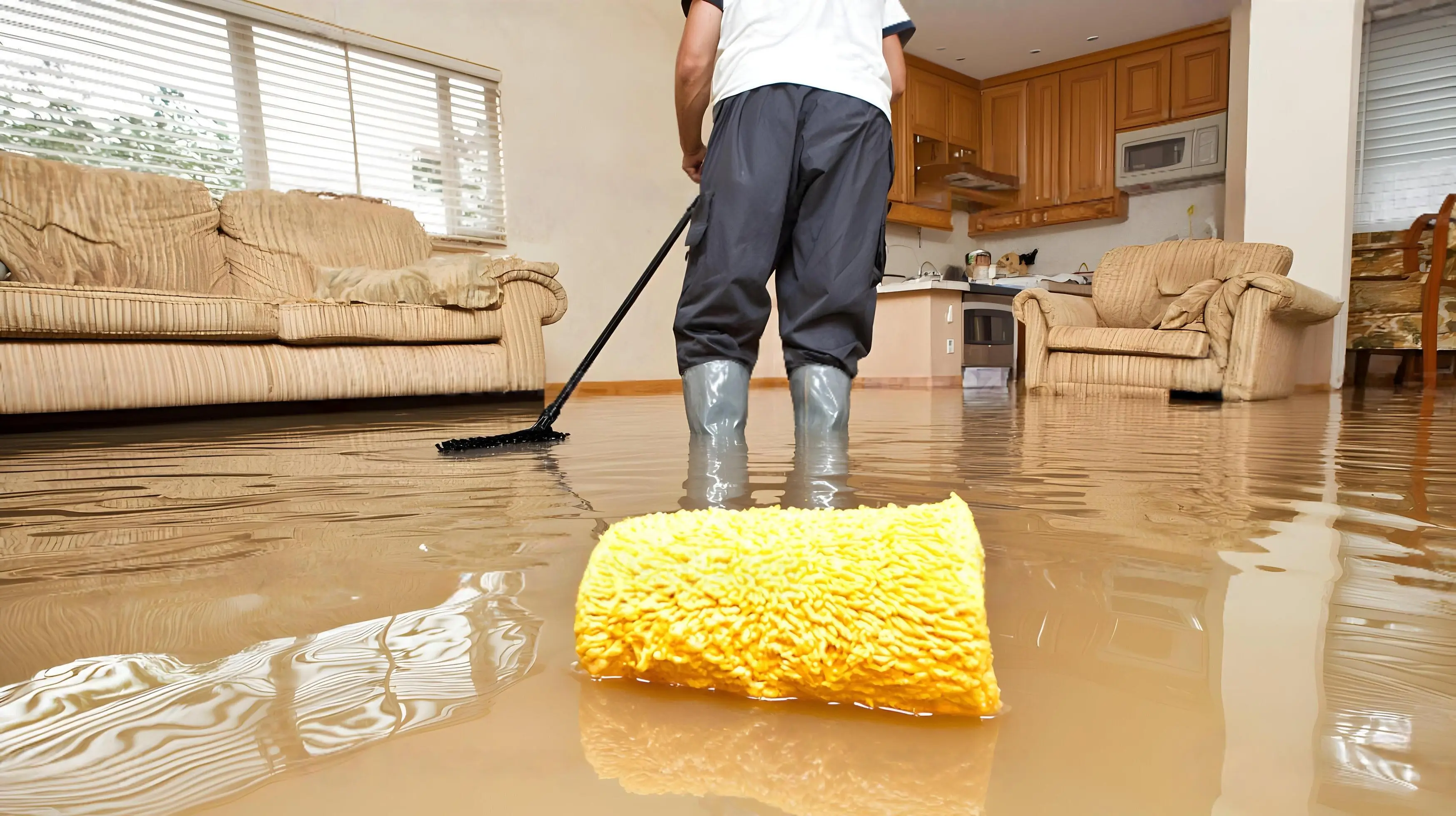
Water Damage Restoration
Burst pipes, storm flooding, standing water. We extract, dry, and restore before mold sets in.
Learn more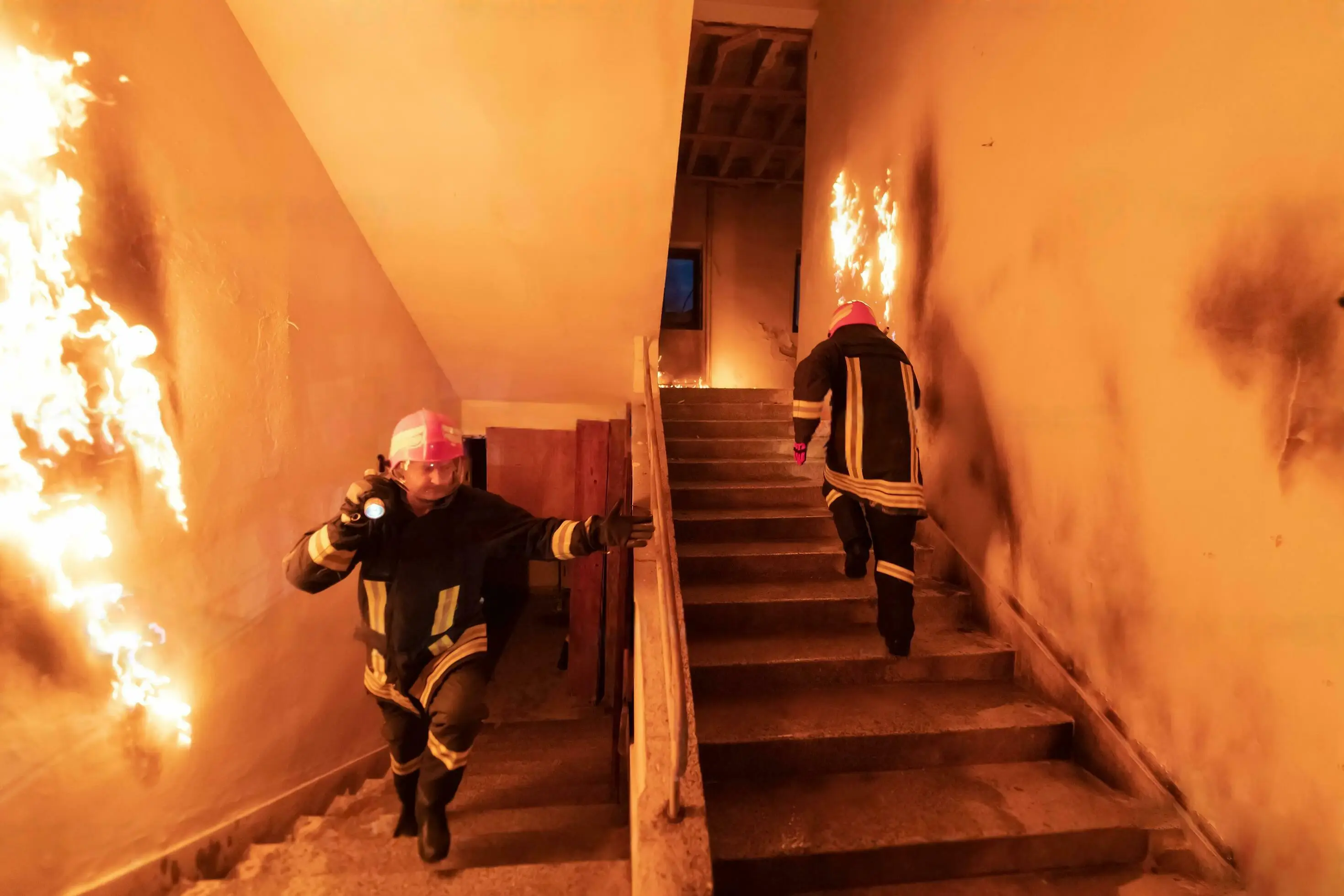
Fire Damage Restoration
Structural damage, soot, debris. We stabilize, clean, and rebuild what fire destroyed.
Learn more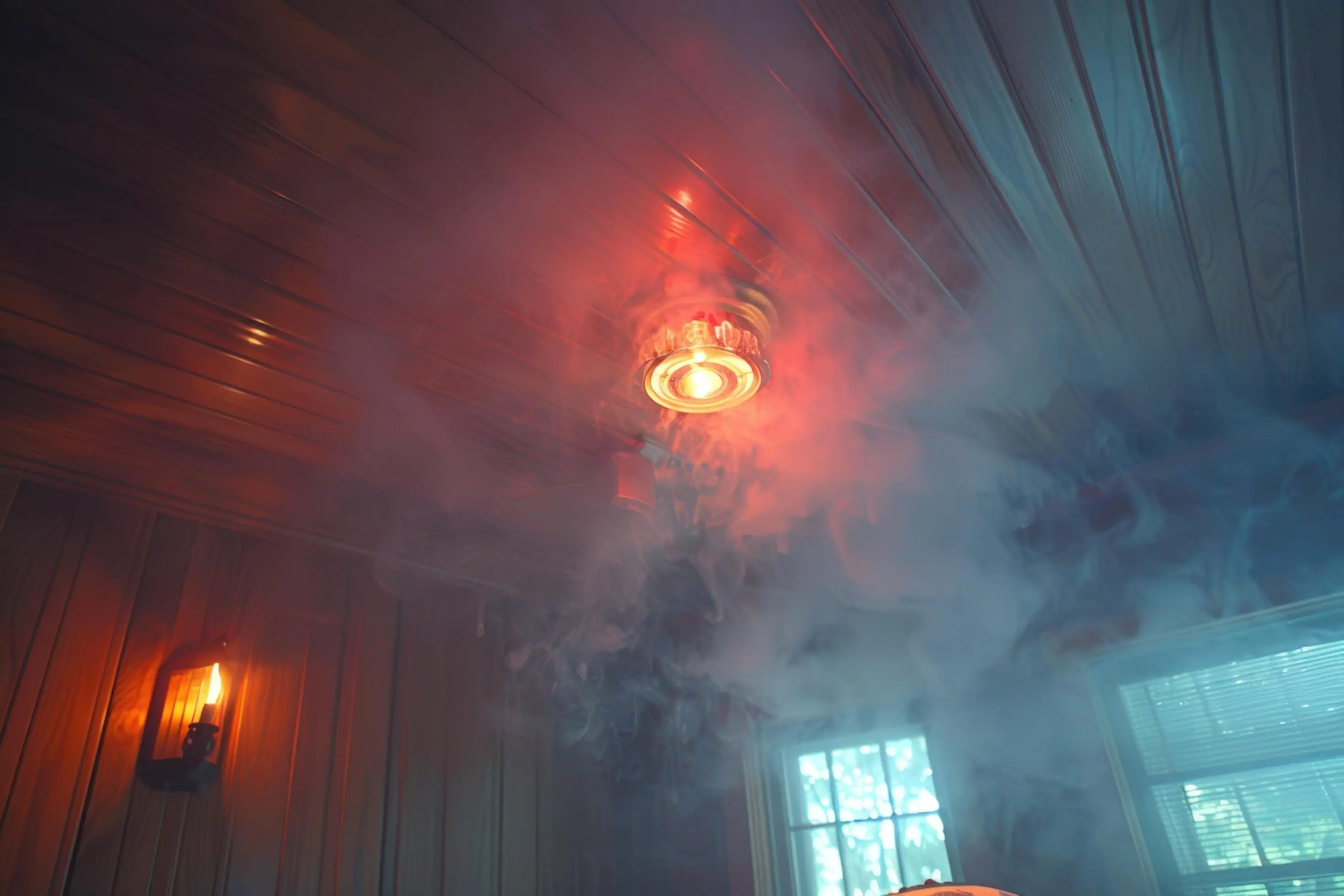
Smoke Damage Restoration
Soot residue, chemical odors, HVAC contamination. We decontaminate surfaces, eliminate odors, and restore air quality.
Learn more
Sewage Cleanup
Sewer backups, contaminated water, biohazard. We extract, sanitize, and restore safely.
Learn more