
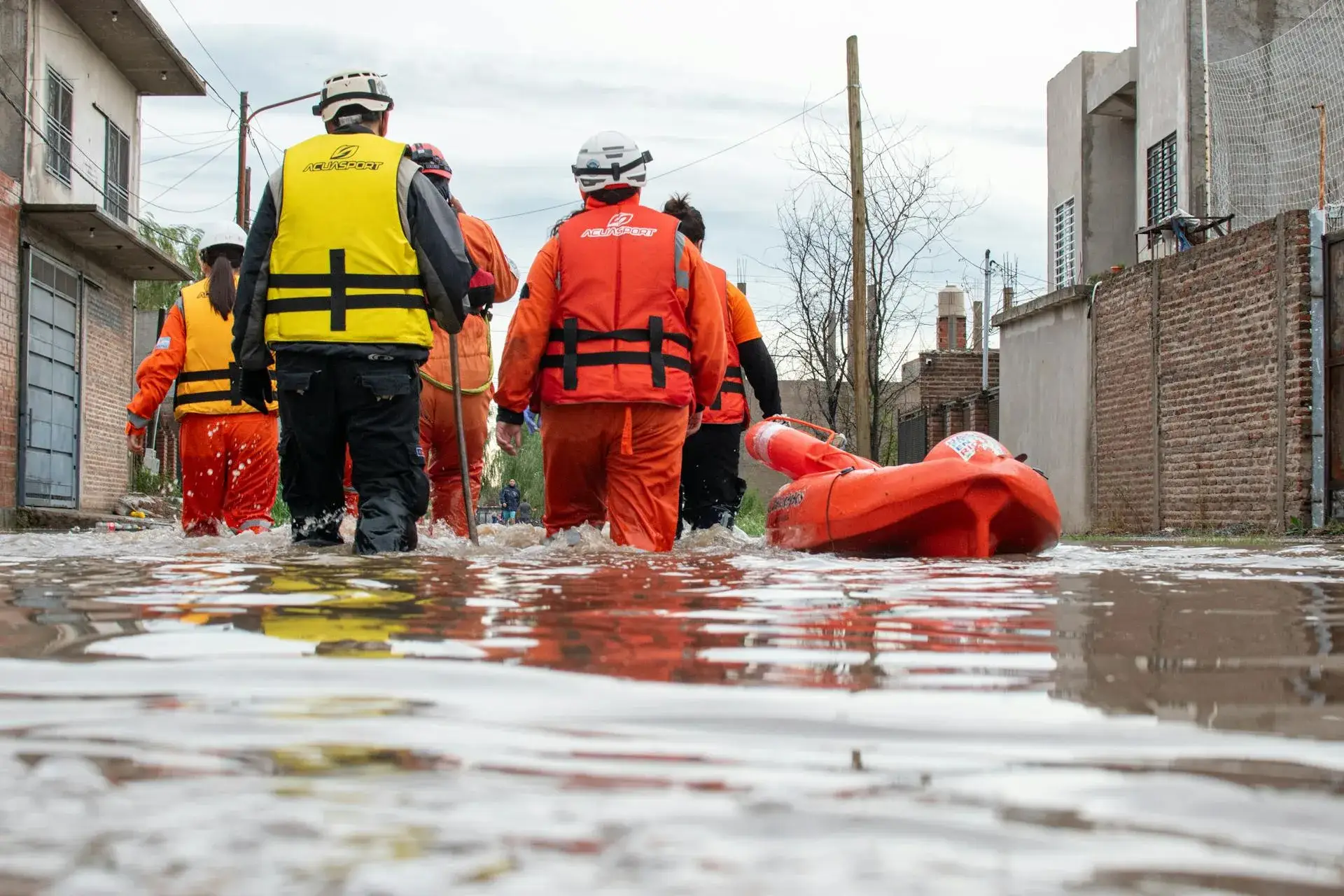
Water Damage Restoration in Wilmette, IL
Every hour of standing water deepens structural damage and mold risk. Our local team responds to Wilmette emergencies within 60 minutes.
What Happens When You Call
A real person answers, not a call center. We assess your situation, ask the right questions, and begin coordinating your response immediately.
Your dedicated restoration team is dispatched from our local base serving Wilmette and the surrounding North Shore communities.
Team arrives with industrial extractors, commercial dehumidifiers, and moisture detection equipment. Emergency mitigation begins immediately.
Water extracted, drying equipment placed and calibrated, restoration plan documented. You know exactly what comes next.
Water is moving through your home and you need it stopped now. Not after a callback queue, not tomorrow morning. X Response exists for exactly this moment. When you reach out, your restoration team is mobilized within minutes and on site within the hour. From that point forward, one team manages everything: extraction, drying, documentation, and insurance guidance. You are never left guessing about the next step. Call now. Your team is standing by.
Why Wilmette Homes Are Vulnerable to Water Damage
Wilmette is a village of 28,170 residents in New Trier Township, Cook County, Illinois, situated on the North Shore of Lake Michigan approximately 14 miles north of downtown Chicago. The village borders Evanston to the south, Kenilworth to the north, Winnetka to the northwest, Glenview to the west, and Skokie to the southwest, with Lake Michigan forming its entire eastern boundary. Named for Antoine Ouilmette, a French-Canadian fur trader who settled the area in the 1820s, Wilmette incorporated in 1872 and grew rapidly after rail service connected it to the city. The village is home to the only Bahai House of Worship in North America, a landmark on the lakefront. A major watershed divide runs through the community: the eastern portion drains directly to Lake Michigan, while the western portion drains to the North Branch of the Chicago River via a stormwater pumping station. This hydrological split created two entirely different flooding patterns and sewer challenges, and it dictated how the village's infrastructure was built across two distinct drainage systems.
In December 2023, the Village of Wilmette completed its $61 million Neighborhood Storage Stormwater Management System, the largest capital project in the village's 150-year history. The project installed 14.4 million gallons of underground stormwater storage beneath three Wilmette Park District parks (Community Playfield, Thornwood Park, and Hibbard Park) along with five miles of new storm sewer under streets throughout the west side. Phase 1, completed in 2020, built the Community Playfield vault with a capacity of 6.6 million gallons. Phases 2 and 3 followed, bringing the total to 14.4 million gallons by the end of 2023. Village officials stated the system was designed to prevent flooding for 98 percent of west-side homeowners during storms up to the 100-year event. The project was funded through a dedicated stormwater utility fee charged quarterly to all Wilmette property owners beginning January 1, 2020. Before this investment, the village's west side experienced repeated, widespread overland flooding because the historic storm sewer conveyance system was undersized compared to modern standards and unable to handle the runoff generated by the fully built-out community.
The Watershed Divide and Two Drainage Systems
Ridge Road physically bisects Wilmette into two distinct hydrological zones. East of Ridge Road, the village is served by a combined sewer system in which sanitary sewage and stormwater share a single pipe network. This combined system connects to the MWRD interceptor sewers and, during extreme events, can overflow into the North Shore Channel or Lake Michigan. West of Ridge Road, the village operates a separate sewer system where sanitary and storm flows travel in independent pipes. The storm sewers on the west side collect runoff and convey it to a stormwater pumping station that discharges into the North Branch of the Chicago River. This separation means that the flooding mechanisms differ on each side of the village. On the east side, heavy rain can surcharge the combined sewers and push sewage-contaminated water back into basements through floor drains. On the west side, the primary risk was historically overland flooding from undersized storm pipes that could not move rainwater to the pumping station fast enough during intense storms. The village has spent over $29 million on the combined sewer system east of Ridge Road since 1992, and over $12 million on the separate system west of Ridge Road prior to the $61 million Neighborhood Storage Project.
Undersized Storm Sewers and the $61 Million Solution
Wilmette's west-side storm sewers were designed and installed decades ago when the community had less impervious surface coverage and lower development density. As the village became fully built out, roof area, driveways, and paved surfaces increased the volume and speed of runoff reaching those pipes during storms. The result was chronic overland flooding that filled streets, yards, and ground-floor living spaces during moderate-to-heavy rain events. Burke Engineering conducted a year-long study in 2014 that confirmed the system was undersized relative to modern standards and recommended underground storage as the solution. After five years of study, public debate, and design work, the village approved and constructed the three-phase Neighborhood Storage Project. Underground vaults beneath Community Playfield (6.6 million gallons), Thornwood Park, and Hibbard Park capture stormwater during intense rain and release it slowly into the trunk sewer system after the peak passes. Five miles of additional storm sewer pipe under streets feed these reservoirs. The system was completed and operational by December 2023, and village officials reported that it performed successfully during subsequent storm events.
The TARP Connection and Regional Flood Infrastructure
Wilmette sits at the northern terminus of the MWRD's Mainstream Tunnel, part of the Tunnel and Reservoir Plan (TARP, commonly called the Deep Tunnel). This 40.5-mile tunnel system, 13 to 33 feet in diameter and 240 to 300 feet below ground, extends from Wilmette south to McCook, Illinois, intercepting combined sewer overflows and conveying them to the Stickney Water Reclamation Plant. The McCook Reservoir, which serves 3.1 million people from Wilmette southwest to Bedford Park, provides additional storage capacity during major storm events. When the tunnel and reservoir system approach capacity, the MWRD issues Overflow Action alerts urging residents to reduce water usage. For Wilmette's east-side combined sewer system, the TARP connection provides relief during extreme events by capturing overflow that would otherwise discharge directly into the North Shore Channel or Lake Michigan. However, TARP does not address the west-side storm sewer flooding that the Neighborhood Storage Project was built to solve, because the west-side separate storm system does not connect to the combined sewer interceptors.
Pre-War and Early Postwar Housing Stock
Wilmette's residential building stock spans from the 1880s through the present, with substantial concentrations of homes built before World War II. The village experienced its first major population growth between 1900 and 1930, when train service made it accessible to Chicago commuters, and thousands of homes were constructed in architectural styles ranging from Victorian and Arts and Crafts to Tudor Revival and Colonial Revival. These pre-war homes typically feature full basements with stone or concrete-block foundation walls, balloon-frame construction in the oldest examples, and waterproofing technology that has long since deteriorated. Many homes east of Ridge Road sit on lots with mature trees whose root systems have infiltrated clay tile drain lines and foundation weeping tile over the past century. When the combined sewer surcharges during heavy rain, water enters these basements through floor drains, wall-floor joints, and deteriorated foundation penetrations. The village's historic character means that renovation and restoration must often account for plaster-and-lath walls, hardwood flooring over dimensional-lumber subfloors, and lead paint that complicates demolition when materials are unsalvageable.
Lake Michigan Proximity and Groundwater
Wilmette's eastern boundary is Lake Michigan, and the village's lakefront elevation sits only 10 to 20 feet above the lake's normal water level. Lake Michigan's water level fluctuates on multi-year cycles; it reached a record high in 2020 at 582.35 feet (IGLD 1985), raising the water table across all lakefront communities. When the lake level is high, the groundwater table in Wilmette's eastern neighborhoods rises correspondingly, increasing hydrostatic pressure on basement walls and floors. Sump pumps in these homes run continuously during wet seasons, and a power outage during a storm can result in rapid basement flooding as the water table reasserts itself against the foundation. Homes west of Ridge Road face a different groundwater dynamic: the clay soils typical of the area hold moisture against foundations long after surface water drains, maintaining pressure that seeps through joints and cracks in older block walls. In both zones, the proximity to the lake moderates temperatures but also contributes to higher humidity levels that complicate drying after water intrusion events.
These factors create a community where water damage comes from multiple directions simultaneously. The west side faces overland flooding when storms exceed the new storage system's capacity or when localized pipe segments remain undersized. The east side faces combined sewer surcharges that push contaminated water into basements through floor drains. Both sides contend with aging foundations, century-old construction methods, and a groundwater table influenced by Lake Michigan's level. Effective restoration in Wilmette requires identifying whether the source is clean stormwater, sewer-contaminated backup, a failed supply line, or groundwater intrusion, because each demands a different contamination assessment, a different drying protocol, and a different materials-salvage decision.
What Happens to Your Home While You Wait
Within 1 Hour
Water spreads across basement floors and wicks into the base of plaster-and-lath walls, drywall, and wood trim. In Wilmette's pre-war homes with full basements, water pools at the lowest point and presses against stone or block foundation joints. Carpet padding absorbs water and traps it against the subfloor where you cannot see it from above. In homes with finished basements, water migrates behind paneling and into wall cavities before visible signs appear at the surface. During combined sewer surcharges on the east side, the water entering through floor drains carries bacterial contamination that requires a different response than clean stormwater.
1–24 Hours
Drywall and plaster wick moisture upward from the floor line, softening and expanding as they climb. Hardwood floors begin to cup as the underside absorbs moisture faster than the finished top surface. Wood baseboards, door casings, and crown molding swell at their joints. The clay soils around Wilmette foundations hold moisture against exterior walls, maintaining hydrostatic pressure even after interior water is removed. Musty odors develop as bacteria multiply in warm, damp cavities. In pre-war homes with balloon-frame construction, water can migrate vertically through open stud bays from the basement to upper floors.
24–48 Hours
Mold colonization begins in hidden spaces: behind baseboards, beneath hardwood flooring, inside wall cavities where moisture is trapped against cold surfaces. Cook County's summer humidity slows natural evaporation and accelerates biological growth. Plaster-and-lath walls lose their bond and begin to sag where moisture has dissolved the plaster keys. Dimensional lumber framing at the sill plate swells and stresses fastener connections. What started as a drying job begins crossing into demolition territory as materials become unsalvageable.
48–72 Hours
Mold spreads into HVAC ductwork and distributes spores throughout the home through the forced-air system. In older homes where ductwork runs through basement spaces, contamination reaches living areas rapidly. The scope of affected materials expands well beyond the original wet footprint. Hardwood flooring that might have been saved with immediate extraction now requires removal. Restoration costs climb sharply as more materials require demolition rather than drying in place.
One Week and Beyond
Extensive mold growth through wall cavities, beneath flooring systems, and throughout HVAC distribution. Structural wood at connection points shows early signs of decay. In homes with balloon-frame walls, mold can establish in upper-story cavities fed by moisture that traveled vertically from the basement. The scope shifts from restoration to significant demolition and rebuild of affected areas. Insurance claims grow more complex and contested at this stage as carriers question whether timely mitigation could have limited the damage.
The difference between drying your home in place and gutting it to the studs is often just a few hours of response time. Contact X Response now. Our Wilmette team responds within 60 minutes.
How We Restore Water-Damaged Wilmette Homes
From the moment our team arrives, every step is documented, measured, and verified. Here is exactly what the restoration process involves for Wilmette properties.
Emergency Assessment and Documentation
Our team arrives with thermal imaging cameras and professional moisture meters to map the full extent of water intrusion. In Wilmette homes, that means inspecting basements, crawl spaces beneath additions, wall cavities in balloon-frame structures, and finished lower-level spaces where water migrates behind surfaces before becoming visible. We check behind baseboards, beneath hardwood flooring, along foundation walls, and through any accessible wall cavities. We determine whether the water source is clean stormwater from an overwhelmed storm sewer, sewage-contaminated backup from the combined system on the east side, a plumbing supply-line failure, or groundwater intrusion driven by the water table. Source identification dictates contamination level, required PPE, and which materials can be saved versus which must be removed. Everything is documented with photos, moisture readings, and a written scope of work that guides the restoration and gives your insurance company the evidence it needs from day one.
Water Extraction
Standing water is removed using truck-mounted and portable extraction units capable of pulling hundreds of gallons per hour. For Wilmette basements with significant standing water, we deploy submersible pumps and weighted extraction tools for carpet and pad systems. For finished basements where water has migrated behind walls, we may need to remove base trim and create weep holes to access trapped water in wall cavities. If flooding is ongoing because storm sewers remain surcharged or the combined system has not cleared, we establish temporary pumping to manage active intrusion while extraction continues inside. In homes where the source is a combined sewer backup, we follow Category 3 (grossly contaminated) protocols from initial contact: all porous materials that contacted the water are removed rather than dried in place, and the affected area is treated as a biohazard until decontamination is complete.
Structural Drying and Dehumidification
This is the longest and most critical phase. We position commercial dehumidifiers and high-velocity air movers in a calculated pattern that drives airflow across every wet surface. Cook County humidity during summer months makes mechanical dehumidification essential rather than optional, as ambient air near Lake Michigan cannot absorb sufficient moisture to dry structures on its own. We dry basement walls, slab perimeters, wood framing, subfloor systems, and wall cavities directly, returning daily to take moisture readings and reposition equipment until meters confirm the structure has reached its dry standard. For Wilmette homes where clay soils continue to hold moisture against exterior foundation walls after the interior is pumped dry, we monitor for re-wetting and extend the drying period as needed. Homes east of Ridge Road near the lake face additional challenges from a high water table that maintains hydrostatic pressure against basement walls throughout the drying process.
Antimicrobial Treatment and Mold Prevention
Once surfaces are dry, we apply EPA-registered antimicrobial treatments to all affected areas. In Wilmette, where lakefront humidity and the 24-to-48-hour mold colonization window create rapid growth conditions, treatment is essential even for clean-water events. For homes where the water source was a combined sewer backup carrying sanitary waste, antimicrobial treatment is mandatory and all porous materials that contacted the water have already been removed during extraction. HEPA air scrubbers run throughout the project to capture airborne spores and particulates, protecting indoor air quality while the structure dries and preventing cross-contamination to unaffected areas of the home.
Quality Verification and Completion
Before we consider the job complete, a final inspection verifies that all moisture readings have returned to acceptable levels, every treated area is clean and dry, and the scope of work has been fully executed. We hand you completion documentation including before-and-after photos, final moisture readings, and a summary of all work performed. That record supports your insurance claim and gives you a clear account of what was done. If any area does not pass our quality check, we keep working until it does. There is no partial completion.
The X Response Difference
When you contact X Response, you get a dedicated restoration team that manages everything, from emergency mitigation through insurance documentation to final quality verification. One team, one point of contact, one standard of work from start to finish.
Insurance Claim Guidance for Wilmette Homeowners
Water damage insurance claims in Illinois depend almost entirely on the source of the water and whether you carry the right endorsements. Standard homeowner's policies cover sudden and accidental events like burst pipes, failed water heaters, and appliance line failures. Flood damage from rising surface water, including overland flooding from overwhelmed storm drains, is not covered under a standard policy and requires separate flood insurance through the National Flood Insurance Program or a private carrier. Sewer and drain backup, a significant risk in Wilmette where the east-side combined sewer system can surcharge during heavy rain and push contaminated water into basements through floor drains, typically requires its own endorsement that many homeowners do not carry until they experience their first backup event. Many Wilmette homeowners assume that because the village completed its $61 million stormwater project, flood risk has been eliminated, but the new system addresses west-side overland flooding only; the east-side combined sewer backup risk and groundwater intrusion from Lake Michigan's water table remain separate exposures that standard policies still exclude.
How X Response Helps
- Document all damage with professional photos, moisture readings, and a detailed scope of work from day one
- Identify the water source clearly, as combined sewer backup, stormwater flooding, groundwater intrusion, and interior plumbing failure each trigger different coverage under Illinois policies
- Prepare documentation that meets Village of Wilmette and Cook County requirements so your claim is complete
- Align our restoration scope with standard insurance coverage categories so your adjuster can process the claim efficiently
- Explain your policy's likely coverage before you file, so you understand your options and potential out-of-pocket exposure
X Response does not file claims on your behalf, adjust claims, or make coverage determinations. We provide documentation and guidance to help you make informed decisions about your property and your policy. Coverage decisions are made solely by your insurance carrier.
Certified Restoration Specialists Serving Wilmette
When you contact X Response for a water damage emergency in Wilmette, your restoration team is drawn from certified professionals who work across the North Shore and understand the specific challenges of restoring properties in this community. They know how the dual sewer system behaves on each side of Ridge Road, how the combined sewers on the east side surcharge differently than the separate storm system on the west, how the pre-war housing stock with balloon-frame walls and plaster-and-lath requires different drying approaches than modern construction, and how Lake Michigan's water table creates persistent hydrostatic pressure against lakefront foundations. They have worked through combined sewer backups in the east-side neighborhoods, overland stormwater flooding on the west side before and after the Neighborhood Storage Project, supply-line failures in pre-war plumbing systems, and groundwater intrusion in homes near the lake during high-water-table periods. This is not a crew dispatched from hours away with no local context. It is a local team with local expertise, operating under national quality standards.
Every technician on your team holds current IICRC certification in water damage restoration and carries the appropriate Illinois state licensing for the work being performed. Equipment is commercial-grade and maintained to manufacturer specifications. When your team arrives, they bring everything needed to begin mitigation immediately, including submersible pumps for deep basement water, weighted extractors for carpet systems, commercial dehumidifiers sized for the volume and humidity conditions typical of lakefront Cook County properties, thermal imaging equipment to map hidden moisture behind plaster walls and beneath hardwood floors, and Category 3 contamination response equipment for combined sewer backup events.
In Wilmette, X Response works with Scene Cleaners, an independent local restoration partner serving Cook County.
Water Damage Restoration FAQ for Wilmette Homeowners
Other Emergency Services in Wilmette

Fire Damage Restoration
Structural damage, soot, debris. We stabilize, clean, and rebuild what fire destroyed.
Learn more
Smoke Damage Restoration
Soot residue, chemical odors, HVAC contamination. We decontaminate surfaces, eliminate odors, and restore air quality.
Learn more
Mold Remediation
Testing, containment, removal, prevention. We find the source, eliminate the growth, and stop it from returning.
Learn more
Sewage Cleanup
Sewer backups, contaminated water, biohazard. We extract, sanitize, and restore safely.
Learn moreNearby Service Areas
Also serving nearby: