

Water Damage Restoration in Lincolnwood, IL
Every hour of standing water deepens structural damage and mold risk. Our local team responds to Lincolnwood emergencies within 60 minutes.
What Happens When You Call
A real person answers, not a call center. We assess your situation, ask the right questions, and begin coordinating your response immediately.
Your dedicated restoration team is dispatched from our local base serving Lincolnwood and the surrounding North Shore communities.
Team arrives with industrial extractors, commercial dehumidifiers, and moisture detection equipment. Emergency mitigation begins immediately.
Water extracted, drying equipment placed and calibrated, restoration plan documented. You know exactly what comes next.
Water is moving through your home and you need it stopped now. Not after a callback queue, not tomorrow morning. X Response exists for exactly this moment. When you reach out, your restoration team is mobilized within minutes and on site within the hour. From that point forward, one team manages everything: extraction, drying, documentation, and insurance guidance. You are never left guessing about the next step. Call now. Your team is standing by.
Why Lincolnwood Homes Are Vulnerable to Water Damage
Lincolnwood is a village of 13,463 residents in Niles Township, Cook County, Illinois, occupying approximately 2.5 square miles immediately north of the Chicago city limits. The village shares its southern, southeastern, and southwestern boundaries with Chicago, its northern and northwestern boundary with Skokie, and its eastern border with the North Shore Channel, a 7.7-mile canal built between 1907 and 1910 to increase flow in the North Branch of the Chicago River. Originally settled as farmland made accessible after the completion of the North Shore Channel drained the easily flooded prairie, the community incorporated in 1911 as Tessville, then renamed itself Lincolnwood in 1936 after Lincoln Avenue, the diagonal road that bisects it. The village experienced rapid residential development after World War II, and more than half of its housing stock was constructed between 1940 and 1959. That postwar building boom means most homes in Lincolnwood sit on sewer infrastructure designed and installed over 70 years ago, when the community had fewer impervious surfaces and significantly less stormwater runoff to manage.
In 2019, the Village of Lincolnwood awarded nearly $4.3 million in contracts to build an outfall sewer under North Shore Avenue from Drake Avenue to the North Shore Channel, a project designed to reduce chronic residential basement flooding during heavy rains. The Metropolitan Water Reclamation District of Greater Chicago contributed a $1.4 million grant toward the construction. This outfall sewer was the culmination of a multi-phased stormwater improvement initiative that trustees first approved in 2007, when they committed to upgrading the village's aging combined sewer system to handle a 10-year rain event. Earlier phases included a 2015-2016 pilot program testing underground flow restrictors on approximately 1,000 homes in a flood-prone area bounded by Devon Avenue, Pratt Avenue, McCormick Boulevard, and Lincoln Avenue. Those restrictors were designed to slow the flow of stormwater into the sewers by storing up to nine inches of water on residential streets for up to two hours during heavy rain events, reducing the hydraulic load on the combined system downstream.
The Combined Sewer System and Its Limits
The majority of Lincolnwood operates on a combined sewer system in which sanitary sewage and stormwater share a single network of pipes. Only the northeast corner of the village contains a separate storm sewer. When rainfall exceeds the combined system's capacity, water has nowhere to go but back up through basement floor drains, laundry connections, and low-lying plumbing fixtures. The village's sewers were sized for the development density and impervious surface coverage of the 1940s and 1950s. Decades of infill construction, driveway expansions, garage additions, and the loss of permeable yard area have increased the volume and speed of runoff reaching those pipes during storms. The result has been recurring basement flooding throughout the village, particularly in the area south of Pratt Avenue and east of Lincoln Avenue where the system's gradient and pipe diameter create a bottleneck during heavy rain. The 2007 multi-year improvement plan, the 2015 flow-restrictor pilot, and the 2019 North Shore Avenue outfall sewer all targeted this fundamental capacity mismatch between mid-century infrastructure and modern stormwater loads.
The North Shore Channel and Drainage Geography
The North Shore Channel forms Lincolnwood's entire eastern boundary. Built by the Sanitary District of Chicago between 1907 and 1910, the channel draws water from Lake Michigan at Wilmette Harbor and conveys it south into the North Branch of the Chicago River. For Lincolnwood, the channel serves as the ultimate receiving body for stormwater discharged from the village's sewer system. The 2019 outfall sewer project created a direct discharge point from the combined system into the North Shore Channel under North Shore Avenue, giving surging stormwater a shorter path out of the residential pipe network during heavy events. However, when the channel itself runs high, as it does during sustained regional rainfall or when MWRD manages flows from upstream communities including Wilmette and Evanston, the outfall's relief capacity is reduced. The village sits on flat terrain with minimal natural gradient, meaning stormwater moves slowly through the system under gravity alone. Without the mechanical advantage of elevation, pipe diameter and outlet capacity are the primary variables determining whether water drains from basements or backs up into them.
Postwar Housing Stock and Basement Vulnerability
More than half of Lincolnwood's housing was constructed between 1940 and 1959, during the postwar suburban boom that transformed former farmland into dense residential blocks. These homes typically feature full basements with poured-concrete or concrete-block foundation walls, below-grade laundry rooms and utilities, and direct sewer connections through basement floor drains that sit at or below the elevation of the street sewer main. When the combined sewer surcharges during heavy rain, hydrostatic pressure pushes water and sewage backward through these low-lying connections. Many of these homes were built without backflow prevention devices because the sewer capacity appeared adequate at the time of construction. Retrofitting an overhead sewer or backflow preventer requires significant plumbing modification, including raising drain lines above the basement floor slab, installing ejector pumps for below-grade fixtures, and rerouting branch connections. The village and MWRD have encouraged these retrofits, but the cost and disruption mean many Lincolnwood basements remain directly exposed to sewer surcharge events.
The TARP System and Regional Context
Lincolnwood's combined sewer system connects to the Metropolitan Water Reclamation District's interceptor sewers, which feed into the Tunnel and Reservoir Plan (TARP, commonly called the Deep Tunnel). The TARP system captures combined sewer overflows in massive tunnels hundreds of feet below ground and stores them until they can be treated at the Stickney Water Reclamation Plant. The McCook Reservoir, completed in stages and now operational, provides additional regional storage. When TARP capacity is available, it relieves pressure on local sewers by accepting overflow that would otherwise back up into homes or discharge untreated into waterways. However, during large regional storms that affect the entire Chicago metropolitan area simultaneously, the TARP tunnels can fill to capacity, at which point the system's ability to relieve local flooding diminishes. The MWRD issues Overflow Action alerts during these events, advising residents across Cook County to minimize water usage. For Lincolnwood homeowners, these alerts signal the highest-risk period for basement backup from the combined sewer.
Impervious Surface Growth and Ongoing Risk
Lincolnwood is fully built out. Unlike developing suburbs that can require stormwater detention for new construction, Lincolnwood's residential lots were largely developed before modern stormwater management standards existed. Over decades, homeowners have expanded driveways, added patios, built garage additions, and replaced permeable surfaces with concrete and asphalt. Each modification reduces the ground's ability to absorb rainfall and increases the volume of runoff entering the combined sewer during storms. The village's stormwater ordinance now requires best management practices for new development and significant renovations, but the cumulative effect of 70 years of incremental impervious-surface growth cannot be reversed through regulation alone. The infrastructure improvements since 2007 have reduced the frequency of basement flooding, but they have not eliminated it. Properties in low-lying areas, homes without backflow prevention, and basements with below-grade floor drains connected directly to the combined system remain at risk during any storm that exceeds the system's improved but still finite capacity.
These factors create a community where water damage is driven primarily by an aging combined sewer system serving a fully built-out postwar suburb. The village has invested millions in infrastructure improvements since 2007, but the fundamental challenge remains: mid-century pipes serving modern impervious-surface loads on flat terrain with limited gradient. Effective restoration in Lincolnwood requires understanding whether the water source is a sewer surcharge carrying contamination, clean stormwater that overwhelmed the system, a failed interior supply line, or groundwater intrusion through deteriorating foundation walls, because each demands a different response protocol and different materials-salvage decisions.
What Happens to Your Home While You Wait
Within 1 Hour
Water spreads across basement floors and wicks into the base of drywall, paneling, and wood trim. In Lincolnwood's postwar homes with full basements, water pools at the lowest point near floor drains and presses outward along the slab perimeter. Carpet padding absorbs water rapidly and traps it against the concrete where you cannot see it from above. In finished basements with framed walls, water migrates behind paneling and drywall into wall cavities before visible signs appear at the surface. If the source is a combined sewer surcharge, the water carries bacterial contamination from the moment it enters the home.
1–24 Hours
Drywall and wood paneling wick moisture upward from the floor line, softening and expanding as they absorb. Laminate and hardwood flooring begin to cup and swell at their edges. Wood baseboards and door casings expand at joints and pull away from walls. The flat terrain and clay soils typical of Lincolnwood hold moisture against exterior foundation walls, maintaining hydrostatic pressure even after visible interior water recedes. Musty odors develop as bacteria multiply in warm, damp wall cavities and beneath flooring systems. In homes with forced-air HVAC systems drawing return air from basement registers, contaminated air circulates to upper floors.
24–48 Hours
Mold colonization begins in hidden spaces: behind baseboards, beneath flooring, inside wall cavities where moisture is trapped against cold concrete surfaces. Cook County's summer humidity slows natural evaporation and accelerates biological growth. Drywall that remained intact loses structural integrity as the paper facing separates from the gypsum core. What started as a drying job begins crossing into demolition territory as materials reach the point of no return. The scope of necessary work expands beyond the visible wet footprint into adjacent areas where moisture has migrated through capillary action.
48–72 Hours
Mold spreads into HVAC ductwork and distributes spores throughout the home through the forced-air system. In Lincolnwood homes where basement HVAC equipment shares air with the living spaces above, contamination reaches every room served by the system. Hardwood flooring that might have been saved with immediate extraction now requires removal as the subfloor beneath it retains moisture. Restoration costs climb sharply as demolition of affected materials becomes necessary rather than optional. The boundary between salvageable and unsalvageable expands with every hour of delay.
One Week and Beyond
Extensive mold growth through wall cavities, beneath flooring systems, and throughout HVAC distribution. Structural wood at sill plates and rim joists shows early signs of decay where moisture has been sustained. The scope shifts from restoration to significant demolition and rebuild of affected basement areas. Insurance claims grow more complex and contested at this stage as carriers question whether timely mitigation could have limited the damage. Materials that were wet for more than 72 hours from a combined sewer source are classified as non-salvageable regardless of their apparent condition.
The difference between drying your home in place and gutting it to the studs is often just a few hours of response time. Contact X Response now. Our Lincolnwood team responds within 60 minutes.
How We Restore Water-Damaged Lincolnwood Homes
From the moment our team arrives, every step is documented, measured, and verified. Here is exactly what the restoration process involves for Lincolnwood properties.
Emergency Assessment and Documentation
Our team arrives with thermal imaging cameras and professional moisture meters to map the full extent of water intrusion. In Lincolnwood homes, that means inspecting basements, finished lower-level spaces, wall cavities behind paneling, and areas beneath floating floors where water migrates invisibly. We check behind baseboards, beneath carpet and pad, along foundation walls, and at every plumbing penetration. We determine whether the water source is a combined sewer surcharge carrying contamination, clean stormwater from an overwhelmed system, a plumbing supply-line failure, or groundwater intrusion through deteriorating 70-year-old foundation walls. Source identification dictates contamination level, required PPE, and which materials can be saved versus which must be removed. Everything is documented with photos, moisture readings, and a written scope of work that guides the restoration and gives your insurance company the evidence it needs from day one.
Water Extraction
Standing water is removed using truck-mounted and portable extraction units capable of pulling hundreds of gallons per hour. For Lincolnwood basements with significant standing water, we deploy submersible pumps and weighted extraction tools for carpet and pad systems. For finished basements where water has migrated behind walls, we create strategic access points to reach trapped water in wall cavities. If flooding is ongoing because the combined sewer remains surcharged, we establish temporary pumping to manage active intrusion while extraction continues inside. In homes where the source is a combined sewer backup, we follow Category 3 contamination protocols from initial contact: all porous materials that contacted the water are removed rather than dried in place, and the affected area is treated as a biohazard until decontamination is complete.
Structural Drying and Dehumidification
This is the longest and most critical phase. We position commercial dehumidifiers and high-velocity air movers in a calculated pattern that drives airflow across every wet surface. Cook County humidity during summer months makes mechanical dehumidification essential rather than optional, as ambient air cannot absorb sufficient moisture to dry structures on its own. We dry basement walls, slab perimeters, wood framing, subfloor systems, and wall cavities directly, returning daily to take moisture readings and reposition equipment until meters confirm the structure has reached its dry standard. For Lincolnwood homes where clay soils continue to hold moisture against exterior foundation walls after the interior is pumped dry, we monitor for re-wetting and extend the drying period as needed. The flat terrain means water drains slowly from the soil surrounding foundations, maintaining pressure longer than in communities with natural slope.
Antimicrobial Treatment and Mold Prevention
Once surfaces are dry, we apply EPA-registered antimicrobial treatments to all affected areas. In Lincolnwood, where summer humidity and the 24-to-48-hour mold colonization window create rapid growth conditions, treatment is essential even for clean-water events. For homes where the water source was a combined sewer surcharge carrying sanitary waste, antimicrobial treatment is mandatory and all porous materials that contacted the water have already been removed during extraction. HEPA air scrubbers run throughout the project to capture airborne spores and particulates, protecting indoor air quality while the structure dries and preventing cross-contamination to unaffected areas of the home.
Quality Verification and Completion
Before we consider the job complete, a final inspection verifies that all moisture readings have returned to acceptable levels, every treated area is clean and dry, and the scope of work has been fully executed. We hand you completion documentation including before-and-after photos, final moisture readings, and a summary of all work performed. That record supports your insurance claim and gives you a clear account of what was done. If any area does not pass our quality check, we keep working until it does. There is no partial completion.
The X Response Difference
When you contact X Response, you get a dedicated restoration team that manages everything, from emergency mitigation through insurance documentation to final quality verification. One team, one point of contact, one standard of work from start to finish.
Insurance Claim Guidance for Lincolnwood Homeowners
Water damage insurance claims in Illinois depend almost entirely on the source of the water and whether you carry the right endorsements. Standard homeowner's policies cover sudden and accidental events like burst pipes, failed water heaters, and appliance line failures. Flood damage from rising surface water, including overland flooding from overwhelmed storm drains, is not covered under a standard policy and requires separate flood insurance through the National Flood Insurance Program or a private carrier. Sewer and drain backup, a significant risk in Lincolnwood where the combined sewer system can surcharge during heavy rain and push contaminated water into basements through floor drains, typically requires its own endorsement that many homeowners do not carry until they experience their first backup event. The village's multi-million-dollar infrastructure improvements since 2007 have reduced flood frequency but have not eliminated the risk, and properties without backflow prevention devices remain exposed during storms that exceed system capacity.
How X Response Helps
- Document all damage with professional photos, moisture readings, and a detailed scope of work from day one
- Identify the water source clearly, as combined sewer backup, stormwater flooding, groundwater intrusion, and interior plumbing failure each trigger different coverage under Illinois policies
- Prepare documentation that meets Village of Lincolnwood and Cook County requirements so your claim is complete
- Align our restoration scope with standard insurance coverage categories so your adjuster can process the claim efficiently
- Explain your policy's likely coverage before you file, so you understand your options and potential out-of-pocket exposure
X Response does not file claims on your behalf, adjust claims, or make coverage determinations. We provide documentation and guidance to help you make informed decisions about your property and your policy. Coverage decisions are made solely by your insurance carrier.
Certified Restoration Specialists Serving Lincolnwood
When you contact X Response for a water damage emergency in Lincolnwood, your restoration team is drawn from certified professionals who work across Cook County's North Shore suburbs and understand the specific challenges of restoring properties in this community. They know how the combined sewer system behaves during heavy rain, how the postwar housing stock with below-grade floor drains and concrete-block foundations responds to surcharge events, how the flat terrain and clay soils hold moisture against foundations long after interior water is removed, and how the North Shore Channel's capacity affects the village's ability to discharge stormwater during regional storms. They have worked through combined sewer backups across the village, stormwater floods in the Devon-Pratt-McCormick-Lincoln flood zone, supply-line failures in 70-year-old plumbing systems, and groundwater intrusion through deteriorating mid-century foundation walls. This is not a crew dispatched from hours away with no local context. It is a local team with local expertise, operating under national quality standards.
Every technician on your team holds current IICRC certification in water damage restoration and carries the appropriate Illinois state licensing for the work being performed. Equipment is commercial-grade and maintained to manufacturer specifications. When your team arrives, they bring everything needed to begin mitigation immediately, including submersible pumps for deep basement water, weighted extractors for carpet systems, commercial dehumidifiers sized for the volume and humidity conditions typical of Cook County properties, thermal imaging equipment to map hidden moisture behind walls and beneath floors, and Category 3 contamination response equipment for combined sewer backup events.
In Lincolnwood, X Response works with Scene Cleaners, an independent local restoration partner serving Cook County.
Water Damage Restoration FAQ for Lincolnwood Homeowners
Other Emergency Services in Lincolnwood
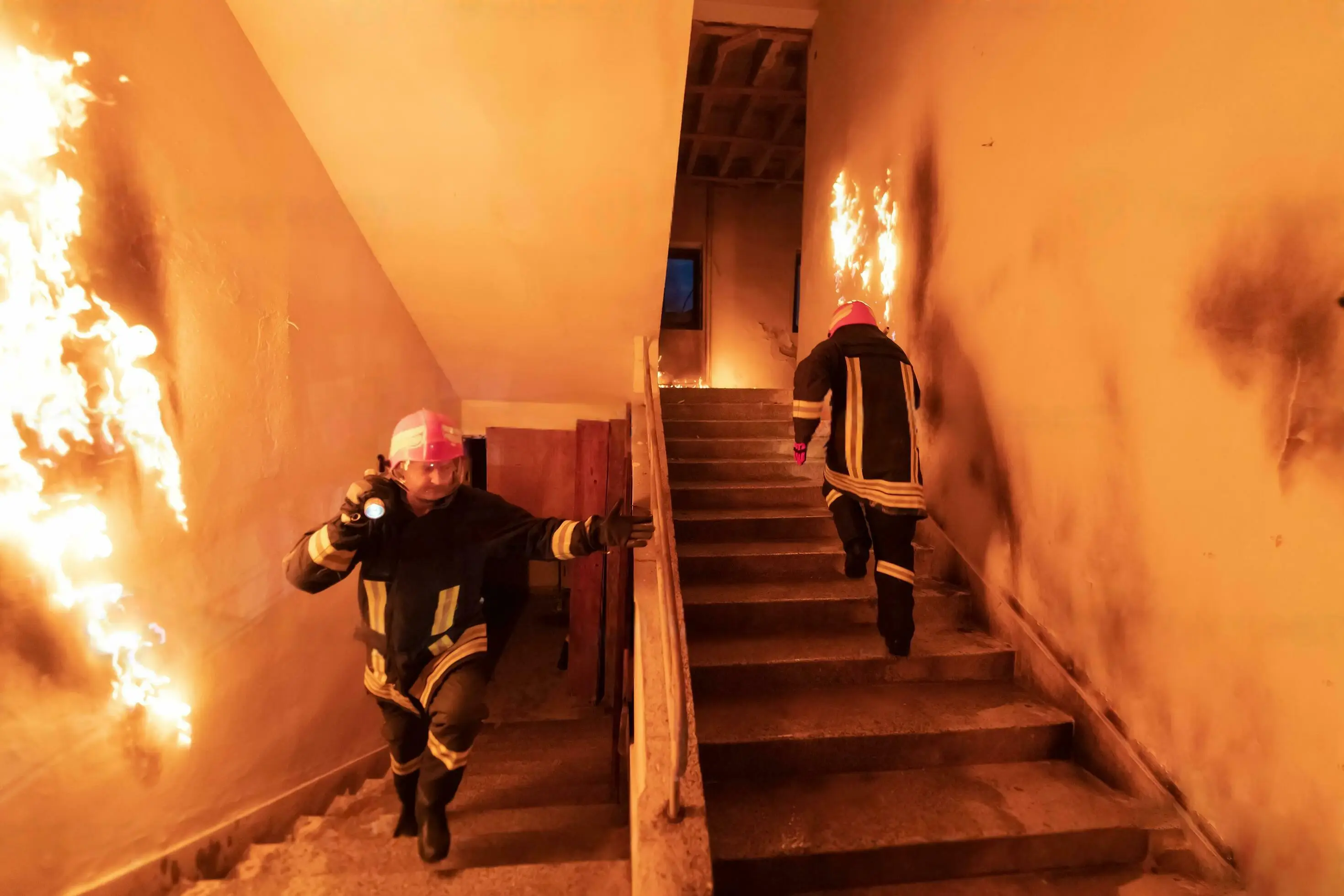
Fire Damage Restoration
Structural damage, soot, debris. We stabilize, clean, and rebuild what fire destroyed.
Learn more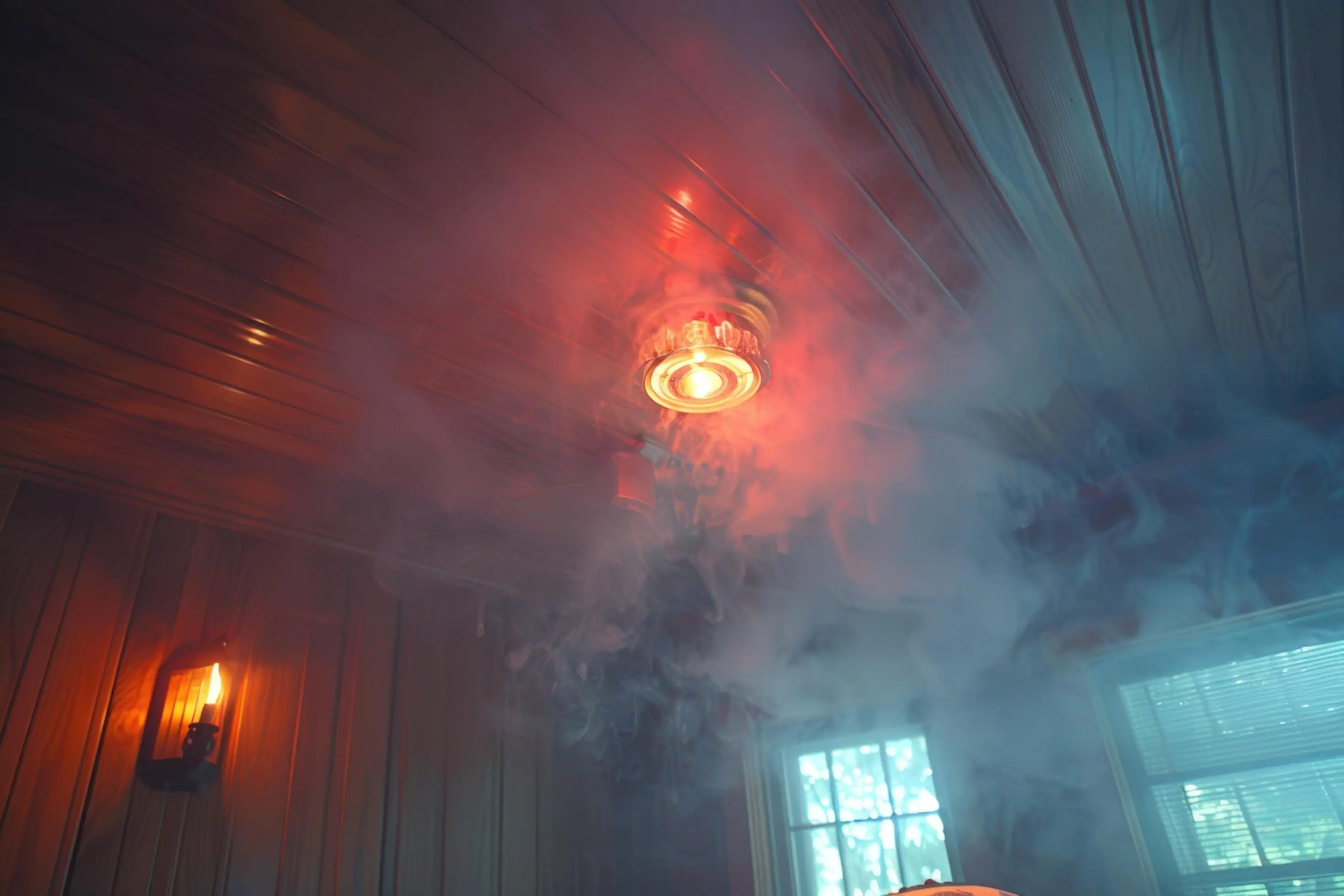
Smoke Damage Restoration
Soot residue, chemical odors, HVAC contamination. We decontaminate surfaces, eliminate odors, and restore air quality.
Learn more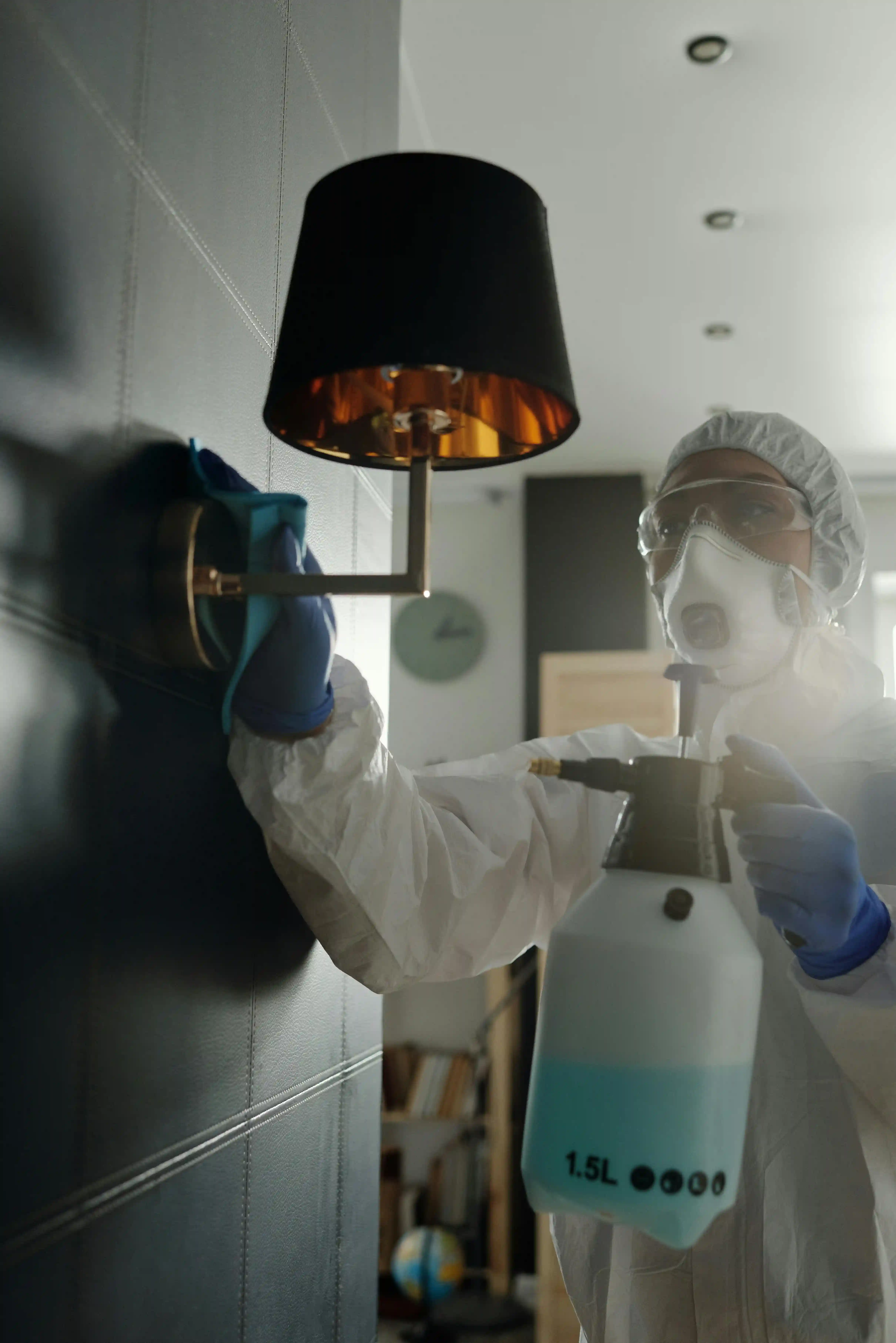
Mold Remediation
Testing, containment, removal, prevention. We find the source, eliminate the growth, and stop it from returning.
Learn more
Sewage Cleanup
Sewer backups, contaminated water, biohazard. We extract, sanitize, and restore safely.
Learn more