
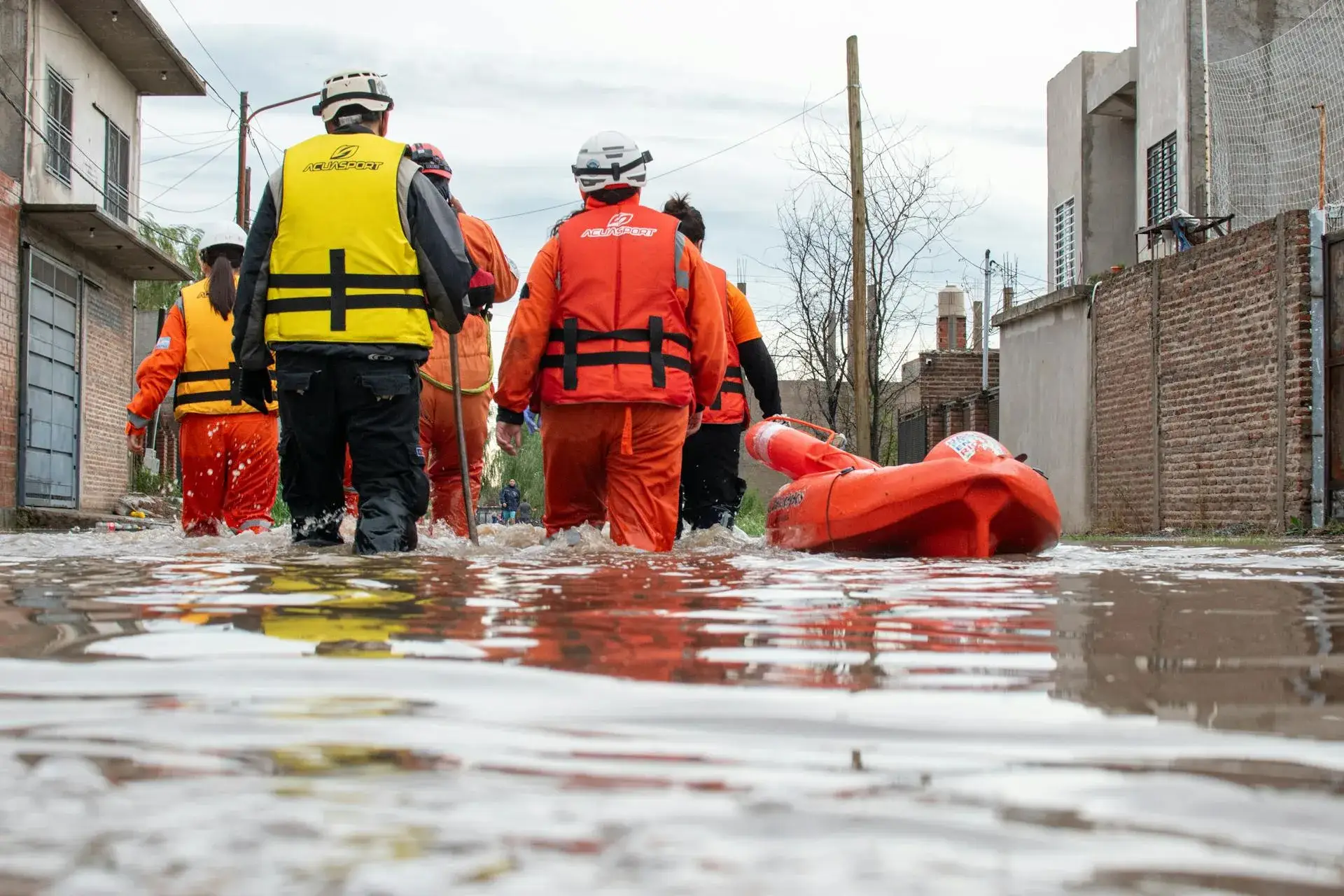
Water Damage Restoration in Skokie, IL
Every hour of standing water deepens structural damage and mold risk. Our local team responds to Skokie emergencies within 60 minutes.
What Happens When You Call
A real person answers, not a call center. We assess your situation, ask the right questions, and begin coordinating your response immediately.
Your dedicated restoration team is dispatched from our local base serving Skokie and the surrounding north Cook County communities.
Team arrives with industrial extractors, commercial dehumidifiers, and moisture detection equipment. Emergency mitigation begins immediately.
Water extracted, drying equipment placed and calibrated, restoration plan documented. You know exactly what comes next.
Water is moving through your home and you need it stopped now. Not after a callback queue, not tomorrow morning. X Response exists for exactly this moment. When you reach out, your restoration team is mobilized within minutes and on site within the hour. From that point forward, one team manages everything: extraction, drying, documentation, and insurance guidance. You are never left guessing about the next step. Call now. Your team is standing by.
Why Skokie Homes Are Vulnerable to Water Damage
Skokie is a village of approximately 67,800 residents in north Cook County, Illinois, situated about 15 miles north of downtown Chicago's Loop. The name itself comes from a Potawatomi word meaning 'marsh,' a reference to the wetland terrain that defined the area before European settlement. Originally incorporated as Niles Center in 1888 and renamed Skokie in 1940, the village experienced explosive post-war growth through the 1950s and 1960s when thousands of single-family homes, apartment buildings, and condominium complexes were constructed on former farmland. The North Shore Channel, a 7.7-mile canal built between 1907 and 1910 to increase flow in the North Branch of the Chicago River, runs through the eastern portion of the village. This engineered waterway, combined with the village's historically marshy terrain and predominantly flat topography, creates drainage challenges that modern stormwater infrastructure must continually manage. On February 14, 2025, a fitting cap on a major water transmission main serving Skokie failed catastrophically, sending millions of gallons flooding through neighborhood streets, submerging yards, garages, and basements before temperatures dropped and the water froze. The disaster shut down Westfield Old Orchard shopping center, forced schools to close, left more than 64,000 residents under a boil order, and caused individual homeowners losses exceeding $7,000 for basement remediation alone.
The February 2025 water main break was not an anomaly of vulnerability but an amplification of conditions Skokie faces regularly on a smaller scale. In May 2020, the village received 7.35 inches of rain between May 13 and 17, with 3.41 inches falling on May 17 alone. The Metropolitan Water Reclamation District opened locks to discharge stormwater into Lake Michigan to relieve the overwhelmed system. Basement flooding from storm events is a recurring problem in Skokie's older neighborhoods, where the original drainage infrastructure installed during the 1950s and 1960s housing boom was designed for the impervious surface coverage of that era rather than today's fully developed community. The village sits within the MWRD's jurisdiction, which operates the Tunnel and Reservoir Plan (TARP) to capture combined stormwater and sewage that would otherwise overflow into waterways. But TARP manages regional overflow capacity; it does not prevent localized basement flooding when individual street sewers surcharge during heavy rain.
The February 2025 Water Main Catastrophe
The Valentine's Day 2025 water main break stands as one of the most significant municipal water infrastructure failures in recent Chicago suburban history. Village officials determined that a fitting cap on a major water transmission main failed without any identified construction-related cause, releasing an enormous volume of pressurized water into residential streets. The flood submerged roads, yards, garages, and basements before sub-freezing temperatures turned standing water into sheets of ice. Cars were totaled. Basements filled completely. One resident reported paying $7,200 out of pocket for remediation after his basement was completely inundated. The break forced the closure of Westfield Old Orchard, one of the north suburbs' largest shopping centers, along with other area businesses. Schools shifted to e-learning. More than 64,000 residents lost safe tap water, with boil orders remaining in effect through the weekend. A year later, in February 2026, the Chicago Tribune reported that some residents were still dealing with unresolved damage and financial losses from the event. For Skokie homeowners, this catastrophe demonstrated that water damage emergencies can arrive without any weather event at all, from the very infrastructure designed to serve them.
North Shore Channel and Engineered Drainage
The North Shore Channel was constructed between 1907 and 1910 specifically to increase flow in the North Branch of the Chicago River by drawing Lake Michigan water through a canal at Wilmette Harbor. It runs along Skokie's eastern boundary and through portions of the village, serving as both a drainage corridor and a waterway that connects the regional stormwater system to the Chicago River network. During heavy rain events, the channel and its tributary storm connections receive runoff from the surrounding developed area. When the system's capacity is exceeded, water backs up through storm sewer connections into streets and low-lying properties. The village's Potawatomi-named terrain, literally meaning 'marsh,' reflects the natural drainage challenges that engineering has managed but never fully eliminated. Properties near the channel corridor and in areas where the original wetland drainage patterns persist face higher exposure during combined rainfall and system surcharge events.
Post-War Housing Stock and Basement Vulnerability
Skokie's housing boom occurred primarily in the 1950s and 1960s, when the population surged from roughly 15,000 to nearly 69,000 in two decades. The homes built during this period form the majority of the village's current housing stock, and they share construction characteristics that create specific water damage vulnerabilities. Basements are nearly universal in these homes, constructed with concrete block walls and waterproofing technology that has degraded over six to seven decades. The clay-heavy soils throughout Cook County hold moisture against foundation walls rather than draining it away, maintaining hydrostatic pressure that pushes water through deteriorated mortar joints and cracks. Floor drains connected to the combined sewer system can become entry points for sewage-contaminated water during storm events when the system surcharges. Many of these homes have been partially finished with drywall, carpet, and built-in storage in basements that were originally designed as utilitarian spaces, creating thousands of dollars in material losses when even modest flooding occurs.
Multi-Family Buildings and Cascading Water Events
Skokie contains a substantial inventory of multi-family housing, including mid-rise condominiums, garden-style apartments, and townhome complexes built from the 1960s through the 1980s. The Barcelona condo community near Old Orchard, the apartment buildings along Skokie Boulevard, and the condominium complexes near Dempster Street all represent structures where a single water source failure can cascade into multi-unit damage. A burst supply line on an upper floor sends water through ceiling cavities, light fixtures, and wall spaces into units below. A failed common-area water heater or boiler floods mechanical rooms and adjacent ground-floor units simultaneously. During the 2025 water main break, apartment and condo residents faced the same street flooding as single-family homeowners but with the added complexity of shared infrastructure, common-element insurance distinctions, and HOA coordination requirements that extend the recovery timeline.
The Combined Sewer System and Storm Surcharge
Portions of Skokie are served by a combined sewer system that carries both sanitary waste and stormwater in the same pipes. The U.S. EPA has documented this infrastructure specifically in the context of Skokie and neighboring Wilmette, studying 'street storage for combined sewer surcharge control' as a management strategy. When heavy rain overwhelms pipe capacity, the combined system surcharges, meaning water pressure in the pipes exceeds the pipe's ability to move flow downstream. That pressure pushes water backwards through floor drains, basement plumbing fixtures, and sewer laterals into homes, carrying sewage-contaminated water into living spaces. The MWRD's TARP system provides regional overflow relief by capturing combined sewage and stormwater in deep tunnels and reservoirs for later treatment, but TARP operates at the interceptor level. It does not prevent localized surcharge in individual street sewers during intense, short-duration rain events that overwhelm local pipe capacity before flow reaches the interceptor.
These factors compound in Skokie. The village's marshy terrain and engineered drainage create baseline vulnerability. The 1950s and 1960s housing stock provides entry points through deteriorated foundations and aging waterproofing. The combined sewer system introduces contamination risk during storm events. Multi-family buildings multiply single-source events into multi-unit claims. And catastrophic infrastructure failure, as February 2025 proved, can deliver devastating flooding without any weather event at all. Effective water damage restoration here means understanding whether the source is a failed water main, a surcharged combined sewer, a burst interior supply line, or storm-driven groundwater pressure, because each determines the contamination category, the drying approach, and the materials that can be saved versus those that must be removed.
What Happens to Your Home While You Wait
Within 1 Hour
Water spreads across floors and wicks into drywall, baseboards, and carpet padding. In Skokie basements, it pools at the lowest point and presses against block-wall joints. In upper-floor condo units, water from a supply-line failure cascades through ceiling cavities and light fixtures into the unit below within minutes. Carpet padding traps water against the subfloor where it cannot be seen from above. During an event like the 2025 water main break, water enters from outside through foundation cracks, window wells, and garage doors simultaneously, overwhelming any single containment strategy.
1–24 Hours
Drywall wicks moisture upward from the floor line, softening as it climbs. Wood baseboards and door casings swell and begin to warp. The clay soils surrounding Skokie foundations hold moisture against exterior walls, maintaining hydrostatic pressure even after visible surface water recedes. Musty odors develop as bacteria multiply in warm, damp spaces. Particleboard cabinet bases and built-in shelving absorb water and begin to swell and delaminate. In the 2025 event, sub-freezing temperatures added a layer of complexity as standing water froze before it could be extracted, trapping ice inside structures.
24–48 Hours
Mold colonization begins in hidden spaces behind baseboards, beneath flooring, and in wall cavities where moisture is trapped. Cook County's summer humidity slows natural evaporation and accelerates biological growth. Drywall loses structural integrity at the base and begins to sag. Wood framing at the sill plate level swells and stresses fasteners. What began as a drying job starts crossing into demolition territory as materials become unsalvageable. If the water source was the combined sewer system, contamination category escalates and porous materials that contacted the water must be removed rather than dried.
48–72 Hours
Mold spreads into HVAC ductwork and distributes spores throughout the home through the forced-air system. In multi-family buildings, contamination can migrate between units through shared wall cavities and ceiling plenums. The contamination zone expands well beyond the original wet area. Restoration scope and cost climb sharply as more materials require removal rather than drying in place. Insurance documentation becomes more complex as the scope of what is water damage versus what is secondary mold damage must be distinguished.
One Week and Beyond
Extensive mold growth through wall cavities, beneath flooring systems, and throughout HVAC distribution. Structural wood at connection points shows signs of decay. The scope shifts from restoration to full demolition and rebuild of affected areas. Insurance claims grow more complex and disputed as carriers question whether timely mitigation could have prevented the expansion. For residents affected by the 2025 water main break who delayed remediation due to insurance disputes or financial constraints, this timeline played out in real time across the village.
The difference between drying your home in place and gutting it to the studs is often just a few hours of response time. Contact X Response now. Our Skokie team responds within 60 minutes.
How We Restore Water-Damaged Skokie Homes
From the moment our team arrives, every step is documented, measured, and verified. Here is exactly what the restoration process involves for Skokie properties.
Emergency Assessment and Documentation
Our team arrives with thermal imaging cameras and professional moisture meters to map the full extent of water intrusion. In Skokie homes, that means inspecting basements where block-wall construction admits water through deteriorated mortar joints, checking finished basement spaces where drywall and carpet conceal moisture, assessing upper floors of condo buildings where ceiling cavities hide cascading water from above, and identifying whether the source is clean municipal water, contaminated sewer backup, or groundwater. Near the North Shore Channel corridor and in areas served by the combined sewer system, we determine whether the water carries sewage contamination that changes the entire restoration protocol. Everything is documented with photos, moisture readings, and a written scope of work that guides the restoration and gives your insurance company the evidence it needs from day one.
Water Extraction
Standing water is removed using truck-mounted and portable extraction units capable of pulling hundreds of gallons per hour. For Skokie basements, we deploy submersible pumps for deep standing water and weighted extraction tools for carpet and pad systems. In multi-unit buildings where water has cascaded between floors, we work simultaneously on multiple levels to prevent continued migration. If a community-wide event like the 2025 water main break has saturated the area, we assess whether groundwater is still actively entering through the foundation and establish temporary pumping to manage ongoing intrusion while extraction continues inside. Every gallon removed mechanically is a gallon that does not need to be evaporated, shortening the drying timeline substantially.
Structural Drying and Dehumidification
This is the longest and most critical phase. We position commercial dehumidifiers and high-velocity air movers in a calculated pattern that drives airflow across every wet surface. Cook County humidity during summer months makes mechanical dehumidification essential rather than optional, as ambient air cannot absorb sufficient moisture to dry structures on its own. We dry basement walls, slab perimeters, wood framing, subfloor systems, and wall cavities directly, returning daily to take moisture readings and reposition equipment until meters confirm the structure has reached its dry standard. For Skokie homes where clay soils continue to hold moisture against exterior foundation walls after the interior is pumped dry, we monitor for re-wetting and extend the drying period as needed until exterior soil moisture no longer contributes to interior humidity.
Antimicrobial Treatment and Mold Prevention
Once surfaces are dry, we apply EPA-registered antimicrobial treatments to all affected areas. In Skokie, where summer humidity accelerates the 24-to-48-hour mold colonization window, treatment is essential even for clean-water events. For homes where the water source was a combined sewer backup carrying contaminated material, antimicrobial treatment is mandatory and porous materials that contacted the water must be removed rather than treated in place. HEPA air scrubbers run throughout the project to capture airborne spores and particulates, protecting indoor air quality while the structure dries and preventing cross-contamination to unaffected areas of the home.
Quality Verification and Completion
Before we consider the job complete, a final inspection verifies that all moisture readings have returned to acceptable levels, every treated area is clean and dry, and the scope of work has been fully executed. We hand you completion documentation including before-and-after photos, final moisture readings, and a summary of all work performed. That record supports your insurance claim and gives you a clear account of what was done. If any area does not pass our quality check, we keep working until it does. There is no partial completion.
The X Response Difference
When you contact X Response, you get a dedicated restoration team that manages everything, from emergency mitigation through insurance documentation to final quality verification. One team, one point of contact, one standard of work from start to finish.
Insurance Claim Guidance for Skokie Homeowners
Water damage insurance claims in Illinois depend almost entirely on the source of the water and whether you carry the right endorsements. Standard homeowner's policies cover sudden and accidental events like burst pipes, failed water heaters, and appliance line failures. Flood damage from rising surface water, including storm-driven ponding and overwhelmed drainage, is not covered under a standard policy and requires separate flood insurance through the National Flood Insurance Program or a private carrier. Sewer and drain backup, a common source of basement flooding in Skokie because portions of the village use a combined sewer system, typically requires its own endorsement that many homeowners do not carry until they experience their first backup. The 2025 water main break created a coverage gray area for many residents: was the damage caused by a sudden and accidental external event (potentially covered), or was it flooding from surface water accumulation (typically excluded)? Many Skokie homeowners discovered the limits of their coverage only when they filed claims after that event.
How X Response Helps
- Document all damage with professional photos, moisture readings, and a detailed scope of work from day one
- Identify the water source clearly, as combined sewer backup, municipal infrastructure failure, and interior plumbing failure each trigger different coverage under Illinois policies
- Prepare documentation that meets Village of Skokie and Cook County requirements so your claim is complete
- Align our restoration scope with standard insurance coverage categories so your adjuster can process the claim efficiently
- Explain your policy's likely coverage before you file, so you understand your options and potential out-of-pocket exposure
X Response does not file claims on your behalf, adjust claims, or make coverage determinations. We provide documentation and guidance to help you make informed decisions about your property and your policy. Coverage decisions are made solely by your insurance carrier.
Certified Restoration Specialists Serving Skokie
When you contact X Response for a water damage emergency in Skokie, your restoration team is drawn from certified professionals who work across north Cook County and understand the specific challenges of restoring properties in this community. They know how the combined sewer system responds during heavy rain, how the 1950s and 1960s block-wall basements admit water through deteriorated mortar joints, how multi-unit condo buildings along Skokie Boulevard and near Old Orchard complicate extraction and drying compared to single-family homes, and how the clay soils throughout the village hold moisture against foundations long after standing water is removed. They have worked through storm-sewer surcharge events, supply-line failures in the apartment complexes, foundation seepage in the original post-war homes, and the aftermath of the 2025 water main catastrophe. This is not a crew dispatched from hours away with no local context. It is a local team with local expertise, operating under national quality standards.
Every technician on your team holds current IICRC certification in water damage restoration and carries the appropriate Illinois state licensing for the work being performed. Equipment is commercial-grade and maintained to manufacturer specifications. When your team arrives, they bring everything needed to begin mitigation immediately, including basement extraction tools, submersible pumps for deep standing water, commercial dehumidifiers sized for the volume and humidity conditions typical of Cook County properties, and thermal imaging equipment to map hidden moisture behind walls and beneath floors.
In Skokie, X Response works with Scene Cleaners, an independent local restoration partner serving Cook County.
Water Damage Restoration FAQ for Skokie Homeowners
Other Emergency Services in Skokie
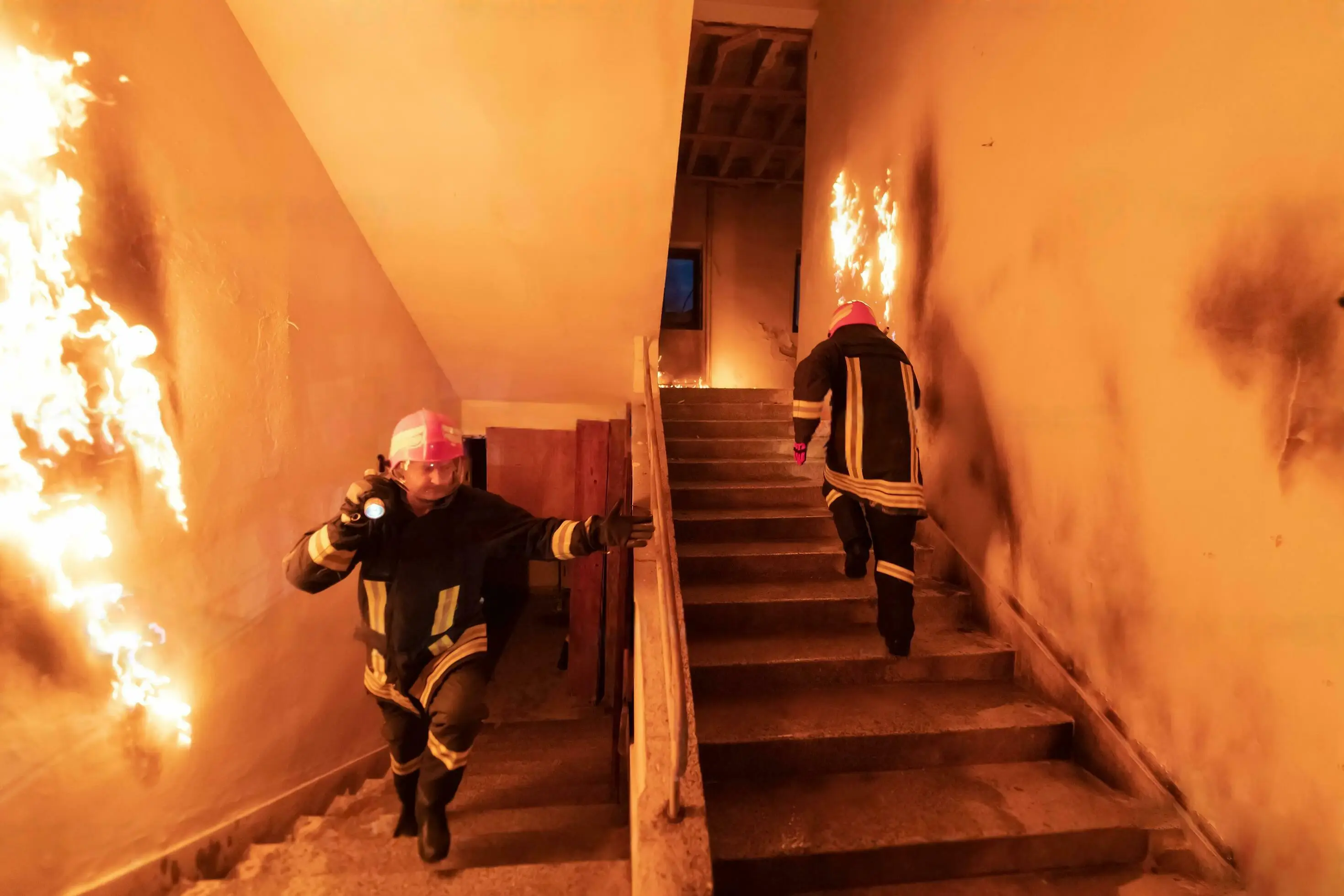
Fire Damage Restoration
Structural damage, soot, debris. We stabilize, clean, and rebuild what fire destroyed.
Learn more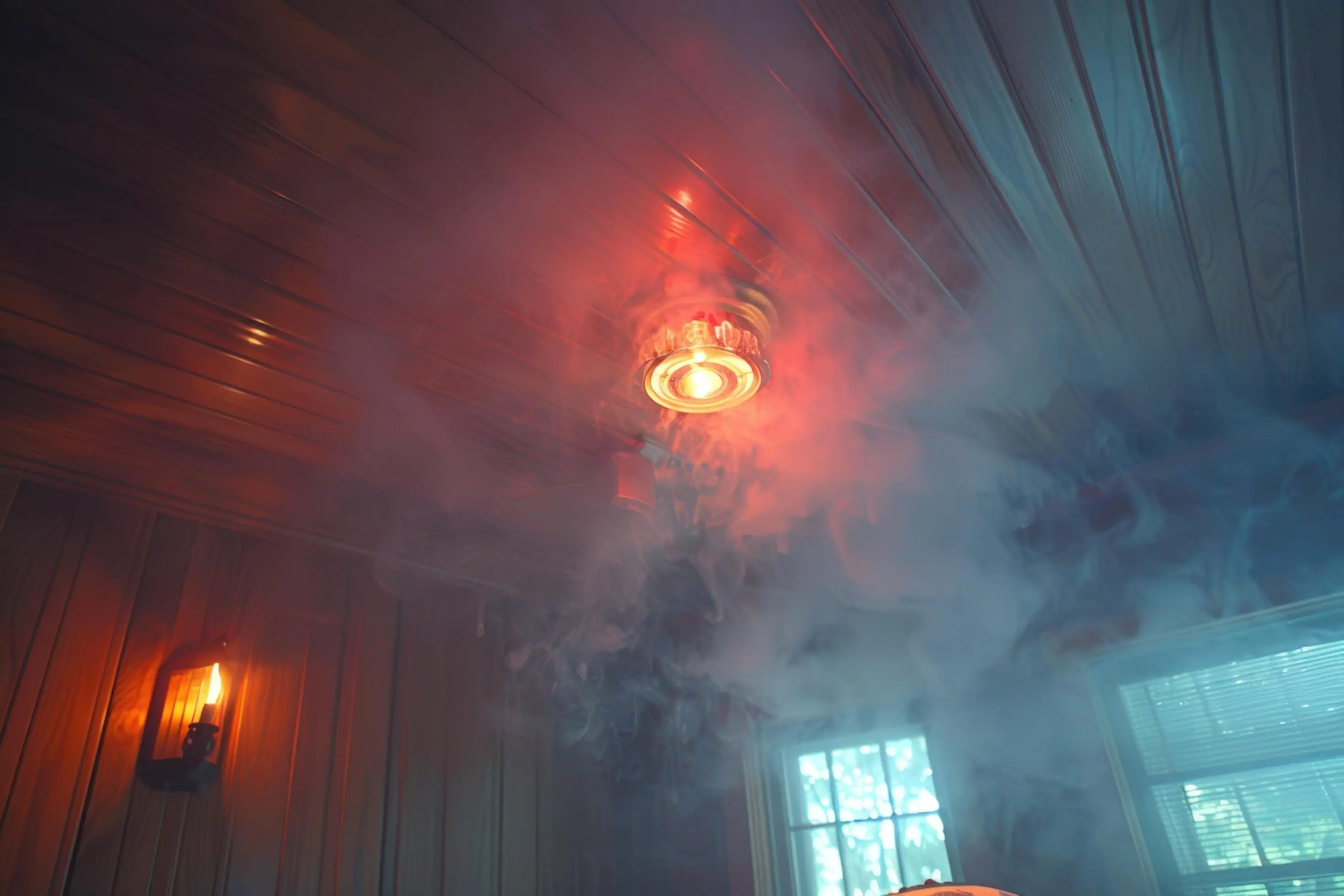
Smoke Damage Restoration
Soot residue, chemical odors, HVAC contamination. We decontaminate surfaces, eliminate odors, and restore air quality.
Learn more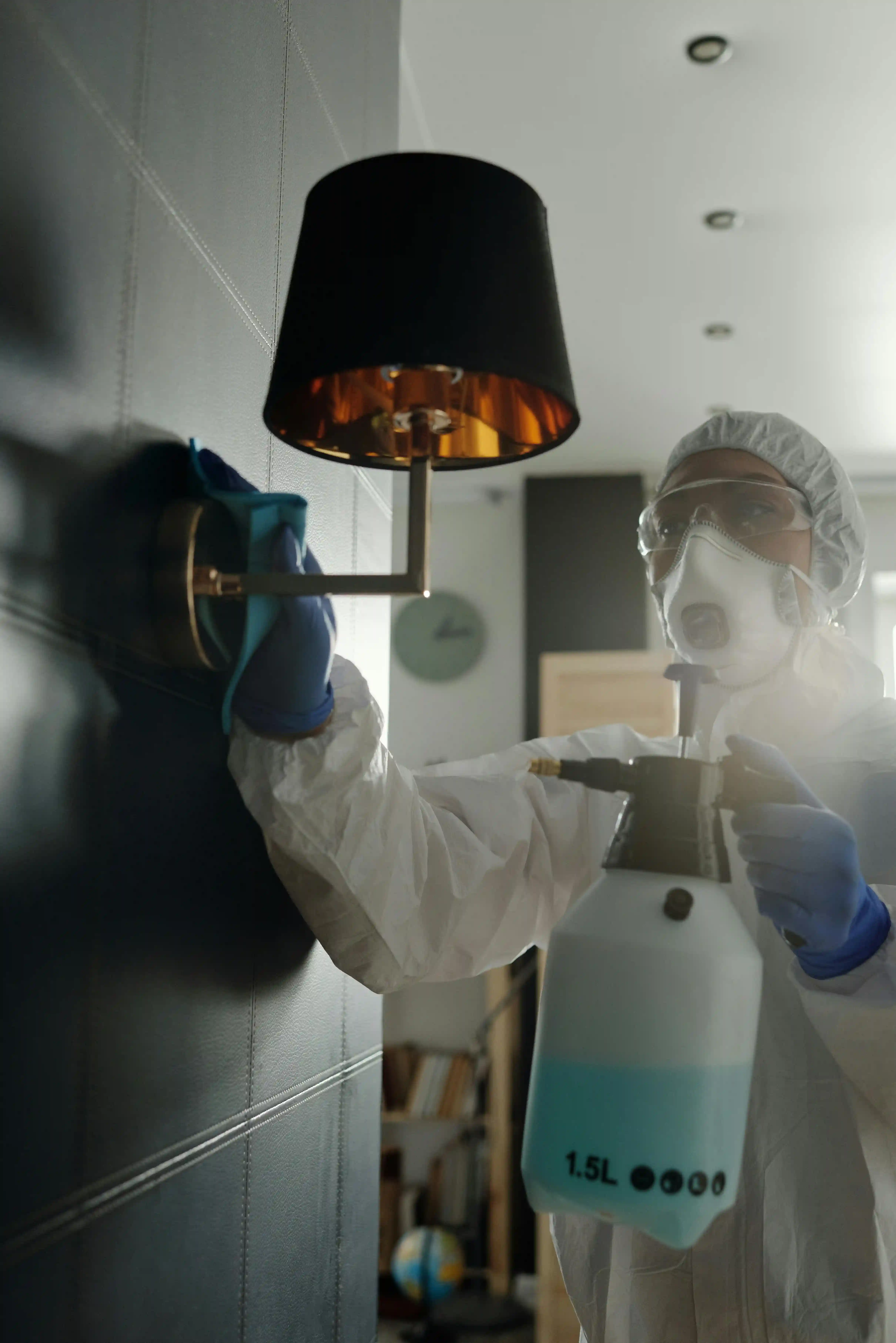
Mold Remediation
Testing, containment, removal, prevention. We find the source, eliminate the growth, and stop it from returning.
Learn more
Sewage Cleanup
Sewer backups, contaminated water, biohazard. We extract, sanitize, and restore safely.
Learn moreNearby Service Areas
Also serving nearby: