
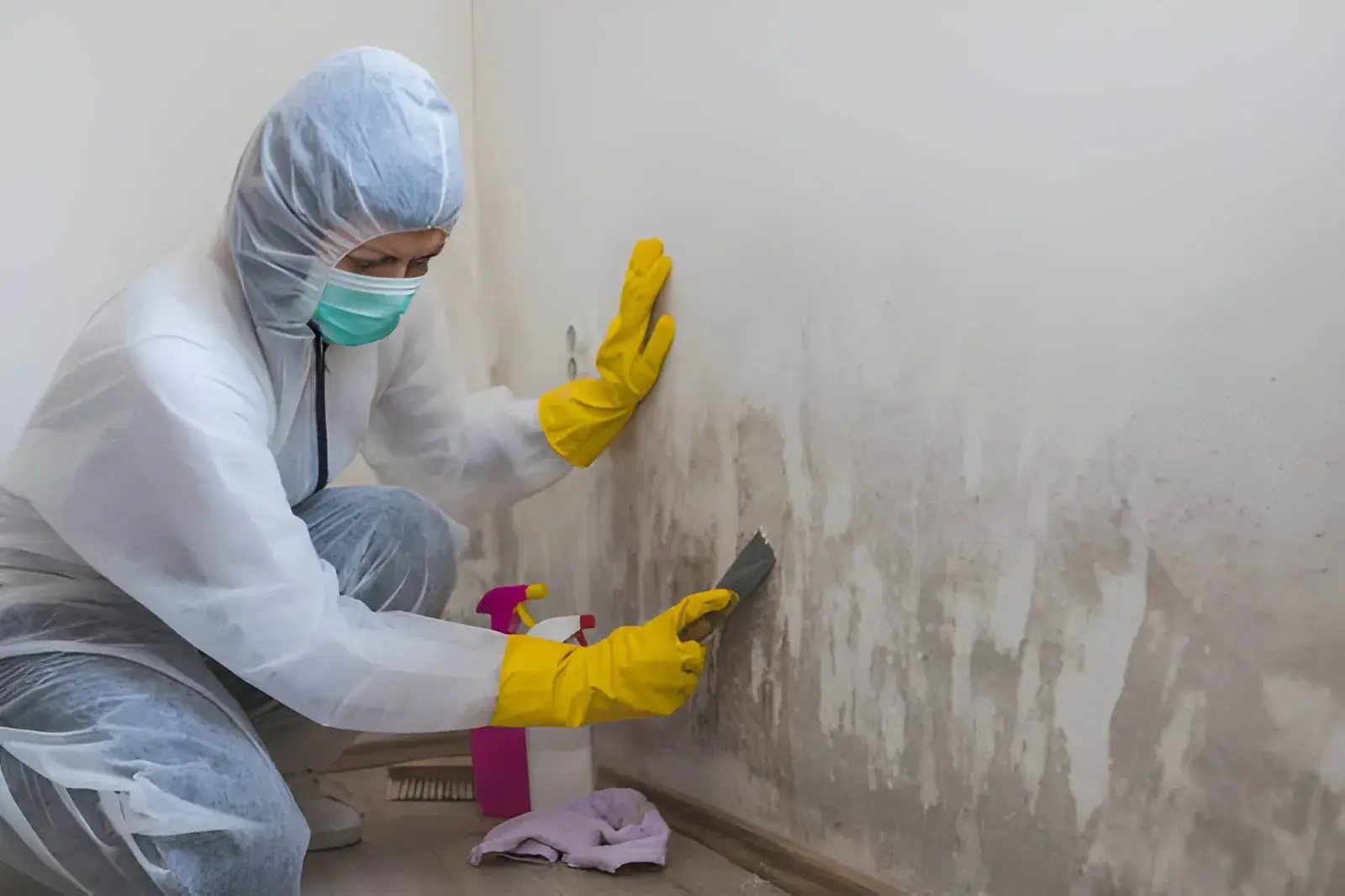
Mold Remediation in Lincolnwood, IL
Mold spreads aggressively behind walls and beneath floors where you cannot see it. Our local team responds to Lincolnwood properties within 60 minutes for emergency assessment.
What Happens When You Call
A real person answers, not a call center. We assess your situation, ask the right questions, and begin coordinating your response immediately.
Your dedicated remediation team is dispatched from our local base serving Lincolnwood and the surrounding Cook County communities.
Team arrives with moisture meters, thermal imaging, HEPA filtration, and containment materials. Assessment begins immediately.
Source identified, containment established, remediation plan documented. You know exactly what comes next.
You found mold, or you suspect it is growing behind the walls of your Lincolnwood home. Either way, you need professionals who can identify the source, contain the problem, and resolve it without spreading contamination to unaffected areas. X Response exists for exactly this moment. When you reach out, your remediation team is mobilized within minutes and on site within the hour. From that point forward, one team manages everything: inspection, containment, removal, moisture correction, and verification. You are never left guessing about the next step. Call now. Your team is standing by.
Why Lincolnwood Homes Are Vulnerable to Mold
Lincolnwood is a village of 13,463 residents in Niles Township, Cook County, Illinois, occupying approximately 2.5 square miles directly north of Chicago's city limits. The village shares boundaries with Chicago on three sides and Skokie to the north and west, with the North Shore Channel forming its eastern border. Originally incorporated as Tessville in 1911 and renamed Lincolnwood in 1936, the community experienced explosive residential growth between 1940 and 1959, when more than half of its current housing stock was constructed. These postwar homes were built with full basements connected directly to a combined sewer system that carries both sanitary waste and stormwater in shared pipes. The combination of below-grade living spaces, aging sewer infrastructure prone to surcharge during storms, and Cook County's humid continental climate creates persistent conditions for mold growth that affect homes across the village regardless of how well they are maintained above grade.
More than half of all houses in Lincolnwood were constructed between 1940 and 1959, built on sewer infrastructure that the village has spent over a decade and millions of dollars upgrading because the original combined system was undersized for modern stormwater loads. The multi-phased sewer improvement plan, initiated in 2007 and culminating in the $4.3 million North Shore Avenue outfall sewer completed in 2019, targeted chronic residential basement flooding that had plagued the village for decades. Each flooding event, whether a full basement inundation or a slow seepage through floor-drain backflow, introduces moisture into below-grade spaces where concrete walls, wood framing, drywall, and carpet provide ideal substrates for mold colonization. The recurring nature of these events means that many Lincolnwood basements have experienced multiple wetting cycles over the years, each depositing organic material and moisture into materials that never fully dried before the next event occurred. This repeated cycle of wetting, partial drying, and re-wetting creates established mold colonies in concealed locations that grow progressively larger with each moisture event.
Recurring Basement Moisture from Sewer Surcharges
The majority of Lincolnwood operates on a combined sewer system where sanitary waste and stormwater share a single pipe network. When rainfall exceeds the system's capacity, water backs up through basement floor drains and low-lying plumbing connections. Even with the village's infrastructure improvements since 2007, homes without backflow prevention devices remain vulnerable to surcharge events during heavy storms. Each backup introduces moisture to below-grade spaces, and the water often carries organic material that serves as a nutrient source for mold. Homeowners may pump out standing water and assume the problem is resolved, but moisture absorbed into concrete walls, carpet pad, drywall, and wood framing below the visible water line creates an environment where mold begins colonizing within 24 to 48 hours. In homes that have experienced multiple sewer surcharges over years or decades, mold colonies establish behind finished basement walls where they grow unseen between flooding events, fed by the residual moisture that concrete retains even after surfaces appear dry.
Postwar Basement Construction and Hidden Growth
Lincolnwood's 1940s and 1950s homes feature full basements with poured-concrete or concrete-block foundation walls, many of which have been finished with wood framing, insulation, and drywall over the decades since original construction. When homeowners finish a basement by framing walls against the concrete foundation, they create a concealed cavity between the drywall surface and the concrete wall. Concrete is hygroscopic: it absorbs moisture from the surrounding soil and from any water that contacts it, then releases that moisture slowly into the air space behind the finished wall. This cavity, invisible from the living space, maintains elevated humidity year-round. When a flooding event introduces additional moisture, the space between the drywall and the foundation becomes a perfect incubator: warm, dark, humid, and rich in organic material from the paper facing of drywall and the wood framing. Mold colonies can grow extensively in this concealed space without any visible indication on the room side of the wall until the colony is large enough to produce noticeable musty odors or begins fruiting through the drywall surface.
Cook County Humidity and Seasonal Mold Cycles
Cook County's humid continental climate produces summer conditions that actively promote mold growth. Average relative humidity from June through September consistently runs high outdoors, and basement spaces that are inadequately dehumidified can sustain high relative humidity throughout the warm months. Mold requires relative humidity above approximately 60 percent to actively grow on most building materials. In Lincolnwood basements, the combination of cool concrete surfaces in contact with warm humid air creates condensation that maintains surface moisture even without any water intrusion event. This seasonal humidity cycle means that mold growth in Lincolnwood basements is not exclusively tied to flooding. A basement that never floods but lacks adequate mechanical dehumidification can develop mold on the cold side of foundation walls, beneath carpet that traps condensation against the slab, and on the back side of furniture pushed against exterior walls where air circulation is restricted.
Foundation Deterioration and Chronic Seepage
After 70 to 80 years of service, the foundation walls in Lincolnwood's postwar homes show progressive deterioration. Poured-concrete walls develop shrinkage cracks that widen over decades of freeze-thaw cycling. Concrete-block walls develop mortar-joint deterioration where water seeps through during periods of soil saturation. Original waterproofing coatings on the exterior face of foundations have long since degraded. The flat terrain and clay soils characteristic of this area hold water against foundation walls for extended periods after rain events, maintaining hydrostatic pressure that drives moisture through any available pathway. This chronic seepage is distinct from the acute flooding caused by sewer surcharges: it provides a continuous low-level moisture source that sustains mold growth year-round in wall cavities, at slab-wall joints, and in any porous material in contact with foundation surfaces. Homeowners often notice water staining or efflorescence (white mineral deposits) on exposed foundation walls, but may not recognize these as indicators of moisture levels sufficient to support mold growth in adjacent concealed spaces.
HVAC Distribution of Mold Spores
Forced-air HVAC systems in Lincolnwood homes draw return air from basement spaces and distribute conditioned air to all floors through a shared duct network. When mold colonies establish in a basement, whether behind finished walls, beneath carpet, or on HVAC components themselves, the system becomes a distribution mechanism. Return air drawn past mold growth carries spores into the air handler, through the ductwork, and into living spaces on every floor. The evaporator coil inside the air handler provides another potential growth site: condensation on the coil surface during cooling creates a perpetually wet environment where mold can establish if organic debris accumulates on the coil fins. Drip pans beneath evaporator coils that are not regularly cleaned and bleached provide standing water and organic nutrient in direct contact with the home's air distribution system. In homes where the HVAC system is contaminated, mold symptoms can appear throughout the house even though the physical growth is limited to the basement or mechanical closet.
These factors create a community where mold remediation is not a one-time event but a challenge rooted in the intersection of aging infrastructure, postwar construction methods, and regional climate. Effective remediation in Lincolnwood requires not only removing visible mold but identifying and correcting the moisture source that fed it, whether that source is sewer surcharge flooding, foundation seepage, condensation from inadequate dehumidification, or chronic moisture held in the cavity between finished walls and concrete foundations. Without source correction, remediated areas will recolonize after the next moisture event, creating a cycle of recurring growth and repeated remediation expense.
What Happens to Your Home While You Wait
Within 24 Hours of Moisture Event
Mold spores, which are present in all indoor environments at low background levels, detect the moisture and begin germinating on affected surfaces. At this stage, no visible growth exists, and prompt drying can prevent colonization entirely. In Lincolnwood basements where sewer surcharge has introduced water, the clock starts the moment water contacts porous building materials. Carpet pad, drywall paper facing, wood framing, and cardboard storage materials are the first substrates colonized because they provide both moisture absorption and organic nutrient.
24–48 Hours
Germinated spores produce hyphae, the root-like structures that penetrate into material surfaces. Early colonization is not yet visible to the naked eye but can be detected with professional moisture meters and surface sampling. Materials that are dried below 60 percent moisture content within this window can often be salvaged. Once hyphae have penetrated into the substrate rather than merely sitting on the surface, the remediation effort shifts from drying to physical removal of colonized material.
48–72 Hours
Visible mold growth appears on surfaces with sustained moisture. In warm summer conditions typical of Cook County, colonies can cover several square feet within this timeframe on optimal substrates like damp drywall or wet carpet. Musty odors become noticeable as the colony produces volatile organic compounds. At this stage, physical removal of colonized materials is required because surface cleaning cannot eliminate hyphae that have penetrated into the substrate. The scope of affected materials begins expanding beyond the original wet footprint as moisture migrates through capillary action.
One Week
Established colonies produce and release spores in large quantities, increasing airborne contamination throughout the home. The HVAC system distributes spores to rooms far from the moisture source. Secondary colonies begin establishing in new locations where spore counts are elevated and humidity permits growth. The scope of remediation expands from the original moisture-affected area to include any secondary growth sites and the HVAC system that distributed contamination. Health effects intensify for sensitive occupants, including respiratory irritation, allergic reactions, and exacerbation of asthma.
One Month and Beyond
Mature colonies have penetrated deeply into building materials, making surface remediation impossible. In Lincolnwood basements with finished walls over concrete foundations, month-old colonies behind drywall can cover entire wall sections from slab to ceiling. Structural framing in contact with the colony shows signs of decay as enzymes produced by the mold break down wood fiber. The remediation scope now requires demolition of all affected materials back to the substrate, treatment of remaining structural elements, and complete replacement of finished surfaces. Costs at this stage are typically three to five times what would have been required if remediation began within the first week.
Mold grows on a biological timeline that does not wait for convenient schedules. The sooner you address the moisture source and begin remediation, the less material is lost and the lower the total cost. Contact X Response now. Our Lincolnwood team responds within 60 minutes for assessment.
How We Restore Mold-Affected Lincolnwood Homes
From the moment our team arrives, every step is documented, measured, and verified. Here is exactly what the mold remediation process involves for Lincolnwood properties.
Inspection and Moisture Mapping
Our team arrives with professional moisture meters, thermal imaging cameras, and hygrometers to identify the full extent of mold growth and the moisture source feeding it. In Lincolnwood homes, this means inspecting behind finished basement walls where growth commonly hides between drywall and concrete foundations, beneath carpet and pad where slab moisture sustains invisible colonies, around HVAC equipment where condensation creates growth conditions, and at every plumbing penetration and floor-drain connection where sewer surcharge water enters. Thermal imaging identifies temperature differentials that indicate hidden moisture behind surfaces. We trace the moisture pathway from its source, whether that is a sewer surcharge entry point, a foundation crack or joint, condensation from inadequate dehumidification, or a plumbing leak, to every material it has contacted. The inspection report maps affected areas, identifies the moisture source, and documents the scope of remediation required.
Containment and Air Filtration
Before any mold-affected material is disturbed, we establish engineering controls to prevent cross-contamination. Polyethylene sheeting creates physical barriers between the remediation zone and unaffected areas of the home. Negative air pressure within the containment prevents spores from migrating outward during removal. HEPA air filtration units run continuously inside the containment, capturing airborne spores generated during demolition and cleaning. The HVAC system is shut down and registers within the containment zone are sealed to prevent distribution of spores through ductwork. In Lincolnwood homes where mold growth is behind finished basement walls, containment typically encompasses the entire affected wall section plus a buffer zone, because disturbing colonized drywall releases concentrated spore clouds that must be captured rather than allowed to disperse.
Mold Removal and Material Demolition
All mold-colonized porous materials are physically removed and disposed of as contaminated waste. In Lincolnwood basements, this typically includes affected drywall, insulation, carpet, pad, wood paneling, and any paper-faced building products that show visible colonization or that moisture mapping indicates are contaminated behind visible surfaces. We cut drywall back to at least two feet beyond the visible mold boundary to ensure complete removal of hyphae that have spread beyond the visible colony edge. Non-porous structural elements that cannot be removed, including concrete foundation walls, structural framing, and floor joists, are cleaned with HEPA vacuuming followed by antimicrobial treatment that kills remaining mold on surfaces and in surface pores. Structural wood that has been colonized is sanded to bright wood where accessible, removing the outer layer where hyphae have penetrated, then treated with antimicrobial solution.
Moisture Source Correction
Removing mold without correcting the moisture source guarantees recolonization. Based on the inspection findings, we identify and address the moisture pathway feeding the growth. For sewer surcharge flooding, this may involve recommending backflow prevention installation, overhead sewer conversion, or ejector pump systems that prevent future backup events. For foundation seepage, solutions range from interior waterproofing membranes and perimeter drain tile to exterior grading corrections that redirect surface water away from the foundation. For condensation-driven growth, mechanical dehumidification systems sized to maintain basement humidity below 50 percent year-round prevent recolonization regardless of outdoor humidity levels. We provide specific recommendations based on your home's moisture source and construction type, with cost ranges and priority ordering to guide your investment in prevention.
Verification and Clearance
After remediation is complete and before containment is removed, we verify that the work achieved its objective. Visual inspection confirms that all visible mold has been removed and treated surfaces are clean. Moisture readings confirm that remaining structural materials are at or below acceptable moisture content. Where warranted by the scope of work or occupant health concerns, post-remediation air sampling provides quantitative evidence that spore counts in the remediation zone have returned to levels consistent with the outdoor environment and unaffected indoor spaces. Clearance documentation includes before-and-after photos, moisture readings, treatment records, and air sampling results where applicable. This documentation supports insurance claims and provides a verified baseline for future comparison.
The X Response Difference
When you contact X Response for mold remediation, you get a team that treats the cause and the symptom. Moisture source identification, professional containment, complete removal, antimicrobial treatment, source correction recommendations, and verified clearance. One team, one standard, documented results.
Insurance Claim Guidance for Lincolnwood Homeowners
Mold remediation insurance coverage in Illinois depends on the cause of the moisture that allowed growth. Standard homeowner's policies typically cover mold remediation when it results from a covered water damage event, such as a burst pipe, appliance failure, or accidental discharge. However, most policies exclude mold caused by lack of maintenance, chronic moisture conditions, or flooding. In Lincolnwood, where basement mold frequently results from combined sewer surcharges, coverage depends on whether you carry a sewer backup endorsement on your policy. Mold from gradual foundation seepage or inadequate dehumidification is generally excluded as a maintenance issue rather than a sudden and accidental event. Many Illinois policies also cap mold coverage at a sublimit, often $5,000 to $25,000, regardless of the triggering cause. Understanding these distinctions before you file determines whether your remediation costs are recoverable and how to document the claim for maximum coverage.
How X Response Helps
- Identify and document the moisture source that caused the mold growth, as different sources trigger different coverage categories under Illinois policies
- Connect the mold to a specific covered event with a date of occurrence, distinguishing it from gradual or maintenance-related moisture conditions
- Provide scope documentation that demonstrates professional remediation standards, including containment, HEPA filtration, and antimicrobial treatment, to justify costs above what basic cleaning would require
- Include moisture mapping and clearance testing results to demonstrate the remediation was both necessary and complete
- Explain your policy's mold sublimit and coverage triggers before you file, so you understand your likely recovery and any out-of-pocket exposure
X Response does not file claims on your behalf, adjust claims, or make coverage determinations. We provide documentation and guidance to help you make informed decisions about your property and your policy. Coverage decisions are made solely by your insurance carrier.
Certified Restoration Specialists Serving Lincolnwood
When you contact X Response for mold remediation in Lincolnwood, your team is drawn from certified professionals who work across Cook County's North Shore suburbs and understand the specific mold challenges of this community's housing stock. They know how combined sewer surcharges introduce moisture behind finished basement walls in postwar homes, how concrete foundations in this area retain moisture year-round and feed concealed colonies between flooding events, how inadequate dehumidification in Cook County's humid summers sustains growth on cold surfaces, and how forced-air HVAC systems distribute contamination from basement colonies to every floor of the home. They have remediated sewer-flood mold behind finished walls, condensation-driven growth on foundation surfaces, HVAC-distributed contamination requiring whole-system decontamination, and chronic seepage colonies at slab-wall joints in homes across the North Shore corridor. This is not a general contractor with a bleach sprayer. It is a professional remediation team with the training, equipment, and protocols to resolve mold at its source.
Every technician on your team holds current IICRC certification in mold remediation and carries the appropriate Illinois licensing for the work being performed. Equipment includes professional moisture meters and hygrometers, thermal imaging cameras for concealed moisture detection, HEPA air scrubbers and negative air machines for containment, antimicrobial application systems, and the full complement of demolition tools needed to access and remove colonized materials behind finished surfaces. When your team arrives, they bring everything needed to begin assessment immediately and transition into containment and remediation without delay.
In Lincolnwood, X Response works with Scene Cleaners, an independent local restoration partner serving Cook County.
Mold Remediation FAQ for Lincolnwood Homeowners
Other Emergency Services in Lincolnwood
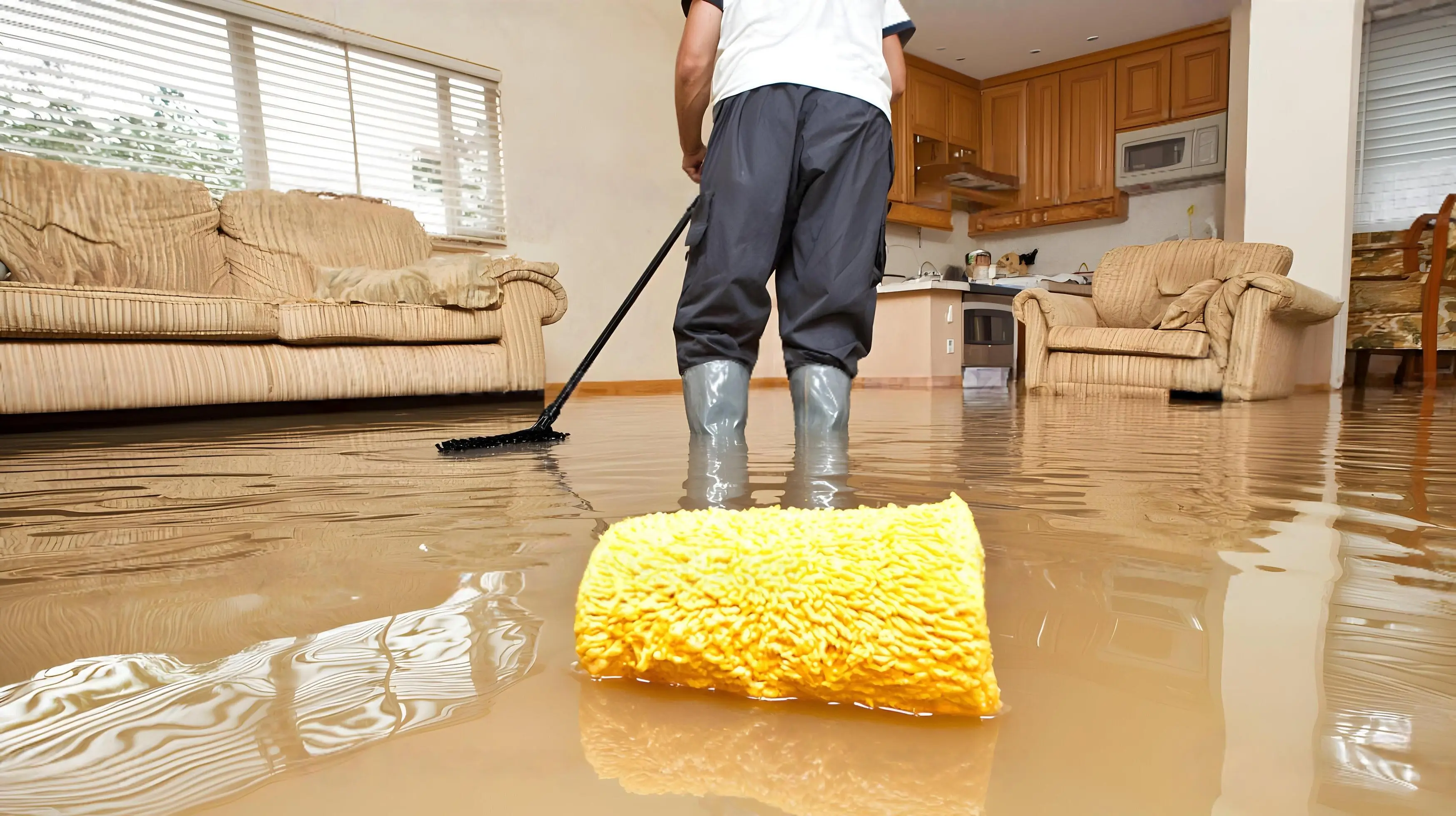
Water Damage Restoration
Burst pipes, storm flooding, standing water. We extract, dry, and restore before mold sets in.
Learn more
Fire Damage Restoration
Structural damage, soot, debris. We stabilize, clean, and rebuild what fire destroyed.
Learn more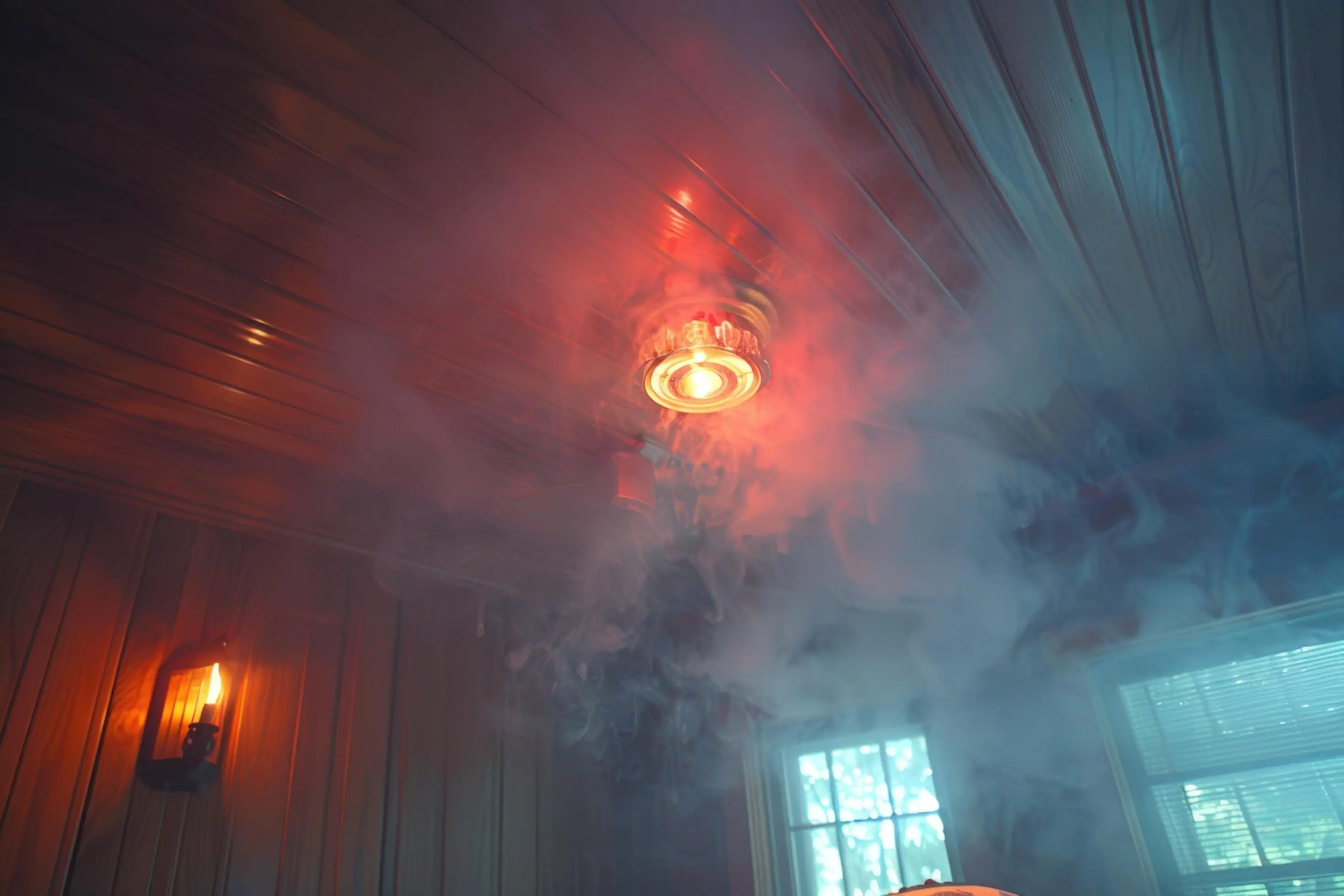
Smoke Damage Restoration
Soot residue, chemical odors, HVAC contamination. We decontaminate surfaces, eliminate odors, and restore air quality.
Learn more
Sewage Cleanup
Sewer backups, contaminated water, biohazard. We extract, sanitize, and restore safely.
Learn more