
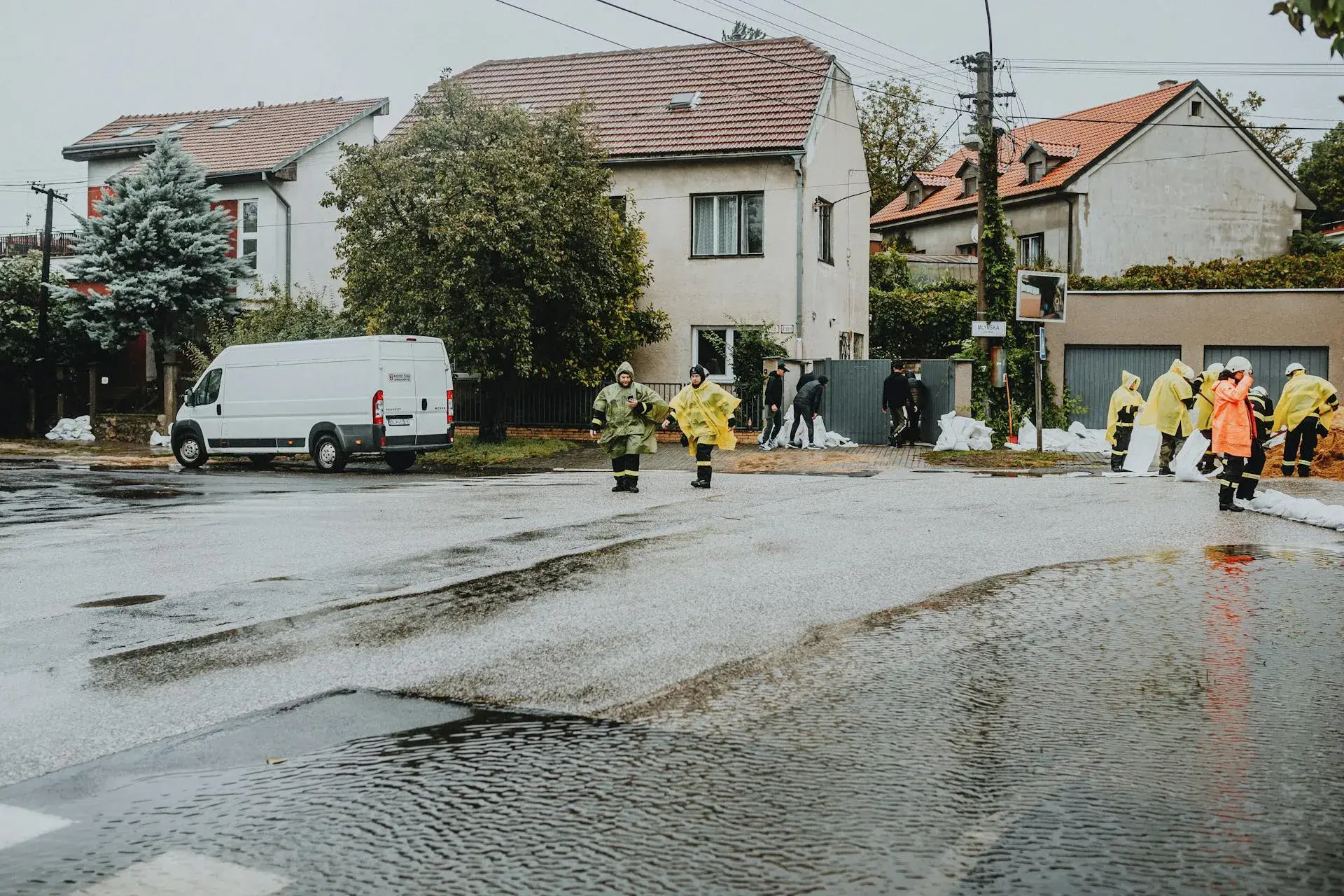
Sewage Cleanup in Wilmette, IL
Sewage backup is a biohazard. Every minute contaminated water sits in your home, bacteria multiply and contamination spreads into materials that become unsalvageable. Our local team responds to Wilmette sewage emergencies within 60 minutes.
What Happens When You Call
A real person answers, not a call center. We assess your situation, determine whether the backup is active or resolved, and begin coordinating your emergency response immediately.
Your dedicated restoration team is dispatched from our local base serving Wilmette and the surrounding North Shore communities.
Team arrives with contamination-rated extraction equipment, PPE, and biohazard decontamination supplies. Emergency extraction and initial decontamination begin immediately.
Contaminated water removed, affected porous materials identified for demolition, decontamination underway. You know exactly what comes next.
Sewage in your home is not a water damage event. It is a biohazard emergency. The contaminated water carries bacteria, viruses, parasites, and organic waste that pose immediate health risks and destroy every porous material they contact. There is no safe waiting period. X Response exists for exactly this moment. When you reach out, your emergency team is mobilized within minutes and on site within the hour. From that point forward, one team manages everything: extraction, decontamination, demolition of unsalvageable materials, structural drying, and insurance documentation. Call now. Your team is standing by.
Why Wilmette Homes Are Vulnerable to Sewage
Wilmette is a village of 28,170 residents on Chicago's North Shore in Cook County, with a sewer infrastructure divided at Ridge Road into two entirely different systems. East of Ridge Road, the village operates a combined sewer system where sanitary sewage and stormwater flow through the same pipes. West of Ridge Road, sanitary and storm flows travel in separate, independent pipe networks. This infrastructure split, established when the original systems were built in the late 1800s and early 1900s, creates fundamentally different sewage backup risks on each side of the village. The combined system on the east side is inherently vulnerable to surcharge during heavy rain because stormwater volume entering the system can exceed pipe capacity, causing the mixture of sewage and rainwater to back up through basement floor drains. The separate system on the west side is not immune to backup, but its failure mode is different: sanitary sewer backups from blockages, root intrusion, or downstream capacity issues rather than storm-driven surcharges.
The severity of Wilmette's combined sewer challenge was significant enough that the U.S. Environmental Protection Agency published a case study (EPA-841-B-00-005C, October 2000) documenting how Wilmette and neighboring Skokie used street storage and catch basin modifications to reduce combined sewer surcharges and the resulting basement flooding. The EPA recognized this approach as a cost-effective alternative to full sewer separation or massive tunnel construction. The concept involves using the street surface itself as temporary stormwater detention by modifying catch basins to slow the rate at which stormwater enters the combined sewer, reducing peak flow and preventing the system from surcharging into homes. While this approach reduced the frequency and severity of surcharge events, it did not eliminate them. The village has spent over $29 million on the combined sewer system east of Ridge Road since 1992, and that system remains combined: during extreme rain events, when the MWRD interceptor sewers and the TARP Deep Tunnel system approach capacity, the combined sewer can still surcharge and push contaminated water into east-side basements.
The Combined Sewer System East of Ridge Road
Wilmette's east-side combined sewer carries both sanitary sewage (from toilets, sinks, and drains) and stormwater (from roof drains, street runoff, and yard drainage) in a single pipe network. During dry weather, the system handles sanitary flows without issue, conveying them to the MWRD interceptor sewers and ultimately to the Stickney Water Reclamation Plant via the TARP Mainstream Tunnel. But during moderate to heavy rainfall, stormwater volume entering the system through thousands of catch basins and connected downspouts can overwhelm pipe capacity. When the system surcharges, the contaminated mixture has nowhere to go except back up through the lowest available outlet, which in most homes is the basement floor drain. The water that enters is not clean stormwater; it is a mixture of rainwater and raw sanitary sewage from every connection upstream of your home. This is classified as Category 3 (grossly contaminated) water under IICRC standards, meaning every porous material it contacts must be removed rather than dried in place, regardless of contact duration.
The EPA Street Storage Case Study and Ongoing Risk
In October 2000, the EPA published a case study titled 'Street Storage for Combined Sewer Surcharge Control: Skokie and Wilmette, Illinois' (EPA-841-B-00-005C), documenting an innovative approach to managing combined sewer overflows without the enormous cost of full sewer separation. The concept modified catch basins throughout the combined sewer service area to restrict the rate at which stormwater entered the system during storms, effectively using the street surface as temporary detention while the sewer system processed the flow below capacity. The EPA documented that this approach successfully reduced basement surcharge events and represented a cost-effective solution that other combined-sewer communities could replicate. However, street storage has design limits. It reduces surcharge frequency and severity during moderate storms, but extreme rainfall events still overwhelm the system's combined capacity. The village's subsequent $29 million in additional combined sewer improvements since 1992 reflects continued efforts to manage a system that, by its fundamental combined design, will always carry sewage backup risk during the heaviest storms.
MWRD Overflow Actions and the TARP System
Wilmette's east-side combined sewer connects to the MWRD interceptor system, which feeds into the TARP Mainstream Tunnel, a 40.5-mile deep tunnel extending from Wilmette (its northernmost point) south to McCook. During major storm events, the MWRD issues Overflow Action alerts when the intercepting sewers and the McCook Reservoir approach capacity. These alerts urge residents to minimize water usage because the system's ability to receive additional flow is exhausted. When the system reaches full capacity, combined sewer overflows discharge to waterways (including the North Shore Channel, which begins at Wilmette Harbor). For individual homeowners, an Overflow Action alert means the system is at or near the conditions that produce basement surcharges. The TARP system provides enormous capacity (the McCook Reservoir alone serves 3.1 million people from Wilmette southwest to Bedford Park), but it is a finite resource. During multi-day rain events or particularly intense storms that generate runoff faster than the tunnel and reservoir can receive it, the system fills and local surcharges occur.
West-Side Sanitary Sewer Backups
West of Ridge Road, where Wilmette operates separate sanitary and storm sewer systems, the sewage backup risk comes from different failure modes than the east side's storm-driven surcharges. Sanitary sewer blockages from tree root intrusion into aging clay-tile lateral lines are the most common cause of backup on the west side. The village's mature trees, many planted 60 to 100 years ago, send roots toward the nutrient-rich environment inside sewer pipes, infiltrating through joints in clay tile and eventually building enough mass to restrict or fully block flow. When a lateral is blocked, sewage backs up into the home through the lowest drain. Unlike east-side surcharges that affect entire neighborhoods simultaneously during storms, west-side lateral blockages typically affect individual homes. However, main-line blockages or capacity issues can also produce backups for multiple homes on a single sewer run. The separate system's advantage is that stormwater cannot drive surcharges; its disadvantage is that aging clay-tile pipes are more vulnerable to root intrusion and joint failure than newer PVC systems.
Health Hazards and Category 3 Classification
All sewage backup events in Wilmette, whether from combined sewer surcharge on the east side or sanitary line blockage on the west side, introduce Category 3 (grossly contaminated) water into the home. This classification, defined by IICRC S500, indicates water containing pathogenic agents: bacteria (E. coli, Salmonella, Shigella), viruses (norovirus, hepatitis A), parasites (Giardia, Cryptosporidium), and organic waste. Direct contact poses immediate health risks, and the contamination does not diminish as materials dry. Every porous material that contacted Category 3 water must be removed and disposed of as contaminated waste, including carpet, carpet padding, drywall below the flood line, insulation, upholstered furniture, and any paper-faced product. Non-porous and semi-porous materials (concrete, wood framing, metal) can be decontaminated in place with professional antimicrobial treatment but require thorough cleaning before the space is safe for occupancy. Attempting to dry sewage-contaminated materials rather than removing them traps bacteria within the material substrate and creates an ongoing health hazard.
Sewage cleanup in Wilmette is shaped by the village's dual infrastructure. East-side residents face combined sewer surcharges during heavy rain, a predictable risk driven by weather and system capacity that the village and MWRD have spent decades and hundreds of millions of dollars attempting to manage. West-side residents face lateral-line blockages from root intrusion in aging clay-tile pipes, a maintenance-driven risk that affects individual homes rather than entire neighborhoods. In both cases, the water that enters your home carries the same biological contamination and demands the same Category 3 response: immediate extraction, removal of all contacted porous materials, professional decontamination of remaining structural surfaces, and verified clearance before re-occupancy. There is no acceptable delay and no safe middle ground between full professional remediation and doing nothing.
What Happens to Your Home While You Wait
Within 1 Hour
Contaminated water spreads across basement floors and begins wicking into the base of drywall, paneling, insulation, and any porous material in contact with the floor. Bacteria begin multiplying immediately in the warm, nutrient-rich environment. In Wilmette homes with finished basements, sewage water migrates behind wall finishes and beneath carpet and pad, contaminating materials from below where it cannot be seen from the living space. The contamination zone expands continuously as water moves laterally through connected porous materials.
1–24 Hours
Bacterial counts multiply exponentially in the warm, organic-rich water. Sewage solids deposit on surfaces and begin adhering as the water recedes or is absorbed. Drywall wicks contaminated water upward from the floor line, carrying bacteria into the paper facing and gypsum core. Carpet padding acts as a sponge, holding contaminated water against the subfloor in a warm, dark environment ideal for bacterial and fungal growth. The smell becomes overwhelming as anaerobic decomposition begins in trapped pockets. Every hour of contact makes the eventual demolition scope larger.
24–48 Hours
Mold colonization begins on all organic materials that remain damp, accelerated by the bacterial nutrients in the sewage. Wood framing at the sill plate and floor connections absorbs contaminated moisture and begins supporting microbial growth. The basement environment becomes a public health hazard: airborne bacteria, mold spores, and volatile gases from decomposition make the space unsafe without respiratory protection. Materials that might have been salvaged with immediate extraction are now irreversibly contaminated and require removal.
48–72 Hours
Active mold growth is visible on multiple surfaces. Bacterial contamination has penetrated deeply into wood framing, concrete pores, and any semi-porous material that remained in contact with the sewage water. Decomposition gases intensify. The remediation scope now includes not just the originally flooded area but any connected space where moisture and contamination have migrated: through floor drains to adjacent rooms, upward through drywall wicking, and into HVAC systems if the air handler is in the basement.
One Week and Beyond
Structural materials show signs of biological decay at connection points where moisture persists. Mold colonies are well established and actively releasing spores throughout the home via any air pathway. The contamination has spread far beyond the original sewage water level through capillary action, vapor transport, and HVAC distribution. Remediation at this stage requires extensive demolition, potentially including subfloor replacement, sill-plate treatment, and HVAC system decontamination. Health risks to occupants are significant and ongoing.
Sewage backup is not a situation that improves with time or dries out on its own. Every hour increases biological contamination, expands the affected area, and raises the eventual cost of proper remediation. Contact X Response now. Our Wilmette team responds within 60 minutes.
How We Restore Sewage-Damaged Wilmette Homes
From the moment our team arrives, every step follows Category 3 contaminated-water protocols. There are no shortcuts in sewage remediation. Here is exactly what the process involves for Wilmette properties.
Emergency Extraction and Source Control
Our team arrives in full personal protective equipment appropriate for Category 3 water: Tyvek suits, rubber boots, nitrile gloves, and N95 or P100 respirators. If the backup is still active (the combined sewer is still surcharging or the lateral line is still blocked), we assess whether the source can be controlled or whether extraction must proceed while inflow continues. For east-side combined sewer events, the source typically resolves as the storm passes and the system drains down. For west-side lateral blockages, a plumber may be needed to clear the line before restoration proceeds. Once the source is controlled, we extract all standing contaminated water using equipment dedicated to Category 3 work: pumps, extractors, and wet vacuums that are decontaminated after each use and not shared with clean-water projects.
Contaminated Material Demolition
All porous materials that contacted sewage water are removed and disposed of as contaminated waste. In Wilmette basements, this typically includes carpet and carpet padding, drywall below the flood line (cut at least 12 inches above the visible water mark to ensure removal of wicked contamination), any insulation behind walls, stored contents in contact with the water, and upholstered furniture. In finished basements with paneling over foundation walls, all paneling, any insulation behind it, and the bottom plates of non-structural framing are removed. This demolition phase is aggressive by design: leaving contaminated porous materials in place is not acceptable because bacteria and mold will colonize within them regardless of how thoroughly the surface appears to dry. Materials are bagged, sealed, and removed from the home immediately rather than staged inside.
Decontamination and Antimicrobial Treatment
After contaminated materials are removed, all remaining structural surfaces within the affected area are cleaned and treated with EPA-registered biocidal antimicrobial products. Concrete floors are scrubbed and treated. Foundation walls (masonry, block, or poured concrete) are cleaned of sewage residue and treated. Wood framing that remains structurally sound (sill plates, studs, floor joists above the flood level) is cleaned, and all surfaces are treated. The antimicrobial products used for Category 3 events are hospital-grade biocides that kill bacteria, viruses, and fungal spores on contact and provide residual protection during the drying period. This is not a spray-and-walk-away step; every square inch of remaining surface within the flood zone receives direct treatment and verified coverage.
Structural Drying and Monitoring
After decontamination, the exposed structural materials (concrete, masonry, wood framing) must be dried to their target moisture content before any reconstruction can begin. Commercial dehumidifiers and air movers are deployed within the remediated space, and daily moisture monitoring verifies that drying progresses on schedule. In Wilmette homes where clay soils hold moisture against exterior foundation walls, drying the interior does not always resolve the exterior moisture source; we monitor for re-wetting and extend the drying period or recommend exterior waterproofing consultation as needed. The space must reach verified dry standards before any new materials are installed, because enclosing damp structural members behind new finishes creates the conditions for mold growth that will require a second remediation.
Clearance Verification and Documentation
Before the space is cleared for reconstruction or re-occupancy, a final inspection verifies that all contaminated materials have been removed, all surfaces have been properly treated, and moisture readings confirm the structure is dry. In some cases, post-remediation microbial sampling confirms that bacterial and fungal levels have returned to acceptable background levels. We provide complete documentation: photos of the original contamination, a log of all materials removed, treatment records, drying data, and clearance verification. This documentation supports your insurance claim and provides a defensible record that the sewage event was professionally remediated to standard, information that protects you if the home is later sold and disclosure is required.
The X Response Difference
When you contact X Response for sewage cleanup in Wilmette, you get a team that treats the event as the biohazard it is from the first minute. Full Category 3 protocols, proper demolition scope, verified decontamination, and documented clearance. No shortcuts, no false economy of saving materials that will grow mold, no pretending sewage water is clean water.
Insurance Claim Guidance for Wilmette Homeowners
Sewage backup coverage under Illinois homeowner's policies requires a specific endorsement that many homeowners do not carry until they experience their first event. Standard policies exclude sewer and drain backup as a covered peril; coverage must be added through a sewer backup or water backup endorsement, typically with a separate deductible and a coverage sublimit ($5,000 to $25,000 is common, though higher limits are available). In Wilmette, where the east-side combined sewer system has a documented history of surcharging during heavy rain and the EPA specifically studied the village's overflow problem, the risk is well-established and the endorsement is essential for any homeowner east of Ridge Road. West-side homeowners face lower but real risk from lateral-line blockages. If you carry the sewer backup endorsement and experience a backup from the combined system surcharging or from a lateral blockage, the remediation costs (extraction, demolition, decontamination, drying, and reconstruction) fall under that endorsement up to its limit. If you do not carry the endorsement, the entire cost is out-of-pocket regardless of how the backup occurred.
How X Response Helps
- Verify immediately whether your policy includes a sewer and drain backup endorsement and document its coverage limit and deductible
- Document the backup source (combined sewer surcharge, lateral blockage, main-line failure) with photos, timeline, and professional assessment
- Provide a detailed scope of work covering extraction, demolition, decontamination, drying, and reconstruction so your carrier can evaluate the full claim against your endorsement limit
- Inventory all damaged personal property with pre-loss value documentation for contents claims
- If your endorsement limit is lower than the actual remediation cost, document the full scope regardless so you understand the gap and can make informed decisions about coverage adequacy going forward
X Response does not file claims on your behalf, adjust claims, or make coverage determinations. We provide documentation and guidance to help you make informed decisions about your property and your policy. Coverage decisions are made solely by your insurance carrier.
Certified Restoration Specialists Serving Wilmette
When you contact X Response for sewage cleanup in Wilmette, your team is drawn from certified professionals who work across the North Shore and understand the specific sewage infrastructure challenges of this community. They know how the east-side combined sewer system surcharges during heavy rain and what that means for contamination levels, how the west-side separate system fails differently through lateral blockages and root intrusion, how pre-war basements with finished spaces over foundation walls conceal contamination behind paneling and beneath carpet, and how the clay soils that hold moisture against foundations complicate post-remediation drying. They have responded to combined sewer surcharge events affecting entire east-side blocks during major storms, individual lateral blockages on the west side, and hybrid events where the combined system backup is compounded by foundation seepage from saturated soils. This is not a water damage crew that treats every event the same regardless of contamination level. It is a team that applies Category 3 protocols from the first minute because sewage backup demands nothing less.
Every technician on your team holds current IICRC certification in water damage restoration with specific training in Category 3 contaminated-water response. Equipment is dedicated to biohazard work: extraction units, PPE, and cleaning tools used on sewage events are not shared with clean-water projects. The team carries hospital-grade EPA-registered biocidal antimicrobials, HEPA air scrubbers for airborne contamination control, commercial dehumidifiers for structural drying, and the full range of demolition and disposal equipment needed to remove contaminated materials safely and efficiently.
In Wilmette, X Response works with Scene Cleaners, an independent local restoration partner serving Cook County.
Sewage Cleanup FAQ for Wilmette Homeowners
Other Emergency Services in Wilmette
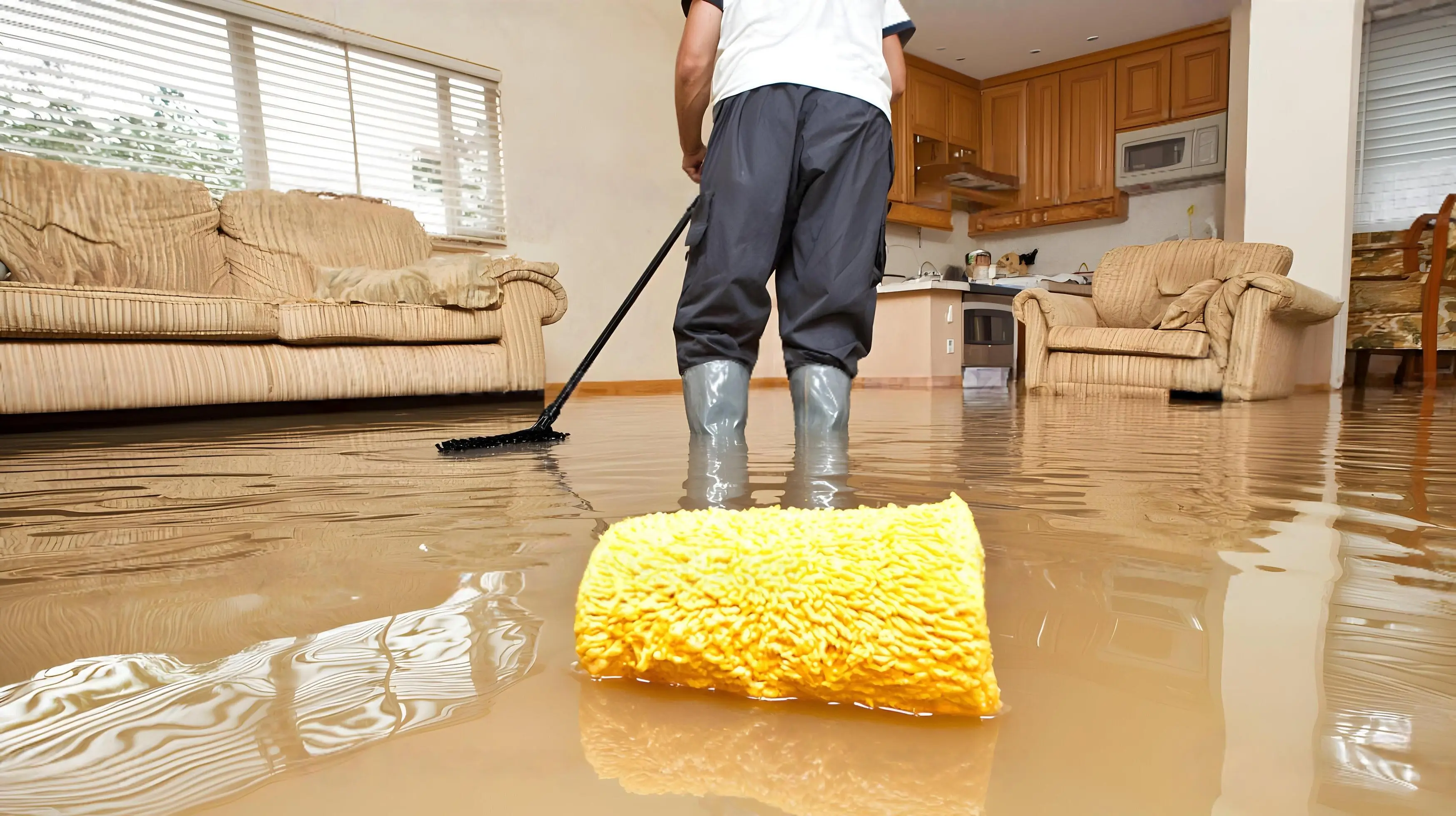
Water Damage Restoration
Burst pipes, storm flooding, standing water. We extract, dry, and restore before mold sets in.
Learn more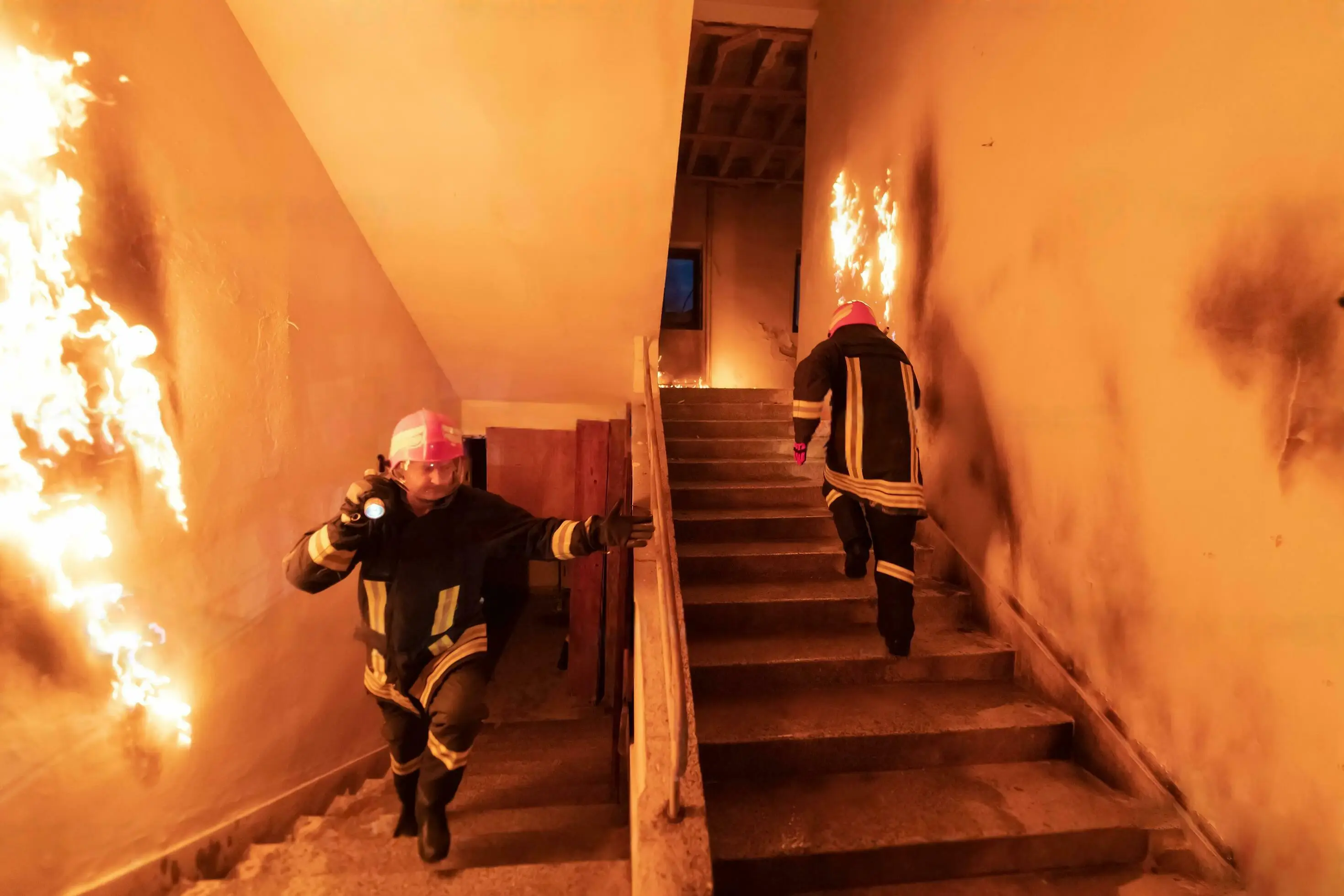
Fire Damage Restoration
Structural damage, soot, debris. We stabilize, clean, and rebuild what fire destroyed.
Learn more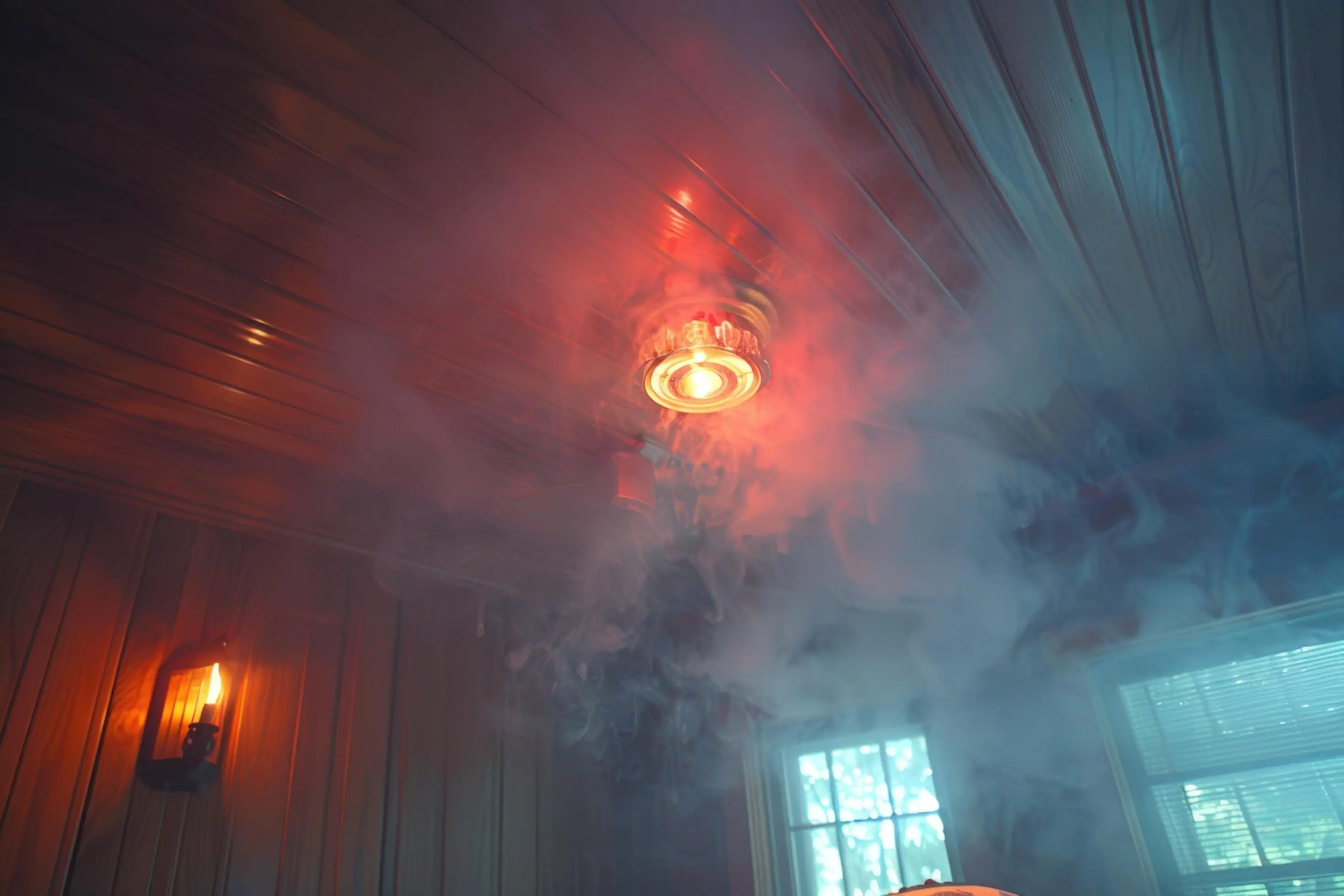
Smoke Damage Restoration
Soot residue, chemical odors, HVAC contamination. We decontaminate surfaces, eliminate odors, and restore air quality.
Learn more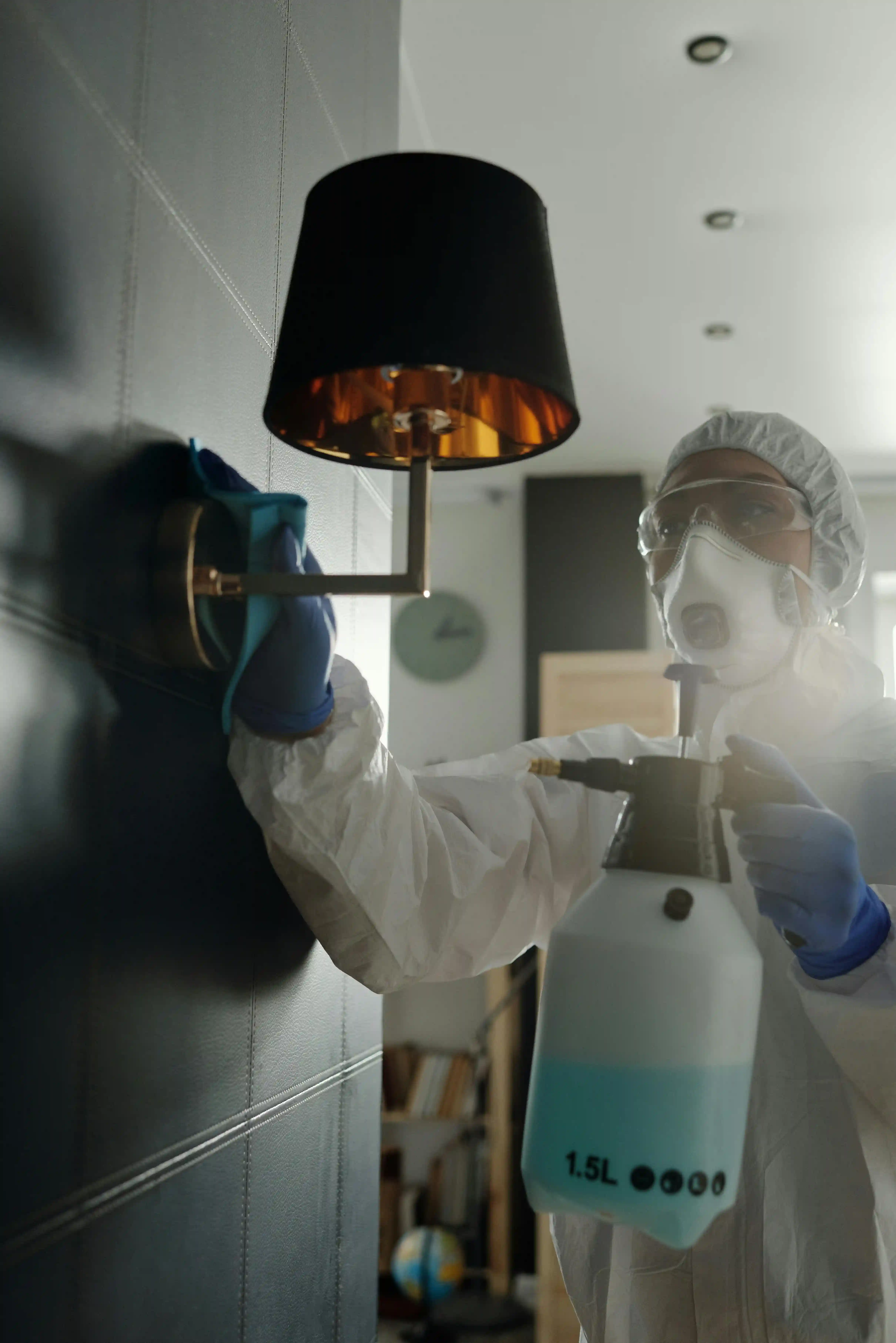
Mold Remediation
Testing, containment, removal, prevention. We find the source, eliminate the growth, and stop it from returning.
Learn moreNearby Service Areas
Also serving nearby: