
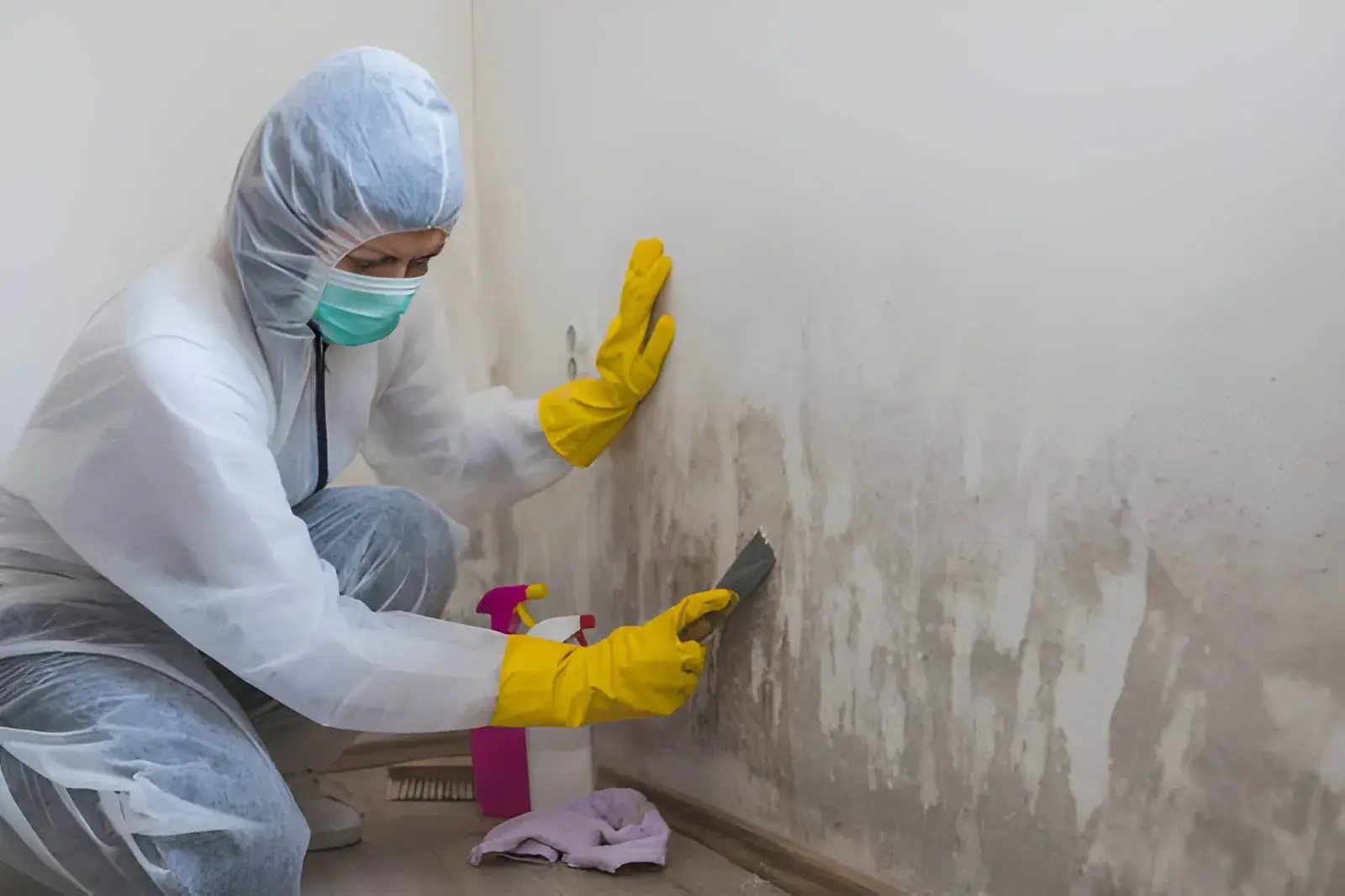
Mold Remediation in Lake Mary, FL
Mold doubles its colonized area every 24 to 48 hours in Lake Mary's subtropical humidity. Professional remediation stops the spread and eliminates the moisture source that feeds it. Our team responds immediately.
What Happens When You Call
A real person answers, not a call center. We assess your situation, ask targeted questions about moisture history and visible growth, and begin coordinating your response.
Your dedicated remediation team is dispatched from our local base serving Lake Mary and the surrounding Seminole County communities.
Team arrives with containment materials, HEPA filtration, moisture detection equipment, and remediation tools. Assessment and containment begin immediately.
Mold contained, moisture source identified, remediation plan documented with insurance-ready detail. You know exactly what comes next and when.
You have found mold in your home and it is growing. In Lake Mary's year-round warmth and humidity, it will not stop on its own, it will not dry out, and it will not remain confined to where you can see it. X Response exists for this moment. When you reach out, your remediation team mobilizes within minutes. From that first call, one team manages everything: assessment, containment, removal, moisture correction, and clearance verification. You are never left wondering whether the problem is truly resolved. Call now. Your team is standing by.
Why Lake Mary Homes Are Vulnerable to Mold
Lake Mary is a suburban city of approximately 16,800 residents in Seminole County, Florida, where the humid subtropical climate creates year-round conditions favorable for mold growth inside homes and buildings. In January 2026, WGCU Public Media reported that mold is a persistent statewide problem across Florida, driven by the state's humid subtropical climate and frequent rainfall, with indoor mold damaging walls and ceilings, reducing property values, and creating health problems particularly for people with respiratory conditions or weakened immune systems. Lake Mary's position within the Crystal Lake chain, where Big Lake Mary (99 acres), Little Lake Mary, West Crystal Lake (approximately 140 acres), and East Crystal Lake (approximately 120 acres) all sit within or immediately adjacent to city limits, elevates the local water table and keeps relative humidity at the ground level consistently above the 60% threshold where mold can actively grow on common building materials.
The mold risk in Lake Mary is compounded by the city's flooding history. Hurricane Ian in September 2022 damaged over 2,000 homes across Seminole County, with the St. Johns River and Lake Monroe reaching record levels and remaining elevated for weeks. Homes that sustained even minor water intrusion during that event, particularly along the edges of the Crystal Lake chain and in neighborhoods where stormwater systems backed up, faced accelerated mold colonization in the sustained warm, wet conditions that followed. The November 2023 record-breaking rainfall event, which dropped over 20 inches across the Seminole County corridor in approximately 24 hours, created another wave of moisture intrusion that overwhelmed drying efforts in many homes. In Central Florida, the window between water intrusion and visible mold growth is measured in days, not weeks, because temperatures rarely drop below the range where mold actively reproduces.
Year-Round Humidity and the 60% Threshold
Seminole County's climate maintains average relative humidity above 70% throughout the year, with summer months frequently exceeding 80% during morning and evening hours. Mold requires only 60% relative humidity at the material surface to actively grow, meaning Lake Mary homes operate continuously above the mold growth threshold in any area where air conditioning does not adequately dehumidify. While modern HVAC systems remove moisture as a byproduct of cooling, they can only condition the air that circulates through the system. Spaces with poor air circulation, including closets, areas behind furniture against exterior walls, beneath cabinetry, inside wall cavities, and within crawl spaces or attic areas, maintain humidity levels well above what the AC controls in the main living space. These stagnant microenvironments are where mold establishes first, growing for weeks or months before occupants notice odor or visible colonization.
Crystal Lake Chain and Elevated Water Table
Lake Mary's namesake lakes and the Crystal Chain collectively represent hundreds of acres of surface water within and adjacent to city limits. This concentration of surface water maintains the regional water table at unusually high levels, typically three to eight feet below ground surface and rising to within inches of the surface during wet periods. For homes built on slab-on-grade foundations, which is the standard construction method in Lake Mary, this high water table creates persistent moisture migration upward through the concrete. The moisture is not visible on the slab surface in most conditions, but it maintains elevated humidity in the air immediately above the slab, beneath flooring materials, and against the bottom edge of drywall that contacts the slab. Over time, this chronic moisture exposure creates conditions for mold growth at the base of walls, beneath vinyl plank and laminate flooring, and in the carpet pad layer where organic material and moisture combine in a dark, undisturbed environment.
Post-Hurricane Moisture and Delayed Discovery
Lake Mary homes that experienced any water intrusion during Hurricane Ian (2022) or the November 2023 flooding event face elevated mold risk that may not manifest visibly for months. Water that entered wall cavities through window frames, door thresholds, or stormwater backup through the slab does not dry through normal HVAC operation because the cavity lacks direct air circulation. In Lake Mary's climate, where exterior temperatures and humidity prevent drying through the building envelope, trapped moisture supports mold growth indefinitely within the wall assembly. Homeowners often discover this colonization months later when a musty odor develops, when they remove baseboards or flooring during a renovation, or when health symptoms prompt investigation. By that time, mold has typically colonized extensive areas of concealed wall cavity surface, requiring demolition of finished materials for access and remediation.
HVAC Condensation and Ductwork Growth
Air conditioning in Lake Mary runs year-round, and the temperature differential between cold supply air and warm, humid ambient air creates condensation at predictable points in the system. Supply duct connections, register boots, the air handler drain pan, and the evaporator coil housing all accumulate condensate that provides the moisture mold requires. When the drain line becomes partially clogged, which is common in Florida where algae grows readily in the warm condensate, water backs up in the drain pan and overflows into the air handler cabinet, onto the adjacent floor, or into the wall cavity where the drain line exits the unit. Many Lake Mary homes built in the 1980s and 1990s locate their air handlers in interior closets or attic spaces where overflow goes unnoticed until mold has established extensively. Additionally, ductwork routed through unconditioned attic spaces sweats when the exterior temperature heats the duct surface while cold air flows inside, creating condensation that drips onto ceiling drywall below or accumulates at low points in flexible duct runs.
Bathroom and Kitchen Moisture Accumulation
Bathrooms and kitchens generate moisture daily through showering, bathing, cooking, and dishwashing. In Lake Mary's climate, where ambient humidity already approaches or exceeds the mold growth threshold, the additional moisture from these activities pushes bathroom and kitchen environments well into active mold growth territory. Exhaust fans that vent into the attic rather than through the roof to the exterior, which was common practice in 1980s construction, deposit warm moist air directly into the attic insulation where mold colonizes readily. Grout lines in tile showers provide a porous, organic-nutrient surface that mold exploits. Beneath vanities and kitchen sinks, slow drips from supply connections or drain fittings create persistent wet conditions in enclosed cabinets where air circulation is minimal. These are the most common mold discoveries in Lake Mary homes: growth behind bathroom vanities, beneath kitchen sinks, on grout surfaces, and in attic insulation above bathrooms where improperly routed exhaust fans have been depositing moisture for years.
Lake Mary's mold environment is defined by year-round humidity above the growth threshold, a high water table maintained by the Crystal Lake chain, post-hurricane moisture trapped in wall cavities, HVAC condensation points, and daily moisture generation in bathrooms and kitchens that overwhelms the dehumidification capacity of aging exhaust systems. Effective mold remediation requires more than removing visible growth. It requires identifying and correcting the moisture source that created the conditions for colonization, because in this climate, any remaining moisture path will re-establish mold growth within weeks of remediation.
What Happens to Your Home While You Wait
24–48 Hours After Moisture Intrusion
Mold spores, which are present in every home at background levels, begin germinating on wet surfaces. In Lake Mary's year-round warmth (indoor temperatures typically 72 to 78 degrees), germination occurs at the fast end of the biological range. Microscopic growth begins on drywall paper facing, carpet backing, cardboard, and other cellulose-containing materials. No visible growth is evident yet, but the colonization process has started.
3–7 Days
Visible mold colonies appear on surfaces in the initial colonization area. Growth is typically visible as dark spots on drywall, discoloration on grout, or fuzzy patches on organic materials. Behind walls and beneath flooring, growth may be more advanced because these concealed spaces maintain higher humidity than exposed surfaces. Musty odor becomes detectable in affected rooms. The HVAC system begins distributing spores from the colonized area to other rooms.
1–4 Weeks
Mold colonies mature and begin producing heavy spore loads that affect indoor air quality throughout the home. Growth spreads along wall cavities, beneath flooring, and into adjacent rooms through shared wall assemblies. In Lake Mary's climate, the colony doubles its area every 24 to 48 hours once established. Drywall paper is consumed and the gypsum board loses structural integrity. Occupants may experience respiratory symptoms, allergic reactions, or headaches from elevated spore concentrations.
One Month and Beyond
Extensive colonization through wall cavities, beneath flooring systems, and throughout HVAC ductwork. Remediation scope expands from targeted removal to large-scale demolition of affected materials. Structural framing may be compromised in severe cases. The cost and timeline of remediation increase substantially as colonization spreads through concealed spaces that require demolition for access. Secondary contamination through the HVAC system means rooms distant from the moisture source require treatment.
In Lake Mary's subtropical environment, mold does not wait. Every day a moisture source remains uncorrected adds scope, cost, and health exposure to the remediation project. Contact X Response now. Our team assesses and contains mold growth within hours of your call.
How We Restore Mold-Affected Lake Mary Homes
Professional mold remediation follows a strict protocol designed to remove contamination safely, correct the moisture source, and verify the problem is fully resolved. Here is exactly what the process involves.
Assessment and Moisture Source Identification
Our team arrives with professional moisture meters, thermal imaging cameras, and hygrometers to map the full extent of moisture and mold growth. In Lake Mary homes, the visible mold is frequently only a fraction of the total colonization because growth in wall cavities, beneath flooring, and behind cabinetry can be far more extensive than surface indicators suggest. Thermal imaging identifies moisture paths and temperature differentials that indicate hidden water sources. We trace the moisture to its origin, whether that is a plumbing leak, HVAC condensation overflow, slab moisture migration from the high water table, inadequate bathroom ventilation, or residual hurricane damage in wall cavities. Identifying and correcting the moisture source is essential because removing mold without eliminating its water supply guarantees recolonization within weeks in this climate.
Containment and Air Quality Control
Before any mold is disturbed, we establish engineering controls to prevent spore dispersal into unaffected areas of the home. Polyethylene barriers seal the work area from adjacent spaces. Negative air pressure maintained by HEPA-filtered air scrubbers ensures any spores released during removal migrate toward our filtration equipment rather than into the rest of the home. Supply and return HVAC registers in the work area are sealed to prevent the air conditioning system from distributing disturbed spores throughout the ductwork. Workers enter and exit through a decontamination chamber to avoid carrying spores on clothing and equipment into clean areas. These containment protocols are especially critical in Lake Mary's sealed, HVAC-dependent homes where disturbed spores would otherwise reach every room within one cooling cycle.
Safe Mold Removal
With containment in place, our technicians remove mold-contaminated materials following IICRC S520 standard protocols. Porous materials that cannot be cleaned, including mold-damaged drywall, insulation, carpet, pad, and particleboard, are carefully removed, double-bagged in 6-mil poly, and disposed of as contaminated waste. Semi-porous materials like wood framing and concrete are cleaned to bare surface using HEPA-vacuuming, wire brushing, and media blasting as appropriate, then treated with EPA-registered antimicrobial agents. Non-porous materials including metal, glass, and hard plastic are HEPA-vacuumed and wiped with antimicrobial solution. Throughout removal, HEPA air scrubbers run continuously and are sized to turn over the contained air volume multiple times per hour, maintaining air quality for workers and preventing any spore migration past the containment barriers.
Moisture Source Correction
Removing mold without correcting the moisture source is temporary at best. In Lake Mary homes, correction may involve repairing a leaking supply line, clearing a clogged HVAC condensate drain, rerouting a bathroom exhaust fan from the attic to an exterior wall cap, improving ventilation in enclosed cabinet spaces, or installing a vapor barrier system to address chronic slab moisture migration from the elevated water table. For post-hurricane moisture trapped in wall cavities, correction may require opening the wall assembly for drying, installing ventilation provisions, or applying a vapor-retardant coating to the interior wall surface. We verify moisture levels with meters after correction and before reconstruction begins, ensuring the remediated area is at or below the safe threshold before new materials are installed over the previously affected surface.
Post-Remediation Verification and Clearance
After removal and moisture correction are complete, we conduct a final verification that includes visual inspection of all remediated surfaces, moisture readings confirming dry conditions throughout, and air quality sampling if specified by your protocol or insurance requirements. Air samples compare spore concentrations in the remediated area against an outdoor baseline and an unaffected interior control location. Clearance is achieved when the remediated area shows no visible growth, moisture levels are within acceptable range, and air quality meets established standards. We provide a detailed remediation report with before-and-after photos, moisture readings, air quality results where applicable, and a description of the moisture source correction performed. This documentation supports insurance claims and provides a permanent record that the remediation met professional standards.
The X Response Difference
When you contact X Response for mold remediation in Lake Mary, you get a team that treats mold as a moisture problem, not just a surface contamination. Removal without source correction is temporary. We solve both, verify the result, and document it so you have permanent proof the problem is resolved.
Insurance Claim Guidance for Lake Mary Homeowners
Mold insurance coverage in Florida depends on the source of the moisture that caused the growth. Standard homeowner's policies typically cover mold remediation when the mold results from a covered peril, such as a sudden pipe burst, appliance failure, or storm-driven water intrusion. Most Florida policies include a mold coverage sublimit, commonly $10,000 to $50,000, that caps the insurer's responsibility for mold-related costs regardless of actual remediation expense. Mold that results from long-term maintenance issues, such as a slow leak that was not repaired, chronic humidity from inadequate ventilation, or gradual water table moisture migration, is typically excluded as a maintenance responsibility rather than a sudden accidental event. In Lake Mary, where the high water table and climate create conditions that favor mold regardless of homeowner diligence, understanding these coverage boundaries before filing is important.
How X Response Helps
- Document the moisture source and timeline connecting it to a covered event such as a pipe failure, storm damage, or appliance malfunction
- Provide professional moisture readings and thermal imaging that establish the extent and age of the water intrusion
- Deliver a detailed remediation scope with line-item costs that your adjuster can evaluate against your policy's mold sublimit
- Separate remediation costs (removal, cleaning, disposal) from moisture source repair costs, as they may fall under different coverage sections
- Document pre-existing conditions versus new damage so coverage disputes do not arise over what the triggering event actually caused
X Response does not file claims on your behalf, adjust claims, or make coverage determinations. We provide documentation and guidance to help you make informed decisions about your property and your policy. Coverage decisions are made solely by your insurance carrier.
Certified Restoration Specialists Serving Lake Mary
When you contact X Response for mold remediation in Lake Mary, your team is drawn from certified professionals who work across Seminole County and understand the specific mold challenges created by this subtropical lakeside environment. They know how the Crystal Lake chain maintains a water table that keeps slab-on-grade homes chronically exposed to moisture from below. They know how Lake Mary's 1980s and 1990s HVAC systems create condensation points that feed hidden mold colonies. They know where post-hurricane moisture hides in wall cavities years after the storm event that introduced it. They have remediated homes from acute flooding events where mold colonized rapidly across entire floor levels, and they have remediated homes where a slow HVAC drain leak created a single-wall colony that grew undetected for months. This is not a general contractor offering mold removal as a side service. It is a dedicated remediation team with the training, equipment, and local expertise to resolve contamination safely and completely.
Every technician on your team holds current IICRC certification in mold remediation and applied microbial remediation technology (AMRT) and carries the appropriate Florida licensing for the work performed. Florida does not require a specific state mold license for remediation, but our teams maintain IICRC S520 compliance as the recognized professional standard. Equipment includes professional containment systems, HEPA air scrubbers sized for residential and commercial spaces, thermal imaging cameras, pin and pinless moisture meters, hygrometers, and the specialized removal tools required to address contamination in wall cavities, beneath flooring systems, and within HVAC components without dispersing spores into clean areas.
In Lake Mary, X Response works with Hugo Fire and Water, an independent local restoration partner serving Seminole County.
Mold Remediation FAQ for Lake Mary Homeowners
Other Emergency Services in Lake Mary
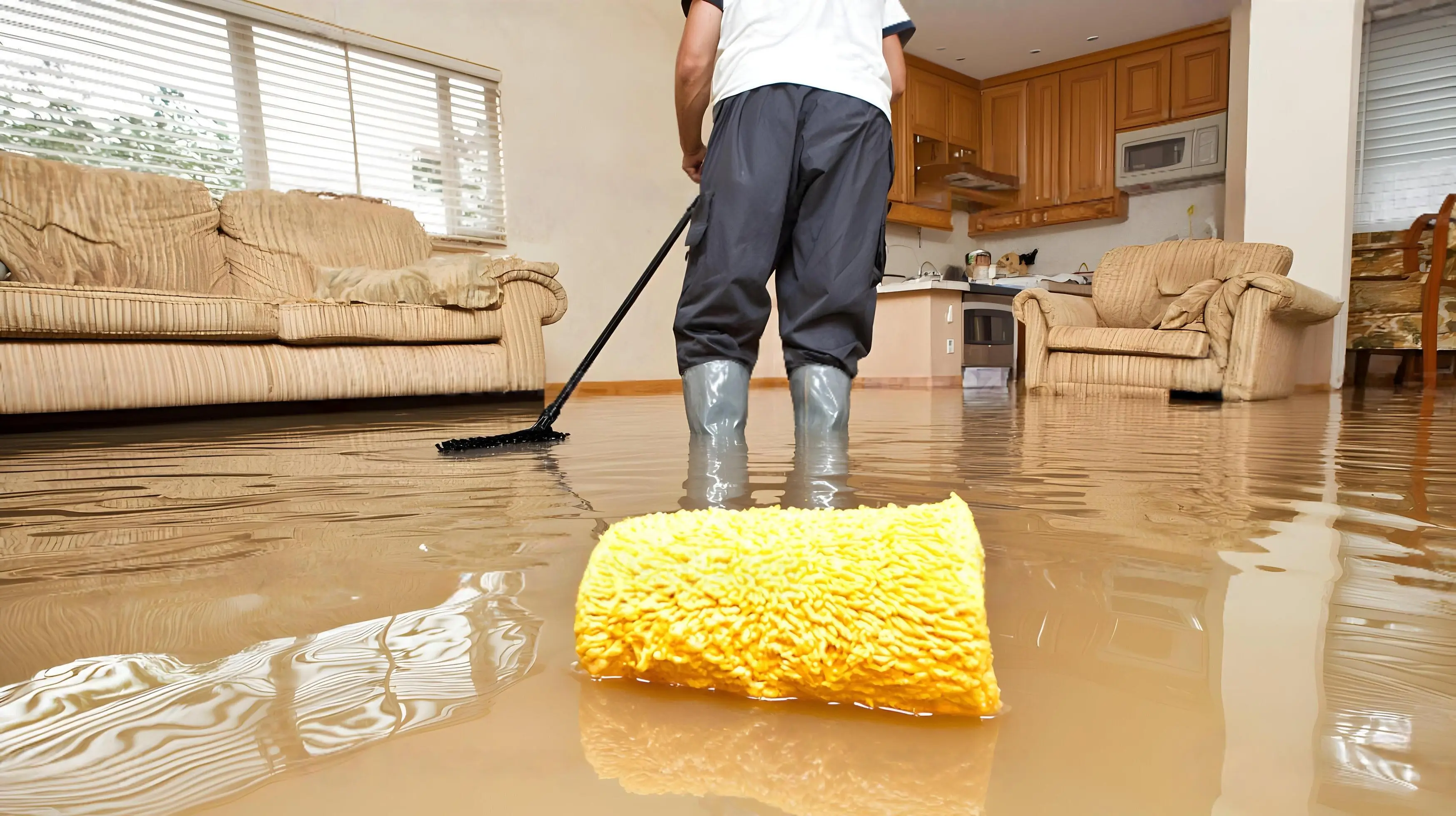
Water Damage Restoration
Burst pipes, storm flooding, standing water. We extract, dry, and restore before mold sets in.
Learn more
Fire Damage Restoration
Structural damage, soot, debris. We stabilize, clean, and rebuild what fire destroyed.
Learn more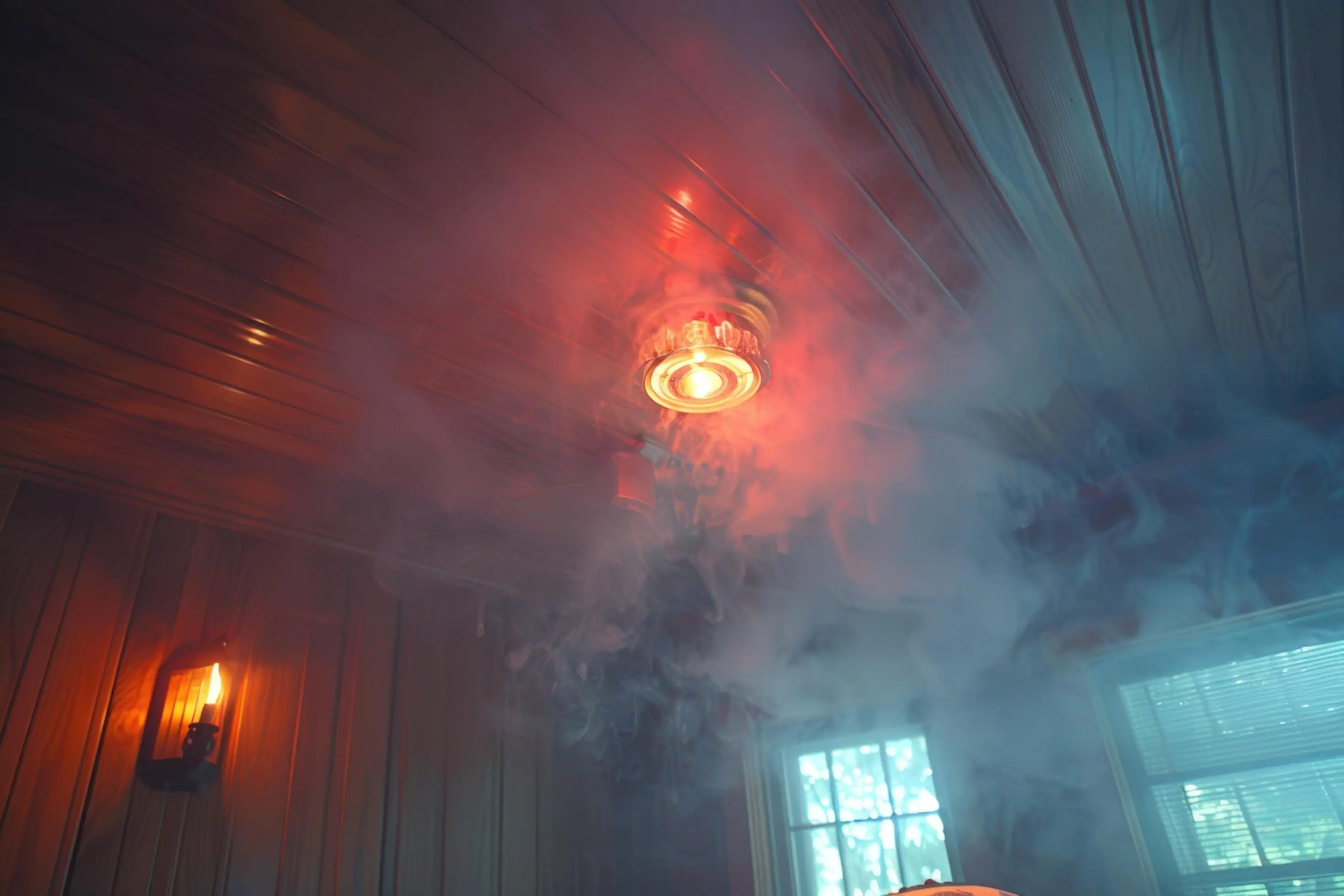
Smoke Damage Restoration
Soot residue, chemical odors, HVAC contamination. We decontaminate surfaces, eliminate odors, and restore air quality.
Learn more
Sewage Cleanup
Sewer backups, contaminated water, biohazard. We extract, sanitize, and restore safely.
Learn more