
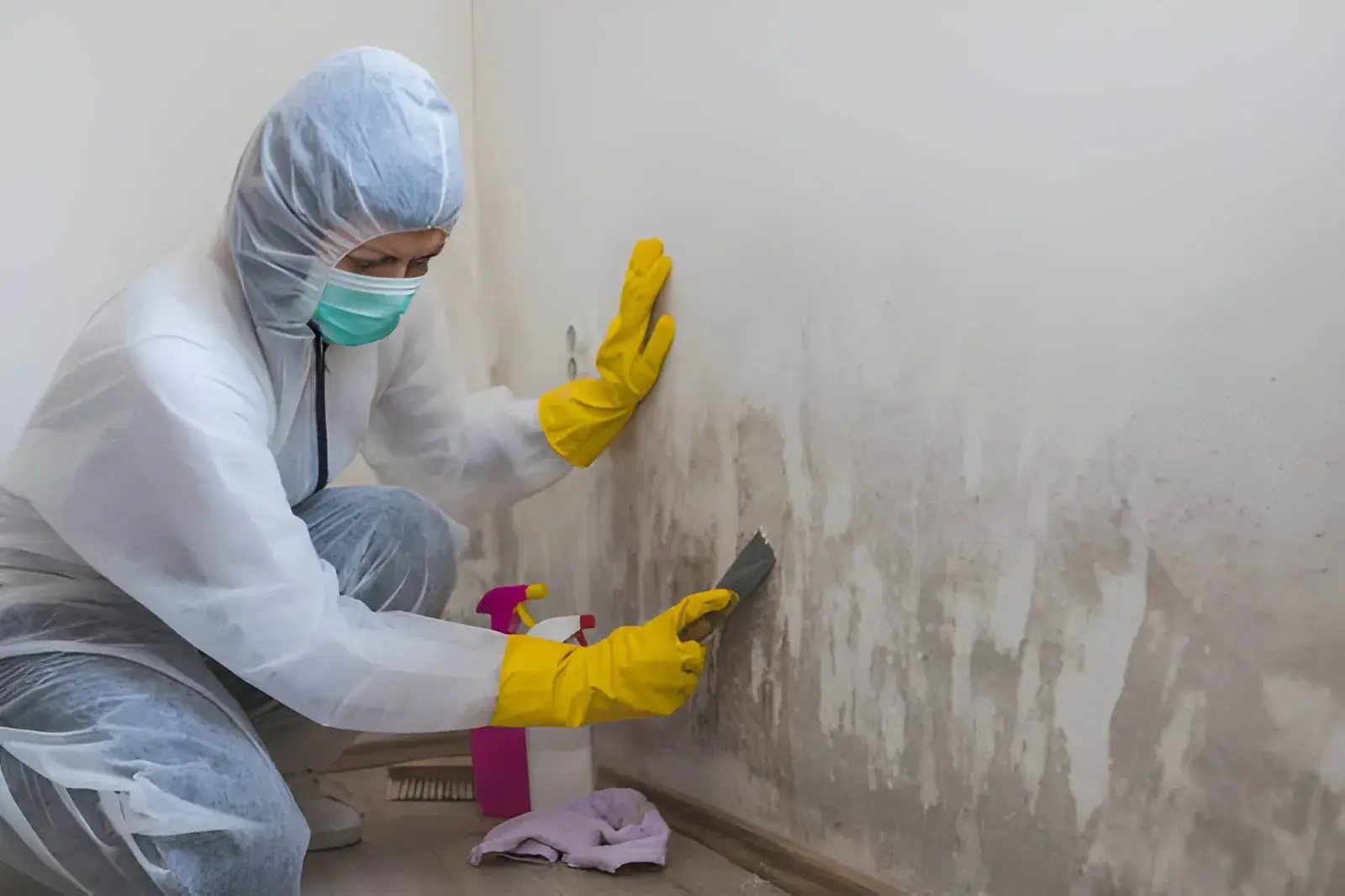
Mold Remediation in DeBary, FL
Mold colonizes within 24 to 48 hours in DeBary's humid subtropical climate. Every day of delay allows growth to spread into wall cavities, HVAC systems, and structural materials. Our local team responds within 60 minutes.
What Happens When You Call
A real person answers your call. We assess your situation, ask about moisture history and visible indicators, and begin coordinating your response immediately.
Your dedicated remediation team is dispatched from our local base serving DeBary and the surrounding Volusia County communities.
Team arrives with moisture meters, air sampling equipment, and containment materials. Professional inspection begins immediately.
Extent mapped, containment established, remediation plan documented. You know exactly what the scope is, what it will take, and when it will be complete.
Mold does not wait for a convenient time. In DeBary's climate, visible mold growth represents a colony that is already well established, and the invisible growth behind walls, beneath flooring, and inside HVAC ductwork is typically more extensive than what you can see. You need professional assessment and containment before the problem expands further. When you reach out to X Response, your remediation team mobilizes immediately. From that point forward, one team manages everything: inspection, containment, removal, verification, and prevention. Call now. Your team is standing by.
Why DeBary Homes Are Vulnerable to Mold
DeBary's mold environment is driven by a combination of factors that make it one of the more challenging locations for indoor moisture control in Central Florida. Florida's humid subtropical climate drives persistent indoor mold problems statewide, with indoor humidity levels routinely reaching 70 to 90 percent in homes without adequate dehumidification. DeBary's position on the St. Johns River intensifies this baseline problem. The river and Lake Monroe create a microclimate along the city's western edge where ground-level humidity stays elevated even when regional conditions moderate. Fog forms routinely along the river corridor in cooler months, saturating exterior surfaces and pushing moisture through building envelopes. Approximately 2,300 DeBary homes remain on aging septic systems whose drain fields maintain perpetually moist soil conditions beneath and around the structure, creating a continuous moisture source that feeds mold growth from below the slab. This is not a seasonal problem in DeBary. It is a year-round condition that requires active, ongoing management rather than passive hope that the weather will cooperate.
The repetitive hurricane cycle that DeBary experienced between 2022 and 2024, with Hurricane Ian, Hurricane Nicole, and Hurricane Milton all delivering flooding to the St. Johns River corridor, created widespread conditions for concealed mold growth that continues to be discovered in homes months and years after the events. Properties that were dried after flooding but not thoroughly verified for hidden moisture pockets developed mold colonies in wall cavities, beneath flooring, in subfloor adhesive layers, and inside HVAC plenums. Because DeBary's slab-on-grade construction provides no crawl space access for inspection, these concealed colonies grow undetected until they produce visible surface indicators, musty odor, or health symptoms in occupants. The Florida Department of Health has documented that mold exposure can trigger respiratory symptoms, allergic reactions, and more severe health effects in immunocompromised individuals, making timely remediation both a property and a health priority in DeBary's persistent moisture environment.
Riverfront Microclimate and Elevated Humidity
DeBary's location on the eastern shore of the St. Johns River and Lake Monroe creates localized humidity conditions that exceed regional averages. Large water bodies moderate temperature extremes but maintain elevated humidity levels at the surface, particularly in the neighborhoods closest to the water along Highbanks Road and the western corridors. Morning fog forms routinely along the river corridor from October through March, saturating exterior building surfaces and introducing moisture through any gap in the building envelope. During summer months, when regional humidity already averages above 74%, the river-adjacent areas experience conditions that keep exterior surfaces wet longer after rain events and maintain higher indoor humidity in homes without robust dehumidification. This microclimate effect means homes on DeBary's western side face more aggressive mold pressure than properties on the eastern growth edges near Deltona, even though they are separated by only a few miles. The consistent elevated humidity creates conditions where mold spores, always present in Florida's outdoor air, find sufficient moisture to colonize on virtually any organic surface that remains damp for 24 to 48 hours.
Slab-on-Grade Construction and Sub-Slab Moisture
DeBary's homes are predominantly built on slab-on-grade foundations, with the concrete pad poured directly on prepared ground and the finished floor sitting on or just above the slab surface. This construction eliminates crawl space access for inspection and creates a direct pathway for ground moisture to reach interior materials. In DeBary's karst geology with a high water table, the soil beneath the slab remains moist year-round, and during wet periods the water table rises close enough to the slab bottom that moisture migrates upward through the concrete via capillary action. This moisture manifests as damp carpet over the slab, cupping in hardwood flooring, delamination of vinyl plank products, and mold growth on the underside of flooring materials where it cannot be seen from above. The problem is compounded in the approximately 2,300 homes on septic systems, where the drain field maintains saturated soil conditions immediately adjacent to and beneath the foundation. Homeowners discover mold growing on the slab surface or the underside of carpet padding only when flooring is pulled up for renovation or after a flood event, at which point the colony may have been established for months or years.
Post-Hurricane Concealed Moisture
The three hurricanes that affected DeBary between September 2022 and October 2024 created a widespread concealed mold problem throughout the St. Johns River corridor. When floodwater enters a slab-on-grade home, it saturates drywall, insulation, and framing inside wall cavities. If restoration addresses visible water damage but does not verify that all concealed spaces reached acceptable dryness levels, mold colonies establish in the hidden voids where moisture remains. In DeBary, the post-Ian flooding in September 2022 was followed by Nicole just six weeks later, meaning homes that were still drying from Ian received additional moisture before the first event was fully resolved. Properties that appeared restored after those events but were not verified with moisture readings in every wall cavity, beneath every flooring section, and inside every HVAC plenum may now harbor established colonies that have been growing for years. Indicators include musty odor without visible mold, respiratory symptoms that improve when occupants leave the home, and discoloration at baseboards or ceiling lines that appears without any recent water event.
HVAC System as Mold Distribution Pathway
In DeBary's climate, air conditioning systems run almost continuously from April through October and cycle frequently even during winter months. The HVAC system creates two mold-relevant conditions: condensation on the evaporator coil and in the condensate drain pan, and air circulation that distributes spores throughout the home. The evaporator coil operates below the dew point of DeBary's humid air, condensing moisture and creating a perpetually wet surface. If the condensate drain becomes partially blocked, or if biofilm accumulates on the coil surface, mold colonizes the coil itself and the drain pan. Every time the system runs, air passes over the colonized coil and distributes spores to every room through the supply ductwork. Supply registers develop visible mold growth around the edges. Interior duct surfaces accumulate biofilm. The problem self-perpetuates because the system that should be dehumidifying the air is instead contaminating it. Additionally, when the system cycles off during mild periods, humidity inside the ductwork rises and supports mold growth on duct interior surfaces, creating a reservoir of contamination that releases with each subsequent cycle.
Aging Housing Stock and Envelope Failures
DeBary's housing stock spans from the 1970s through present construction, and older homes face accumulated building envelope failures that admit moisture and support mold growth. Weatherstripping around windows and doors degrades over decades, creating gaps where humid air infiltrates. Roof flashing and valley details develop pinhole leaks that allow slow water intrusion into attic spaces and wall cavities without producing visible dripping. Stucco exteriors common in DeBary develop hairline cracks over time from thermal expansion and settlement, admitting rain-driven moisture into the wall assembly. Older homes with single-pane windows and inadequate insulation develop condensation on glass surfaces during summer when cold conditioned air meets warm, humid exterior conditions. Each of these envelope failures creates a localized moisture source that supports mold colonization in concealed spaces. The growth often remains hidden for years, expanding slowly behind walls and above ceilings until it reaches a surface, produces an odor, or triggers health symptoms. By the time the colony is discovered, it has typically expanded well beyond the original moisture entry point.
DeBary's mold challenge is not a matter of poor housekeeping or unusual neglect. It is the predictable result of a subtropical climate, a riverfront location with elevated humidity, slab-on-grade construction over high water tables, aging septic infrastructure that maintains soil saturation, repetitive hurricane damage that leaves concealed moisture, and HVAC systems that both condense water and distribute spores. Effective remediation in DeBary requires understanding these interconnected moisture pathways, not just cleaning the visible growth but identifying and resolving the moisture source that allowed colonization in the first place.
What Happens to Your Home While You Wait
24–48 Hours After Moisture Event
Mold spores, always present in Florida's outdoor air, begin germinating on any organic surface that remains damp. In DeBary's warm climate with temperatures above 75 degrees for most of the year, germination and initial colonization happen at the fast end of the biological range. Drywall paper facing, wood framing, carpet backing, cardboard, and even dust accumulation on inorganic surfaces provide sufficient organic material for growth. The colony is not yet visible to the naked eye, but microscopic hyphae are extending into the substrate.
3–7 Days
Visible mold growth appears on surfaces as colonies mature and produce spores. In DeBary's humidity, growth on exposed surfaces like bathroom walls or beneath sink cabinets becomes obvious within this timeframe. However, growth in concealed spaces, inside wall cavities, beneath flooring, above ceiling tiles, and inside HVAC plenums, remains hidden and may not produce visible indicators for weeks or months. The colony begins producing volatile organic compounds (the musty odor associated with mold) that can be detected before visible growth is apparent. Spore production begins, releasing reproductive particles into the air that can colonize new surfaces throughout the home.
1–4 Weeks
Established colonies expand across available surfaces and begin penetrating deeper into porous materials. Drywall paper is consumed, weakening the wallboard. Wood framing develops surface colonization that extends into the grain. Carpet backing and pad harbor growth that cannot be removed through cleaning alone. If the HVAC system is distributing spores, secondary colonies establish in other rooms at every location where moisture conditions are sufficient. Indoor air quality deteriorates as spore counts rise. Occupants may develop respiratory symptoms, allergic reactions, or notice worsening asthma, often without connecting the symptoms to the indoor environment.
1–6 Months
Extensive colonization throughout affected wall cavities and potentially into adjacent cavities via shared framing and air pathways. Structural wood shows surface decay at heavily colonized areas. The HVAC system has distributed spores throughout the home, and secondary colonies are established in multiple locations. Remediation scope has expanded from localized treatment to multi-room or whole-home intervention. Materials that could have been cleaned in the first week now require removal and replacement. The project involves containment, demolition, antimicrobial treatment, and reconstruction rather than surface remediation.
Long-Term Unresolved Growth
Structural integrity of affected framing may be compromised at connection points where decay has progressed. Indoor air quality is significantly degraded with elevated spore counts throughout the home. Health effects for occupants may include chronic respiratory issues, persistent allergic responses, and immunological stress. Property value is materially affected. Remediation requires professional intervention with full containment, removal of all affected materials including potentially structural framing, complete HVAC system decontamination or replacement, and post-remediation verification testing. In DeBary homes with post-hurricane concealed moisture, long-term growth in hidden cavities often produces this level of damage before discovery.
In DeBary's climate, the mold colonization timeline is compressed. What takes a week in a dry, cool climate happens in days here. Contact X Response now. Our team serving DeBary responds within 60 minutes for mold assessment.
How We Restore Mold-Affected DeBary Homes
Mold remediation follows a systematic process designed to contain the problem, eliminate it completely, and prevent recurrence. Here is exactly what that process involves for DeBary properties.
Professional Inspection and Assessment
Our team arrives with professional moisture meters, thermal imaging cameras, and air sampling equipment to determine the full extent of mold growth and identify the moisture source driving it. In DeBary homes, this means checking behind walls with non-invasive moisture mapping, inspecting the HVAC system for coil and duct contamination, assessing the slab perimeter for sub-slab moisture migration, and evaluating the building envelope for intrusion points. We collect air samples if needed to determine spore types and concentrations, and moisture readings at every wall, floor, and ceiling surface in affected and adjacent areas. The goal is not just to find the mold but to identify why it grew, because remediation without source correction results in recurrence. For DeBary homes on septic systems, we assess whether drain field saturation is contributing to sub-slab moisture that feeds the growth from below.
Containment and Environment Control
Before any mold is disturbed, we establish containment to prevent spore distribution to unaffected areas of the home. This involves sealing the work area with polyethylene sheeting, establishing negative air pressure using HEPA-filtered air scrubbers so that air flows into the contained area rather than out of it, and shutting down the HVAC system to prevent distribution through ductwork. In DeBary's climate, HVAC shutdown during remediation requires careful management because interior humidity and temperature will rise rapidly without cooling. We deploy standalone dehumidifiers within the containment zone to manage humidity during the work and monitor conditions throughout the unaffected portions of the home to prevent secondary mold conditions from developing during the remediation period.
Mold Removal and Material Demolition
Affected materials are removed according to established remediation protocols. Porous materials with established mold colonization, including drywall, insulation, carpet, and carpet padding, are removed and disposed of as contaminated waste. Semi-porous materials like wood framing are assessed individually: surface colonization on structurally sound wood can be addressed with abrasive cleaning and antimicrobial treatment, while wood with decay or deep penetration requires replacement. In DeBary's slab-on-grade homes, mold growing beneath flooring requires full floor removal in the affected area to expose and treat the slab surface. HVAC components including ductwork, coils, and drain pans are cleaned or replaced depending on the severity of contamination. All removal work occurs within containment under negative pressure with workers in appropriate personal protective equipment.
Antimicrobial Treatment and Drying
After contaminated materials are removed, remaining structural surfaces receive EPA-registered antimicrobial treatment to eliminate residual mold and prevent recolonization during the reconstruction period. The slab surface, remaining framing, concrete block walls, and any structural substrate that contacted mold are treated thoroughly. Simultaneously, we address the moisture source that allowed growth. If the source was a plumbing leak, it is repaired. If it was sub-slab moisture migration, vapor barrier and drainage solutions are specified. If it was HVAC condensation, the system is repaired and drainage verified. If it was building envelope failure, repairs are documented for the reconstruction phase. Commercial dehumidifiers maintain conditions below 50% relative humidity throughout the treatment area until reconstruction begins, preventing any recolonization in the gap between demolition and rebuild.
Post-Remediation Verification
Before containment is removed and reconstruction begins, we conduct verification testing to confirm successful remediation. This includes visual inspection of all treated surfaces, moisture readings to confirm the area has reached and maintained acceptable dryness levels, and air sampling within the contained area to verify that spore counts have returned to levels consistent with normal outdoor conditions for DeBary. The verification report documents pre-remediation conditions, the scope of work performed, and post-remediation test results. This documentation serves as evidence for your insurance claim, confirmation for future buyers or inspectors that professional remediation was completed, and a baseline against which any future concerns can be measured.
The X Response Difference
When you contact X Response for mold in DeBary, you get a team that finds the source, contains the problem, removes it completely, treats the remaining structure, verifies the result with testing, and documents everything for insurance and future reference. One team, one standard, from inspection through clearance.
Insurance Claim Guidance for DeBary Homeowners
Mold damage insurance coverage in Florida is complex and varies significantly by policy. Standard homeowner's policies in Florida typically include limited mold coverage, often capped at $10,000 or $25,000 depending on the carrier and policy tier. Some policies cover mold only when it results from a covered water damage event, such as a burst pipe, while excluding mold from flooding, long-term humidity, or maintenance issues. The distinction between a sudden, accidental water event and a gradual condition is critical to coverage determination. For DeBary properties where mold resulted from hurricane flooding that was covered under a separate flood policy, the mold remediation may fall under the flood claim if documented as a direct consequence of the covered flood event.
How X Response Helps
- Document the moisture source and timeline clearly, because coverage depends on whether mold resulted from a sudden covered event or a gradual condition
- Provide professional air sampling and moisture readings that demonstrate the extent of contamination beyond what is visible
- Connect the mold to any prior covered water damage event with documentation showing the causal relationship
- Document remediation scope, methods, and post-clearance testing results for the insurance file
- Identify your policy's specific mold coverage limits and any sub-limits or exclusions that may apply to your situation
X Response does not file claims on your behalf, adjust claims, or make coverage determinations. We provide documentation and guidance to help you make informed decisions about your property and your policy. Coverage decisions are made solely by your insurance carrier.
Certified Restoration Specialists Serving DeBary
When you contact X Response for mold remediation in DeBary, your team is drawn from certified professionals who work across Volusia County and understand the specific moisture and mold dynamics of this area. They know how DeBary's riverfront microclimate maintains elevated humidity in western neighborhoods, how sub-slab moisture from the high water table and aging septic drain fields feeds concealed growth from below, how the post-hurricane cycle of Ian, Nicole, and Milton left hidden moisture in properties throughout the St. Johns corridor, and how HVAC systems in Florida homes both condense moisture and distribute spores if not properly maintained. They have remediated post-hurricane mold, long-term concealed growth in wall cavities, HVAC-driven whole-home contamination, and slab-moisture-fed colonies beneath flooring in DeBary homes across every construction era.
Every technician on your team holds current certifications in mold remediation and carries appropriate Florida licensing for the work performed. Under Florida law (Chapter 468, Part VIII), mold assessment and remediation require specific licensing, and all work must comply with state standards. Equipment includes professional moisture meters, thermal imaging cameras, air sampling pumps, HEPA-filtered negative air machines, commercial dehumidifiers, and the full range of antimicrobial treatment systems needed for comprehensive remediation. When your team arrives, they bring the diagnostic capability to identify the full scope and the remediation equipment to resolve it in one mobilization.
In DeBary, X Response works with Hugo Fire and Water, an independent local restoration partner serving Volusia County.
Mold Remediation FAQ for DeBary Homeowners
Other Emergency Services in DeBary
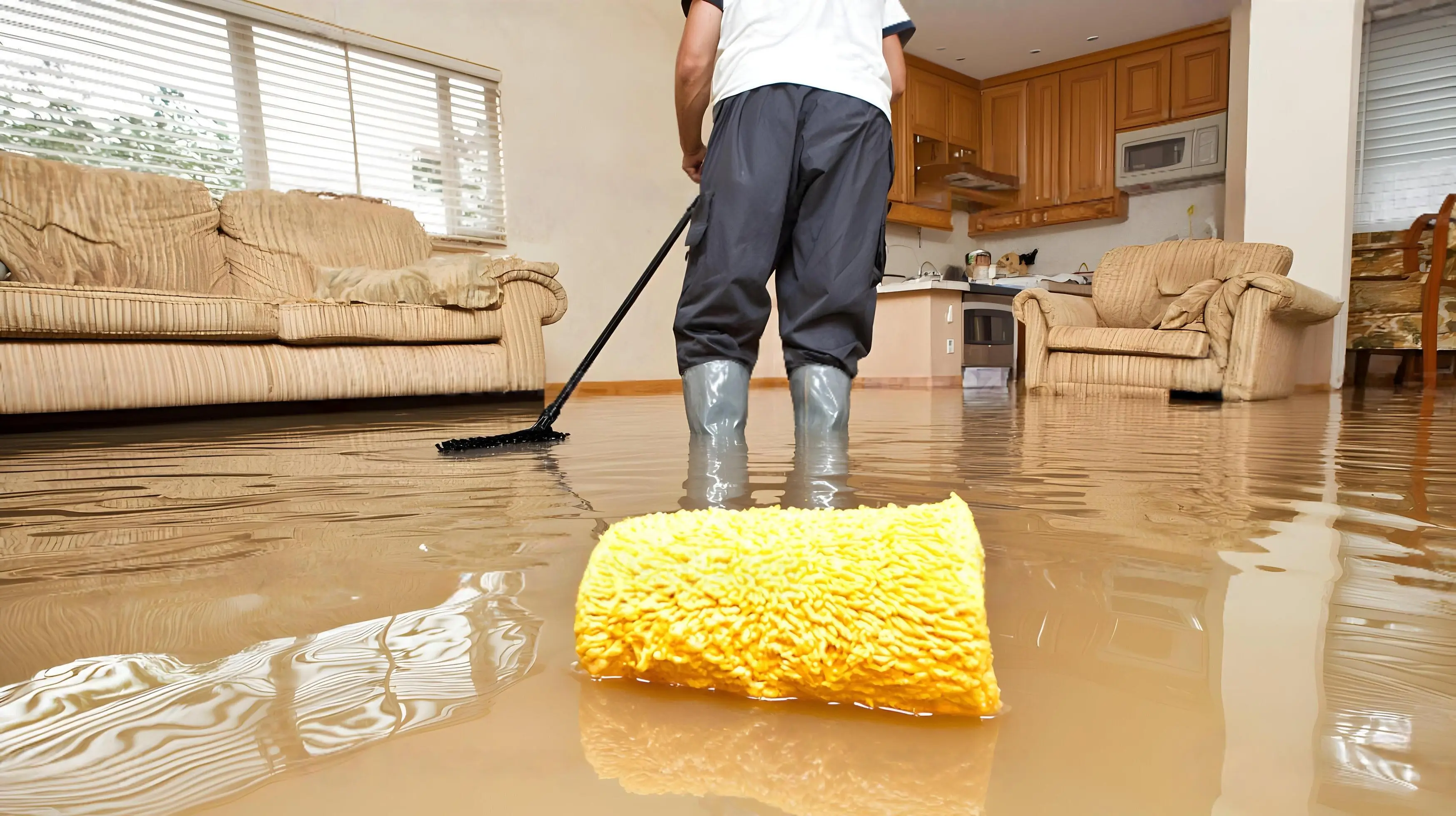
Water Damage Restoration
Burst pipes, storm flooding, standing water. We extract, dry, and restore before mold sets in.
Learn more
Fire Damage Restoration
Structural damage, soot, debris. We stabilize, clean, and rebuild what fire destroyed.
Learn more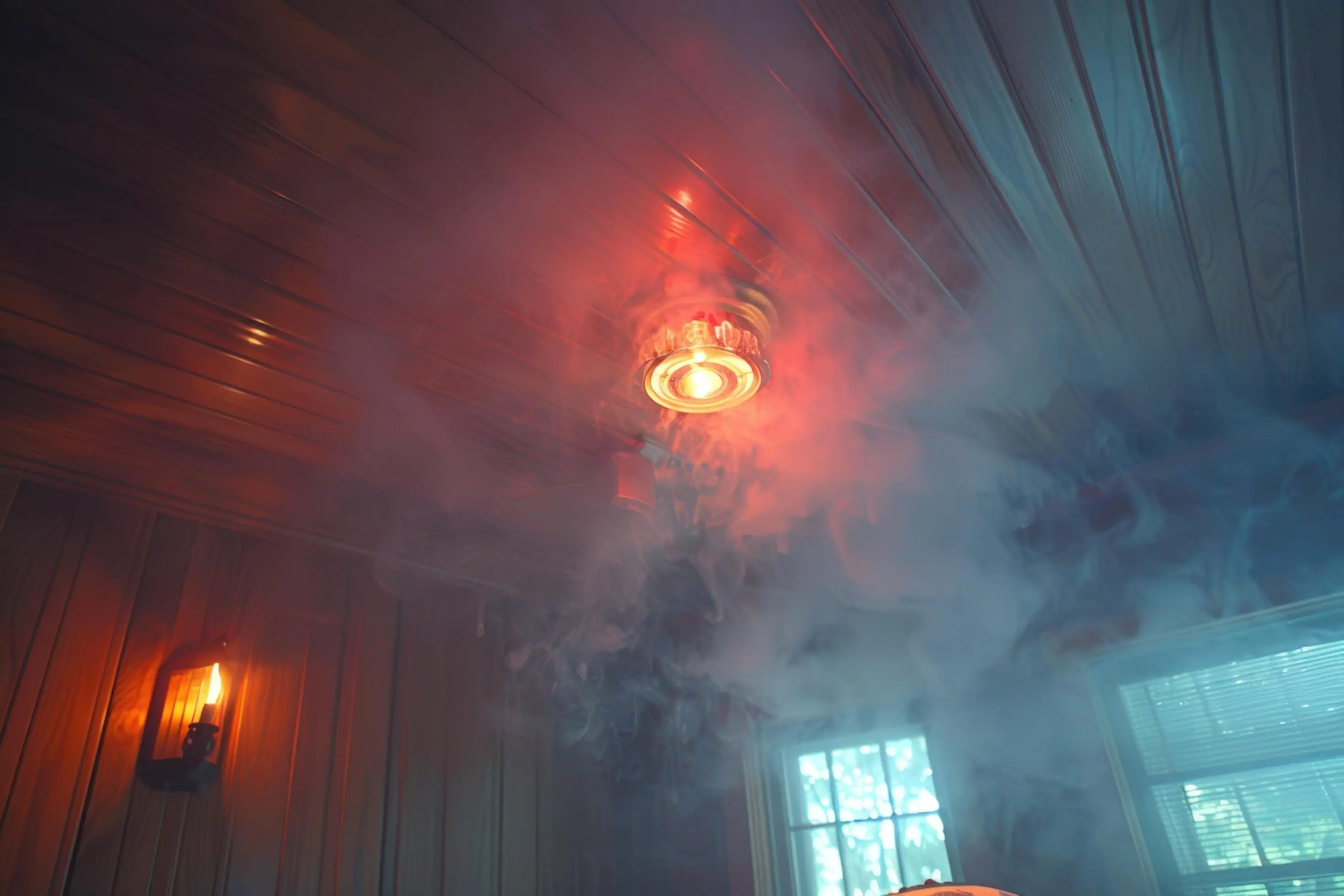
Smoke Damage Restoration
Soot residue, chemical odors, HVAC contamination. We decontaminate surfaces, eliminate odors, and restore air quality.
Learn more
Sewage Cleanup
Sewer backups, contaminated water, biohazard. We extract, sanitize, and restore safely.
Learn more