
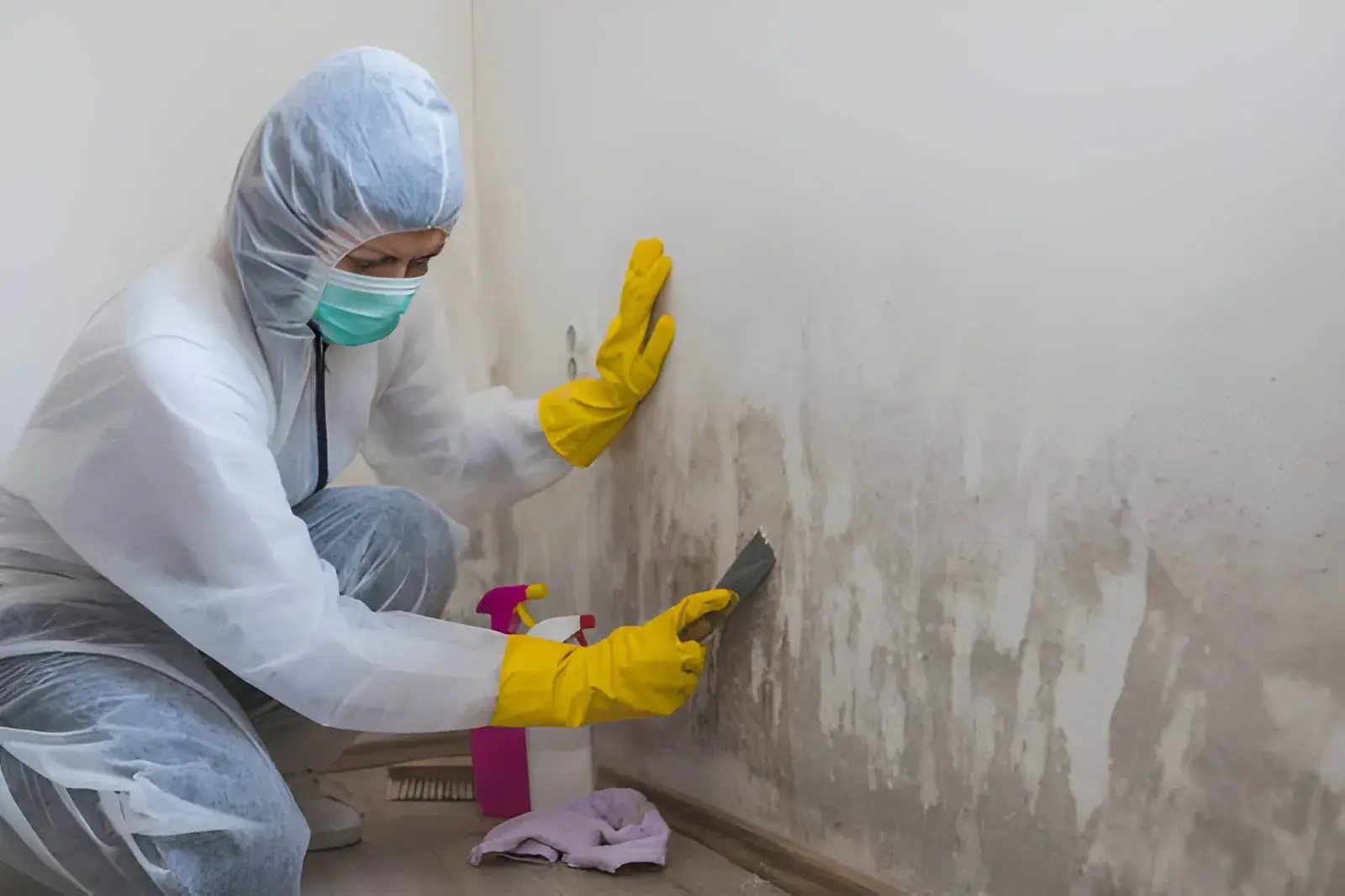
Mold Remediation in Skokie, IL
Mold colonizes wet building materials within 24 to 48 hours in Cook County's humid climate. If you see or smell mold in your Skokie home, professional remediation must begin immediately.
What Happens When You Call
A real person answers, not a call center. We assess your situation, ask the right questions, and begin coordinating your response immediately.
Your dedicated remediation team is dispatched from our local base serving Skokie and the surrounding north Cook County communities.
Team arrives with moisture meters, thermal imaging, HEPA air scrubbers, and containment materials. Assessment begins immediately.
Moisture source identified, contamination extent mapped, remediation plan documented. You know exactly what comes next.
Mold is already growing before most homeowners realize there is a problem. By the time you see visible growth on a wall or smell that musty odor in your basement, colonization has been active for days or weeks in hidden spaces behind the surface. X Response exists for exactly this moment. When you reach out, your remediation team is mobilized within minutes and on site within the hour. From that point forward, one team manages everything: assessment, containment, removal, treatment, and prevention. Call now. Your team is standing by.
Why Skokie Homes Are Vulnerable to Mold
Skokie sits in north Cook County on terrain that the Potawatomi named for its marshy character, a description that remains relevant to the village's moisture challenges seven decades after the post-war housing boom filled those marshlands with homes. The village's approximately 67,800 residents live primarily in housing built during the 1950s and 1960s, an era when basement waterproofing consisted of tar-based coatings applied to exterior block walls, when vapor barriers were uncommon beneath concrete slabs, and when the expectation was that basements would be utilitarian spaces that might occasionally get damp rather than finished living areas. Today, many of those basements have been converted to living space with drywall, carpet, and built-in storage that creates ideal conditions for mold colonization when moisture intrudes. The clay-heavy soils throughout Cook County compound the problem by holding water against foundation walls rather than draining it away, maintaining elevated moisture levels in basement environments for weeks after a rain event or water intrusion has passed.
Following the February 14, 2025 water main break that submerged basements throughout Skokie, the village's 1950s and 1960s housing stock faced accelerated mold colonization risk as water saturated concrete block foundation walls, finished basement materials, and the clay-heavy Cook County soils that hold moisture against structures for weeks after visible flooding recedes. The event created conditions for widespread mold growth across the village's housing stock. Homes that experienced basement flooding and could not immediately remediate, whether due to the scale of the event overwhelming local restoration capacity, insurance disputes, or financial constraints, faced mold colonization timelines accelerated by saturated building materials and Cook County's humidity. CBS Chicago reported potentially dangerous conditions in basements that remained wet, and a year later the Chicago Tribune documented residents still dealing with unresolved damage. Beyond catastrophic events, Skokie's routine moisture sources produce mold conditions in homes throughout the village year-round: combined sewer backups during heavy rain, foundation seepage through deteriorated waterproofing, condensation on cold basement walls during humid summers, and the persistent groundwater pressure that the village's historically marshy terrain and clay soils maintain against below-grade structures.
Post-War Basement Construction and Chronic Moisture
The basements in Skokie's 1950s and 1960s homes were built with concrete masonry unit (CMU) block walls, a construction method that creates inherent moisture pathways. Unlike poured concrete, block walls contain hollow cores and mortar joints that wick moisture from the surrounding soil into the basement interior. The exterior waterproofing applied during construction, typically a thin tar-based coating, has degraded over six to seven decades of freeze-thaw cycling, soil settlement, and root penetration. The result is chronic moisture intrusion that ranges from visible seepage during rain events to invisible vapor transmission through the block walls on humid days. This moisture migrates into the drywall, carpet, and wood framing that homeowners have installed against these walls over the decades, creating concealed mold colonization environments where growth can advance for months behind finished surfaces before becoming visible or producing detectable odor in the living space.
Clay Soils and Hydrostatic Pressure
Cook County's glacially deposited clay soils are among the least permeable residential soils in the Midwest. When rain saturates the surface or a water event like the 2025 main break floods an area, clay soils absorb water slowly and release it even more slowly. The practical effect for Skokie homeowners is that even after standing water is pumped from a basement and the street appears dry, the soil surrounding the foundation remains saturated for days to weeks, maintaining hydrostatic pressure that pushes moisture through every crack, joint, and deteriorated section of the foundation wall. This sustained moisture delivery keeps building materials wet long after the visible event has passed, providing the continuous moisture that mold requires to grow. A homeowner who pumps their basement dry and considers the problem solved may not realize that the foundation walls remain wet inside their cores, that the sill plate is absorbing moisture from below, and that conditions behind their finished basement walls remain ideal for mold colonization.
Combined Sewer Backups and Contaminated Moisture
Portions of Skokie are served by a combined sewer system that carries both sanitary waste and stormwater in the same pipes. When heavy rain overwhelms pipe capacity, the system surcharges and pushes sewage-contaminated water back through floor drains and basement plumbing fixtures into living spaces. This is not clean water that simply needs drying; it is Category 3 contaminated water carrying bacteria, viruses, and organic matter that accelerates mold growth and requires removal of all porous materials it contacts. The organic nutrients in sewage-contaminated water provide a rich food source for mold species that might otherwise take longer to establish on clean building materials. For Skokie homeowners in areas served by the combined system, each heavy rain event carries the risk of basement contamination that demands both water damage restoration and mold prevention protocols simultaneously.
Summer Humidity and Condensation
Cook County summers bring extended periods of high humidity that create mold-favorable conditions even without any water intrusion event. Skokie's below-grade basement spaces maintain temperatures in the 55 to 65 degree Fahrenheit range through summer, well below the dewpoint of humid ambient air. When warm, moisture-laden air contacts these cold surfaces, whether through open basement windows, unsealed ductwork passing through below-grade spaces, or simply through natural air circulation, condensation forms on foundation walls, cold-water pipes, and any surface at or below the surrounding soil temperature. This condensation provides the sustained surface moisture that mold requires without any plumbing failure, roof leak, or storm event. In homes where finished basements lack adequate dehumidification, this seasonal condensation cycle feeds mold colonies behind walls and beneath carpet throughout the summer months, with growth becoming visible only after it has colonized extensively.
Multi-Family Buildings and Shared Moisture Problems
Skokie's condominium and apartment buildings present mold challenges that differ from single-family homes. A roof leak above a fourth-floor unit can feed moisture through ceiling cavities and wall spaces to units below without the lower residents knowing the source exists above them. A failed common-area water heater or boiler can introduce moisture into mechanical rooms and adjacent spaces that may not be inspected for days. Shared laundry facilities with inadequate ventilation produce chronic humidity that affects surrounding units. During the 2025 water main break, ground-floor and below-grade units in multi-family buildings flooded simultaneously, and the shared structural systems, including common walls, floor-ceiling assemblies, and vertical utility chases, created pathways for moisture to affect units above the flood line through capillary action and vapor migration. For unit owners, mold in shared structural elements requires coordination between individual insurance, the HOA master policy, and building management to address both the visible remediation and the underlying moisture source.
These factors converge in Skokie to create persistent mold risk that goes well beyond the occasional leak. The marshy terrain holds water. The clay soils maintain moisture pressure against foundations for weeks. The 1950s-60s construction admits moisture through deteriorated waterproofing and block-wall pathways. The combined sewer system introduces contaminated water during storms. Summer humidity feeds condensation on cold below-grade surfaces. And multi-family buildings distribute moisture between units through shared structural systems. Professional mold remediation in Skokie must address not just visible growth but the underlying moisture source and the hidden colonization in wall cavities, behind finished surfaces, and within building materials that surface inspection alone cannot reveal.
What Happens to Your Home While You Wait
Within 24 Hours
Mold spores, which are always present in ambient air, land on wet building materials and begin germinating. In Skokie basements with chronic moisture from foundation seepage or post-flood saturation, every damp surface becomes a potential colonization site. The process is invisible at this stage. No growth is visible to the eye, no odor is detectable, but the biological clock has started on every material that remains wet.
24–48 Hours
Active mold growth begins on porous materials maintaining surface moisture: drywall paper facing, carpet backing, wood framing, cardboard storage, and dust accumulation in hidden spaces. Cook County's summer humidity accelerates this timeline by preventing natural drying. The colonization remains hidden behind baseboards, beneath carpet, and within wall cavities. The first detectable sign may be a faint musty odor that comes and goes with air circulation patterns.
48 Hours–7 Days
Mold colonies expand and produce visible growth on accessible surfaces while spreading extensively in concealed spaces. Behind finished basement walls in Skokie's post-war homes, growth advances across drywall paper facing, along the sill plate, and up into wall cavities where it feeds on accumulated organic dust and the paper facing of fiberglass insulation. Spore production increases and begins affecting indoor air quality. Occupants with respiratory sensitivities may notice symptoms before visible growth appears.
1–4 Weeks
Extensive colonization throughout wall cavities, beneath flooring systems, and across structural surfaces in below-grade spaces. Mold enters HVAC ductwork and distributes spores throughout the home with each system cycle. The musty odor becomes persistent rather than intermittent. Visible growth appears on accessible surfaces as colonies exhaust hidden food sources and expand outward. What began as a simple drying problem now requires professional containment, removal of affected materials, and structural treatment.
One Month and Beyond
Structural degradation begins as aggressive mold species break down organic building materials. Wood framing at the sill plate and rim joist area softens and loses structural integrity. Drywall dissolves at contact points. The entire finished basement may require demolition to the block walls and subfloor to eliminate colonized materials and treat the structure. Remediation scope at this stage is measured in thousands to tens of thousands of dollars and may require temporary relocation during the work.
The longer mold grows unchecked, the more material must be removed and the more expensive remediation becomes. Contact X Response now. Our Skokie team responds within 60 minutes.
How We Restore Mold-Affected Skokie Homes
From the moment our team arrives, every step follows IICRC S520 standards for professional mold remediation. Here is exactly what the process involves for Skokie properties.
Assessment and Moisture Source Identification
Our team arrives with professional moisture meters, thermal imaging cameras, and hygrometers to map the full extent of moisture intrusion and mold colonization. In Skokie homes, that means investigating behind finished basement walls where growth commonly hides, checking the sill plate and rim joist area where exterior moisture meets the wood structure, assessing foundation wall moisture levels to determine whether active seepage or condensation is feeding the growth, and examining HVAC components that may be distributing spores throughout the home. Crucially, we identify the moisture source driving the colonization, whether it is foundation seepage, a combined sewer backup, a plumbing leak within the wall cavity, condensation from inadequate below-grade dehumidification, or residual saturation from an event like the 2025 water main break. Remediation without source correction guarantees recurrence.
Containment and Air Filtration
Before any mold-colonized material is disturbed, we establish engineering controls that prevent spore dispersal to unaffected areas of the home. Polyethylene containment barriers seal the work area from adjacent spaces. HEPA-filtered negative air machines create negative pressure within the containment zone, ensuring that air flows inward rather than carrying spores outward. Access to the work area is controlled through a decontamination chamber. These measures protect the occupants and the unaffected portions of the home from cross-contamination during the removal phase, when disturbing colonized materials releases millions of spores that would otherwise spread throughout the structure via air currents and the HVAC system.
Mold Removal and Material Disposal
Mold-colonized porous materials that cannot be effectively cleaned are removed and disposed of in sealed bags. In Skokie basements, this commonly includes drywall installed against block foundation walls, carpet and pad in below-grade spaces, paper-faced fiberglass insulation in wall cavities, and contaminated wood trim at the base of walls. Non-porous and semi-porous materials that can be effectively cleaned, including concrete block walls, wood framing, and metal surfaces, are treated with appropriate cleaning methods: HEPA vacuuming, wire brushing, and antimicrobial application. All removal is conducted within the containment zone under negative air pressure with workers in appropriate personal protective equipment.
Antimicrobial Treatment and Encapsulation
After affected materials are removed and structural surfaces cleaned, we apply EPA-registered antimicrobial treatments to all surfaces within the remediation area. For Skokie's concrete block foundation walls where moisture may continue to migrate through the masonry even after the acute event is resolved, we apply antimicrobial encapsulants that create a barrier preventing future colonization on treated surfaces. This is particularly important in homes where the moisture source is chronic (foundation seepage, condensation) rather than acute (a single flood event), because the underlying moisture condition may persist even after remediation and the encapsulant provides ongoing protection during the period required to implement permanent moisture correction.
Verification and Prevention
Post-remediation verification confirms that the work achieved its objective. Air sampling and surface sampling by an independent third party compares post-remediation spore counts against outdoor baseline levels and pre-remediation readings. Moisture readings confirm that the source has been addressed or that controls are in place to manage ongoing moisture. We provide specific recommendations for preventing recurrence in your Skokie home: dehumidification targets for below-grade spaces, maintenance schedules for sump pumps and backwater valves, guidance on basement finishing materials that resist mold colonization, and ventilation improvements that reduce condensation on cold below-grade surfaces. The goal is not just remediating the current growth but preventing the conditions that allowed it.
The X Response Difference
When you contact X Response for mold remediation in Skokie, you get a team that treats the cause and the colonization, verifies the result with independent testing, and provides the guidance needed to prevent recurrence. One team, full-scope remediation, documented results.
Insurance Claim Guidance for Skokie Homeowners
Mold damage insurance coverage in Illinois depends heavily on the moisture source that caused the growth. If mold resulted from a sudden and accidental covered peril, such as a burst pipe or appliance failure, the resulting mold remediation is typically covered under your homeowner's policy. If mold resulted from chronic maintenance issues, such as long-term foundation seepage, deferred waterproofing repair, or persistent condensation from inadequate ventilation, carriers typically exclude the remediation as a maintenance responsibility. Many Illinois policies also cap mold coverage at $5,000 to $10,000 regardless of the source, which may not cover the full scope of remediation in a finished basement with extensive colonization. For Skokie homes affected by the 2025 water main break, mold claims filed as secondary damage from the original water event may receive more favorable treatment than standalone mold claims, because the moisture source was sudden, accidental, and clearly documented.
How X Response Helps
- Document the moisture source and timeline clearly, connecting mold growth to a specific covered water damage event when applicable
- Photograph all visible growth, moisture readings, and affected materials before remediation begins
- Provide your adjuster with professional assessment documenting both the mold extent and the moisture source driving it
- Track remediation costs separately from any associated water damage repair for clear claim categorization
- Note your policy's mold coverage cap and discuss scope priorities with your adjuster if the cap may be insufficient for the full remediation
X Response does not file claims on your behalf, adjust claims, or make coverage determinations. We provide documentation and guidance to help you make informed decisions about your property and your policy. Coverage decisions are made solely by your insurance carrier.
Certified Restoration Specialists Serving Skokie
When you contact X Response for mold remediation in Skokie, your team is drawn from certified professionals who work across north Cook County and understand the specific mold conditions in this community. They know how the 1950s and 1960s block-wall basements admit moisture through deteriorated mortar joints and degraded waterproofing. They understand how Cook County's clay soils maintain hydrostatic pressure against foundations for weeks after a water event. They have remediated homes after combined sewer backups introduced contaminated moisture, addressed chronic condensation problems in below-grade finished spaces, and treated widespread colonization in homes affected by the 2025 water main catastrophe. This is not a crew reading a manual for the first time. It is a local team with direct experience in the moisture sources, construction types, and mold patterns specific to Skokie's housing stock.
Every technician on your team holds current IICRC certification in mold remediation and applied microbial remediation and carries the appropriate Illinois state licensing for the work being performed. Equipment includes professional moisture meters and thermal imaging for assessment, polyethylene and negative air machines for containment, HEPA vacuums and air scrubbers for spore control, and EPA-registered antimicrobials for treatment. All work follows IICRC S520 standards for professional mold remediation. When your team arrives, they bring everything needed to begin assessment and containment immediately.
In Skokie, X Response works with Scene Cleaners, an independent local restoration partner serving Cook County.
Mold Remediation FAQ for Skokie Homeowners
Other Emergency Services in Skokie
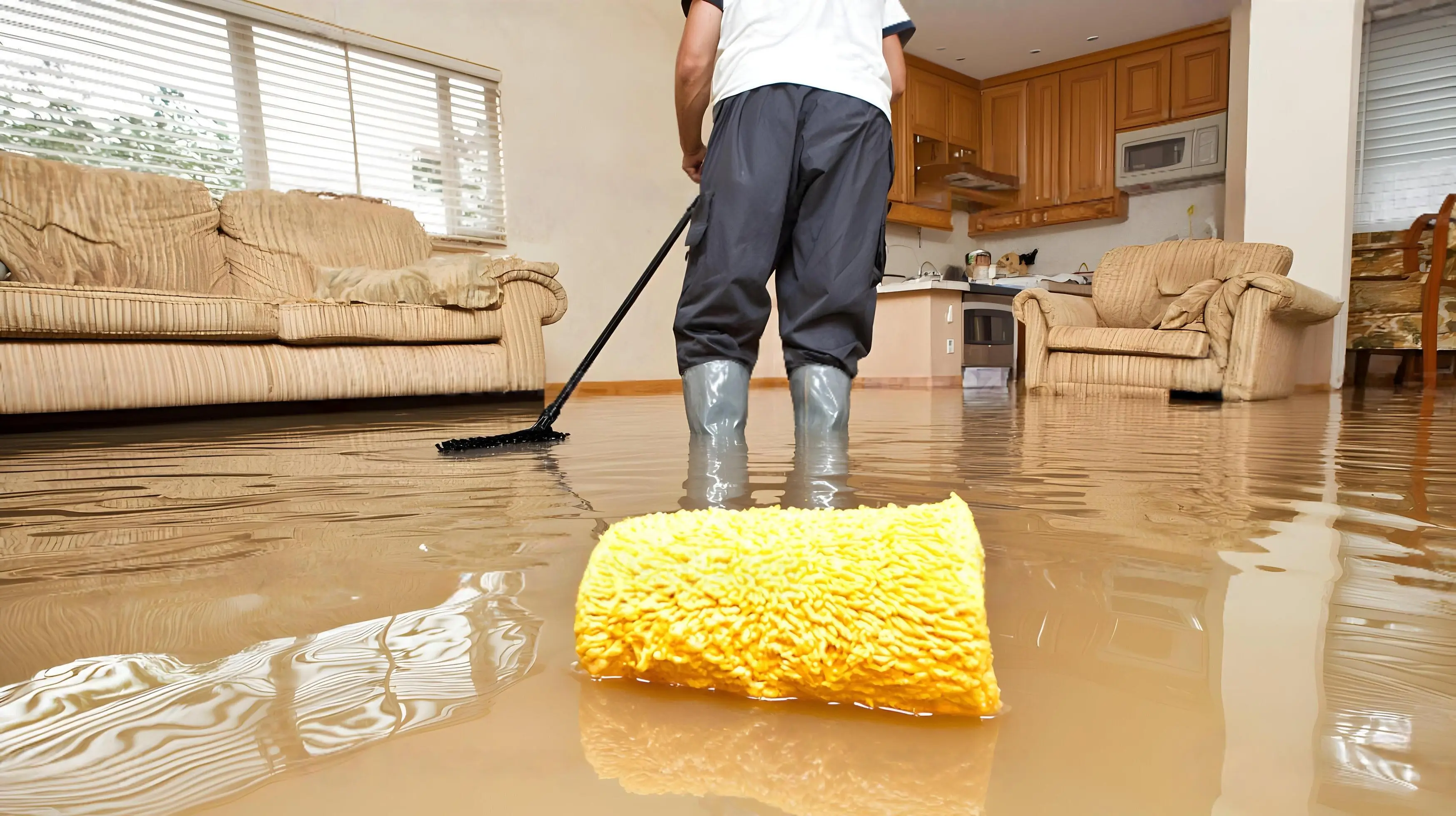
Water Damage Restoration
Burst pipes, storm flooding, standing water. We extract, dry, and restore before mold sets in.
Learn more
Fire Damage Restoration
Structural damage, soot, debris. We stabilize, clean, and rebuild what fire destroyed.
Learn more
Smoke Damage Restoration
Soot residue, chemical odors, HVAC contamination. We decontaminate surfaces, eliminate odors, and restore air quality.
Learn more
Sewage Cleanup
Sewer backups, contaminated water, biohazard. We extract, sanitize, and restore safely.
Learn moreNearby Service Areas
Also serving nearby: