
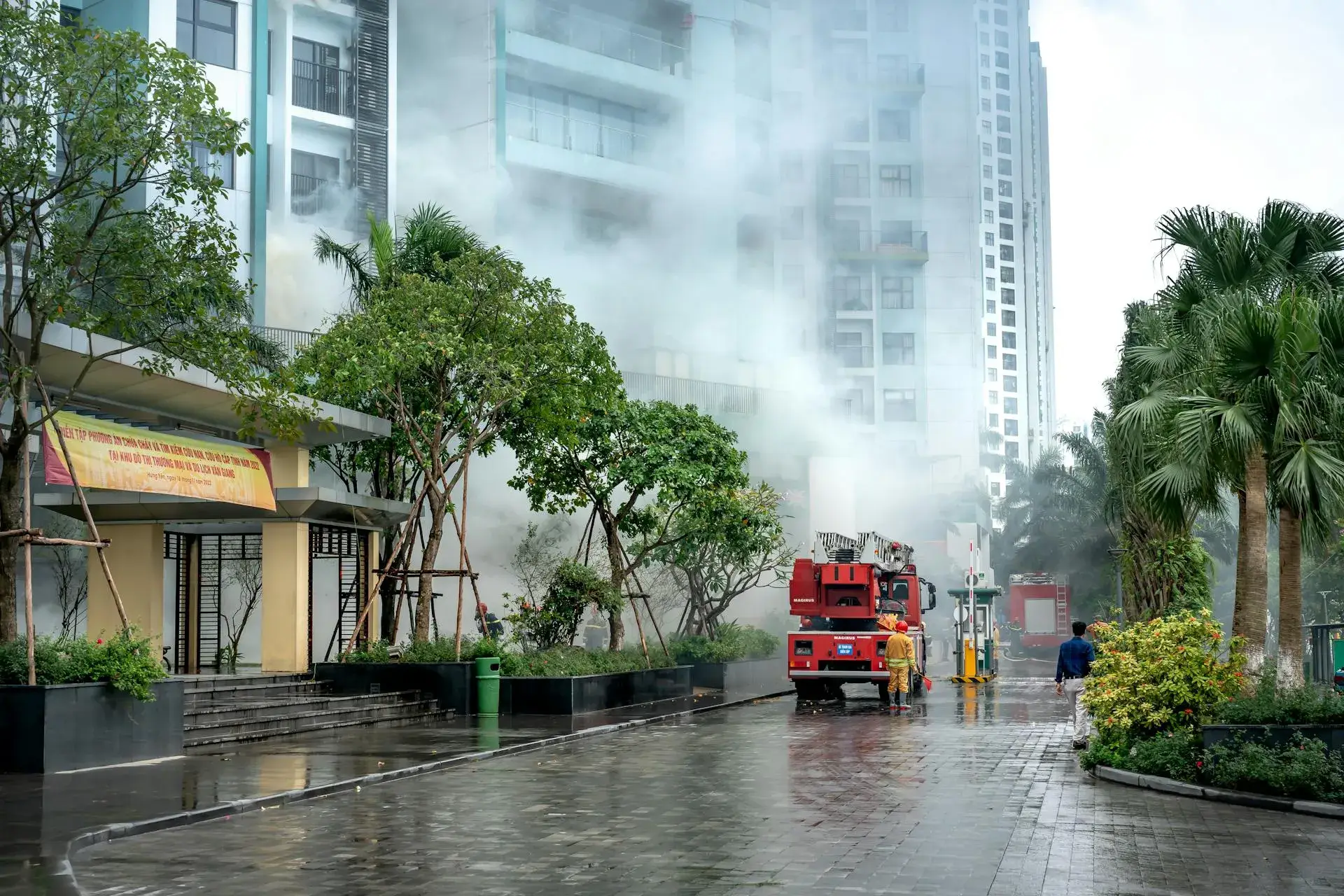
Smoke Damage Restoration in DeBary, FL
Smoke residue is acidic and bonds deeper into surfaces with every passing hour. Whether from a structure fire, wildfire, or regional smoke event, delay makes restoration harder and more expensive. Our local team responds within 60 minutes.
What Happens When You Call
A real person answers your call. We assess your situation, identify the smoke source type, and begin coordinating your response immediately.
Your dedicated restoration team is dispatched from our local base serving DeBary and the surrounding Volusia County communities.
Team arrives with industrial air scrubbers, soot removal equipment, and odor neutralization technology. Assessment and mitigation begin immediately.
Contamination mapped, cleaning initiated, air quality equipment running. You know exactly what comes next and when it will be complete.
Smoke damage does not stop when the fire goes out or the haze clears. Residue continues reacting with surfaces, odor molecules penetrate deeper into porous materials, and particulates circulate through your HVAC system contaminating rooms that never saw flame or visible smoke. You need professional intervention before the damage becomes permanent. When you reach out to X Response, your restoration team mobilizes immediately. From that point forward, one team manages everything: assessment, cleaning, odor elimination, and air quality verification. Call now. Your team is standing by.
Why DeBary Homes Are Vulnerable to Smoke Damage
DeBary faces smoke damage risk from three distinct sources that set it apart from communities without its particular geography. The first and most dramatic is regional wildfire smoke. In October 2023, wildfire smoke from Canadian fires pushed Air Quality Index readings above 160 in Volusia County, reaching the 'unhealthy' category for all residents, not just sensitive groups, prompting health advisories across Central Florida including the DeBary area. The smoke infiltrated homes through HVAC systems, open windows, and building envelope gaps, depositing fine particulates on interior surfaces and contaminating ductwork. But Canada is not the only wildfire smoke source. DeBary is bordered by thousands of acres of conservation land managed with prescribed fire, and unplanned brush fires like the June 2019 event that jumped containment lines and threatened a power plant produce intense local smoke that blankets adjacent residential areas far more heavily than distant wildfire haze. When a brush fire burns in the conservation land west of DeBary, the smoke does not arrive diluted from hundreds of miles away. It arrives concentrated, carrying heavy particulate loads from burning palmetto, pine, and organic soil at close range.
The second source is structure fire smoke, which travels through a building far beyond the rooms directly affected by flame. DeBary's housing stock from the 1970s through today includes homes with shared HVAC systems, open floor plans, and construction gaps that allow smoke to migrate from one room throughout the entire structure. A kitchen fire in a single room can deposit soot and odor-carrying particulates in every room connected to the central air system. The third source is vehicle and industrial fire smoke from the I-4 corridor that bisects DeBary, demonstrated by the June 2026 truck fire at DeBary Avenue that closed lanes and generated a concentrated smoke plume over adjacent neighborhoods. Each smoke source produces different particulate chemistry, different residue characteristics, and different health implications, but they all share one trait: the longer residue remains on surfaces and in ductwork, the more difficult and expensive restoration becomes.
Regional Wildfire Smoke Infiltration
Central Florida's position downwind from both northern wildfire zones and local prescribed burn areas means DeBary experiences multiple smoke intrusion events per year. The October 2023 Canadian wildfire event was exceptional in severity, with AQI readings above 160 in Volusia County and health advisories issued for the general population rather than just sensitive groups. But smaller smoke events from prescribed burns in adjacent conservation land, local brush fires during dry season, and distant wildfire smoke transported by upper-level winds occur routinely between February and June. Each event deposits fine particulate matter (PM2.5) inside homes through every available pathway: supply and return air vents, gaps around windows and doors, soffit and attic ventilation, and the building envelope itself. Modern Florida homes with tight construction resist infiltration better than older homes, but DeBary's 1970s and 1980s housing stock has numerous air exchange points that allow smoke to enter freely. Once inside, particulates settle on horizontal surfaces, embed in soft furnishings and carpet fibers, and accumulate in HVAC ductwork where they continue circulating with every cooling cycle long after the outdoor event has cleared.
Local Brush Fire Proximity
DeBary's adjacency to conservation land creates a local smoke source that is qualitatively different from distant wildfire haze. When the Florida Forest Service conducts prescribed burns in the areas west and south of DeBary, or when an unplanned brush fire ignites as occurred in June 2019, the smoke arrives at residential areas concentrated and heavy rather than diluted across hundreds of miles. This proximity smoke carries heavier particulate loads including partially combusted vegetation, mineral ash from soil ignition, and volatile organic compounds from burning palmetto and pine resin. Residents in neighborhoods along the western edge of DeBary near Highbanks Road and the river corridor experience this smoke at ground level, where it infiltrates at higher concentrations than elevated wildfire plumes. The particulate residue from proximity brush fire smoke is coarser and more visible than diluted long-distance smoke, depositing a gritty film on exterior surfaces, vehicles, pool decks, and any interior area exposed through open windows or ventilation gaps. It also carries a distinct chemical signature that requires adjusted cleaning protocols compared to structure fire soot.
Structure Fire Smoke Migration
When a fire occurs inside a DeBary home, the smoke damage extends far beyond the room of origin. Smoke follows air pressure differentials, traveling through HVAC ductwork, wall cavities, plumbing and electrical penetrations, and any gap in the building envelope. In DeBary's newer open-concept homes, smoke moves freely across the entire living space with minimal obstruction. In older homes with more compartmentalized layouts, smoke finds pathways through ceiling fixtures, ductwork connections, and the attic space, emerging in rooms that appear completely undamaged by fire. The HVAC system is particularly significant in DeBary because air conditioning runs almost continuously from April through October. If the system was running during or after the fire, it has drawn smoke through the return air pathway, deposited soot on the evaporator coil and interior duct surfaces, and then distributed contaminated air to every supply register in the home. Even a small fire in one room can contaminate the entire HVAC system and every room it serves, turning a localized event into a whole-home restoration project.
I-4 Corridor Vehicle and Industrial Smoke
Interstate 4 bisects DeBary, carrying heavy commercial truck traffic between Orlando and Daytona Beach directly through and adjacent to residential neighborhoods. Vehicle fires, tractor-trailer incidents, and hazardous material events on I-4 produce concentrated smoke plumes that drift over nearby homes depending on wind direction. The June 2026 truck fire at DeBary Avenue that closed westbound lanes is a recent example: a commercial vehicle burning on the interstate generates toxic combustion products from diesel fuel, synthetic materials, tire rubber, cargo contents, and vehicle components. Homes immediately adjacent to I-4 can receive heavy particulate deposition from these events, with residue chemistry that differs significantly from wood-based fire smoke. Vehicle fire smoke contains heavy metals, petroleum combustion byproducts, and plasticizer compounds that require specialized cleaning chemistry. Properties along DeBary Avenue, Saxon Boulevard, and the neighborhoods between I-4 and the SunRail corridor are most exposed to this source.
Humidity-Accelerated Residue Bonding
DeBary's subtropical humidity, averaging above 74% year-round, accelerates the chemical bonding of smoke residue to surfaces. In dry climates, soot particles sit loosely on surfaces for days and can be removed relatively easily with basic cleaning. In DeBary's humid environment, moisture in the air acts as a solvent that dissolves acidic soot components and helps them penetrate into porous surfaces more rapidly. Smoke residue on painted walls begins chemically etching the paint film within hours rather than days. Soot on metal fixtures initiates corrosion faster because the moisture completes the electrochemical reaction. Fabric and upholstery absorb smoke compounds more deeply because the fibers are already slightly swollen with ambient moisture, creating more surface area for chemical bonding. This humidity effect compresses the window for successful cleaning restoration in DeBary compared to arid regions. Surfaces that could be cleaned at 48 hours in a dry climate may require replacement at 48 hours in DeBary because the residue has already penetrated beyond what surface cleaning can reach.
DeBary's smoke damage risks arrive from multiple directions: regional wildfire plumes from distant fires, concentrated proximity smoke from local brush fires in adjacent conservation land, structure fire smoke that migrates throughout homes via HVAC systems and construction gaps, and vehicle fire smoke from the I-4 corridor. Each source deposits different chemistry on your surfaces and in your air, and DeBary's persistent humidity accelerates the bonding and penetration of all of them. Effective smoke restoration requires identifying the source, applying the correct cleaning chemistry, decontaminating the HVAC system, and verifying air quality, all within a compressed timeline dictated by the climate.
What Happens to Your Home While You Wait
Within 1 Hour
Smoke residue settles on every exposed horizontal surface and begins interacting with metals, plastics, and finished materials. In DeBary's humid air, acidic smoke compounds dissolve into the moisture film on surfaces, initiating chemical reactions immediately rather than sitting inert. HVAC systems that were running during the event have already distributed particulates to every room in the home through supply ductwork. Fine soot penetrates into carpet fibers, settles into fabric weave on upholstered furniture, and begins discoloring grout lines and light-colored surfaces.
1–24 Hours
Soot bonds more permanently to porous surfaces as DeBary's humidity helps dissolve and transport acidic compounds deeper into materials. Chrome and brass fixtures show tarnishing. Painted walls develop a yellowish haze that becomes harder to remove with each passing hour. Smoke odor penetrates deeper into wall cavities, soft goods, and the felt backing of carpet. HVAC ductwork interior surfaces accumulate a film of particulates that will continue contaminating indoor air with every system cycle. Electronics and optical surfaces develop a film that can cause component failure if not cleaned properly.
24–72 Hours
Permanent staining begins on surfaces not cleaned within the first day. Metal corrosion advances to pitting on brass, copper, and chrome that cannot be reversed with cleaning alone. Smoke odor becomes embedded in drywall, concrete, and wood framing at depths that surface treatments cannot reach. Carpet backing and pad absorb smoke compounds that cannot be extracted through conventional cleaning. The HVAC system has distributed contamination to every room for 24 to 72 cooling cycles. Restoration scope begins expanding from cleaning to replacement for materials that have crossed the recoverability threshold.
3–7 Days
Widespread permanent damage to surfaces that could have been cleaned in the first 24 hours. Smoke odor is deeply embedded in the structure itself, requiring aggressive treatment methods rather than surface cleaning. HVAC system requires full decontamination including coil cleaning, duct cleaning, and potential component replacement. Soft goods, carpet, and upholstered furniture that could have been restored now require replacement. Insurance claim complexity and total project cost have increased substantially compared to immediate intervention.
Two Weeks and Beyond
Smoke odor has permeated the entire structure at a molecular level. Conventional cleaning and surface treatments are no longer sufficient. Full restoration requires aggressive odor elimination technology, potential removal and replacement of drywall, carpet, soft goods, and any porous material that absorbed smoke compounds. In DeBary's climate, the combination of smoke residue and sustained humidity may have initiated mold growth on surfaces where smoke-laden moisture settled in concealed areas. The project has expanded from smoke restoration to a comprehensive remediation involving multiple damage categories.
Smoke damage advances on its own timeline whether or not you can see it happening. In DeBary's humid climate, that timeline is compressed. Contact X Response now. Our team serving DeBary responds within 60 minutes.
How We Restore Smoke-Damaged DeBary Homes
Smoke damage restoration addresses residue, odor, air quality, and HVAC contamination through a systematic process. Here is exactly what that process involves for DeBary properties.
Source Identification and Damage Assessment
Our team arrives to identify the smoke source type and map the full extent of contamination. Different sources require different approaches: structure fire soot requires alkaline or solvent-based cleaning depending on what burned; wildfire particulates require different chemistry than synthetic combustion products; vehicle fire residue from I-4 incidents contains petroleum and heavy metal compounds that demand specialized treatment. We use particle counters to measure airborne contamination levels, inspect HVAC ductwork for particulate accumulation, and test surfaces to determine residue composition and depth of penetration. This assessment drives the restoration plan and produces documentation that supports your insurance claim with specific, measurable damage evidence.
Air Quality Stabilization
Before detailed cleaning begins, we deploy industrial HEPA air scrubbers to reduce airborne particulate levels throughout the home. These units filter particles down to 0.3 microns, capturing the fine PM2.5 particulates that smoke events deposit in indoor air and that continue recirculating with normal air movement. For homes where the HVAC system was running during the smoke event, we shut down the system to prevent continued distribution of contaminated air and install temporary filtration to maintain air circulation during restoration. In DeBary's climate where going without air conditioning is not practical for extended periods, we work to decontaminate the HVAC system as a priority so climate control can be safely restored as early as possible in the project.
Surface Cleaning and Soot Removal
With air quality stabilized, we clean affected surfaces using chemistry matched to the specific residue type. Structure fire soot may require alkaline cleaners for acidic char residue, solvents for protein-based smoke from kitchen fires, or specialized agents for synthetic soot from plastics and petroleum-based materials. Wildfire particulates from brush fires in DeBary's adjacent conservation land contain mineral ash and organic compounds that respond to different treatment than interior fire soot. We clean systematically from top to bottom, preventing recontamination of cleaned surfaces. Porous materials including drywall, unfinished wood, and concrete are assessed for depth of penetration. Surfaces where residue has penetrated beyond the cleanable depth are documented for replacement rather than subjected to aggressive cleaning that would damage the substrate.
HVAC System Decontamination
The HVAC system is one of the most critical components in smoke restoration because it distributes contamination to every room and continues doing so with every cycle until decontaminated. We clean supply and return ductwork, the air handler cabinet, the evaporator coil, and the condensate drain. Filters are replaced. For severe contamination events, we assess whether duct insulation has absorbed smoke compounds beyond what surface cleaning can address. In DeBary homes where the system runs almost continuously for cooling, even brief smoke exposure during operation can deposit significant particulate loads on the coil and duct interiors. We verify decontamination with particle counts at supply registers before returning the system to normal operation. The goal is not just clean surfaces but confirmed clean air delivery to every room.
Odor Elimination and Final Verification
Smoke odor elimination is the final phase because odor cannot be fully resolved until all residue sources are removed. We deploy hydroxyl generators for continuous odor neutralization during the cleaning process and thermal fogging after cleaning is complete to reach embedded odor molecules in concrete, framing, and remaining porous surfaces. These technologies break down the molecular compounds that produce smoke odor rather than masking them with fragrance. For DeBary properties where brush fire smoke infiltrated from adjacent conservation land, the odor profile is different from structure fire smoke and may require adjusted treatment protocols targeting vegetation combustion compounds. Final verification includes air quality testing at multiple points throughout the home, surface inspection under UV light to confirm residue removal, and an odor assessment to verify elimination rather than temporary suppression.
The X Response Difference
When you contact X Response for smoke damage in DeBary, you get a team that identifies the source, matches the chemistry to the residue type, decontaminates the entire air pathway, and verifies the result with measurable evidence. One team, one standard, from first call through final air quality confirmation.
Insurance Claim Guidance for DeBary Homeowners
Smoke damage insurance coverage depends on the source of the smoke and your specific policy. Structure fire smoke damage to your own home is typically covered under your standard homeowner's policy as part of the fire loss. Smoke damage from a neighbor's fire, a vehicle fire on I-4, or a wildfire event may be covered under different provisions depending on your carrier and policy language. Regional smoke events like the October 2023 Canadian wildfire haze present coverage questions that vary by carrier, as some policies cover smoke damage only from fires on or adjacent to the covered property while others have broader environmental contamination provisions.
How X Response Helps
- Document smoke damage with professional photos, particle count measurements, and surface testing that proves contamination beyond normal conditions
- Identify the smoke source clearly because coverage provisions differ between structure fire smoke, wildfire smoke, and vehicle or industrial smoke
- Provide HVAC contamination evidence including duct inspection photos and particle count readings at supply registers
- Demonstrate the progressive nature of smoke damage by documenting initial conditions and explaining how delay increases restoration scope
- Coordinate documentation with Volusia County and City of DeBary requirements for any demolition or reconstruction permits needed
X Response does not file claims on your behalf, adjust claims, or make coverage determinations. We provide documentation and guidance to help you make informed decisions about your property and your policy. Coverage decisions are made solely by your insurance carrier.
Certified Restoration Specialists Serving DeBary
When you contact X Response for smoke damage in DeBary, your restoration team is drawn from certified professionals who work across Volusia County and understand the specific smoke damage challenges this area presents. They recognize the difference between diluted regional wildfire haze, concentrated proximity brush fire smoke from DeBary's adjacent conservation lands, structure fire soot with its varied chemistry, and vehicle fire residue from I-4 corridor incidents. They know how DeBary's persistent humidity accelerates residue bonding and compresses the cleaning window. They understand which neighborhoods are most exposed to brush fire smoke from the west and which face I-4 vehicle fire plumes from the central corridor.
Every technician on your team holds current IICRC certification in fire and smoke restoration and carries appropriate Florida state licensing. Equipment includes industrial HEPA air scrubbers, particle counters for measuring airborne contamination, UV inspection equipment for identifying residue on surfaces, hydroxyl generators and thermal foggers for odor elimination, and the full range of cleaning chemistry needed to match treatment to residue type. When your team arrives, they bring the diagnostic capability to identify what they are dealing with and the equipment to address it immediately.
In DeBary, X Response works with Hugo Fire and Water, an independent local restoration partner serving Volusia County.
Smoke Damage Restoration FAQ for DeBary Homeowners
Other Emergency Services in DeBary
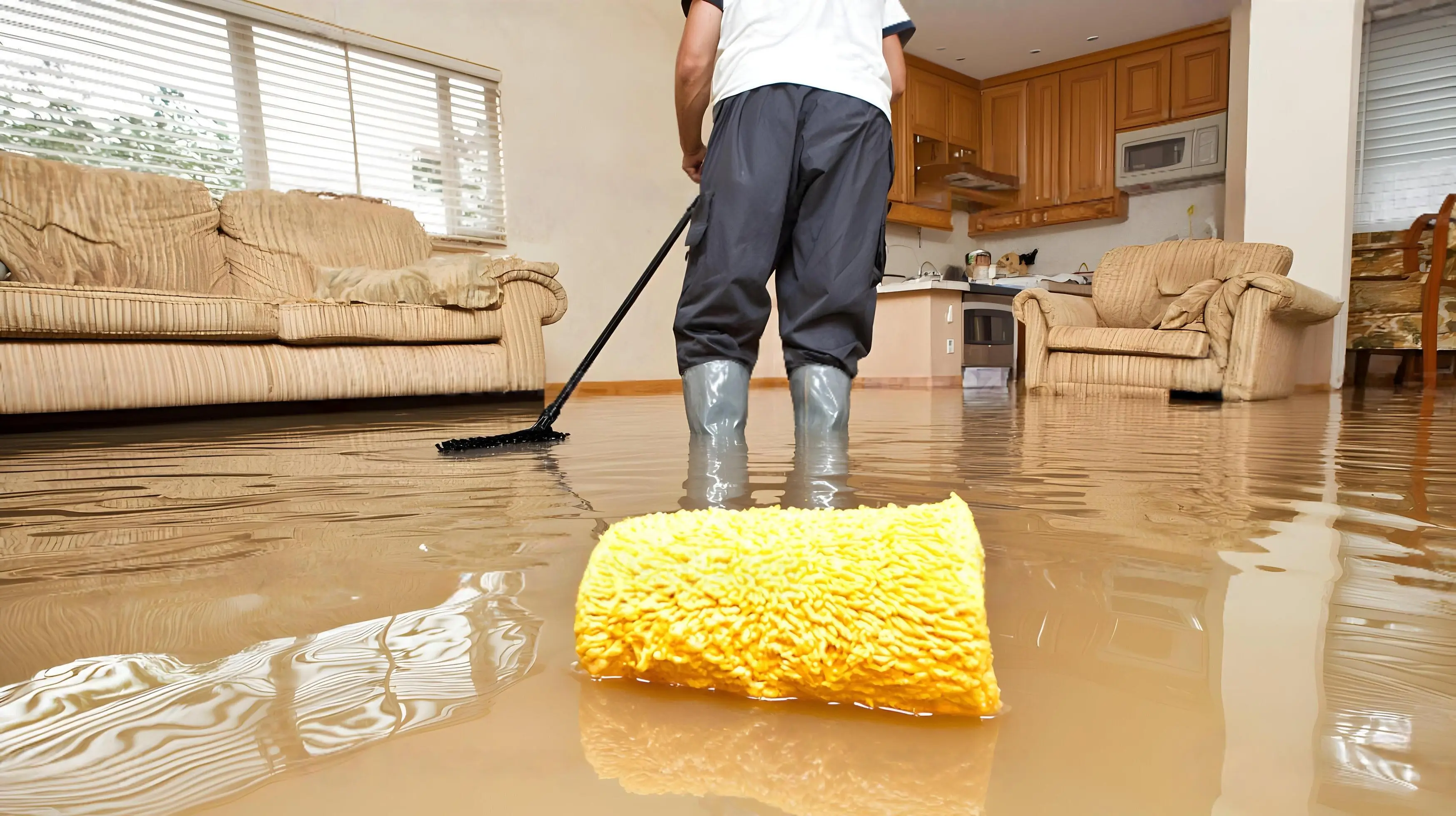
Water Damage Restoration
Burst pipes, storm flooding, standing water. We extract, dry, and restore before mold sets in.
Learn more
Fire Damage Restoration
Structural damage, soot, debris. We stabilize, clean, and rebuild what fire destroyed.
Learn more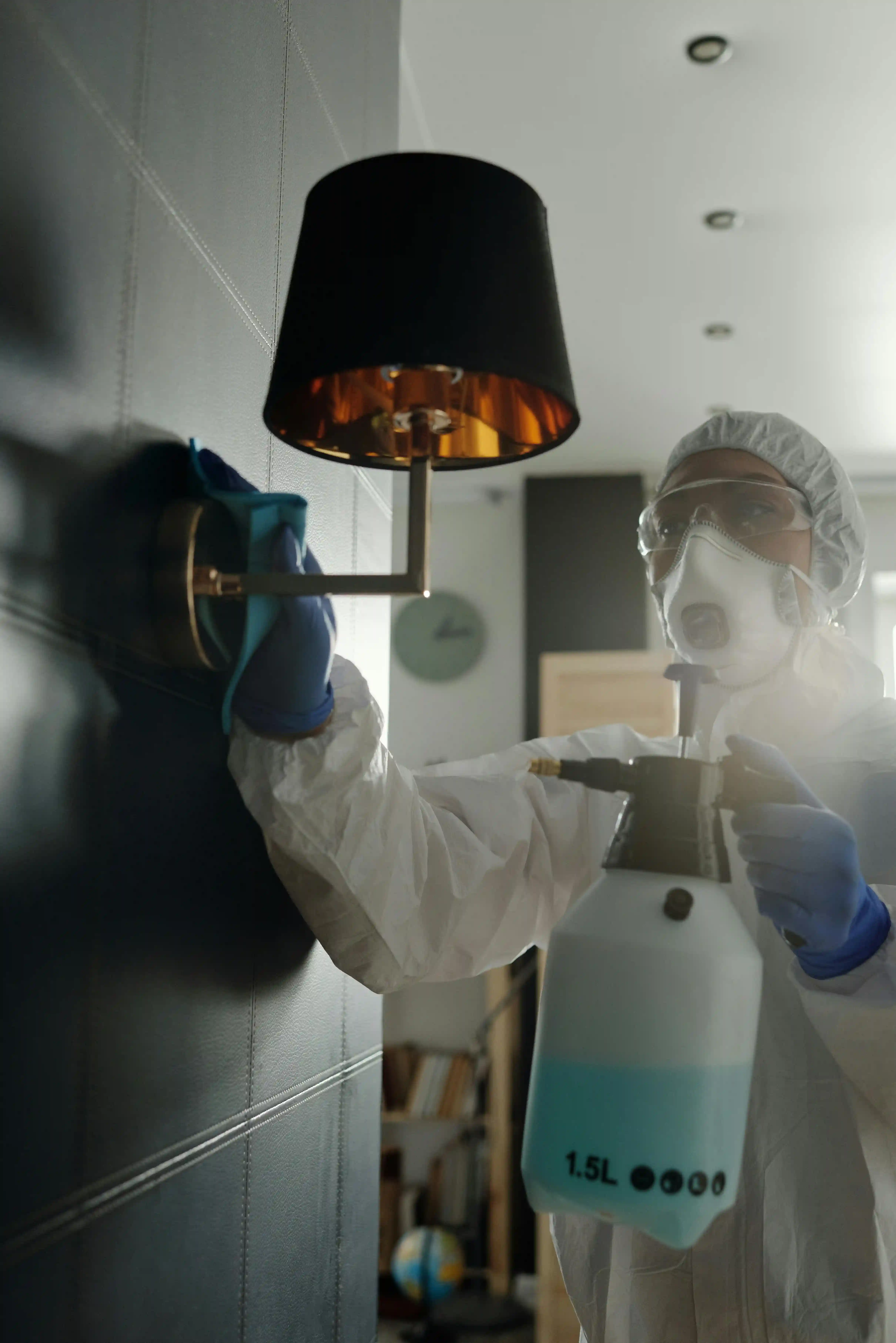
Mold Remediation
Testing, containment, removal, prevention. We find the source, eliminate the growth, and stop it from returning.
Learn more
Sewage Cleanup
Sewer backups, contaminated water, biohazard. We extract, sanitize, and restore safely.
Learn more