
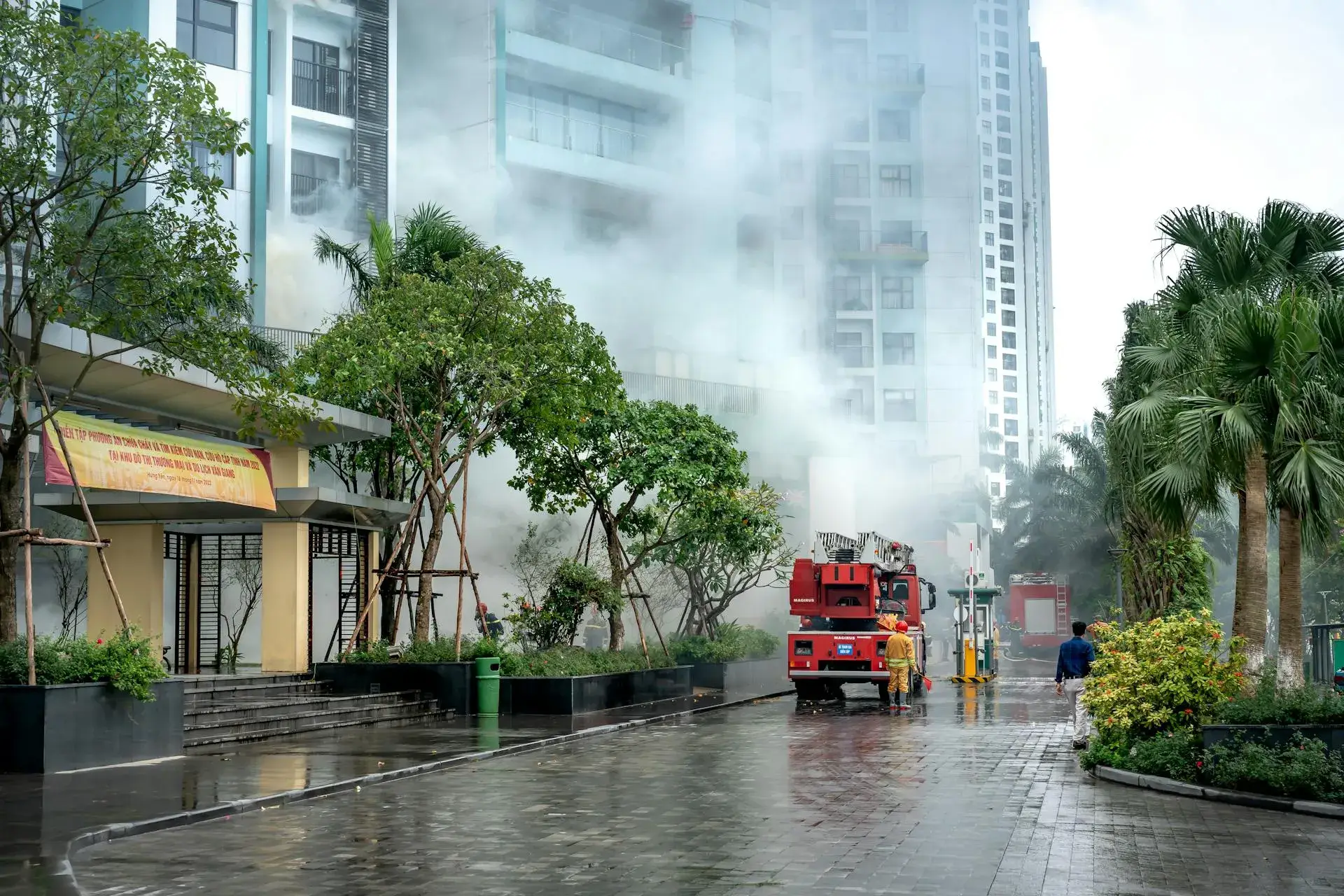
Smoke Damage Restoration in DeLand, FL
Smoke residue is acidic and bonds permanently to surfaces within hours. The longer it sits, the more it costs to restore. Our local team responds to DeLand smoke damage emergencies within 60 minutes.
What Happens When You Call
A real person answers your call. We assess your situation, identify the smoke source and type, and begin coordinating your response immediately.
Your dedicated restoration team is dispatched from our local base serving DeLand and the surrounding Volusia County communities.
Team arrives with industrial HEPA air scrubbers, soot removal equipment, and surface testing supplies. Emergency mitigation begins immediately.
Contaminated air filtered, critical surfaces stabilized, restoration plan documented. You know exactly what comes next.
Smoke damage does not require a fire inside your home. Wildfire smoke infiltrating from outside, a neighboring structure fire, or even a contained kitchen event can deposit corrosive residue throughout your property via HVAC systems and building envelope gaps. The damage advances silently: soot corrodes, odor penetrates, and surfaces stain permanently if left untreated. X Response exists for exactly this moment. When you reach out, your restoration team mobilizes immediately. One team manages everything: assessment, soot removal, surface restoration, odor elimination, and air quality verification. Call now. Your team is standing by.
Why DeLand Homes Are Vulnerable to Smoke Damage
DeLand's smoke damage risk comes from an unusual combination of external and internal sources that many Central Florida homeowners do not anticipate. In June 2026, a lightning-sparked wildfire burned over 600 acres in the Lake Woodruff National Wildlife Refuge in northwest Volusia County, just miles from DeLand's residential neighborhoods. Officials warned DeLand residents about smoke and ash drifting into nearby communities, and the fire grew to nearly 4,000 acres before rains helped contain it. This was not an isolated event. Volusia County's landscape includes tens of thousands of acres of pine flatwoods, scrub, and wetland habitats managed by the U.S. Fish and Wildlife Service, the Florida Forest Service, and the St. Johns River Water Management District. These areas burn regularly, both through prescribed fire used for ecosystem management and through lightning-ignited wildfires during dry periods. DeLand sits adjacent to some of the largest managed natural areas in the county, which means wildfire smoke is not a rare occurrence but a recurring seasonal exposure.
Beyond local wildfires, DeLand has experienced smoke intrusion from distant sources as well. In October 2023, smoke from Canadian wildfires traveled thousands of miles and degraded air quality across Florida, including Volusia County, triggering air quality alerts statewide. In February 2024, a prescribed burn conducted by a private contractor in Daytona Beach jumped its containment line and sent smoke billowing into surrounding communities. The Florida Forest Service regularly conducts prescribed burns throughout Volusia County for ecosystem management, with individual burn units ranging from 150 to 3,000 acres. Each of these events can deposit fine particulate matter and smoke residue on and inside DeLand homes, particularly when HVAC systems pull outdoor air through return ducts or when building envelope gaps allow infiltration during sustained smoke events.
Lake Woodruff and Adjacent Wildland Fire Proximity
The Lake Woodruff National Wildlife Refuge covers over 22,000 acres of wetlands, hardwood swamp, and pine flatwoods immediately northwest of DeLand. The refuge and surrounding conservation lands managed by the Florida Forest Service and the St. Johns River Water Management District extend from DeLand's western edge north toward DeLeon Springs and west toward the St. Johns River. These areas burn regularly through both prescribed fire and lightning ignition. The June 2026 wildfire that burned 600-plus acres in Lake Woodruff and grew to nearly 4,000 acres before containment sent visible smoke and ash into DeLand's residential areas. When fires in these wildland areas burn during periods of easterly or southeasterly winds, smoke settles over DeLand's neighborhoods for hours or days at a time, depositing fine particulate matter on exterior surfaces and allowing infiltration into homes through every gap in the building envelope.
Prescribed Burn Smoke Exposure
The Florida Forest Service, Volusia County, and the U.S. Fish and Wildlife Service conduct prescribed burns throughout the year as part of standard land management. These burns reduce wildfire fuel loads, maintain native ecosystems, and protect communities from uncontrolled fires. However, prescribed burns produce smoke that affects nearby residential areas, sometimes significantly. In February 2024, a 500-acre prescribed burn near Daytona Beach jumped its containment line when winds exceeded forecast conditions, sending heavy smoke into the Latitude Margaritaville community. Volusia County conducts planned burns in the Lake Harney Woods area, Tiger Bay State Forest, and conservation parcels scattered throughout the DeLand area. Residents may receive advance notice of planned burns, but wind shifts can redirect smoke into neighborhoods not anticipated in the burn plan. Repeated exposure during the fall-through-spring burn season means DeLand homes accumulate smoke residue over time even without a direct fire event.
HVAC Infiltration and Distribution
When wildfire or prescribed burn smoke hangs over DeLand for hours or days, homes with central air conditioning running continuously pull outdoor air through return duct leaks, fresh air intakes, and gaps in the duct system. The HVAC system then distributes smoke particulates throughout every room the ductwork serves. Soot and fine particulate matter coat the interior surfaces of supply ducts, deposit on evaporator coils, embed in air filters beyond their filtration capacity, and settle on every surface inside the home. Because Florida homes run air conditioning nearly year-round, the HVAC system operates during every smoke event, and the distribution path means that even a brief outdoor smoke exposure can contaminate the entire interior air volume and duct system. After the smoke event passes, the contaminated ductwork continues releasing particulates into the home air with every cooling cycle until the system is professionally cleaned.
Building Envelope Gaps in Older Construction
DeLand's older homes near the downtown core and Stetson University campus were built before modern air-sealing standards. These structures have gaps around windows, doors, electrical penetrations, plumbing vents, and at the junction between the wall framing and the foundation or roof system. During a sustained smoke event, differential air pressure created by wind, the HVAC system, and the stack effect draws smoke-laden outdoor air through these gaps and into the home. Modern homes built to current energy codes are significantly tighter, but they are not immune because forced-air systems still create negative pressure that pulls air through any remaining pathway. Older DeLand homes can experience significant interior smoke accumulation during a multi-day wildfire event even with all windows and doors closed, because the building envelope simply cannot prevent infiltration at the volume of gaps present in pre-1980 construction.
Cumulative Exposure and Residue Buildup
DeLand's proximity to active wildland fire areas means smoke exposure is not a single dramatic event but a recurring condition, particularly during the dry season from October through May when prescribed burns peak and lightning-season wildfires have not yet started. Each exposure deposits a thin layer of smoke residue on interior and exterior surfaces. Individually, a single event may not cause visible damage. But cumulative exposure over multiple burn seasons builds residue on HVAC components, settles into carpet fibers, coats the surfaces of electronics and artwork, and gradually discolors painted walls and ceilings. Homeowners may not recognize the source because the damage accumulates slowly. They notice yellowing walls, persistent musty or acrid odors, increased dust, or allergy-like symptoms without connecting them to the repeated smoke events their home absorbs during each burn season.
DeLand's smoke damage profile is distinct from cities that only face smoke from their own structure fires. The proximity of Lake Woodruff and tens of thousands of acres of actively managed wildland, the regularity of prescribed burns, the infiltration vulnerability of older construction, and the HVAC distribution mechanism mean that homes in DeLand can sustain significant smoke contamination without ever experiencing a fire on their own property. Effective restoration requires identifying the smoke type, mapping its distribution through the home, cleaning every affected surface with appropriate chemistry, decontaminating the HVAC system that spread it, and eliminating embedded odor at the molecular level.
What Happens to Your Home While You Wait
Within 1 Hour
Fresh smoke residue sits on surfaces as loose particulate that can be removed relatively easily. Fine ash settles on horizontal surfaces, countertops, furniture, and electronics. In DeLand's humid air, the particulate begins absorbing ambient moisture almost immediately, which starts bonding it to surfaces and initiating the chemical reactions that cause permanent staining. This is the window where intervention is simplest and least costly.
1–24 Hours
Smoke residue absorbs humidity and becomes tacky, bonding more firmly to surfaces. Acidic compounds in the soot begin reacting with metals, causing visible tarnishing on fixtures, hardware, and appliance surfaces. Smoke odor penetrates into porous materials: drywall, fabric, carpet, and wood absorb the volatile compounds that produce the characteristic smell. In DeLand's 74% average humidity, this absorption and bonding process accelerates compared to drier climates.
24–72 Hours
Soot residue has bonded firmly to most surfaces and conventional cleaning methods become ineffective on porous materials. Professional cleaning chemistry and techniques are now required. Smoke odor is embedded in wall cavities, upholstered furniture, and HVAC ductwork. Electronics exposed to conductive soot particles may begin experiencing intermittent failures as particulates bridge circuit traces. Chrome, brass, and copper fixtures show visible corrosion spots from acidic residue. The restoration scope has expanded significantly beyond what surface wiping could have addressed in the first hours.
3–7 Days
Permanent staining on fabrics, carpet, and porous surfaces that were not cleaned within the first 72 hours. HVAC system is thoroughly contaminated and redistributing particulates with every cooling cycle. Painted walls and ceilings show permanent discoloration where residue has chemically reacted with the paint surface. Content items like artwork, photographs, and electronics become difficult or impossible to fully restore. Odor elimination requires more aggressive treatment as compounds penetrate deeper into structural materials.
Two Weeks and Beyond
Widespread permanent damage to surfaces, contents, and the HVAC system. Restoration transitions from cleaning to replacement for many materials. Odor compounds have migrated through drywall into insulation and framing, requiring demolition to access and treat. What could have been a thorough professional cleaning in the first day has become a partial renovation. The financial and timeline difference between immediate response and delayed treatment is dramatic for smoke damage specifically because the chemistry works on a continuous timeline.
Smoke damage is deceptively quiet. There is no standing water or visible char to create urgency, but the chemistry is just as time-sensitive. Contact X Response now. Our DeLand team responds within 60 minutes.
How We Restore Smoke-Damaged DeLand Homes
Smoke damage restoration follows a systematic process that addresses contamination at every level: surfaces, air, HVAC systems, contents, and structural materials. Here is exactly what the process involves.
Source Identification and Damage Assessment
Our team begins by identifying the smoke source and type, because different sources produce different residue chemistry that requires different cleaning approaches. Wildfire smoke from DeLand's nearby conservation lands produces a dry, powdery ash residue with alkaline properties. Structure fire smoke from synthetic materials produces oily, protein-rich residue that requires solvent-based cleaning. A grease fire leaves a different deposit than an electrical smolder. We map the distribution pattern through the home, checking every room, the HVAC system interior, behind furniture, inside closets and cabinets, and in concealed spaces like wall cavities and above dropped ceilings. The assessment produces a detailed scope that guides restoration and supports any insurance claim.
Air Quality Stabilization
Industrial HEPA air scrubbers are positioned throughout the home to capture airborne particulates and begin clearing the indoor air volume. These units filter particles down to 0.3 microns, capturing the fine soot and smoke particulates that standard HVAC filters cannot trap. In DeLand's climate where the HVAC system runs nearly continuously, we isolate the contaminated ductwork by sealing supply and return registers in affected areas to prevent the air conditioning system from redistributing particulates while cleaning is underway. Negative air machines create controlled airflow that draws contaminated air through HEPA filtration rather than allowing it to recirculate and redeposit on cleaned surfaces.
Surface Cleaning and Soot Removal
Every affected surface is cleaned using chemistry matched to the specific soot type. Dry soot from wildfire smoke is removed with dry chemical sponges and HEPA vacuuming before any wet cleaning, because adding moisture to dry soot creates a smear that drives residue into surface pores. Oily residue from structure fire smoke is treated with alkaline cleaners that emulsify the petroleum-based compounds. Protein residue from kitchen fires requires enzyme-based cleaners. We clean systematically from top to bottom in each room so displaced residue falls onto surfaces not yet cleaned. Walls, ceilings, trim, cabinetry, hard flooring, countertops, light fixtures, and every horizontal and vertical surface in the contamination zone are treated individually. Surfaces that cannot be restored through cleaning are documented for replacement.
HVAC Decontamination
The heating and cooling system is a primary distribution path for smoke contamination in DeLand homes and must be professionally cleaned before it can resume normal operation. We clean the interior surfaces of all supply and return ductwork using mechanical agitation and HEPA-filtered vacuum collection. The evaporator coil, blower fan, and condensate pan are cleaned and treated with antimicrobial solution. The air handler cabinet interior is decontaminated. New filters are installed only after the entire system is verified clean, because installing a new filter on a contaminated system simply traps a fraction of what the ducts continue releasing. After cleaning, the system is run and tested with particulate monitoring to verify that operation no longer releases smoke residue into the home's air supply.
Odor Elimination and Verification
Smoke odor is addressed after all soot sources have been removed or cleaned, because treating odor while residue remains on surfaces only produces temporary results. We use hydroxyl generators, which produce hydroxyl radicals that break down odor-causing volatile organic compounds at the molecular level. For embedded odors in porous materials that cannot be removed (concrete, structural framing, subfloor), thermal fogging with odor-counteractant compounds penetrates into the same pathways the smoke used to enter, neutralizing embedded molecules. Final air quality verification confirms that particulate levels have returned to acceptable standards and no residual odor remains in any area of the home. If any space does not meet our standard, treatment continues until it does.
The X Response Difference
When you contact X Response for smoke damage in DeLand, you get a team that understands the specific smoke sources this area produces, from Lake Woodruff wildfires to prescribed burn drift to structure fire exposure. One team, one standard, results that last.
Insurance Claim Guidance for DeLand Homeowners
Smoke damage insurance coverage in Florida depends on the source of the smoke and the specific policy language. Smoke damage from a fire on your own property is covered under the fire damage provisions of a standard homeowner's policy. Smoke damage from a neighboring structure fire is typically covered as well, because the smoke is a direct consequence of a covered peril. Wildfire smoke damage, where smoke from a distant fire infiltrates your home without any fire occurring on or adjacent to your property, presents a more complex coverage question. Some policies cover it under the smoke damage provision; others may exclude it if there was no proximate fire event. The distinction matters in DeLand because the most common smoke exposure comes from wildfires in nearby conservation lands and prescribed burns rather than from structure fires on adjacent properties.
How X Response Helps
- Document all smoke damage with professional photos showing soot deposition, surface discoloration, and affected areas before any cleaning begins
- Identify and document the smoke source clearly, because coverage determination may depend on whether the source was a structure fire, wildfire, or prescribed burn
- Provide air quality testing results that demonstrate measurable contamination above pre-event baseline levels
- Detail the HVAC contamination with photos of duct interiors, coil surfaces, and filter loading to support system cleaning or replacement claims
- Itemize affected contents with condition documentation, because smoke damage to electronics, artwork, and textiles often exceeds structural cleaning costs
X Response does not file claims on your behalf, adjust claims, or make coverage determinations. We provide documentation and guidance to help you make informed decisions about your property and your policy. Coverage decisions are made solely by your insurance carrier.
Certified Restoration Specialists Serving DeLand
When you contact X Response for smoke damage in DeLand, your restoration team is drawn from certified professionals who work across Volusia County and understand the specific smoke sources this region produces. They have remediated wildfire smoke infiltration from Lake Woodruff and Tiger Bay burns that deposited ash across entire neighborhoods. They have cleaned prescribed burn residue from homes whose HVAC systems ran throughout multi-day smoke events. They have restored structure fire smoke damage in both the older downtown homes where smoke traveled through balloon-frame wall cavities and the newer subdivisions where open floor plans allowed rapid distribution. They know the difference between dry wildfire ash, oily synthetic soot, and protein-based kitchen residue, and they bring the correct chemistry and technique for each. This is not a general cleaning crew with a vacuum. It is a specialized team trained in smoke damage science.
Every technician on your team holds current IICRC certification in fire and smoke damage restoration and operates with appropriate Florida state licensing. Equipment includes industrial HEPA air scrubbers, negative air machines, hydroxyl generators for molecular odor destruction, thermal foggers, particulate monitoring instruments, and the full complement of surface-specific cleaning chemistry required for professional smoke remediation. When your team arrives, they are equipped to begin work immediately.
In DeLand, X Response works with Hugo Fire and Water, an independent local restoration partner serving Volusia County.
Smoke Damage Restoration FAQ for DeLand Homeowners
Other Emergency Services in DeLand
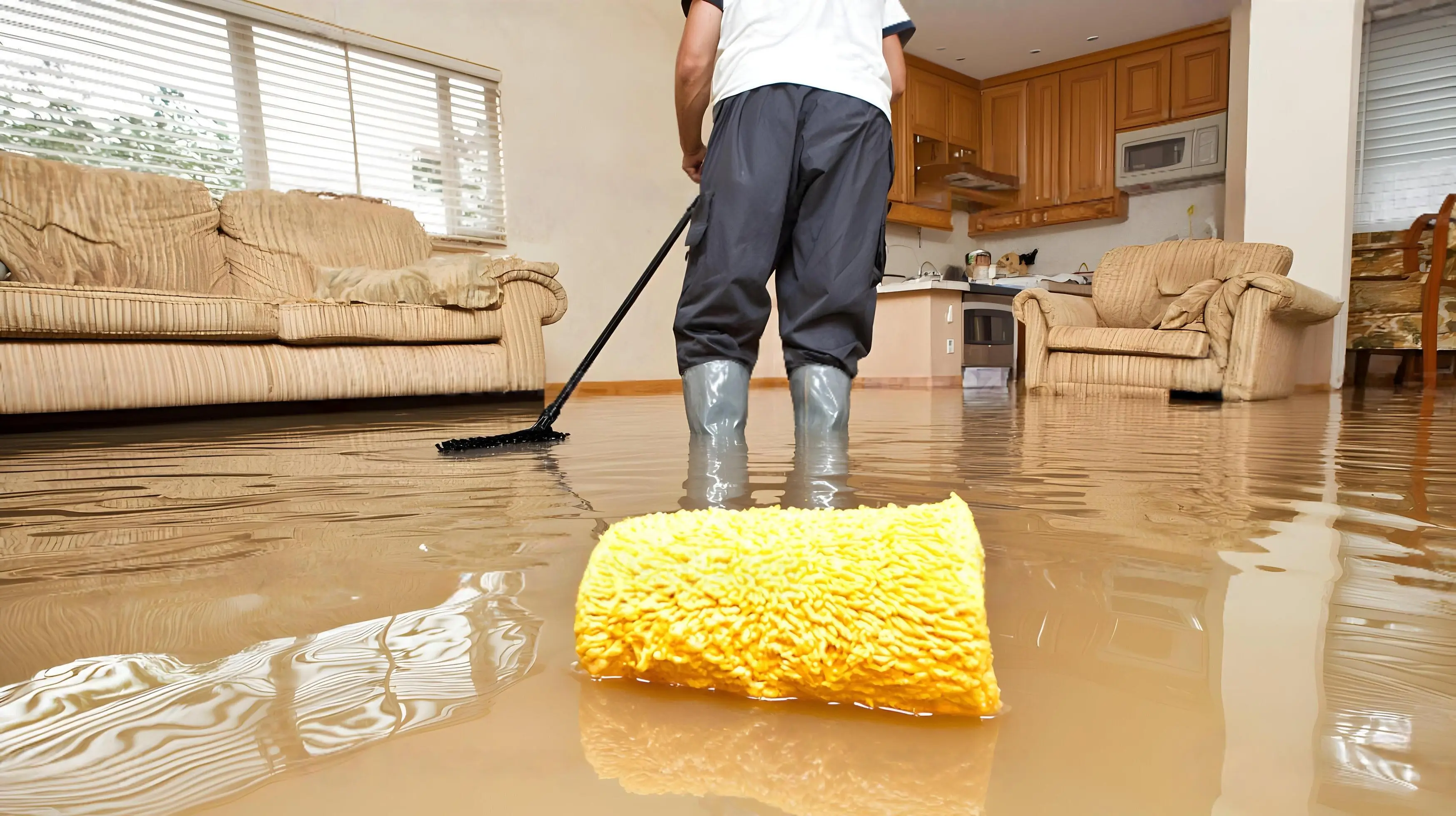
Water Damage Restoration
Burst pipes, storm flooding, standing water. We extract, dry, and restore before mold sets in.
Learn more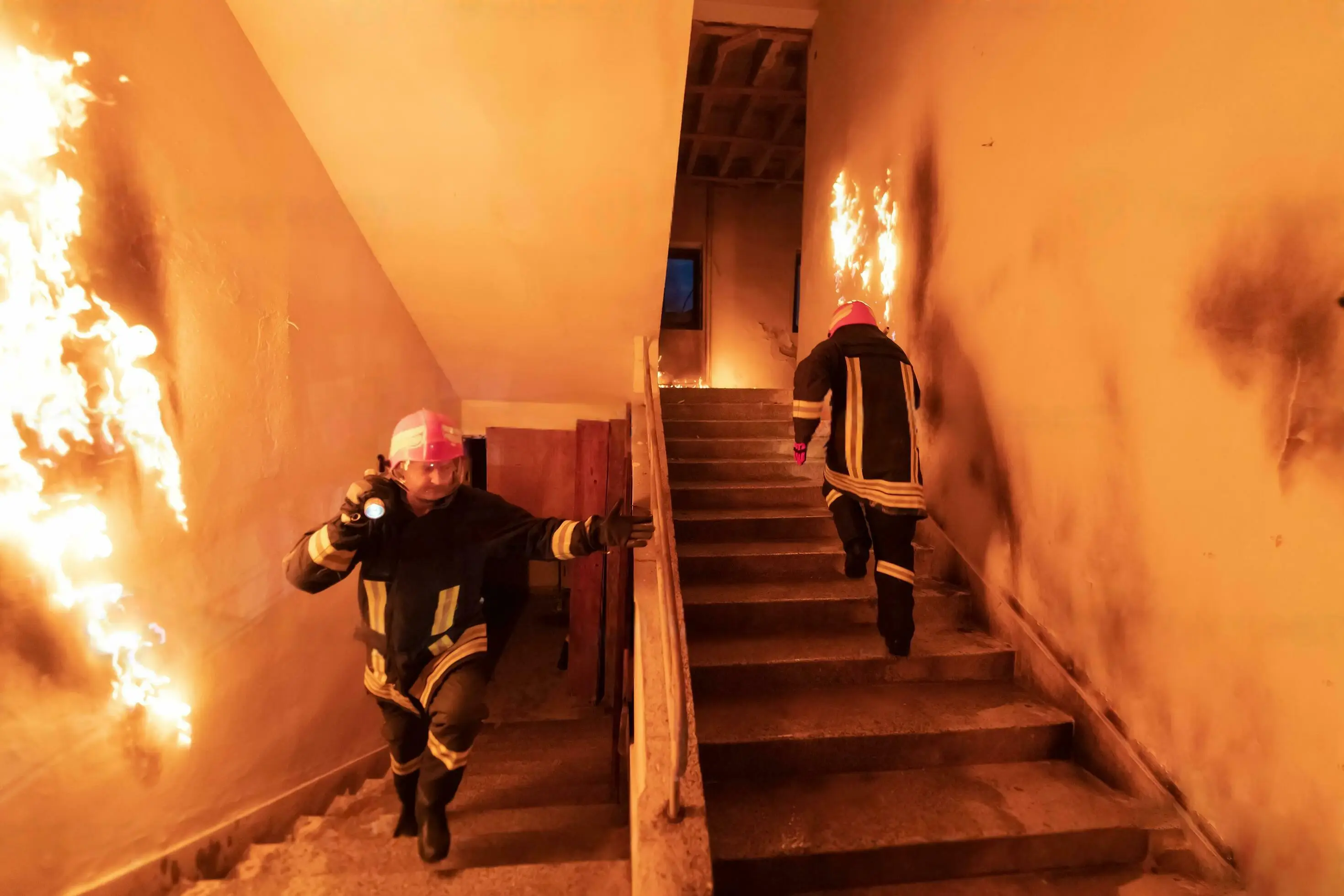
Fire Damage Restoration
Structural damage, soot, debris. We stabilize, clean, and rebuild what fire destroyed.
Learn more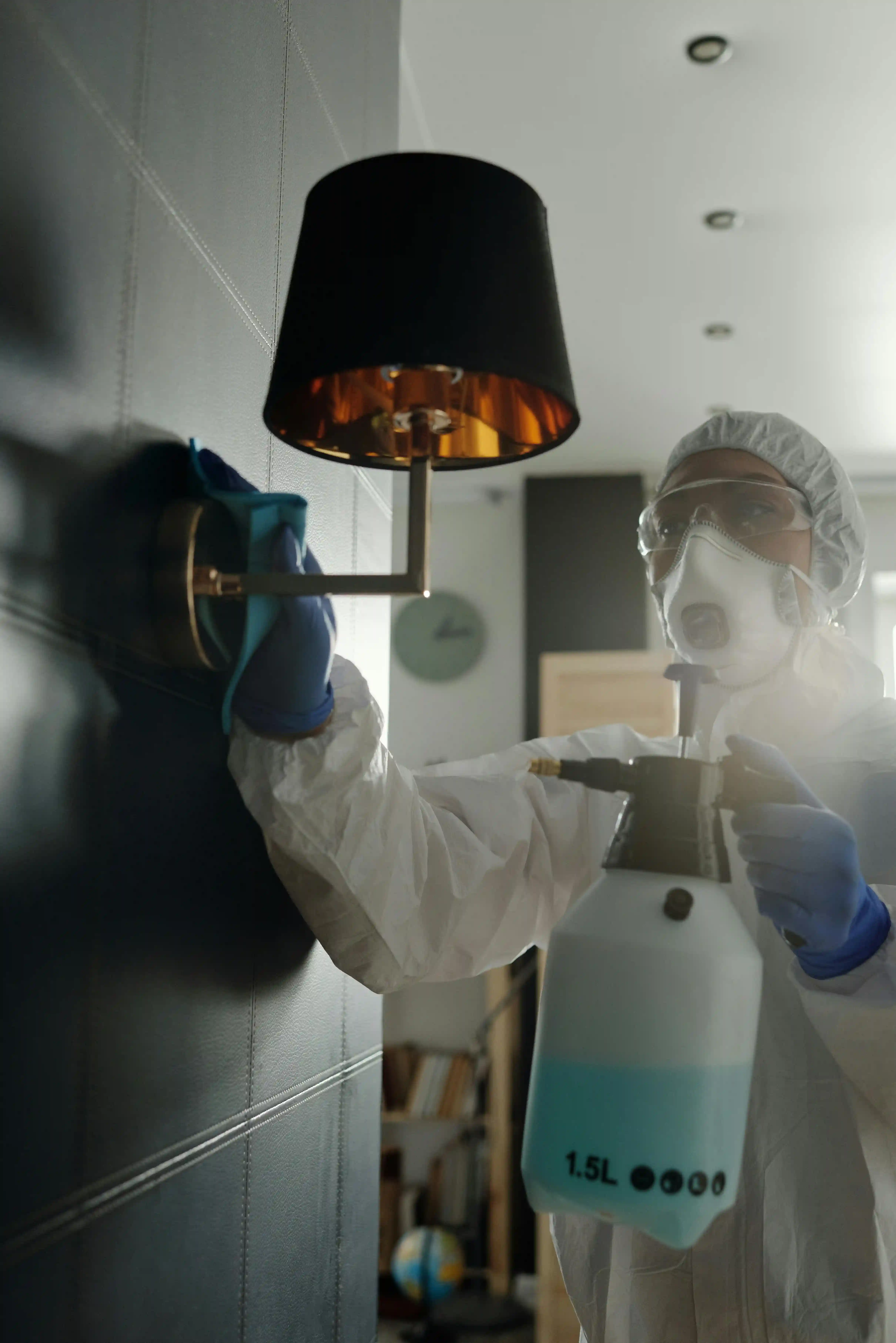
Mold Remediation
Testing, containment, removal, prevention. We find the source, eliminate the growth, and stop it from returning.
Learn more
Sewage Cleanup
Sewer backups, contaminated water, biohazard. We extract, sanitize, and restore safely.
Learn more