
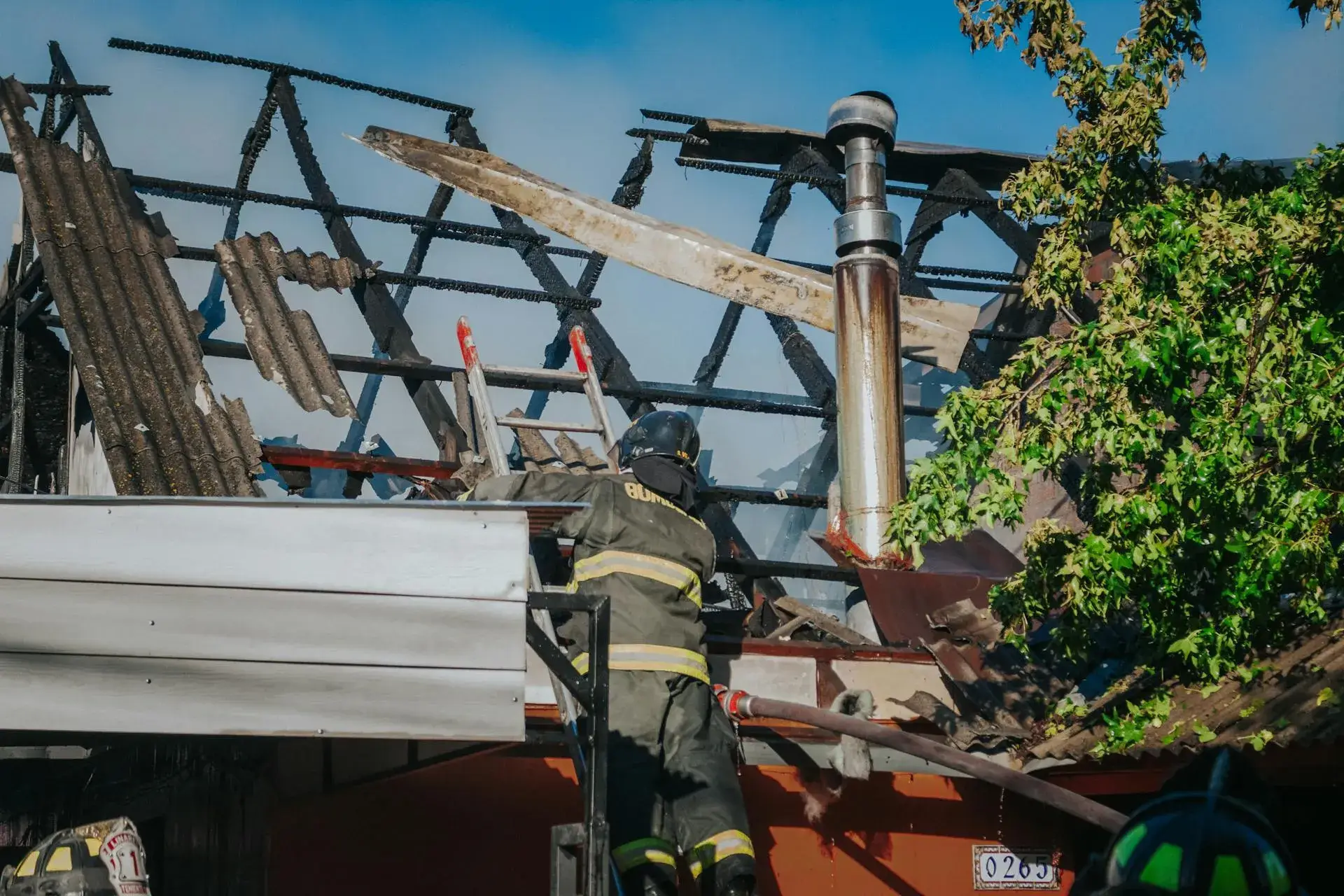
Fire Damage Restoration in Daytona Beach, FL
Fire and smoke damage worsen with every hour of exposure to Daytona Beach's humidity and salt air. Our local team responds to emergencies within 60 minutes to stabilize, document, and begin restoration.
What Happens When You Call
A real person answers, not a call center. We assess your situation, coordinate emergency board-up if needed, and dispatch your restoration team immediately.
Your dedicated team is dispatched from our local base serving Daytona Beach and Volusia County.
Team arrives with structural stabilization equipment, soot extraction tools, and thermal imaging to assess hidden damage. Emergency mitigation begins immediately.
Structure secured, damage documented, and restoration plan outlined. You know exactly what comes next and what your insurance options are.
After a fire, the damage does not stop when the flames go out. Soot settles into surfaces, smoke residue penetrates porous materials, and Daytona Beach's humid air accelerates corrosion and secondary damage. You need a team that arrives fast and manages everything from emergency stabilization through final rebuild. X Response is that team. One call, one dedicated crew, one standard of work from first response to completion. Call now. Your team is standing by.
Why Daytona Beach Homes Are Vulnerable to Fire Damage
Daytona Beach faces fire risk from a convergence of wildland-urban interface exposure, an active lightning season, and an aging housing stock spread across roughly 65 square miles in Volusia County. The city's western growth corridor along LPGA Boulevard and Williamson Boulevard pushes residential development directly against pine flatwoods, scrub, and palmetto that characterize the interior landscape of Volusia County. These fire-adapted ecosystems burn periodically, either through Florida Forest Service prescribed burns or through uncontrolled ignition. In February 2026, a wildfire near LPGA Boulevard grew to more than 100 acres and forced the evacuation of approximately 80 homes in the Mosaic subdivision. During the same week, a separate wildfire during the Daytona 500 racing weekend destroyed 20 to 30 vehicles at a campground near the Daytona International Speedway. In January 2024, a prescribed burn south of State Road 40 jumped its containment line in two spots and created a 7-acre and a 4-acre fire that sent embers floating through the Mosaic community near Margaritaville. The Daytona Beach Fire Department's total calls for service rose from 21,284 in 2021 to 23,664 in 2025, an increase of approximately 11%, reflecting the growing demands on fire suppression resources as the city's western suburbs expand into wildland areas.
Beyond the wildland interface, Daytona Beach's fire risk includes frequent lightning strikes during the summer thunderstorm season and electrical fires in the city's older housing stock. Central Florida ranks among the highest lightning-density regions in the United States, with near-daily afternoon thunderstorms from June through September producing frequent cloud-to-ground strikes. Lightning causes direct roof ignition, electrical system surges that overheat wiring inside wall cavities, and appliance failures that can smolder for hours before producing visible flames. The older neighborhoods between Nova Road and the Halifax River include housing from the 1940s through 1970s with original aluminum wiring, outdated panel boxes, and limited surge protection. These properties face elevated electrical fire risk during every summer storm season. The Daytona Beach Fire Department operates seven stations across the city and, as of 2024, also serves as the city's emergency management coordinator, reflecting its expanding role in managing both fire suppression and the broader disaster resilience of the community.
Wildland-Urban Interface Along LPGA Boulevard and Williamson Boulevard
Daytona Beach's fastest-growing residential area lies along the LPGA Boulevard and Williamson Boulevard corridors west of Interstate 95. Subdivisions including the Mosaic community, LPGA International, and newer developments along Tiger Bay Road were built on land that borders thousands of acres of pine flatwoods, saw palmetto, and scrub habitat managed by the Florida Forest Service Bunnell District. This vegetation is fire-adapted and requires periodic burning for ecological health. The Florida Forest Service conducts prescribed burns in the Tiger Bay State Forest and surrounding parcels regularly, but wind shifts can push smoke and embers into adjacent residential areas. When conditions align with low humidity and sustained winds, wildfires that start in the flatwoods can reach rooflines within minutes. The February 2026 Mosaic subdivision wildfire demonstrated how rapidly fire moves through this interface, forcing evacuation of 80 homes as the fire advanced toward structures. Properties along the western edge of development face the highest direct-flame exposure from wildland fire.
Lightning Density and Electrical Fire Risk
Central Florida's position between Atlantic and Gulf moisture sources creates a convective environment that produces some of the highest lightning-strike densities in the United States during the June through September wet season. Afternoon thunderstorms form almost daily over the heated interior and track toward the coast, producing frequent cloud-to-ground lightning that strikes structures, power lines, and trees. A single strike can ignite roofing materials, destroy electrical panels, surge through wiring and ignite insulation within wall cavities, or damage HVAC compressors in ways that create fire risk hours after the storm passes. Daytona Beach's older neighborhoods between Ridgewood Avenue and the Halifax River contain homes with original electrical systems from the 1950s and 1960s that lack modern arc-fault circuit interrupters and whole-house surge protection. These properties face compounded risk during lightning events because aging wiring cannot safely dissipate surge energy.
Post-Fire Damage in a Humid Coastal Climate
Fire damage restoration in Daytona Beach differs from inland or northern locations because the subtropical climate immediately accelerates secondary damage after flames are extinguished. Soot is acidic, and when combined with year-round humidity averaging above 74% and proximity to the Atlantic's salt air, it attacks metals, etches glass, and permanently stains porous surfaces within hours rather than days. Smoke residue penetrates soft furnishings, HVAC systems, and the interior surfaces of wall cavities where it bonds with moisture in the air. The longer soot and smoke residue remain on surfaces in this environment, the more difficult and expensive removal becomes. A fire that might allow a 48-hour assessment window in a dry climate demands immediate action in Daytona Beach to prevent permanent secondary damage from the climate itself.
Slab-on-Grade Construction and Fire Suppression Water
Daytona Beach homes use slab-on-grade construction, which affects fire restoration differently than raised or basement foundations. Fire suppression water pools on the slab and spreads across the entire ground floor, creating immediate secondary water damage that must be addressed simultaneously with the fire damage. The slab absorbs firefighting water through capillary action and releases it slowly, feeding moisture into damaged materials for days after the fire is extinguished. Roof trusses in Florida's single-story ranch-style homes can fail rapidly because the open attic space allows fire to spread horizontally before dropping through the ceiling. Restoring a fire-damaged home in Daytona Beach often means managing structural fire damage, water damage from suppression, smoke and soot contamination, and humidity-accelerated mold risk all simultaneously.
Event-Driven Population Surge and Fire Risk
Daytona Beach hosts major events throughout the year that concentrate large temporary populations in areas with elevated fire risk. The Daytona 500 and Speedweeks bring hundreds of thousands of visitors, many staying in RVs and campgrounds adjacent to wildland areas. Bike Week and Biketober draw motorcycle enthusiasts who use temporary event spaces and outdoor venues. During the February 2026 Daytona 500 weekend, a wildfire destroyed 20 to 30 vehicles at a campground, illustrating how event-driven population density intersects with wildland fire exposure. These events also strain fire department resources, as the department must protect both permanent residents and the temporary event population simultaneously.
Fire damage restoration in Daytona Beach requires understanding the intersection of wildland interface risk along the western growth corridor, lightning exposure during summer months, an aging housing stock with outdated electrical systems, and a subtropical climate that accelerates secondary damage after every fire event. The same humidity that makes Daytona Beach vulnerable to water damage makes it equally hostile to fire-damaged materials left untreated. Soot corrodes faster, smoke bonds more permanently, and mold colonizes wet fire debris within 24 hours. Effective restoration means addressing fire, water, smoke, and mold risk as a unified problem rather than sequential issues.
What Happens to Your Home While You Wait
Within 1 Hour
Soot begins settling on all surfaces throughout the home, including rooms that appear unaffected by flames. In Daytona Beach's humid air, the acidic soot immediately begins reacting with moisture on metal fixtures, appliances, and glass. Smoke residue penetrates fabric, upholstery, and exposed surfaces. Firefighting water pools on the slab and begins wicking into drywall, baseboards, and cabinetry.
1–24 Hours
Soot permanently etches metal hardware, light fixtures, and appliance surfaces if not cleaned. Smoke odor bonds with fabrics, paint, and porous materials. Firefighting water spreads through the slab foundation and saturates flooring systems. In Central Florida's heat, bacteria multiply rapidly in the wet environment. The combination of soot, moisture, and warmth creates conditions for rapid material deterioration.
24–48 Hours
Acidic soot residue causes irreversible staining on countertops, tile grout, and window glass. Smoke odor becomes embedded in HVAC ductwork and distributes through the home with every AC cycle. Mold colonization begins on water-damaged materials from fire suppression, advancing faster in Daytona Beach's climate than in drier regions. The restoration scope expands significantly as more materials become unsalvageable.
48–72 Hours
Corrosion advances on electrical components, plumbing fixtures, and metal structural connectors. Furniture and cabinetry that could have been salvaged with immediate cleaning may now require replacement. Smoke odor fully permeates soft goods and insulation inside wall cavities. Mold spreads through water-damaged wall sections into adjacent areas.
One Week and Beyond
Without professional intervention, fire and smoke damage compounds with water damage from suppression and humidity-driven mold growth. Materials deteriorate beyond salvage. Structural steel and metal connectors weaken. HVAC systems become permanently contaminated. What began as a contained fire becomes a full demolition and rebuild requiring mold remediation alongside reconstruction.
Daytona Beach's climate turns a manageable fire loss into a compounding disaster within hours. Contact X Response now. Our Daytona Beach team responds within 60 minutes to stabilize, document, and begin restoration before secondary damage escalates.
How We Restore Fire-Damaged Daytona Beach Homes
Fire restoration requires simultaneous management of structural damage, soot contamination, smoke odor, water damage from suppression, and mold risk. Here is how we handle each phase.
Emergency Stabilization and Safety Assessment
Our team arrives to secure the structure: boarding broken windows and doors, tarping compromised roofing, and evaluating structural integrity. In Daytona Beach, open structures exposed to humid subtropical air deteriorate rapidly, so securing the building envelope is the immediate priority. We coordinate with the Daytona Beach Fire Department to confirm the structure is released, then conduct a thorough assessment using thermal imaging to identify hidden hot spots, smoldering materials in wall cavities or attic spaces, and the full extent of fire spread beyond visible damage. The assessment determines whether the structure is safe for interior work or requires engineering evaluation before restoration begins.
Water Extraction from Fire Suppression
Firefighting water must be removed immediately to prevent secondary damage. We deploy the same extraction and drying equipment used for flood restoration: truck-mounted extractors, commercial dehumidifiers, and air movers. In Daytona Beach's climate, fire suppression water left standing on a slab-on-grade foundation creates mold conditions within 24 hours. We extract water from beneath cabinets, inside wall cavities, and from the slab surface itself. Simultaneously, we prevent additional moisture intrusion through any roof or wall openings created by the fire. The water extraction phase runs concurrently with smoke mitigation rather than sequentially.
Soot and Smoke Removal
Professional soot removal in Daytona Beach's climate requires immediate action because the humidity bonds soot to surfaces quickly. We use dry sponges, HEPA vacuums, and chemical cleaners matched to the specific type of soot. Protein-based soot from kitchen fires requires different chemistry than synthetic soot from burning plastics or wood char from structural fires. Every surface is cleaned methodically: walls, ceilings, trim, fixtures, and the interior of cabinets and closets. HVAC systems are isolated and decontaminated separately to prevent redistributing soot and odor throughout the home when the system runs.
Odor Elimination
Smoke odor molecules penetrate deep into porous materials and cannot be masked or covered. We use hydroxyl generators, thermal fogging, and ozone treatment in unoccupied spaces to neutralize odor at the molecular level. In Daytona Beach homes where the AC system runs continuously, smoke odor often distributes through ductwork into rooms far from the fire origin. We treat the entire HVAC system, replace filters, and clean supply and return ductwork. Insulation in attic spaces and wall cavities may require removal if odor persists after surface treatment, as these materials trap smoke molecules indefinitely in humid environments.
Structural Reconstruction
Once the structure is clean, dry, and odor-free, reconstruction begins. We rebuild to current Florida Building Code standards, which means fire-damaged areas are often brought up to modern wind and energy requirements during the rebuild. In Daytona Beach, that includes current hurricane-rated windows, updated electrical panels and wiring with arc-fault protection, and roof systems that meet the latest wind-speed requirements for Volusia County's wind zone. We manage the full reconstruction from framing through finish, coordinating all licensed trades under one project manager so you do not need to hire and manage multiple contractors yourself.
The X Response Difference
When you contact X Response after a fire in Daytona Beach, you get a single team that manages the full scope: structural stabilization, water extraction, soot removal, odor elimination, mold prevention, and reconstruction. One point of contact from the first call to final inspection.
Insurance Claim Guidance for Daytona Beach Homeowners
Fire damage insurance claims are typically more straightforward than water damage claims because standard homeowner's policies generally cover fire damage regardless of cause. However, the scope of a fire claim extends beyond the fire itself to include smoke damage in unaffected rooms, water damage from suppression, temporary living expenses while the home is uninhabitable, and content replacement or restoration. The complexity comes from documenting the full extent of damage accurately, especially in Daytona Beach's climate where secondary damage from humidity develops rapidly. Underdocumented claims often result in settlements that do not cover the actual cost of complete restoration, leaving homeowners to cover the difference or accept incomplete repairs.
How X Response Helps
- Document all fire, smoke, water, and secondary damage with professional photos and detailed inventories from day one
- Identify the full damage scope including hidden smoke contamination in HVAC systems, wall cavities, and adjacent rooms
- Prepare documentation that demonstrates the connection between the fire event and secondary damage from humidity and suppression water
- Align our restoration scope with insurance coverage categories including structure, contents, additional living expenses, and code upgrades
- Provide your adjuster with clear before-and-after documentation showing the complete restoration path and associated costs
X Response does not file claims on your behalf, adjust claims, or make coverage determinations. We provide thorough documentation and guidance to help you make informed decisions. Coverage decisions are made solely by your insurance carrier.
Certified Restoration Specialists Serving Daytona Beach
When you contact X Response after a fire in Daytona Beach, your restoration team includes professionals certified in fire damage restoration, water damage restoration, and mold remediation, because fire restoration in Central Florida requires all three disciplines simultaneously. They understand the wildland-urban interface risk along the LPGA Boulevard corridor, know how Daytona Beach's proximity to the Atlantic accelerates corrosion on fire-damaged materials, and have experience managing the interaction between fire suppression water and slab-on-grade construction in a high-humidity environment. They have restored homes after brush fires near the Mosaic subdivision, lightning strikes that ignited attic spaces in the beachside neighborhoods, kitchen fires in the high-rise condominiums along Atlantic Avenue, and electrical fires in the older homes along Ridgewood Avenue and Nova Road.
Every technician holds current IICRC certifications in fire and smoke restoration (FSRT) and water damage restoration (WRT). Equipment includes industrial air scrubbers, hydroxyl generators for occupied-space odor treatment, thermal imaging cameras for locating hidden hot spots, and the full extraction and drying fleet needed to manage fire suppression water simultaneously. When your team arrives, they bring everything required for immediate stabilization and mitigation without waiting for additional equipment deliveries.
In Daytona Beach, X Response works with Hugo Fire and Water, an independent local restoration partner serving Volusia County.
Fire Damage Restoration FAQ for Daytona Beach Homeowners
Other Emergency Services in Daytona Beach
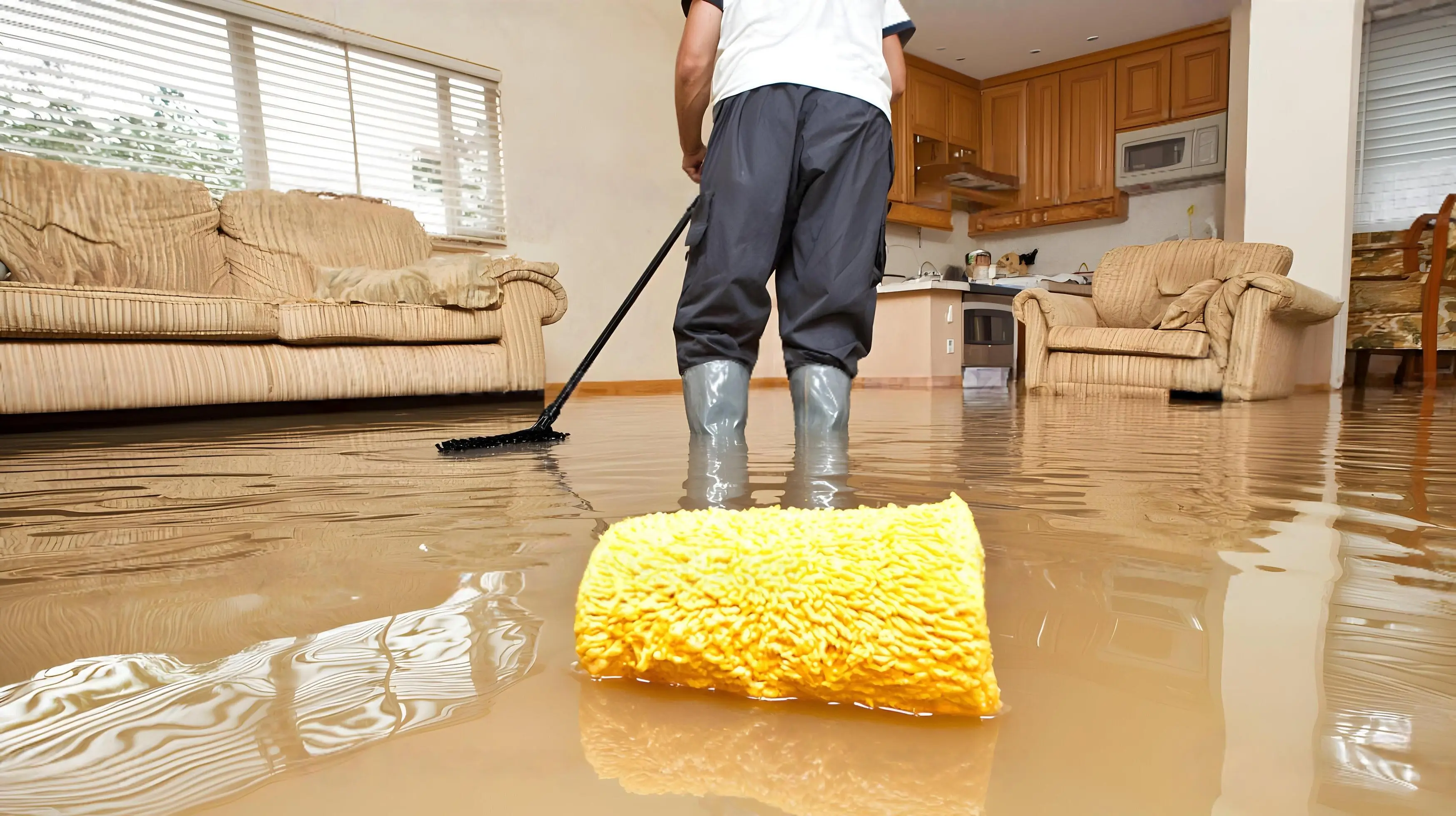
Water Damage Restoration
Burst pipes, storm flooding, standing water. We extract, dry, and restore before mold sets in.
Learn more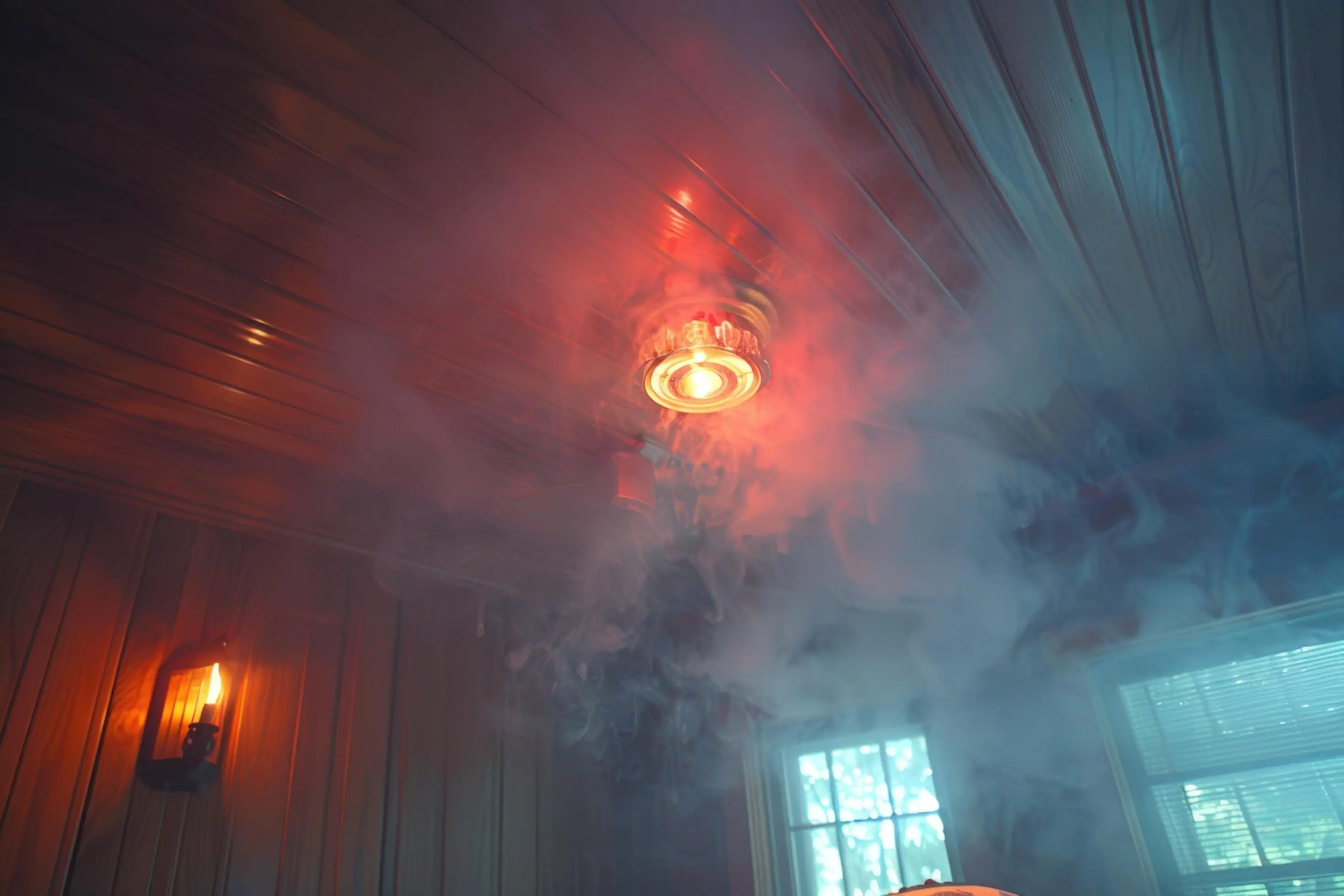
Smoke Damage Restoration
Soot residue, chemical odors, HVAC contamination. We decontaminate surfaces, eliminate odors, and restore air quality.
Learn more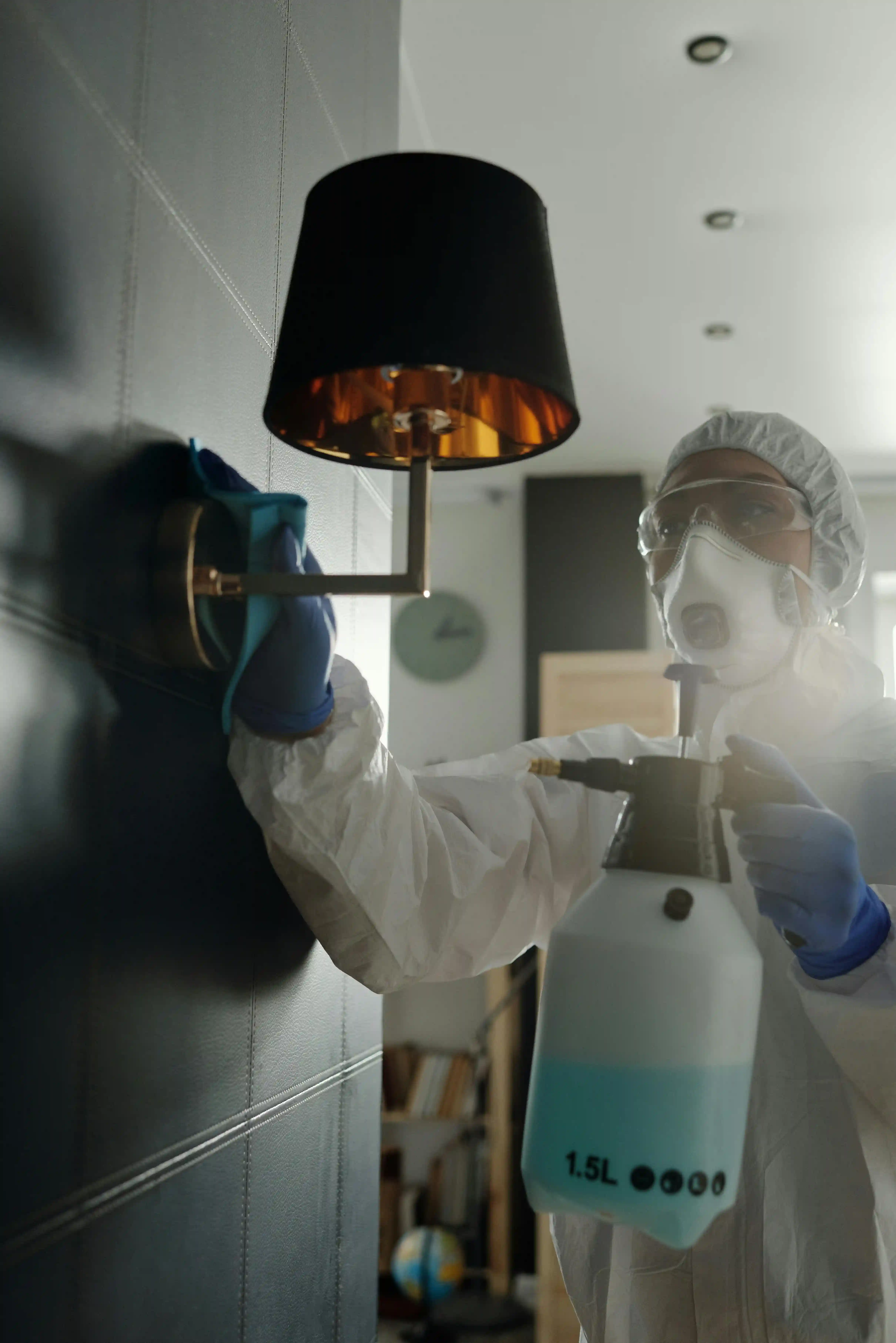
Mold Remediation
Testing, containment, removal, prevention. We find the source, eliminate the growth, and stop it from returning.
Learn more
Sewage Cleanup
Sewer backups, contaminated water, biohazard. We extract, sanitize, and restore safely.
Learn moreNearby Service Areas
Also serving nearby: