
Sewage Cleanup in Daytona Beach, FL
Sewage contamination creates immediate health hazards and causes irreversible material damage within hours in Daytona Beach's heat. Our local team responds within 60 minutes with full extraction and sanitization capability.
What Happens When You Call
A real person answers, not a call center. We assess the contamination scope, advise immediate safety precautions, and dispatch your team immediately.
Your dedicated restoration team is dispatched from our local base serving Daytona Beach and the surrounding Volusia County communities.
Team arrives with sewage-rated extraction equipment, EPA-registered disinfectants, and personal protective gear. Extraction and containment begin immediately.
Contaminated water removed, affected materials identified, sanitization underway, and restoration plan documented. You know exactly what comes next.
Sewage in your home is a health emergency. It contains bacteria, viruses, parasites, and chemical contaminants that become airborne in Daytona Beach's heat and pose immediate risk to anyone in the building. This is not a situation for half-measures or delayed response. You need a team that arrives within the hour with the equipment and protocols to extract contaminated water, sanitize affected materials, and restore safe living conditions. X Response is that team. Call now. Your team is standing by.
Why Daytona Beach Homes Are Vulnerable to Sewage
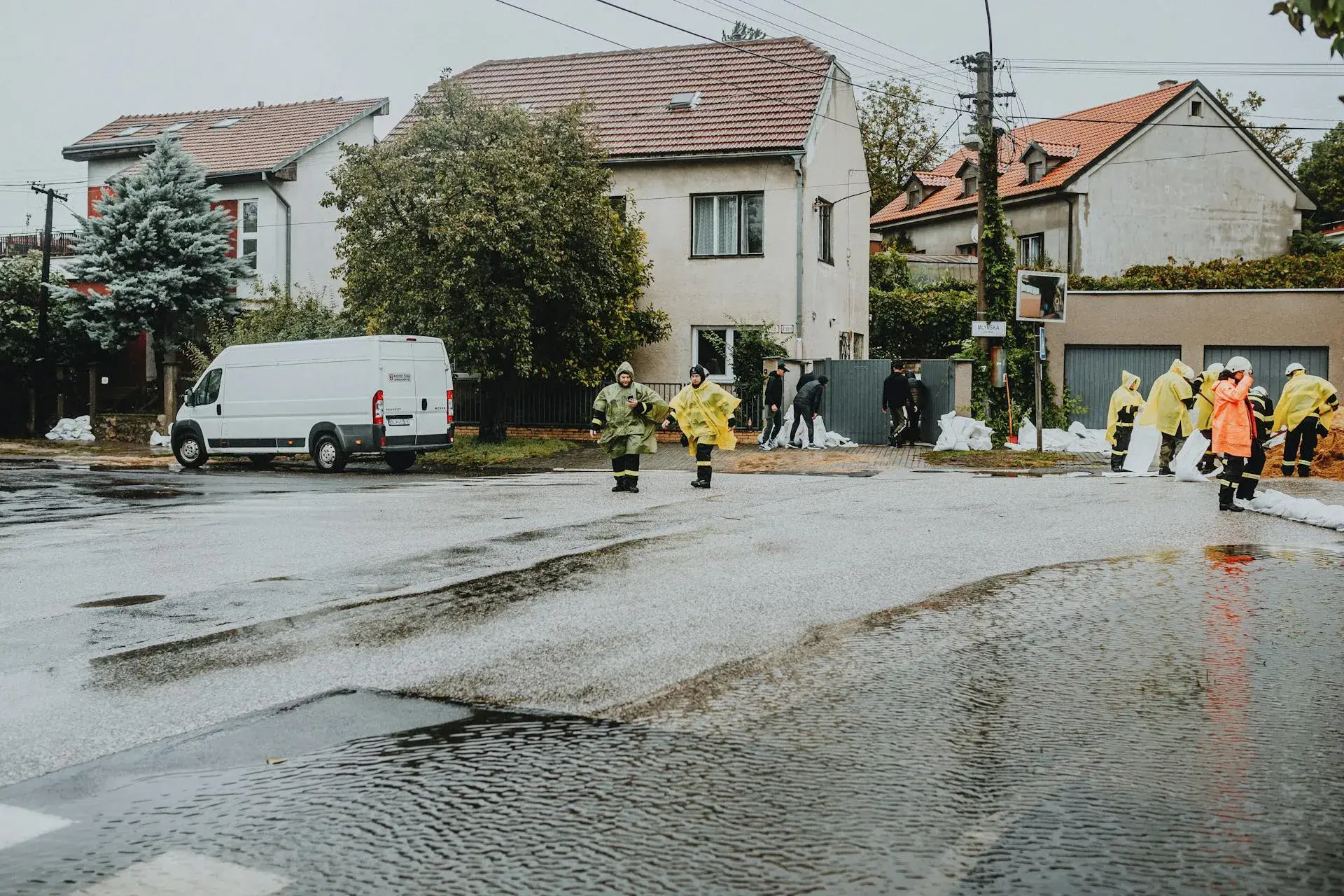
Daytona Beach's sewage infrastructure serves approximately 72,000 residents through a municipal collection system that conveys wastewater to the Bethune Point Wastewater Treatment Facility on the Halifax River. The Bethune Point plant is permitted to discharge up to 20 million gallons per day of treated effluent into the Halifax River and processes up to 24 million gallons daily during peak demand. During heavy rainfall events, the system is vulnerable to inflow and infiltration, a condition where stormwater enters the sanitary sewer through cracked pipes, deteriorated manholes, and illicit connections. When rainfall intensity exceeds the system's capacity to convey both wastewater and infiltrating stormwater, the hydraulic overload causes sewage to back up through the lowest points in the system: floor drains, ground-floor fixtures, and manhole covers in low-lying areas. In November 2021, a nor'easter delivered unusually heavy rainfall over multiple days and overwhelmed the sewer systems in Daytona Beach and neighboring Holly Hill. The Florida Department of Environmental Protection reported that untreated wastewater overflowed into homes and onto streets as the collection system could not handle the combined volume.
The city's sewage overflow vulnerability is compounded by its history of extreme weather events and an aging collection system. During Hurricane Matthew in October 2016, the Bethune Point facility experienced three separate overflow incidents totaling approximately 13.8 million gallons of untreated or partially treated sewage discharged into the Halifax River. While the plant-level spills did not directly enter homes, they demonstrated the system's vulnerability to rainfall volumes that exceed design capacity. The collection system's pipes, some dating to the mid-twentieth century in the older neighborhoods between Ridgewood Avenue and the Halifax River, are susceptible to root intrusion, joint deterioration, and cracking that allows both groundwater infiltration during wet periods and sewage exfiltration during dry periods. Volusia County's record 70.2 inches of rainfall in 2024 and the flooding from Hurricane Milton in October 2024 placed additional stress on a system already operating at capacity during normal wet-season conditions. Properties in low-lying areas including Midtown, the Bellevue Avenue corridor, and neighborhoods adjacent to the Halifax River face the highest risk of sewer backup during heavy rainfall because they sit at the lowest hydraulic points in the collection network.
Inflow and Infiltration During Heavy Rainfall
Daytona Beach's sanitary sewer system was designed to convey only wastewater from residential, commercial, and industrial connections. It was not designed to handle stormwater. However, decades of infrastructure aging have created pathways for stormwater to enter the sanitary system. Cracked pipe joints allow groundwater and surface water to infiltrate during rain events. Deteriorated manhole frames and covers allow surface runoff to flow directly into the sewer. Older properties may have roof drains or area drains illegally connected to the sanitary system rather than the storm system. When rainfall intensity rises, these infiltration sources can double or triple the volume entering the sanitary sewer. The system's pipes and pump stations, sized for wastewater volume alone, cannot convey the combined flow. The excess backs up through the system and exits at the lowest available points, which are typically floor drains and ground-floor fixtures in homes and businesses at low elevations. The November 2021 nor'easter overflow and the Hurricane Matthew plant failures both resulted from this inflow and infiltration dynamic overwhelming system capacity.
Low-Elevation Properties and Hydraulic Vulnerability
Sewage systems operate by gravity, flowing from higher elevations to lower collection points and then to the treatment plant. Properties at the lowest elevations in the service area are the first to experience backup when the system is hydraulically overloaded because they sit at the bottom of the gravity profile. In Daytona Beach, the Midtown neighborhood, the Bellevue Avenue corridor, and areas adjacent to the Halifax River sit at the lowest elevations in the municipal sewer service area. During system surcharge events, sewage rises through the collection network and exits through fixtures in these properties before reaching higher-elevation neighborhoods. The properties most vulnerable to sewage backup are those with ground-floor fixtures, including toilets, showers, and floor drains, that provide an open connection between the building interior and the pressurized sewer main. Without backflow prevention devices, there is no physical barrier between the surcharging sewer and the interior of the home.
Aging Collection Infrastructure
Portions of Daytona Beach's sanitary sewer collection system date to the mid-twentieth century. Vitrified clay pipes, which were standard for sewer construction in that era, deteriorate over decades as joints separate, roots penetrate through cracks, and soil movement shifts pipe alignment. These deterioration mechanisms create two problems: they allow infiltration that contributes to hydraulic overload during rain events, and they create localized blockages from root masses and joint offsets that cause sewage backup into individual properties even during dry weather. The older neighborhoods along Ridgewood Avenue, in Midtown, and along the Halifax River waterfront contain the highest concentration of aging sewer infrastructure in the city. Individual properties in these areas can experience sewage backup from a localized blockage in the lateral connecting their home to the main, from a root-obstructed main affecting multiple properties on a block, or from system-wide hydraulic overload during storm events. Each scenario results in Category 3 contaminated water entering the home through the same pathways.
Bethune Point Facility Capacity Under Storm Loading
The Bethune Point Wastewater Treatment Facility processes up to 24 million gallons daily and is permitted to discharge 20 million gallons of treated effluent into the Halifax River. During major storm events, inflow and infiltration can push the volume arriving at the plant beyond its treatment capacity. When this occurs, the facility must either bypass partially treated wastewater directly into the Halifax River or allow the collection system to surcharge, which pushes sewage back through the network and out through manholes and building connections. Hurricane Matthew in 2016 caused approximately 13.8 million gallons of sewage to spill from the Bethune Point facility. The plant has undergone upgrades since then, but the fundamental vulnerability remains: the collection system delivers more volume during storms than was anticipated in the plant's design, and extreme rainfall events can exceed any practical treatment capacity. For homeowners, this means that sewer backup during major storms is a system-level failure that cannot be prevented by individual property maintenance alone.
Health Hazards in a Subtropical Climate
Sewage contamination in Daytona Beach's climate creates amplified health risks compared to cooler regions. The year-round warmth accelerates bacterial reproduction in contaminated materials. Pathogens including E. coli, Salmonella, hepatitis A virus, and parasitic organisms thrive in the warm, nutrient-rich environment that sewage creates on building materials. In Central Florida's heat, bacterial counts in contaminated materials can increase exponentially within hours rather than days. Additionally, the warmth causes faster off-gassing of hydrogen sulfide and other toxic compounds from sewage, creating airborne hazards more quickly than in cooler climates. The combination of rapid pathogen multiplication and accelerated off-gassing means that the health risk timeline in Daytona Beach is compressed: what might be a 24-hour safety window in a northern climate becomes a matter of hours before contamination levels make the building unsafe for unprotected occupancy.
Sewage cleanup in Daytona Beach involves both the immediate contamination event and the underlying infrastructure vulnerabilities that caused it. Whether the backup resulted from a localized blockage in an aging lateral, root intrusion in a decades-old main, or system-wide hydraulic overload during a storm event, the restoration challenge is the same: extract contaminated water, remove materials that cannot be safely decontaminated, sanitize all remaining surfaces, dry the structure completely, and prevent mold colonization in the 24-hour window before it establishes in the subtropical climate.
What Happens to Your Home While You Wait
Within 1 Hour
Sewage-contaminated water spreads across the slab and wicks into porous materials at ground level. Pathogens begin multiplying in Daytona Beach's warm environment. Hydrogen sulfide and other gases off-gas from standing sewage, creating airborne health hazards. The building becomes unsafe for unprotected occupancy. Carpet padding absorbs contaminated water and cannot be decontaminated.
1–24 Hours
Bacterial counts in contaminated materials increase exponentially in the subtropical heat. Sewage solids dry onto surfaces and bond with flooring, baseboards, and wall materials. Drywall wicks contaminated moisture upward, extending the affected zone well above the visible water line. Odor permeates porous materials and soft goods. HVAC systems that cycle during this period can distribute airborne contaminants throughout the home.
24–48 Hours
Mold colonization begins on sewage-saturated materials, compounding biological contamination with fungal growth. In Daytona Beach's climate, mold establishes within 24 hours on wet organic materials. Materials that could have been decontaminated and dried in place during the first hours may now require removal due to combined sewage and mold contamination. Structural wood absorbs contaminated moisture deep into its grain.
48–72 Hours
Secondary contamination spreads beyond the original wet footprint through both mold distribution and bacterial migration in humid air. Subfloor materials, if present beneath tile or hardwood, deteriorate from sustained contact with contaminated moisture. The concrete slab absorbs sewage-contaminated water through its porous surface and will release contaminants slowly for weeks if not properly treated. Restoration scope expands significantly.
One Week and Beyond
Extensive biological contamination throughout affected building materials. Mold growth compounds the sewage contamination. Structural materials lose integrity from sustained moisture and biological attack. The home requires comprehensive demolition of affected materials, professional sanitization of all remaining surfaces, and complete reconstruction. Health risks remain elevated throughout the affected area until professional remediation is complete.
In Daytona Beach's heat, sewage contamination becomes a compounding health emergency within hours. Contact X Response now. Our team responds within 60 minutes with full extraction and sanitization capability.
How We Restore Sewage-Damaged Daytona Beach Homes
Sewage cleanup requires strict safety protocols and a systematic approach that eliminates biological hazards before they compound. Here is how we manage each phase.
Safety Assessment and Contamination Containment
Our team arrives in full personal protective equipment including respirators, chemical-resistant suits, and eye protection. The first priority is assessing the contamination boundaries and establishing containment to prevent spread to unaffected areas. We identify the sewage source and, if overflow is ongoing, coordinate with the City of Daytona Beach Utilities Department to address the backup at its origin. HVAC systems are shut down to prevent airborne distribution of contaminants. Containment barriers isolate the affected zone. The assessment identifies which materials have been contacted by sewage and maps the extent of contamination including hidden areas behind cabinetry, beneath flooring, and within wall cavities where sewage may have wicked upward.
Sewage Extraction and Materials Removal
Standing sewage is extracted using specialized equipment rated for contaminated water handling. Unlike clean water extraction, sewage removal requires equipment that can handle solids, chemicals, and biological material without cross-contaminating clean areas. All porous materials contacted by sewage are removed because they cannot be reliably decontaminated: carpet, pad, drywall below the contamination line plus a safety margin above, insulation, particleboard cabinetry, and any absorbent materials that contacted sewage water. These materials are bagged within the containment zone and disposed of as biohazardous waste. Semi-porous materials like concrete and wood framing are evaluated for depth of contamination and treated or removed based on professional judgment.
Sanitization and Disinfection
After contaminated materials are removed, all remaining surfaces undergo professional sanitization. We apply EPA-registered hospital-grade disinfectants effective against the full spectrum of pathogens found in sewage: bacteria, viruses, and parasitic organisms. The concrete slab receives particular attention because its porous surface absorbs contaminated moisture and can harbor pathogens within its structure. Multiple applications with appropriate dwell times ensure complete pathogen elimination. Antimicrobial treatments are applied to all exposed structural materials including framing, subfloor, and any retained building components. Air scrubbers with HEPA and activated carbon filtration remove airborne contaminants and odor throughout the sanitization process.
Structural Drying
Once sanitization is complete, the structure must be dried to prevent mold colonization on the now-clean but wet materials. In Daytona Beach's climate, this window is critical: mold can establish on wet materials within 24 hours even after sanitization has eliminated sewage pathogens. We deploy commercial dehumidifiers and air movers in the same configurations used for water damage restoration, calibrated for Volusia County's extreme humidity. The concrete slab, which absorbs moisture throughout a sewage event, requires extended drying using specialized mat systems that pull moisture from within the concrete structure. Daily moisture monitoring confirms progress toward dry standards before reconstruction begins.
Verification and Reconstruction
Before reconstruction begins, we verify that the sanitized and dried structure meets safety standards. Moisture readings confirm all materials have returned to acceptable levels. Visual inspection verifies complete removal of contaminated materials and thorough sanitization coverage. For projects where third-party biological testing is required or desired, we coordinate with independent laboratories that sample for residual bacterial contamination. Once clearance is confirmed, reconstruction proceeds with new materials installed on a verified clean, dry substrate. In Daytona Beach's slab-on-grade construction, we pay particular attention to the interface between the new flooring system and the slab surface to ensure no residual moisture creates conditions for future mold growth beneath the new installation.
The X Response Difference
When you contact X Response for sewage cleanup in Daytona Beach, you get a team equipped and trained for biohazardous contamination: proper PPE, contaminated-water extraction equipment, EPA-registered sanitization protocols, and the drying and reconstruction capability to restore your home to safe, livable condition. One team from emergency response through final inspection.
Insurance Claim Guidance for Daytona Beach Homeowners
Sewage backup insurance coverage depends on the cause of the backup and the specific endorsements on your policy. Standard Florida homeowner's policies often exclude sewer backup damage unless the homeowner has purchased a separate sewer backup endorsement or rider. When available, these endorsements typically provide coverage between $5,000 and $25,000 for damage caused by sewage backing up through drains and fixtures. If sewage backup results from a covered flood event, it may fall under flood insurance rather than the homeowner's policy. The distinction matters: sewage that enters your home because the municipal system is overwhelmed by floodwater may be classified as flood damage requiring NFIP coverage, while sewage that backs up from a localized blockage during dry weather would fall under the sewer backup endorsement. Documenting the cause of the backup clearly is essential for claim success.
How X Response Helps
- Document the sewage source and cause: localized blockage, municipal system overflow, or storm-driven backup, as coverage depends on the mechanism
- Photograph and inventory all contaminated materials before removal, including hidden areas behind cabinetry and below the visible water line
- Maintain records of all biohazardous materials disposal including manifests and disposal facility documentation
- Align our restoration scope with your policy's sewer backup endorsement limits and any applicable deductibles
- Provide your adjuster with clear documentation showing the contamination extent, materials requiring removal, and sanitization protocols applied
X Response does not file claims on your behalf, adjust claims, or make coverage determinations. We provide thorough documentation and guidance to help you make informed decisions. Coverage decisions are made solely by your insurance carrier.
Certified Restoration Specialists Serving Daytona Beach
When you contact X Response for sewage cleanup in Daytona Beach, your team includes professionals trained specifically in biohazardous contamination response. They understand Daytona Beach's sewer infrastructure vulnerabilities, know which neighborhoods face the highest backup risk during heavy rainfall, and have managed sewage cleanup in properties ranging from older homes in Midtown to newer construction in the western suburbs. They have responded to storm-driven system overflows affecting multiple properties simultaneously and to isolated backup events from root-obstructed laterals in the older neighborhoods. They bring the equipment, chemistry, and protocols required to restore a sewage-contaminated property to safe, habitable condition in a climate that accelerates every biological process.
Every technician holds current certifications in water damage restoration with specialized training in Category 3 contaminated water handling and biohazardous materials protocols. Equipment includes sewage-rated extraction units capable of handling solids and biological material, EPA-registered hospital-grade disinfectants, HEPA air scrubbers with activated carbon filtration for airborne pathogen and odor control, and the full commercial drying fleet needed to prevent mold colonization after sanitization. Personal protective equipment meets OSHA standards for sewage contact work. When your team arrives, they bring everything required to begin safe extraction and containment immediately.
In Daytona Beach, X Response works with Hugo Fire and Water, an independent local restoration partner serving Volusia County.
Sewage Cleanup FAQ for Daytona Beach Homeowners
Other Emergency Services in Daytona Beach
Water Damage Restoration
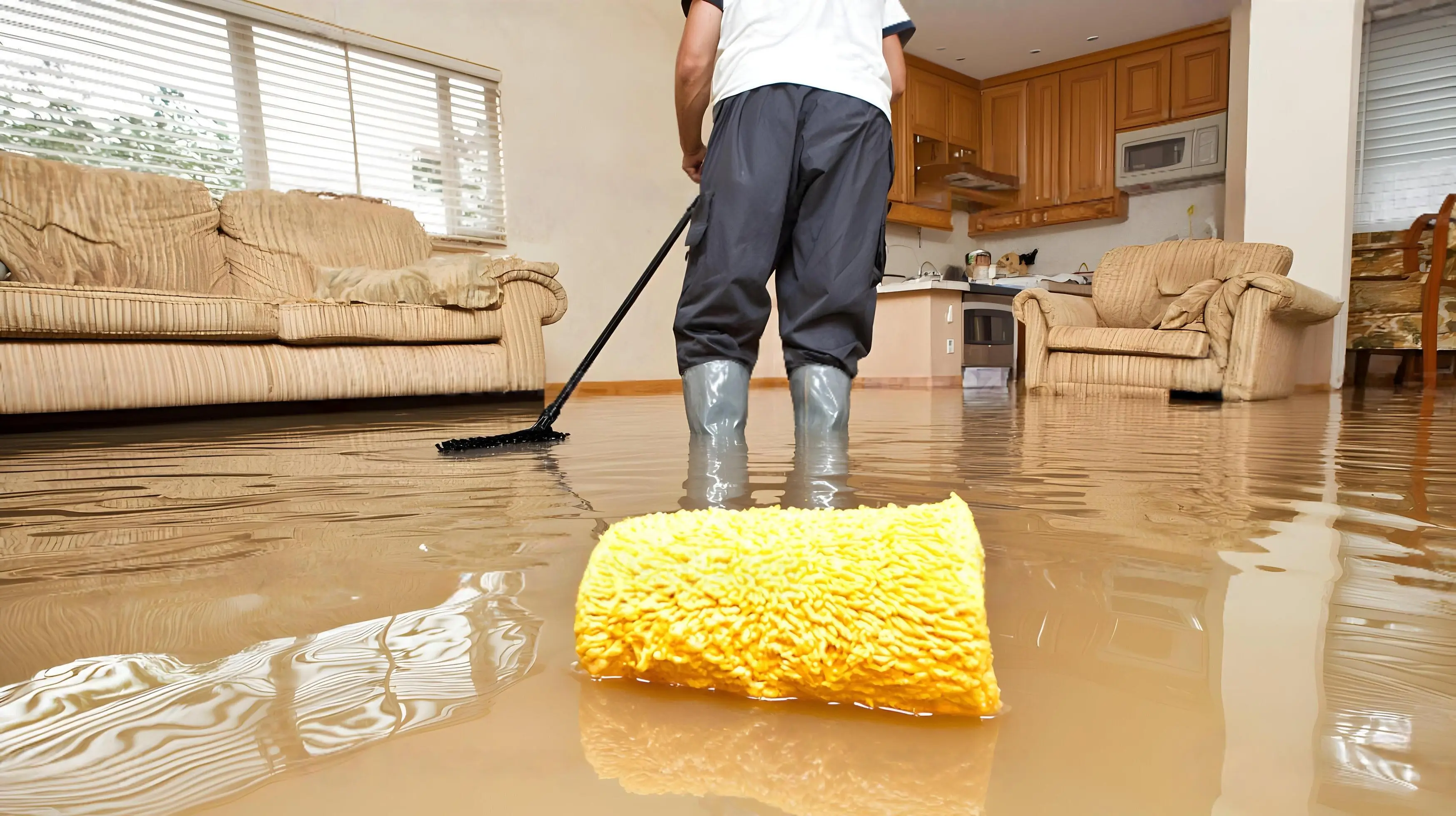
Burst pipes, storm flooding, standing water. We extract, dry, and restore before mold sets in.
Learn more
Fire Damage Restoration
Structural damage, soot, debris. We stabilize, clean, and rebuild what fire destroyed.
Learn more
Smoke Damage Restoration
Soot residue, chemical odors, HVAC contamination. We decontaminate surfaces, eliminate odors, and restore air quality.
Learn more
Mold Remediation
Testing, containment, removal, prevention. We find the source, eliminate the growth, and stop it from returning.
Learn moreNearby Service Areas
Also serving nearby: