Fire damage restoration team cleaning soot and stabilizing a fire-damaged residential property
Teams Active in Seminole County

Fire Damage Restoration in Sanford, FL

After a fire, soot and smoke keep damaging your home every hour. Our local team responds to Sanford emergencies within 60 minutes to secure and stabilize your property.

60-Min Response IICRC Certified Insurance Guidance Serving Seminole County

What Happens When You Call

You Call

A real person answers. We assess the situation, confirm the fire department has cleared the structure, and begin coordinating your emergency response immediately.

15 Minutes

Your dedicated restoration team is dispatched from our local base serving Sanford and the greater Seminole County area with board-up materials and stabilization equipment.

45–60 Minutes

Team arrives on site. Emergency board-up begins on exposed openings. Tarps are placed over roof damage to prevent weather intrusion. The property is secured against further loss.

Same Day

Property fully secured, initial damage assessment documented with photos and notes, and a preliminary restoration plan outlined. You know what comes next.

Your home just went through a fire and you need someone to take control of the situation right now. Not tomorrow, not after a series of phone transfers. When you reach out to X Response, your restoration team is mobilized within minutes. From that point forward, one team manages everything: board-up, soot removal, structural assessment, content salvage, and insurance documentation. You are never left wondering what happens next. Call now. Your team is standing by.

Why Sanford Homes Face Elevated Fire Risk

Fire is woven into Sanford's history. On September 27, 1887, a blaze that became known as the Great Fire broke out at a bakery on First Street and tore through the wooden buildings of downtown, destroying much of the east side of the young city. Sanford rebuilt, this time in brick, and that decision is still visible in the historic commercial district today. The lesson from 1887 has not changed: in a city built largely of wood, fire moves fast, and the difference between a contained loss and a destroyed building often comes down to how quickly the response begins.

That risk is not confined to the history books. Sanford and Seminole County fire crews respond to serious residential fires throughout the year. In recent seasons the area has seen a fatal house fire on Bell Avenue, a blaze near Beardall Avenue that killed family pets and heavily damaged a home, a two-story fire in the Retreat at Wekiva neighborhood, a lightning strike that destroyed a home during a summer storm, and a predawn garage fire on Appaloosa Court that investigators linked to a lithium-ion battery in an electric vehicle. Sanford's mix of century-old homes with aging wiring, frequent Central Florida lightning, and ordinary household ignition sources means structure fires happen here regularly, and they happen fast.

Historic Wood-Frame Homes

Sanford has two districts on the National Register of Historic Places, filled with Craftsman, Queen Anne, and Folk Victorian homes built in the late 1800s and early 1900s. These homes are largely wood-framed, with old growth lumber that burns readily, balloon-frame wall cavities that let fire travel unseen between floors, and decades of added layers that feed a blaze. The same construction that gives these homes their character also makes a fire spread faster and reach the structure sooner than in modern fire-rated construction.

Aging Electrical Systems

Electrical failures are a leading cause of house fires, and Sanford's older housing stock carries elevated risk. Many homes still run on wiring, outlets, and electrical panels that were installed generations ago and were never designed for the loads of modern appliances, air conditioning, and electronics. Overloaded circuits, worn insulation, deteriorated connections, and outdated panels are common ignition sources. In a historic home, an electrical fire that starts inside a wall can be well established before anyone smells smoke.

Lightning-Ignited Fires

Central Florida sits in one of the most lightning-prone corridors in the United States, and Sanford's summer thunderstorms are frequent and intense. Lightning can ignite a house fire directly, traveling through wiring, plumbing, and electronics, or starting an attic or roof fire that spreads before a homeowner is even aware of the danger. A 2025 lightning strike destroyed a Sanford home during an evening storm. The near-daily storms of the June through September wet season make this a real and recurring local hazard.

Cooking and Everyday Household Fires

Cooking remains the leading cause of house fires both nationally and in Sanford. Unattended stovetops, grease fires, and kitchen mishaps account for a large share of residential fire calls. Combined with the year-round use of electrical appliances and the occasional space heater during Central Florida cold snaps, everyday household activity is the single most common source of the structure fires our teams respond to across Seminole County.

Garage and Battery Fires

Garages concentrate fuel, vehicles, power tools, chemicals, and stored gasoline, and they are a common point of fire origin. A growing concern is lithium-ion batteries in electric vehicles, e-bikes, scooters, and power tools, which can fail and ignite with intense, hard-to-extinguish heat. A predawn garage fire on Appaloosa Court in Sanford was linked by officials to an electric vehicle battery. Because garages often share a wall with living space, a fire there moves into the home quickly.

Humidity-Driven Secondary Damage

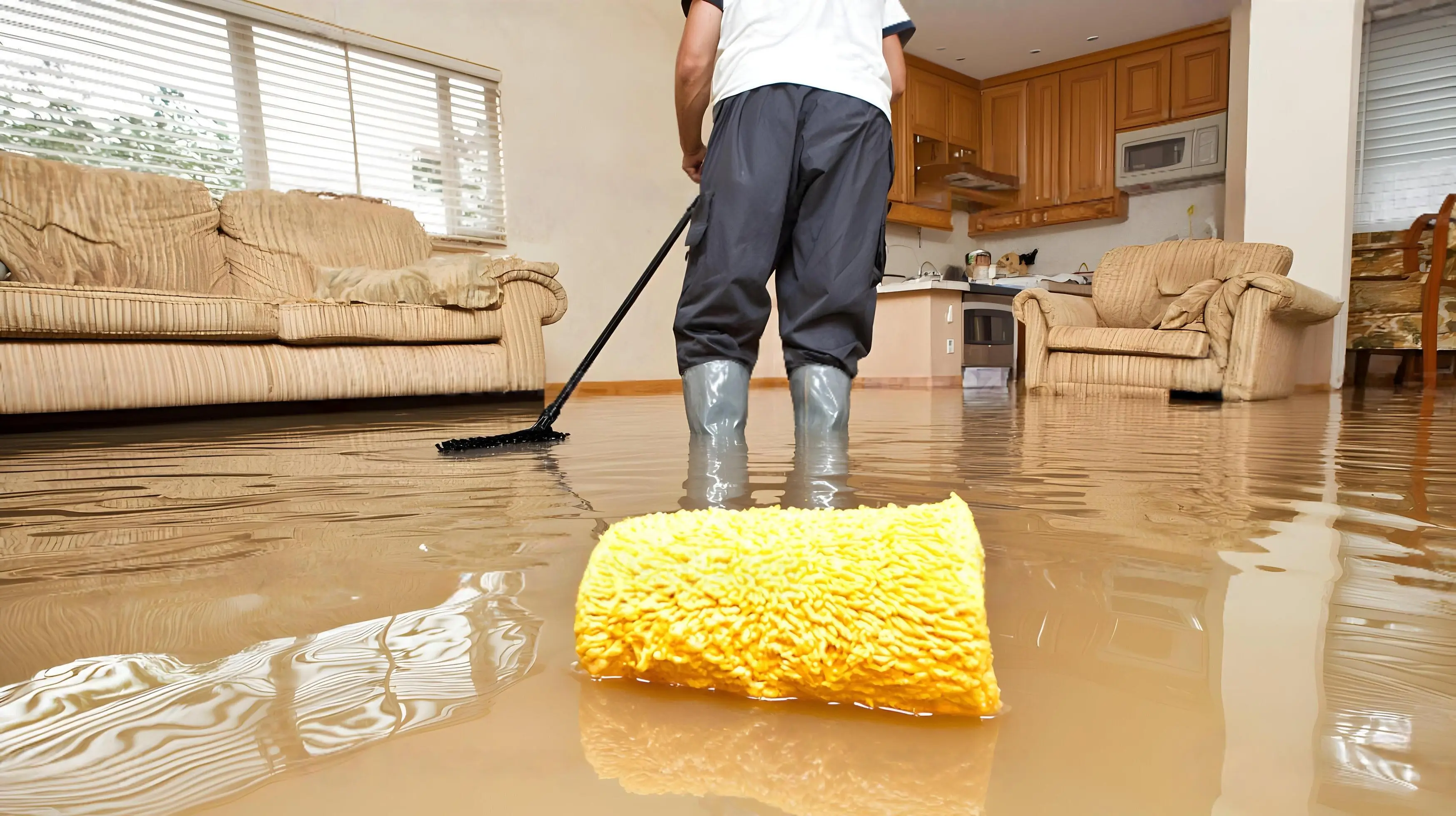
After the flames are out, Central Florida humidity works against you. Water used to suppress the fire saturates building materials, and the region's high ambient moisture slows drying while accelerating mold growth on wet, soot-covered surfaces. A fire-damaged home left unsecured during the summer wet season can sustain serious secondary water and mold damage within days, which is why rapid stabilization matters as much as the fire response itself.

These factors create a compounding risk profile. An older home with original wiring, a frequent lightning season, and the everyday fuel of a working household combine so that when a fire starts, it spreads fast through wood-framed walls. Professional fire damage restoration in Sanford must account for structural fire damage, the soot and smoke that spread through the home, and the water and humidity that follow suppression. Addressing only the visible charring leaves the most damaging problems in place.

What Happens to Your Property After a Fire

Within Hours

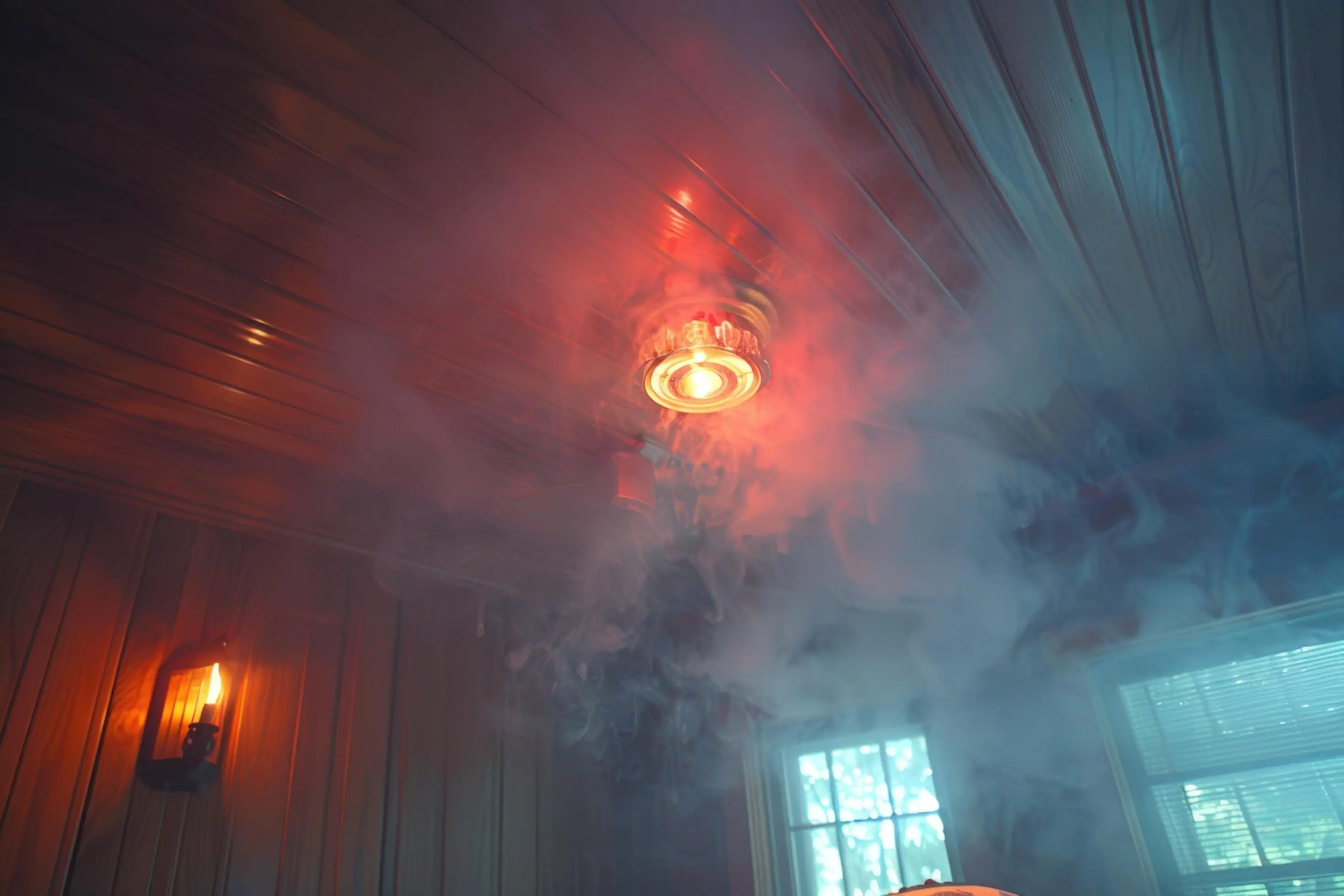
Acidic soot residue begins etching into glass, metal fixtures, and painted surfaces. Smoke particles penetrate deeper into porous materials with each passing hour. Unsecured openings leave the property exposed to weather, animals, and unauthorized entry.

24–48 Hours

Soot permanently discolors grout, natural stone, and fiberglass surfaces. Metal fixtures and appliances begin corroding beyond restoration. Water from fire suppression saturates drywall and framing, creating ideal conditions for mold growth in Central Florida humidity.

3–7 Days

Mold colonizes water-damaged materials behind walls and under flooring. Soot residue becomes increasingly difficult to remove from wood, upholstery, and textiles, a serious concern in historic homes with original woodwork. Smoke odor compounds bond permanently to building materials.

1–2 Weeks

Corrosion damages HVAC components, electrical wiring, and plumbing fixtures throughout the structure. Smoke contamination spreads through ductwork to unaffected areas. Items that could have been cleaned now require replacement. Insurance claims become more complex.

One Month and Beyond

Structural wood weakens from prolonged moisture exposure. Extensive mold remediation is required in addition to fire restoration. Salvageable contents become total losses. What started as a restoration project becomes a near-complete reconstruction. Costs multiply accordingly.

The difference between restoring your home and rebuilding it often comes down to how quickly professional stabilization begins after the fire is out. Contact X Response now. Our Sanford team responds within 60 minutes.

How We Restore Fire-Damaged Sanford Homes

From emergency board-up through final reconstruction, every step is documented, coordinated, and verified. Here is exactly what the restoration process involves.

Emergency Board-Up and Stabilization

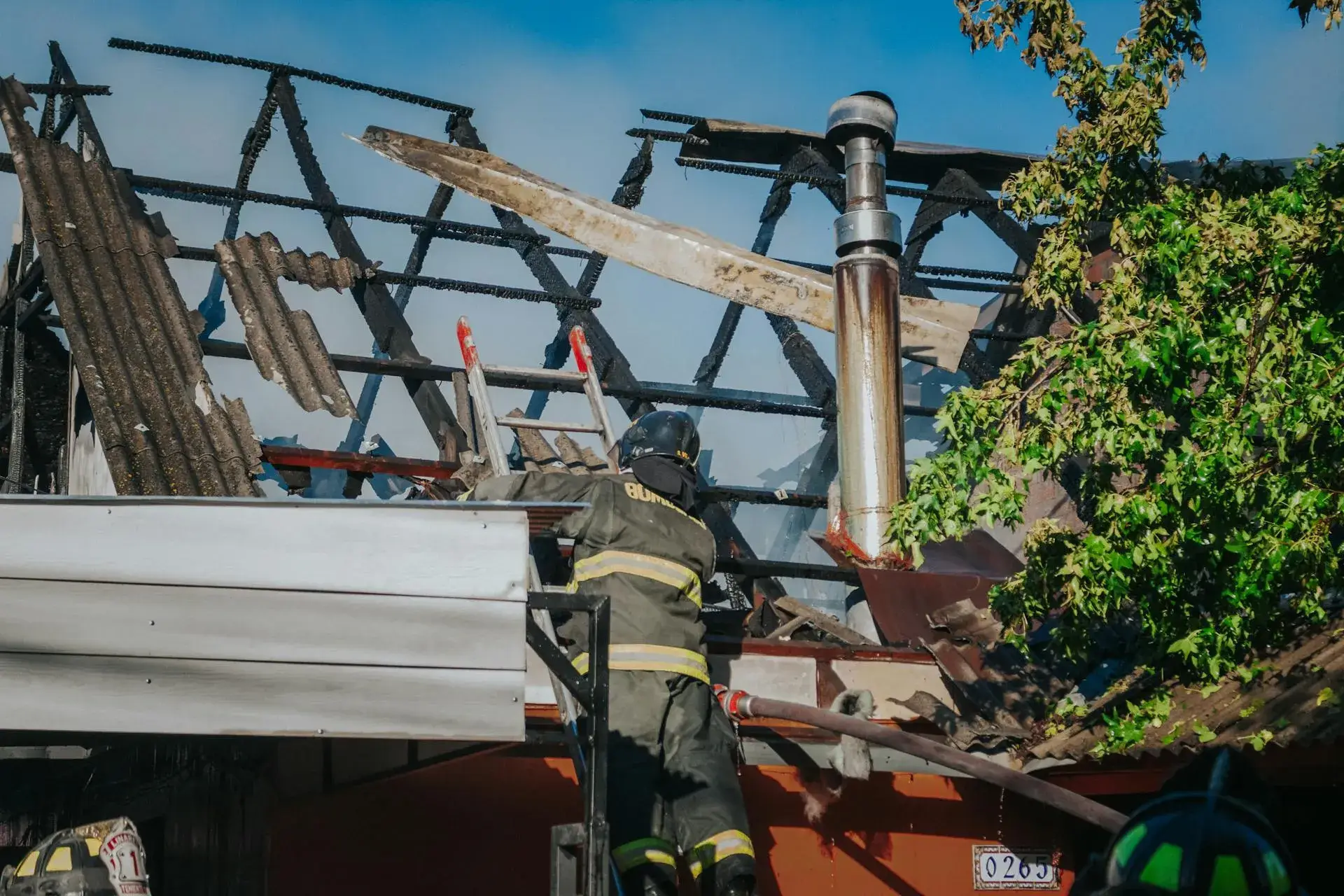
The first priority is securing the property against further damage. Our team boards up broken windows and doors, tarps damaged roof sections to prevent rain intrusion, and installs temporary fencing if the structure has significant exterior damage. In the Central Florida climate, an unsecured fire-damaged property can sustain severe secondary water damage from afternoon thunderstorms within hours during the wet season. Emergency board-up is also a requirement for most insurance policies, which mandate that homeowners take reasonable steps to mitigate further loss.

Damage Assessment and Safety Evaluation

Once the property is secured, our specialists conduct a comprehensive assessment of all four types of fire damage: structural integrity, smoke and soot penetration, water damage from suppression, and secondary exposure risks. This includes thermal imaging to identify heat-compromised framing, air quality testing for toxic particulates, and a room-by-room evaluation of every surface and system. In Sanford's older wood-framed homes, we pay particular attention to balloon-frame wall cavities and original structural members, where heat and fire can travel and weaken framing out of sight. The assessment produces a detailed scope of work that drives both the restoration plan and your insurance documentation.

Soot and Smoke Residue Removal

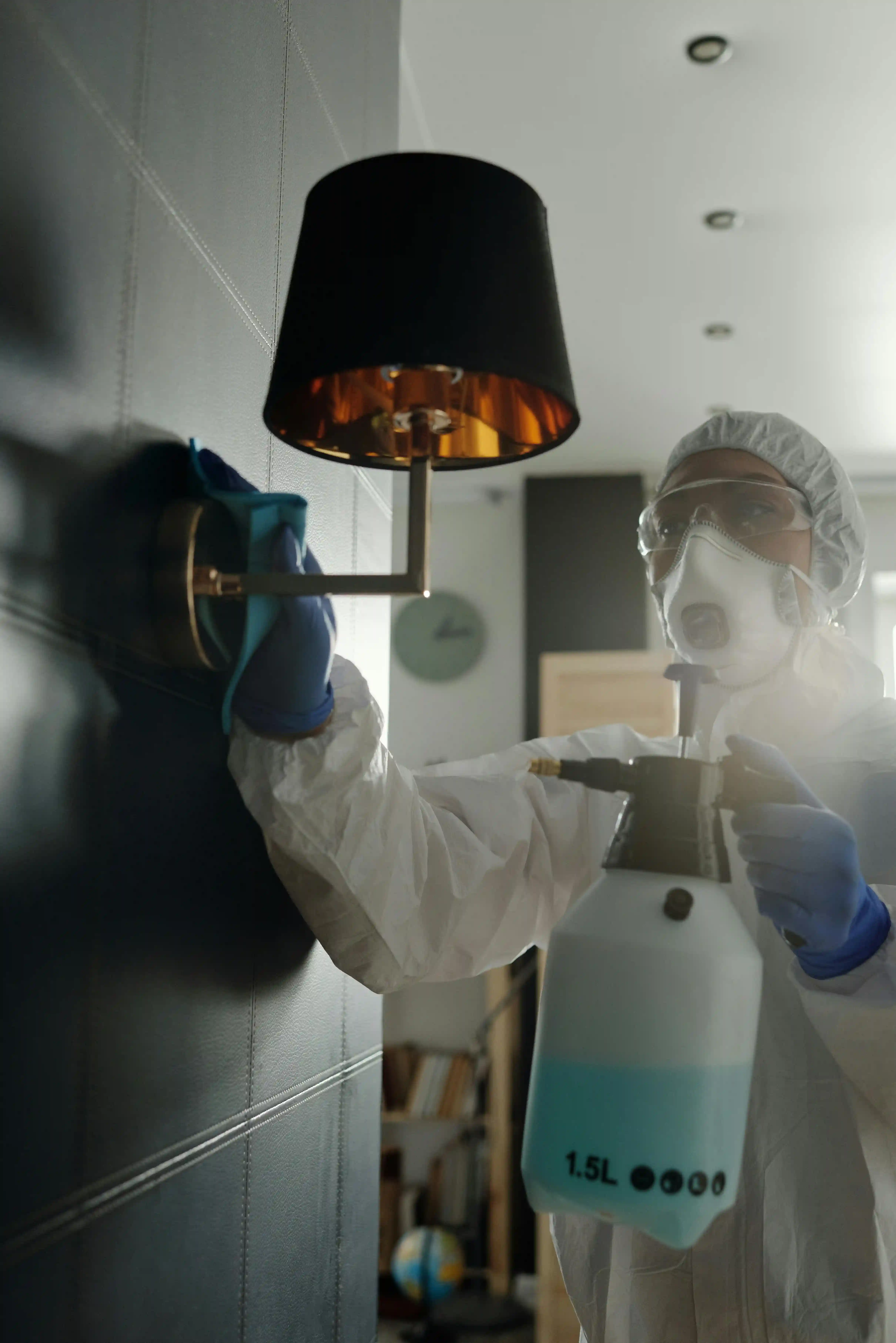
Soot removal must happen before any reconstruction begins. Our team uses dry sponges, HEPA vacuums, and chemical soot removers matched to the specific soot type present. Dry soot from fast-burning wood requires different techniques than the wet, sticky soot from slow-burning synthetic materials. We clean all affected surfaces including walls, ceilings, cabinetry, and structural members. HEPA air scrubbers run continuously during this phase to capture airborne particulates. For the original woodwork, trim, and plaster found in Sanford's historic homes, we use gentle methods that lift soot without stripping or damaging irreplaceable period materials.

Odor Elimination and Air Quality Restoration

Smoke odor penetrates every porous material in the structure and cannot be masked with deodorizers. We use thermal fogging, ozone treatment, and hydroxyl generators to neutralize odor compounds at the molecular level. The HVAC system is fully decontaminated, including ductwork cleaning and filter replacement, because smoke particles travel through the entire air handling system during a fire. In Sanford homes where the air conditioning runs nearly year-round, contaminated ductwork will redistribute smoke odor indefinitely if it is not properly cleaned.

Reconstruction and Final Restoration

With the structure cleaned, dried, and deodorized, reconstruction returns your home to its pre-fire condition. This ranges from drywall, paint, and flooring to full rebuilding of rooms lost to the fire. In Sanford's historic districts, we work to preserve and match period details, from trim profiles to original-style finishes, and we coordinate with any preservation or permitting requirements that apply. One team manages the entire rebuild, so the people who cleaned and stabilized your home are the same people who restore it. We provide completion documentation, including before-and-after photos, to support your insurance claim.

The X Response Difference

Typical Experience You call, get transferred to a dispatcher, and wait for a callback while your home sits open to the weather and soot keeps spreading.
X Response A real person answers your call. Your team is dispatched within minutes and on site within the hour to board up and secure the property.
Typical Experience One company handles board-up, another handles cleaning, a third handles the rebuild. You coordinate all of them and nobody owns the outcome.
X Response One dedicated team manages everything from stabilization through reconstruction. Same people, one point of contact, start to finish.
Typical Experience The crew cleans what is visible and calls it done, leaving smoke odor in the ductwork and soot embedded in materials that will corrode for months.
X Response We address all four types of fire damage: structural, soot, smoke odor, and the water and humidity that follow suppression. Nothing is left to resurface later.
Typical Experience You are handed a stack of receipts and left to fight the insurance claim alone, unsure what is covered or how to document it.
X Response We document the full scope of damage from day one and format it for your adjuster, then guide you through the claim from filing to completion.

When you contact X Response, you get a dedicated restoration team that manages everything, from emergency board-up through insurance documentation to final reconstruction. One team, one point of contact, one standard of work from start to finish.

Insurance Claim Guidance for Sanford Homeowners

Fire damage is one of the more reliably covered losses in a standard Florida homeowner's policy. Most policies cover structural repairs, soot and smoke cleaning, content restoration, and additional living expenses while you are displaced, whether the fire was caused by cooking, an electrical fault, a lightning strike, or a garage fire. Where Sanford homeowners run into complications is with the city's older and historic homes. When fire repairs trigger building code upgrades, the cost of bringing old wiring, framing, or systems up to current code is not always fully covered unless your policy includes ordinance or law coverage. Disputes over the value of damaged contents are also common. The key is thorough documentation from the very start, before anything is cleaned or discarded.

How X Response Helps

  • Document the full scope of fire, soot, smoke, and water damage with detailed photos and written records from day one
  • Create a complete inventory of damaged contents to support your personal property claim
  • Identify where code upgrade requirements may apply so you can check your policy for ordinance or law coverage
  • Provide the documentation your adjuster needs, formatted the way carriers expect to receive it
  • Explain your likely coverage and deductible before work begins, so you understand your options and out-of-pocket exposure

X Response does not file claims on your behalf, adjust claims, or make coverage determinations. We provide documentation and guidance to help you make informed decisions about your property and your policy. Coverage decisions are made solely by your insurance carrier.

Certified Restoration Specialists Serving Sanford

When you contact X Response after a fire in Sanford, your restoration team is drawn from certified professionals who work in Seminole County and understand the specific challenges of restoring homes in a historic riverfront city. They know how fire moves through wood-framed and balloon-frame construction. They know how to clean soot from original woodwork and plaster without destroying the period details that make a historic home worth saving. They coordinate directly with the Sanford Fire Department and local building officials so the property is handled correctly from the first hour. This is not a crew dispatched from across the state. It is a local team with local knowledge, operating under national quality standards.

Every technician on your team holds current IICRC certification in fire and smoke restoration and carries the appropriate Florida state licensing for the work being performed. Equipment is commercial-grade and maintained to manufacturer specifications. When your team arrives, they bring everything needed to secure the property and begin work immediately. No waiting for equipment deliveries or second trips.

In Sanford, X Response works with Hugo Fire and Water, an independent local restoration partner serving Seminole County.

IICRC Certified
Licensed & Insured
24/7 Availability
Serving Seminole County
EPA Lead-Safe

Fire Damage Restoration FAQ, Sanford, FL

Nearby Cities We Serve

Also serving nearby: Daytona Beach DeLand Lake Mary Longwood Deltona DeBary Orange City

Soot and Smoke Damage Spread by the Hour

Your Sanford restoration team is standing by. Free assessment, no obligation, and we guide you through the insurance process from day one. The sooner we secure your home, the more of it we can save.

Call Now Get Help Now Text Us