
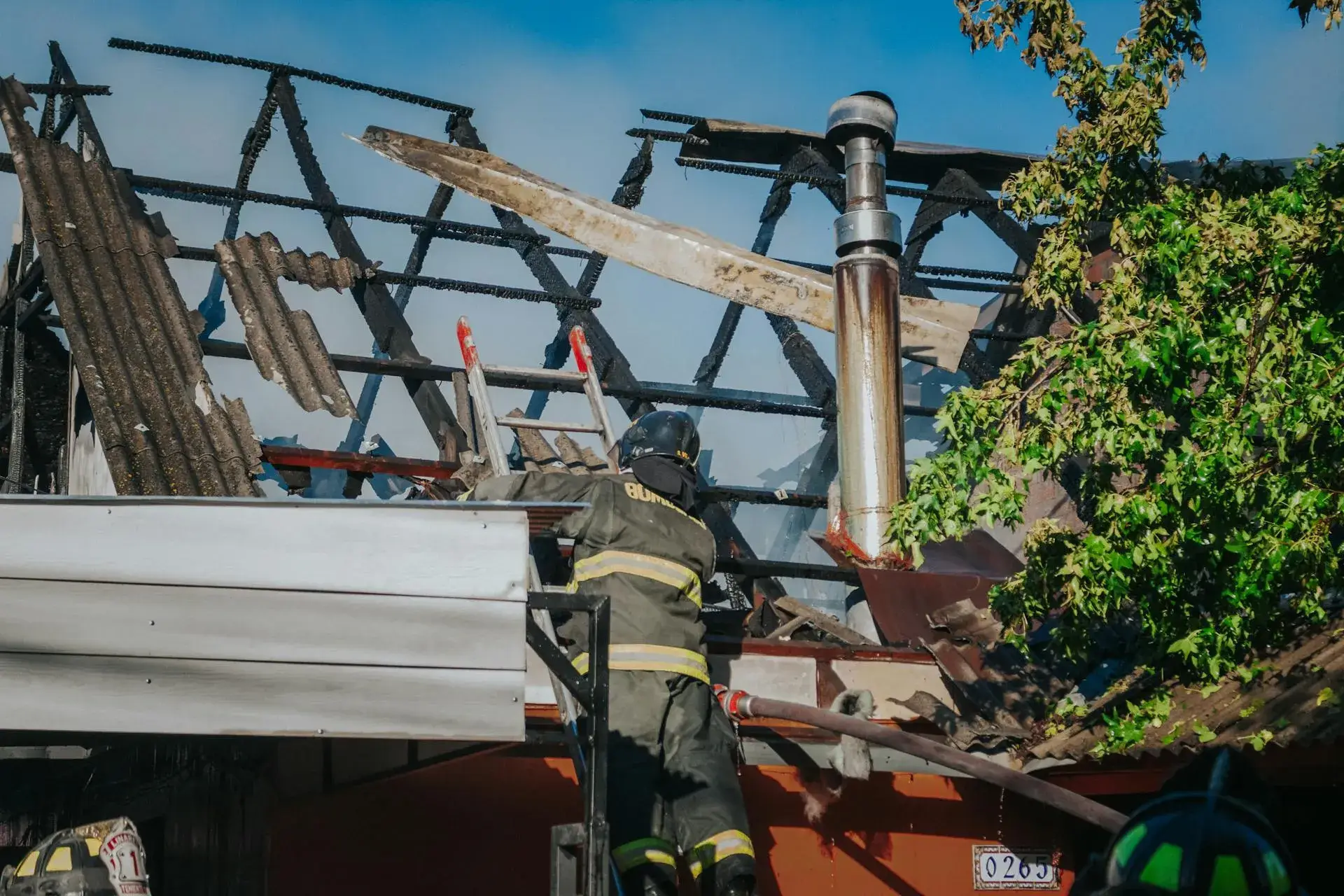
Fire Damage Restoration in Orange City, FL
Fire damage compounds every hour as soot corrodes surfaces, smoke odor penetrates deeper into materials, and water from suppression accelerates secondary damage. Our local team responds to Orange City emergencies within 60 minutes.
What Happens When You Call
A real person answers your call. We assess the situation, confirm the fire department has released the scene, and begin coordinating your response immediately.
Your dedicated restoration team is dispatched from our local base serving Orange City and the surrounding Volusia County communities.
Team arrives with board-up materials, industrial air scrubbers, and soot removal equipment. Emergency stabilization begins immediately.
Structure secured, immediate threats neutralized, restoration plan documented. You know exactly what comes next.
The fire is out, but the damage is still advancing. Soot is acidic and continues corroding metal, discoloring surfaces, and bonding to materials with every passing hour. Smoke odor penetrates deeper into porous substrates. Water from suppression soaks into structural framing and creates conditions for mold growth in Orange City's subtropical humidity. You need a team on site now, not next week. When you reach out to X Response, your restoration team mobilizes immediately. From that point forward, one team manages everything: securing the structure, removing soot and char, restoring salvageable contents, and coordinating reconstruction. Call now. Your team is standing by.
Why Orange City Homes Are Vulnerable to Fire Damage
Orange City's fire risk profile reflects its position in western Volusia County, where rapid residential growth meets wildland-urban interface conditions and aging infrastructure. The Orange City Fire Department operates two stations serving the city's approximately 12,632 residents and the surrounding area along the U.S. 17-92 corridor. In February 2026, the department enacted a citywide burn ban citing unusually high drought indicators, extremely dry conditions, and an increased risk of wildfires throughout Volusia County. That burn ban was not a routine precaution: it came during a period when the region's sandy soils and palmetto scrub became tinder-dry, and the same drought conditions contributed to multiple large-scale wildfires in the county months later. The city simultaneously sought $900,000 in state funding to construct a hardened fire station to replace a current station housed in a manufactured home that cannot withstand extreme weather events. When your fire station itself is vulnerable to the conditions it responds to, the community's fire risk exposure is higher than the suppression capacity alone would suggest.
Orange City's geography amplifies structural fire risk in ways that differ from urban centers with denser infrastructure and faster mutual aid response. The city sits in western Volusia County surrounded by conservation lands, including Blue Spring State Park to the west and undeveloped scrub and flatwoods to the north and east. This wildland-urban interface means that wildfires burning in adjacent natural areas can throw embers into developed neighborhoods, igniting structures from the outside through roof vents, under-eave gaps, and accumulated debris in gutters and along fence lines. The April 2025 Powerline Fire burned 270 acres east of neighboring Deltona, sending plumes of smoke over the region. The June 2026 Rookery Fire at the Lake Woodruff National Wildlife Refuge grew to nearly 4,000 acres in northwest Volusia County, just miles from Orange City's northern boundary. These wildland fires produce ember showers that travel well beyond the fire perimeter and land on residential roofs, in landscaping mulch beds, and against vinyl siding. A structural fire started by an ember landing on a combustible surface looks identical to any other structure fire in its aftermath, but the restoration complexity increases because the source fire may still be burning nearby and air quality remains compromised throughout the project.
Wildland-Urban Interface Exposure
Orange City is bordered by conservation lands and undeveloped natural areas on multiple sides. Blue Spring State Park and the St. Johns River corridor lie to the west. Lake Woodruff National Wildlife Refuge sits to the northwest. Undeveloped scrub, pine flatwoods, and palmetto prairie extend to the north and east. This means that homes on the edges of developed neighborhoods back directly onto vegetation that burns during drought periods. The February 2026 citywide burn ban acknowledged this reality: the natural fuels surrounding Orange City were dry enough to create wildfire conditions that threatened the community. When wildfires ignite in these adjacent lands, embers can travel hundreds of feet on wind currents and land on residential structures. Homes with wood shake roofs, accumulated debris in gutters, dry mulch against foundations, or vinyl siding exposed to radiant heat face ignition risk from wildland fires that never directly reach the property line. The resulting structural fire requires the same restoration as any kitchen or electrical fire, but with the added complication that outdoor air quality may be compromised by the wildland fire still burning nearby.
Drought Cycle and Dry-Season Fire Risk
Central Florida's fire season typically peaks between January and June, when reduced rainfall, lower humidity, and increased wind create conditions for rapid fire spread. Orange City's sandy soils dry quickly between rain events, and the palmetto, wiregrass, and pine needle ground cover that characterizes undeveloped land in western Volusia County becomes highly flammable after even brief dry spells. The February 2026 burn ban reflected a drought cycle that persisted well into the spring, contributing to the April 2025 Powerline Fire (270 acres) and the June 2026 Rookery Fire (nearly 4,000 acres) in the county. During these drought periods, residential fire risk also increases: dry landscaping ignites more easily from discarded cigarettes, equipment sparks, and electrical faults in outdoor fixtures. Electrical fires account for a significant share of Florida structure fires year-round, but during drought periods the secondary ignition of dry exterior materials from a minor electrical fault can escalate a small incident into a major structural loss before the fire department arrives.
Older Housing Stock and Construction Vulnerabilities
Orange City's housing stock spans from pre-1960s wood-frame homes near the original town center along Graves Avenue and Holly Avenue to modern stucco-and-concrete construction on the growth edges. The older homes were built before current fire codes regarding smoke detection, electrical standards, and fire-resistant materials. Many feature single-pane windows that fail quickly under radiant heat, wood siding or clapboard that provides fuel for exterior fire spread, and electrical systems that have been extended and modified over decades without comprehensive upgrading. Knob-and-tube wiring, undersized circuits serving modern loads, and corroded connections in panels and junction boxes create ignition sources that homeowners often cannot see. When these older structures ignite, fire spreads rapidly through the balloon-frame wall cavities that allow flames to travel from the ground floor to the attic without encountering fire stops. The resulting damage is typically more extensive than in modern compartmentalized construction, and restoration requires careful assessment of structural framing integrity throughout the building rather than only at the visible fire origin.
Manufactured Housing and Mobile Home Parks
Orange City and the surrounding western Volusia County area have a significant inventory of manufactured homes and mobile home communities. These structures present distinct fire damage challenges. Manufactured homes use lightweight materials, thinner wall assemblies, and compressed framing schedules that allow fire to spread faster and with less resistance than site-built construction. When a manufactured home is heavily damaged by fire, the structural members are often too compromised for repair, and the restoration decision shifts from repair-in-place to replacement. Even in partially damaged manufactured homes, the thin wall cavities allow smoke penetration into every corner of the structure rapidly, making smoke and odor remediation more intensive per square foot than in a site-built home with deeper wall assemblies and more separation between living spaces. The restoration approach for manufactured housing must account for material specifications that differ from conventional construction, including proprietary fastening systems, specific insulation types, and panel-based wall assemblies that cannot be repaired using standard framing techniques.
Suppression Water Damage in Subtropical Climate
When the Orange City Fire Department extinguishes a structure fire, the water used in suppression creates an immediate secondary damage threat. In Orange City's subtropical climate, where temperatures exceed 80 degrees Fahrenheit for most of the year and ambient humidity averages 74 to 76 percent, the conditions for mold colonization exist within 24 hours of a fire being extinguished. Suppression water saturates structural framing, insulation, subfloor materials, and wall cavities. Because the humidity outside is already high, natural drying does not occur, and the warm temperatures accelerate bacterial and mold growth. A fire restoration project in Orange City is always a combined fire-and-water restoration project. The soot and char damage from the fire itself must be addressed, but simultaneously the water damage from suppression must be managed with the same urgency as a standalone flooding event. Failure to extract suppression water and begin structural drying within hours of the fire department's departure means the restoration scope expands from fire damage alone to fire damage plus mold remediation, significantly increasing cost and timeline.
Fire damage restoration in Orange City requires a team that understands the full scope of what follows a structure fire in this environment. The soot damage, the smoke penetration, the structural compromise, and the suppression water all advance simultaneously in a climate that accelerates secondary damage. The wildland-urban interface adds complexity when outdoor air quality is compromised by adjacent fires. And the mix of older wood-frame homes, manufactured housing, and modern construction means each project demands a different structural assessment approach. One team, comprehensive capabilities, immediate response.
What Happens to Your Home While You Wait
Within 1 Hour
Soot begins bonding to surfaces throughout the structure. Acidic smoke residue starts corroding exposed metal, including appliances, fixtures, electronics, and HVAC components. Suppression water saturates flooring, insulation, and structural framing. In Orange City's subtropical heat, bacterial growth in standing suppression water begins almost immediately. Smoke odor penetrates into soft materials: upholstery, clothing, bedding, and carpet padding. The longer these materials remain exposed to airborne soot particles, the more deeply the contamination embeds and the more difficult restoration becomes.
1–24 Hours
Soot discolors painted surfaces, grout, and porous materials permanently if not addressed. Metal surfaces develop visible tarnish and corrosion pitting. Suppression water wicks into wall cavities through drywall from the bottom up. In Orange City's 74 to 76 percent ambient humidity, the wet structural materials cannot dry naturally and begin supporting bacterial colonization. Smoke odor binds to synthetic materials and becomes increasingly difficult to remove as it cross-links with surface molecules. Electronics exposed to soot and humidity begin corroding at circuit-board level, turning potentially salvageable items into total losses.
24–48 Hours
Mold colonization begins on wet structural materials from suppression water. In Orange City's warm, humid conditions, visible mold growth can appear within this window on drywall, wood framing, and organic materials that remained wet. Soot corrosion on metal becomes permanent pitting that cannot be reversed through cleaning alone. Smoke odor saturates the HVAC system and ductwork, cross-contaminating areas of the home that were not directly affected by the fire itself. Restoration scope expands significantly as salvageable items cross the threshold into total losses and structural materials require replacement rather than cleaning.
48–72 Hours
Mold colonies become established in wall cavities, ceiling spaces, and any area where suppression water collected without drainage. The fire restoration project now includes a formal mold remediation component with containment, HEPA filtration, and antimicrobial treatment requirements. Structural wood exposed to both char damage and sustained moisture begins losing load-bearing capacity. Content items that might have been professionally cleaned and restored within the first 24 hours are now contaminated beyond recovery. The total cost and timeline of restoration doubles or triples compared to what immediate response would have required.
One Week and Beyond
Extensive mold colonization throughout all wet areas. Structural members compromised by both fire damage and moisture-driven decay. Smoke odor permanently embedded in porous materials throughout the structure. The restoration approaches total reconstruction rather than repair-in-place. For Orange City properties near the wildland-urban interface where embers from ongoing brush fires continue landing on the property, additional damage accumulates if the structure remains unsecured and unmonitored. Insurance claims become significantly more complex as the loss progresses from a single fire event to a multi-category claim spanning fire, water, mold, and potentially additional wind or debris damage from ongoing weather exposure through compromised roofing and walls.
Every hour between the fire department's departure and the restoration team's arrival allows damage to compound in Orange City's climate. Contact X Response now. Our team responds within 60 minutes.
How We Restore Fire-Damaged Orange City Homes
From the moment our team arrives at your Orange City property, every step is documented, measured, and verified. Here is exactly what the fire damage restoration process involves.
Emergency Securing and Assessment
Our team arrives with board-up materials, heavy-duty tarps, and structural bracing to secure the property against weather, intrusion, and further damage. In Orange City, securing the structure quickly is critical because the subtropical climate means that any roof breach or wall penetration will allow humidity and rain into the structure within hours. We board windows, tarp compromised roofing sections, and brace any structural members that show signs of failure. Simultaneously, our team performs a comprehensive damage assessment using thermal imaging and structural evaluation techniques to map the full extent of fire damage, smoke penetration, and suppression water intrusion. This initial assessment determines whether the structure is safe to enter for restoration work and identifies areas requiring engineering evaluation before work can proceed. Everything is documented with photos and detailed notes for your insurance claim.
Suppression Water Extraction and Drying
Before soot and smoke restoration can begin, the suppression water must be addressed. Fire suppression can deliver hundreds of gallons of water into a structure in minutes, saturating floors, walls, and structural cavities. In Orange City's climate, this water must be extracted and mechanical drying initiated within hours to prevent mold colonization that will compound the restoration scope. We deploy truck-mounted extraction equipment, commercial dehumidifiers, and air movers to remove standing water and begin drying structural materials. This phase runs concurrently with the initial securing work because the suppression water damage clock is ticking independently of the fire damage assessment.
Soot and Smoke Removal
Once the structure is secured and actively drying, specialized crews begin soot and smoke residue removal. Different fire types produce different soot characteristics: protein-based soot from kitchen fires creates a nearly invisible but highly odorous film, synthetic soot from burning plastics and modern furnishings produces thick, sticky black residue, and wood-smoke soot from structure fires creates a dry, powdery ash. Each requires a different cleaning approach and different chemical agents. We work methodically from the least affected areas toward the fire origin to prevent cross-contamination, using HEPA-filtered negative air machines to capture airborne soot particles during cleaning. Every surface is addressed: walls, ceilings, cabinetry, trim, fixtures, and structural members in exposed areas. For Orange City homes where the fire originated from wildland embers entering through roof vents or eave gaps, the soot distribution pattern often differs from interior-origin fires and requires tracing the entry point to ensure all affected areas are identified.
Content Cleaning and Restoration
Salvageable personal property, furniture, electronics, and household items are inventoried, packed, and transported to our climate-controlled facility for specialized cleaning. Textiles go through ozone or thermal fogging treatment. Electronics are evaluated for soot corrosion at the component level. Furniture is cleaned using appropriate methods for each material: wood, upholstery, leather, and metal each require different approaches. Items that cannot be restored are documented for insurance replacement value. Working in Orange City's humidity, timing matters: soft goods and electronics that can be salvaged within 24 to 48 hours of the fire often cannot be saved if they remain in the smoke-contaminated, humid environment for a week. Early pack-out of salvageable contents significantly reduces total claim costs by preventing items from crossing the restoration-to-replacement threshold.
Structural Repair and Reconstruction
Once cleaning is complete and the structure has been dried to target moisture levels, reconstruction begins. This may range from replacing drywall, trim, and flooring in a contained fire to full structural rebuilding for major losses. In Orange City, reconstruction must account for current Florida Building Code requirements, which may differ significantly from the original construction standards of older homes near Graves Avenue and the town center. Electrical systems are evaluated for heat damage beyond the visible fire area, because wiring insulation can degrade from radiant heat without showing visible char. Roof structures are inspected for integrity after fire weakened truss connections. The reconstruction phase restores your home to pre-loss condition while incorporating any code-required upgrades identified during the permitting process.
The X Response Difference
When you contact X Response after a fire in Orange City, you get a team that treats fire damage as the multi-system event it actually is. One team handles securing, water extraction, soot removal, content salvage, and reconstruction under one project plan with one point of accountability.
Insurance Claim Guidance for Orange City Homeowners
Fire damage insurance claims in Florida are typically covered under standard homeowner's policies for sudden and accidental fire events, including structure damage, smoke damage to the building and contents, and additional living expenses while the home is uninhabitable. However, the claim process is more complex than filing a form and receiving a check. Coverage limits, depreciation calculations, code-upgrade exclusions, and the distinction between covered fire damage and excluded maintenance-related issues all affect what your policy will pay. For Orange City properties damaged by wildland-fire embers, establishing that the damage was caused by fire rather than by smoke alone can affect coverage categorization. Understanding these distinctions before you file helps prevent underpayment and claim disputes.
How X Response Helps
- Document all damage comprehensively with professional photos, thermal imaging, moisture readings, and a detailed scope of work before any demolition or cleaning begins
- Separate fire damage from pre-existing conditions and suppression water damage to align with how adjusters categorize losses under different coverage sections
- Identify code-upgrade requirements early, because Florida Building Code compliance upgrades triggered by the repair may or may not be covered depending on your policy's ordinance-or-law endorsement
- Inventory and document all contents with pre-loss condition, replacement value, and restoration feasibility to support the most favorable settlement for each item
- Track additional living expenses from the date of displacement with receipts and documentation, as most Florida homeowner's policies cover reasonable ALE while the home is uninhabitable
X Response does not file claims on your behalf, adjust claims, or make coverage determinations. We provide documentation and guidance to help you make informed decisions about your property and your policy. Coverage decisions are made solely by your insurance carrier.
Certified Restoration Specialists Serving Orange City
When you contact X Response after a fire in Orange City, your restoration team is drawn from certified professionals who work across Volusia County and understand the specific challenges of fire restoration in this region. They know how Orange City's subtropical humidity accelerates secondary damage from suppression water, how wildland-urban interface fires produce different soot patterns than interior-origin structure fires, how older wood-frame homes near the town center respond to fire differently than modern concrete block construction, and how manufactured housing requires specialized assessment techniques that differ from site-built structures. They have worked on properties damaged by ember ignition from brush fires in the adjacent conservation lands and on homes destroyed by electrical faults in aging wiring systems. This is local knowledge applied to your specific situation, not a generic playbook dispatched from a distant headquarters.
Every technician on your team holds current IICRC certification in fire and smoke restoration, and the team carries appropriate Florida state licensing for the structural, electrical, and plumbing work that fire restoration requires. Equipment is commercial-grade: HEPA-filtered negative air machines, industrial air scrubbers, ozone generators for odor treatment, thermal imaging cameras for hidden fire extension detection, and the full complement of structural drying equipment needed to address suppression water simultaneously. When your team arrives, they bring the capability to begin every phase of the restoration immediately rather than waiting for specialty subcontractors to be scheduled days or weeks later.
In Orange City, X Response works with Hugo Fire and Water, an independent local restoration partner serving Volusia County.
Fire Damage Restoration FAQ for Orange City Homeowners
Other Emergency Services in Orange City
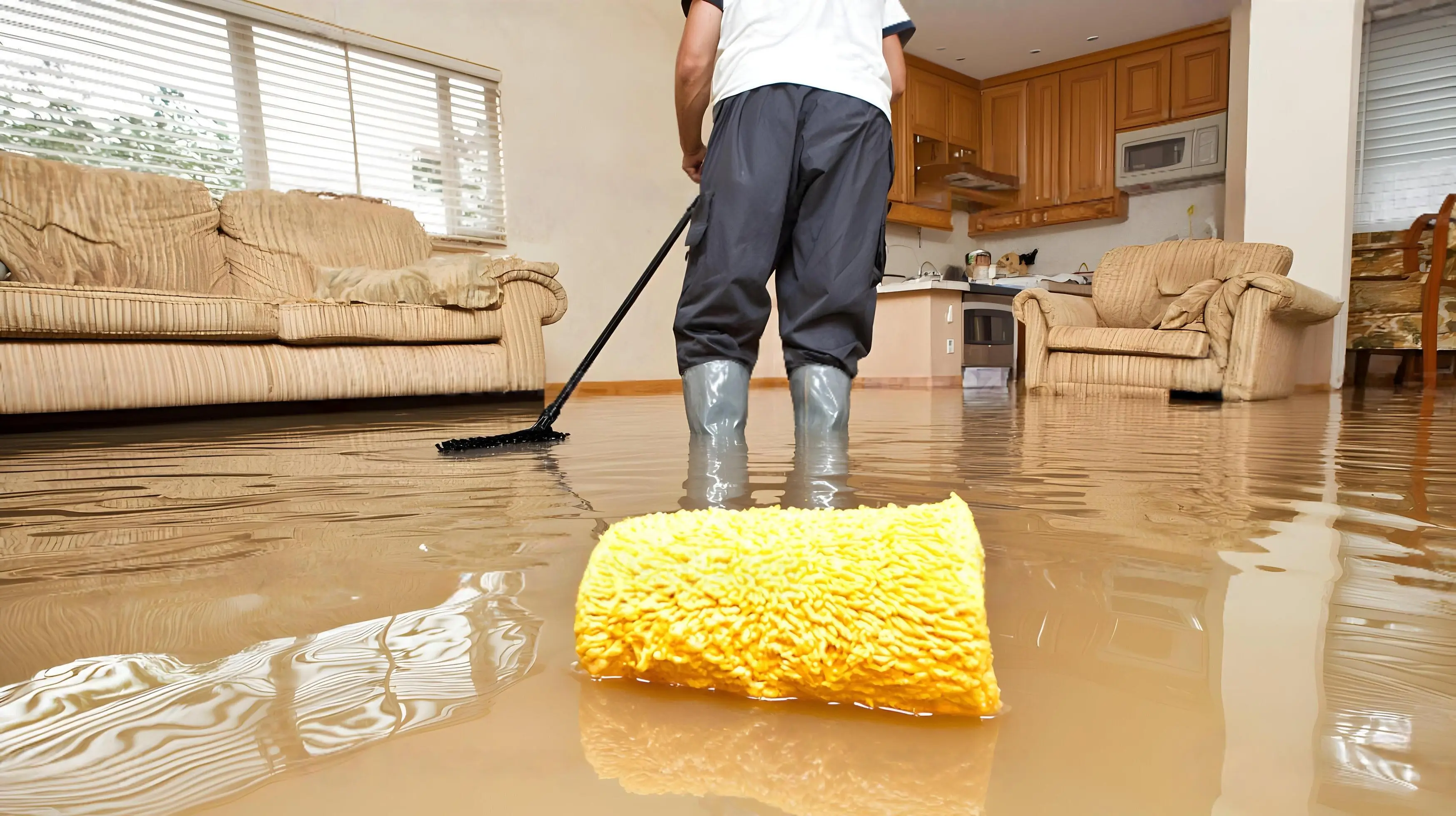
Water Damage Restoration
Burst pipes, storm flooding, standing water. We extract, dry, and restore before mold sets in.
Learn more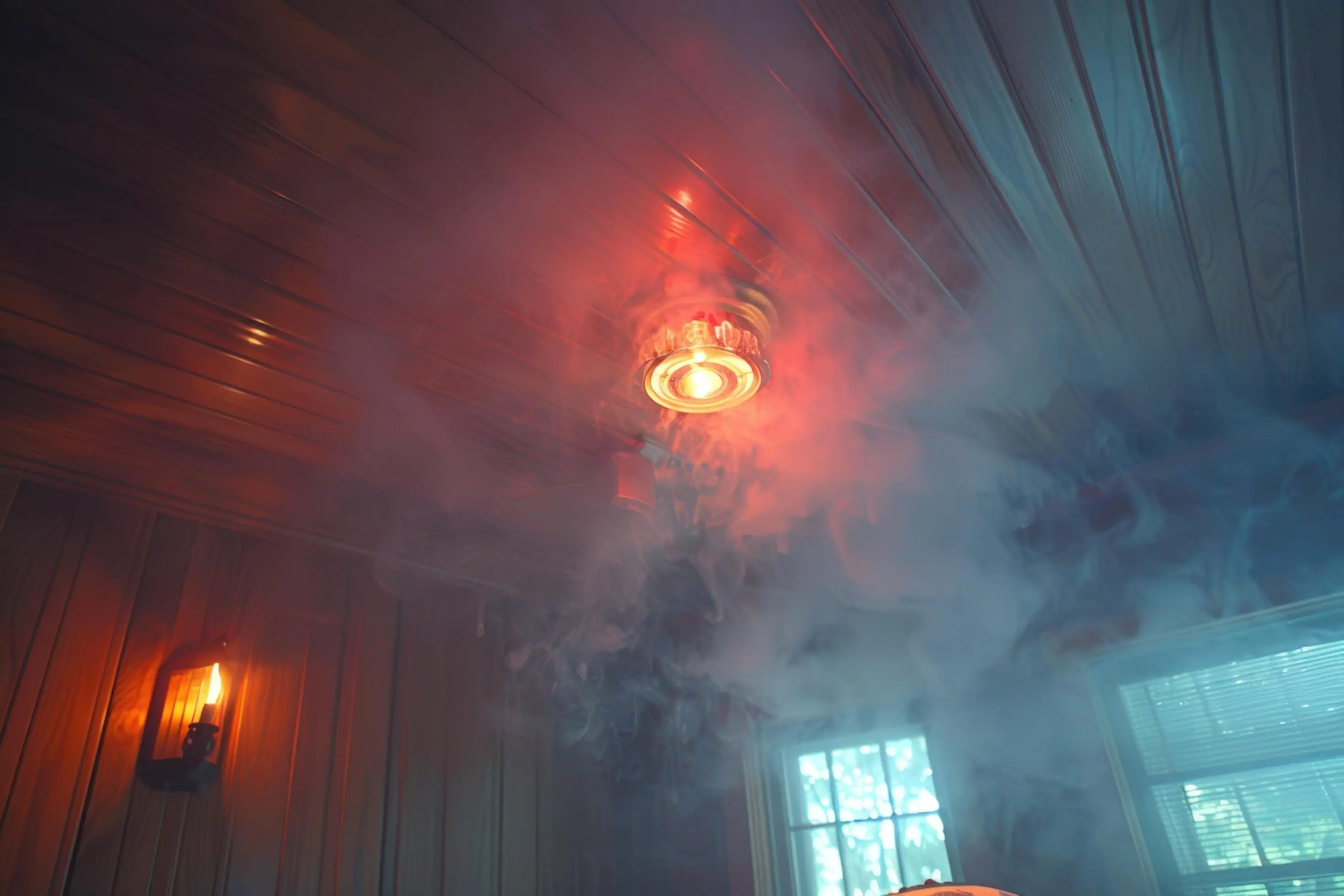
Smoke Damage Restoration
Soot residue, chemical odors, HVAC contamination. We decontaminate surfaces, eliminate odors, and restore air quality.
Learn more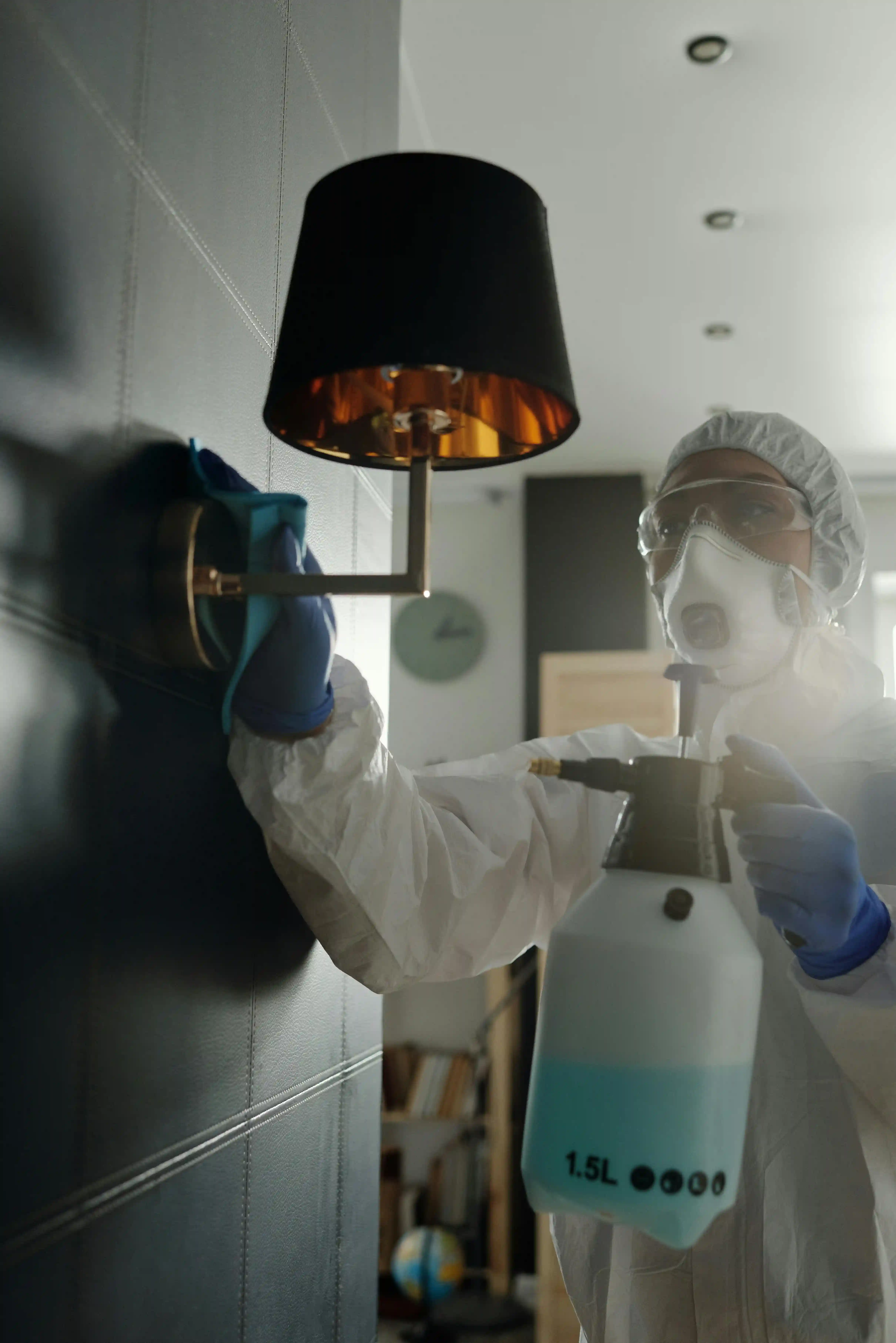
Mold Remediation
Testing, containment, removal, prevention. We find the source, eliminate the growth, and stop it from returning.
Learn more
Sewage Cleanup
Sewer backups, contaminated water, biohazard. We extract, sanitize, and restore safely.
Learn more