
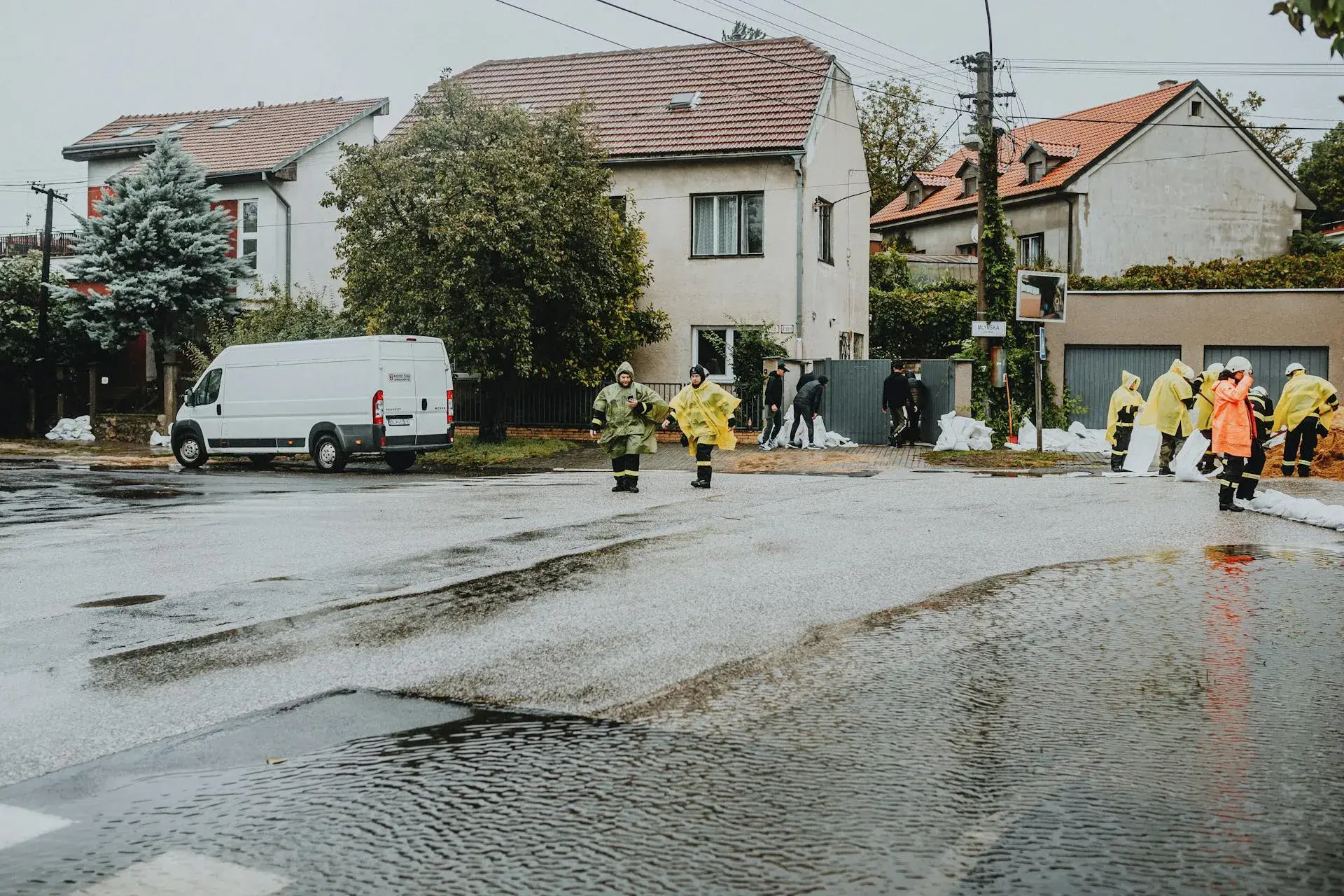
Sewage Cleanup in Orange City, FL
Sewage contamination poses immediate health risks and causes permanent damage to building materials within hours. In Orange City's warm, humid climate, bacterial colonization accelerates rapidly. Our local team responds to sewage emergencies within 60 minutes.
What Happens When You Call
A real person answers your call. We assess the situation, determine the likely source and contamination scope, and begin coordinating your emergency response immediately.
Your dedicated restoration team is dispatched from our local base serving Orange City and the surrounding Volusia County communities with full biohazard equipment.
Team arrives in personal protective equipment with extraction units, antimicrobial treatment systems, and containment materials. Extraction and decontamination begin immediately.
Sewage extracted, contaminated materials removed, antimicrobial treatment applied, structural drying initiated. You know exactly what comes next.
Sewage is in your home and every minute matters. This is not a water damage situation you can address with towels and a fan. Sewage carries pathogenic bacteria, viruses, parasites, and chemical contaminants that make any material it contacts a biohazard requiring professional handling. In Orange City's warm climate, these organisms multiply rapidly, extending the contamination zone beyond the visible wet area within hours. You need professional extraction, decontamination, and antimicrobial treatment immediately. When you reach out to X Response, your sewage cleanup team mobilizes within minutes. From that point forward, one team manages everything: extraction, decontamination, material removal, structural treatment, and drying. Call now. Your team is standing by.
Why Orange City Homes Are Vulnerable to Sewage
Orange City's sewage infrastructure reflects a community in transition between older septic systems and modern central sewer service. The City of Orange City operates an active Septic-to-Sewer Conversion Program, driven by the Volusia Blue Spring Basin Management Action Plan (BMAP), a state-mandated environmental restoration plan developed by the Florida Department of Environmental Protection. The BMAP requires reduction of nitrogen pollution sources that are degrading the water quality of Blue Spring, and residential septic systems within the spring's recharge zone are identified as a primary contributor. Orange City sits directly in that recharge zone, and properties still on septic systems are being transitioned to central sewer as funding and infrastructure allow. This transition is not yet complete. Many Orange City properties, particularly in older neighborhoods and on the city's edges, still rely on septic systems that were sized for a different era of occupancy and water use, and that operate in sandy karst soils where the water table frequently rises close to the drain field elevation. When these conditions align, septic system backups send raw sewage into homes through the lowest drain, typically a floor drain, shower, or toilet.
The environmental context adds urgency that most communities do not face. Orange City's septic systems do not discharge into an isolated drainage basin. They discharge into the same karst aquifer that feeds Blue Spring, a first-magnitude spring hosting a record 729 wintering manatees in 2023 and discharging 102 million gallons per day into the St. Johns River. The nitrogen from failing or overwhelmed septic systems percolates through the sandy soil directly into the Floridan Aquifer and emerges at the spring, where elevated nitrate levels have been documented by both the St. Johns River Water Management District and the Florida DEP. This is why the BMAP exists and why the septic-to-sewer conversion is a public health and environmental priority, not just a convenience upgrade. For homeowners, a septic backup is not only a property damage emergency but also a regulatory and environmental concern in a springshed where nitrogen loading is being actively monitored and reduced under a state-mandated plan.
Aging Septic Systems in Karst Soil
Orange City's older residential areas were developed with on-site septic systems designed for the lot sizes, occupancy patterns, and water use volumes of their era. Many of these systems are 30 to 50 years old, operating beyond their designed service life. The septic tanks themselves may have developed cracks from soil movement, root intrusion, or the corrosive effects of hydrogen sulfide gas produced by anaerobic decomposition. Drain fields were sized for lower water volumes than modern households generate: high-efficiency washing machines, multiple bathrooms, and irrigation systems all contribute to volumes that exceed the drain field's absorption capacity. In Orange City's sandy karst soils, the water table's proximity to the drain field is the critical variable. During the wet season from June through October, when daily thunderstorms recharge the shallow aquifer, the water table can rise to within inches of the drain field trenches. When the drain field is effectively submerged, it cannot absorb effluent from the tank. The tank fills, and sewage backs up into the home through the lowest plumbing fixture.
High Water Table and Seasonal Saturation
The same karst geology that connects Orange City's groundwater to Blue Spring creates a water table that fluctuates significantly with rainfall and season. During extended wet periods, the sandy soils between the surface and the limestone aquifer become fully saturated. Septic drain fields rely on unsaturated soil below the trench to absorb and treat effluent through biological action in the soil column. When that soil column is saturated, the treatment and absorption process fails. Effluent pools in the drain field trenches rather than percolating downward, the tank cannot discharge into the field, and incoming wastewater from the home has nowhere to go but back through the plumbing. This is not a system malfunction in the traditional sense: the septic system is operating as designed, but the soil conditions have temporarily eliminated the absorption capacity it depends on. During these periods, a single heavy water use event, like running the washing machine, taking multiple showers, or running the dishwasher, can tip the already-full tank into backup. The high water table condition also means that groundwater contaminated with sewage from the saturated field can migrate laterally through the karst, reaching neighboring properties, wells, and ultimately the aquifer feeding Blue Spring.
Stormwater Infiltration and Combined Loading
During major rainfall events, stormwater can infiltrate septic systems through multiple pathways: saturated drain fields that cannot distinguish between effluent and groundwater, tank lids that are not properly sealed, risers with cracked seals, and even the main sewer line connection where roots have created gaps. When stormwater enters the septic system, it adds volume that the tank and field were never designed to handle. A system that operates adequately under normal household flow becomes overwhelmed when storm infiltration adds hundreds of gallons of additional water in a matter of hours. For Orange City, where the Mill Lake stormwater system and other drainage infrastructure have proven inadequate during heavy rainfall, the same storms that cause surface flooding also overwhelm septic systems by saturating the soil and infiltrating the tank and field. A homeowner may experience a sewage backup during the same storm event that causes surface water intrusion, creating a combined contamination scenario where Category 3 sewage mixes with Category 2 or 3 stormwater. This combination is more hazardous than either alone because the sewage bacteria and pathogens are dispersed through a larger volume of water contacting more surface area of the home.
Sewer Line Failures in Transitional Infrastructure
As Orange City transitions properties from septic to central sewer, the municipal sewer system itself is relatively new in many areas and serving a growing population. Sewer lateral connections from homes to the main line are the homeowner's responsibility and vary widely in material, age, and condition. Older connections may use clay pipe, Orangeburg fiber pipe, or early PVC with solvent-welded joints that degrade over time. Tree root intrusion is common in Orange City's landscape-rich neighborhoods where mature oaks and magnolias send roots into pipe joints seeking moisture. When a sewer lateral is partially blocked by roots, grease accumulation, or pipe collapse, sewage backs up into the home during periods of high flow. Unlike septic system backups that are driven by drain field saturation, sewer lateral failures can occur during any condition and tend to worsen progressively as the obstruction grows. The backup enters the home through the same pathways: the lowest drain, the ground-floor toilet, or the shower drain in a slab-on-grade home where all plumbing exits the slab at the same elevation.
Health Hazards and Contamination Classification
Sewage that enters a home is classified as Category 3 water under the IICRC S500 standard: grossly contaminated water containing pathogenic organisms, including bacteria (E. coli, Salmonella, Shigella), viruses (hepatitis A, norovirus), and parasites (Giardia, Cryptosporidium). Any porous material contacted by Category 3 water is considered contaminated and typically requires removal rather than cleaning. This includes drywall, carpet, carpet padding, particleboard cabinetry, insulation, and any paper-faced building product. In Orange City's warm climate, where temperatures remain above 75 degrees Fahrenheit for most of the year, bacterial populations in standing sewage double every 20 to 30 minutes. A sewage backup that contacts one room at 8:00 AM has produced bacterial levels orders of magnitude higher by noon. The contamination also spreads beyond the visible wet area as sewage wicks into porous materials and bacteria migrate into wall cavities, beneath flooring, and into any gap or crack in the building assembly. Professional sewage cleanup requires full personal protective equipment, proper containment of contaminated materials, and antimicrobial treatment of all affected structural surfaces before reconstruction can begin.
Sewage cleanup in Orange City operates at the intersection of property damage restoration and environmental protection. The same aquifer that properties are discharging into through failing septic systems is the aquifer that feeds Blue Spring and the manatee population that depends on it. The city's Septic-to-Sewer Conversion Program acknowledges this connection at the infrastructure level, and the BMAP provides the regulatory framework for addressing it. At the individual property level, a sewage backup requires immediate professional response that addresses both the health hazard to the occupants and the proper handling of biohazardous materials in a springshed where environmental contamination is being actively monitored and regulated.
What Happens to Your Home While You Wait
Within 1 Hour
Sewage spreads across flooring and begins wicking into porous materials at ground level. Bacteria, viruses, and parasites in the sewage contaminate every surface they contact. In Orange City's warm conditions, bacterial populations begin multiplying immediately. Carpet padding absorbs sewage and traps it against the slab, creating a reservoir of contamination that cannot be cleaned. Drywall at the floor line begins absorbing contaminated water through capillary action. The contamination zone is already larger than the visible wet area because wicking carries bacteria into materials above the waterline.
1–24 Hours
Bacterial populations in standing sewage and saturated materials grow exponentially in Orange City's warm environment. Drywall wicks contaminated water upward, typically reaching 12 to 18 inches above the visible waterline. Any porous material that has been wet for this duration is considered permanently contaminated and requires removal. Odor intensifies as anaerobic bacteria multiply in trapped sewage. Sewage solids begin breaking down and releasing additional pathogens and gases. The health risk to occupants increases with every hour of exposure. Wall insulation saturates and sags against framing, creating contaminated pockets that are invisible from either side of the wall.
24–48 Hours
Mold colonization begins on materials that have been wet with nutrient-rich sewage water. In Orange City's subtropical conditions, mold growth on sewage-contaminated materials is faster than on clean water damage because sewage provides both moisture and organic nutrients that accelerate fungal growth. The remediation scope expands from sewage extraction and decontamination to include mold remediation as a separate component. Structural framing that contacted sewage begins showing signs of bacterial degradation. Subfloor adhesive breaks down beneath flooring materials. The entire project cost and timeline increase significantly compared to what immediate response would have required.
48–72 Hours
Extensive bacterial and mold colonization throughout all contacted materials. Structural wood at sill plates, bottom plates, and framing connections shows active biological deterioration. The HVAC system, if it was running during the event, has distributed contaminated air and potentially liquid through the ductwork. The entire floor system in the affected area likely requires removal and replacement rather than cleaning. Depending on the extent of spread, wall demolition to the first clean horizontal surface above the contamination line becomes necessary. The project transitions from emergency cleanup to major reconstruction.
One Week and Beyond
Severe structural damage from sustained biological activity. Wood framing loses structural integrity. Mold colonization extends well beyond the original sewage contact area via spore distribution through the HVAC system and air currents. The home may be uninhabitable due to pathogen levels, mold spore counts, and structural compromise. Insurance claim complexity peaks as the loss spans multiple categories: sewage, water, mold, and structural. Total restoration cost approaches or exceeds the cost of prompt response by a factor of three to five.
Sewage contamination in Orange City's warm climate is a race against bacterial multiplication. Every hour of delay allows pathogens to multiply, contamination to spread into hidden cavities, and the remediation scope to expand. Contact X Response now. Our team arrives within 60 minutes with full biohazard capability.
How We Restore Sewage-Damaged Orange City Homes
From the moment our team arrives at your Orange City property, every step follows biohazard safety protocols designed to protect your family's health and restore your home to safe, habitable condition. Here is exactly what the sewage cleanup process involves.
Emergency Assessment and Safety Establishment
Our team arrives in full personal protective equipment including Tyvek suits, respirators, nitrile gloves, and boot covers. Before entering the contaminated area, we assess the extent of sewage spread, identify the source (septic backup, sewer lateral failure, or municipal system overflow), and determine whether the source has been stopped or is ongoing. For Orange City septic system backups driven by high water table conditions, we verify whether the tank has stabilized or whether the drain field is still saturated and unable to accept flow. If the backup source is ongoing, we coordinate with the city's utility department or a licensed plumber to stop the flow before interior cleanup begins. The affected area is isolated from the rest of the home using containment barriers to prevent cross-contamination. All occupants and pets must vacate the contaminated area until professional cleanup is complete.
Sewage Extraction and Contaminated Material Removal
Standing sewage is extracted using truck-mounted and portable units equipped for biohazardous materials. All porous materials contacted by sewage are removed: carpet, carpet padding, drywall cut to a minimum of 12 inches above the visible contamination line (often 24 inches to account for wicking), insulation, particleboard cabinetry components, and any paper-faced building product. In Orange City's slab-on-grade homes, base trim, door casings at floor level, and any materials that contacted sewage at the slab perimeter are removed. Hard surfaces that can be decontaminated, such as the concrete slab itself, tile, and solid wood framing, are cleaned of visible sewage solids and prepped for antimicrobial treatment. All removed materials are bagged within the containment zone and disposed of according to biohazardous waste handling requirements.
Decontamination and Antimicrobial Treatment
After extraction and material removal, all remaining structural surfaces receive antimicrobial treatment. The concrete slab is treated with EPA-registered biocides effective against the bacterial, viral, and parasitic organisms present in sewage. Structural framing (studs, sill plates, top plates, headers) is treated on all exposed surfaces. Any surfaces that will be enclosed again during reconstruction must be treated before new materials are installed. In Orange City's humid climate, the antimicrobial treatment serves double duty: killing existing pathogens from the sewage event and preventing mold colonization on wet structural materials during the drying phase. HEPA air scrubbers run continuously throughout this process to capture airborne pathogens and mold spores, maintaining containment of biological hazards within the work zone.
Structural Drying
With contaminated materials removed and antimicrobial treatment applied, structural drying begins. Commercial dehumidifiers and high-velocity air movers are positioned to dry the exposed structural assembly: slab, framing, subfloor sheathing (in areas with raised floor systems), and any structural wood that will be reused. In Orange City's 74 to 76 percent ambient humidity, mechanical dehumidification is essential because the outdoor air provides no drying benefit. The slab itself requires extended drying attention because concrete absorbs sewage contamination into its porous surface and must reach target moisture levels before new flooring materials can be installed. For properties where the sewage backup was driven by a high water table saturating the drain field, ongoing moisture from below may require additional time and potentially barrier treatments before the slab is ready for reconstruction.
Verification and Reconstruction Preparation
Before reconstruction begins, all surfaces are verified to have reached target moisture levels and to be free of residual contamination. Moisture readings are taken at multiple points on the slab, framing, and any retained structural members. For sewage events, some jurisdictions or insurance carriers require post-remediation bacterial testing (ATP swabs or culture plates) to verify that pathogen levels have been reduced to acceptable limits. The space is then cleared for reconstruction: new drywall, insulation, flooring, trim, and cabinetry are installed according to Florida Building Code requirements and your insurance claim scope. For Orange City properties transitioning from septic to sewer, this may be an appropriate time to complete the sewer connection if funding through the city's conversion program is available, eliminating the septic system that caused the backup and preventing future events.
The X Response Difference
When you contact X Response for sewage cleanup in Orange City, you get a biohazard remediation team that treats the event as the health emergency it is. Full PPE, proper containment, complete material removal, verified decontamination, and documented drying before reconstruction. Not a mopping crew, not a plumber with a spray bottle, not a shortcut that leaves contamination in your walls.
Insurance Claim Guidance for Orange City Homeowners
Sewage backup coverage in Florida depends on your policy type and the source of the backup. Standard homeowner's policies do not automatically cover sewer or septic backup. This coverage typically requires a separate endorsement or rider, often labeled 'water backup and sump overflow' or 'sewer and drain backup.' If you have this endorsement, it covers damage from sewage that backs up through your plumbing from the municipal sewer system or your septic tank. If you do not have the endorsement, sewage backup damage is excluded regardless of the cause. For Orange City properties where septic backup is driven by high water table conditions saturating the drain field, the backup is typically covered under the sewer backup endorsement if you carry it, but the underlying cause (seasonal water table fluctuation) is considered a maintenance or site condition issue rather than a sudden event. Understanding your coverage position before filing helps set realistic expectations.
How X Response Helps
- Verify whether your policy includes sewer/septic backup coverage, as this is a separate endorsement not included in standard Florida homeowner's policies
- Document the backup source, volume, affected areas, and contamination extent with professional photos and moisture readings from the initial assessment
- Separate sewage-related costs from any concurrent water damage if the backup occurred during a storm event, as different coverage sections may apply to each component
- Track all costs for temporary housing (additional living expenses) if the sewage contamination makes the home uninhabitable during remediation
- Maintain the professional decontamination and drying documentation showing that all biohazardous materials were properly handled and that the space was verified safe before reconstruction
X Response does not file claims on your behalf, adjust claims, or make coverage determinations. We provide documentation and guidance to help you make informed decisions about your property and your policy. Coverage decisions are made solely by your insurance carrier.
Certified Restoration Specialists Serving Orange City
When you contact X Response for a sewage emergency in Orange City, your team arrives trained and equipped for biohazard conditions. They understand the specific sewage risks that Orange City's infrastructure and geology create: septic systems overwhelmed by high water table conditions in the Blue Spring recharge zone, sewer lateral failures in the transitional infrastructure as the city converts from septic to central sewer, and combined sewage-stormwater events during heavy rainfall when the Mill Lake drainage system and septic systems fail simultaneously. They know that Orange City's warm, humid climate accelerates bacterial multiplication and mold colonization on sewage-contaminated materials, making response time the single most important factor in limiting remediation scope and cost.
Every technician arrives in full personal protective equipment and holds current IICRC certification in water damage restoration with specific training in Category 3 biohazardous water handling. Equipment includes truck-mounted extraction units rated for contaminated water, commercial dehumidifiers and air movers for structural drying in Orange City's humidity, HEPA air scrubbers for airborne pathogen capture, EPA-registered antimicrobial treatment systems, and the containment materials necessary to isolate contaminated areas and prevent cross-contamination of unaffected portions of the home. When your team arrives, they bring complete capability for every phase of sewage remediation without waiting for additional equipment or personnel.
In Orange City, X Response works with Hugo Fire and Water, an independent local restoration partner serving Volusia County.
Sewage Cleanup FAQ for Orange City Homeowners
Other Emergency Services in Orange City
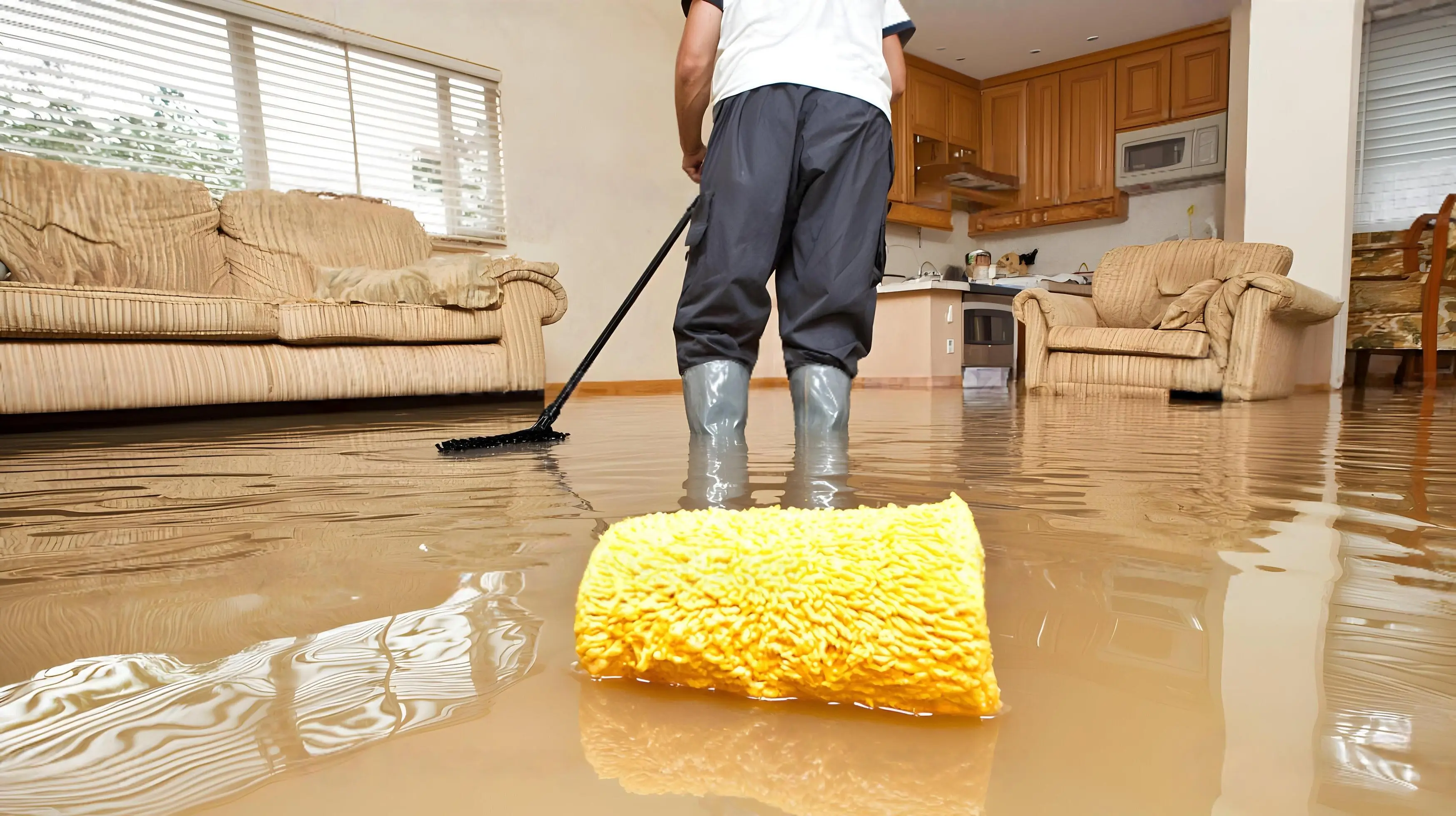
Water Damage Restoration
Burst pipes, storm flooding, standing water. We extract, dry, and restore before mold sets in.
Learn more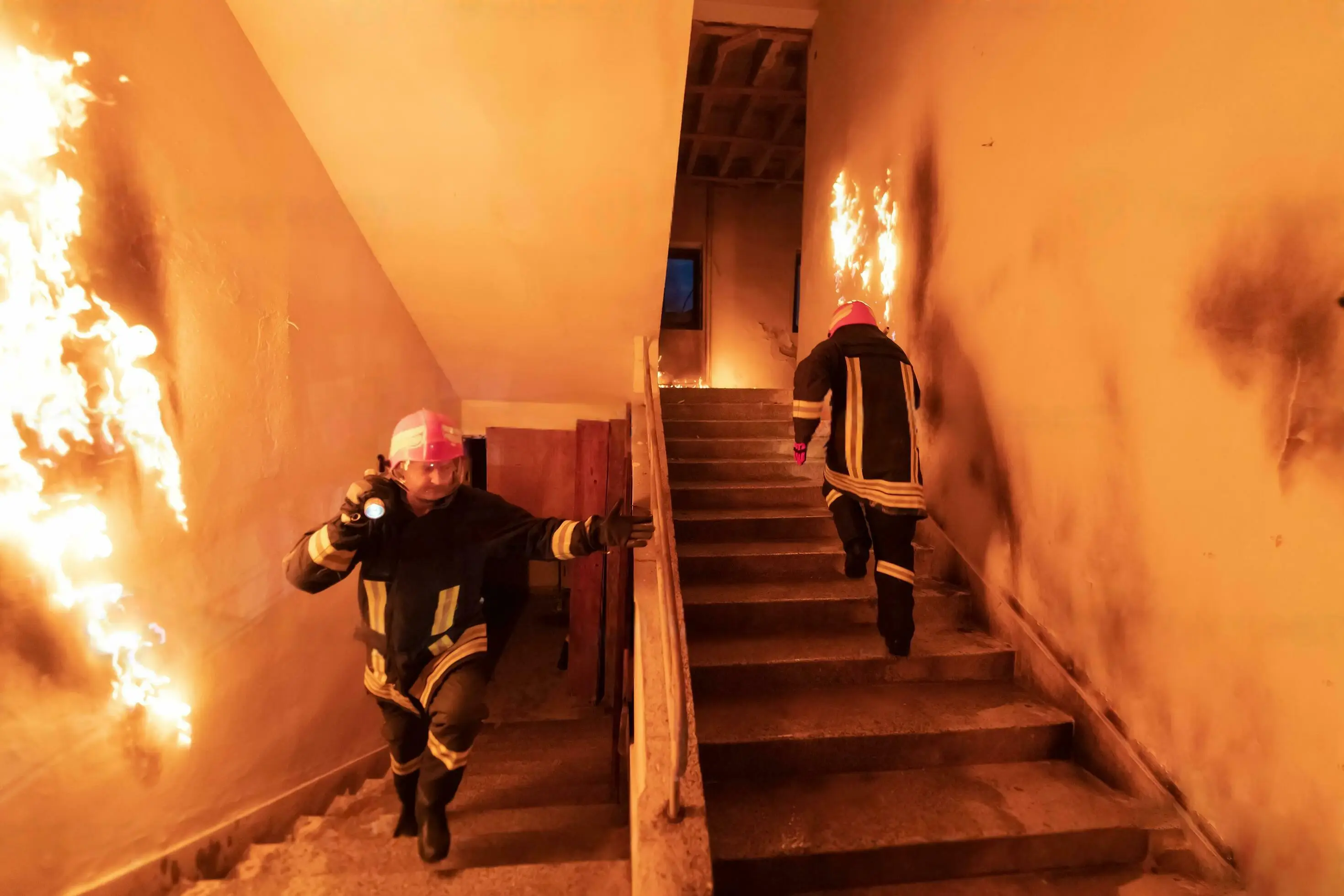
Fire Damage Restoration
Structural damage, soot, debris. We stabilize, clean, and rebuild what fire destroyed.
Learn more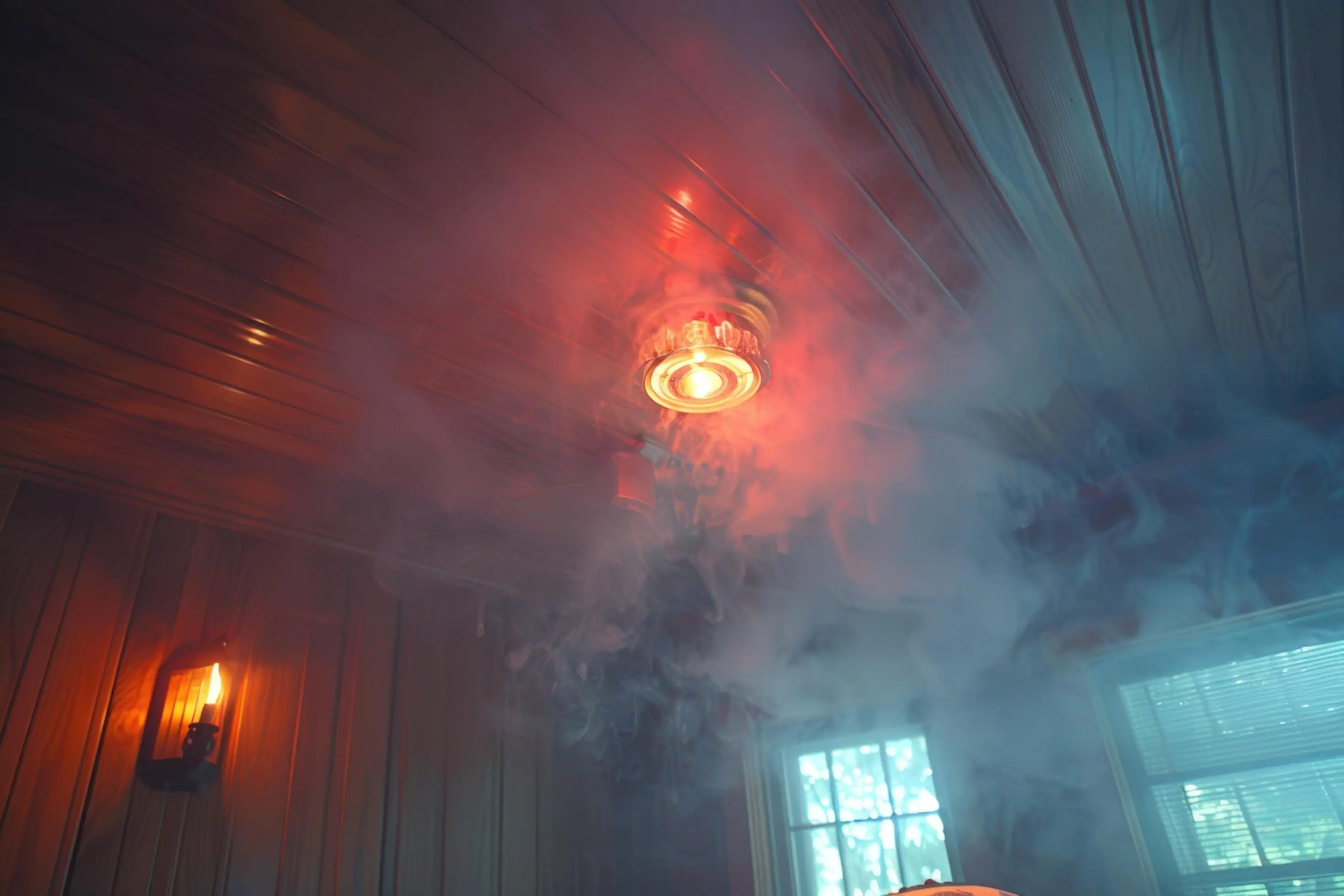
Smoke Damage Restoration
Soot residue, chemical odors, HVAC contamination. We decontaminate surfaces, eliminate odors, and restore air quality.
Learn more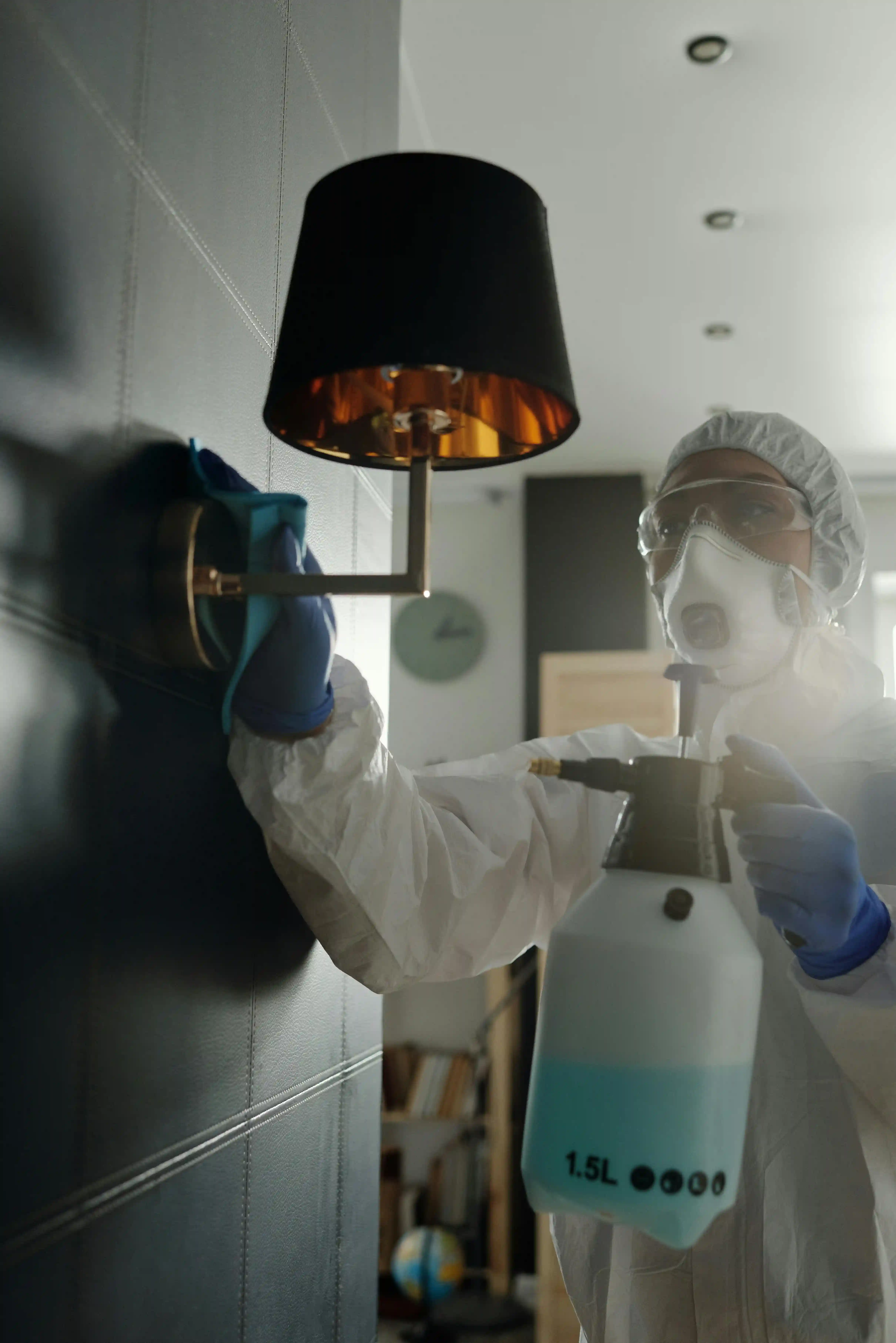
Mold Remediation
Testing, containment, removal, prevention. We find the source, eliminate the growth, and stop it from returning.
Learn more