
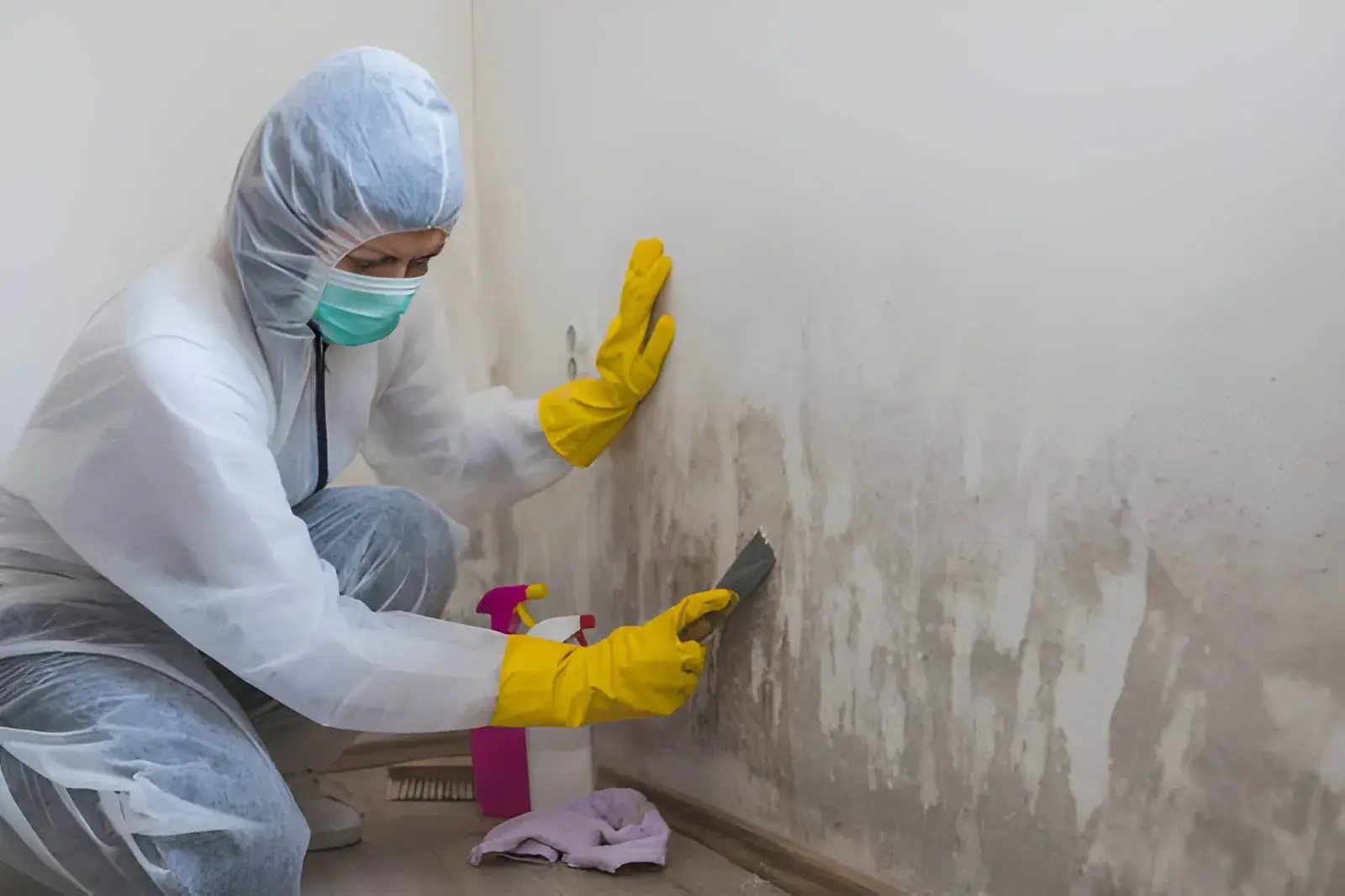
Mold Remediation in DeLand, FL
Mold doubles its colony size every 24 to 48 hours in DeLand's warm, humid conditions. Every day of delay expands the affected area and increases remediation cost. Call for professional assessment now.
What Happens When You Call
A real person answers your call. We assess your situation, ask about visible growth, moisture history, and any symptoms you are experiencing.
Your dedicated remediation team is dispatched from our local base serving DeLand and the surrounding Volusia County communities.
Team arrives with moisture meters, air sampling equipment, containment materials, and HEPA filtration. Professional assessment begins immediately.
Extent mapped, containment established, remediation plan documented. You know exactly what comes next and what it will take.
Mold does not wait. In DeLand's subtropical climate, spores that land on a damp surface can establish a visible colony within 24 to 48 hours and spread aggressively from there. By the time you notice it, the colonization has likely progressed well beyond the visible area into wall cavities, behind cabinetry, and through HVAC systems. You need a professional team that can assess the full extent, contain the growth, remove it safely, and address the moisture source that fed it. X Response exists for exactly this. When you reach out, your remediation team mobilizes immediately. Call now. Your team is standing by.
Why DeLand Homes Are Vulnerable to Mold
DeLand's humid subtropical climate produces an average annual humidity of 74% and approximately 55 inches of rainfall per year, with the National Weather Service recording Volusia County rainfall above 50 inches annually, creating year-round conditions for mold colonization in residential structures. The numbers are the baseline, every day, not occasional spikes. Summer months average 7 to 9 inches of rainfall each, and temperatures hold above 80 degrees Fahrenheit for months at a time. Mold requires three things to colonize: a food source (any organic material, which includes drywall paper, wood, carpet, dust), moisture, and warmth. DeLand provides two of those three every day of the year. The only variable is moisture reaching a surface, and in a climate where humidity rarely drops below 70% and rainfall is measured in feet rather than inches, moisture finds its way into structures through a dozen different pathways.
DeLand's mold risk is compounded by its recent storm history. Hurricane Ian (September 2022), Hurricane Nicole (November 2022), and Hurricane Milton (October 2024) each drove water into thousands of Volusia County homes. Properties that were not dried completely within 48 hours of each event developed mold in wall cavities, beneath flooring, and in HVAC systems. Some homes were repaired cosmetically, with new drywall and paint covering framing that was never fully dried or treated. These concealed colonies continue growing behind finished surfaces, often undetected until occupants develop respiratory symptoms or until the next moisture event reactivates growth that had slowed but never died. DeLand's remediation landscape today includes both active new growth from current moisture problems and legacy colonies from improperly dried storm damage over the past four years.
Year-Round Humidity and the Condensation Cycle
DeLand's average humidity of 74% means that indoor relative humidity in homes without active dehumidification frequently exceeds the 60% threshold where mold growth accelerates. Air conditioning cools the air but also creates temperature differentials between conditioned interior surfaces and unconditioned spaces like attics, wall cavities, and the area beneath slab-on-grade floors. When warm, humid outdoor air contacts cooler surfaces (the exterior side of an air-conditioned wall, the underside of roof sheathing above a cooled room, the concrete slab beneath a cooled home), condensation forms. This condensation cycle operates continuously during DeLand's warm months and provides a steady moisture source to surfaces inside wall cavities, attic spaces, and beneath flooring, locations where mold can grow undetected for months because they are not visible during daily living.
Post-Hurricane Concealed Growth
The three named storms that hit Volusia County between September 2022 and October 2024 created a widespread legacy of concealed mold growth in DeLand homes. When floodwater from the St. Johns River or stormwater backup enters a slab-on-grade home, it saturates the lower portions of drywall, wicks into wall insulation, and soaks the bottom plate of the wall framing. If the home was dried quickly and thoroughly with commercial dehumidification, these materials can be saved. But many DeLand homeowners, overwhelmed by the storm's scale and the demand for restoration services, either dried their homes incompletely, repaired cosmetically without addressing concealed moisture, or delayed restoration long enough for colonization to establish before drying began. The result is mold growing inside wall cavities behind fresh paint and new baseboards, visible only through air quality testing, moisture meter probing, or when the drywall is opened during a later renovation.
Older Housing Stock and Construction Gaps
DeLand's historic homes near the downtown core and Stetson University campus present specific mold challenges. Many of these structures were built between the 1890s and 1960s with construction methods that create moisture traps by modern standards. Plaster-over-lath walls create void spaces where humid air circulates without ventilation. Original single-pane windows allow condensation on glass and frames during cooled-interior/warm-exterior conditions. Older roof penetrations and flashing details allow rain intrusion that travels along rafters and sheathing before emerging far from the entry point. And many of these homes have been retrofitted with air conditioning by cutting supply and return openings into walls and closets, creating pressure imbalances that draw humid outdoor air through the building envelope gaps that older construction inevitably carries. These homes often develop mold in locations that are architecturally concealed: behind plaster walls, in enclosed porch areas converted to living space, in attic spaces above added ceilings, and in enclosed stairwells.
Slab-on-Grade Moisture Migration
The majority of DeLand homes are built on concrete slab-on-grade foundations. In theory, a vapor barrier beneath the slab prevents ground moisture from migrating upward into the home. In practice, many slabs were poured decades ago with inadequate or deteriorated vapor barriers, or the barrier was penetrated by plumbing, post-tension cables, or later modifications. DeLand's karst geology produces a high, responsive water table that rises during heavy rain and presses moisture against the underside of every slab in the area. This moisture migrates through the concrete by capillary action, reaching the interior surface as invisible vapor that condenses against cooler flooring materials above. Carpet installed directly on slab with foam padding creates a sandwich that traps this vapor against organic material, producing mold growth between the pad and the concrete that is invisible from above until the carpet is lifted. Vinyl plank and tile flooring can trap moisture beneath adhesive layers, creating pockets of colonization at the slab surface.
HVAC System as Growth Medium and Distribution Path
Central air conditioning systems in DeLand homes run nearly year-round, cycling humid air across evaporator coils that produce condensation by design. This condensation drains through a pan and into a condensate line, but when the drain clogs, the pan overflows into the air handler cabinet, the supply plenum, and potentially into the ceiling or wall cavity below. A clogged condensate line is one of the most common mold triggers in Florida homes, and in DeLand's climate it can produce visible growth in the air handler within days. Beyond overflow events, the constant presence of moisture on the evaporator coil creates a growth surface, and any mold colonizing the coil or the interior of the air handler distributes spores through the duct system into every room the system serves. Homeowners notice musty odor when the system starts, dark spotting around supply registers, or unexplained respiratory symptoms that improve when they leave the home.
DeLand's mold environment is not a matter of if, but when and where. The climate provides warmth and humidity continuously. The storm history has seeded concealed colonies in thousands of homes. The housing stock includes construction types that trap moisture by design. The geology pushes water up through foundations. And the HVAC systems that keep homes cool also create condensation, distribute spores, and overflow when maintenance lapses. Effective remediation in DeLand means identifying the moisture source, mapping the full extent of growth including concealed colonies, removing contamination safely under containment, and solving the underlying moisture problem so the mold does not return.
What Happens to Your Home While You Wait
Within 24 Hours
Mold spores that land on a moist surface begin germinating. In DeLand's warm, humid conditions (temperatures above 75 degrees, humidity above 60%), germination is rapid. Microscopic hyphae extend into the substrate surface, but no visible growth is apparent yet. This is the window where drying the surface and reducing humidity can prevent colonization entirely. Once germination begins, removing the moisture source becomes urgent.
24–48 Hours
Visible mold colonies begin forming as hyphae multiply and produce the pigmented spore structures that create the characteristic green, black, or white patches. Growth is still surface-level and limited in area. Remediation at this stage typically involves cleaning and treatment without demolition. However, in concealed spaces like wall cavities and beneath flooring, growth at this stage is already invisible to the homeowner, advancing without any visible indicator.
48 Hours–7 Days
Colonies expand rapidly, doubling in size every 24 to 48 hours in favorable conditions. Mold penetrates deeper into porous substrates: drywall paper facing, wood grain, carpet fibers, and grout lines. Surface cleaning is no longer sufficient because the root structure (hyphae) has penetrated below the material surface. Materials must now be removed rather than cleaned. Spore production increases and airborne concentrations rise, triggering health symptoms in sensitive occupants. HVAC distribution spreads spores to unaffected areas of the home.
1–4 Weeks
Extensive colonization across multiple materials and potentially multiple rooms via HVAC distribution or shared wall cavities. Structural wood shows surface colonization and early decay at connection points. Drywall is compromised and requires full replacement. Indoor air quality is measurably degraded. The remediation scope has expanded from a contained cleaning project to a multi-room demolition and reconstruction effort. Occupant health effects are more likely and may require temporary relocation during remediation.
One Month and Beyond
Colony maturation produces heavy spore loads that contaminate the entire home through the HVAC system. Structural wood decay advances at connection points. The remediation becomes a major project involving containment of multiple zones, extensive demolition, HVAC system replacement or deep cleaning, and potentially structural repair where framing integrity has been compromised. Total cost and timeline are multiples of what early intervention would have required.
Mold does not stop growing on its own in DeLand's climate. The warmth and humidity that feed it are present every day of the year. Early professional assessment and intervention is the only reliable way to keep a manageable problem from becoming a major remediation project. Contact X Response now.
How We Restore Mold-Affected DeLand Homes
Mold remediation follows a systematic process that identifies the moisture source, maps the full extent of contamination, removes growth safely under containment, and addresses the underlying conditions that allowed colonization. Here is exactly what the process involves.
Professional Assessment and Moisture Mapping
Our team begins with a thorough inspection using professional moisture meters, thermal imaging cameras, and visual assessment to identify both visible mold growth and concealed moisture conditions that indicate hidden colonization. In DeLand homes, that means checking the obvious locations (bathrooms, kitchens, HVAC systems) plus the hidden ones: wall cavities adjacent to plumbing, beneath flooring at the slab perimeter, inside the air handler cabinet, above ceiling drywall in the attic space, and behind cabinetry where condensation collects on exterior walls. For properties with prior hurricane damage, we probe wall cavities at the flood line to check for concealed growth from incompletely dried storm damage. Air sampling may be conducted to quantify airborne spore concentrations and identify species present. The assessment produces a scope of work that maps every affected area and guides the remediation plan.
Containment and Air Filtration
Before any mold is disturbed, we establish engineering controls to prevent cross-contamination of unaffected areas. Containment barriers of polyethylene sheeting seal the work area from floor to ceiling. Negative air machines with HEPA filtration create controlled pressure that draws air from clean areas into the contaminated zone and exhausts it through filtration to the exterior. This prevents spores released during demolition and cleaning from migrating into other rooms. Supply and return registers in the work area are sealed to prevent the HVAC system from distributing disturbed spores. In DeLand homes where growth involves multiple rooms or the HVAC system itself, containment zones are configured to address each area systematically while protecting occupied spaces.
Mold Removal and Material Demolition
Contaminated porous materials that cannot be effectively cleaned are removed: drywall with mold penetration beyond the paper facing, saturated insulation, carpet and pad with growth at the backing or slab interface, and any organic material where hyphae have penetrated below the surface. Non-porous surfaces that can be cleaned (concrete, metal framing, tile, sealed wood) are treated with appropriate antimicrobial solutions and physically cleaned to remove all visible growth. Structural wood framing is assessed individually: surface colonization on sound wood can be cleaned and treated in place, but framing showing decay or soft spots at connection points requires replacement. All removed material is bagged within the containment zone and disposed of according to Florida regulations. HEPA vacuuming of all surfaces within the work area captures residual spores.
Moisture Source Correction
Removing mold without solving the moisture problem that caused it guarantees recurrence. Our team identifies and corrects the specific moisture pathway: a clogged HVAC condensate line is cleared and rerouted; a plumbing leak is repaired; the slab perimeter is sealed against groundwater migration; roof penetrations are reflashed; building envelope gaps are sealed to reduce humid air infiltration; and dehumidification capacity is assessed relative to the home's specific moisture load. For DeLand homes where the moisture source is climate-driven condensation rather than a discrete leak, the solution may involve adding supplemental dehumidification, improving attic ventilation, or encapsulating the slab perimeter to reduce vapor transmission. The goal is a moisture environment where mold cannot reestablish after remediation is complete.
Verification and Clearance
After remediation, the affected areas are allowed to stabilize before verification testing. Post-remediation air sampling compares spore concentrations in the work area against outdoor baseline and unaffected interior areas. Visual inspection confirms that all visible growth has been removed, affected materials have been replaced or treated, and the moisture source has been corrected. Moisture readings at the remediation boundary confirm that adjacent materials are dry and not at risk. Only after clearance testing confirms acceptable conditions is containment removed and the area released for reconstruction. If any metric does not pass, additional treatment continues until the standard is met. Clearance documentation is provided for your records and any insurance or real estate transaction requirements.
The X Response Difference
When you contact X Response for mold remediation in DeLand, you get a team that removes the mold, solves the moisture problem, and verifies the results with testing. One team, one standard, results that hold because the cause is corrected.
Insurance Claim Guidance for DeLand Homeowners
Mold insurance coverage in Florida is one of the most commonly misunderstood areas of homeowner's policy. Standard Florida policies include mold coverage, but it is typically limited to a sublimit that is far below the cost of significant remediation, often $10,000 to $25,000 depending on the carrier and policy tier. This sublimit applies regardless of the total dwelling coverage you carry. Mold resulting from a covered water damage event (a burst pipe, appliance failure, or wind-driven roof leak) may be covered under the water damage claim rather than the mold sublimit, but only if the water event was covered and the mold development was a direct consequence of it rather than a result of delayed response or ongoing maintenance failure. Mold from chronic moisture conditions, condensation, or unresolved maintenance issues is generally excluded entirely.
How X Response Helps
- Document the relationship between the mold growth and any covered water damage event (burst pipe, appliance failure, storm damage) to support coverage under the water loss rather than the mold sublimit
- Provide professional air sampling and moisture assessment results that establish the extent and location of contamination
- Document the moisture source and timeline to demonstrate that the growth resulted from a sudden event rather than chronic neglect or maintenance failure
- Provide detailed scope of work with line-item costs that allow the adjuster to evaluate the claim against policy provisions
- Photograph and document all concealed mold discovered during remediation that was not visible before demolition, because scope expansion during the project must be communicated to the carrier
X Response does not file claims on your behalf, adjust claims, or make coverage determinations. We provide documentation and guidance to help you make informed decisions about your property and your policy. Coverage decisions are made solely by your insurance carrier.
Certified Restoration Specialists Serving DeLand
When you contact X Response for mold remediation in DeLand, your team is drawn from certified professionals who understand mold behavior in Volusia County's specific climate conditions. They have remediated post-hurricane concealed growth in homes where prior restorations left mold behind finished walls. They have addressed HVAC-driven distribution where a clogged condensate line seeded an entire duct system. They have worked DeLand's older downtown homes where plaster walls and enclosed building cavities create complex remediation environments that differ from modern drywall construction. They know the difference between surface colonization that can be cleaned in place and subsurface penetration that requires material removal, and they make that determination based on professional assessment rather than guesswork. This is not a crew with a bottle of bleach. It is a certified remediation team operating under industry protocols.
Every technician on your team holds current IICRC certification in mold remediation and operates under Florida's mold-related services licensing requirements. Equipment includes professional moisture meters, thermal imaging cameras, air sampling pumps, HEPA-filtered negative air machines, containment barrier systems, and the antimicrobial treatments appropriate for each substrate type. When your team arrives, they are equipped to assess, contain, and remediate without returning later for specialized tools.
In DeLand, X Response works with Hugo Fire and Water, an independent local restoration partner serving Volusia County.
Mold Remediation FAQ for DeLand Homeowners
Other Emergency Services in DeLand
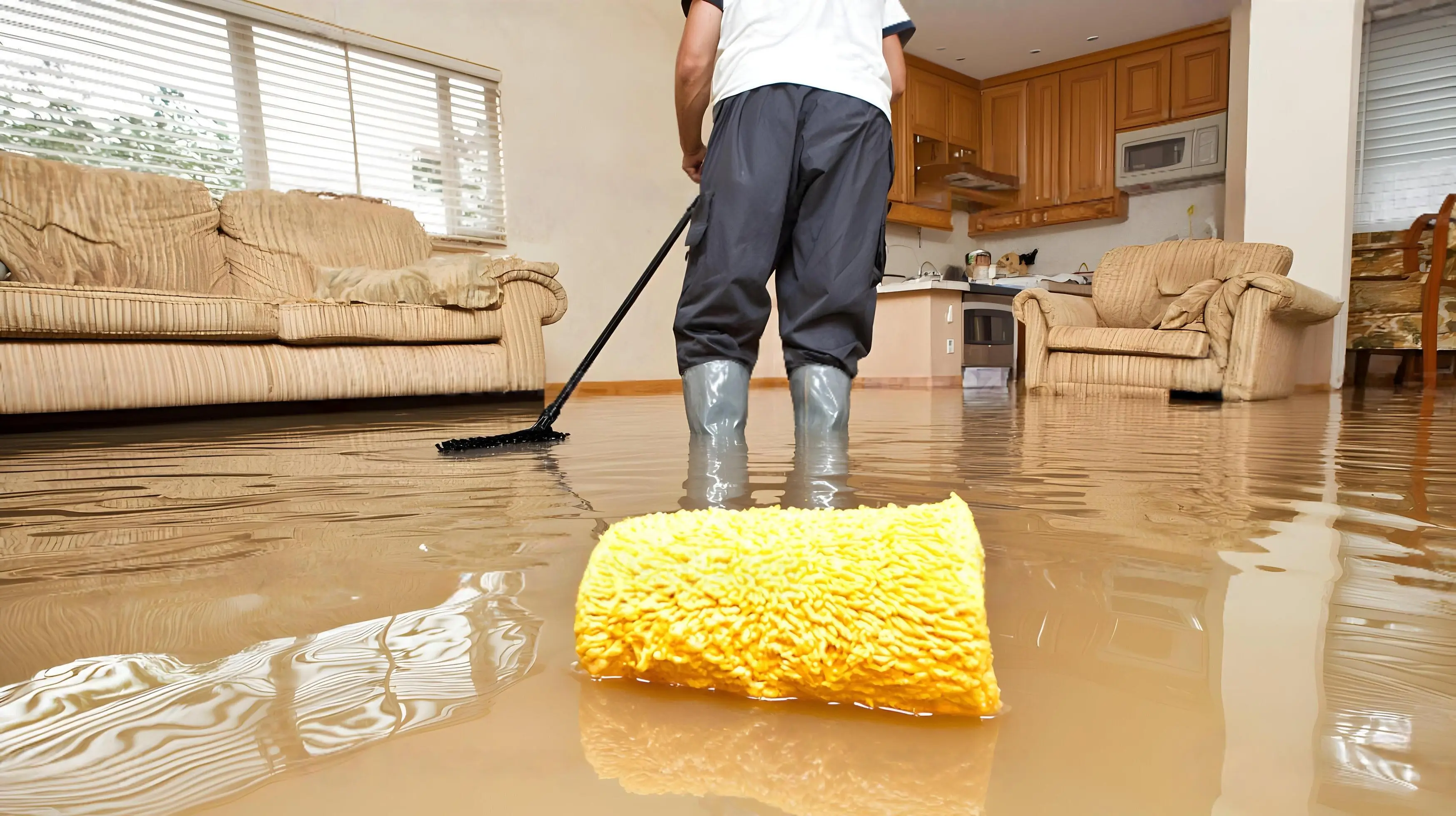
Water Damage Restoration
Burst pipes, storm flooding, standing water. We extract, dry, and restore before mold sets in.
Learn more
Fire Damage Restoration
Structural damage, soot, debris. We stabilize, clean, and rebuild what fire destroyed.
Learn more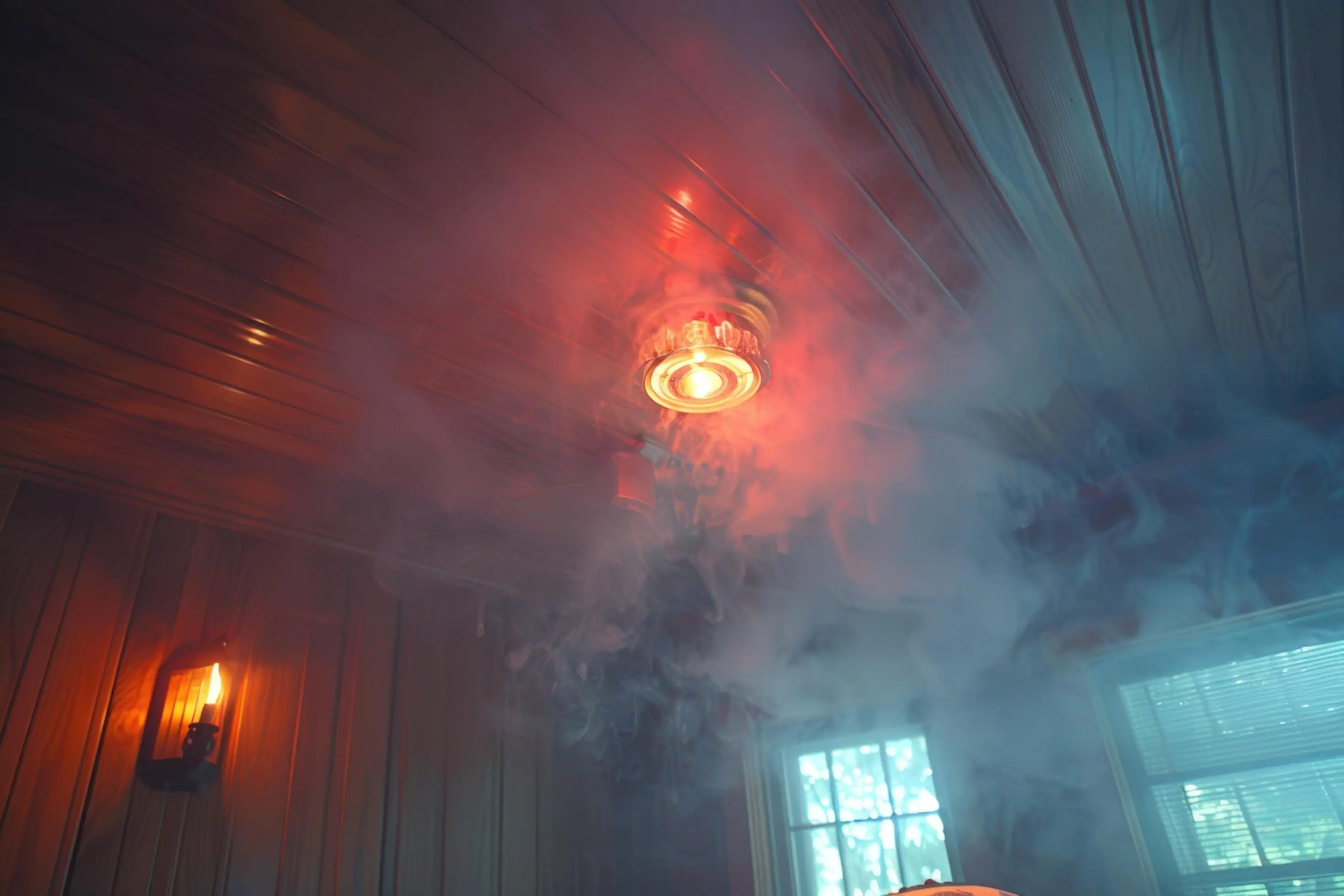
Smoke Damage Restoration
Soot residue, chemical odors, HVAC contamination. We decontaminate surfaces, eliminate odors, and restore air quality.
Learn more
Sewage Cleanup
Sewer backups, contaminated water, biohazard. We extract, sanitize, and restore safely.
Learn more