
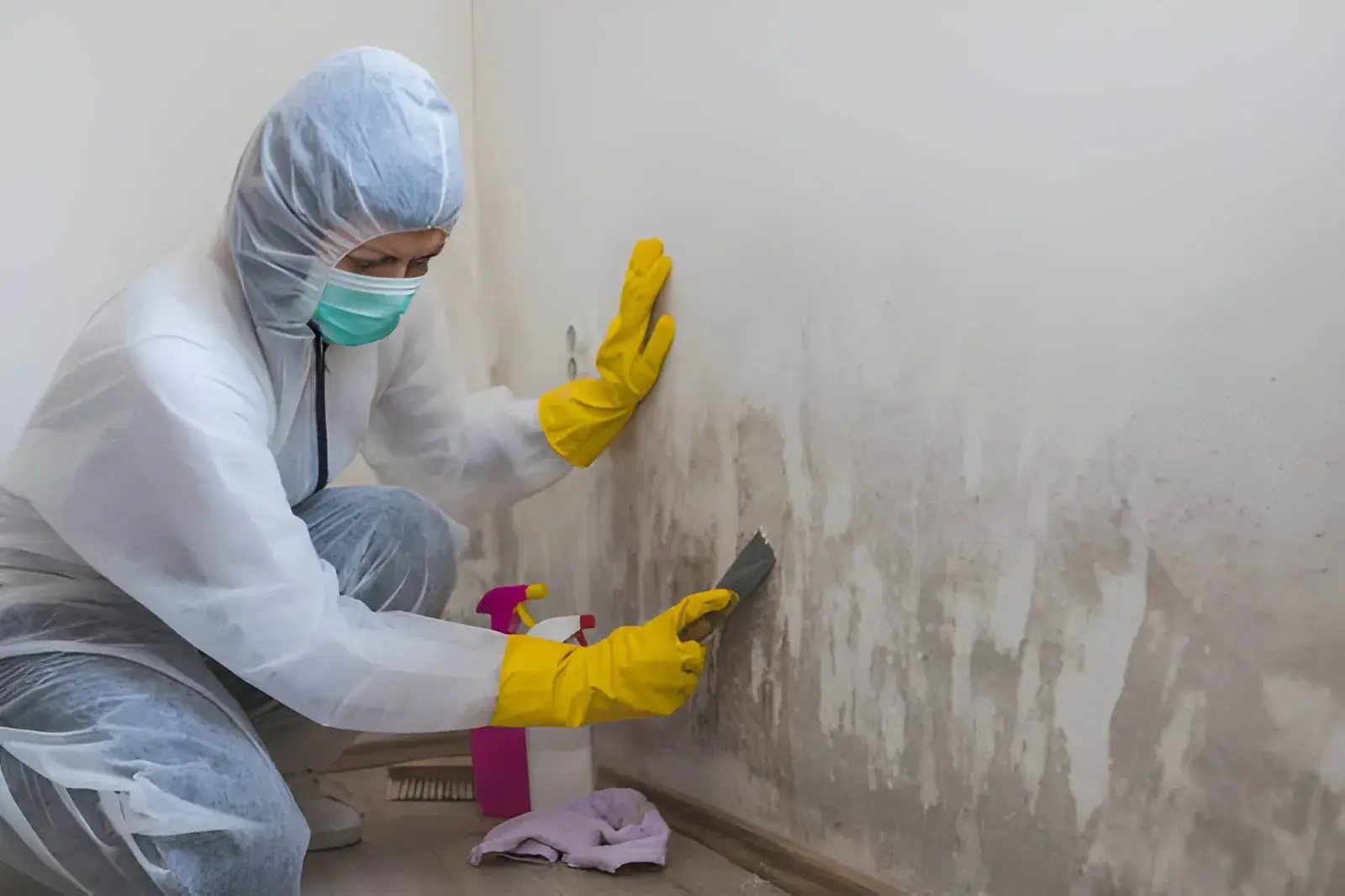
Mold Remediation in Rolling Meadows, IL
Mold doubles its colonized area every 24 to 48 hours in favorable conditions. Our local team responds to Rolling Meadows emergencies within 60 minutes.
What Happens When You Call
A real person answers, not a call center. We assess your situation, ask the right questions, and begin coordinating your response immediately.
Your dedicated remediation team is dispatched from our local base serving Rolling Meadows and the surrounding northwest Cook County communities.
Team arrives with moisture meters, thermal imaging, air sampling equipment, and containment materials. Assessment begins immediately.
Mold extent mapped, containment established, remediation plan documented. You know exactly what comes next.
You have found mold in your home, or you suspect it is there from a musty smell, unexplained respiratory symptoms, or visible discoloration on surfaces. Mold does not wait for a convenient time. It grows continuously in the right conditions, and the conditions inside a Rolling Meadows home with moisture intrusion are nearly ideal. X Response exists for exactly this moment. When you reach out, your remediation team is mobilized within minutes and on site within the hour. From that point forward, one team manages everything: inspection, containment, removal, prevention, and documentation. Call now. Your team is standing by.
Why Rolling Meadows Homes Are Vulnerable to Mold
Rolling Meadows sits within the Upper Salt Creek Watershed, a 55.3-square-mile drainage area where the MWRD operates five regional reservoirs providing 2,163 acre-feet of detention, yet the city's 1950s storm sewer infrastructure still overwhelms during heavy rain, creating recurring basement moisture conditions. A residential city of approximately 24,200 people in northwest Cook County, built primarily during the 1950s when developer Kimball Hill constructed the original housing stock on former farmland along Salt Creek, Rolling Meadows sits squarely in Climate Zone 5A, where cold winters require homes to be sealed tight for months at a time, trapping interior moisture from cooking, bathing, and respiration with no natural ventilation. When spring arrives and snowmelt saturates the clay-heavy soils around foundations, the combination of exterior moisture pressure and interior humidity creates conditions ideal for mold colonization in basements, crawl spaces beneath additions, and wall cavities where condensation forms on cold surfaces. The city's ongoing battle with undersized storm sewers, documented by the $810,000 federal funding secured in 2024 for the Kimball Hill Elementary School area and the earlier Illinois EPA GIGO grant for Park Street, means that basement moisture intrusion from backed-up storm drainage is not a rare event but a recurring condition in specific neighborhoods.
Illinois does not require a state-specific mold remediation license, which means the barrier to entry for companies performing mold work is lower than in states that regulate the industry directly. The IICRC S520 Standard for Professional Mold Remediation and the ANSI/IICRC R520 Reference Guide provide the industry framework that competent remediation firms follow, and the Applied Microbial Remediation Technician (AMRT) certification from the Institute of Inspection, Cleaning and Restoration Certification (IICRC) serves as the professional credential that distinguishes trained practitioners from general contractors who add mold removal to their service list without the specialized knowledge the work requires. For Rolling Meadows homeowners, this lack of state licensing means the responsibility falls on you to verify that the company you hire follows established protocols, maintains proper certifications, and performs post-remediation verification rather than simply removing visible mold and declaring the job complete.
1950s Basements and Foundation Moisture
The original Kimball Hill homes that established Rolling Meadows were built with basement construction typical of the 1950s: concrete block walls, exterior tar-coat waterproofing, and clay tile foundation drains that were designed to last 30 to 40 years before deterioration. Seventy years later, those waterproofing systems have long since failed. The tar coating has become brittle and cracked, allowing water to contact the porous block wall directly. The clay tile drains have crushed, filled with silt, or separated at joints. The clay-heavy soils throughout the area hold moisture against the foundation rather than draining it to the failed tile system. The result is chronic basement moisture: not dramatic flooding events but persistent dampness that keeps relative humidity above the 60 percent threshold where mold thrives. Block walls wick moisture through their porous structure and release it as water vapor on the interior face, maintaining elevated humidity even when no standing water is visible. This chronic dampness produces mold growth on basement walls, floor joists above the basement, stored materials against perimeter walls, and within wall cavities where finished basement spaces were added over the original block.
Storm Sewer Backups and Residual Moisture
Rolling Meadows' storm sewer system was sized in the 1950s for a development density and impervious surface coverage that has since been vastly exceeded by decades of infill building and lot paving. When heavy rain overwhelms pipe capacity, water backs up into streets, yards, and basements through floor drains and foundation joints. These events introduce large volumes of water into basement spaces that may drain within hours once the storm passes but leave behind elevated moisture in concrete, block walls, carpet, and stored materials. If that residual moisture is not extracted and mechanically dried within 24 to 48 hours, mold colonization begins on organic materials throughout the affected space. The federal funding secured for the Kimball Hill area storm sewers in 2024 and the earlier IEPA grant for Park Street confirm that these drainage failures are recognized, recurring problems rather than extraordinary events, meaning the mold risk in affected neighborhoods is not a one-time concern but an ongoing condition tied to infrastructure limitations.
Cook County Humidity and Sealed Winter Homes
Rolling Meadows sits in Climate Zone 5A, where summer humidity regularly pushes outdoor dew points above 65 degrees Fahrenheit from June through September and winter temperatures require homes to be sealed and heated for five or more months. During summer, humid outdoor air enters basements through open windows, vents, and building envelope gaps, and condenses on cool foundation walls and floor slabs that remain at ground temperature (55 to 60 degrees year-round). This condensation cycle maintains surface moisture on basement walls throughout the humid season even without any water intrusion event. During winter, sealed homes trap moisture from daily activities (cooking, showering, laundry) that cannot escape through ventilation. When that moisture contacts cold exterior walls or window frames, condensation forms and creates localized conditions favorable to mold growth in wall cavities, around window sills, and at thermal bridges where insulation is thin or absent. The seasonal cycle alternates between summer condensation in the basement and winter condensation in the living space, meaning some part of the home is vulnerable to mold conditions year-round.
Condominium and Multi-Unit Moisture Issues
Rolling Meadows' substantial inventory of condominium and apartment buildings from the 1960s through 1980s presents specific mold challenges that single-family homes do not face. Shared plumbing risers that serve multiple units can develop slow leaks within wall cavities, providing a continuous moisture source that goes undetected for weeks or months until mold growth becomes visible or produces a musty odor. Flat or low-slope roofs on these buildings develop membrane failures that allow water to enter ceiling cavities and insulation layers above occupied units. Inadequate bathroom exhaust systems that vent into shared attic spaces rather than directly to the exterior concentrate moisture in communal structural areas where no individual owner monitors conditions. When mold is discovered in a multi-unit building, remediation must address not just the visible growth in one unit but the moisture source that may originate in common infrastructure or an adjacent unit's plumbing, requiring coordination between the homeowner, the HOA or building management, and sometimes neighboring unit owners.
Post-Water-Damage Mold Development
Every water damage event in Rolling Meadows carries a secondary mold risk if drying is incomplete or delayed. The city's combination of repeated storm-sewer flooding, Salt Creek high-water events, and interior plumbing failures in aging 1950s infrastructure means water intrusion events are not rare. When a basement floods and is pumped out but not mechanically dried, residual moisture in concrete, block walls, carpet padding, and the lower portions of finished wall assemblies provides the sustained dampness mold needs. Cook County's humid climate extends the natural drying time compared to arid regions, meaning materials stay wet longer and mold has a wider colonization window. Many Rolling Meadows homeowners who experience a basement flood pump out the standing water, run a fan, and consider the problem solved, not realizing that the materials behind their finished basement walls, inside floor joists, and beneath their flooring system remain damp enough for mold to colonize within 24 to 48 hours of the initial event.
These factors create a year-round mold environment in Rolling Meadows rather than a problem limited to a single season or event type. The 1950s basements provide chronic foundation moisture from failed waterproofing. The storm sewer limitations produce repeated acute flooding events that leave residual moisture. The climate delivers summer condensation and winter trapped humidity. The multi-family buildings add shared-infrastructure moisture sources that individual owners cannot control. And every water damage event that is not professionally dried to completion introduces a new mold colonization opportunity. Effective mold remediation here means not just removing visible growth but identifying and addressing the moisture source that fed it, drying the affected materials to a level that prevents recolonization, and verifying with post-remediation testing that spore levels have returned to acceptable limits.
What Happens to Your Home While You Wait
Within 24 Hours
Mold spores, which are always present in ambient air, land on wet surfaces and begin germinating. At this stage there is no visible growth, but the biological process has started. Materials that remain above 60 percent moisture content in Rolling Meadows' humid environment provide ideal conditions for germination. This is the critical intervention window: if materials are dried below the moisture threshold within this period, colonization typically does not establish.
24–48 Hours
Visible mold colonies begin appearing on the most favorable surfaces: paper-faced drywall, cardboard storage boxes, organic dust on concrete, and the paper backing of fiberglass insulation. Growth appears as spots or patches of discoloration, often starting in corners and along baseboards where moisture concentrates. The musty odor that signals active growth becomes detectable. At this point the mold is surface-level and can be removed through professional cleaning protocols without necessarily requiring full material removal.
48–72 Hours
Colonies expand and begin producing spores in quantities sufficient to elevate indoor air quality measurements above baseline. Mold penetrates deeper into porous materials: through drywall paper into the gypsum core, into the grain structure of wood framing, and through carpet fibers into the backing and pad. Growth spreads along floor joists, sill plates, and the concealed surfaces of finished wall assemblies. The remediation scope expands from surface cleaning to material removal as penetration depth exceeds what cleaning can address.
3–7 Days
Extensive colonization across all organic materials in contact with moisture. Spore counts in indoor air climb to levels associated with health symptoms: respiratory irritation, allergic responses, and in sensitive individuals, more serious reactions. Mold growth behind finished walls and in concealed structural cavities means that visible growth on the room side represents only a fraction of the actual colonization. HVAC systems that continue operating during this period distribute spores throughout the home, seeding colonization in areas remote from the original moisture source.
One Week and Beyond
Structural materials show decay at connection points. Wood framing weakens where mold has consumed the cellulose. Drywall disintegrates in heavily colonized areas. The scope has shifted from remediation to demolition and rebuild of affected assemblies. Health risk to occupants increases with prolonged exposure, particularly for children, elderly residents, and those with respiratory conditions or compromised immune systems. Insurance claims become more complex as the scope grows and carriers may question whether timely intervention could have limited the damage.
The difference between a targeted mold cleaning and a gut-level demolition is often just 24 to 48 hours of response time after the moisture event. Contact X Response now. Our Rolling Meadows team responds within 60 minutes.
How We Restore Mold-Affected Rolling Meadows Homes
From the moment our team arrives, every step follows the IICRC S520 Standard for Professional Mold Remediation. Here is exactly what the process involves for Rolling Meadows properties.
Inspection and Moisture Source Identification
Our team arrives with professional moisture meters, thermal imaging cameras, and air sampling equipment to assess the extent of mold growth and identify the moisture source driving it. In Rolling Meadows homes, that means checking basement walls for moisture wicking through deteriorated block, probing around floor drains for evidence of storm-sewer backup residue, scanning ceiling cavities in condo units for roof-membrane failures, and testing HVAC systems for elevated spore levels that indicate contamination has already distributed through the ductwork. We do not treat mold as a surface problem. We identify what is keeping the affected area wet and address that moisture source as part of the remediation plan. If the source is not corrected, mold will return regardless of how thoroughly the visible growth is removed.
Containment and Worker Protection
Before any mold is disturbed, we establish engineering controls to prevent spore dispersal into unaffected areas. Polyethylene barriers seal off the work area from the rest of the home. Negative air pressure machines with HEPA filtration maintain a lower pressure inside the containment than outside, ensuring that any spores released during removal flow toward the filter rather than escaping into the living space. Workers enter and exit through a decontamination chamber. These controls are not optional, as they are the standard of care established by the IICRC S520 protocol. For Rolling Meadows condo units where shared walls and HVAC systems connect to neighboring spaces, containment includes sealing duct registers, plumbing penetrations, and electrical boxes that could provide pathways for spore migration into adjacent units.
Mold Removal and Material Disposal
With containment established, affected materials are removed according to their colonization depth. Porous materials where mold has penetrated beyond the surface, including drywall, insulation, carpet, and particleboard, are cut out, double-bagged in 6-mil poly, and removed from the home for disposal. Non-porous and semi-porous materials where mold is limited to the surface, including concrete, wood framing, and metal, are cleaned using HEPA vacuuming followed by antimicrobial treatment and physical removal of surface growth. For Rolling Meadows basements where mold has colonized the block foundation wall itself, we clean the block surface, apply antimicrobial treatment, and address the exterior moisture pathway that allowed the growth. All removed materials are documented with photographs for insurance purposes before disposal.
Drying and Moisture Correction
Once mold-affected materials are removed, the remaining structure must be dried to levels that prevent recolonization. We deploy commercial dehumidifiers and air movers to bring exposed framing, concrete, and remaining building materials below the moisture threshold where mold can grow (generally below 16 percent for wood and below 60 percent relative humidity for ambient air). For Rolling Meadows basements with chronic foundation moisture, this phase includes recommendations for long-term moisture management: interior drainage systems, sump pump installation or upgrade, exterior waterproofing repair, and dehumidification equipment sized for the space. The remediation is incomplete if we remove today's mold but leave the moisture pathway that will produce tomorrow's growth.
Post-Remediation Verification
After remediation is complete and the work area has been cleaned, we conduct post-remediation verification to confirm the work meets the clearance criteria established in the IICRC S520 standard. This includes visual inspection confirming no visible mold remains on any surface within the remediation area, moisture readings confirming all materials are below growth thresholds, and air sampling comparing spore levels inside the remediated area against a baseline outdoor sample. The clearance criteria require that indoor levels be comparable to or lower than outdoor ambient levels. If any measure does not pass, work continues until it does. You receive a written clearance report documenting the test results, the remediation scope completed, and the verification findings, suitable for your insurance claim and for any future property transaction.
The X Response Difference
When you contact X Response for mold in your Rolling Meadows home, you get a team that follows established protocols from inspection through verification, addresses the moisture source that caused the problem, and proves the remediation worked with objective post-clearance testing. One team, one standard, documented results.
Insurance Claim Guidance for Rolling Meadows Homeowners
Mold remediation insurance coverage in Illinois is complex and depends primarily on the moisture source that caused the growth. Most standard homeowner's policies cover mold remediation when the mold results from a covered water damage event, such as a burst pipe, appliance failure, or storm damage to the roof. However, many policies cap mold coverage at $5,000 to $25,000 regardless of the actual remediation cost, and some exclude mold entirely unless a specific endorsement is purchased. Mold growth from chronic conditions, such as long-term foundation seepage through deteriorated 1950s waterproofing, condensation from inadequate ventilation, or gradual plumbing leaks, is typically excluded as a maintenance issue rather than a covered loss. For Rolling Meadows homeowners whose mold resulted from a storm-sewer backup into the basement, coverage depends on whether you carry a sewer and drain backup endorsement, as the mold is a consequence of the backup event and follows that coverage path.
How X Response Helps
- Document the moisture source clearly, as coverage depends on whether mold resulted from a sudden covered event or a chronic maintenance condition
- Record the timeline from water event to mold discovery, demonstrating that the growth developed despite reasonable homeowner response
- Photograph all mold-affected areas before, during, and after remediation with moisture readings at each stage
- Obtain post-remediation clearance testing results, which insurers typically require before approving reconstruction of remediated areas
- Check your policy's mold coverage sublimit, as many Illinois policies cap mold at $5,000 to $25,000 even when the underlying water event is fully covered
X Response does not file claims on your behalf, adjust claims, or make coverage determinations. We provide documentation and guidance to help you make informed decisions about your property and your policy. Coverage decisions are made solely by your insurance carrier.
Certified Restoration Specialists Serving Rolling Meadows
When you contact X Response for mold remediation in Rolling Meadows, your team is drawn from certified professionals who work across northwest Cook County and understand the specific moisture and mold dynamics in this community. They know how the 1950s Kimball Hill basements wick moisture through deteriorated block walls, how the storm-sewer backup pattern in the Kimball Hill and Park Street neighborhoods leaves residual moisture that colonizes within days, how the condo buildings along Algonquin Road and Kirchoff Road develop concealed moisture sources in shared plumbing and roof systems, and how the seasonal humidity cycle in Climate Zone 5A creates condensation-driven mold in both summer basements and winter wall cavities. They have remediated basement mold colonies growing on block walls for years, post-flood mold in recently finished basements, attic mold from bathroom exhaust venting into roof cavities, and multi-unit mold problems that originated in one unit's plumbing and spread through shared structural spaces. This is not a general contractor adding mold to their service list. It is a dedicated remediation team with the certifications, equipment, and protocols the work demands.
Every technician on your team holds current IICRC certification in Applied Microbial Remediation (AMRT) and follows the S520 Standard for Professional Mold Remediation throughout the process. Equipment includes professional moisture meters and thermal imaging for source identification, negative air machines with HEPA filtration for containment, commercial dehumidifiers for structural drying, and air sampling equipment for pre- and post-remediation testing. When your team arrives, they bring everything needed to assess, contain, and begin remediation immediately without waiting for equipment deliveries or subcontractor scheduling.
In Rolling Meadows, X Response works with Scene Cleaners, an independent local restoration partner serving Cook County.
Mold Remediation FAQ for Rolling Meadows Homeowners
Other Emergency Services in Rolling Meadows
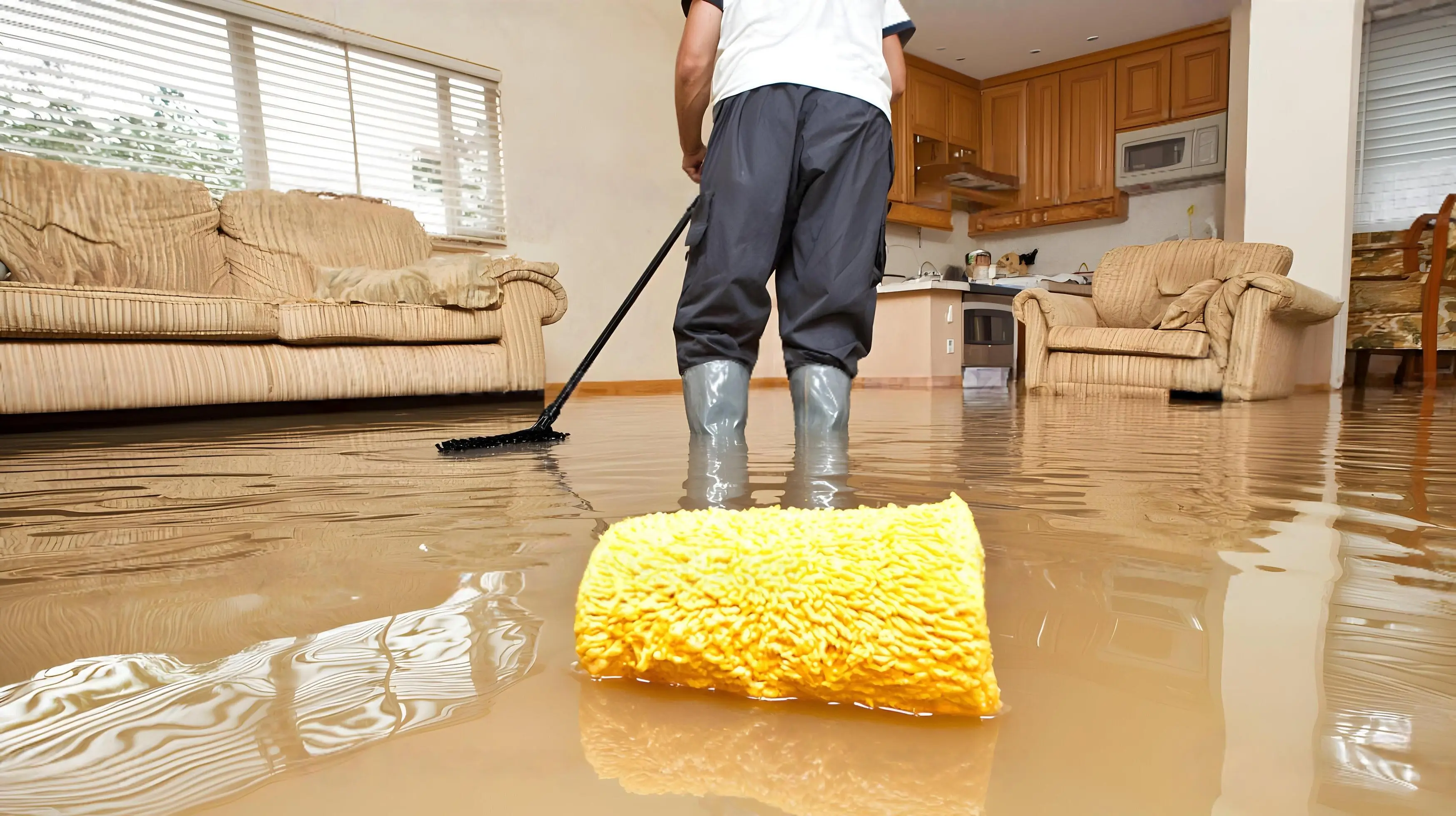
Water Damage Restoration
Burst pipes, storm flooding, standing water. We extract, dry, and restore before mold sets in.
Learn more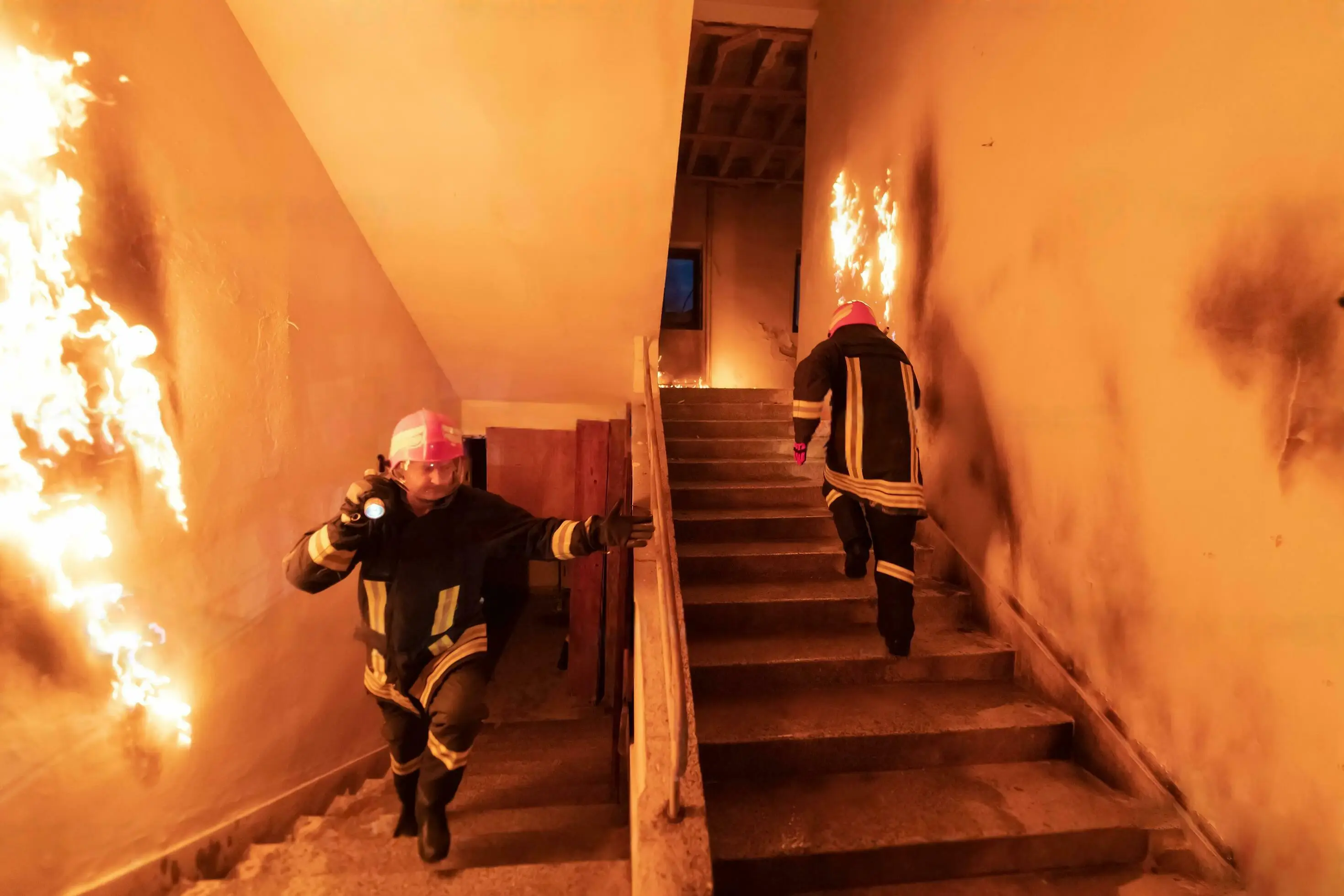
Fire Damage Restoration
Structural damage, soot, debris. We stabilize, clean, and rebuild what fire destroyed.
Learn more
Smoke Damage Restoration
Soot residue, chemical odors, HVAC contamination. We decontaminate surfaces, eliminate odors, and restore air quality.
Learn more
Sewage Cleanup
Sewer backups, contaminated water, biohazard. We extract, sanitize, and restore safely.
Learn moreNearby Service Areas
Also serving nearby: