
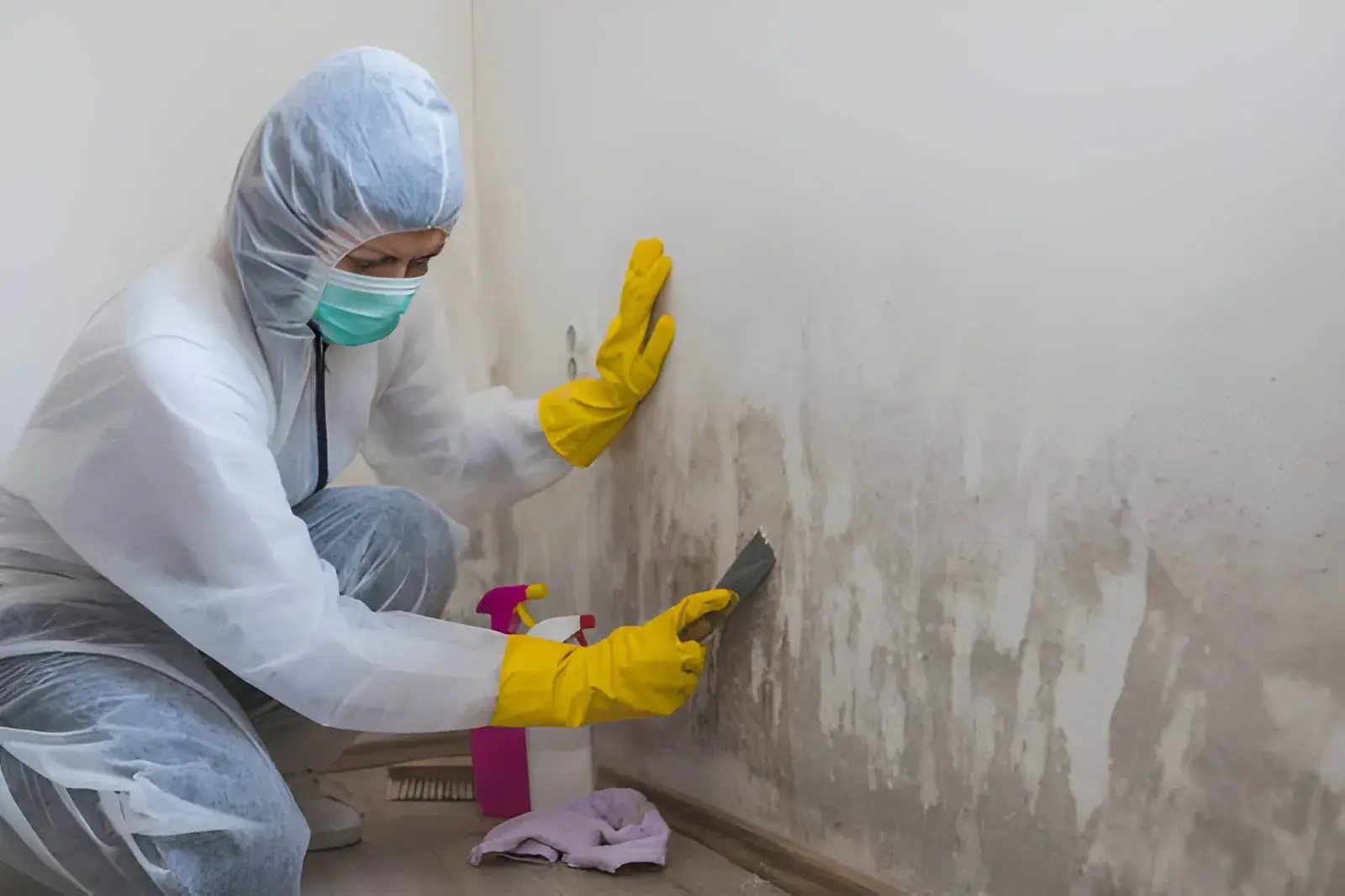
Mold Remediation in Palatine, IL
Mold doubles its colony size every 24 to 48 hours in the right conditions. Palatine's high water table and humid summers create those conditions in basements throughout the village. Our local team responds within 60 minutes to begin containment.
What Happens When You Call
A real person answers and assesses the scope of your mold concern. We ask the right questions about moisture history, visible growth area, and health symptoms.
Your dedicated remediation team is dispatched from our local base serving Palatine and the surrounding northwest Cook County communities.
Team arrives with moisture detection equipment, air sampling tools, and containment materials. Assessment and initial containment begin immediately.
Scope of contamination mapped, containment barriers in place, remediation plan documented. You know exactly what comes next.
You found mold in your home. Maybe behind a basement wall panel, around a window frame, or spreading across the ceiling of a bathroom. It did not appear overnight, and it will not stop growing on its own. Mold needs moisture and organic material, and it has both in your home right now. X Response exists for this moment. When you reach out, your remediation team is mobilized within minutes. One team handles assessment, containment, removal, and prevention from start to finish. Call now. Your team is standing by.
Why Palatine Homes Are Vulnerable to Mold
Palatine's mold risk is driven by the same factors that make it vulnerable to water damage: a high water table fed by the Salt Creek headwaters at Wilke Marsh, a housing stock built primarily in the 1960s and 1970s with full basements below the water table, and a northern Illinois climate that cycles between winter condensation problems and summer humidity that sustains biological growth. The village sits at the top of the Upper Salt Creek Watershed, where the saturated soils surrounding the marsh keep groundwater pressure against basement foundations year-round. Even homes that have never experienced a dramatic flooding event often develop chronic moisture problems as their original foundation waterproofing deteriorates over 50 to 60 years, admitting just enough moisture through capillary action and vapor transmission to sustain mold growth behind finished walls and beneath flooring.
The Illinois Department of Public Health's guidance on indoor mold emphasizes that testing to identify mold species is generally unnecessary when growth is visible. The department recommends removing any visible mold regardless of type, because all indoor mold growth indicates a moisture problem that must be corrected. For Palatine homeowners, this means the priority is not identifying what species is growing but rather finding and fixing the moisture source that allowed it to establish. In Palatine's specific context, that moisture source is often not a dramatic leak or flood event but rather chronic low-level moisture intrusion through aging foundations, condensation on cold basement walls during temperature transitions, or inadequate ventilation in bathrooms and laundry areas where warm, humid air contacts cooler surfaces.
High Water Table and Foundation Moisture Intrusion
Palatine's position at the headwaters of Salt Creek means groundwater sits closer to the surface here than in communities further downstream. Homes built during the 1960s and 1970s growth period were waterproofed with exterior tar coatings and perimeter drain tiles that deteriorate over 50 to 60 years. As these systems fail, moisture migrates through the concrete foundation walls via capillary action, a process invisible from the exterior that manifests as damp spots, efflorescence (white mineral deposits), or mold growth on the interior face of basement walls. The moisture does not need to be dramatic. A relative humidity above 60% at the wall surface, sustained over several days, provides sufficient moisture for mold colonization. In Palatine's saturated-soil environment, many basements maintain this humidity level year-round without any visible water entry, particularly behind finished walls where air circulation is minimal and the cold concrete surface creates a condensation zone.
Finished Basements Concealing Active Growth
Many Palatine homes built in the 1960s and 1970s feature finished basements with framed walls, insulation, and drywall installed directly against the concrete foundation. This construction creates a hidden cavity between the concrete and the finished surface where conditions are ideal for mold: darkness, still air, organic material (paper-faced drywall, wood framing, fiberglass insulation facing), and moisture migrating through the foundation. Mold can grow undetected for months or years in this cavity because the finished wall conceals it from view. Homeowners often discover the problem only when the growth becomes extensive enough to produce visible staining on the finished side, musty odors detectable in the living space, or health symptoms in family members spending time in the basement. By that point, the contamination typically extends across large sections of the basement wall cavity and may have spread into ceiling joist bays and floor systems above.
Summer Humidity and Condensation Cycling
Palatine's climate delivers summers with sustained humidity that pushes indoor relative humidity above the 60% threshold for mold growth if mechanical dehumidification is not actively running. Basement environments are particularly vulnerable because the concrete foundation stays cool relative to the warm, humid summer air, creating condensation on surfaces and within wall cavities. When air conditioning cools the upper floors but the basement receives less conditioned air (a common situation in homes with undersized ductwork to below-grade spaces), the basement maintains higher humidity levels than the living space above. This differential creates persistent condensation on cold surfaces, including concrete walls, cold water pipes, and the backside of finished wall assemblies, sustaining mold growth through the entire May-through-September period.
Post-Flood Mold in Water-Damaged Basements
Palatine's flooding history, from the July 2011 storm that dropped 7 inches in under 24 hours to the recurring Buffalo Creek corridor flooding, means many homes have experienced basement water events that created lasting mold problems. When floodwater recedes or is extracted, moisture remains in wall cavities, beneath flooring, and in insulation for days or weeks depending on drying conditions. Mold colonizes these materials within 24 to 48 hours of wetting and can establish extensive hidden growth before the homeowner realizes drying is incomplete. Homes that experienced flooding, had water extracted, but did not receive professional drying and verification often develop chronic mold problems months later as the organisms that established during the wet period continue growing on residual moisture and the organic materials within the wall assembly.
Bathroom and Laundry Ventilation Deficiencies
Many Palatine homes built during the 1960s and 1970s have bathroom exhaust fans that either vent into the attic rather than to the exterior (a common shortcut during that construction era), have deteriorated ductwork with gaps or disconnections, or have fans too weak to effectively remove moisture during showers. Each shower produces several pints of water vapor that must be exhausted from the space. When that moisture is not removed, it condenses on cooler surfaces: ceiling corners, window frames, behind mirrors, and within the wall cavity around the shower enclosure. Over time, this creates chronic mold growth in bathrooms that the homeowner addresses with bleach cleaning but cannot eliminate because the moisture source, inadequate ventilation, is never corrected. The same pattern occurs in laundry areas where dryers vent warm, humid air into the space rather than to the exterior, or where washing machine hoses develop slow leaks behind the unit.
Mold in Palatine homes is rarely a surprise event. It is the predictable result of a high water table pushing moisture against aging foundations, finished basements concealing growth in hidden cavities, summer humidity sustaining organisms that established during a previous moisture event, and ventilation systems that were never adequate for the moisture loads they handle. Effective mold remediation means not only removing the growth but identifying and correcting the moisture source that allowed it, because any remediation that does not address the water path will result in recurrence.
What Happens to Your Home While You Wait
24–48 Hours After Moisture Exposure
Mold spores, which are present in all indoor and outdoor air, begin germinating on wet or damp organic surfaces. In Palatine basements with finished walls, this occurs on the paper facing of drywall, on wood framing, and in fiberglass insulation facing within the wall cavity. Growth is not yet visible from the living space side. The process has begun but can still be prevented with proper drying within this window.
3–7 Days
Visible mold colonies establish on wet materials within the wall cavity. Growth spreads across the paper face of drywall and along wood studs where moisture is present. If the moisture source is chronic (foundation seepage, condensation), growth accelerates as the organism establishes and conditions remain favorable. Musty odors may become detectable in the living space as volatile organic compounds produced by the mold organisms accumulate in the enclosed cavity.
1–4 Weeks
Mold growth becomes established and begins producing spores in quantities that affect indoor air quality. The colony spreads along the moisture path, following the wet zone within the wall cavity, potentially extending several feet or more from the original moisture source. Spores enter the living space through electrical outlets, gaps in baseboards, and air movement between the cavity and the room. Occupants may begin experiencing respiratory symptoms, particularly in the basement where spore concentrations are highest.
1–3 Months
Extensive mold growth throughout the affected wall cavities. The colony has consumed the paper facing on drywall, weakening the panels structurally. Wood framing shows surface colonization that may extend into the grain if conditions are wet enough. Insulation is contaminated and must be removed. The scope of remediation has expanded from targeted removal to section-level demolition and replacement. Indoor air quality is measurably degraded, and health effects in sensitive occupants become more pronounced.
6 Months and Beyond
Long-term mold colonization causes structural deterioration of affected materials. Drywall crumbles, wood framing softens at contact points with the foundation, and the wall assembly loses structural integrity. The contamination has likely spread through multiple wall bays and potentially into ceiling joists and floor systems above. Remediation at this stage requires extensive demolition, possible structural repair, and comprehensive air quality restoration. The scope and cost are multiples of what early intervention would have required.
Mold does not stop growing on its own. The conditions sustaining it in your Palatine home, whether chronic moisture, poor ventilation, or a water table pushing against your foundation, will persist until corrected. Contact X Response now. Our team responds within 60 minutes to assess, contain, and plan removal.
How We Restore Mold-Affected Palatine Homes
Mold remediation is not cleaning. It is a controlled process of containment, removal, and moisture correction that eliminates the contamination and prevents recurrence. Here is exactly what the process involves for Palatine properties.
Inspection and Moisture Mapping
Our team arrives with moisture meters, thermal imaging cameras, and air sampling equipment to map the full extent of mold contamination and, critically, to identify the moisture source sustaining it. In Palatine homes, that means probing behind finished basement walls for hidden moisture, measuring relative humidity at foundation surfaces, checking for active water intrusion from the high water table, and assessing ventilation adequacy in bathrooms and below-grade spaces. We look beyond the visible growth to find the moisture path that caused it, because remediation without moisture correction guarantees recurrence. The inspection produces a detailed scope of work including the remediation protocol, the moisture correction needed, and the containment plan to protect unaffected areas during removal.
Containment and Air Filtration
Before any contaminated material is disturbed, we establish engineering controls to prevent spore dispersal to unaffected areas of the home. Polyethylene barriers seal the work area from adjacent spaces. Negative air pressure machines with HEPA filtration maintain airflow from clean areas into the containment zone, ensuring spores released during removal are captured rather than distributed. The HVAC system is isolated to prevent contaminated air from entering the ductwork. In Palatine basements, containment typically involves sealing the basement space from the upper floors, with particular attention to stairwell openings, duct penetrations, and plumbing chase openings that could allow spore migration.
Removal of Contaminated Materials
Mold-affected materials are removed using techniques that minimize spore release. Porous materials that cannot be cleaned to pre-contamination condition, including paper-faced drywall, fiberglass insulation, carpet, and padding, are cut into manageable sections, misted to suppress spore release, bagged in sealed polyethylene, and removed from the structure. Semi-porous materials like wood framing are assessed for depth of penetration: surface growth on structurally sound wood can often be remediated in place with specialized cleaning and treatment, while wood that has been colonized deep into the grain requires replacement. All removed materials exit through the containment barrier without passing through clean areas of the home.
Cleaning, Treatment, and Moisture Correction
After contaminated materials are removed, remaining structural surfaces (concrete foundation walls, wood framing that passed structural assessment, subfloor panels) are cleaned with antimicrobial solutions and HEPA-vacuumed to remove residual spores. Encapsulant coatings may be applied to concrete foundation surfaces to prevent future moisture migration through the wall. Simultaneously, the moisture source is corrected: this may involve interior or exterior waterproofing, sump pump installation or upgrade, dehumidifier installation for chronic humidity control, ventilation improvements in bathrooms or laundry areas, or grading corrections to direct surface water away from the foundation. The moisture correction is not optional; it is the remediation.
Post-Remediation Verification
After remediation is complete and before reconstruction begins, the work area is verified through visual inspection and air sampling. Air samples taken inside and outside the containment area confirm that spore counts have returned to levels consistent with normal outdoor air. Moisture readings verify that the corrected source is no longer introducing water to the affected area. Only after verification passes do we clear the space for reconstruction. This step protects you and your contractor: rebuilding over a moisture problem that was not fully corrected will result in recurrence and the cost of doing the work twice.
The X Response Difference
Mold remediation done right means containment, removal, moisture correction, and verification. X Response manages all four with one team, one process, and one accountable point of contact.
Insurance Claim Guidance for Palatine Homeowners
Mold coverage under Illinois homeowner's policies is complex and often limited. Most standard policies cover mold remediation only when it results from a covered water damage event, such as a burst pipe or appliance failure, and only if the homeowner took prompt action to mitigate the water damage. Mold resulting from chronic moisture intrusion, deferred maintenance, or long-term humidity problems is typically excluded. Many Illinois policies also impose a mold sublimit, often $5,000 to $10,000, regardless of the actual remediation cost. Understanding your specific policy's mold provisions before filing a claim helps set realistic expectations about coverage and out-of-pocket exposure.
How X Response Helps
- Document the moisture source and timeline clearly, connecting mold growth to a specific covered water event where applicable
- Provide professional moisture readings and photos showing the connection between water intrusion and mold colonization
- Identify the remediation scope in detail so your adjuster can evaluate it against your policy's mold coverage provisions and sublimits
- Separate water damage restoration costs from mold remediation costs in documentation, as they may fall under different coverage sections
- Explain your policy's specific mold provisions, including sublimits and exclusions, before you file so expectations are realistic
X Response does not file claims on your behalf, adjust claims, or make coverage determinations. We provide documentation and guidance to help you navigate the claims process. Coverage decisions are made solely by your insurance carrier.
Certified Restoration Specialists Serving Palatine
When you contact X Response for mold in your Palatine home, your remediation team brings specialized expertise in the moisture dynamics of northwest Cook County properties. They understand how the high water table near the Salt Creek headwaters drives foundation moisture intrusion, how finished basements conceal growth for months before detection, and how the climate cycling between winter condensation and summer humidity creates year-round conditions for mold in below-grade spaces. They have remediated basements throughout Palatine where growth behind finished walls extended across entire wall assemblies, and they know which moisture corrections are needed to prevent recurrence in this specific environment.
Every technician holds current IICRC certification in mold remediation and follows the ANSI/IICRC S520 Standard for Professional Mold Remediation. Equipment includes HEPA air scrubbers, negative-air machines, moisture meters, thermal imaging cameras, and air sampling equipment for post-remediation verification. Containment materials, PPE, and antimicrobial solutions are carried on every response vehicle so work can begin immediately after assessment without waiting for additional supplies.
In Palatine, X Response works with Scene Cleaners, an independent local restoration partner serving Cook County.
Mold Remediation FAQ for Palatine Homeowners
Other Emergency Services in Palatine
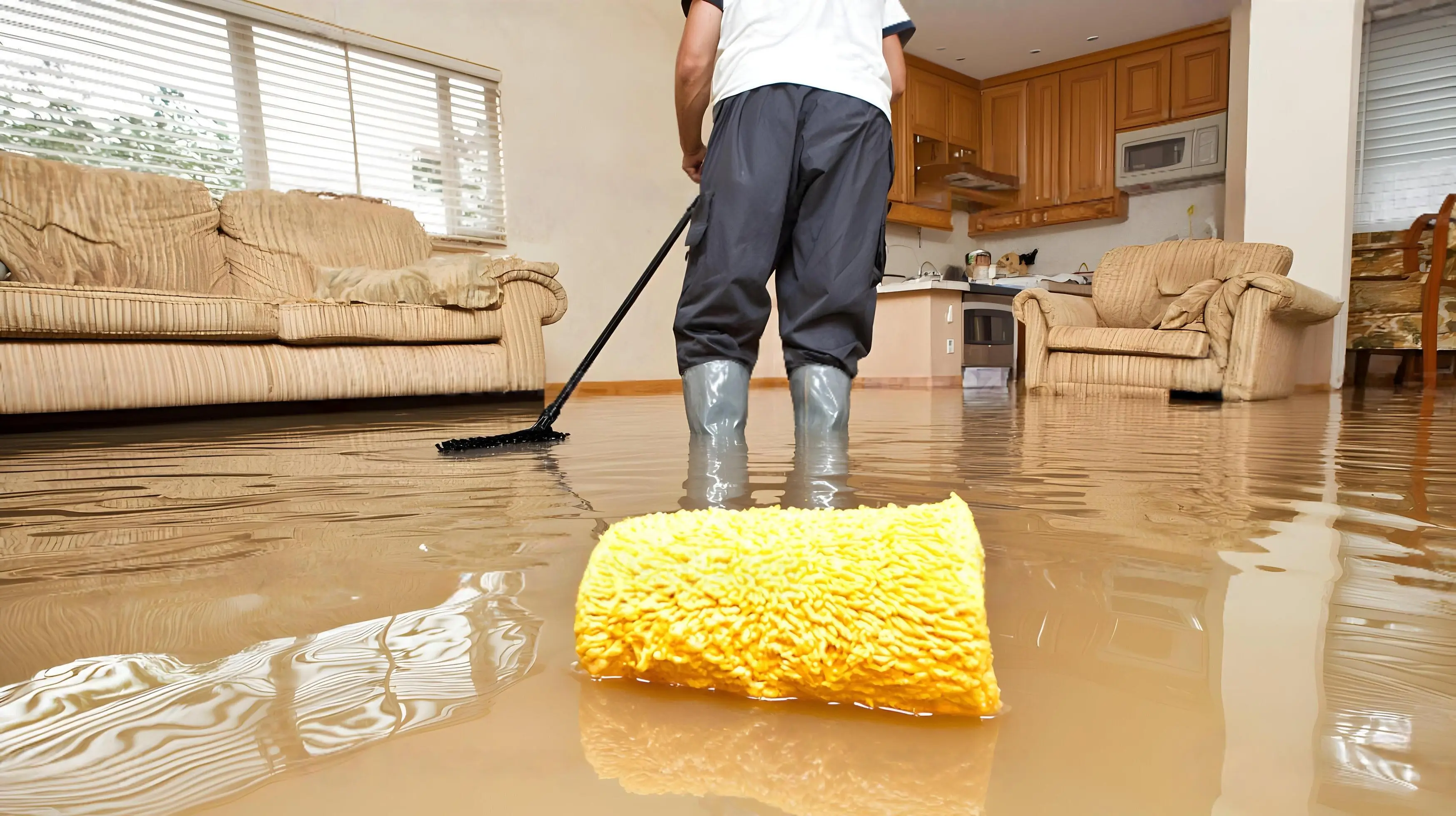
Water Damage Restoration
Burst pipes, storm flooding, standing water. We extract, dry, and restore before mold sets in.
Learn more
Fire Damage Restoration
Structural damage, soot, debris. We stabilize, clean, and rebuild what fire destroyed.
Learn more
Smoke Damage Restoration
Soot residue, chemical odors, HVAC contamination. We decontaminate surfaces, eliminate odors, and restore air quality.
Learn more
Sewage Cleanup
Sewer backups, contaminated water, biohazard. We extract, sanitize, and restore safely.
Learn moreNearby Service Areas
Also serving nearby: