
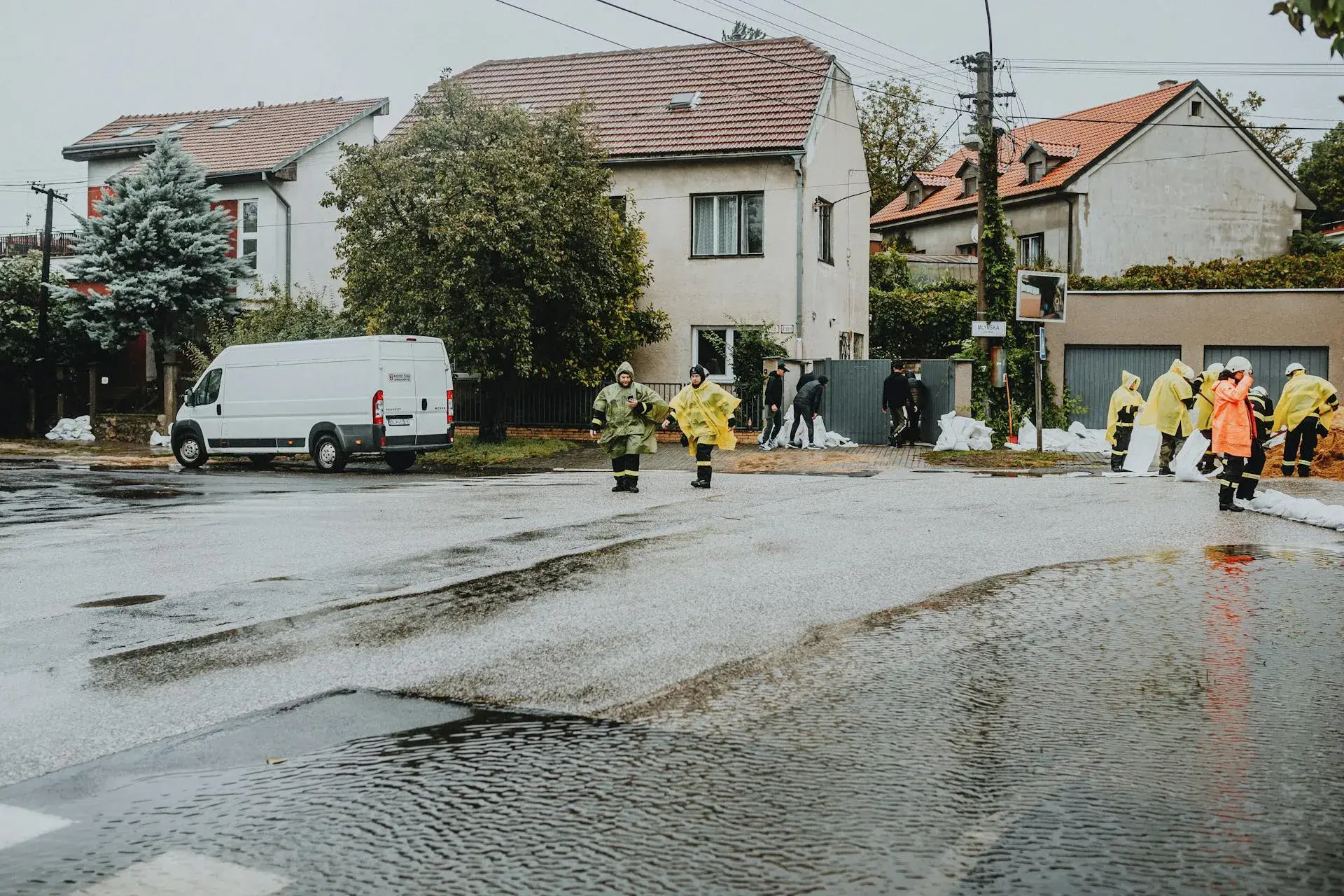
Sewage Cleanup in Skokie, IL
Sewage contains bacteria, viruses, and parasites that pose immediate health risks. Every minute of exposure increases contamination and health hazards. Our local team responds to Skokie emergencies within 60 minutes.
What Happens When You Call
A real person answers, not a call center. We assess your situation, ask the right questions about the source and extent, and begin coordinating your response immediately.
Your dedicated restoration team is dispatched from our local base serving Skokie and the surrounding north Cook County communities.
Team arrives with extraction equipment, antimicrobial agents, PPE, and containment materials. Emergency extraction and decontamination begin immediately.
Sewage extracted, contaminated materials removed, decontamination applied, drying equipment placed. You know exactly what comes next.
Sewage in your home is a health emergency. The contaminated water carries pathogens including E. coli, Salmonella, hepatitis viruses, and parasites that become airborne as the water evaporates and distribute through the home via air currents. This is not a cleanup you can safely delay or attempt with household supplies. X Response exists for exactly this moment. When you reach out, your restoration team is mobilized within minutes and on site within the hour. From that point forward, one team manages everything: extraction, decontamination, material removal, drying, and documentation. Call now. Your team is standing by.
Why Skokie Homes Are Vulnerable to Sewage
Skokie is a village of approximately 67,800 residents in north Cook County, Illinois, built primarily during the 1950s and 1960s when the infrastructure standards of the era dictated the sewer system design. Portions of the village are served by a combined sewer system that carries both sanitary waste and stormwater runoff in the same pipes. The U.S. Environmental Protection Agency has specifically documented this infrastructure in a published study on 'Street Storage for Combined Sewer Surcharge Control' in Skokie and Wilmette, confirming the combined system's susceptibility to surcharge during heavy rain events. When rain intensity exceeds the system's capacity to convey flow downstream to the Metropolitan Water Reclamation District's interceptors, the pipes pressurize and push sewage-contaminated water backward through floor drains, basement plumbing fixtures, and sewer laterals into homes. This is not a hypothetical risk. It is a documented, recurring event that affects Skokie homes during heavy rain events and has been studied at the federal level specifically because of its frequency and impact.
The MWRD operates the Tunnel and Reservoir Plan (TARP), the region's deep-tunnel system designed to capture combined sewer overflows and store them for later treatment rather than allowing them to discharge directly into waterways. TARP provides significant regional relief for the combined sewer system, but it operates at the interceptor level, capturing overflow after it has passed through local collection pipes. During intense, short-duration rain events that overwhelm local pipe capacity faster than flow can reach the interceptor, TARP cannot prevent localized surcharge in individual street sewers. For Skokie homeowners, this means basement sewage backups can occur during storms that are not extreme by regional standards, because the limiting factor is local pipe capacity rather than regional system capacity. Homes in areas with older, undersized combined sewers face this risk during any moderate-to-heavy rain event, particularly during summer thunderstorms that produce high-intensity rainfall over short periods.
The Combined Sewer System and Surcharge Mechanics
A combined sewer system carries sanitary waste from toilets, sinks, and appliances alongside stormwater runoff from streets and roof drains in a single pipe network. During dry weather, the system handles the sanitary flow volume without issue. During rain events, stormwater enters the same pipes and the combined volume must be conveyed downstream. When rainfall intensity produces stormwater volume that exceeds the pipe's hydraulic capacity, the system surcharges: internal pressure builds until it finds relief through the lowest available opening. In Skokie's residential areas, those lowest openings are basement floor drains and plumbing fixtures. The water that enters is not clean stormwater; it is a mixture of sanitary sewage, street runoff carrying road chemicals and debris, and any industrial or commercial discharge from upstream connections. The EPA's documentation of Skokie's combined system and the study of street storage as a management tool confirms that this surcharge mechanism is a recognized, recurring infrastructure limitation rather than an extraordinary event.
Basement Floor Drains as Entry Points
In Skokie's 1950s and 1960s homes, basement floor drains were installed as standard features connected directly to the combined sewer lateral. During normal conditions, these drains carry water away from the basement. During a surcharge event, the pressure reversal in the system turns them into entry points for sewage-contaminated water. Many homes in this era were built without backwater valves that would prevent this reverse flow. Homes that do have backwater valves often have units that are decades old, with gate mechanisms that have corroded, seals that have degraded, or float mechanisms that have become fouled with debris from years of sewage contact. The Village of Skokie and the MWRD both recommend backwater valve installation and maintenance, but compliance across the village's housing stock is inconsistent. For homeowners without functioning protection, every significant rain event carries the risk of sewage entry through these unprotected floor drains.
Category 3 Contamination and Health Hazards
The IICRC classifies sewage as Category 3 water, the most contaminated category, requiring the most aggressive restoration protocols. Combined sewer backup water contains human and animal waste, bacteria including E. coli and Salmonella, viruses including hepatitis and norovirus, parasites including Giardia and Cryptosporidium, road chemicals, heavy metals from street runoff, and any commercial or industrial waste discharged into the system upstream. Contact with this water or inhalation of aerosols as it evaporates poses direct health risks. All porous materials that contact Category 3 water must be removed and disposed of rather than cleaned: carpet, pad, drywall below the contamination line, insulation, cardboard, clothing, and upholstered furniture. Non-porous surfaces must be cleaned and treated with antimicrobial agents before the space can be considered safe for reoccupation. There is no safe way to dry Category 3 water in place and keep the affected materials.
Recurring Events and Accumulated Risk
For Skokie homes in areas served by the combined sewer system, sewage backup is not a one-time event but a recurring risk with each significant rainfall. Homeowners who have experienced one backup often experience subsequent events during future storms unless the underlying conditions change, either through municipal pipe upgrades, individual backwater valve installation, or both. Each event introduces fresh contamination to the basement environment. Homes that have experienced multiple backups without full professional remediation between events accumulate biological contamination in structural materials, creating chronic health concerns and accelerating deterioration of building components. The organic matter deposited by sewage water provides nutrients for mold growth even after the visible water is cleaned up, meaning untreated sewage events often transition into mold problems within days to weeks.
Multi-Family Buildings and Shared Sewer Connections
Skokie's condo and apartment buildings connect to the sewer system through shared building laterals that serve all units. During surcharge events, the backup pressure enters through the building's lowest plumbing fixtures, typically in ground-floor or below-grade units, utility rooms, and parking garages. In multi-story buildings, the backup can affect multiple ground-floor units simultaneously as the shared lateral pressurizes and sewage finds every available drain connection at or below street level. The contaminated water may then migrate to adjacent spaces through gaps beneath interior doors, under common walls at slab level, and through shared utility chases. For unit owners, the restoration involves coordination between individual insurance, the building's master policy, and management decisions about shared infrastructure that individual owners do not control. The common-area components affected, including the building lateral, shared mechanical rooms, and common hallways, fall under the HOA's responsibility while individual unit interiors remain the owner's domain.
These factors create a specific and documented sewage exposure pattern in Skokie. The combined sewer system surcharges during heavy rain. Floor drains in 1950s and 1960s basements without functioning backwater valves provide entry points. The contaminated water is Category 3, requiring removal of all porous materials it contacts. The risk recurs with each significant storm. And multi-family buildings multiply the impact across multiple units simultaneously. Professional sewage cleanup in Skokie requires understanding the system mechanics, executing contaminated-water protocols, and helping homeowners implement the protection (backwater valves, sump systems) that prevents recurrence.
What Happens to Your Home While You Wait
Within 1 Hour
Sewage water spreads across basement floors, contacting every surface at or below the water line. Porous materials begin absorbing contaminated water immediately: carpet and pad, drywall paper facing, cardboard storage boxes, and wood trim at the floor line. Bacteria and viral pathogens in the water are active and viable. Gases including hydrogen sulfide and methane may accumulate in enclosed below-grade spaces. The contamination zone is defined by everywhere the water touches, and in Skokie basements with finished walls, that water wicks upward into drywall and behind baseboards within the first hour.
1–24 Hours
Porous materials saturate with contaminated water, absorbing pathogens deep into their structure where surface cleaning cannot reach. The organic matter in sewage provides nutrients for explosive bacterial growth in warm environments. Odor intensifies as bacterial decomposition accelerates. Drywall paper facing, carpet backing, and wood surfaces that contacted the water cannot be restored regardless of cleaning efforts and must be removed. If the surcharge event has ended and water has receded through the floor drain, the contamination remains on and within every surface the water touched.
24–48 Hours
Mold colonization begins on contaminated organic materials. The combination of moisture and nutrient-rich sewage residue accelerates mold growth compared to clean-water events. Bacterial biofilms form on hard surfaces that have not been cleaned and treated. The contamination becomes more difficult to remove as biological agents bond to surfaces and penetrate deeper into porous materials. Secondary airborne contamination increases as the water evaporates and particulates become aerosols distributed through the home by air currents.
48–72 Hours
Aggressive mold growth on all contaminated porous surfaces. Structural materials at the water line begin degrading from sustained biological activity. The scope of required material removal expands upward as moisture wicks higher and mold colonizes ahead of the visible water line. The health risk from airborne contamination increases substantially as biological activity intensifies. The restoration scope has expanded well beyond what timely intervention would have required.
One Week and Beyond
Extensive biological contamination throughout the affected area. Materials that might have been salvageable with immediate professional intervention now require removal to well above the original water line. Structural damage from sustained moisture and biological degradation becomes apparent. The project transitions from cleanup to demolition and rebuild of affected areas. Health concerns from prolonged pathogen exposure may require medical consultation for occupants who remained in the home during this period.
Sewage backup is a health emergency that demands immediate professional response. Every hour of delay increases contamination, health risk, and restoration cost. Contact X Response now. Our Skokie team responds within 60 minutes.
How We Restore Sewage-Damaged Skokie Homes
From the moment our team arrives, every step follows IICRC S500 standards for contaminated water restoration. Here is exactly what the sewage cleanup process involves for Skokie properties.
Emergency Extraction and Source Control
Our team arrives in full personal protective equipment appropriate for Category 3 contaminated water. First priority is determining whether sewage is still actively entering the home. If the combined sewer system is still surcharged from an ongoing rain event, we establish containment and temporary pumping to manage active inflow while extraction proceeds. Once flow has stopped, we extract all standing sewage using submersible pumps and truck-mounted extraction units designed for contaminated water, routing the extracted material to approved disposal rather than back into the overwhelmed sewer system. In multi-unit buildings, we coordinate extraction across all affected ground-floor units simultaneously to prevent continued migration between spaces.
Contaminated Material Removal
All porous materials that contacted sewage water are removed and disposed of as contaminated waste. In Skokie basements, this typically includes carpet and pad, drywall cut to a minimum of 12 inches above the visible water line (higher if moisture wicking is detected), insulation within affected wall cavities, cardboard and paper products, upholstered items, and any personal belongings made of porous materials that cannot be effectively decontaminated. Non-porous items, including metal shelving, appliances, and sealed containers, are cleaned and decontaminated in place. All removed materials are bagged in sealed containers for proper disposal. The goal is to eliminate every porous surface that harbored pathogens and cannot be reliably sterilized.
Antimicrobial Decontamination
Every remaining surface in the affected area receives professional antimicrobial treatment. Concrete floors, block foundation walls, wood framing, and any retained non-porous materials are treated with EPA-registered disinfectants effective against the pathogen categories present in combined sewer water. Treatment is applied at concentrations and contact times specified by the product manufacturer for Category 3 applications. This is not a surface spray; it is a thorough, documented application covering every square inch of exposed surface within the contamination zone. HEPA air scrubbers run continuously during this phase to capture airborne pathogens and particulates stirred up during material removal and cleaning.
Structural Drying
After decontamination, the structural drying phase begins. Commercial dehumidifiers and high-velocity air movers are positioned to dry concrete block walls, slab floors, exposed framing, and any retained structural materials to their dry standard. This phase is critical because residual moisture in structural materials, combined with any organic residue remaining after decontamination, creates conditions for mold growth. In Skokie homes where clay soils maintain hydrostatic pressure against the foundation, we monitor for continued moisture intrusion through the block walls during the drying period and adjust the timeline accordingly. Daily moisture readings confirm progress until all materials reach acceptable levels for reconstruction.
Verification and Prevention Guidance
Final verification confirms that the space is clean, dry, and safe for reconstruction. Surface testing validates that antimicrobial treatment achieved its target. Moisture readings confirm structural drying is complete. Air quality testing may be conducted if requested to verify the space meets safe occupancy standards. Before we close the project, we discuss prevention with you: backwater valve installation to prevent future sewer backups, sump pump systems as a secondary defense, and monitoring practices that help you detect the earliest signs of a recurrence before it becomes a full event. For Skokie homes in combined sewer areas, a functioning backwater valve is the single most effective investment against future sewage events.
The X Response Difference
When you contact X Response for sewage cleanup in Skokie, you get a team trained in contaminated-water protocols that protects your health, restores your property to safe conditions, and helps prevent recurrence. One team, professional standards, complete decontamination.
Insurance Claim Guidance for Skokie Homeowners
Sewage backup insurance coverage in Illinois is typically provided through a specific sewer and drain backup endorsement added to your homeowner's policy, not through the standard coverage that handles burst pipes or appliance failures. Many Skokie homeowners do not carry this endorsement until they experience their first backup, at which point it is too late for the current event. Standard flood insurance through the NFIP also does not cover sewer backup damage specifically; it covers rising surface water from a different mechanism. If your home has experienced a combined sewer backup during a rain event, the applicable coverage is the sewer and drain backup endorsement, which typically carries coverage limits of $5,000 to $25,000 depending on the policy. Given that a finished basement sewage cleanup can easily exceed $10,000 to $15,000 when material removal, decontamination, drying, and reconstruction are included, many homeowners discover their coverage limits are insufficient for the actual restoration scope.
How X Response Helps
- Document the sewage source clearly: combined sewer backup during rain event, individual lateral failure, or plumbing system backup, as each may trigger different coverage
- Photograph all contamination before any cleanup begins, including the water level on walls and all affected contents
- Provide your adjuster with professional documentation of Category 3 contamination protocols, explaining why porous material removal is required rather than optional
- Track all restoration costs itemized by phase: extraction, material removal, decontamination, drying, and reconstruction
- If your sewer backup coverage limit is insufficient for the full scope, discuss options with your adjuster early rather than at the end of the project
X Response does not file claims on your behalf, adjust claims, or make coverage determinations. We provide documentation and guidance to help you make informed decisions about your property and your policy. Coverage decisions are made solely by your insurance carrier.
Certified Restoration Specialists Serving Skokie
When you contact X Response for sewage cleanup in Skokie, your team is drawn from certified professionals who work across north Cook County and understand the specific sewage backup patterns in this community. They know how the combined sewer system surcharges during heavy rain, which neighborhoods face the highest frequency of backups, how the 1950s and 1960s basements without functioning backwater valves become entry points, and how to coordinate multi-unit extraction in condo buildings where shared laterals affect multiple ground-floor units simultaneously. They have responded to combined sewer backups across the village during summer thunderstorms, addressed recurring backup situations in homes awaiting valve installation, and managed Category 3 decontamination in finished basements where extensive material removal was required. This is a local team with direct experience in Skokie's sewer infrastructure and its documented failure patterns.
Every technician on your team holds current IICRC certification in water damage restoration with specific training in contaminated-water protocols (Category 3/Class 4 situations). Equipment includes submersible pumps and truck-mounted extraction for contaminated water, full personal protective equipment for biohazard environments, EPA-registered antimicrobials effective against the pathogen categories present in combined sewer water, HEPA air scrubbers for airborne pathogen control, and commercial drying systems for structural drying after decontamination. All work follows IICRC S500 standards for contaminated water restoration.
In Skokie, X Response works with Scene Cleaners, an independent local restoration partner serving Cook County.
Sewage Cleanup FAQ for Skokie Homeowners
Other Emergency Services in Skokie
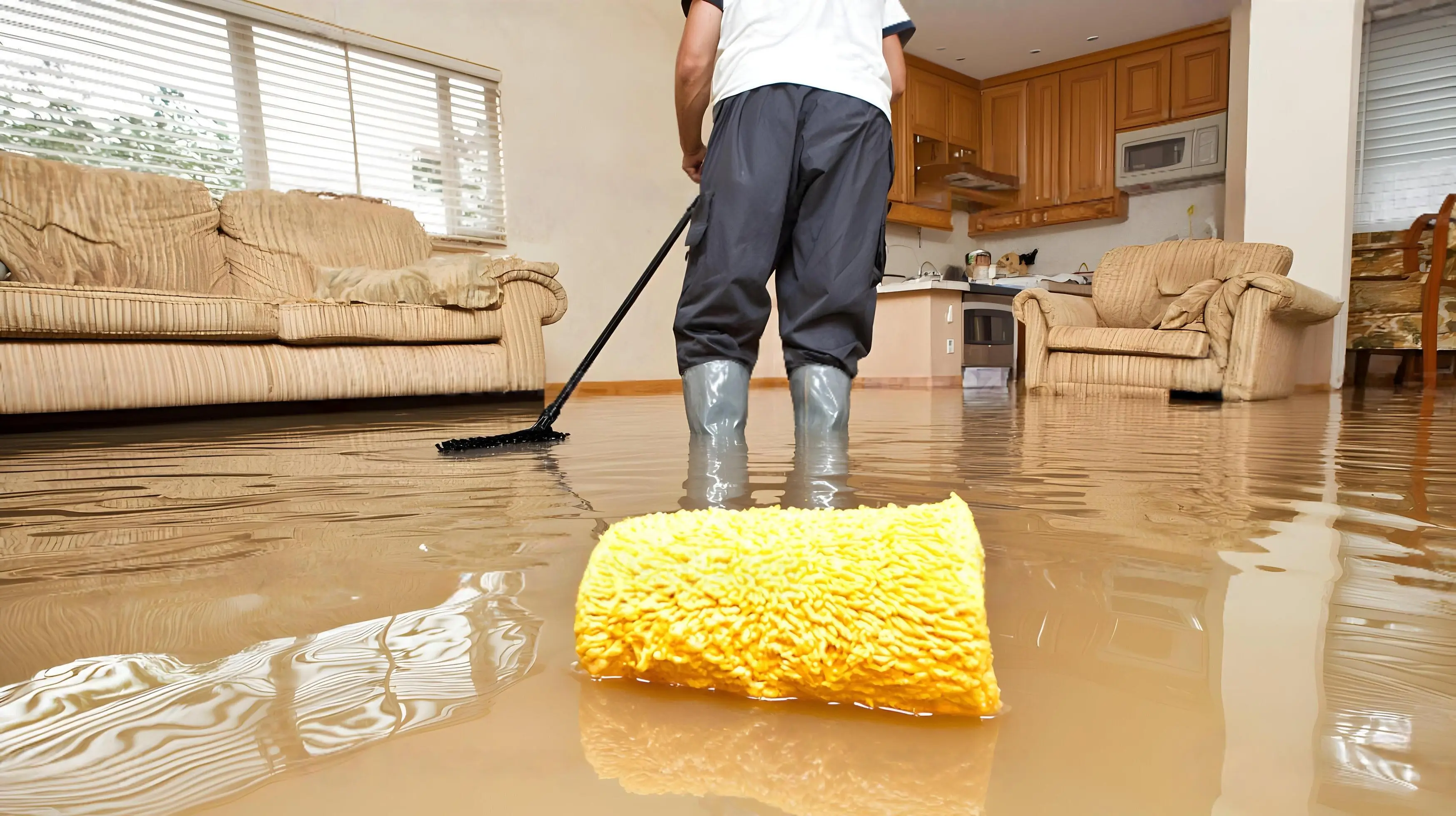
Water Damage Restoration
Burst pipes, storm flooding, standing water. We extract, dry, and restore before mold sets in.
Learn more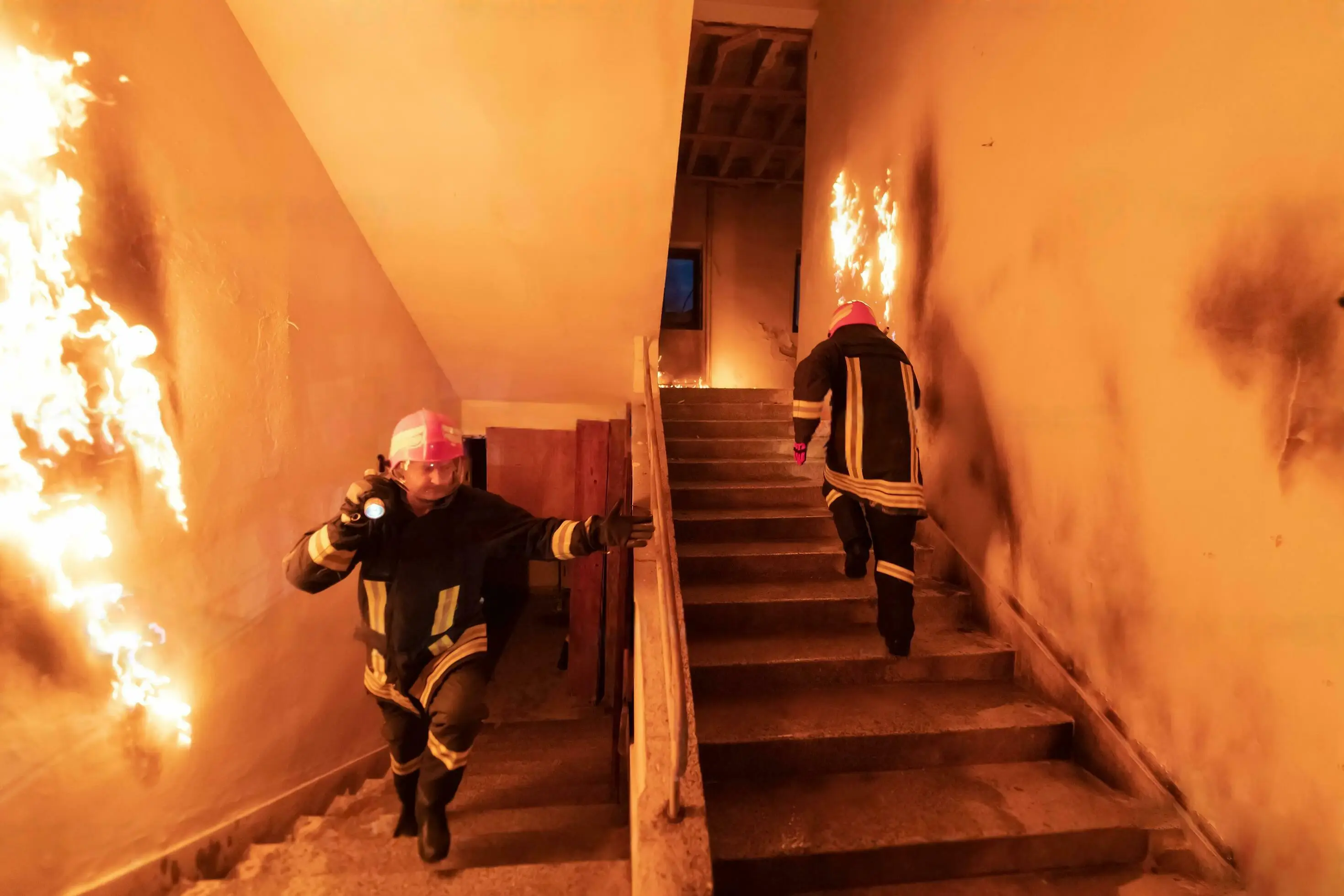
Fire Damage Restoration
Structural damage, soot, debris. We stabilize, clean, and rebuild what fire destroyed.
Learn more
Smoke Damage Restoration
Soot residue, chemical odors, HVAC contamination. We decontaminate surfaces, eliminate odors, and restore air quality.
Learn more
Mold Remediation
Testing, containment, removal, prevention. We find the source, eliminate the growth, and stop it from returning.
Learn moreNearby Service Areas
Also serving nearby: