
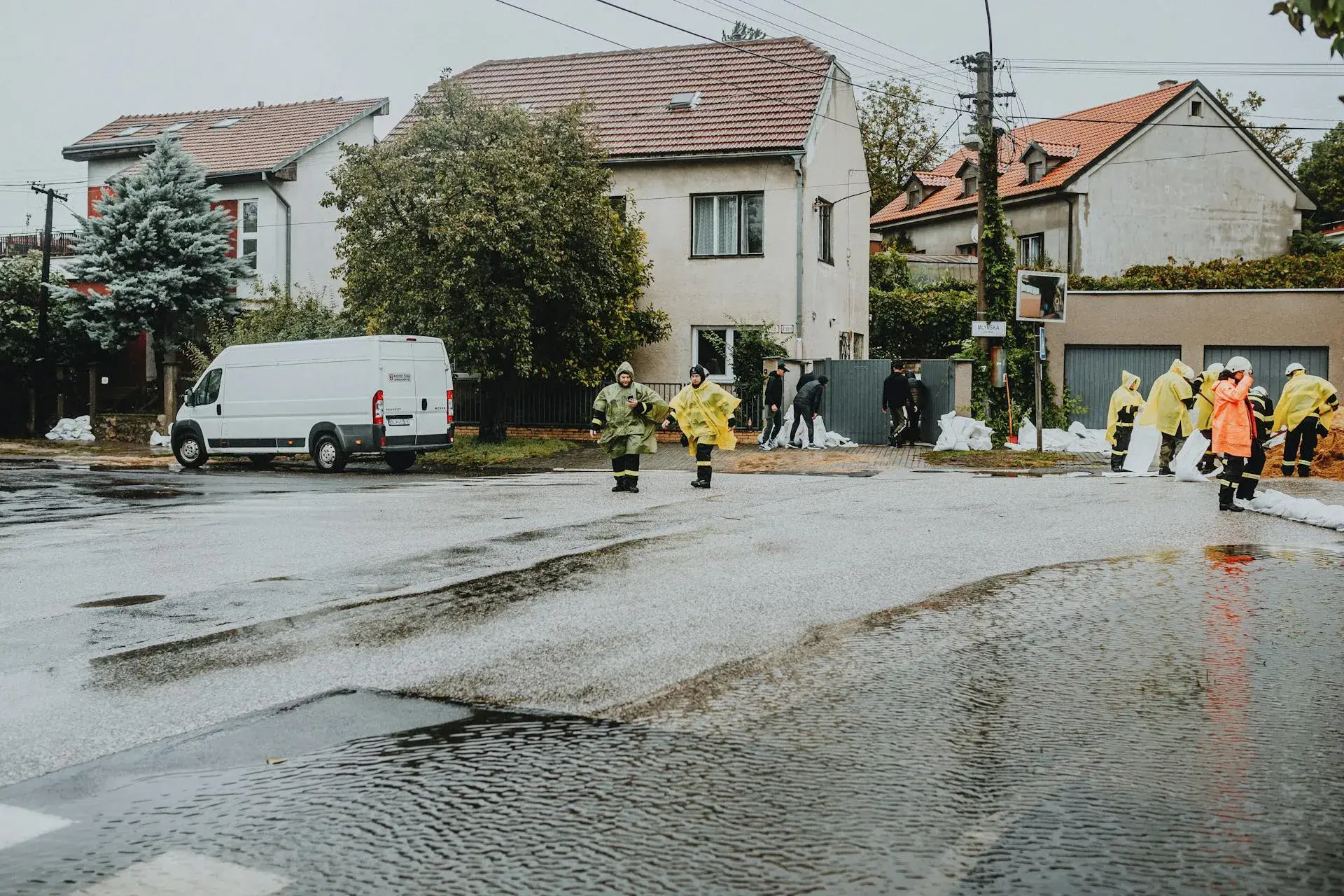
Sewage Cleanup in DeLand, FL
Sewage contamination introduces dangerous pathogens into your home that multiply rapidly in DeLand's warm, humid conditions. Every hour of delay expands the biohazard zone. Our local team responds within 60 minutes.
What Happens When You Call
A real person answers your call. We assess the situation, identify the likely source, and begin coordinating your emergency response immediately.
Your dedicated decontamination team is dispatched from our local base serving DeLand and the surrounding Volusia County communities.
Team arrives with extraction equipment, biohazard containment supplies, antimicrobial treatments, and personal protective equipment. Emergency mitigation begins immediately.
Sewage extracted, contaminated materials removed, decontamination applied, drying equipment placed. You know exactly what comes next.
Sewage inside your home is a biological emergency. It carries bacteria, viruses, parasites, and chemical contaminants that pose immediate health risks to anyone who contacts the affected area. In DeLand's warm climate, these pathogens multiply rapidly, and the organic matter in sewage provides an ideal growth medium for mold colonization that can begin within hours rather than days. You cannot wait for a callback queue or a scheduled appointment. X Response exists for exactly this moment. When you reach out, your decontamination team mobilizes immediately. One team manages everything: extraction, decontamination, structural drying, and restoration. Call now. Your team is standing by.
Why DeLand Homes Are Vulnerable to Sewage
DeLand's sewage cleanup landscape is shaped by a critical local infrastructure reality: over 41,000 septic tanks are currently in use within the Blue Spring springshed in Volusia County, and a significant share of properties within and around DeLand rely on onsite septic systems rather than centralized municipal sewer. The City of DeLand operates its own water and wastewater utility serving approximately 50,900 residents, but properties outside the city's sewer service boundary, in unincorporated areas, and in older neighborhoods that were developed before sewer lines reached them depend on individual septic systems for wastewater treatment. Volusia County has recognized the scale of this infrastructure challenge, launching a septic upgrade incentive program through its Environmental Management division that offers up to $10,000 per household to convert conventional septic systems to advanced nutrient-reducing technology within the Blue Spring priority focus area. The program exists because the sheer density of conventional septic systems in the springshed is contaminating groundwater that feeds Blue Spring and DeLeon Springs, but from a property owner's perspective, the same aging systems that leak nitrogen into the aquifer are the systems that back up into homes during heavy rain and high groundwater.
DeLand's sewage risk goes beyond septic system failures. During the hurricanes of 2022 and 2024, widespread flooding overwhelmed both septic systems and portions of the municipal sewer infrastructure. When the St. Johns River floods and groundwater rises above the level of septic tank drain fields, the soil can no longer absorb effluent, and wastewater backs up through floor drains, toilets, and shower drains into the home. Municipal sewer systems experience a different but related problem: stormwater infiltrates aging sewer mains through cracks and joint failures (inflow and infiltration), overwhelming pump station capacity and causing sanitary sewer overflows that discharge raw sewage into streets, yards, and low-lying properties. In both cases, the contamination that enters a DeLand home during a flood event is not clean rainwater. It is biologically contaminated wastewater that requires professional decontamination, not just drying.
Septic System Density and Age
The Blue Spring springshed, which encompasses DeLand's western and northern areas along with surrounding unincorporated Volusia County, contains over 41,000 active septic systems. Many of these systems were installed decades ago under standards that did not account for current population density, soil saturation from development, or the elevated water table that characterizes DeLand's karst terrain. A conventional septic system relies on the soil in its drain field to filter and treat effluent before it reaches the water table. When the water table rises during heavy rain (a frequent occurrence on DeLand's karst geology), the drain field becomes saturated and cannot accept additional effluent. The septic tank fills, the system backs up, and wastewater exits through the lowest available point, which in a slab-on-grade home is typically the floor drain, toilet, or shower drain. Homeowners on septic systems in DeLand face this backup risk during every sustained heavy rain event, not just hurricanes.
High Water Table and Drain Field Saturation
DeLand sits atop the Floridan Aquifer in karst terrain where the water table responds rapidly to rainfall. During DeLand's wet season (June through October, when monthly rainfall averages 7 to 9 inches), the water table can rise to within feet of the surface in low-lying areas. Septic drain fields require unsaturated soil between the distribution pipes and the water table to function. When the water table rises into or above the drain field pipes, the system loses its treatment capacity entirely. Effluent that should percolate downward through several feet of soil instead encounters saturated conditions immediately and has nowhere to go. The result is surfacing sewage in the yard (visible wet spots with sewage odor), backup into the home through plumbing fixtures, and in severe cases, complete system failure that requires the homeowner to pump the tank repeatedly until the water table drops. After Hurricane Ian, when the St. Johns River held at flood stage for weeks, many DeLand septic systems remained non-functional for an extended period because the ground never dried enough to restore drain field capacity.
Municipal Sewer Inflow and Infiltration
DeLand properties connected to the municipal sewer system face a different sewage backup mechanism: inflow and infiltration (I&I). The city's sewer collection system includes miles of underground pipes, many installed decades ago, that have developed cracks, joint separations, and root intrusions over time. During heavy rainfall, stormwater enters the sanitary sewer through these defects and through illicit connections (downspouts and area drains tied into the sewer rather than the storm drain). The additional volume overwhelms pump station capacity and can cause sewage to back up through the system into low-lying properties or overflow from manholes into streets and yards. When this occurs, the material entering your home through floor drains or toilet overflows contains not just your household's wastewater but the combined sewage from upstream properties mixed with contaminated stormwater. This is a Category 3 (black water) event that requires full biohazard decontamination regardless of the volume.
Hurricane-Driven Combined Contamination
During Hurricanes Ian, Nicole, and Milton, the flooding that affected DeLand was not clean river water or rainwater. When the St. Johns River exceeds its banks and stormwater overwhelms drainage systems, the floodwater mixes with overflowing septic systems, surcharged municipal sewers, agricultural runoff, and surface contaminants from roads, parking lots, and industrial sites. The resulting floodwater that enters homes carries sewage, petroleum products, pesticides, fertilizers, and biological contaminants that make it a Category 3 biohazard by IICRC standards. Any DeLand property that experienced interior flooding during these events required biohazard-level decontamination, not simply water extraction and drying. Properties where floodwater was extracted but the biological contamination was not professionally addressed carry residual bacterial contamination in porous materials, particularly at the slab-concrete interface, beneath flooring adhesives, and in the lower portions of wall framing that contacted the water.
Slab-on-Grade Contamination Challenges
When sewage enters a DeLand home through plumbing fixtures or floodwater intrusion, the slab-on-grade construction that dominates local housing creates specific decontamination challenges. Sewage-contaminated water spreads across the slab surface and is absorbed by every porous material it contacts: carpet padding, the underside of laminate flooring, drywall at the floor line, baseboard trim, and the tack strip beneath carpet edges. The concrete slab itself is porous enough to absorb contaminated water into its surface layer, particularly at expansion joints, cracks, and the perimeter where the slab meets the wall framing. Unlike a home with a basement (where contamination collects in one area below the living space), a slab-on-grade home distributes contamination across the entire floor area that water reaches. Decontamination requires removing all porous materials that contacted sewage, treating the slab surface with antimicrobial agents, and verifying that biological contamination has been eliminated before new materials are installed.
DeLand's sewage exposure comes from three directions: aging septic systems that back up when the water table rises, municipal sewer infrastructure that surcharges during heavy rain, and hurricane-driven flooding that mixes contaminated water from multiple sources into a single biohazard event. Each pathway delivers Category 3 contaminated water into homes that require professional decontamination, not just water removal. The warm, humid climate accelerates pathogen multiplication and mold colonization in contaminated materials, compressing the intervention timeline. Effective sewage cleanup in DeLand means rapid extraction, immediate removal of contaminated porous materials, professional-grade antimicrobial treatment of structural surfaces, and thorough verification that the biological hazard has been eliminated before reconstruction begins.
What Happens to Your Home While You Wait
Within 1 Hour
Sewage spreads across flooring and begins absorbing into porous materials at ground level. Pathogenic bacteria, viruses, and parasites in the sewage are active and capable of causing illness through skin contact, inhalation of aerosols, or ingestion. In DeLand's warm indoor temperatures, bacterial populations begin multiplying immediately. The affected area should be isolated from occupants, particularly children, elderly individuals, and anyone with compromised immunity. Carpet padding, particleboard, and paper-faced drywall begin absorbing contaminated water.
1–24 Hours
Bacterial populations multiply rapidly in the warm, nutrient-rich sewage medium. E. coli, Salmonella, and other pathogens reach concentrations that make the contaminated area a serious health hazard. Organic matter in the sewage begins decomposing, producing hydrogen sulfide and other noxious gases. Porous materials are thoroughly saturated and contaminated throughout their thickness rather than just at the surface. The biohazard zone expands as capillary action wicks contaminated water outward from the initial deposit area. In DeLand's 74% humidity, evaporation does not reduce the moisture volume meaningfully.
undefined
Mold colonization begins on contaminated organic materials. The combination of moisture, warmth, and the organic nutrients in sewage creates an accelerated mold growth environment that can produce visible colonies faster than clean water damage. Structural wood that contacted sewage at connection points begins absorbing the contamination into its grain. The odor becomes pervasive throughout the home as decomposition gases distribute through the HVAC system and building envelope. Decontamination scope expands significantly as more materials become irreversibly contaminated.
48–72 Hours
Advanced mold colonization on all organic materials that contacted sewage. Bacterial biofilms form on structural surfaces, making decontamination more difficult and requiring more aggressive antimicrobial treatment. Wood framing shows early signs of biological decay at ground-contact points. The contamination has migrated through the slab perimeter, along wall cavities, and potentially into HVAC ductwork if floor-level returns drew contaminated air. What began as an extraction and decontamination project transitions to extensive demolition as more materials become unsalvageable.
One Week and Beyond
Widespread biological contamination throughout all materials that contacted sewage or the contaminated air above it. Structural decay at wood framing connection points near the floor line. Heavy mold growth compounding the biological hazard. The restoration becomes a combined sewage decontamination, mold remediation, and structural repair project. Health risk to occupants is severe. If the home has been occupied during this period, medical evaluation may be warranted for symptoms of waterborne illness.
Sewage contamination is a biological emergency that advances on an accelerated timeline in DeLand's warm climate. The pathogens do not wait, and neither should you. Contact X Response now. Our DeLand team responds within 60 minutes.
How We Restore Sewage-Damaged DeLand Homes
Sewage cleanup follows a strict protocol that prioritizes occupant safety, eliminates biological hazards, and restores the property to a safe, habitable condition. Here is exactly what the process involves.
Safety Assessment and Contamination Containment
Our team arrives in full personal protective equipment and immediately assesses the contamination extent and any safety hazards: structural compromise from water weight, electrical hazards from submerged outlets, and gas line concerns if flooding has affected utility connections. The contaminated area is isolated from clean areas of the home using containment barriers and negative air pressure to prevent cross-contamination via airborne pathogens and mold spores. Occupants are advised on safe areas and any immediate health precautions. If the sewage source is still active (ongoing backup or flooding), we address the source first to stop additional contamination before extraction begins.
Sewage Extraction and Contaminated Material Removal
All standing sewage and contaminated water is extracted using industrial equipment dedicated to biohazard work. Contaminated porous materials are then removed: carpet and pad, drywall to at least 12 inches above the visible waterline (because capillary wicking extends contamination above the water surface), insulation, baseboard trim, particleboard cabinetry bases, and any other porous material that contacted sewage. In DeLand's slab-on-grade homes, this includes removing all flooring and underlayment from the contaminated area to expose the bare slab for treatment. Materials are bagged within the containment zone and disposed of as biohazardous waste per Florida regulations. The goal is to expose all structural surfaces that contacted contamination so they can be treated directly.
Antimicrobial Treatment and Decontamination
With contaminated materials removed, all remaining structural surfaces are treated with EPA-registered antimicrobial agents effective against the pathogens present in sewage. The concrete slab surface, wall framing bottom plates, studs to the treated height, subfloor connections, and any non-porous surfaces that contacted sewage receive direct application. For DeLand homes where contamination entered through the slab perimeter or floor drains, the slab surface itself is treated, with particular attention to cracks, expansion joints, and the wall-slab junction where contamination collects. Treatment is not a single spray application. Multiple applications with dwell time between treatments ensure that antimicrobial agents penetrate the surface layer of the concrete and wood where bacteria and mold have begun colonizing.
Structural Drying
After decontamination, the exposed structure must be dried to prevent mold colonization on the freshly treated surfaces. Commercial dehumidifiers and air movers are positioned to dry the slab, wall framing, and any remaining structural materials to target moisture levels. In DeLand's humid climate, this process requires mechanical dehumidification rather than natural drying, because ambient humidity at 74% will not reduce material moisture content to safe levels. The slab is particularly challenging because DeLand's high water table continues pushing moisture through the concrete from below even after interior contamination is removed. Drying continues with daily monitoring until all materials reach acceptable moisture levels for reconstruction.
Verification and Clearance
Before the property is cleared for reconstruction, verification confirms that biological contamination has been eliminated and moisture levels support safe material installation. This may include ATP (adenosine triphosphate) testing of surfaces to measure residual biological activity, moisture readings at all treated surfaces, and visual confirmation that no mold growth has developed during the drying period. For DeLand properties where sewage backup was caused by septic system failure or municipal sewer surcharge, we verify that the source has been repaired (septic pumped and inspected, sewer connection confirmed clear) before clearing the property, because recurring backup would re-contaminate newly installed materials. Clearance documentation is provided for your records and insurance claim.
The X Response Difference
When you contact X Response for sewage cleanup in DeLand, you get a team equipped and trained for biohazard-level decontamination. One team, one protocol, results verified before your home is cleared for reconstruction.
Insurance Claim Guidance for DeLand Homeowners
Sewage cleanup insurance coverage in Florida depends on the backup source and your specific policy endorsements. Standard homeowner's policies do not automatically cover sewer or drain backup. This coverage requires a separate endorsement (often called 'water backup' or 'sewer and drain backup' coverage) that must be added to your policy before the event occurs. If you carry this endorsement, it typically covers damage from sewage backing up through your home's plumbing system, including septic tank overflow and municipal sewer surcharge. However, if the sewage entered your home as part of rising floodwater from the St. Johns River or surface flooding during a hurricane, it falls under flood insurance rather than the sewer backup endorsement, because the mechanism of entry is rising water from outside rather than backup through the plumbing system. This distinction matters significantly in DeLand where both scenarios occur regularly.
How X Response Helps
- Document the entry point and mechanism of sewage contamination clearly, because the distinction between plumbing backup and exterior flood entry determines which policy provision applies
- Photograph all contamination before any extraction or removal begins, including the entry point (floor drain, toilet, exterior door threshold)
- Identify whether the source is a septic system failure, municipal sewer surcharge, or flood-driven contamination, because each may trigger different coverage provisions
- Provide detailed scope of work documenting biohazard protocol compliance, which supports the claim against carriers who might otherwise apply standard water damage pricing
- Track all health-related expenses and temporary housing costs separately, as these may be covered under different policy provisions than the property damage itself
X Response does not file claims on your behalf, adjust claims, or make coverage determinations. We provide documentation and guidance to help you make informed decisions about your property and your policy. Coverage decisions are made solely by your insurance carrier.
Certified Restoration Specialists Serving DeLand
When you contact X Response for sewage cleanup in DeLand, your team is drawn from certified professionals trained in biohazard decontamination who understand the specific sewage risks this region presents. They have cleaned septic system backups in DeLand homes where the water table rose above the drain field during weeks of post-hurricane flooding. They have decontaminated properties affected by municipal sewer surcharge during heavy rain events. They have restored homes where hurricane floodwater mixed with overflowing septic systems and delivered Category 3 contamination throughout the ground floor. They understand the difference between a contained toilet overflow that requires targeted cleaning and a full-property sewage flood that demands demolition, decontamination, and structural drying on a biohazard timeline. This is not a general water damage crew applying standard procedures. It is a team equipped and trained for biological hazard work.
Every technician on your team holds current IICRC certification including water damage restoration with Category 3 black water protocols, and the team carries appropriate Florida licensing for biohazard remediation work. Equipment includes industrial extraction units dedicated to contaminated water, full personal protective equipment rated for biological hazards, containment and negative air systems, EPA-registered antimicrobial agents effective against sewage pathogens, and commercial dehumidification equipment for structural drying after decontamination.
In DeLand, X Response works with Hugo Fire and Water, an independent local restoration partner serving Volusia County.
Sewage Cleanup FAQ for DeLand Homeowners
Other Emergency Services in DeLand

Water Damage Restoration
Burst pipes, storm flooding, standing water. We extract, dry, and restore before mold sets in.
Learn more
Fire Damage Restoration
Structural damage, soot, debris. We stabilize, clean, and rebuild what fire destroyed.
Learn more
Smoke Damage Restoration
Soot residue, chemical odors, HVAC contamination. We decontaminate surfaces, eliminate odors, and restore air quality.
Learn more
Mold Remediation
Testing, containment, removal, prevention. We find the source, eliminate the growth, and stop it from returning.
Learn more