
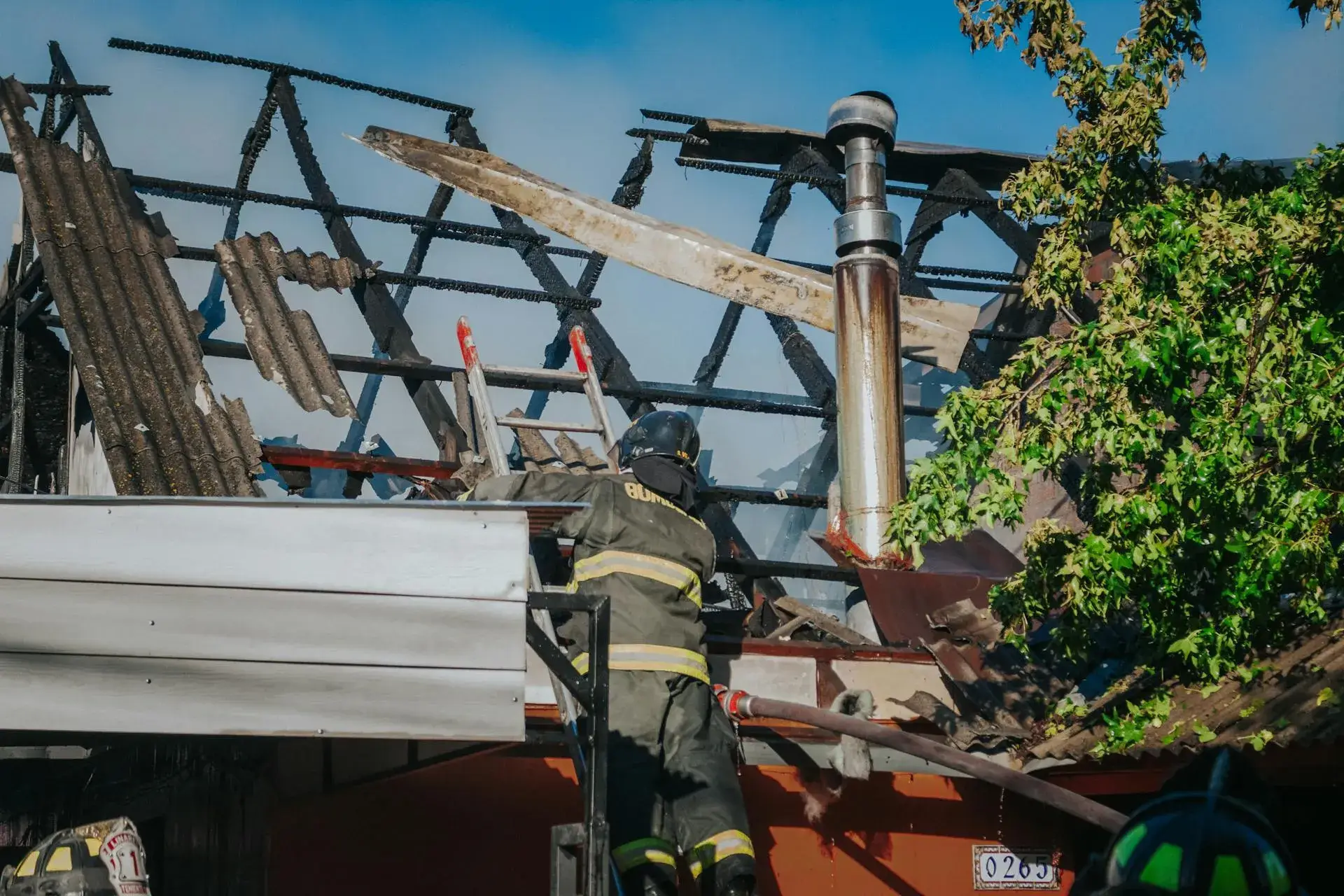
Fire Damage Restoration in Palatine, IL
Fire damage compounds every hour. Soot corrodes surfaces, smoke penetrates deeper into materials, and water from suppression spreads secondary damage. Our local team responds to Palatine emergencies within 60 minutes.
What Happens When You Call
A real person answers and assesses your situation immediately. We coordinate with your fire department's incident commander if the scene is still active.
Your dedicated restoration team is dispatched from our local base serving Palatine and the surrounding northwest Cook County communities.
Team arrives with board-up materials, air scrubbers, and assessment equipment. Emergency stabilization begins immediately.
Structure secured, initial soot and smoke assessment documented, restoration plan outlined. You know exactly what comes next.
A fire just changed everything about your property. The flames may be out, but the damage is still progressing. Soot is acidic and corrodes metals and discolors surfaces within hours. Smoke particles penetrate deeper into porous materials with every passing day. And the water used to suppress the fire is now creating its own damage path through your structure. X Response exists for this moment. When you reach out, your restoration team is mobilized within minutes. From that point forward, one team manages everything: stabilization, cleaning, reconstruction, and insurance coordination. Call now. Your team is standing by.
Why Palatine Homes Are Vulnerable to Fire Damage
Palatine is a village of 67,908 residents in northwest Cook County, served by the Palatine Fire Department from multiple stations across the community. The department's history is marked by a defining tragedy that shaped fire safety practices across the region. On February 23, 1973, three volunteer firefighters, Warren Ahlgrim, Richard Freeman, and John Wilson, were killed while battling a fire at the Ben Franklin Variety Store in downtown Palatine. The fire had been burning in the walls and ceiling of the store, and when the firefighters entered the basement, they were overcome by carbon monoxide. The store was owned by John Wilson himself. That event, commemorated at a permanent memorial in the village, transformed the Palatine Fire Department from a volunteer service into the professional, full-time department it is today.
Palatine's fire risk profile reflects its housing stock and density. The village experienced its most rapid residential growth during the 1960s and 1970s, when thousands of single-family homes, townhouses, and apartment complexes were built across formerly agricultural land. Many of these structures were built to the fire codes of their era, which allowed closer spacing between units, less fire-resistant materials in attic assemblies, and fewer barriers to fire spread through shared attic spaces in attached housing. The village's multi-family housing along Northwest Highway and Rand Road corridors includes numerous wood-frame apartment buildings with common attic spaces that allow fire to spread rapidly once it breaches a unit's ceiling. The Palatine Fire Department has responded to multiple multi-unit fires in these complexes, where fire starting in one apartment can damage dozens of units through smoke and heat migration through shared structural cavities.
1960s and 1970s Housing Stock and Fire-Spread Risk
Palatine's population grew rapidly during the 1960s and 1970s as suburban development filled the village with single-family homes, townhouses, and apartment complexes. Construction practices of that era used dimensional lumber framing with minimal fire blocking between wall cavities and attic spaces. In townhouse rows and multi-family buildings, this means fire can enter a wall cavity in one unit and travel horizontally through the shared attic space to adjacent units before visible flames appear on the exterior. Many of these structures also used plywood rather than fire-rated gypsum on attic knee walls and party walls. A fire that starts as a single-unit kitchen event can become a multi-unit loss within minutes once it reaches the attic, and the smoke damage extends to every unit sharing that attic space even if flames are contained. Restoration of these events requires working across multiple units, often with different owners or tenants, each with separate insurance policies and timelines.
Forced-Air Heating System Smoke Distribution
Nearly every home in Palatine relies on a forced-air furnace for heating, with ductwork running through basement ceilings, floor cavities, and attic spaces. During a fire, smoke and soot particles enter the HVAC system and distribute throughout the entire home, contaminating rooms far from the fire's origin. A kitchen fire that burns for just minutes before suppression can push smoke through the return-air system and into every bedroom, closet, and living space in the house. The ductwork itself becomes a reservoir of soot and odor that continues to contaminate the home every time the system runs, even after visible damage is cleaned. Effective fire damage restoration in Palatine always includes HVAC system assessment and cleaning, because leaving contaminated ductwork in place guarantees ongoing odor and particulate exposure regardless of how thoroughly the visible surfaces are restored.
Attached Garage Fires and Carbon Monoxide Exposure
Many Palatine homes built in the 1960s through 1980s feature attached two-car garages with direct entry into the home through a service door. These garages store vehicles, lawn equipment, paint, solvents, and other combustible materials in close proximity to the living space. When a garage fire occurs, the fire-rated separation between the garage and the home (typically a single layer of 5/8-inch Type X gypsum and a self-closing fire door) must perform perfectly to prevent fire and smoke from entering the living space. In practice, many of these barriers have been compromised by homeowner modifications: added electrical outlets, pet doors cut through the fire-rated drywall, door closers removed for convenience, or ductwork penetrations sealed inadequately. Carbon monoxide from a garage fire can enter the living space through these gaps while occupants sleep, creating a life-safety emergency before flames ever breach the wall.
Winter Heating Fires
Palatine's northern Illinois winters drive heavy use of heating systems from November through March. The National Fire Protection Association identifies heating equipment as the second-leading cause of home fires nationally, and the risk concentrates during the coldest months when systems run continuously. In Palatine, the specific risks include aging furnaces in homes built 50 to 60 years ago, space heaters used to supplement inadequate insulation in older construction, and fireplace or chimney fires in homes with wood-burning units. Furnace fires in Palatine basements can smolder undetected because the homeowner is asleep upstairs, allowing smoke to fill the basement and lower-level ductwork before triggering alarms on upper floors. By the time the fire is discovered and suppressed, smoke damage has permeated the entire HVAC system and every room it serves.
Electrical System Fires in Aging Infrastructure
Homes built in Palatine during the 1960s were wired with aluminum branch circuit wiring or undersized copper circuits that were adequate for the electrical loads of that era but are stressed by modern usage. Air conditioning, multiple computers, EV chargers, and kitchen appliances draw loads that original 100-amp panels and 14-gauge wiring were never designed to carry. Overloaded circuits, deteriorated insulation on wiring, and loose connections at outlets and switches generate heat that can ignite surrounding materials inside wall cavities. These fires often burn within walls for extended periods before becoming visible, producing heavy smoke damage throughout the structure while the fire itself remains concealed. When they do break through, the structural damage is more extensive than the visible burn area suggests because the fire has been consuming framing lumber and insulation within the cavity.
The 1973 Ben Franklin fire changed Palatine permanently, transforming a volunteer department into a professional service and embedding fire safety awareness into the community's identity. But the structural realities of a village built primarily in the 1960s and 1970s mean fire risk remains concentrated in aging electrical systems, shared attic spaces, compromised garage separations, and heating equipment running at full capacity through long winters. When fire strikes, the damage extends far beyond the burn area through smoke migration in HVAC systems and structural cavities. Restoration requires understanding not just where the fire burned, but where the smoke traveled and what it contaminated along the way.
What Happens to Your Home While You Wait
Within 1 Hour
Soot begins bonding to surfaces throughout the structure. Acidic smoke residue starts corroding exposed metals: appliances, light fixtures, plumbing fittings, and electronics. In Palatine homes with forced-air systems, smoke particles circulate through ductwork and settle on surfaces in rooms untouched by flame. Synthetic materials (carpets, upholstery, plastic fixtures) begin absorbing smoke compounds that become progressively harder to remove with time. Water from fire suppression spreads across floors and begins wicking into walls and subfloor materials.
1–24 Hours
Soot residue permanently stains porous surfaces including grout, natural stone, and unsealed wood if not treated. Metal surfaces begin pitting from acid exposure. Smoke odor penetrates deeper into soft materials, furniture foam, mattresses, clothing in closets, and drapes. Fire suppression water pools in basement areas and begins damaging materials identical to a flood event. If the structure is open to weather through fire-damaged roof or wall sections, additional rain exposure compounds the damage with every weather event.
24–48 Hours
Corrosion becomes visible on metal surfaces. Smoke-damaged drywall and paint begin yellowing permanently. The water from suppression efforts triggers mold growth in wall cavities and beneath flooring, adding biological contamination to the fire and smoke damage. Electronics exposed to smoke residue begin failing as conductive soot bridges circuit board components. HVAC ductwork continues circulating particles, re-contaminating cleaned areas if the system has not been isolated.
48–72 Hours
Oxidation and corrosion intensify on metal fixtures and structural connectors. Smoke odor becomes embedded in the structure's framing and insulation, requiring increasingly aggressive treatment methods. Mold colonies establish in water-damaged areas. Wood structural members exposed to both fire heat and suppression water begin warping and losing load-bearing capacity. Content items (clothing, documents, electronics) cross the threshold from cleanable to replacement as residue bonds permanently.
One Week and Beyond
Permanent corrosion damage to metal throughout the structure. Smoke odor permeates concrete, masonry, and structural wood to a depth that surface cleaning cannot reach. Mold growth from suppression water becomes a secondary remediation project. Restoration scope and cost escalate substantially compared to immediate response. Insurance claims become more complex as carriers question whether delayed mitigation increased the loss.
Fire damage gets worse with every hour of inaction. Soot corrodes, smoke penetrates, and water spreads. Contact X Response now. Our Palatine team responds within 60 minutes to begin stabilization and prevent secondary damage from compounding your loss.
How We Restore Fire-Damaged Palatine Homes
Fire damage restoration is more complex than most homeowners expect. It is not just the burned area that needs attention. Smoke, soot, and suppression water affect the entire structure. Here is exactly what the process involves for Palatine properties.
Emergency Stabilization and Board-Up
Our team arrives to secure the structure immediately after the fire department releases the scene. In Palatine, that means boarding up broken windows and fire-damaged openings to prevent weather exposure, unauthorized entry, and animal intrusion. We tarp damaged roof sections to stop rain from compounding water damage. If fire suppression water is still standing in the basement or lower level, we begin extraction simultaneously with board-up. The structure is stabilized against further damage before detailed assessment begins. Every action is documented with photos and notes that support your insurance claim from the first hour.
Damage Assessment and Scope Development
Once the structure is secure, our team conducts a comprehensive assessment that maps the full extent of fire, smoke, soot, and water damage. In Palatine's multi-level homes, this means tracing smoke paths through HVAC ductwork, checking attic spaces for heat and smoke penetration, assessing wall cavities for hidden fire extension, and documenting water damage from suppression efforts in basements and lower levels. We use thermal imaging to identify hot spots within walls that may indicate smoldering combustion not visible from the surface. The result is a detailed scope of work that drives the entire restoration and gives your insurance adjuster a clear picture of the loss.
Soot and Smoke Removal
Soot and smoke residue are removed using techniques matched to the surface and the type of residue. Dry soot from fast-burning fires requires different methods than the wet, sticky residue from smoldering fires that consume plastics and synthetics. We clean structural surfaces, contents, and HVAC systems using combinations of dry sponges, chemical sponges, wet cleaning, and specialized solvents appropriate to each material. HEPA-filtered air scrubbers run continuously during cleaning to capture airborne particles dislodged during the process. For Palatine homes with forced-air heating, we clean the entire ductwork system, supply and return, and replace filters before restoring air flow to prevent re-contamination of cleaned spaces.
Structural Repair and Reconstruction
Fire-damaged structural members are removed and replaced to restore the building's structural integrity. In Palatine's wood-frame construction, this may involve replacing charred studs, rafters, floor joists, or sheathing panels depending on the extent of damage. We match existing construction methods and materials to maintain consistency with the original structure and meet current Village of Palatine building code requirements. Electrical and mechanical systems in the affected area are inspected, repaired, or replaced as needed. Drywall, insulation, flooring, and trim are installed to return the space to pre-loss condition.
Odor Elimination and Final Verification
Smoke odor is the last and often most persistent element of fire damage. After structural cleaning and reconstruction, we deploy thermal fogging, ozone treatment, or hydroxyl generators as appropriate to neutralize odor compounds embedded in materials that were not replaced. The method depends on whether the structure is occupied, the type of combustion products involved, and the materials the odor has penetrated. Final air quality testing confirms that particulate levels and odor compounds have returned to acceptable levels. A complete walkthrough with documentation verifies that every element of the scope of work has been executed to standard.
The X Response Difference
Fire damage restoration requires coordination across emergency response, cleaning, reconstruction, and insurance documentation. X Response manages all of it with one team, one point of contact, and one standard of quality from start to finish.
Insurance Claim Guidance for Palatine Homeowners
Fire damage insurance claims in Illinois are typically covered under the dwelling and personal property sections of standard homeowner's policies, but the process is more complex than most homeowners expect. Your policy likely covers the structure, contents, additional living expenses if you are displaced, and debris removal. However, disputes arise around the scope of smoke damage, the boundary between fire-damaged and undamaged areas, the cost of code-upgrade requirements for rebuilt sections, and whether contents are cleaned or replaced. Illinois law requires carriers to pay the actual cash value initially and the replacement cost difference after repairs are completed, which means you may need to fund portions of the work upfront and seek reimbursement.
How X Response Helps
- Document all fire, smoke, soot, and water damage with professional photos and detailed scope of work before any cleaning or demolition begins
- Identify smoke migration paths through HVAC systems and structural cavities to establish the full extent of damage beyond the visible burn area
- Prepare documentation that meets Village of Palatine building department requirements for structural repair permits
- Coordinate with your insurance adjuster on scope disputes, particularly around smoke damage in areas distant from the fire origin
- Track additional living expenses and temporary housing costs that your policy should reimburse while the property is uninhabitable
X Response does not file claims on your behalf, adjust claims, or make coverage determinations. We provide documentation and guidance to help you navigate the claims process and make informed decisions about your property. Coverage decisions are made solely by your insurance carrier.
Certified Restoration Specialists Serving Palatine
When you contact X Response after a fire in Palatine, your restoration team is drawn from certified professionals who work across northwest Cook County and understand the specific challenges of restoring properties here. They know how smoke travels through the forced-air systems and shared attic spaces common in Palatine's 1960s and 1970s construction. They have restored single-family homes after kitchen fires, multi-unit buildings after electrical fires that spread through common attic spaces, and properties damaged by both fire and the water used to suppress it. They understand Village of Palatine building code requirements for structural repairs and can coordinate permit-required inspections without delays.
Every technician on your team holds current IICRC certification in fire and smoke restoration and carries the appropriate Illinois state licensing for the work being performed. Equipment includes HEPA air scrubbers, thermal foggers, ozone generators, and the full range of soot and smoke cleaning tools required for every type of fire residue. When your team arrives, they bring everything needed to begin stabilization immediately and transition into full restoration without waiting for additional equipment or personnel.
In Palatine, X Response works with Scene Cleaners, an independent local restoration partner serving Cook County.
Fire Damage Restoration FAQ for Palatine Homeowners
Other Emergency Services in Palatine
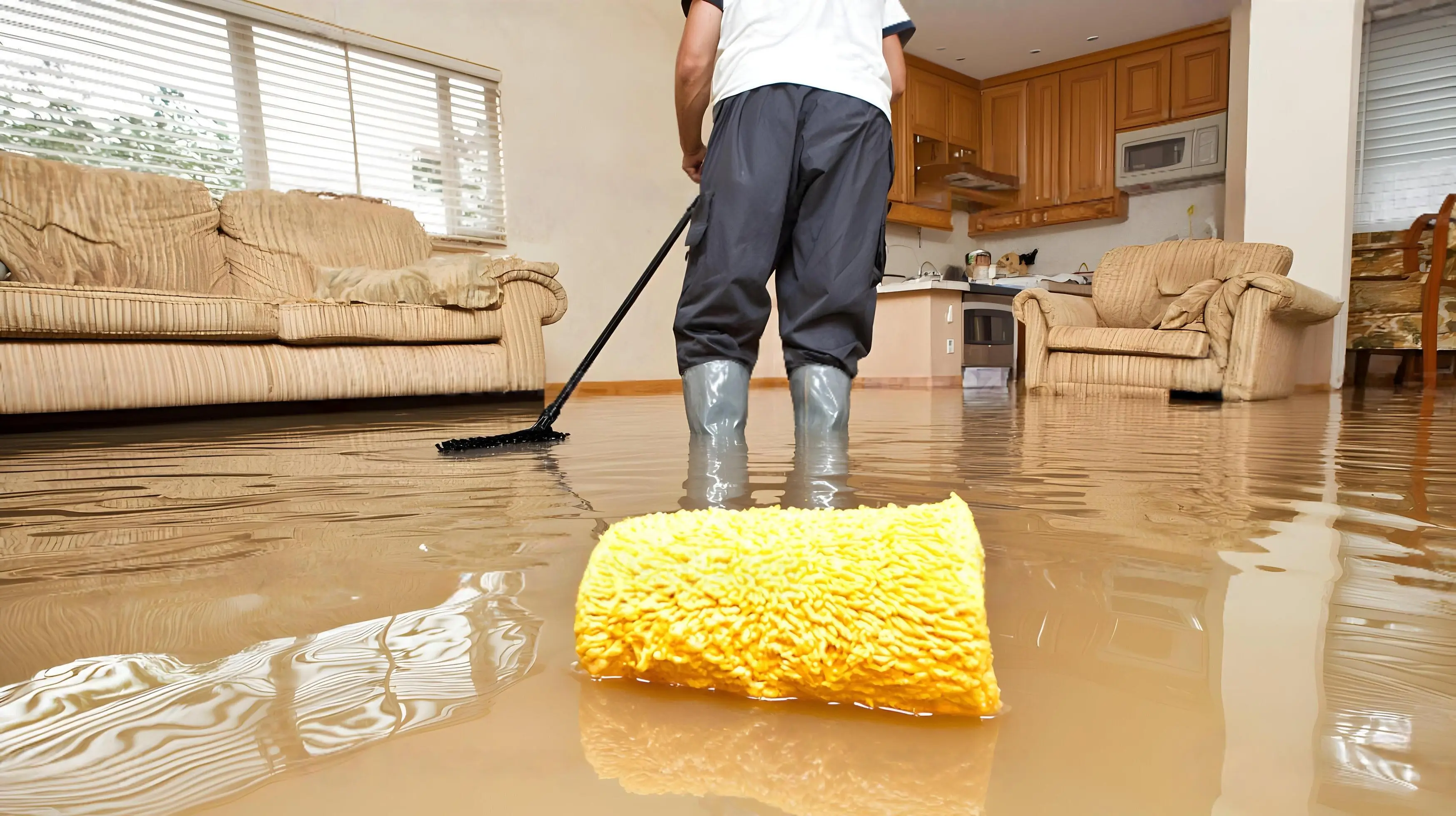
Water Damage Restoration
Burst pipes, storm flooding, standing water. We extract, dry, and restore before mold sets in.
Learn more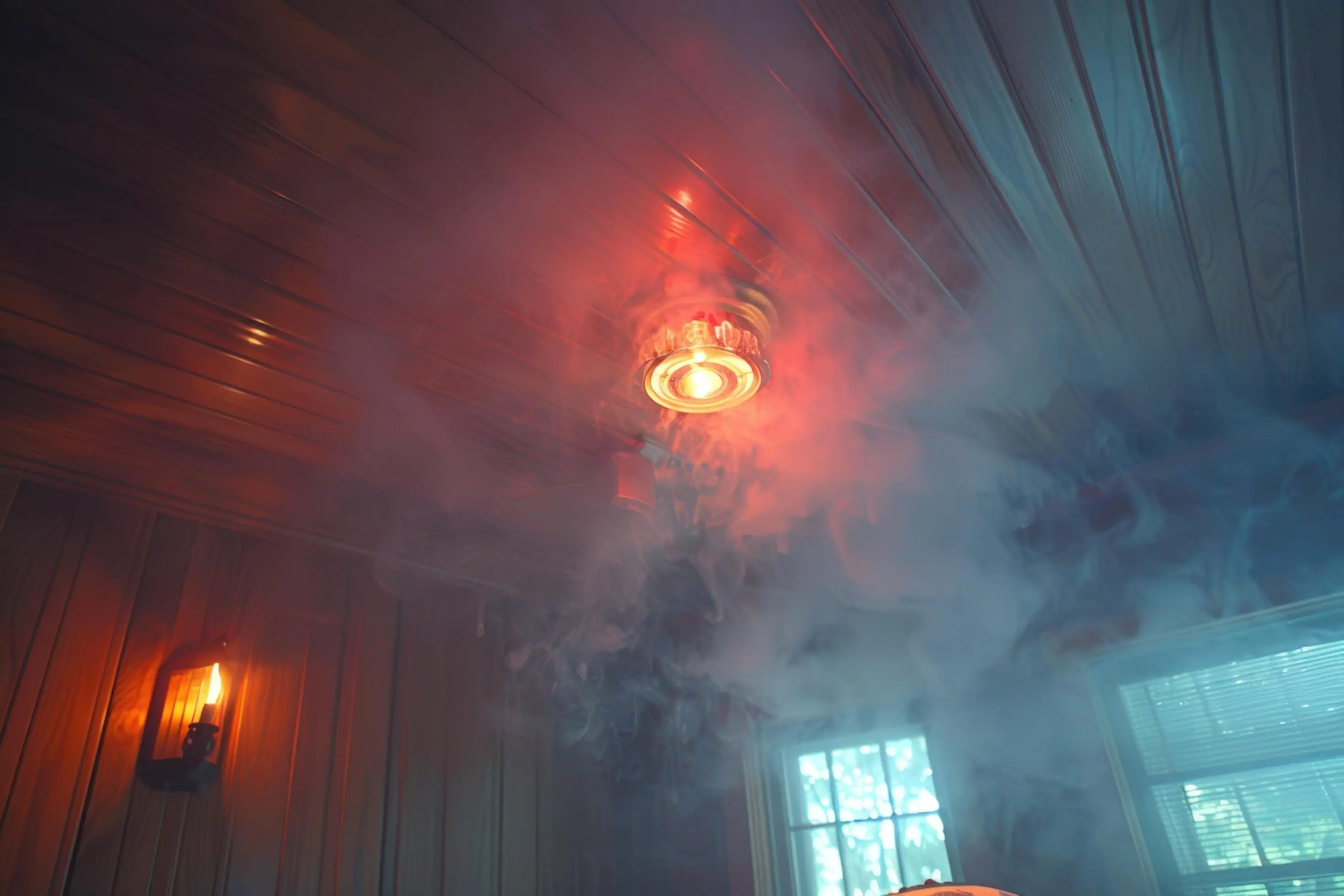
Smoke Damage Restoration
Soot residue, chemical odors, HVAC contamination. We decontaminate surfaces, eliminate odors, and restore air quality.
Learn more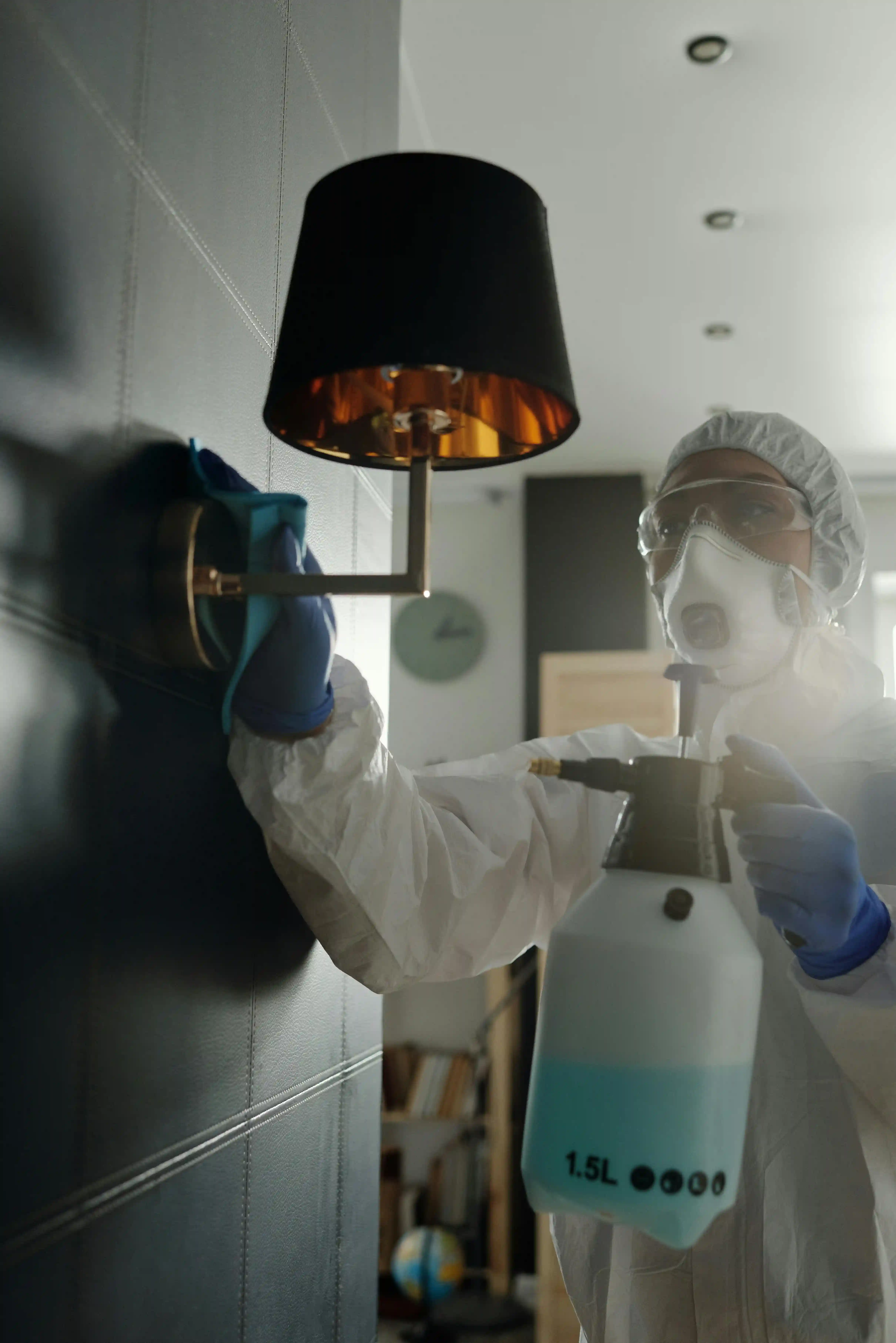
Mold Remediation
Testing, containment, removal, prevention. We find the source, eliminate the growth, and stop it from returning.
Learn more
Sewage Cleanup
Sewer backups, contaminated water, biohazard. We extract, sanitize, and restore safely.
Learn moreNearby Service Areas
Also serving nearby: