
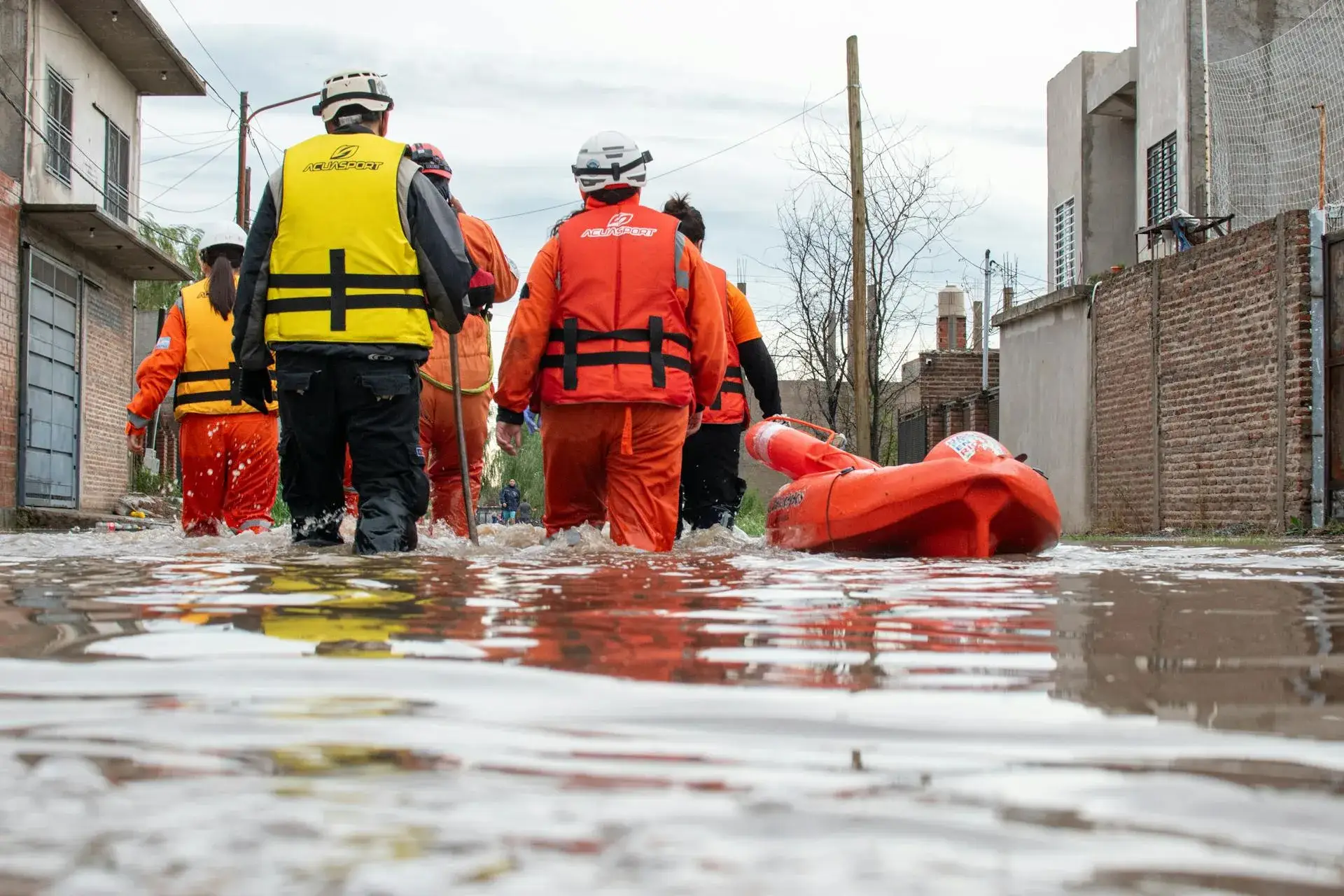
Water Damage Restoration in Palatine, IL
Every hour of standing water deepens structural damage and mold risk. Our local team responds to Palatine emergencies within 60 minutes.
What Happens When You Call
A real person answers, not a call center. We assess your situation, ask the right questions, and begin coordinating your response immediately.
Your dedicated restoration team is dispatched from our local base serving Palatine and the surrounding northwest Cook County communities.
Team arrives with industrial extractors, commercial dehumidifiers, and moisture detection equipment. Emergency mitigation begins immediately.
Water extracted, drying equipment placed and calibrated, restoration plan documented. You know exactly what comes next.
Water is moving through your property and you need it stopped now. Not after a callback queue, not tomorrow morning. X Response exists for exactly this moment. When you reach out, your restoration team is mobilized within minutes and on site within the hour. From that point forward, one team manages everything: extraction, drying, documentation, and insurance guidance. You are never left guessing about the next step. Call now. Your team is standing by.
Why Palatine Homes Are Vulnerable to Water Damage
Palatine is a village of 67,908 residents in northwest Cook County, Illinois, roughly 25 miles from downtown Chicago. The village sits within Palatine Township, one of the six townships that form the Cook County panhandle stretching northwest from the city. What makes Palatine's water damage profile distinctive is its position at the headwaters of Salt Creek. The creek originates at Wilke Marsh within the village and flows south through DuPage County before eventually reaching the Des Plaines River in Lyons. That headwater position means Palatine receives no upstream flooding from Salt Creek itself, but the low-lying marshland that feeds the creek creates saturated soils and poor natural drainage across large sections of the village, particularly in the older neighborhoods near downtown.
The Upper Salt Creek Watershed encompasses 55.3 square miles and 15 communities under the Metropolitan Water Reclamation District of Greater Chicago's stormwater management program. Palatine sits at the top of this watershed, meaning the stormwater that falls on the village must be managed locally before it enters the creek system. Buffalo Creek, a separate waterway flowing through the northern part of the village, adds another drainage challenge. A Detailed Watershed Plan by Christopher B. Burke Engineering documented approximately $68 million in flood damages along Buffalo Creek over a 50-year period, and the village has invested repeatedly in flood-control improvements in the Buffalo Creek neighborhoods. On July 23, 2011, more than 7 inches of rain fell on Palatine in under 24 hours. The storm overwhelmed local storm sewers, knocked out power to thousands of homes (disabling sump pumps), and left the intersection of Smith and Colfax streets impassable under standing water. The village later targeted that intersection for a $7 million stormwater improvement project funded through its Downtown TIF District.
Salt Creek Headwaters and Saturated Soils
Salt Creek begins at Wilke Marsh in Palatine, and the low-lying terrain surrounding the marsh creates a high water table across much of the village's central and southern sections. During sustained wet periods, the shallow groundwater rises and pushes against basement foundations from below, entering through floor cracks, cold joints between the slab and foundation walls, and deteriorated drain tile systems. This is not surface flooding visible from the street. It is subsurface pressure that appears as damp spots on basement floors, water seeping through cracks, and sump pits that cannot keep pace with the inflow. Homes built in the 1960s and 1970s during Palatine's period of rapid growth often sit on lots graded toward the marsh drainage corridor, compounding the problem during spring snowmelt and extended rain events when the soil simply cannot absorb additional moisture.
Buffalo Creek Corridor Flooding
Buffalo Creek flows through the northern portion of Palatine and has a documented history of overbank flooding that affects residential neighborhoods along its corridor. The Chicago Tribune reported in 2002 that more than 300 residents attended a village hall meeting after heavy rains in September and October 2001 caused Buffalo Creek to flood basements and leave dozens of streets temporarily impassable. The village council discussed solutions costing $2.5 million to $3.9 million for the Buffalo Creek area alone. The creek's relatively small channel cannot contain the volume of runoff generated by intense suburban rainfall across its highly developed watershed. When the creek rises, water backs into storm sewer outfalls and reverses flow into the system, pushing water up through basement floor drains and sump pump discharge lines. Homes within the Buffalo Creek floodplain face recurring risk during any storm that exceeds the system's design capacity.
Storm Sewer Surcharge and Basement Backups
Palatine operates a separated sewer system, meaning stormwater and sanitary sewage travel in different pipes. However, during intense rainfall the storm sewer system can fill faster than it drains, creating a condition called surcharge where water under pressure backs up through basement floor drains, laundry tubs, and sump pump connections. This is different from the combined sewer overflows seen in older parts of Cook County, but the result for the homeowner is similar: water rising from the lowest fixtures in the house. The July 2011 storm demonstrated this clearly when widespread power outages disabled thousands of sump pumps simultaneously while the storm sewers surcharged, leaving basements with no mechanical defense against either source. The village recommends overhead sewer conversions and backwater valves as protective measures, but many homes built before these became standard still rely on below-grade connections that are vulnerable to surcharge events.
Sump Pump Dependency and Power Failure
Palatine's high water table makes sump pumps essential rather than optional for most homes in the village. A functioning sump pump running during normal conditions may cycle every few minutes during wet seasons, continuously removing groundwater that seeps beneath the foundation slab. When power fails during a storm, that continuous removal stops, and water rises rapidly in the sump pit, eventually overflowing onto the basement floor. The July 2011 event demonstrated this vulnerability at scale: the same storm that overwhelmed drainage systems also knocked out electrical service to thousands of homes, eliminating the one mechanical system keeping basements dry. Battery backup systems and water-powered backup pumps exist, but many Palatine homes, particularly those built in the 1960s through 1980s, were never retrofitted with these redundancies. A single power outage during heavy rain can produce more basement water damage across the village than the rainfall alone would cause.
Spring Snowmelt and Freeze-Thaw Cycles
Palatine's northern Illinois climate delivers significant snowfall from November through March. The spring thaw adds a sustained water-loading period that raises the already-shallow water table and saturates the soil around basement foundations for weeks. When a warm rain event coincides with active snowmelt, the combined water volume overwhelms the storm sewer system, saturates the ground completely, and enters basements both through foundation walls from the outside and through overwhelmed sump systems from below. The freeze-thaw cycle itself damages foundation walls over time: water enters hairline cracks, freezes, expands, and widens the crack each winter. After 40 to 50 years of this cycle, foundations that were sound when built develop networks of entry points that admit water during any period of elevated soil moisture.
These factors interact during major storms. The saturated headwater soils limit drainage capacity. Buffalo Creek and the storm sewers fill simultaneously. Power outages disable sump pumps across the village. And the aging housing stock provides multiple entry points for water that newer construction would resist. Effective water damage restoration in Palatine means understanding whether the water came from a surcharged storm sewer, a failed sump pump, rising groundwater, or overbank flooding from Buffalo Creek, because each source determines the contamination level, the drying strategy, and the materials that can be saved versus those that must be removed.
What Happens to Your Home While You Wait
Within 1 Hour
Water spreads across basement floors, wicks into drywall and baseboards, and saturates carpet padding against the concrete slab. In Palatine homes with finished basements, it moves beneath laminate and engineered flooring, pooling against the subfloor membrane. During storm sewer surcharge events, water may continue rising from floor drains as long as the system remains under pressure. Standing water begins absorbing into porous concrete and the base of wood-framed partition walls. The damage you cannot yet see is already underway.
1–24 Hours
Drywall wicks moisture upward from the floor line at roughly an inch per hour in standard conditions. Wood baseboards and door casings swell. If the water source is a storm sewer surcharge carrying debris and sediment, contaminants spread through every material the water touches. Musty odors develop as microbial activity begins in the warm, enclosed basement environment. Particleboard shelving, cardboard storage, and furnishings in contact with the floor absorb water and begin to deteriorate. Metal fasteners and electrical junction boxes at or below the water line begin corroding.
24–48 Hours
Mold colonization begins in hidden spaces behind finished basement walls, beneath flooring, and in the seams between drywall panels. Cook County's summer humidity slows natural evaporation and accelerates biological growth. Drywall loses structural integrity and begins to sag or crumble at the base. Wood framing at the sill plate level, where partition walls meet the concrete slab, swells and begins stressing fasteners. What began as a drying job starts crossing into demolition territory.
48–72 Hours
Mold spreads into HVAC ductwork running through basement ceiling cavities and distributes spores throughout the home via the forced-air heating system. Contamination moves well beyond the original wet area. Engineered wood flooring delaminates. Particleboard subfloor panels swell and lose structural capacity. If the water carried sediment or debris from a storm sewer surcharge, organic matter trapped in carpet fibers and behind baseboards accelerates bacterial growth. Restoration scope and cost climb sharply.
48 Hours–One Week
Extensive mold growth through wall cavities, behind vinyl-covered basement panels, and across ceiling joists. Structural wood at connection points begins to decay. Metal ductwork develops condensation and corrosion. Odors permeate soft furnishings and carpet throughout the home as spores travel through the HVAC system. What started as water extraction becomes full mold remediation, demolition, and rebuild. Insurance claims grow more complex and contested as the scope expands beyond the original water event.
One Week and Beyond
Widespread biological contamination requiring gut-level demolition of finished basement spaces. Foundation integrity questions arise if water has been pooling against exterior walls or saturating the soil around the foundation for extended periods. The scope of restoration expands to include not just the basement but any connected space where moisture or mold has traveled through the HVAC system or wall cavities. Costs multiply and insurance disputes intensify as carriers question whether timely mitigation could have limited the damage.
The difference between drying your basement in place and gutting it to bare concrete is often measured in hours of response time. Contact X Response now. Our Palatine team responds within 60 minutes.
How We Restore Water-Damaged Palatine Homes
From the moment our team arrives, every step is documented, measured, and verified. Here is exactly what the restoration process involves for Palatine properties.
Emergency Assessment and Documentation
Our team arrives with thermal imaging cameras and professional moisture meters to map the full extent of water intrusion. In Palatine homes, that means inspecting finished and unfinished basement areas, checking behind wall panels and beneath flooring, probing the sill plate where wood framing meets the concrete foundation, and determining whether water entered from a storm sewer surcharge, a failed sump pump, rising groundwater from the saturated headwater soils near Salt Creek, or overbank flooding from Buffalo Creek. The source determines the contamination category and the entire downstream restoration strategy. Everything is documented with photos, moisture readings, and a written scope of work that guides the restoration and gives your insurance company the evidence it needs from day one.
Water Extraction
Standing water is removed using truck-mounted and portable extraction units capable of pulling hundreds of gallons per hour. For Palatine basements, we deploy submersible pumps for deep standing water and weighted extraction tools that pull moisture from carpet and pad systems without requiring immediate removal where materials are salvageable. If flooding is ongoing because the storm sewer remains surcharged or the sump pump has failed, we establish temporary pumping to manage the active intrusion while extraction continues in the structure. Every gallon removed mechanically is a gallon that does not need to be evaporated, shortening the drying timeline substantially.
Structural Drying and Dehumidification
This is the longest and most critical phase. We position commercial dehumidifiers and high-velocity air movers in a calculated pattern that drives airflow across every wet surface and pulls moisture from materials faster than the ambient Cook County air allows naturally. Northern Illinois humidity during summer months slows evaporation and makes mechanical dehumidification essential rather than optional. We dry concrete slabs, foundation walls, wood framing, subfloor membranes, and wall cavities directly, returning daily to take moisture readings and reposition equipment until meters confirm the structure has reached its dry standard. For homes with finished basements where removed drywall exposes wall cavities, we dry the framing and insulation before any reconstruction begins.
Antimicrobial Treatment and Contamination Control
Once surfaces are dry, we apply EPA-registered antimicrobial treatments to all affected areas. In Palatine, storm sewer surcharge events can carry sediment, debris, and organic matter that creates contamination even though the system is separated from sanitary sewage. For those events, antimicrobial treatment addresses the biological load introduced by the stormwater. For clean-water events from supply-line failures or appliance malfunctions, treatment prevents secondary mold growth during the drying period. HEPA air scrubbers run throughout the project to capture airborne particulates and spores and protect indoor air quality while the structure dries.
Quality Verification and Completion
Before we consider the job complete, a final inspection verifies that all moisture readings have returned to acceptable levels, every treated area is clean and dry, and the scope of work has been fully executed. We hand you completion documentation including before-and-after photos, final moisture readings, and a summary of all work performed. That record supports your insurance claim and gives you a clear account of what was done. If any area does not pass our quality check, we keep working until it does. There is no partial completion.
The X Response Difference
When you contact X Response, you get a dedicated restoration team that manages everything, from emergency mitigation through insurance documentation to final quality verification. One team, one point of contact, one standard of work from start to finish.
Insurance Claim Guidance for Palatine Homeowners
Water damage insurance claims in Illinois turn on the source of the water and whether you carry the right endorsements. Standard homeowner's policies cover sudden and accidental events like burst pipes, failed water heaters, and appliance line ruptures. Flood damage from rising surface water, including overbank flooding from Buffalo Creek and surface ponding during extreme rain, is not covered under a standard policy and requires separate flood insurance through the National Flood Insurance Program or a private carrier. Storm sewer backup, which causes many Palatine basement floods during intense rainfall, typically requires its own endorsement that many homeowners do not realize they need until water is already on the floor. Sump pump failure, another common cause in Palatine given the high water table, also requires a specific endorsement in most Illinois policies.
How X Response Helps
- Document all damage with professional photos, moisture readings, and a detailed scope of work from day one
- Identify the water source clearly, as storm sewer backup, surface flooding, sump pump failure, and plumbing failure each trigger different coverage under Illinois policies
- Prepare documentation that meets Village of Palatine and Cook County requirements so your claim is complete
- Align our restoration scope with standard insurance coverage categories so your adjuster can process the claim efficiently
- Explain your policy's likely coverage before you file, so you understand your options and potential out-of-pocket exposure
X Response does not file claims on your behalf, adjust claims, or make coverage determinations. We provide documentation and guidance to help you make informed decisions about your property and your policy. Coverage decisions are made solely by your insurance carrier.
Certified Restoration Specialists Serving Palatine
When you contact X Response for a water damage emergency in Palatine, your restoration team is drawn from certified professionals who work across northwest Cook County and understand the specific challenges of restoring properties here. They know how the Upper Salt Creek Watershed behaves during heavy rain, how the storm sewer system responds when rainfall exceeds its design capacity, and how the high water table near Wilke Marsh affects basements throughout the village's central and southern neighborhoods. They have worked through surcharge events near downtown, sump pump failures in the neighborhoods along Buffalo Creek, and appliance failures in the multi-family complexes along Northwest Highway. This is not a crew dispatched from hours away with no local context. It is a local team with local expertise, operating under national quality standards.
Every technician on your team holds current IICRC certification in water damage restoration and carries the appropriate Illinois state licensing for the work being performed. Equipment is commercial-grade and maintained to manufacturer specifications. When your team arrives, they bring everything needed to begin mitigation immediately, including basement extraction tools, commercial dehumidifiers sized for the volume of typical Palatine homes, thermal imaging equipment to map hidden moisture behind finished basement walls, and the documentation tools to build your insurance file from the first hour on site.
In Palatine, X Response works with Scene Cleaners, an independent local restoration partner serving Cook County.
Water Damage Restoration FAQ for Palatine Homeowners
Other Emergency Services in Palatine

Fire Damage Restoration
Structural damage, soot, debris. We stabilize, clean, and rebuild what fire destroyed.
Learn more
Smoke Damage Restoration
Soot residue, chemical odors, HVAC contamination. We decontaminate surfaces, eliminate odors, and restore air quality.
Learn more
Mold Remediation
Testing, containment, removal, prevention. We find the source, eliminate the growth, and stop it from returning.
Learn more
Sewage Cleanup
Sewer backups, contaminated water, biohazard. We extract, sanitize, and restore safely.
Learn moreNearby Service Areas
Also serving nearby: